
Tetramorium syriacum
- Sci. Name
- Tetramorium syriacum
- Tribe
- Crematogastrini
- Subfamily
- Myrmicinae
- Author
- Emery, 1924
- Distribution
- Found in 1 countries
Introduction
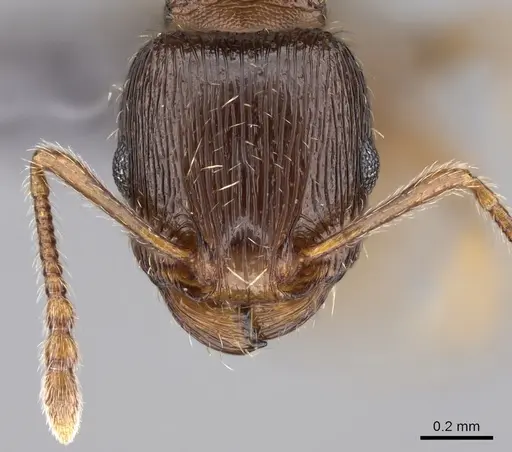
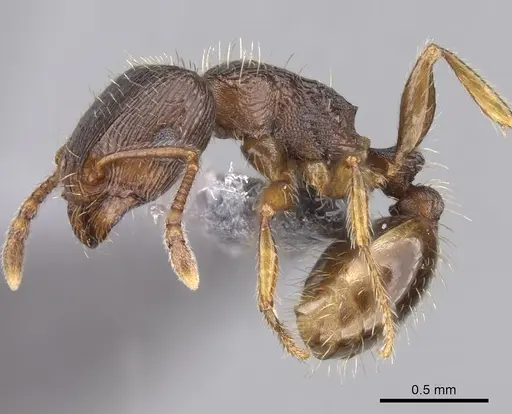
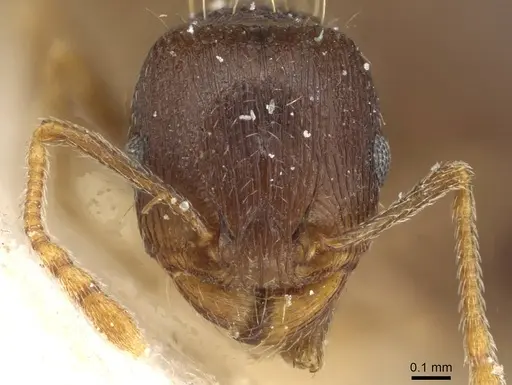
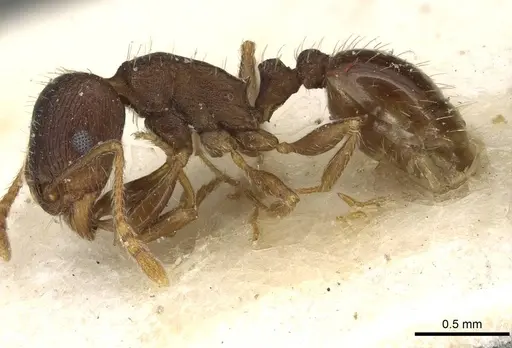
Tetramorium syriacum is an ant species native to the Middle East and eastern Mediterranean region. Workers are relatively large for the genus, with a dark brown to black body and a coarsely wrinkled (rugose) surface texture. The most recognizable feature is the extremely wide frons (the area between the eyes), which sets this species apart from related Tetramorium. The head is slightly longer than broad, the scape is short, and the petiolar node has a cubic (box-like) shape in profile. These ants are found across Israel, Syria, Turkey, Georgia, and Saudi Arabia, preferring dry to arid habitats like date farms and roadside desert areas . This species belongs to the Tetramorium caespitum complex, a group of closely related species that can be difficult to distinguish. Like other Tetramorium, they are ground-nesting ants that forage on the surface. The species was originally described as a variety of Tetramorium caespitum but was later elevated to full species status. Interestingly, only the worker caste has been documented in scientific literature - queens and males remain unknown .
Quick Summary
- Difficulty: Medium
- Origin & Habitat: Native to the Middle East and eastern Mediterranean region. Found in Israel (Jordan Valley, Judean Hills, Dead Sea area, central Negev), Syria, Turkey, Georgia, and Saudi Arabia. Inhabits dry to arid habitats including date farms and roadside desert areas, with foragers found on the ground [2][1][3].
- Colony Type: Unconfirmed, only the worker caste has been documented. Based on typical Tetramorium patterns, likely forms single-queen colonies, but colony structure has not been studied [1].
- Size & Growth:
- Queen: Unknown, queen caste has not been described in scientific literature
- Worker: Worker body size not directly reported in scientific literature, described as large for the genus. Head measurements (not suitable for body length) are available but not used here [1].
- Colony: Unknown, no colony size data available
- Growth: Unknown
- Development: Estimated 6-10 weeks based on typical Tetramorium development patterns (Development timeline not directly studied for this species. Estimates are based on genus-level data for related species.)
- Antkeeping:
- Temperature: Keep at 22-26°C. This species comes from warm Mediterranean and arid Middle Eastern climates, so they prefer warmer conditions. A heating cable on one side of the nest can create a beneficial gradient [1][2].
- Humidity: Low to moderate, these are desert and dry habitat ants. Keep the nest substrate moderately dry, with a small moist area for brood. Avoid excessive moisture [2].
- Diapause: Likely required, based on temperate Middle Eastern distribution, colonies probably need a winter rest period of 2-3 months at reduced temperatures (around 10-15°C). Monitor colony response, as this is inferred.
- Nesting: Ground-nesting species. In captivity, they do well in Y-tong (AAC) nests, plaster nests, or naturalistic setups with soil/sand substrate. Provide a compact nest chamber rather than elaborate tunnel systems.
- Behavior: Tetramorium syriacum workers are active foragers that search for food on the ground surface. They are not particularly aggressive but will defend their nest. Their primary defense is smearing venom onto threats rather than stinging, but they can still pinch if handled roughly. Workers are medium-sized and relatively robust, making them easy to contain with standard barriers. Escape risk is moderate, standard formicarium barriers should suffice, but check for gaps as workers can squeeze through small openings.
- Common Issues: queen and male castes unknown, cannot establish colonies from wild-caught queens since the reproductive caste has never been documented, limited distribution data makes precise care requirements uncertain, dry habitat requirements mean overwatering can cause mold problems, winter dormancy needs are inferred but not confirmed, monitor colony response, only the worker caste has been described scientifically, no information on founding behavior
Appearance and Identification
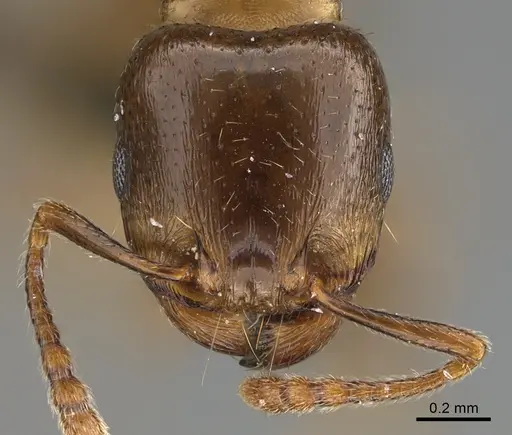
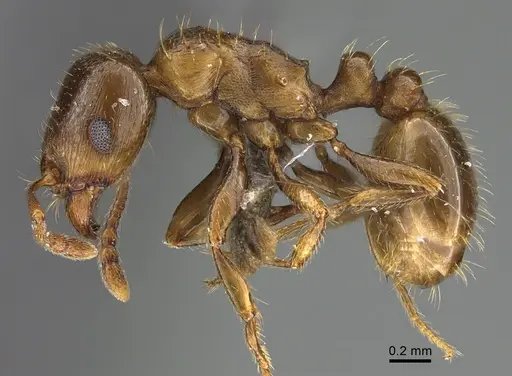
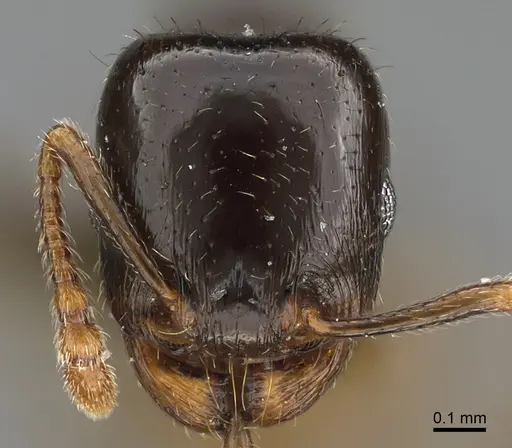
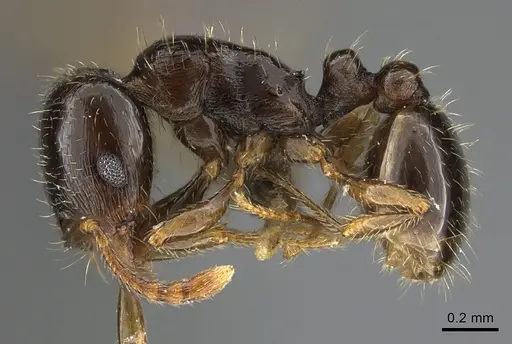
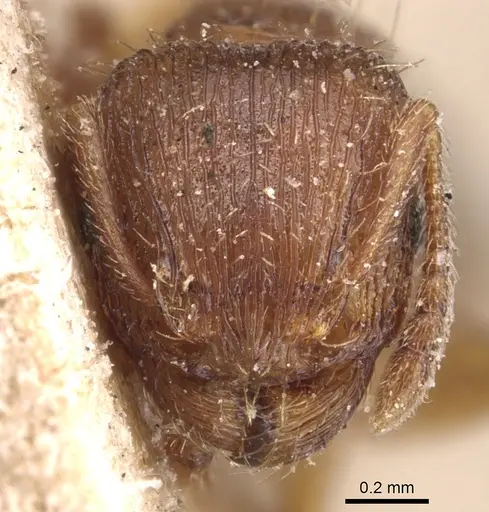
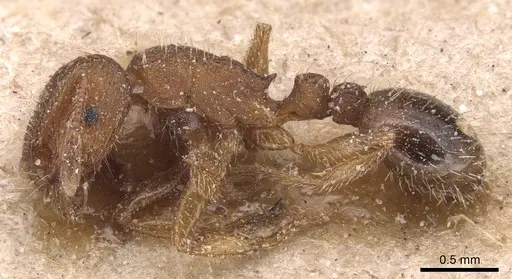
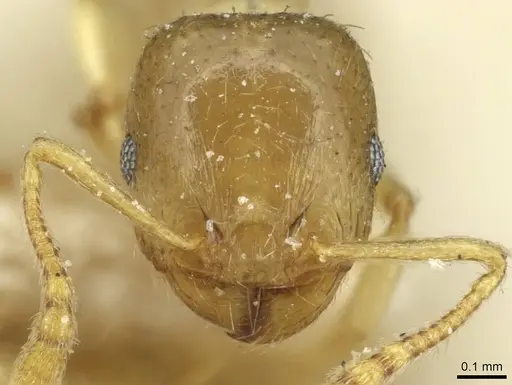
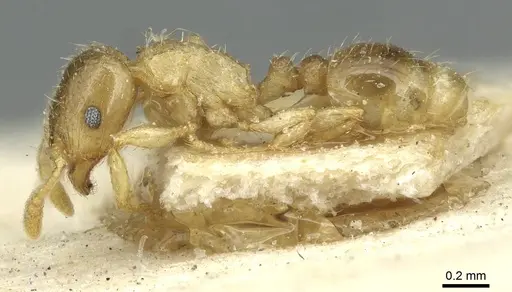
Tetramorium syriacum workers are relatively large for a Tetramorium species. The body is dark brown to black with a coarsely rugose (wrinkled) surface texture. The most distinctive feature is the extremely wide frons, the area between the compound eyes, which is unusually broad even for this genus. The head is slightly longer than it is wide, the eyes are relatively small, and the antennae have short scapes. The petiolar node has a characteristic cubic (box-like) shape when viewed from the side. These ants lack a psammophore (a basket of hairs for carrying sand grains), which helps distinguish them from some related species [1].
Natural Distribution and Habitat
This species is found across the eastern Mediterranean and Middle East. Known populations exist in Israel (particularly the Jordan Valley, Judean Hills, Dead Sea area, and central Negev), Syria, Turkey, Georgia, and Saudi Arabia. They inhabit dry to arid environments, with specimen collection records from date farms and roadside desert areas. The zoogeographical affinity is East Mediterranean, meaning they are part of a species group adapted to warm, relatively dry conditions [4][2][3].
Temperature and Care
Keep Tetramorium syriacum at warm temperatures in the 22-26°C range. This species comes from Mediterranean and arid Middle Eastern climates, so they handle heat better than cool conditions. Use a heating cable on one side of the nest to create a temperature gradient, allowing workers to move between warmer and cooler areas. At lower temperatures (below 18°C), colony activity will slow significantly. Based on their geographic distribution, they likely need a winter dormancy period of 2-3 months at reduced temperatures around 10-15°C to simulate seasonal changes in their native habitat [1][2].
Humidity and Nesting
These are dry habitat ants that prefer low to moderate humidity. Keep the nest substrate moderately dry, damp but not waterlogged. Provide a small moist area for brood development, but most of the nest should remain drier. In captivity, they do well in Y-tong (AAC) nests, plaster nests, or naturalistic setups with sandy soil. The nest chamber should be relatively compact. Avoid excessive moisture which leads to mold, a common problem with desert-adapted species. A thin layer of substrate that dries relatively quickly works better than deep, damp soil [2].
Feeding and Diet
Like other Tetramorium species, these ants are likely omnivorous with a preference for protein. Offer them small insects (fruit flies, small crickets, mealworms) as a primary food source. They will also accept sugar sources like honey water or sugar water, though protein is important for brood development. Feed them 2-3 times per week, removing uneaten food promptly to prevent mold. Observe your colony's preferences, some colonies are more protein-focused while others readily accept sugar.
Colony Structure and Development
Scientific literature only describes the worker caste for this species, queens and males have never been documented. This makes captive breeding challenging since we cannot confirm what a queen looks like or when nuptial flights occur. Based on typical Tetramorium patterns, colonies likely have a single queen (monogyne), but this is unconfirmed. Worker colony size is unknown. Development from egg to worker likely takes 6-10 weeks at optimal temperature, following typical patterns for the genus, but this has not been directly studied for Tetramorium syriacum [1].
Frequently Asked Questions
How do I identify Tetramorium syriacum ants?
Workers are large for the genus with a dark brown to black body. The most distinctive feature is the extremely wide frons between the eyes. They have a coarsely rugose (wrinkled) body surface, a slightly elongated head, short antennae scapes, and a cubic-shaped petiolar node when viewed from the side [1].
Where is Tetramorium syriacum found in the wild?
This species is native to the Middle East and eastern Mediterranean. Known range includes Israel, Syria, Turkey, Georgia, and Saudi Arabia. They inhabit dry areas like date farms and roadside desert environments [2][3].
What temperature do Tetramorium syriacum ants need?
Keep them warm at 22-26°C. These are warm-climate ants from Mediterranean and arid regions that handle heat better than cool conditions. A temperature gradient with a heating cable on one side of the nest allows workers to regulate their own temperature [1][2].
Do Tetramorium syriacum ants need hibernation?
Likely yes, based on their temperate Middle Eastern distribution, colonies probably need a winter rest period of 2-3 months at reduced temperatures around 10-15°C. This mimics the seasonal conditions in their native habitat.
What do Tetramorium syriacum ants eat?
They are omnivorous like other Tetramorium. Offer small insects (fruit flies, small crickets, mealworms) as a primary protein source, and sugar water or honey water for carbohydrates. Feed 2-3 times per week and remove uneaten food to prevent mold.
Can I keep multiple Tetramorium syriacum queens together?
This has not been studied. Colony structure (monogyne vs polygyne) is unconfirmed for this species. Based on typical Tetramorium patterns, single-queen colonies are most likely. Combining unrelated queens is not recommended without evidence they will accept each other.
How big do Tetramorium syriacum colonies get?
Colony size is unknown, no scientific data exists on maximum colony size for this species. Based on related Tetramorium species, colonies likely reach several hundred to a few thousand workers.
How long does it take for Tetramorium syriacum eggs to become workers?
Exact development time is unconfirmed, but based on typical Tetramorium patterns, expect 6-10 weeks from egg to first worker at optimal temperature (around 24°C).
Are Tetramorium syriacum ants aggressive?
They are not particularly aggressive but will defend their nest if threatened. Their primary defense is smearing venom rather than stinging, but they can still pinch if handled roughly.
What type of nest is best for Tetramorium syriacum?
They do well in Y-tong (AAC) nests, plaster nests, or naturalistic setups with sandy soil. These are ground-nesting ants from dry habitats, so provide a relatively compact nest chamber with moderate dryness. Avoid overly humid or elaborate tunnel systems.
Why can't I find a queen Tetramorium syriacum?
The queen caste has never been scientifically described for this species. Only workers have been documented in research literature. This makes establishing colonies from wild-caught queens extremely difficult since we don't know what to look for [1].
Report an Issue
The current care sheet is based fully on literature. See inconsistencies, or something that's incorrect? Please , it will be resolved after review from an admin. Contributing to the blogs tab also helps providing information, to make us be able to further improve the caresheets. Thank you for your support!
References

This caresheet is licensed under CC BY-SA 4.0 .
Community Blogs
ANTWEB1041903
View on AntWeb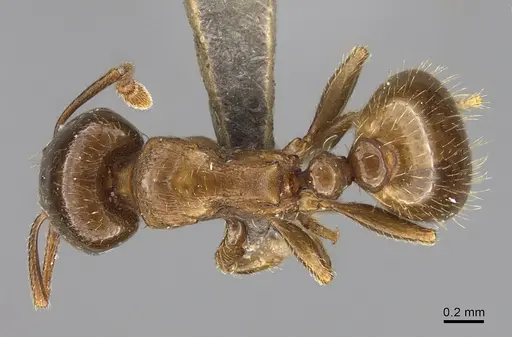
ANTWEB1041904
View on AntWeb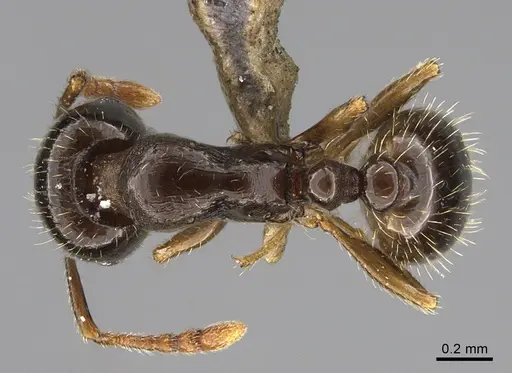
CASENT0263812
View on AntWeb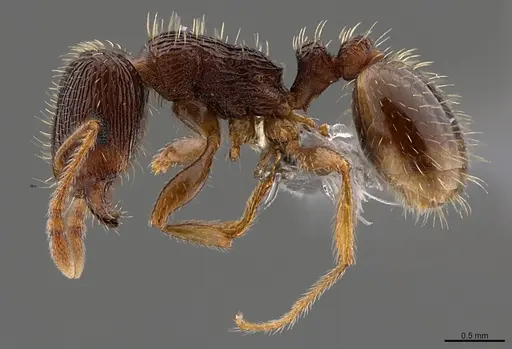
CASENT0263996
View on AntWeb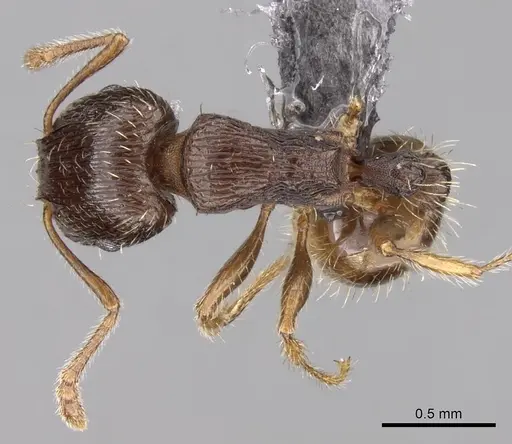
CASENT0904810
View on AntWeb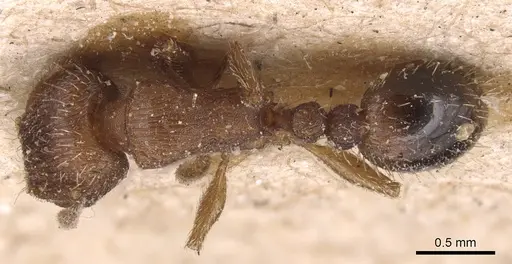
CASENT0915052
View on AntWeb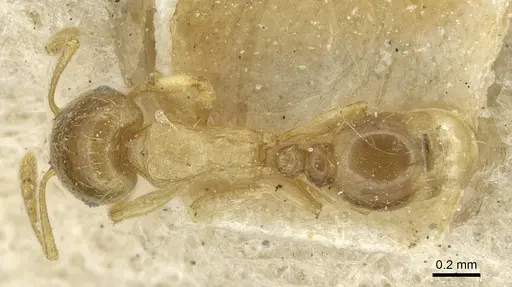
CASENT0915084
View on AntWeb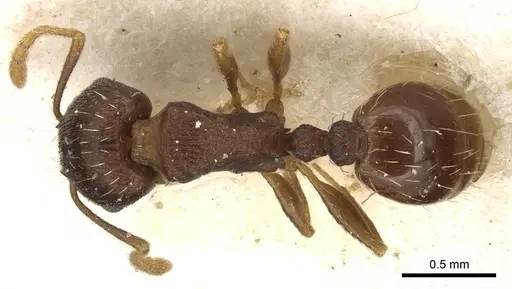
Literature
Loading distribution map...Loading products...