
Tetramorium subcoecum
- Sci. Name
- Tetramorium subcoecum
- Tribe
- Crematogastrini
- Subfamily
- Myrmicinae
- Author
- Forel, 1907
- Distribution
- Found in 6 countries
Introduction
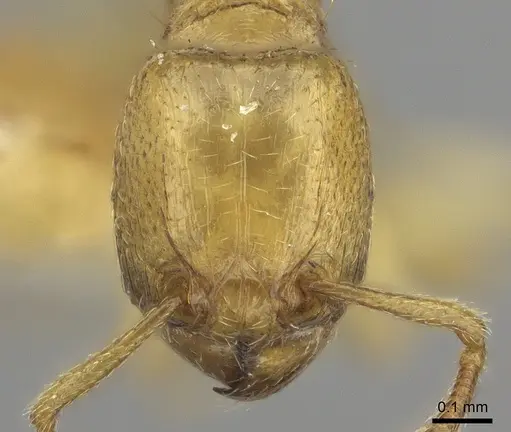
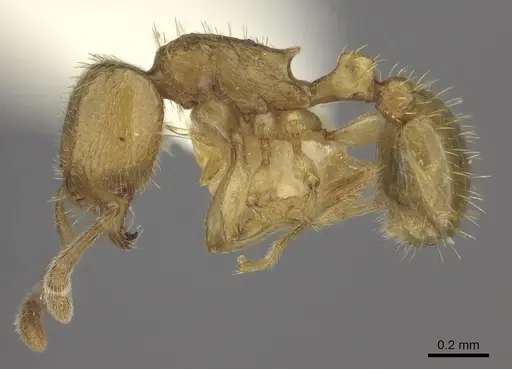
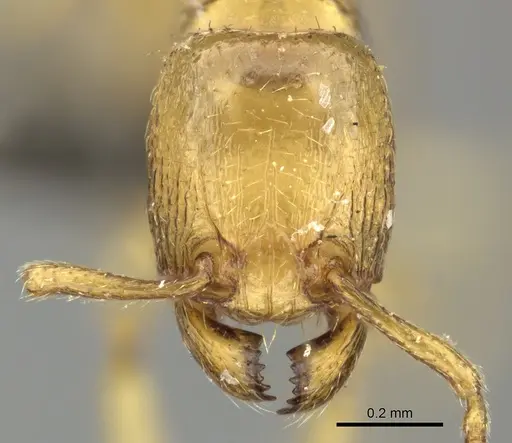
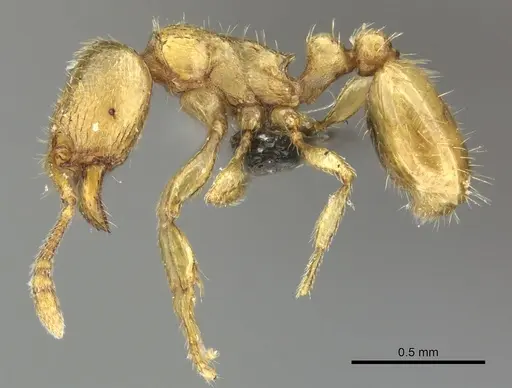
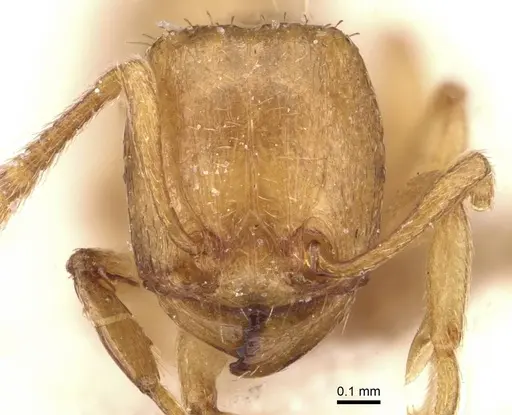
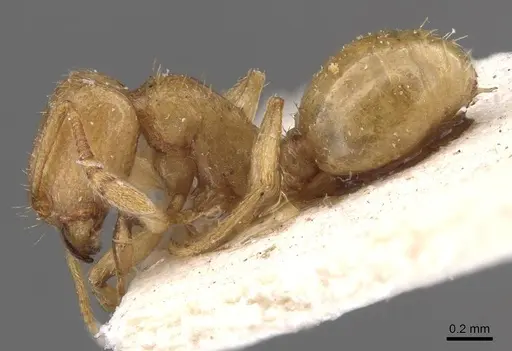
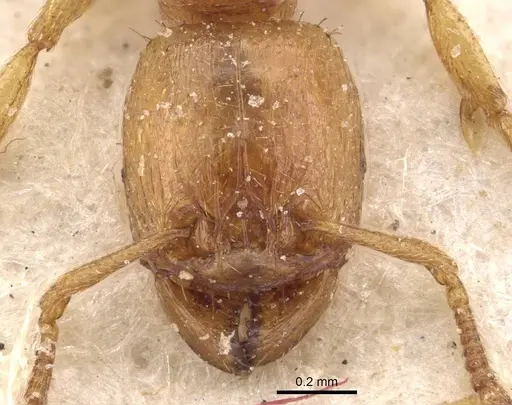
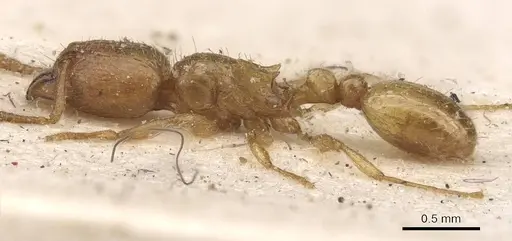
Tetramorium subcoecum is a tiny yellow ant from the Afrotropical region, recorded in Kenya, Tanzania, Zimbabwe, South Africa, Botswana, Namibia, Eritrea, Ethiopia, and Rwanda . Workers measure 2.4–3.0 mm total length, making them one of the smaller Tetramorium species . Their eyes are extremely reduced – just a single ommatidium – and they lack antennal scrobes . The species was originally described from Kenya in 1907; the variety T. subcoecum inscia is now a synonym . These ants live in grasslands, acacia woodland, and savanna, nesting in soil or under dead wood on the ground . The extreme eye reduction is unusual among ants – most species have compound eyes with many ommatidia. This suggests T. subcoecum likely relies heavily on chemical (pheromone) communication rather than vision. Their small size and ground‑dwelling habits place them in the leaf‑litter and soil layer of African savannas.
Quick Summary
- Difficulty: Medium
- Origin & Habitat: Afrotropical region (Kenya, Tanzania, Zimbabwe, South Africa, Botswana, Namibia, Eritrea, Ethiopia, Rwanda) [1][2]. Inhabits grassland, acacia woodland, grassy and rocky slopes, and savanna [1].
- Colony Type: Unknown – colony structure not documented in literature. Monogyny or polygyny are both possible.
- Size & Growth:
- Queen: Not measured, size unknown.
- Worker: 2.4–3.0 mm total length [1]
- Colony: Not documented, perhaps a few hundred workers based on related species (speculative).
- Growth: Likely moderate (inferred from genus).
- Development: Not documented, estimated 6–8 weeks at 24 °C based on typical small Tetramorium (speculative). (Development time is an estimate, no published data available.)
- Antkeeping:
- Temperature: Likely 22–26 °C based on savanna origin [1]. Room temperature should work.
- Humidity: Unknown specific needs. As a soil‑nesting species, moderate humidity is likely. Keep substrate moist but not waterlogged.
- Diapause: Probably not required given tropical origin, but not confirmed.
- Nesting: Ground‑dwelling, nests in soil [1]. Use a soil substrate or a Y‑tong/plaster nest with narrow chambers suited to the tiny workers.
- Behavior: Non‑aggressive and calm. Their minute size (~2–3 mm) makes escape prevention critical. They belong to the subfamily Myrmicinae, tribe Crematogastrini, which uses a modified stinger to smear venom rather than sting directly (smear defense). Reduced eyes suggest they rely on pheromone trails more than vision.
- Common Issues: tiny workers can escape through standard cotton plugs or fine gaps – use fine mesh and tight seals, limited published care data – many aspects (diet, nest structure) are based on inference from related species, soil nests require careful moisture balance: too wet drowns the colony, too dry causes desiccation, very small colonies may grow slowly – patience is needed, species is rarely available in the hobby, wild queens are difficult to locate
Housing and Nest Setup
T. subcoecum is a ground‑dwelling species that nests in soil [1]. A naturalistic setup with a soil substrate at least 2–3 cm deep works well. A Y‑tong (AAC) or plaster nest with narrow chambers can also be used, as the workers are tiny (2–3 mm [1]). Test tubes are tricky because the ants can squeeze past cotton plugs, use fine mesh or tightly packed cotton. Keep the nest area moist but not waterlogged. Provide a small outworld for foraging, and seal all connections with escape‑proof barriers.
Feeding and Diet
No specific dietary information is available for T. subcoecum. Based on typical small Tetramorium species, they are likely omnivorous. Offer tiny protein sources such as fruit flies, pinhead crickets, or small insect parts, along with sugar water or honey water. Feed protein twice a week and keep sugar available at all times. Remove uneaten food promptly to prevent mold.
Temperature and Seasonal Care
Their African savanna habitat [1] suggests they prefer warm temperatures around 22–26 °C. Avoid prolonged exposure above 30 °C. Room temperature (20–24 °C) is usually sufficient. No special heating is needed unless your room stays below 20 °C. Being tropical, they probably do not require a true hibernation period, but activity may slow in cooler months.
Behavior and Colony Dynamics
Workers are yellow, tiny, and move deliberately rather than frantically. Their eyes are reduced to a single ommatidium, suggesting limited vision and strong reliance on chemical communication [3]. They belong to the subfamily Myrmicinae, tribe Crematogastrini, which uses a modified spatulate stinger to smear venom rather than sting (smear defense). Colony structure is unknown – no data on queen number or founding behavior exists. The queen has not been measured, but queens of related Tetramorium are larger than workers.
Growth and Development
No published data exists for development times. Based on typical small Tetramorium, eggs to workers likely takes about 6–8 weeks at 24 °C (speculative). First workers (nanitics) will be smaller than later ones. Colony growth is probably moderate, but specific rates are unknown. The queen’s size and founding behavior have not been documented.
Frequently Asked Questions
How long does it take for Tetramorium subcoecum to produce first workers?
Not documented. Based on typical Tetramorium development, an estimate is 6–8 weeks at 24 °C, but this is speculative.
What do Tetramorium subcoecum ants eat?
Diet is unstudied. They are likely omnivorous like most Tetramorium. Offer small insects (fruit flies, pinhead crickets) and sugar water.
Are Tetramorium subcoecum good for beginners?
Moderate difficulty. Their tiny size makes escape prevention challenging, and little is known about their specific needs. Not the easiest species, but manageable for keepers with some experience.
Do Tetramorium subcoecum ants sting?
As a member of Myrmicinae they have a stinger, but it is modified for smearing venom (smear defense) rather than piercing. Their small size means any reaction would be negligible. They are not aggressive.
What size colony do Tetramorium subcoecum reach?
Not documented. Related Tetramorium species can reach a few hundred workers, but for this species it is unknown.
Can I keep Tetramorium subcoecum in a test tube setup?
Test tubes are risky because the workers are only 2–3 mm and may squeeze past cotton plugs. Use fine mesh or tightly packed cotton, or better, use a soil or Y‑tong nest.
Do Tetramorium subcoecum need hibernation?
Probably not. They come from tropical/subtropical Africa, so a true diapause is unlikely. Activity may slow in cooler months, but no special overwintering treatment is needed.
What makes Tetramorium subcoecum unique?
Their extremely reduced eyes – a single ommatidium instead of a compound eye – are unusual among ants [3]. They also have no antennal scrobes. This suggests they rely more on chemical signals than vision.
Where is Tetramorium subcoecum found in the wild?
Across eastern and southern Africa: Kenya, Tanzania, Zimbabwe, South Africa, Botswana, Namibia, Eritrea, Ethiopia, and Rwanda [1][2]. They live in grassland, acacia woodland, and savanna, nesting in soil or under ground debris [1].
How do I set up a nest for Tetramorium subcoecum?
Use a naturalistic setup with a moist soil substrate at least 2–3 cm deep. Alternatively, a Y‑tong or plaster nest with narrow chambers works well. Keep humidity moderate and provide an outworld for foraging.
Report an Issue
The current care sheet is based fully on literature. See inconsistencies, or something that's incorrect? Please , it will be resolved after review from an admin. Contributing to the blogs tab also helps providing information, to make us be able to further improve the caresheets. Thank you for your support!
References

This caresheet is licensed under CC BY-SA 4.0 .
Community Blogs
CASENT0217079
View on AntWeb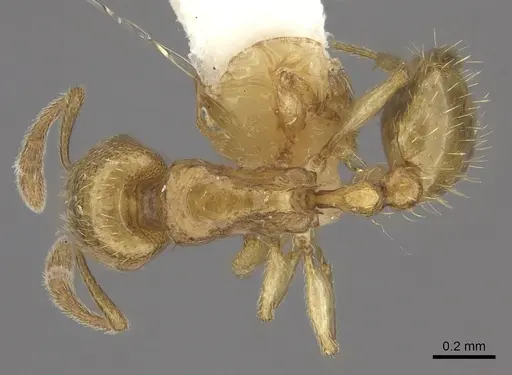
CASENT0249033
View on AntWeb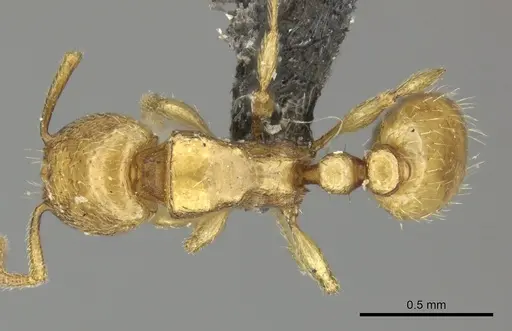
CASENT0909159
View on AntWeb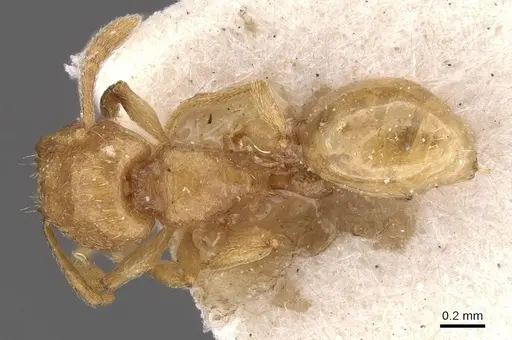
CASENT0909160
View on AntWeb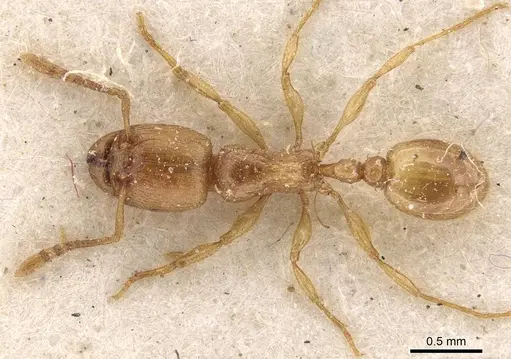
Literature
Loading distribution map...Loading products...