
Tetramorium striolatum
- Sci. Name
- Tetramorium striolatum
- Tribe
- Crematogastrini
- Subfamily
- Myrmicinae
- Author
- Viehmeyer, 1914
- Distribution
- Found in 1 countries
Introduction
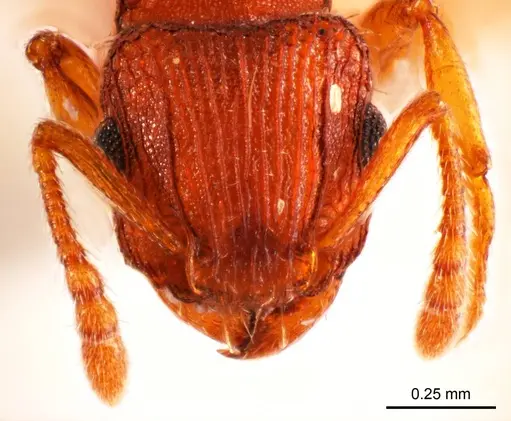
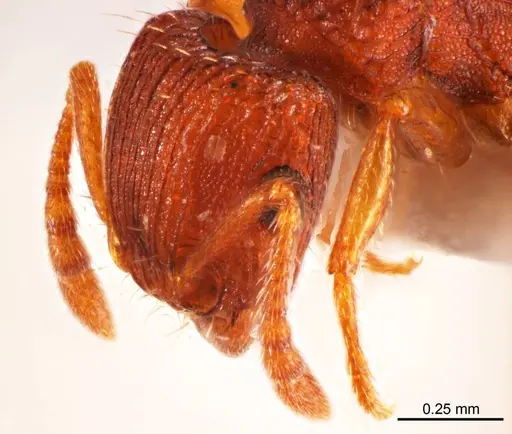
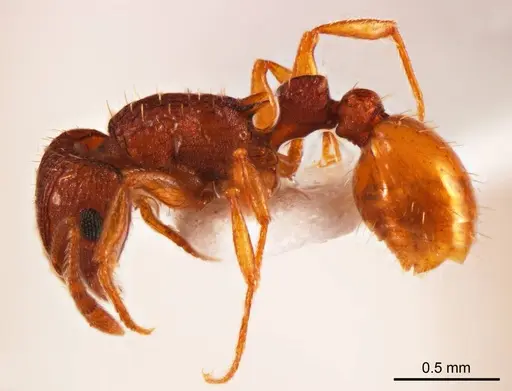
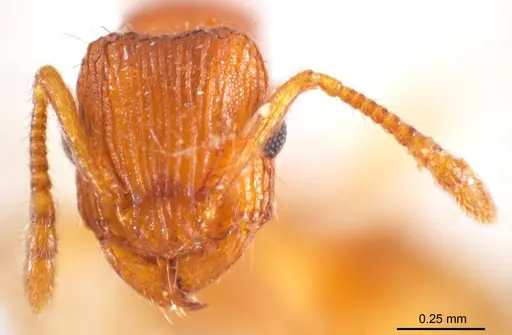
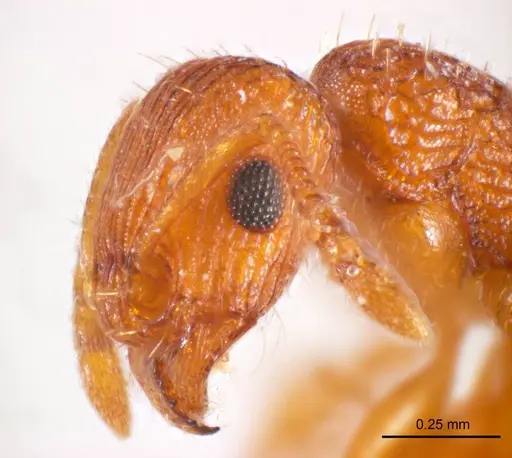
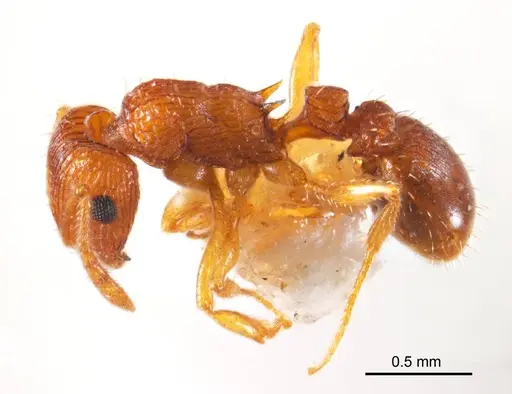
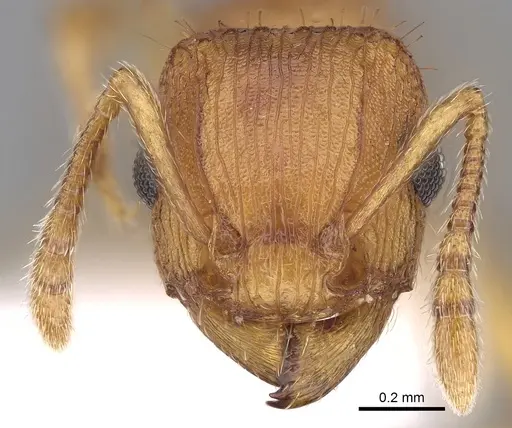
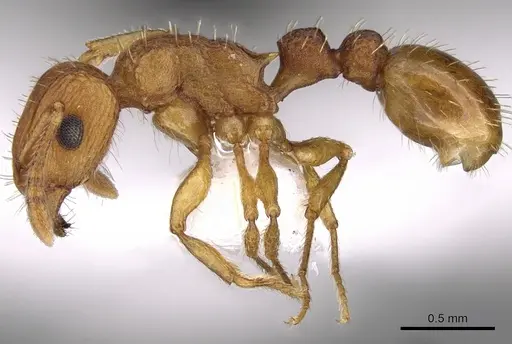
Tetramorium striolatum is a small Myrmicinae ant native to Australia. Workers are 3.2–3.7 mm long, orange-brown, with long stout propodeal spines and relatively massive petiolar nodes . This ground-nesting species prefers drier open areas and has been recorded across Western Australia, including Barrow Island and the Pilbara Bioregion . It was successfully DNA barcoded in island biodiversity studies .
Quick Summary
- Difficulty: Easy
- Origin & Habitat: Native to Australia (Australasian region), found in dryer open areas and likely ground-nesting [1]. Present in surveys on Barrow Island and the Pilbara Bioregion [2][3].
- Colony Type: Unconfirmed – based on typical Tetramorium patterns, colonies are likely single-queen (monogyne). No documented evidence of multiple queens or ergatoid reproductives.
- Size & Growth:
- Queen: Unconfirmed – no queen measurements available in the research.
- Worker: 3.2–3.7 mm (total length) [1].
- Colony: Unconfirmed – no colony size data in available research.
- Growth: Moderate – inferred from typical Tetramorium development patterns.
- Development: 6–8 weeks estimated based on related Tetramorium species (Development timeline not directly studied, estimate assumes optimal temperature (22–26°C).)
- Antkeeping:
- Temperature: Keep at 22–26°C. As an Australian species from temperate to subtropical areas, moderate warmth is beneficial. Use a heating cable on one side of the nest to create a gradient.
- Humidity: Prefers drier conditions – the species naturally occurs in dryer open areas [1]. Keep the nest substrate moderately moist but allow some drying between waterings. Avoid overwatering to prevent mold.
- Diapause: Likely not required based on Australian origin, no formal hibernation needed. Expect reduced activity during cooler months (Australian winter, June–August). Avoid prolonged exposure below 15°C.
- Nesting: Ground-nesting in drier conditions [1]. Y-tong (AAC) or plaster nests work well. Provide small chambers scaled to the workers’ 3.2–3.7 mm size. A test tube setup is fine for founding.
- Behavior: Workers are active ground foragers with a moderate temperament. They defend the nest using a modified stinger that smears venom – typical of Crematogastrini. Their small size (3.2–3.7 mm) makes escape prevention critical, use fine mesh and tight-fitting lids.
- Common Issues: escape prevention is critical due to tiny 3.2 mm worker size – they can squeeze through minute gaps, drier habitat preference means overwatering causes colony stress and mold issues, limited specific care data available – some trial and error may be needed, Australian species may be sensitive to prolonged cold temperatures below 15°C, wild-caught colonies may carry parasites that affect captive survival
Housing and Nest Setup
Tetramorium striolatum is a ground-nesting species that prefers drier conditions [1]. For captivity, Y-tong (AAC) or plaster nests work well – both allow you to control humidity and provide chambers scaled to the workers’ small size (3.2–3.7 mm). A test tube setup works for founding colonies, but monitor humidity carefully: this species likes it drier than many other Myrmicinae. In the outworld, use a textured surface to help tiny ants grip, and seal all gaps with fine mesh. Escape prevention is critical – their small size lets them slip through tiny cracks.
Feeding and Diet
These ants are omnivorous. Provide a constant source of sugar water or diluted honey, and offer protein 2–3 times per week – small insects like fruit flies, small mealworms, or cricket pieces work well. In the wild they likely forage for small arthropods and tend aphids. Remove uneaten prey within 24–48 hours to prevent mold. Given their tiny worker size (3.2–3.7 mm), cut food into appropriately small pieces. [1]
Temperature and Seasonal Care
Keep the nest area at 22–26°C. As an Australian species from temperate to subtropical regions, they benefit from moderate warmth. Use a heating cable on one side of the nest to create a temperature gradient. Place the heating cable above the nest to avoid drying out the substrate too fast. During the Australian winter (June–August), you may see reduced activity – this is normal. Formal hibernation (diapause) is likely not needed, but avoid temperatures below 15°C for extended periods. [1]
Humidity Management
This species prefers drier conditions [1]. Keep the nest substrate moderately moist but allow it to dry partially between waterings. Too much water leads to mold and colony stress, too little may cause desiccation. For plaster or Y-tong nests, check the water reservoir weekly and refill sparingly. In a test tube, use a moderate water reservoir and let the cotton dry somewhat before refilling. The outworld can stay dry. If condensation builds up inside the nest, reduce watering.
Colony Development and Growth
No queen measurements are available, but workers are 3.2–3.7 mm [1]. Founding behavior is unconfirmed – based on typical Tetramorium patterns, queens likely raise their first brood claustrally (sealed in a chamber on stored reserves). The first workers (nanitics) will be smaller than mature workers. Development from egg to first worker likely takes 6–8 weeks at 22–26°C (estimated from related Tetramorium species, not confirmed for T. striolatum). Growth rate is moderate: faster than big Camponotus but slower than tropical specialists. Be patient during founding.
Frequently Asked Questions
How long does it take for Tetramorium striolatum to produce first workers?
Based on typical Tetramorium development, expect 6–8 weeks from egg to first worker at optimal temperature (22–26°C). This is an estimate since specific development data for this species is not available. The queen likely remains sealed in her founding chamber until the first nanitics emerge.
Can I keep Tetramorium striolatum in a test tube?
Yes, test tubes work well for founding colonies. Use a standard test tube setup with a water reservoir and cotton plug. However, monitor humidity carefully – this species prefers drier conditions, so don’t overfill the water reservoir. Transfer to a larger nest (Y-tong or plaster) once the colony reaches roughly 20–30 workers.
What do Tetramorium striolatum ants eat?
They are omnivorous. Offer sugar water or honey as a constant energy source, and protein sources like small insects (fruit flies, small mealworms, cricket pieces) 2–3 times per week. Their small 3.2–3.7 mm worker size means prey should be appropriately small.
Do Tetramorium striolatum ants sting?
Yes, workers have a functional stinger, but they use it to wipe or smear venom (typical of Crematogastrini) rather than piercing deeply. Their small size makes the sting mild for humans. They are not aggressive and will only sting if directly threatened.
Are Tetramorium striolatum ants good for beginners?
Yes, this species is rated as Easy difficulty. They are tolerant of some care variations, don’t require complex hibernation schedules, and are straightforward to keep. Their small size does require attention to escape prevention, but otherwise they are a good choice for beginners.
Do Tetramorium striolatum need hibernation?
Likely not required. As an Australian species from tropical/subtropical regions, they don’t need formal diapause. You may see reduced activity during cooler months (Australian winter, June–August), which is normal. Avoid temperatures below 15°C for extended periods.
How big do Tetramorium striolatum colonies get?
Colony size data is not available for this specific species. Based on typical Tetramorium patterns, expect moderate colony sizes – likely several hundred workers at maturity. They are not known for reaching supercolony sizes.
When should I move Tetramorium striolatum to a formicarium?
Move from test tube to a proper nest (Y-tong, plaster, or naturalistic setup) when the colony reaches roughly 20–30 workers. This typically happens within 6–12 months of founding. Make sure the new nest has appropriately sized chambers for their small 3.2–3.7 mm workers.
Why are my Tetramorium striolatum escaping?
Their small 3.2 mm size means they can squeeze through tiny gaps. Check all ventilation holes (use fine mesh), ensure lids fit tightly, and apply fluon or barrier gel around edges. Even small gaps that other species can’t pass will let these tiny ants escape.
Can I keep multiple Tetramorium striolatum queens together?
Not recommended. Colony structure is unconfirmed, but combining unrelated foundress queens has not been documented for this species. Single-queen colonies are standard for Tetramorium. If you find multiple queens in the wild, it’s best to separate them for successful founding.
Report an Issue
The current care sheet is based fully on literature. See inconsistencies, or something that's incorrect? Please , it will be resolved after review from an admin. Contributing to the blogs tab also helps providing information, to make us be able to further improve the caresheets. Thank you for your support!
References

This caresheet is licensed under CC BY-SA 4.0 .
Community Blogs
ANTWEB1008725
View on AntWeb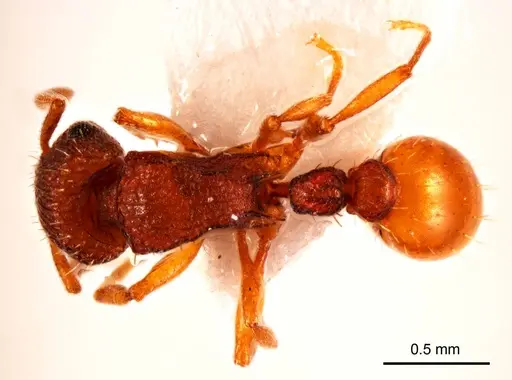
ANTWEB1008726
View on AntWeb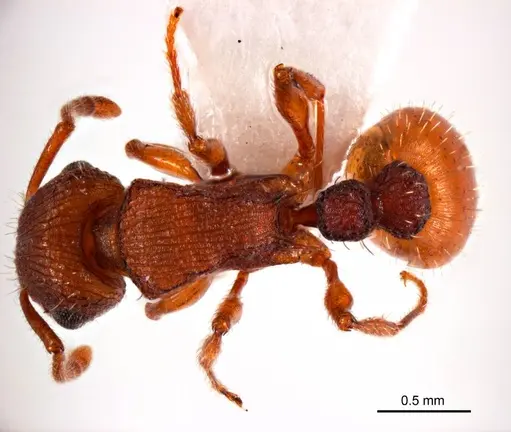
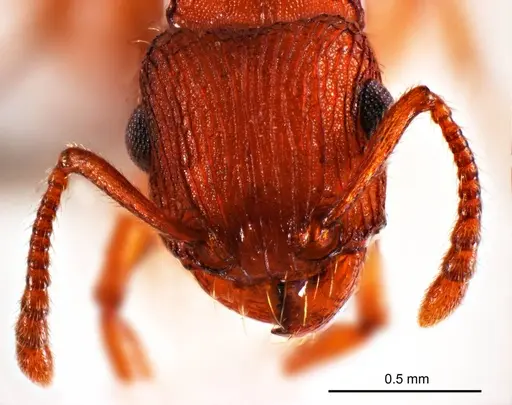
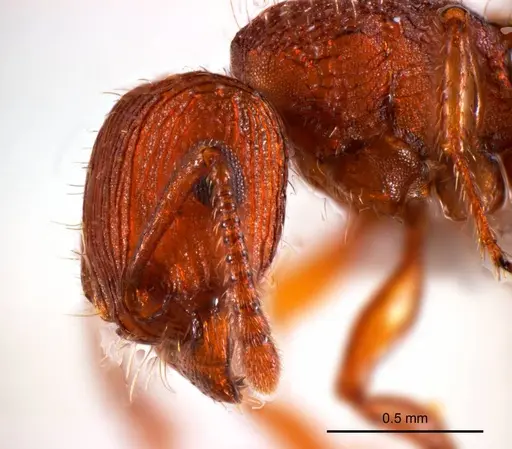
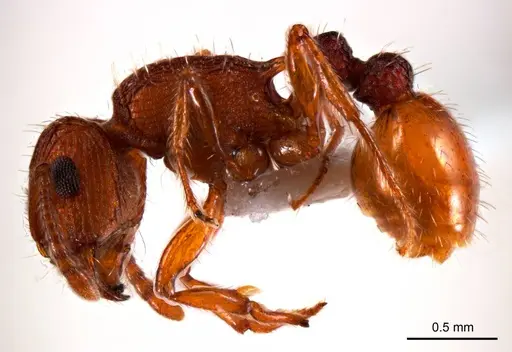
ANTWEB1008727
View on AntWeb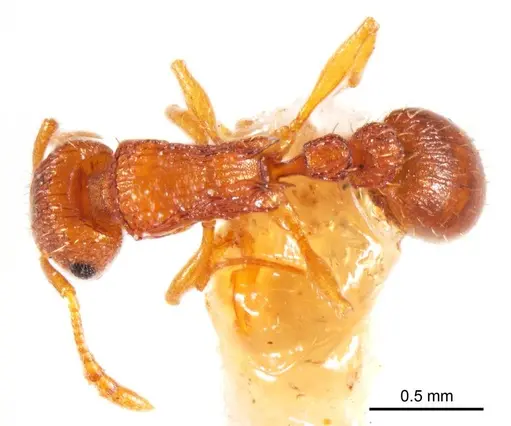
CASENT0280872
View on AntWeb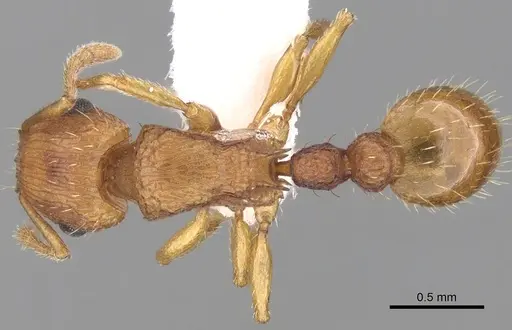
Literature
Loading distribution map...Loading products...