
Tetramorium steinheili
- Sci. Name
- Tetramorium steinheili
- Tribe
- Crematogastrini
- Subfamily
- Myrmicinae
- Author
- Forel, 1892
- Distribution
- Found in 1 countries
Introduction
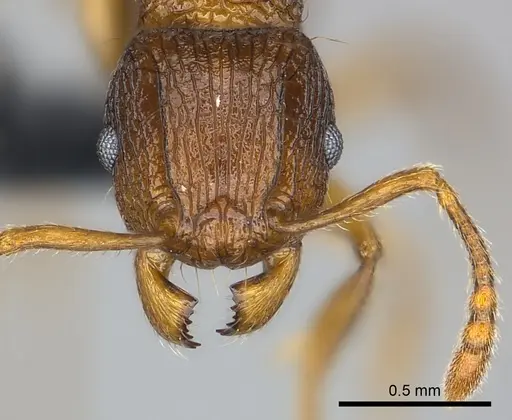
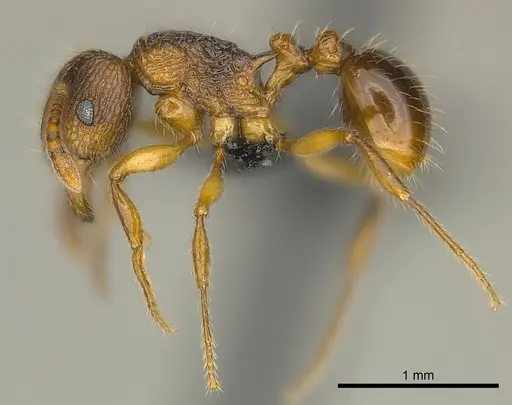
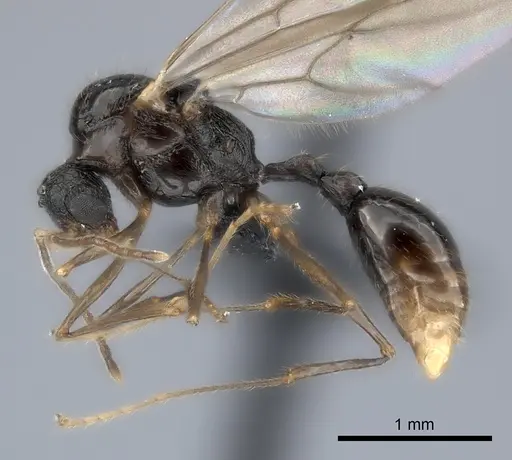
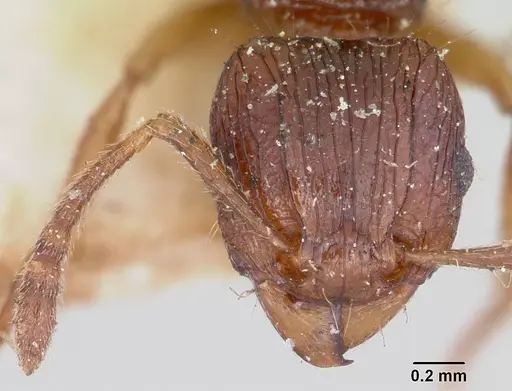
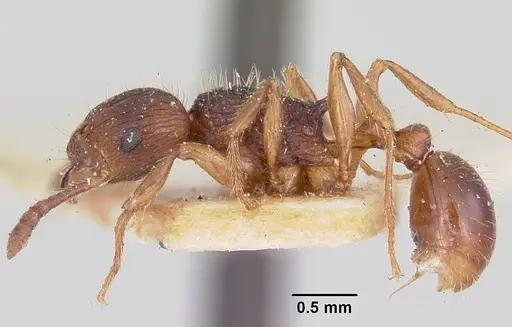
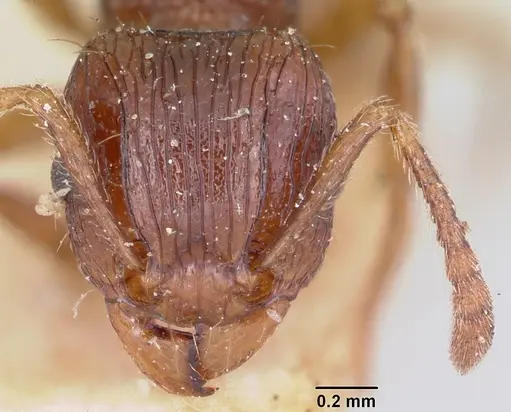
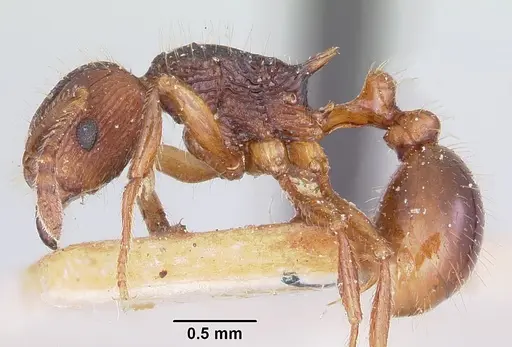
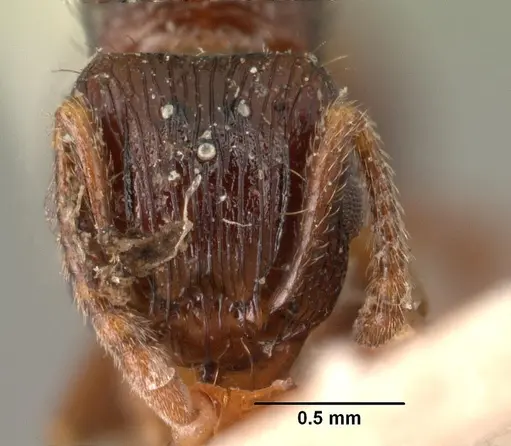
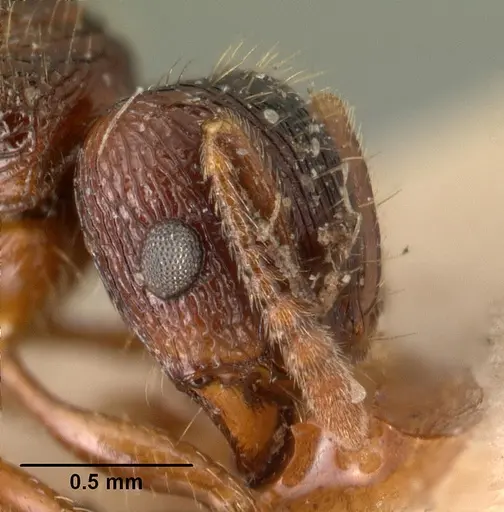
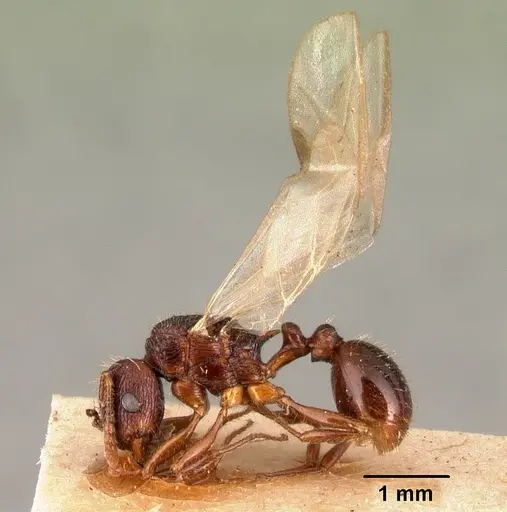
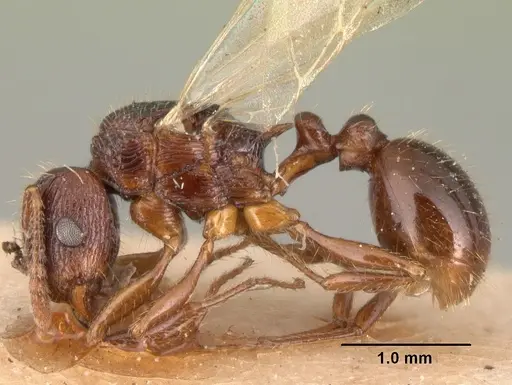
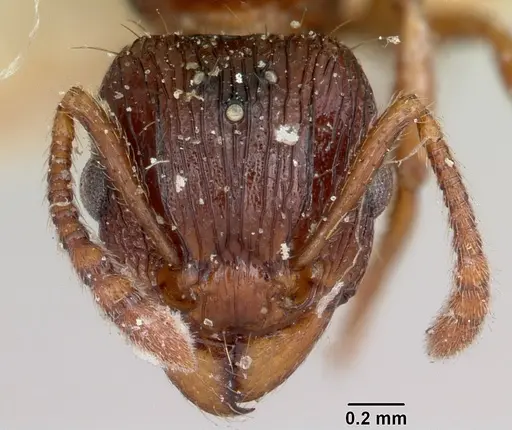
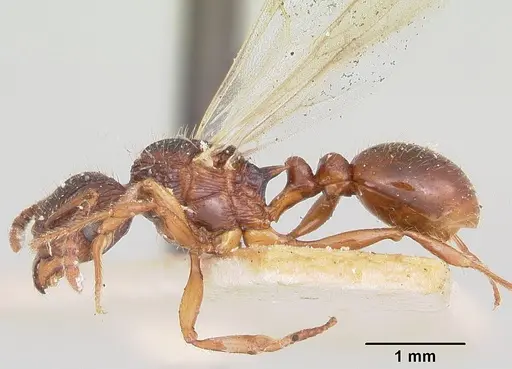
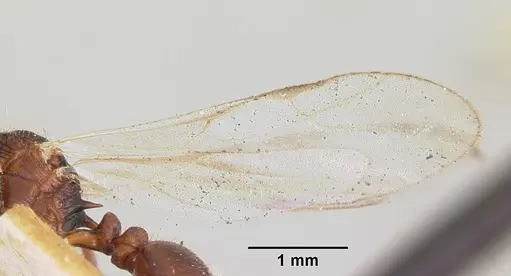
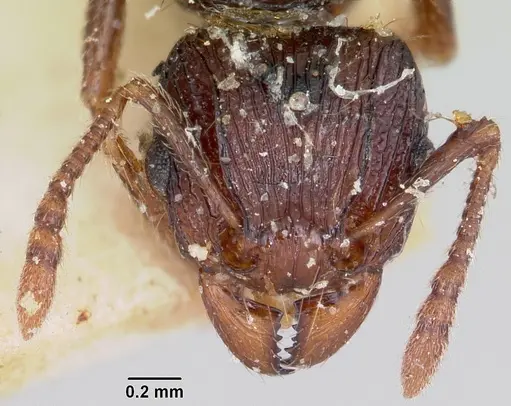
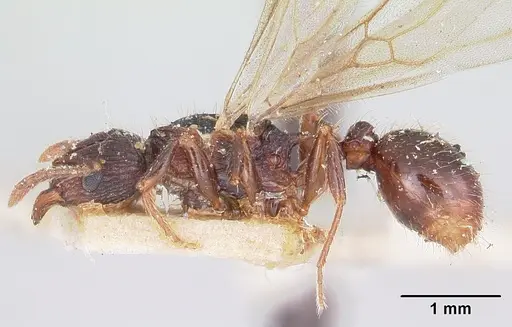
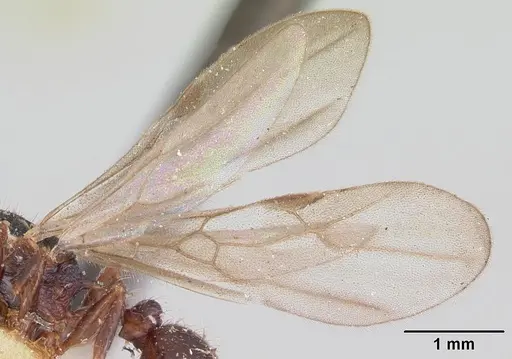
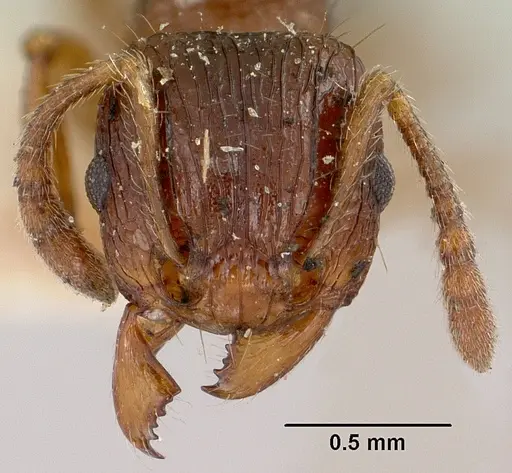
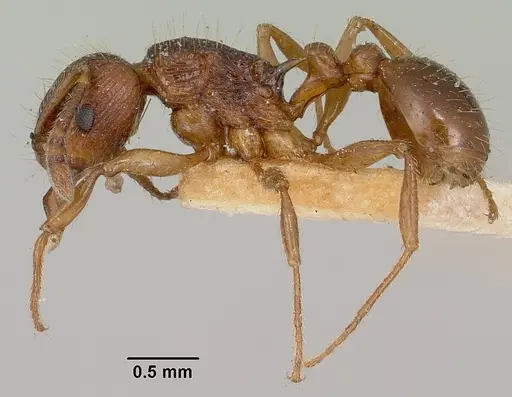
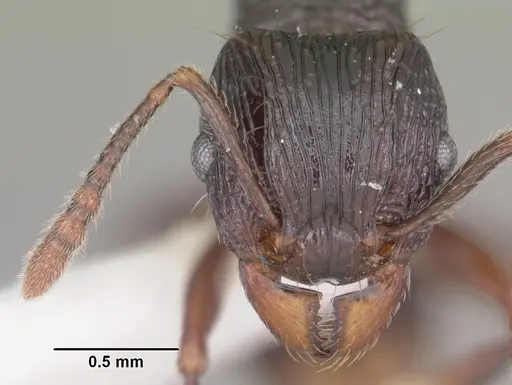
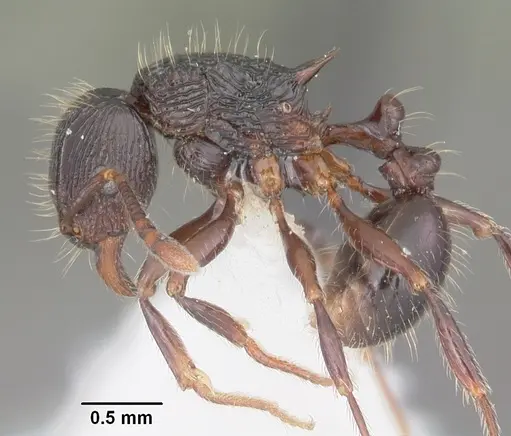
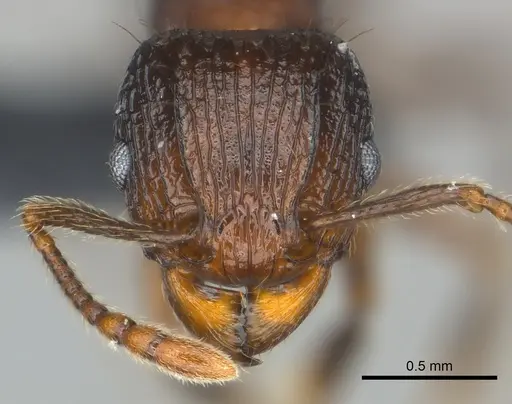
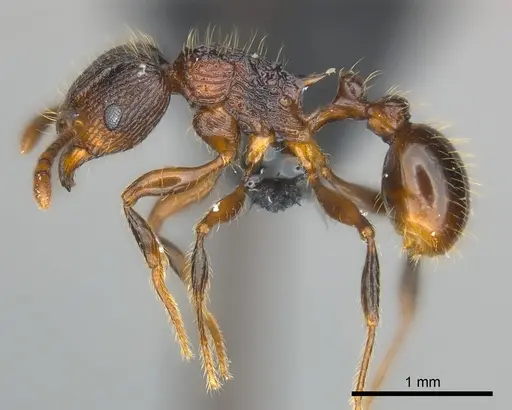
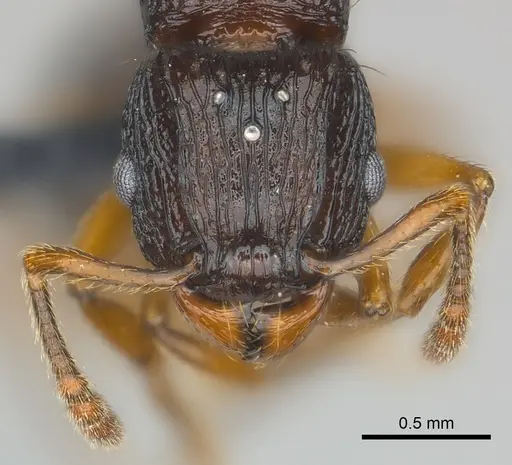
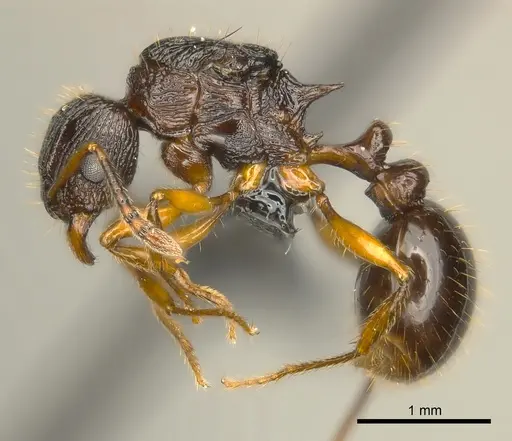
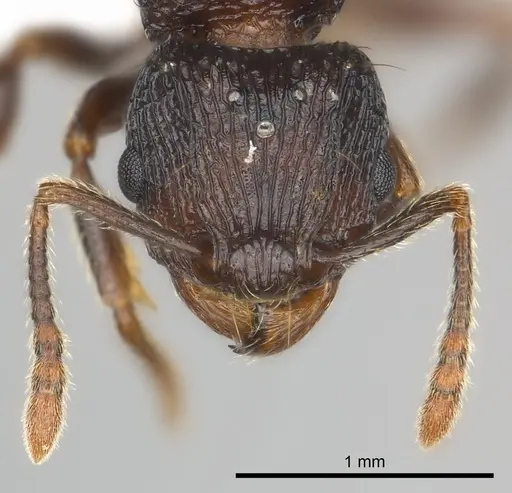
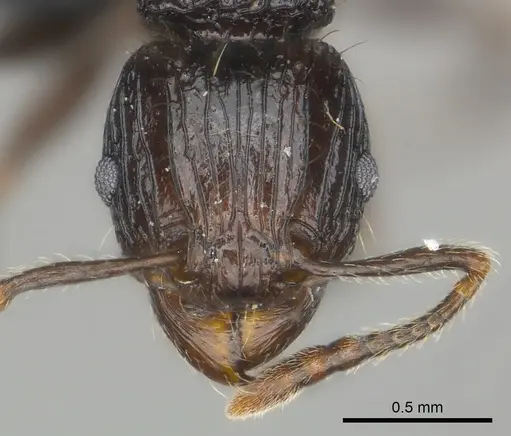
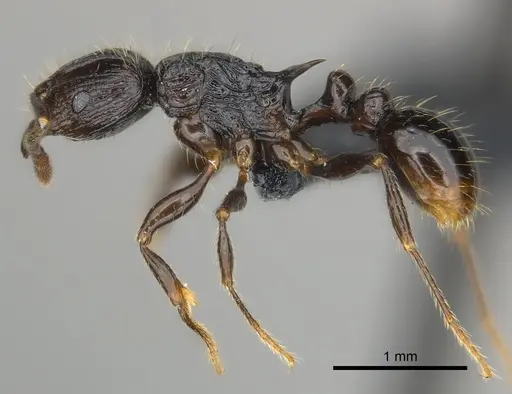
Tetramorium steinheili is a small ant species native to Madagascar. Workers are very small, with a total body length of about 2-3 mm (inferred from genus patterns). They belong to the Tetramorium dysalum species group and are recognized by their short antennal scapes, small to moderate eyes, and notably long propodeal spines . The species shows significant variation - while the overall body shape is consistent, the length and shape of their propodeal spines and lobes can differ between populations . Most specimens are reddish‑brown with yellowish‑brown appendages, though colour can range from dark brown to yellowish‑brown without any reddish tone . Their primary defense is a flattened, spatulate stinger used to wipe or smear venom onto enemies rather than pierce skin. This species is very common in the montane rainforests of eastern Madagascar, found at elevations between 500 and 1700 m, though most often above 1000 m . They are typically collected from leaf litter, indicating they are ground‑nesting ants that prefer humid forest environments . Their distribution runs from Andohahela in the south to Bemanevika in the north, making them one of the most widely distributed species in their group .
Quick Summary
- Difficulty: Medium
- Origin & Habitat: Eastern Madagascar montane rainforests at 500-1700 m elevation, typically above 1000 m. Collected from leaf litter in humid forest environments [1][2].
- Colony Type: Colony structure is unconfirmed. Based on related Tetramorium species, likely single‑queen (monogyne) colonies. Queens have been described from type material [2].
- Size & Growth:
- Queen: Measurements unknown, estimated 5-7 mm based on genus patterns.
- Worker: Total body length approximately 2-3 mm (inferred from genus, accurate measurements not available).
- Colony: Unknown, possibly several hundred workers based on similar Tetramorium species.
- Growth: Moderate (estimated)
- Development: Estimated 6-10 weeks based on typical Tetramorium development at optimal temperature (Direct development data unavailable, estimates based on related species in the genus)
- Antkeeping:
- Temperature: Keep at 20-24 °C. As a montane Madagascar species, they prefer cooler temperatures than tropical ants. Avoid temperatures above 28 °C
- Humidity: High humidity required, they inhabit humid montane forests. Keep the substrate consistently moist but not waterlogged. Aim for damp forest floor conditions [3]
- Diapause: Unknown, Madagascar species may not need true hibernation but could have reduced activity during cooler periods
- Nesting: Ground‑nesting species collected from leaf litter. Y‑tong (AAC) or plaster nests work well. Provide moist substrate and avoid drying out. Naturalistic setups with soil and leaf litter can mimic their natural environment [2]
- Behavior: This is a small, ground‑dwelling ant that forages actively in leaf litter. Their defense is a smear mechanism, they wipe venom using a modified stinger rather than stinging. They are not aggressive toward keepers, but due to their tiny size, escape prevention is critical: use fine mesh barriers (0.5 mm or smaller) and tight‑fitting lids. They prefer humid conditions and will cluster near moisture sources.
- Common Issues: escape prevention is critical due to their very small size, use fine mesh barriers and seal all gaps, high humidity requirements can lead to mold if ventilation is poor, slow growth may tempt beginners to overfeed or disturb the colony, wild‑caught colonies may carry parasites that could devastate a captive colony, drying out is a major risk, monitor substrate moisture closely
Housing and Nest Setup
For this small ground‑nesting species, a Y‑tong (AAC) nest or plaster nest works well. The key is maintaining high humidity without waterlogging. When starting a colony, use a test tube setup with a snug cotton plug to prevent flooding. For naturalistic setups, use a moisture‑retaining substrate like a mix of soil and sand, and add leaf litter on top to help keep humidity and provide foraging cover. Because the ants are very small (about 2-3 mm), you must use fine mesh (0.5 mm or finer) on all ventilation openings and ensure lids fit tightly. Check for tiny gaps regularly. [2][3]
Feeding and Diet
Tetramorium species are generalist foragers. Offer small live prey like fruit flies, springtails, or pinhead crickets. Provide a constant sugar source such as sugar water, honey, or diluted jam. Protein can be offered two or three times per week, but start with small amounts and remove any uneaten food after 24 hours to prevent mold. Because the workers are tiny, prey must be appropriately sized.
Temperature and Humidity
As a montane Madagascar species from 500-1700 m elevation, Tetramorium steinheili prefers cooler conditions than typical tropical ants. Keep the nest at 20-24 °C and avoid letting it exceed 28 °C. Room temperature is often suitable. They require high humidity, think of a damp forest floor. Keep the substrate consistently moist but not soggy. A humidity gradient in the nest allows the ants to choose their preferred microclimate. If using a heating cable, place it on the top of the nest rather than underneath to avoid drying out the substrate. [1][3]
Colony Founding
Queens have been described in the type material, confirming this species has winged reproductive queens [2]. The founding behaviour of Tetramorium steinheili specifically has not been documented, but based on typical Tetramorium patterns, queens are likely claustral, they seal themselves inside a small chamber and raise the first workers using stored fat reserves. Expect the founding chamber to be small. Be patient and avoid disturbing the queen until workers have emerged.
Behavior and Temperament
This is a peaceful, non‑aggressive species that is good for observation. Workers forage actively through leaf litter and substrate. Their defense is a smear mechanism, they use a modified, spatulate stinger to wipe venom onto enemies rather than sting. This poses no danger to you. The main husbandry challenge is their tiny size: they can squeeze through very small gaps. Use fine mesh barriers (0.5 mm or finer), tight‑fitting lids, and consider barrier tape or fluon on enclosure edges. Watch for workers clustering near moisture sources, it means they need more humidity. Their small size also makes them easy to overlook or accidentally crush during maintenance.
Frequently Asked Questions
How long does it take for Tetramorium steinheili to produce first workers?
The exact timeline has not been documented for this species. Based on typical Tetramorium development, expect 6-10 weeks from egg to first worker at optimal temperature (20-24 °C). Be patient, disturbing the queen during founding can cause her to abandon or eat her brood.
Can I keep Tetramorium steinheili in a test tube?
Yes, test tube setups work well for founding colonies. Use a small test tube with a water reservoir sealed snugly with cotton to prevent flooding. Keep the tube in a humid, dark spot and don't disturb until workers come out. Once the colony has a small worker force (a few dozen), consider moving to a Y‑tong or plaster nest with moisture‑retaining substrate.
Do Tetramorium steinheili ants sting?
They have a stinger, but they use it for smearing venom rather than piercing skin. This defense is not aggressive and poses no significant threat to keepers. They are calm and safe to observe.
What temperature do Tetramorium steinheili need?
Keep them at 20-24 °C. As a montane Madagascar species, they prefer cooler temperatures than typical tropical ants. Avoid letting the nest go above 28 °C. Room temperature is often just right. If your room is cooler, you can use a heating cable on one side of the nest for a gentle warmth. [1]
Are Tetramorium steinheili good for beginners?
This species is rated medium difficulty. While they aren't aggressive and stay relatively compact, their small size and high humidity needs require careful attention. Escape prevention is especially important. If you already have experience with other small Myrmicinae species, this one is manageable. Beginners should be comfortable maintaining constant humidity before trying this species.
How big do Tetramorium steinheili colonies get?
The maximum colony size is unknown for this species. Based on similar Tetramorium species, colonies likely reach several hundred workers. They aren't among the biggest ant species, making them manageable for most keepers, and growth is moderate.
Why are my Tetramorium steinheili escaping?
Their small size, workers are only about 2-3 mm long, makes them excellent escape artists. Use fine mesh (0.5 mm or finer), tight‑fitting lids, and apply barrier tape or fluon to all edges. Check for any tiny gaps in your setup, even a seam that looks airtight can let these ants squeeze through.
Do Tetramorium steinheili need hibernation?
Hibernation requirements are unknown. As a Madagascar species from montane elevations, they likely do not need true hibernation, but they may slow down during cooler periods. Don't force hibernation unless you see natural slowing. If unsure, keep them at their normal temperature year‑round.
What do Tetramorium steinheili eat?
They are generalist foragers. Offer small live prey (fruit flies, springtails, tiny crickets), sugar water, honey, or diluted jam. Provide a constant sugar source and offer protein two or three times per week. Remove uneaten food after 24 hours to prevent mold. Because they are so small, all prey must be appropriately sized.
When should I move Tetramorium steinheili to a formicarium?
Move them once the colony has a small worker force (a few dozen workers) or when the test tube shows signs of drying out. Y‑tong (AAC) or plaster nests work well. Make sure the new setup can maintain high humidity. Introduce the colony slowly by connecting the test tube to the new nest and letting them move on their own.
Report an Issue
The current care sheet is based fully on literature. See inconsistencies, or something that's incorrect? Please , it will be resolved after review from an admin. Contributing to the blogs tab also helps providing information, to make us be able to further improve the caresheets. Thank you for your support!
References

This caresheet is licensed under CC BY-SA 4.0 .
Community Blogs
CASENT0024633
View on AntWeb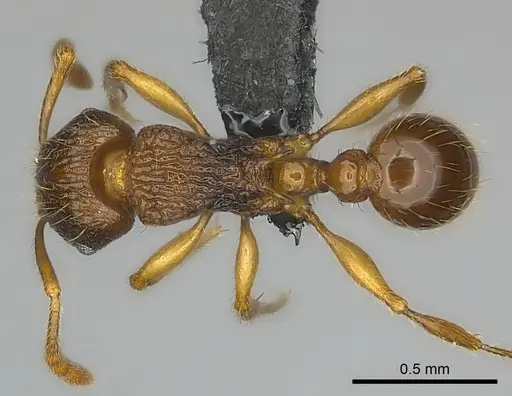
CASENT0024655
View on AntWeb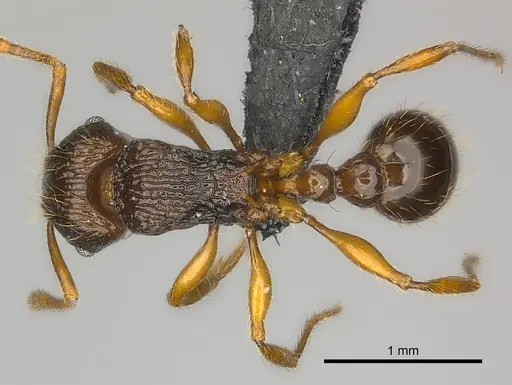
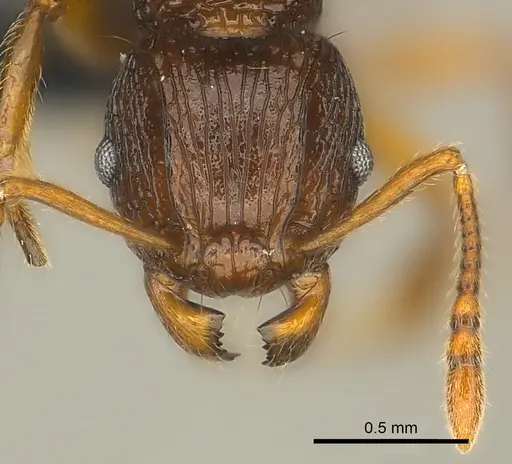
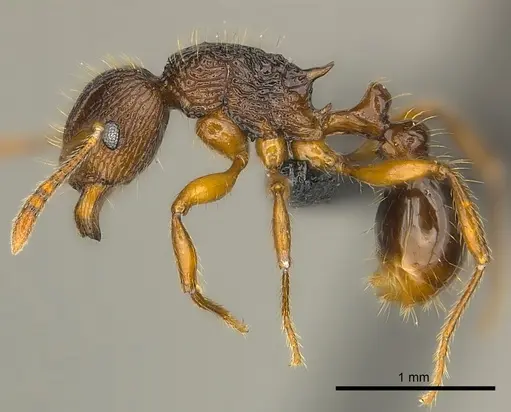
CASENT0060794
View on AntWeb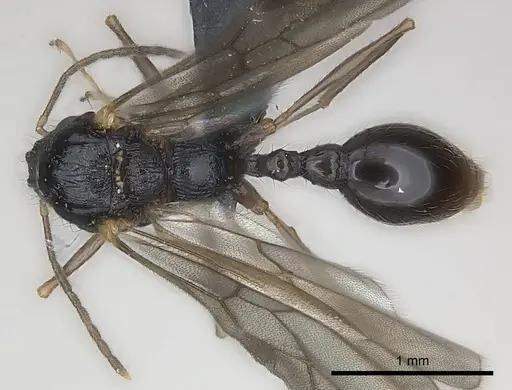
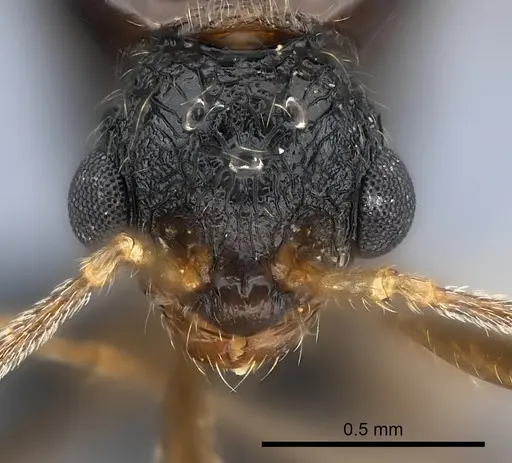
CASENT0101257
View on AntWeb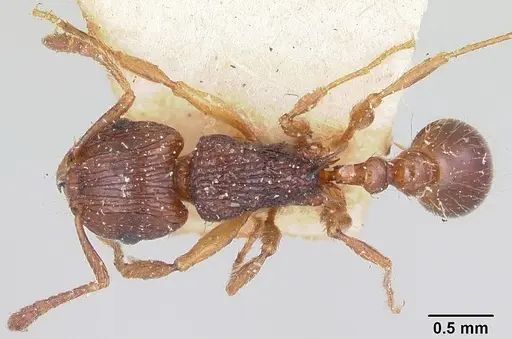
CASENT0101258
View on AntWeb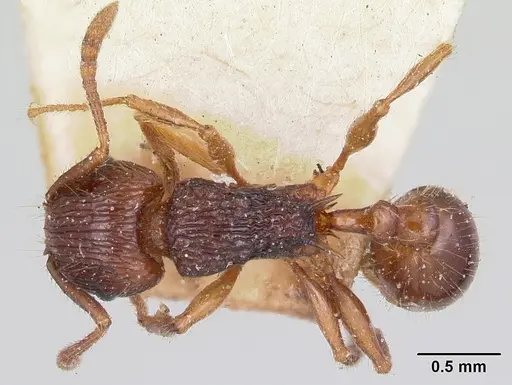
CASENT0101491
View on AntWeb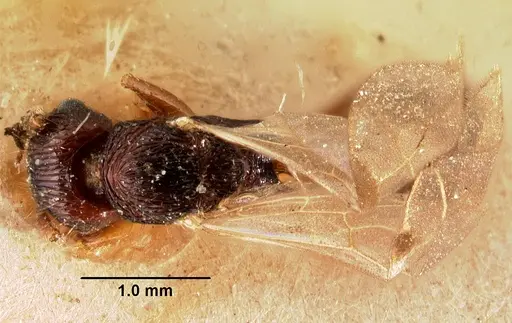
CASENT0101566
View on AntWeb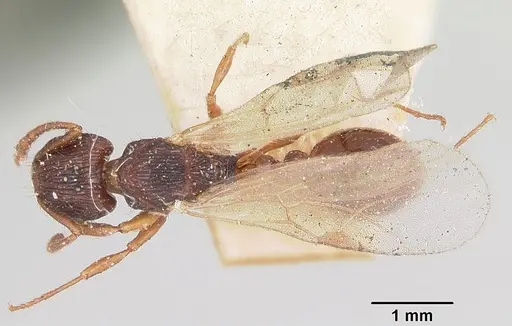
CASENT0101801
View on AntWeb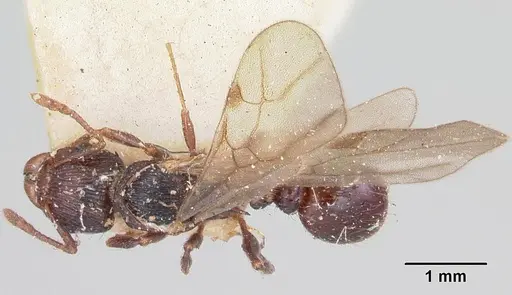
CASENT0101814
View on AntWeb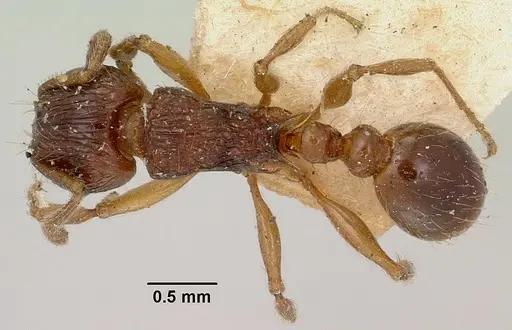
CASENT0102393
View on AntWeb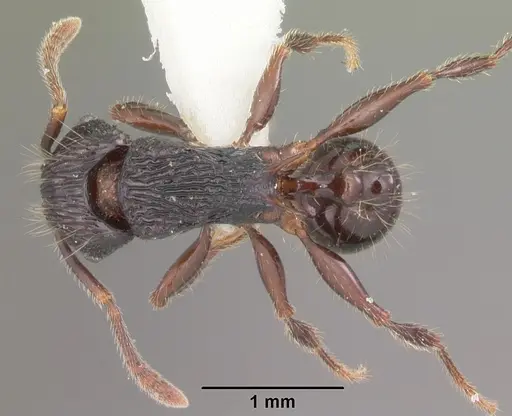
CASENT0102394
View on AntWeb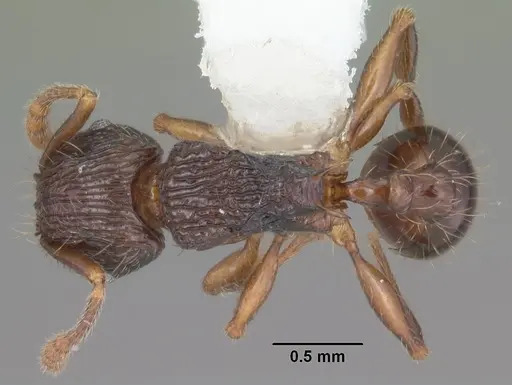
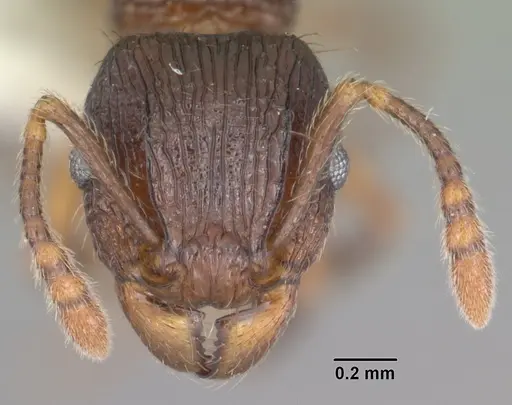
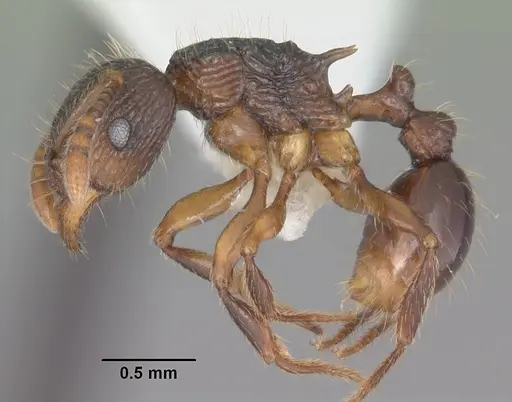
CASENT0118415
View on AntWeb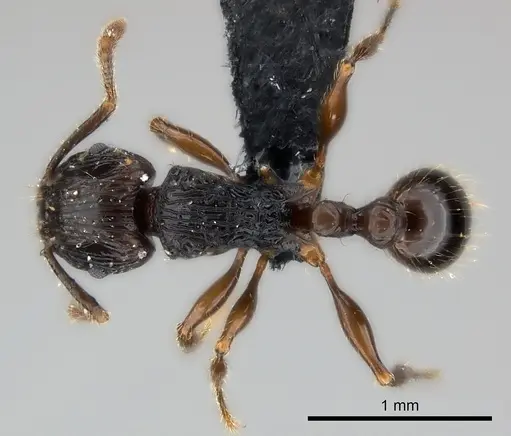
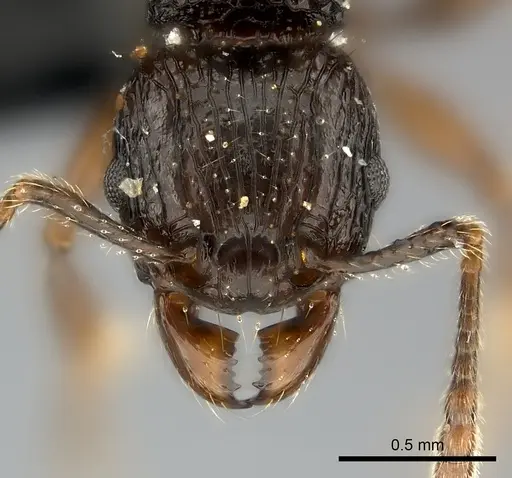
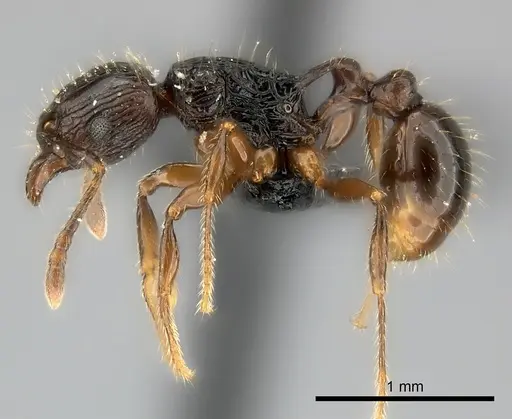
CASENT0140966
View on AntWeb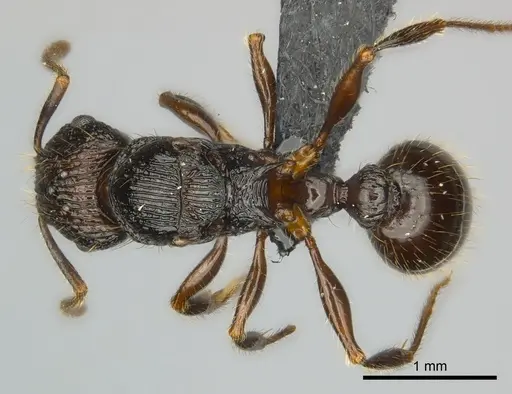
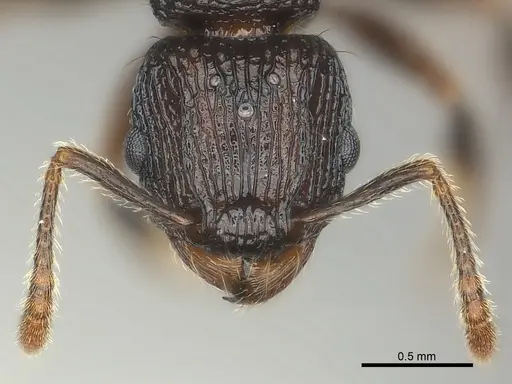
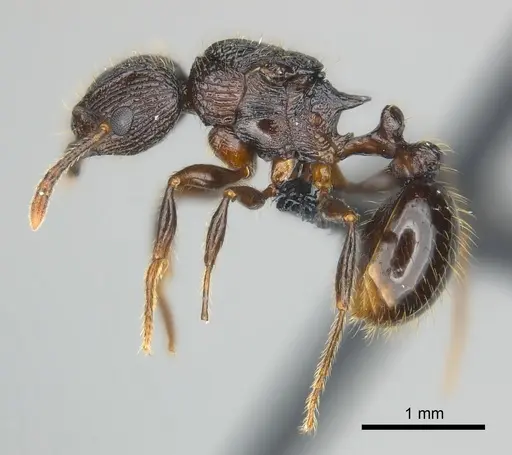
CASENT0142632
View on AntWeb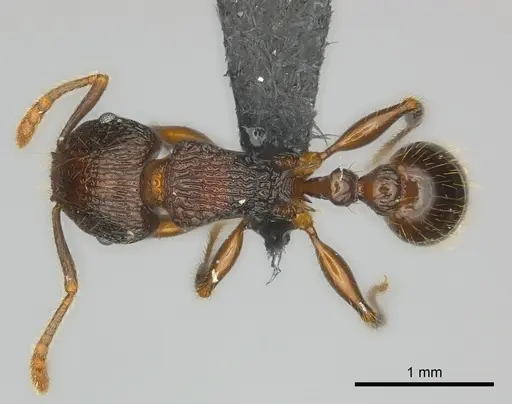
CASENT0150877
View on AntWeb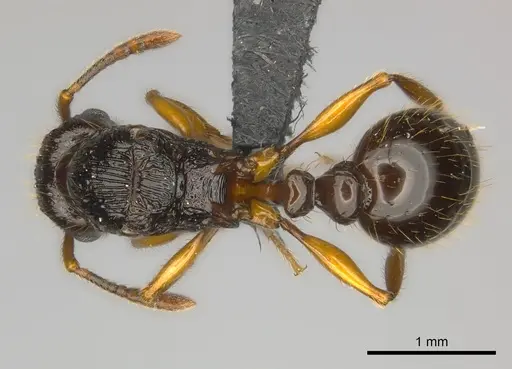
CASENT0407810
View on AntWeb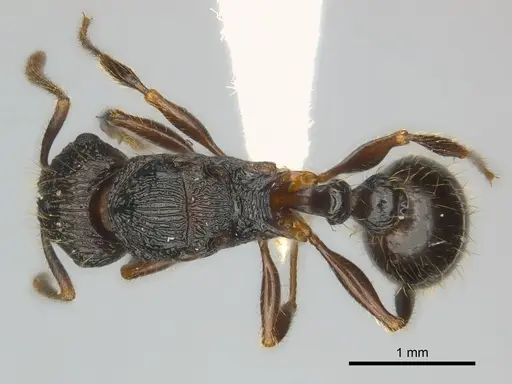
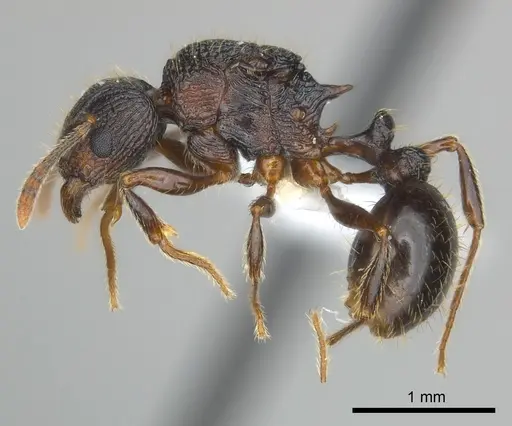
CASENT0481234
View on AntWeb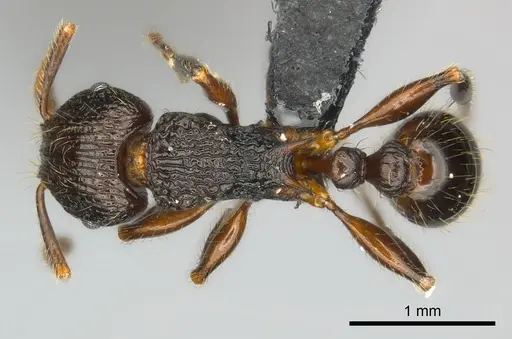
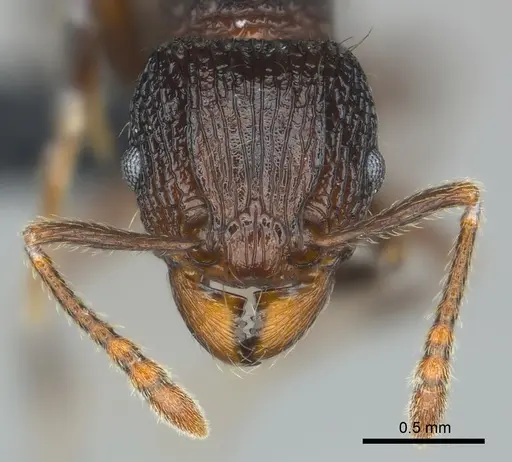
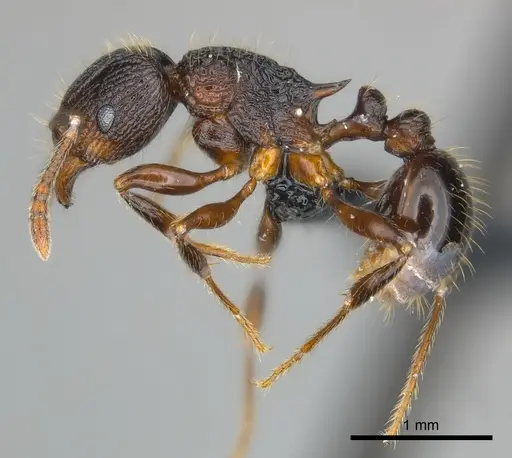
CASENT0484422
View on AntWeb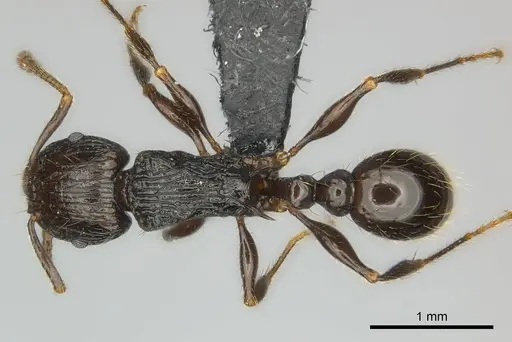
Literature
Loading distribution map...Loading products...