
Tetramorium spinosum
- Sci. Name
- Tetramorium spinosum
- Tribe
- Crematogastrini
- Subfamily
- Myrmicinae
- Author
- Pergande, 1896
- Distribution
- Found in 2 countries
Introduction
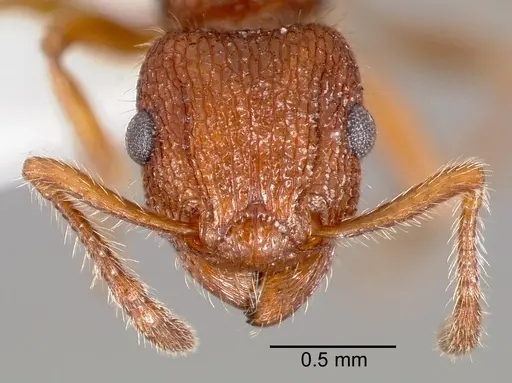
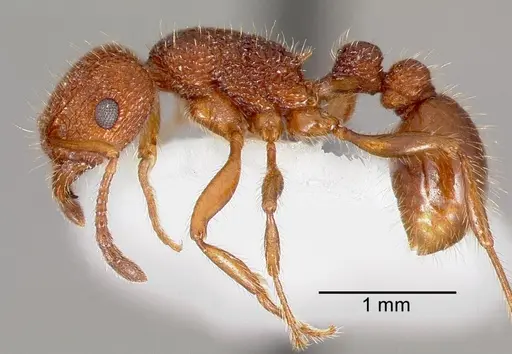
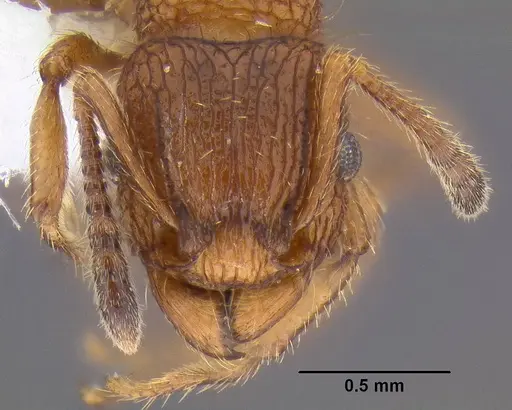
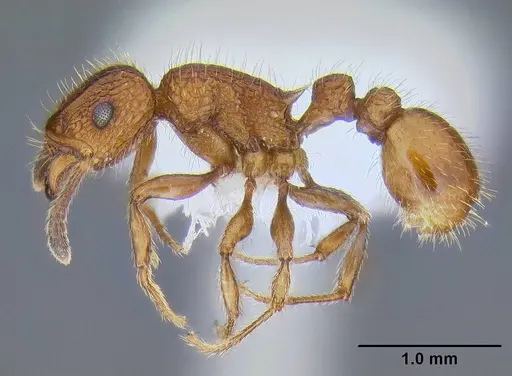
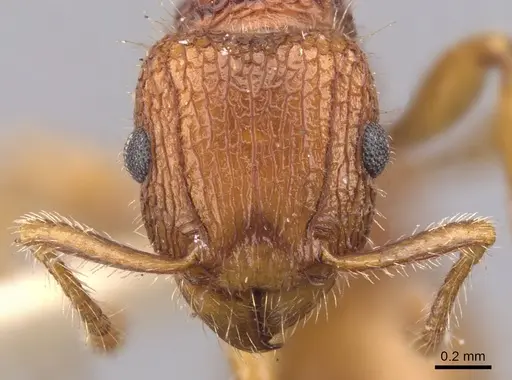
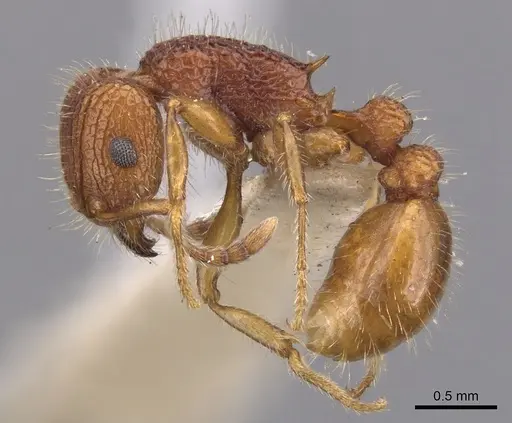
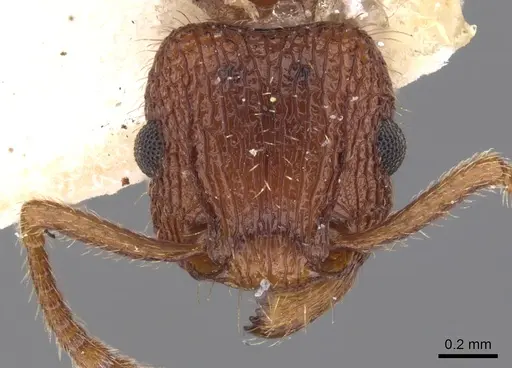
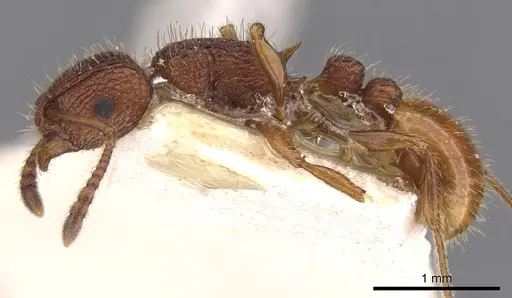
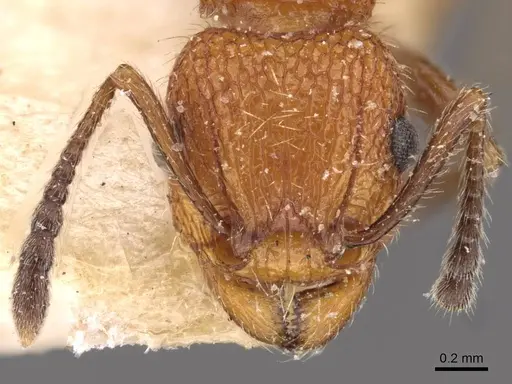
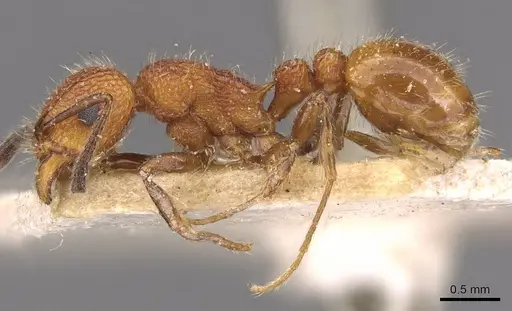
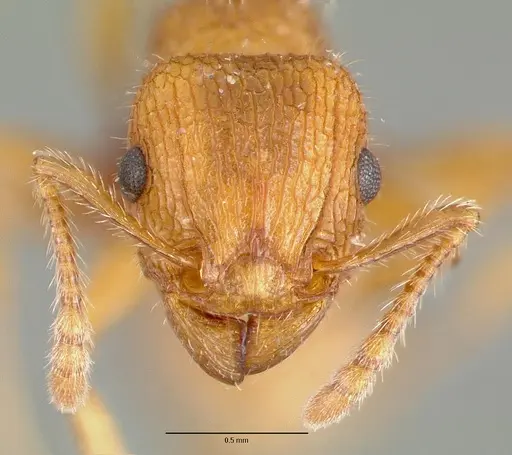
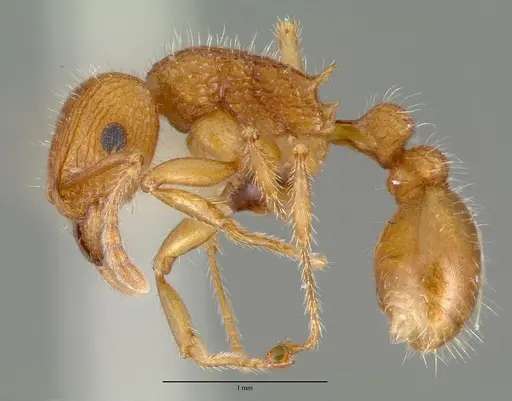
Tetramorium spinosum is a medium-sized ant native to the southwestern United States and Mexico. They are described as large ants with a reddish-brown to dark brown body covered in fine longitudinal ridges on the upper surface . This species belongs to the Tetramorium tortuosum species group, characterized by short, thick propodeal spines on the back of the thorax . Exact body length measurements are not reported in the literature, but workers are notable for their robust build. These ants nest in the soil, often under stones, with small mounds around nest entrances . Tetramorium spinosum are generalist foragers, meaning they eat seeds, dead insects, and sugary liquids . They thrive in hot, dry habitats like creosotebush scrub and arroyos, and are considered opportunistic foragers that quickly exploit available food sources . Their adaptability has allowed them to spread across a wide range from California and Arizona through much of Mexico.
Quick Summary
- Difficulty: Easy
- Origin & Habitat: Native to the southwestern United States and Mexico, found in arid habitats such as creosotebush scrub, arroyos, and desert grasslands [2]. Recorded across Baja California, California, Arizona, Sonora, Coahuila, Nuevo León, Tamaulipas, and many Mexican states [5][6].
- Colony Type: Likely monogyne (single queen) based on typical Tetramorium patterns, but not confirmed by species-specific research.
- Size & Growth:
- Queen: Not explicitly reported in literature, described as larger than workers with head width 0.77-1.0mm [1]. Body length estimated from genus, ~5-7mm.
- Worker: Described as large ants, head width 0.77-1.0mm [1]. Body length not published, inferred from genus at ~3-5mm.
- Colony: Up to several thousand workers (estimated based on similar Tetramorium species).
- Growth: Moderate (estimated from genus patterns).
- Development: 6-10 weeks (estimated based on related Tetramorium species, not confirmed for T. spinosum). (Development likely faster in warmer conditions. First workers (nanitics) are smaller than mature workers.)
- Antkeeping:
- Temperature: Likely prefers warm conditions (24-30°C) due to desert habitat [7], but optimal range not documented. Avoid extreme heat above 35°C.
- Humidity: Low to moderate. Adapted to arid environments, keep nest substrate mostly dry with a small water source to provide a moisture gradient.
- Diapause: Likely beneficial for colonies from temperate regions, but undocumented. If observed, a winter rest at 10-15°C for 2-3 months is suggested.
- Nesting: Ground-nesting species. Do well in Y-tong (AAC), plaster, or soil nests. Accept test tube setups for founding.
- Behavior: Generally peaceful but can be territorial around food. Workers are active foragers, opportunistically collecting seeds, insects, and sugary liquids [3][8]. They use a smear stinger (typical of the subfamily) but rarely sting humans, and the bite is mild. Escape risk is moderate due to moderate size, secure lids are still recommended.
- Common Issues: overheating, desert species can struggle if temperatures exceed 35°C for prolonged periods., excessive moisture, too much humidity causes mold and colony loss, especially during founding., escape through small gaps, despite moderate size, they can squeeze through tiny openings., uncertainty during colony founding, if claustral, queens may be sensitive to disturbance (not confirmed for this species).
Housing and Nest Setup
Tetramorium spinosum nests in the ground, so a soil or Y-tong setup mimics their natural habitat [2]. For founding a colony, a test tube with a water reservoir is a good starting point, assuming claustral founding (not confirmed). The queen may seal herself in, so avoid disturbance. Once the colony reaches 20-30 workers, transfer them to a more permanent formicarium. Y-tong (AAC) or plaster nests are excellent, they hold some moisture but allow good airflow. Provide an outworld for foraging, such as a plastic container with smooth walls. Make sure all openings are sealed to prevent escape.
Feeding and Diet
In the wild, Tetramorium spinosum feeds on seeds and dead insects as a generalist forager [2][3]. In captivity, offer a varied diet. Protein is critical for brood development, provide small insects like fruit flies, pinhead crickets, or bloodworms. Drop prey in the outworld and remove uneaten bits after 24 hours to avoid mold. For carbohydrates, offer sugar water (1:4 ratio), honey, or ripe fruit. Keep a small dish of sugar water with a cotton wick. They also occasionally collect seeds, so tiny seeds like sesame or millet are an interesting addition. Feed protein every 2-3 days for growing colonies, keep sugar sources available at all times.
Temperature and Seasonal Care
As desert-adapted ants, Tetramorium spinosum prefer warm conditions. The nest area should be kept at roughly 24-30°C for optimal activity [7]. Use a heating cable on one side to create a temperature gradient. They can tolerate temperatures up to 35°C but avoid sustained extremes. Room temperature (around 22°C) is acceptable but will slow growth. Like many subtropical species, they may benefit from a winter rest period. Reduce temperatures to 10-15°C for 2-3 months during winter, and reduce feeding. This mimics natural seasonality and may improve long-term colony health. Return to normal temperatures gradually in spring.
Colony Development and Growth
Colony founding is undocumented for Tetramorium spinosum. Based on related Tetramorium, the queen likely founds claustrally, she seals herself in a chamber and relies on stored reserves to raise her first brood. After about 6-10 weeks (estimated), the first workers (nanitics) emerge. They are smaller than mature workers but immediately begin foraging. The queen then focuses on egg-laying while workers handle all other tasks. Growth is moderate, a colony may reach a few hundred workers within the first year and potentially thousands under optimal conditions. No specific studies on development timelines exist for this species. [2][1]
Behavior and Temperament
Tetramorium spinosum workers are active, opportunistic foragers. They readily exploit food sources and communicate via pheromone trails [3][8]. They are not aggressive toward humans, their primary defense is a smear-type stinger (common to Myrmicinae) which is rarely used on people. If threatened, they may bite, but it is mild. These ants are generalists, collecting seeds, scavenging dead insects, and drinking sugary liquids. In nature, they nest under stones or in soil with small mound entrances [2]. They are moderately sized (estimated 3-5mm), so escape prevention is needed but not as critical as with tiny species. Use well-fitting lids and seal any small gaps.
Frequently Asked Questions
How long does it take for Tetramorium spinosum to have first workers?
The exact timeline is undocumented. Based on related Tetramorium species, expect first workers to emerge about 6-10 weeks after eggs are laid, assuming warm temperatures (26-28°C). Development is slower at cooler temperatures.
Can I keep Tetramorium spinosum in a test tube?
Yes, a test tube with a water reservoir is a good starting point for a founding queen, assuming claustral founding (not confirmed). Leave the queen undisturbed after placing her in the tube. Once the colony has 20-30 workers, consider moving them to a formicarium.
What do Tetramorium spinosum ants eat?
They accept a varied diet including small insects (fruit flies, pinhead crickets, bloodworms), sugar water, honey, and occasionally seeds. Offer protein every 2-3 days and keep sugar sources available. Remove uneaten food after 24 hours to prevent mold.
Do Tetramorium spinosum ants sting?
They can sting but rarely do. Their sting is a smear type (typical of Myrmicinae) and is very mild for humans. These ants are not aggressive and are considered safe to handle. If threatened, they may bite, but the experience is generally not painful.
What temperature do Tetramorium spinosum ants need?
Keep them at 24-30°C for best activity and growth. They are adapted to warm, dry habitats. A heating cable on one side creates a gradient. Avoid temperatures above 35°C. Room temperature is acceptable but will slow development.
Do Tetramorium spinosum ants need hibernation?
It is likely beneficial but not confirmed. If you provide a winter rest period, reduce temperatures to 10-15°C for 2-3 months and limit feeding. This mimics their natural seasonal cycle in arid regions. Return to normal temperatures gradually.
Are Tetramorium spinosum ants good for beginners?
Yes, they are generally hardy, accept a wide diet, and are not aggressive. However, some details about their care (like founding behavior) are not well documented. They can be a good choice for beginners who are willing to observe and adjust.
How big do Tetramorium spinosum colonies get?
Exact colony sizes are unknown. Based on related Tetramorium species, they likely reach several thousand workers under optimal conditions. Growth is moderate, with perhaps a few hundred workers in the first year.
When should I move Tetramorium spinosum to a formicarium?
Move them once the colony has 20-30 workers and the test tube is becoming crowded. Signs include workers spending more time in the outworld, the water reservoir running low, or the queen being more exposed. Y-tong or plaster nests work well for this ground-nesting species.
Why is my Tetramorium spinosum colony dying?
Common causes include excessive humidity (mold), temperatures too cold or too hot, disturbance during founding (if claustral), or poor nutrition. Ensure the nest is dry but not desiccated, temperatures in the 24-30°C range, and offer varied protein. Check for mold and ensure good ventilation.
Report an Issue
The current care sheet is based fully on literature. See inconsistencies, or something that's incorrect? Please , it will be resolved after review from an admin. Contributing to the blogs tab also helps providing information, to make us be able to further improve the caresheets. Thank you for your support!
References

This caresheet is licensed under CC BY-SA 4.0 .
Community Blogs
CASENT0005831
View on AntWeb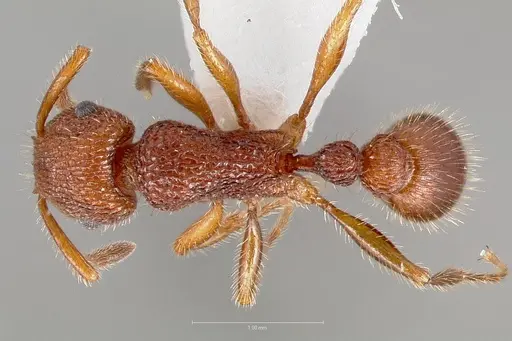
CASENT0106287
View on AntWeb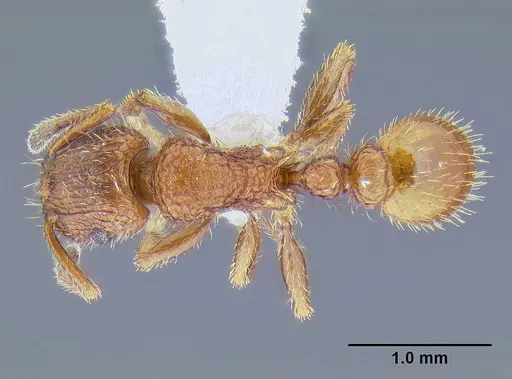
CASENT0901047
View on AntWeb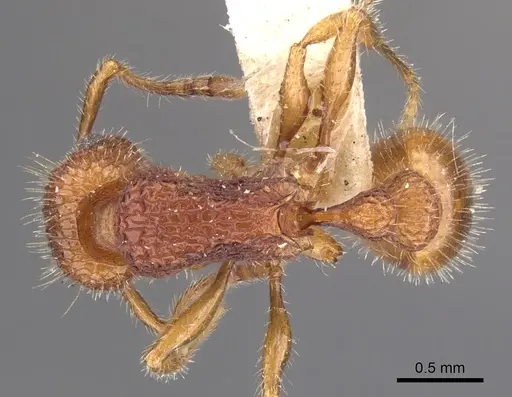
CASENT0901048
View on AntWeb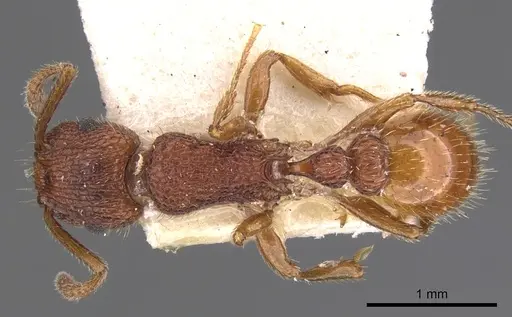
CASENT0909195
View on AntWeb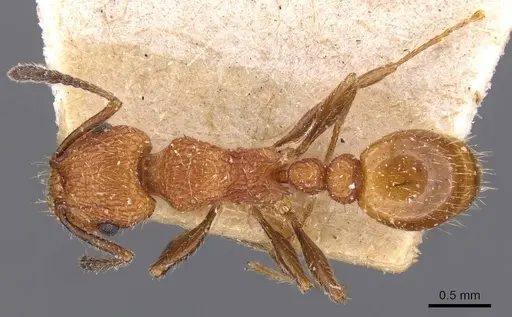
CASTYPE00654
View on AntWeb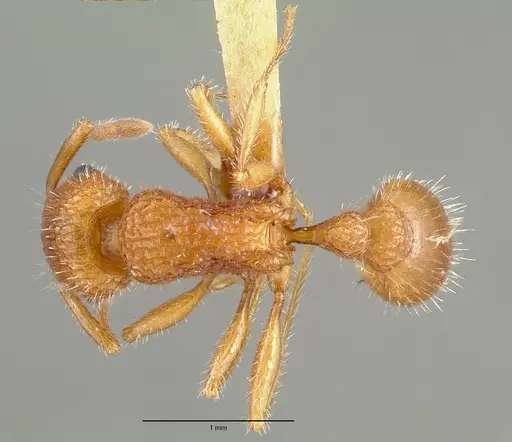
Literature
Loading distribution map...Loading products...