
Tetramorium snellingi
- Sci. Name
- Tetramorium snellingi
- Tribe
- Crematogastrini
- Subfamily
- Myrmicinae
- Author
- Hita Garcia <i>et al.</i>, 2010
- Distribution
- Found in 3 countries
Introduction
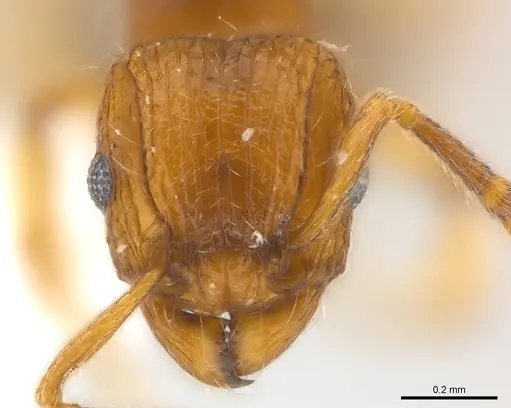
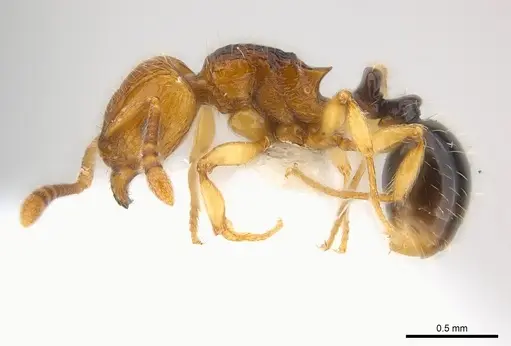
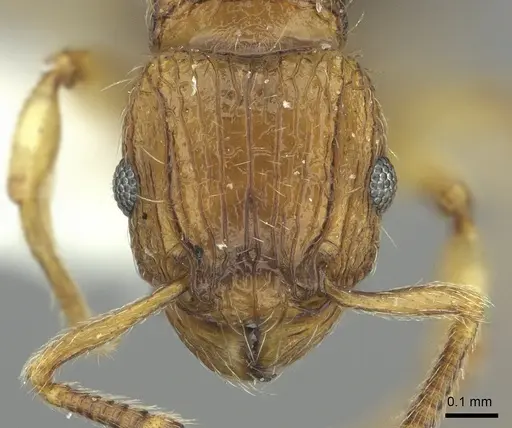
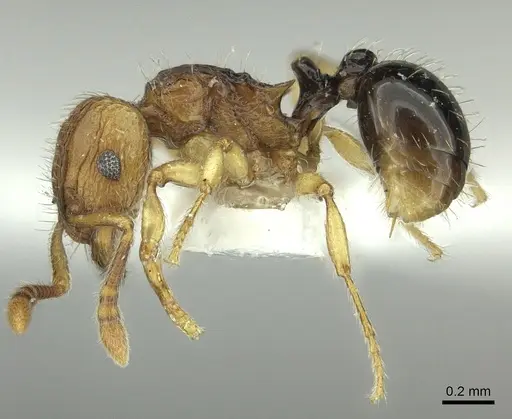
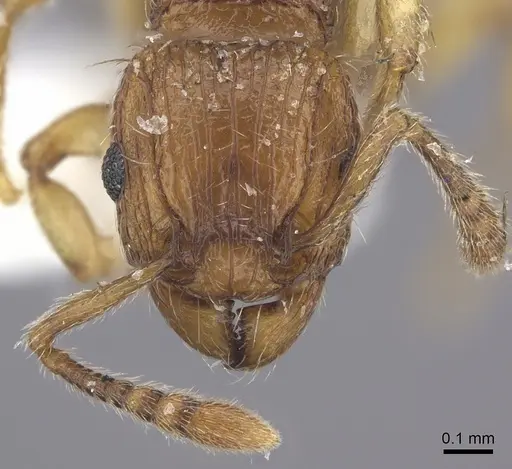
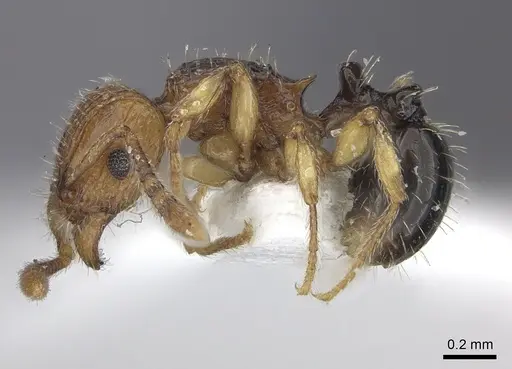
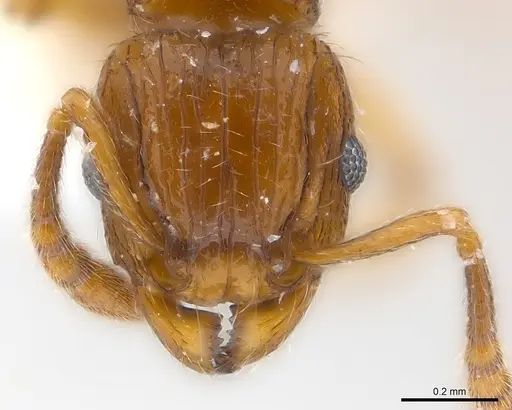
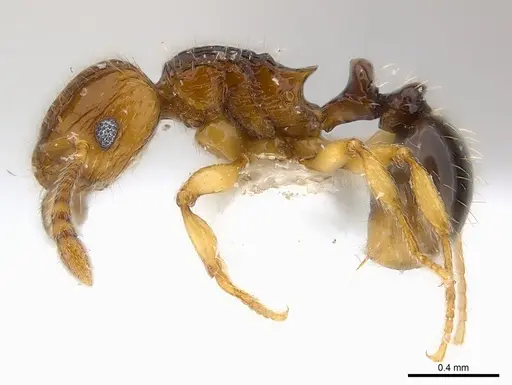
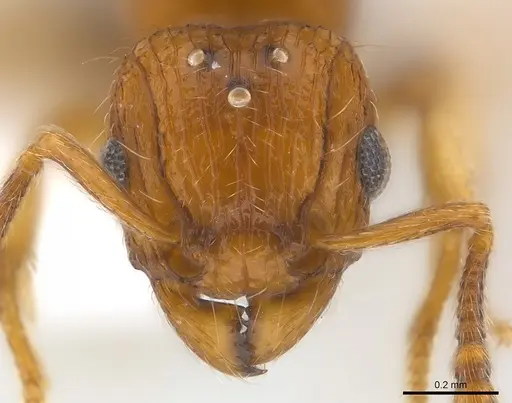
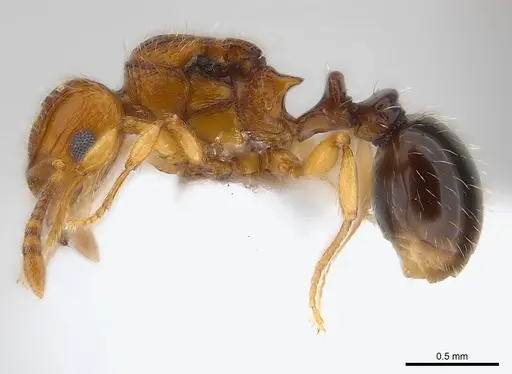
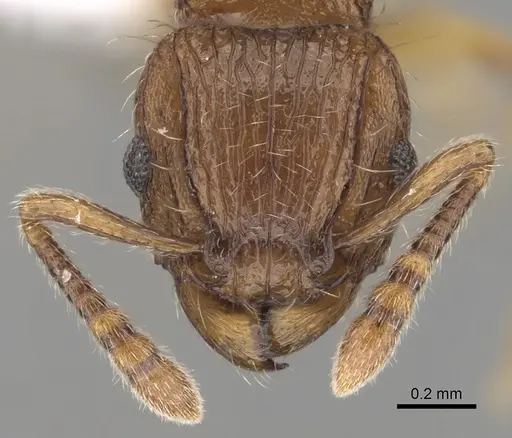
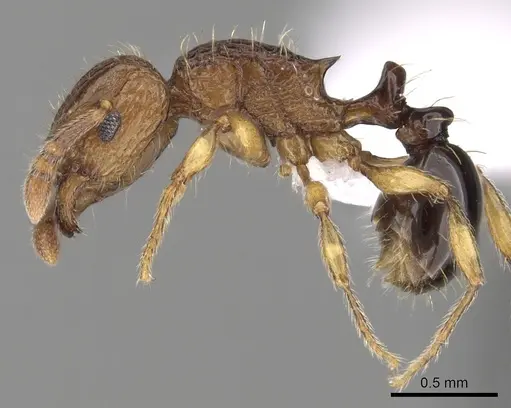
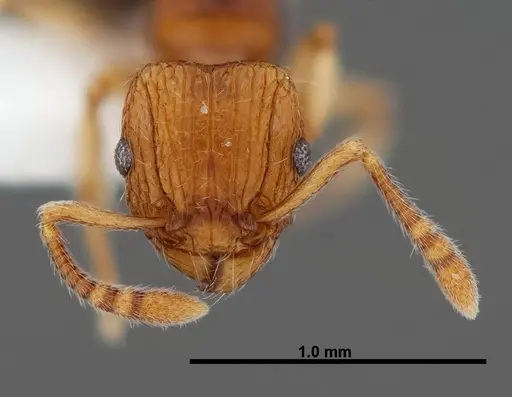
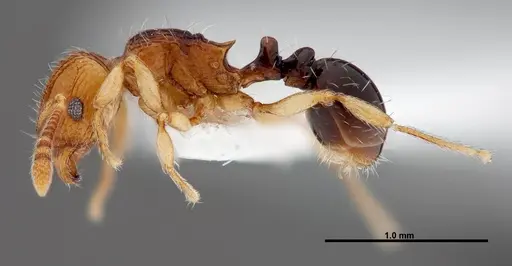
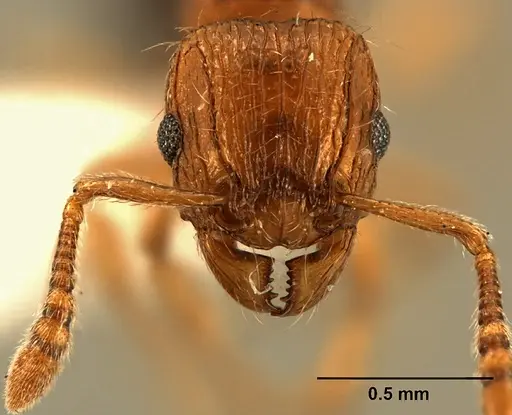
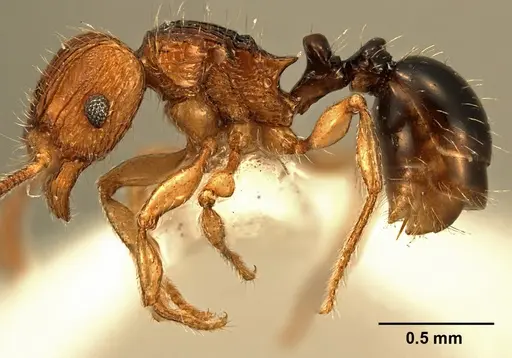
Tetramorium snellingi is a tiny leaf-litter ant from the rainforests of Kenya, Uganda, and the Central African Republic. Workers are about 2.5-3mm long and have a striking bicolored look: the head and mesosoma are orange to reddish brown, while the petiole, postpetiole, and gaster are dark brown to black . This species belongs to the Tetramorium weitzeckeri group and is identified by medium-sized triangular propodeal spines and standing hairs on the first gastral tergite . Queens are larger (around 3-3.5mm) and share the same color pattern . This ant lives only in the leaf-litter layer of near-primary and secondary forests and is never found in open habitats like glades or roads . Preliminary stable isotope analysis suggests they are predators, hunting small invertebrates . They are endemic to Kakamega Forest in western Kenya and may be useful as bioindicators of forest disturbance because their numbers drop with logging .
Quick Summary
- Difficulty: Medium
- Origin & Habitat: Kakamega Forest in western Kenya, extending through the Ruwenzori Mountains (Uganda) to the Central African Republic. Found in near-primary and secondary rainforest at 1600-1650m elevation, exclusively in the leaf-litter layer [2][1][3].
- Colony Type: Colony structure is unconfirmed. No data on whether colonies are single-queen (monogyne) or multi-queen (polygyne).
- Size & Growth:
- Queen: ~3.0-3.5mm [2] (estimated from two measured queens, no direct total length published)
- Worker: ~2.5-3mm [1] (inferred from genus Tetramorium, precise body length not recorded)
- Colony: Unknown, no colony size data available
- Growth: Unknown, no growth rate data available
- Development: Unknown, no direct data. Based on typical Tetramorium species, estimate 6-10 weeks at optimal temperatures. (Development not studied for this species. Related Tetramorium often take 6-10 weeks from egg to worker under warm conditions.)
- Antkeeping:
- Temperature: Keep warm and stable, around 22-26°C. This species comes from a tropical rainforest, so avoid cold drafts. A heating cable on one side of the nest can create a gentle gradient. Specific preferred temperatures have not been studied in detail [2].
- Humidity: High humidity is essential, these ants live in rainforest leaf-litter. Keep the nest substrate consistently moist but not waterlogged. The substrate should feel damp, with slightly drier areas for the ants to choose. Ventilate well to prevent mold [2].
- Diapause: Unlikely, as a tropical species from near the equator, they probably do not require hibernation. Slight seasonal slowdowns may occur [2].
- Nesting: In the wild they nest in the leaf-litter layer. For captivity, a naturalistic setup with moist soil and leaf-litter works well. Y-tong (AAC) or plaster nests are also suitable if kept humid. Provide tight, small chambers scaled to their tiny size [2].
- Behavior: These ants are active foragers in the leaf-litter layer. They are predatory and hunt small invertebrates [2]. They have a modified spatulate stinger used to smear venom, but given their tiny size they are not dangerous to humans [2]. Their small size (under 3mm) makes escape prevention critical, use very fine mesh and tight barriers. They are not known to be aggressive toward humans.
- Common Issues: escape prevention is critical, these ants are tiny and can squeeze through very small gaps, high humidity requirements can lead to mold problems if ventilation is poor, predatory diet means you need a constant supply of small live prey like fruit flies and springtails, sensitive to disturbance, wild-caught colonies may struggle in captivity, slow or unknown growth may frustrate keepers expecting rapid expansion
Housing and Nest Setup
Tetramorium snellingi is a tiny leaf-litter ant that needs careful housing. In the wild they live only in the forest floor's leaf-litter layer, so a naturalistic setup with moist soil and decaying leaves works best [2]. You can start them in a test tube for founding, but move them to a more natural formicarium as the colony grows. Y-tong (AAC) or plaster nests work well if you keep humidity high. The key is tight chambers and narrow passages scaled to their 2.5-3mm workers, they get stressed in large, open spaces. Use excellent escape prevention because their small size lets them slip through gaps that hold back larger ants.
Feeding and Diet
Preliminary stable isotope analysis indicates Tetramorium snellingi is a predator [2]. Their main food is small live invertebrates, not plant sugars. In captivity, offer small live prey like fruit flies, springtails, and tiny arthropods. They may accept pieces of mealworm or cricket, but live food should be the core of their diet. You can give a drop of sugar water or honey occasionally, but don't rely on it. Feed every few days and remove uneaten prey after 24 hours to prevent mold.
Temperature and Humidity
As a tropical rainforest species from Kakamega Forest, Tetramorium snellingi needs warm, humid conditions. Keep the nest at 22-26°C, which matches their natural environment at around 1600m [2]. Use a heating cable on one side for a gradient, but avoid hot spots that could dry them out. Humidity is critical, they live in damp leaf-litter, so the nest substrate should be consistently moist but not waterlogged. Mist occasionally and check condensation. Ensure good ventilation to prevent mold while holding humidity [2].
Colony Development and Growth
Specific development data for Tetramorium snellingi is not available. Queens are about 3.0-3.5mm and workers about 2.5-3mm [2][1]. Based on typical Tetramorium patterns, first workers (nanitics) may emerge around 6-10 weeks after founding, but this is an estimate. Colony growth is likely slow at first, normal for small leaf-litter species. Maximum colony size in the wild is unknown, no published data exists. Be patient and focus on consistent care rather than expecting fast growth.
Behavior and Temperament
Tetramorium snellingi is an active forager in the leaf-litter layer. They are predatory and constantly hunt small invertebrates [2]. They have a spatulate stinger adapted for smearing venom, but given their tiny size it poses no risk to humans [2]. They are not aggressive toward people but will defend their nest. Their strict association with forests, never found in open areas, shows they are sensitive to disturbance [2]. This makes them potential bioindicators of forest health.
Frequently Asked Questions
How long does it take for Tetramorium snellingi to produce first workers?
The exact development time hasn't been studied for this species. Based on related Tetramorium, expect around 6-10 weeks from egg to first worker at 22-26°C. This is an estimate, actual timing may vary.
What do Tetramorium snellingi ants eat?
They are predators, according to stable isotope analysis [2]. In captivity, feed small live prey like fruit flies, springtails, and tiny arthropods. They may accept pieces of mealworm or cricket, but live food should be the main diet.
Are Tetramorium snellingi good for beginners?
This species is rated Medium difficulty. Their small size, high humidity needs, and predatory diet make them better for keepers with some experience. Their slow growth and specific habitat needs require patient, consistent care.
Do Tetramorium snellingi ants sting?
They have a modified spatulate stinger used to smear venom, but because workers are only 2.5-3mm, any sting is barely noticeable. They are not dangerous to humans [2].
Can I keep Tetramorium snellingi in a test tube?
You can start them in a test tube for the founding stage, but be ready to move them to a naturalistic formicarium as the colony grows. They need high humidity and tight chambers sized to their tiny workers. A setup with moist soil and leaf-litter mimics their natural habitat best [2].
How big do Tetramorium snellingi colonies get?
The maximum colony size is unknown, no published data exists. As a small leaf-litter ant, colonies are probably modest compared to larger Tetramorium species.
Do Tetramorium snellingi need hibernation?
Unlikely. As a tropical species from near the equator in Kenya, they probably don't need a hibernation period. Slight seasonal slowdowns may occur, but you don't need to induce diapause [2].
What makes Tetramorium snellingi unique?
This species is endemic to Kakamega Forest in western Kenya, making it rare in the antkeeping hobby. It has a striking bicolored appearance, orange-red head and mesosoma contrasting with a dark brown to black gaster. It is also being studied as a potential bioindicator of forest disturbance because of its sensitivity to habitat changes [2][1].
Why are my Tetramorium snellingi dying?
Common causes include: low humidity (they need consistently moist conditions), escape (their tiny size lets them slip through small gaps), lack of appropriate prey (they need small live food regularly), and stress from wild collection. Make sure your setup maintains high humidity, has excellent escape prevention, and provides suitable live prey.
What temperature should I keep Tetramorium snellingi at?
Keep them at 22-26°C. This tropical rainforest species needs warmth and stable temperatures. Use a heating cable on one side for a gentle gradient, but avoid overheating or drying out the nest [2].
Report an Issue
The current care sheet is based fully on literature. See inconsistencies, or something that's incorrect? Please , it will be resolved after review from an admin. Contributing to the blogs tab also helps providing information, to make us be able to further improve the caresheets. Thank you for your support!
References

This caresheet is licensed under CC BY-SA 4.0 .
Community Blogs
CASENT0217052
View on AntWeb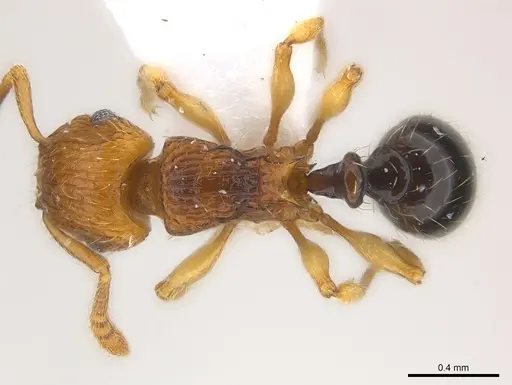
CASENT0217055
View on AntWeb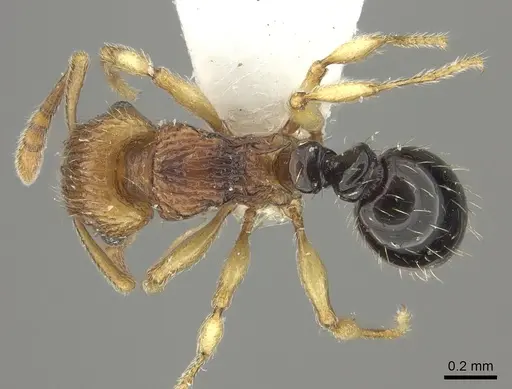
CASENT0217056
View on AntWeb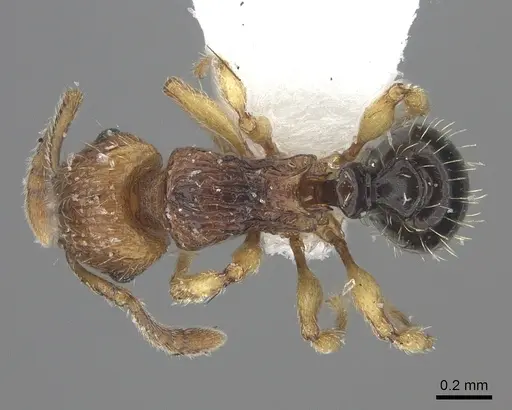
CASENT0217057
View on AntWeb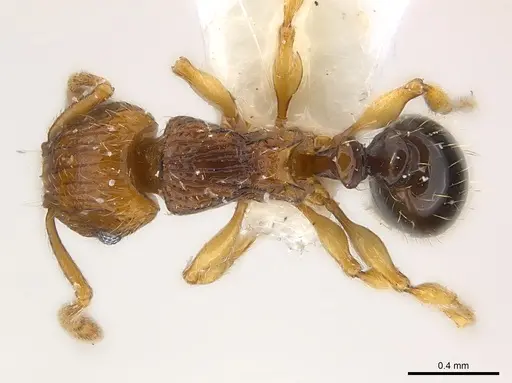
CASENT0217058
View on AntWeb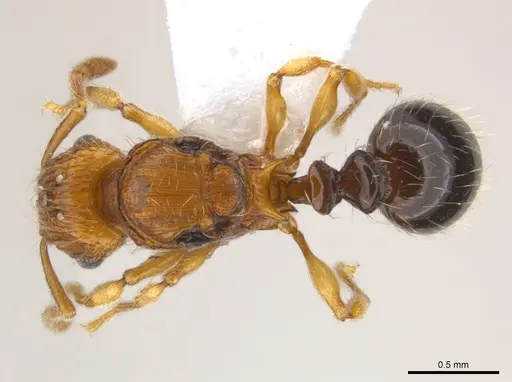
CASENT0363706
View on AntWeb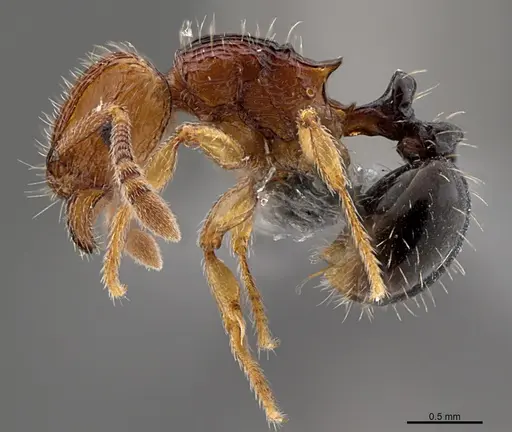
CASENT0411804
View on AntWeb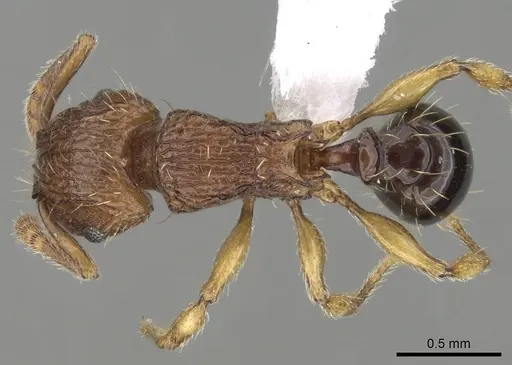
FMNHINS0000047316
View on AntWeb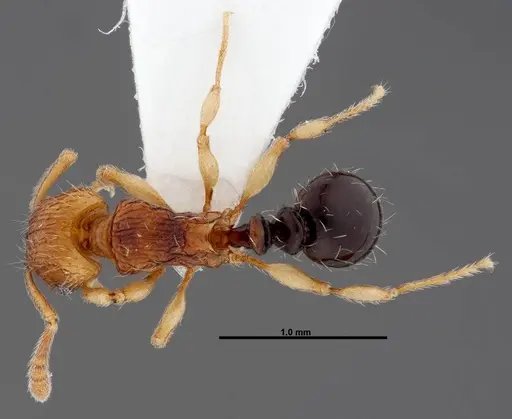
ZFMKHYM20093102
View on AntWeb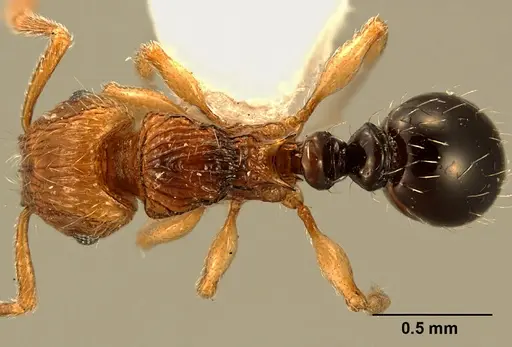
Literature
Loading distribution map...Loading products...