
Tetramorium silvicola
- Sci. Name
- Tetramorium silvicola
- Tribe
- Crematogastrini
- Subfamily
- Myrmicinae
- Author
- Hita Garcia & Fisher, 2012
- Distribution
- Found in 1 countries
Introduction
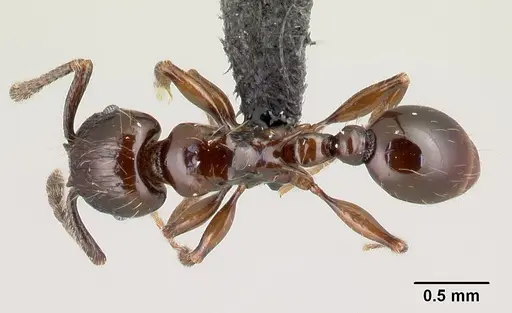
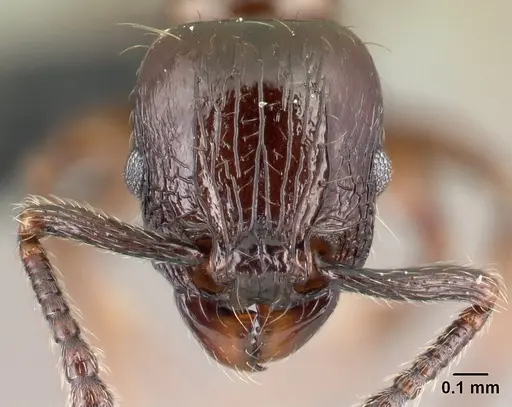
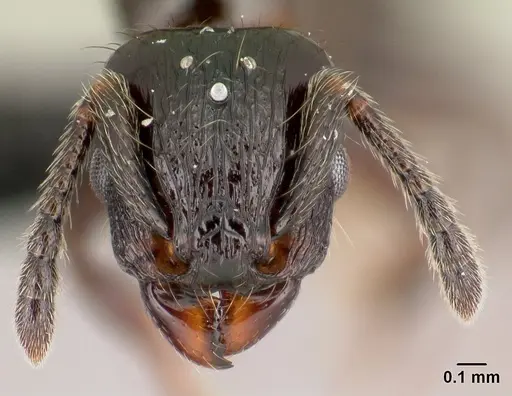
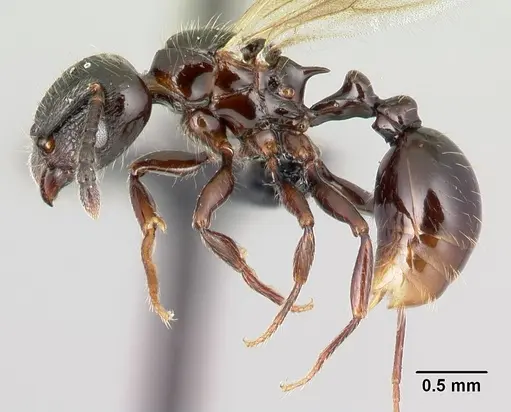
Tetramorium silvicola is a small, dark brown to black ant native to Madagascar. Its head is distinctly longer than wide, and the body is smooth and shiny with many long erect hairs on the upper surfaces. The species name 'silvicola' means 'forest inhabitant' in Latin, fitting an ant found only in montane rainforests at 625-1325 meters elevation . Unlike most ground-dwelling ants, this species appears to live and forage on plants in the Melastomataceae family, suggesting a semi-arboreal or plant-dwelling lifestyle .
Quick Summary
- Difficulty: Unknown, limited data available
- Origin & Habitat: Montane rainforests of northeastern Madagascar, known from Parc National de Marojejy and Foret d'Ambalagoavy at 625-1325 m [1][2]
- Colony Type: Unknown, colony structure has not been documented in scientific literature
- Size & Growth:
- Queen: Not described in available literature [1]
- Worker: Not reported in available literature, only head and mesosoma measurements are documented [1]
- Colony: Unknown, no colony size data available
- Growth: Unknown, development times have not been studied
- Development: Unknown, no direct measurements (Based on typical Tetramorium patterns, expect roughly 6-10 weeks at optimal temperature, but this is an estimate without direct evidence.)
- Antkeeping:
- Temperature: Unclear, as a Madagascar highland species, likely prefers cooler temperatures than typical tropical ants. Start around 20-24°C and observe colony activity
- Humidity: High humidity required, montane rainforest environment. Keep nest substrate consistently moist but not waterlogged
- Diapause: Unknown, no studies on seasonal dormancy for this species
- Nesting: Likely does well in Y-tong or plaster nests. The plant-dwelling nature suggests vertical structures or branches may be beneficial. Use moist substrate to maintain humidity
- Behavior: Behavior is poorly documented. This species belongs to the myrmicine tribe Crematogastrini, which uses a 'smear' defense mechanism: the stinger is flattened and spatulate, used to wipe venom onto enemies rather than piercing. Escape prevention is critical due to the very small size of the workers (head length ~0.7-0.8 mm), use fine mesh (≤0.5 mm) and tight seals. Aggression level is unknown but likely moderate, as in related species.
- Common Issues: very small size means escape prevention must be excellent, they can squeeze through standard barriers, no colony size data makes it hard to plan for growth, start with a standard setup and expand as needed, humidity requirements are inferred, not confirmed, monitor for desiccation, diet preferences are unknown, offer varied foods and observe what they accept, limited data means care recommendations are largely estimates based on related species
Origin and Natural Habitat
Tetramorium silvicola is endemic to Madagascar, known only from two localities in the northeastern highlands. The main population occurs in Parc National de Marojejy at 775-1325 m elevation, and a smaller one is at Foret d'Ambalagoavy near Ambalavao at 625 m [1][2]. The species name 'silvicola' means 'forest inhabitant', it strictly prefers intact rainforests. Most specimens were collected from Melastomataceae plants rather than leaf litter or the ground, suggesting the ants either live on or regularly forage up in vegetation [2]. This plant-dwelling habit is unusual for Tetramorium and makes this species interesting for keepers looking for something different from ground-nesting ants.
Identification and Appearance
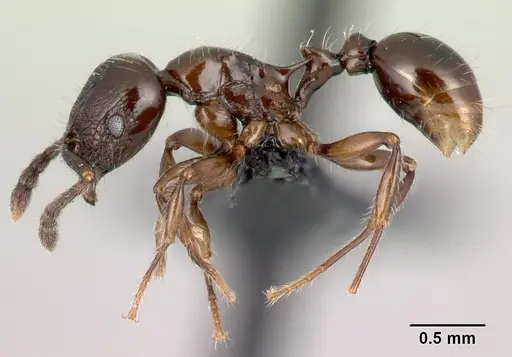
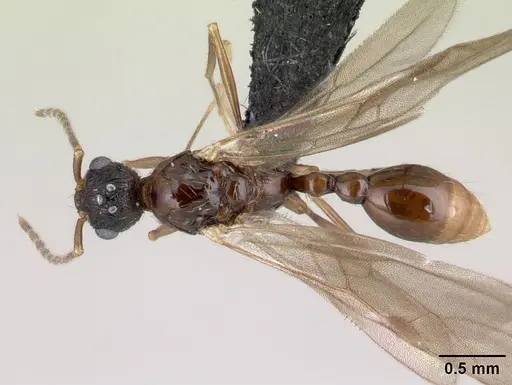
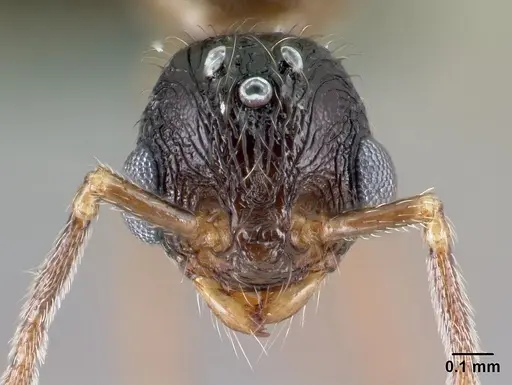
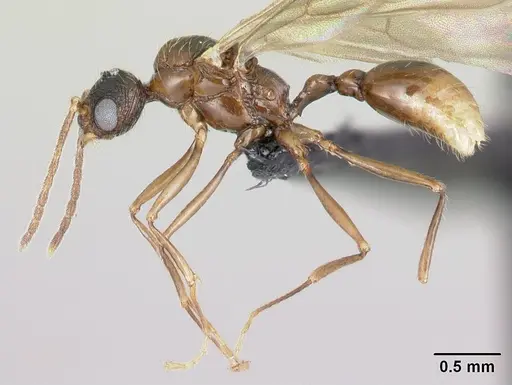
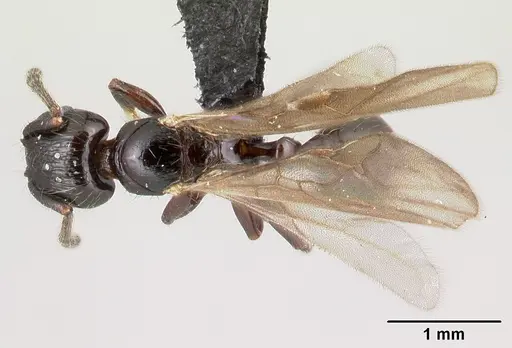
Workers are very small (head length 0.72-0.84 mm) compared to many other Tetramorium. The head is distinctly longer than wide (cephalic index 88-90), which helps tell them apart from similar species. The body is dark brown to black and appears smooth and shiny because the dorsal surfaces are completely unsculptured. One distinctive feature is the abundant long erect hairs covering the mesosomal dorsum, these hairs are not confined to the lateral margins as in some relatives [1]. The propodeal spines are long, spinose, and acute, the petiolar node is strongly compressed front-to-back and looks triangular from the side. These details matter for identification but don't affect captive care, just know you're dealing with a very small ant that needs fine escape prevention.
Temperature and Care
As a Madagascar highland species from montane rainforests (625-1325 m), T. silvicola likely prefers cooler conditions than typical tropical ants [1][2]. Start with temperatures in the 20-24°C range and watch the colony, if workers cluster together, they may want it slightly warmer, if they seem sluggish, try a small increase. Avoid temperatures above 28°C. Use a heating cable on one side of the nest to create a gentle gradient so the ants can choose their preferred spot. Since this species isn't well-studied in captivity, be ready to adjust based on colony health and activity.
Humidity and Nesting
Coming from montane rainforests, T. silvicola needs high humidity. Keep the nest substrate consistently damp but not waterlogged, it should feel moist to the touch, with condensation visible on the walls of a test tube. The plant-dwelling nature suggests the ants may appreciate more vertical nesting options or structures that mimic vegetation. Y-tong or plaster nests work well for holding moisture. Ensure good ventilation to prevent mold while still keeping humidity up. Balance is key: too dry, and the colony desiccates, too wet, and you risk drowning or fungal growth. Watch the substrate moisture and adjust rehydration frequency based on condensation and ant behavior.
Feeding and Diet
Diet preferences for this species haven't been documented, but Tetramorium are usually generalist omnivores. Offer a variety of sugar sources (honey water, sugar water) and small protein items (flightless fruit flies, pinhead crickets, springtails). Because the workers are tiny, prey must be appropriately small. They may also accept honeydew from aphids if available. Start with small prey and sugar water, then try other foods to see what the colony takes. Remove uneaten food promptly to stop mold. Feed every 2-3 days, adjusting based on how much they eat.
Escape Prevention
Workers have a head length of only about 0.7-0.8 mm, so T. silvicola presents a serious escape risk. Standard ant barriers may not hold them, you must use fine mesh (0.5 mm or smaller) on all ventilation holes and outworld connections. Cotton plugs in test tubes should be packed very tightly, and any joints between nest parts need careful sealing. Check for gaps around lid edges and seams in acrylic or Y-tong setups. This is not an ant you can keep in a basic test tube setup without attention to escape prevention. A thin layer of fluon on the inner rim of the outworld can help, along with regular checks for potential escape routes.
Frequently Asked Questions
How long does it take for Tetramorium silvicola to develop from egg to worker?
Development time hasn't been studied for this species. Based on typical Tetramorium patterns, you can expect roughly 6-10 weeks from egg to first worker at temperatures around 22-24°C. This is an estimate, actual times depend on temperature and colony health. Nanitics (first workers) are usually smaller and may develop slightly faster.
What do Tetramorium silvicola ants eat?
Diet hasn't been documented, but they are likely generalist omnivores like other Tetramorium. Offer small live prey (fruit flies, springtails), tiny insects, and sugar sources (honey water, sugar water). Start with a variety and note what they eat. Remove uneaten food to avoid mold.
Can I keep Tetramorium silvicola in a test tube setup?
Yes, test tubes work well during founding. Pack the cotton plug tightly because these ants are very small and can slip through a loose plug. Use fine mesh over any air holes if needed. As the colony grows, move them to a formicarium with more space, watch for crowding and provide an outworld when the colony becomes active.
Do Tetramorium silvicola ants sting?
This species is in the subfamily Myrmicinae, which includes ants with stingers. However, based on its tribe (Crematogastrini), it uses a 'smear' defense: the stinger is modified into a flattened spatula that wipes venom onto enemies rather than piercing. Stings are likely not medically significant, but the main concern is their small size making it easy to lose individual ants.
What temperature range is best for Tetramorium silvicola?
As a Madagascar highland species, they likely prefer cooler temperatures. Start around 20-24°C and adjust based on colony behavior. Avoid temperatures above 28°C. A gentle temperature gradient with a heating cable on one side of the nest lets ants choose their preferred spot.
How big do Tetramorium silvicola colonies get?
Colony size is unknown, no data exists on maximum colony size in the wild or captivity. Based on their small worker size and typical patterns in related Tetramorium, colonies probably don't exceed several hundred workers. This is an estimate from similar species.
Are Tetramorium silvicola good for beginners?
Difficulty level is hard to judge because so little is known about their care. Their very small size makes escape prevention critical, which adds challenge. The lack of documented care means you may need to experiment to find optimal conditions. This species is probably most suitable for keepers with some experience who are happy working with less-documented ants.
Do Tetramorium silvicola need hibernation or diapause?
Diapause requirements are unknown. As a Madagascar highland species from montane rainforests, they may experience milder seasonal changes but not harsh winters. If you notice reduced activity in winter, a mild cool-down (15-18°C) for 2-3 months might help, but this is pure speculation.
Why are my Tetramorium silvicola escaping?
Their tiny size (head length ~0.7-0.8 mm) means they can get through gaps that hold back larger ants. Check all barriers: use fine mesh (0.5 mm or smaller), ensure cotton plugs are packed tightly, and seal any gaps around lids or connections. Apply fluon to inner rims and double-check all potential escape routes.
Can I keep multiple Tetramorium silvicola queens together?
Colony structure (single queen vs multiple queens) has not been documented for this species. Combining unrelated queens is not recommended, as it hasn't been studied and could lead to aggression. If you have a founding queen, keep her alone until workers appear, then focus on that single colony.
Report an Issue
The current care sheet is based fully on literature. See inconsistencies, or something that's incorrect? Please , it will be resolved after review from an admin. Contributing to the blogs tab also helps providing information, to make us be able to further improve the caresheets. Thank you for your support!
References

This caresheet is licensed under CC BY-SA 4.0 .
Community Blogs
Literature
Loading distribution map...Loading products...