
Feigning Garden Ant
Tetramorium signatum
- Sci. Name
- Tetramorium signatum
- Tribe
- Crematogastrini
- Subfamily
- Myrmicinae
- Author
- Emery, 1895
- Common Name
- Feigning Garden Ant
- Distribution
- Found in 3 countries
Introduction
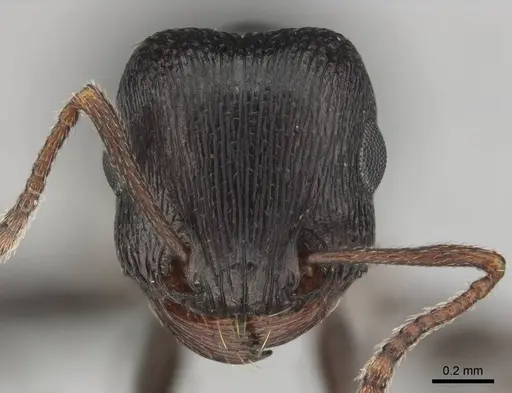
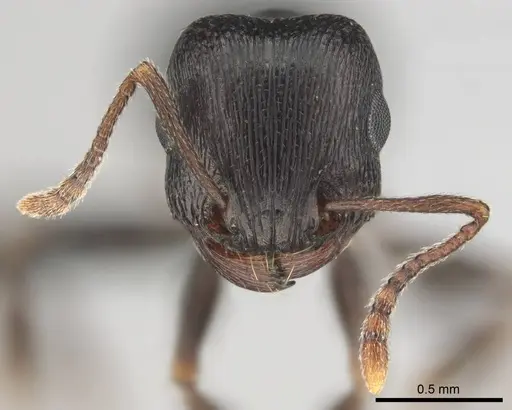
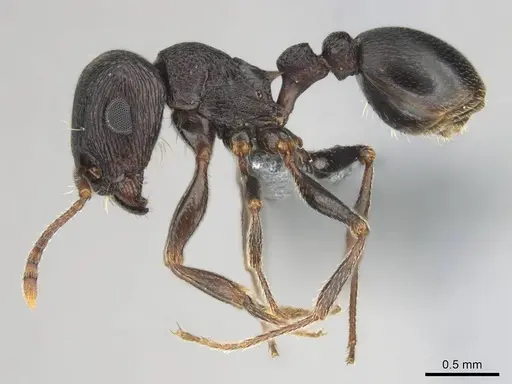
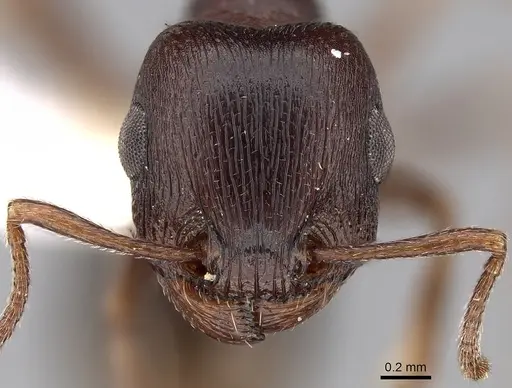
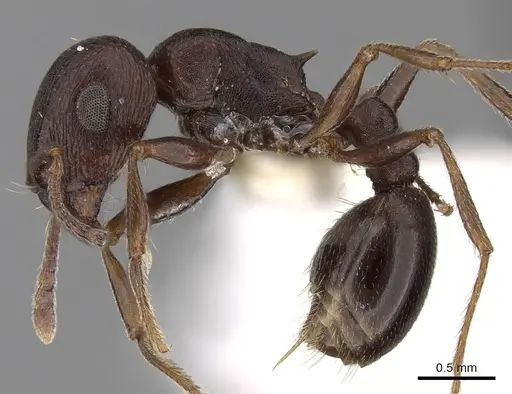
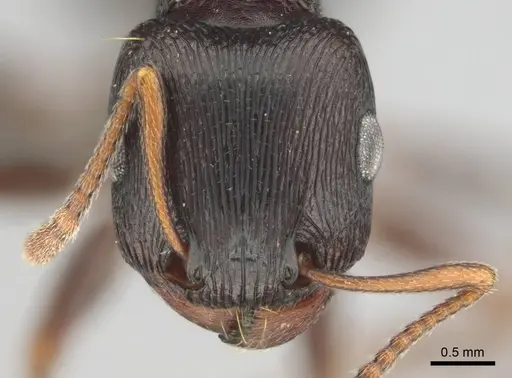
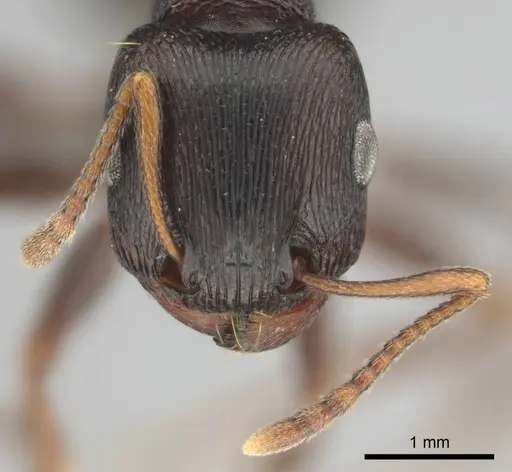
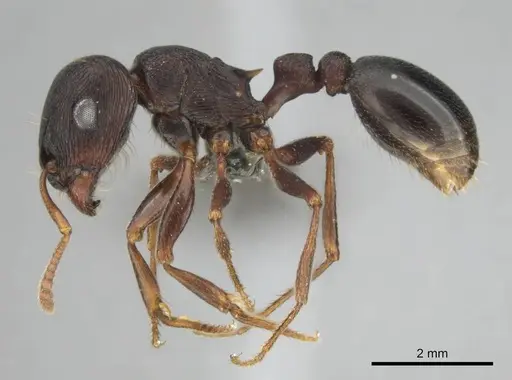
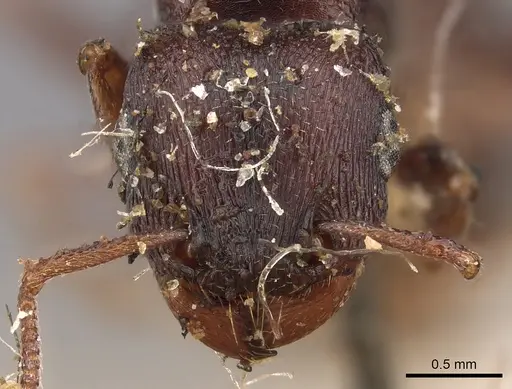
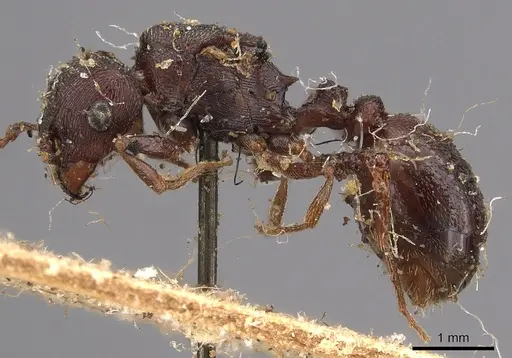
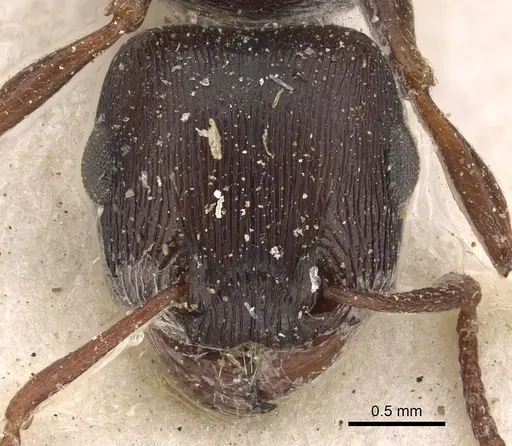
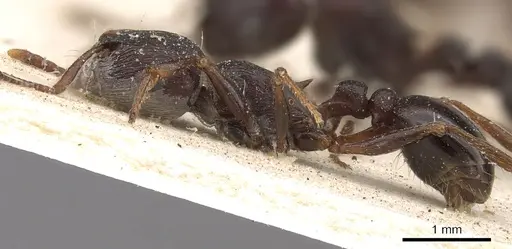
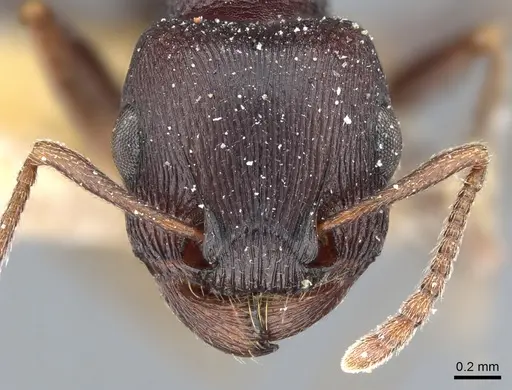
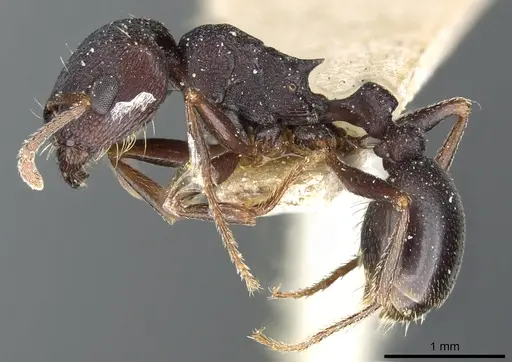
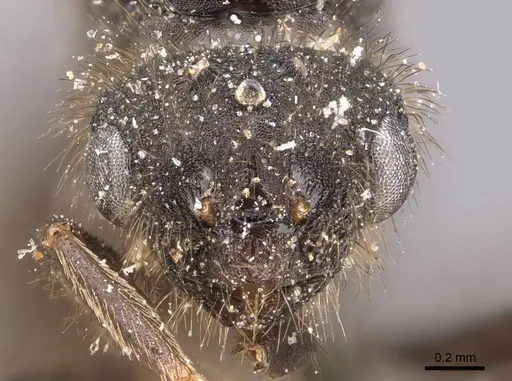
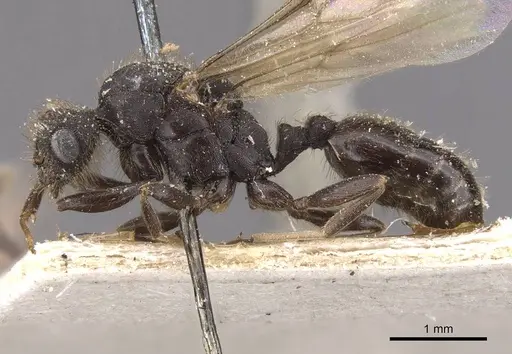
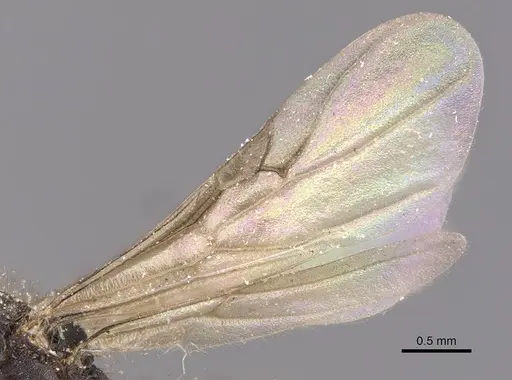
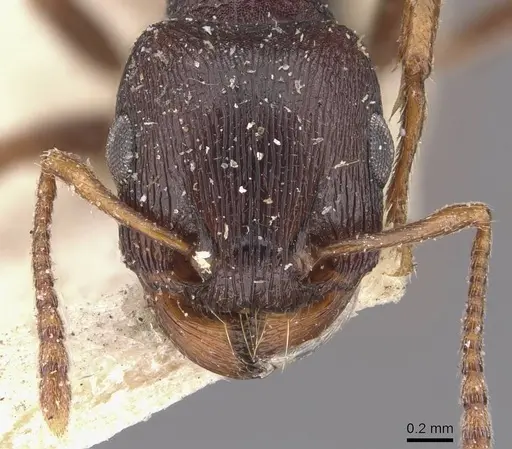
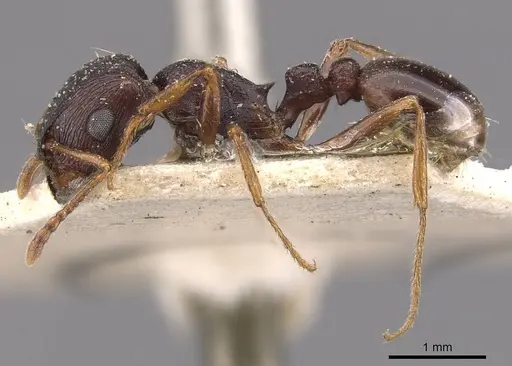
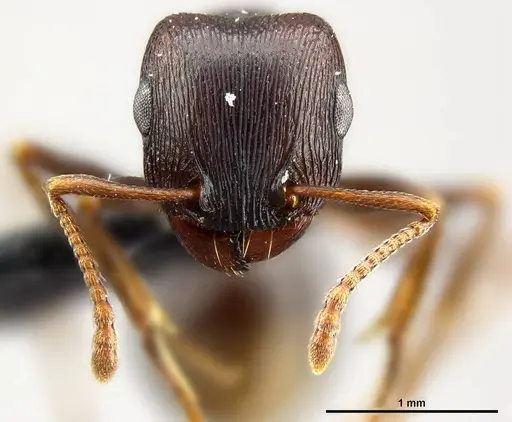
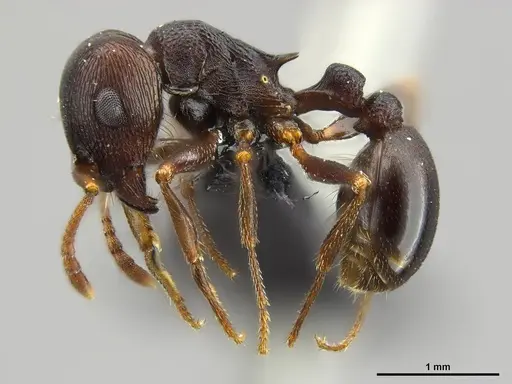
Tetramorium signatum is a small to medium-sized seed harvester ant from southern Africa, with workers measuring 4.4-5.3mm total length . The species comes in two color forms: the Karoo form is brown to black, while the Kalahari sand form is reddish . It belongs to the Tetramorium solidum group and has distinct ridges on the middle body section . You can find this ant in South Africa, Namibia, Angola, and even Israel . What makes this species interesting is its flexible diet. Although it's a seed harvester, it has been seen actively hunting live termites, so it's not stuck eating just seeds . These ants nest in sandy or loamy soils, sometimes building small craters around the entrance . They also host silverfish (Thysanura) as guests in their nests . This species is highly adaptable, living in dry habitats from the Karoo to the Namib Desert.
Quick Summary
- Difficulty: Easy
- Origin & Habitat: Native to southern Africa (South Africa, Namibia, Angola) with isolated records in Israel [3]. Found in arid and semi-arid habitats including Albany Thickets, Kalahari Xeric Savanna, Kaokoveld Desert, Montane Fynbos and Renosterveld, Nama Karoo, Namib Desert, Namibian Savanna Woodlands, and Succulent Karoo [1][2].
- Colony Type: Colony structure is unconfirmed from direct studies. Based on typical Tetramorium patterns, likely single-queen (monogyne) colonies. Alates (reproductives) have been collected from nests in December [1].
- Size & Growth:
- Queen: Unconfirmed, no specific measurements documented for queens in available research
- Worker: 4.4-5.3mm total length [1]
- Colony: Maximum colony size is unconfirmed. Based on related species in the solidum group, colonies likely reach several hundred workers.
- Growth: Moderate, based on typical Tetramorium development patterns
- Development: Estimated 6-10 weeks based on genus-level data, no specific timing documented for this species (Development time is inferred from related species. Alates are produced seasonally, with reproductive castes appearing in nests around December [1].)
- Antkeeping:
- Temperature: Keep at room temperature around 20-24°C. This species comes from warm arid regions, so moderate warmth is good. Avoid temperatures below 15°C or above 30°C long-term. A gentle heat gradient lets the ants choose what they like [1].
- Humidity: Low to moderate humidity, these ants come from dry regions. Keep the nest substrate dry to slightly moist, letting it dry between waterings. Don't waterlog the nest. Think desert or savanna, not rainforest [1][2].
- Diapause: Likely needs a winter diapause based on their southern African distribution with cool winters. Reduce feeding and keep at cooler temperatures (15-18°C) for 2-3 months during winter (roughly May-August in the Southern Hemisphere). Ensure water is always available [1].
- Nesting: In the wild, they nest in sandy to loamy soils, sometimes with multiple entrances and small soil craters [1][2]. In captivity, Y-tong (AAC) or plaster nests work well. Avoid overly humid setups, these are dry-adapted ants. A naturalistic setup with sandy substrate lets you watch their digging and foraging behavior.
- Behavior: Tetramorium signatum is a seed harvester, but they also hunt live insects like termites [4]. Workers are moderately active and will collect seeds and small prey. They aren't very aggressive toward keepers but will defend their nest if disturbed. Escape risk is moderate, these ants are about 5mm long, so standard escape prevention (fluon on edges, tight lids) works. They are granivores but accept protein foods too. Workers forage individually and can be attracted to tuna, sugar, and cookie baits in the wild [1]. Their main defense is a modified stinger that smears venom onto attackers rather than piercing them.
- Common Issues: dry conditions can kill founding colonies, even though they are arid-adapted, newly founded colonies in test tubes need some moisture to survive., colonies may fail if kept too humid, these are dry-adapted ants that prefer drier nesting conditions., slow growth can frustrate beginners, seed harvesters typically grow more slowly than predatory species., winter mortality if not given proper diapause, reduce temperatures gradually in winter., wild-caught colonies may have parasites, always quarantine and monitor new colonies closely.
Housing and Nest Setup
Tetramorium signatum adapts well to different nest types. Y-tong (AAC) nests work great because they provide the dry conditions this species likes. Plaster nests are also suitable, just let the nesting area dry out between rehydrations. These ants come from sandy to loamy soils in dry regions, so avoid setups that stay constantly wet [1][2].
For the outworld (foraging area), use a standard setup with a water test tube as a hydration source. Because they are seed harvesters, provide a small shallow dish with various seeds (grass seeds, millet, poppy seeds) that they can collect and store. A naturalistic setup with a sandy soil mix lets them show natural digging behaviors.
Escape prevention: these ants are about 5mm long, not tiny. Standard barriers like fluon on test tube rims and tight-fitting lids on the outworld are enough. Check that connections between nest and outworld have no gaps larger than 1mm.
Feeding and Diet
As seed harvesters, Tetramorium signatum naturally collects and stores seeds. In captivity, offer a variety of small seeds including grass seeds, millet, flax, and commercially available ant seeds. They also accept protein sources, research shows they hunt live termites in the wild, so they aren't just granivores [4]. Offer small insects like fruit flies, small crickets, and mealworms from time to time.
Sugar sources: they will take sugar water and honey, as shown by their attraction to sugar baits in surveys [1]. Keep a constant supply of sugar water in a test tube with a cotton wick. Seeds should be available all the time as a natural food source. Offer protein (insects) 1-2 times per week.
Remove uneaten seeds and insects after 2-3 days to prevent mold. This species does well on a varied diet with seeds, sugars, and occasional protein.
Temperature and Seasonal Care
Keep these ants at room temperature, ideally 20-24°C. They come from warm dry parts of southern Africa, so they handle moderate heat well. Avoid temperatures below 15°C or above 30°C for long periods. A heating cable on one side of the nest creates a temperature gradient so ants can choose their preferred spot.
Winter care: based on their distribution in regions with cool winters, they likely benefit from a winter diapause. Reduce temperatures to 15-18°C for 2-3 months during winter. In the Southern Hemisphere (where they originate), that would be roughly May-August. Reduce feeding during this time but keep water available. Don't feed during the coldest part of diapause.
Alates (reproductives) appear in nests around December in the wild [1], so if you have a mature colony, you might see winged reproductives develop in late fall.
Colony Development and Growth
Colony growth is moderate. The first workers (nanitics) will be smaller than mature workers, which is normal. Once the first workers arrive, the colony typically grows steadily as more brood is produced. Seed harvester colonies often grow more slowly than purely predatory species because they invest more in storing seeds.
Colony size at maturity: based on related species in the Tetramorium solidum group, mature colonies likely reach several hundred workers. The maximum documented colony size for this species is not specifically recorded, but seed harvester ants in this group typically keep colonies in the hundreds.
Queen longevity: Tetramorium queens can live for many years in captivity with proper care. A healthy queen can produce workers for several seasons. [1][2]
Behavior and Foraging
These ants are active foragers that look for seeds and small prey on their own. They are not aggressive toward humans but will defend their nest if threatened. Workers are moderately sized and visible, making them fun to watch.
Their foraging behavior is versatile, in the wild, they have been attracted to tuna baits, sugar baits, and cookie baits, showing they will try different food sources [1]. In captivity, they will collect seeds and store them in the nest, just like they create food stores in their natural underground chambers.
The observation that Tetramorium signatum actively hunts and kills live termites (Microhodotermes viator) is important, it shows these ants are not strict seed-eaters [4]. This means they benefit from occasional protein prey in captivity.
Frequently Asked Questions
Can I keep Tetramorium signatum in a test tube?
Yes, test tubes work well for founding colonies. Keep the test tube setup relatively dry, these are arid-adapted ants. Use a small water reservoir and let the cotton dry partially between rehydrations. Once the colony reaches around 20-30 workers, consider moving them to a proper nest like a Y-tong or plaster formicarium.
What do Tetramorium signatum ants eat?
They are seed harvesters, so seeds should make up most of their diet. They also accept sugar water and honey. Plus, they are opportunistic predators and will hunt small insects, they have been seen hunting live termites in the wild [4]. Give them a varied diet of seeds, sugar water, and occasional small insects like fruit flies or mealworms.
How long does it take for Tetramorium signatum to produce first workers?
Exact development time is unconfirmed for this species, but based on typical Tetramorium patterns, expect 6-10 weeks from egg to first worker at optimal temperature (around 22-24°C). The queen will seal herself in during founding and emerge once nanitic workers appear.
Do Tetramorium signatum ants need hibernation?
Yes, they likely benefit from a winter diapause. Reduce temperatures to 15-18°C for 2-3 months during winter. This mimics their natural seasonal cycle in southern Africa where winters are cooler. Reduce feeding during this period and keep water available [1].
Are Tetramorium signatum good for beginners?
Yes, this is a good beginner species. They are fairly hardy, adapt well to captivity, and are not particularly aggressive. Their moderate size makes them easy to watch, and their seed-harvesting behavior is interesting. The main challenges are avoiding too much humidity and giving proper winter care.
How big do Tetramorium signatum colonies get?
Based on related species in the Tetramorium solidum group, colonies likely reach several hundred workers at maturity. The exact maximum is unconfirmed, but seed harvester colonies in this genus typically have several hundred individuals.
Do Tetramorium signatum ants sting?
Tetramorium ants have a functional stinger and can sting if threatened. However, they are not particularly aggressive and rarely sting unless handled directly or their nest is disturbed. The sting is mild for most people, similar to a minor mosquito bite.
Can I keep multiple Tetramorium signatum queens together?
Combining unrelated queens is not recommended. The colony structure is likely single-queen (monogyne), and combining foundresses usually leads to fighting. If you get a wild colony, it likely has one queen. If you catch a claustral queen, raise her alone until she founds her colony.
What temperature range is best for Tetramorium signatum?
Keep them at 20-24°C for good activity and brood development. They can handle 15-30°C short-term but should not be exposed to extremes. A temperature gradient of 20-26°C across the nest lets ants choose their preferred spot.
Why is my Tetramorium signatum colony dying?
Common causes include: too much humidity (these are arid-adapted ants), temperatures that are too cold or too hot, not enough variety in food, or stress from disturbance. Check that the nest isn't staying wet, temperatures are in the 20-24°C range, and the colony has access to seeds, sugar, and protein. Wild-caught colonies may also carry parasites.
Report an Issue
The current care sheet is based fully on literature. See inconsistencies, or something that's incorrect? Please , it will be resolved after review from an admin. Contributing to the blogs tab also helps providing information, to make us be able to further improve the caresheets. Thank you for your support!
References

This caresheet is licensed under CC BY-SA 4.0 .
Community Blogs
CASENT0254335
View on AntWeb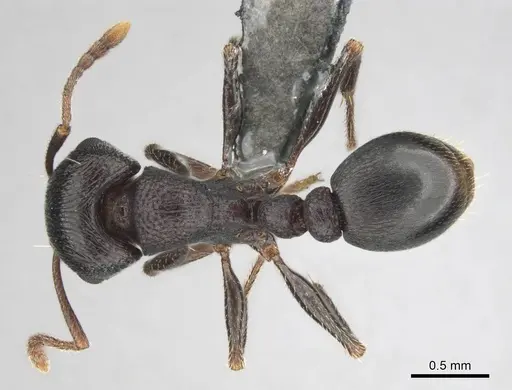
CASENT0280906
View on AntWeb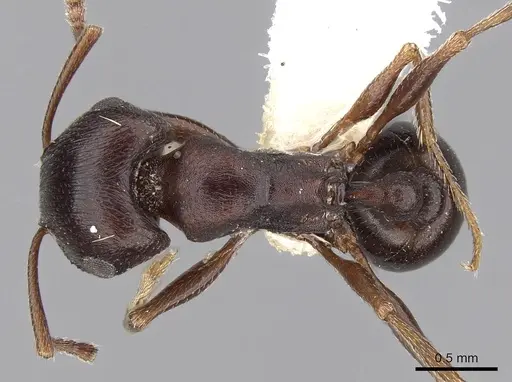
CASENT0813026
View on AntWeb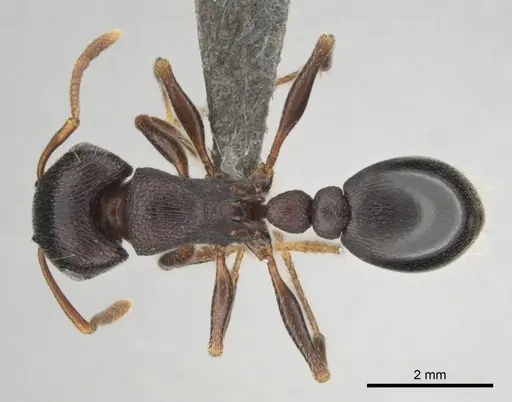
CASENT0901188
View on AntWeb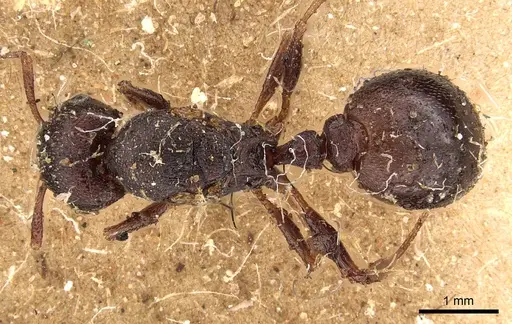
CASENT0901189
View on AntWeb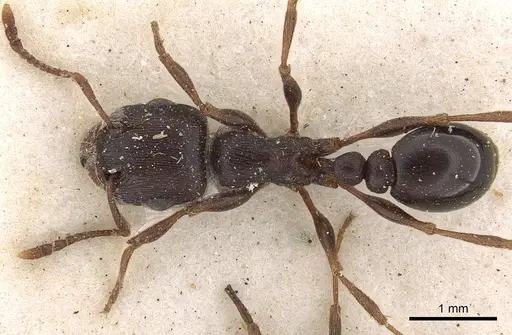
CASENT0904841
View on AntWeb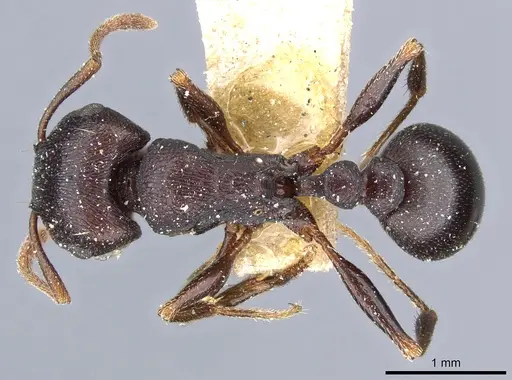
CASENT0909156
View on AntWeb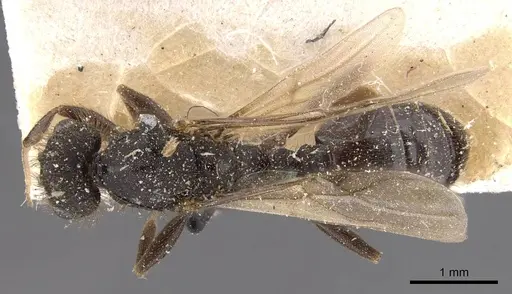
CASENT0909157
View on AntWeb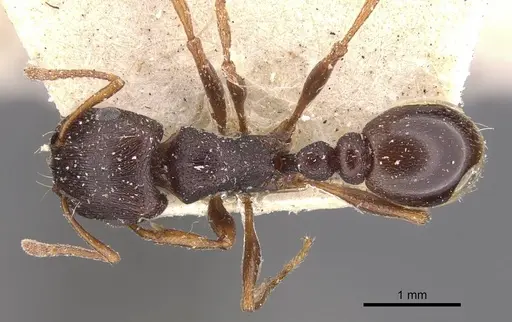
SAM-HYM-C020573
View on AntWeb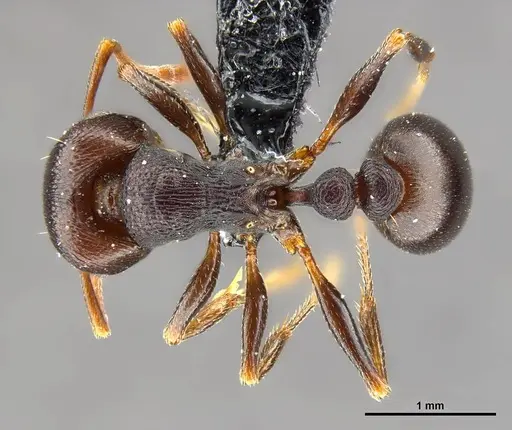
Literature
Loading distribution map...Loading products...