
Tetramorium severini
- Sci. Name
- Tetramorium severini
- Tribe
- Crematogastrini
- Subfamily
- Myrmicinae
- Author
- Emery, 1895
- Distribution
- Found in 1 countries
Introduction
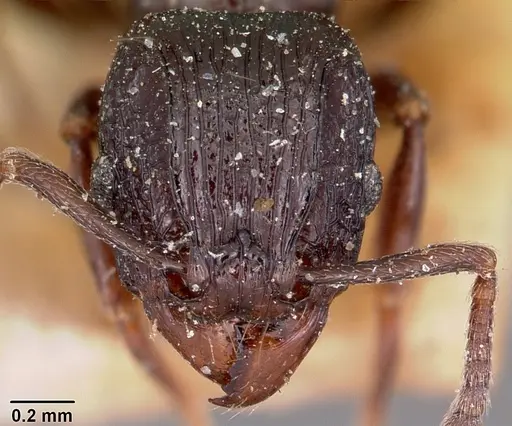
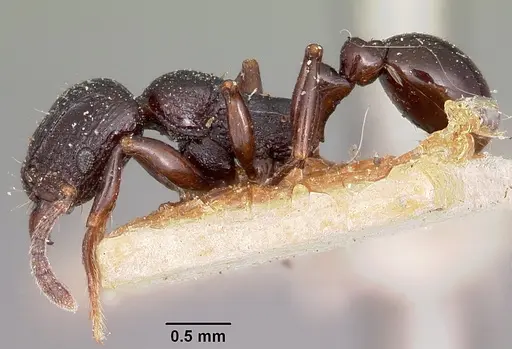
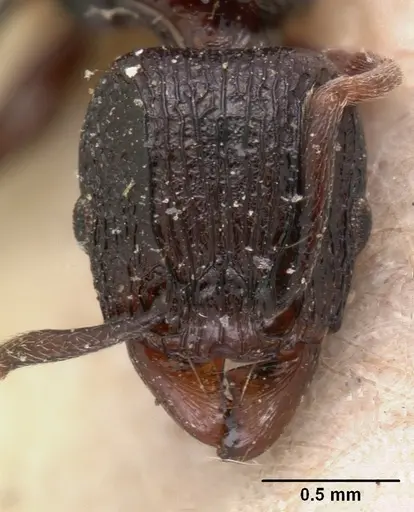
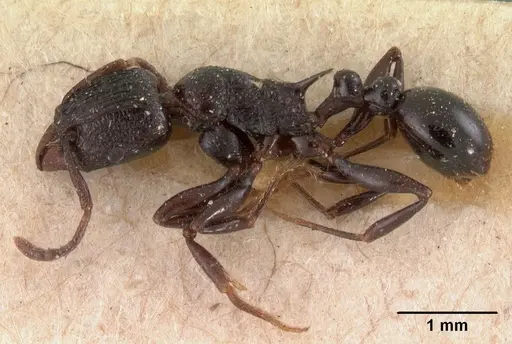
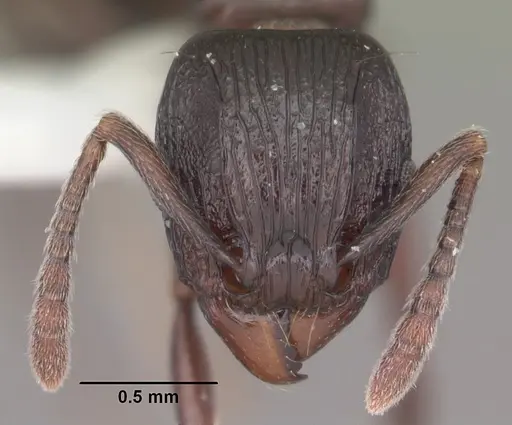
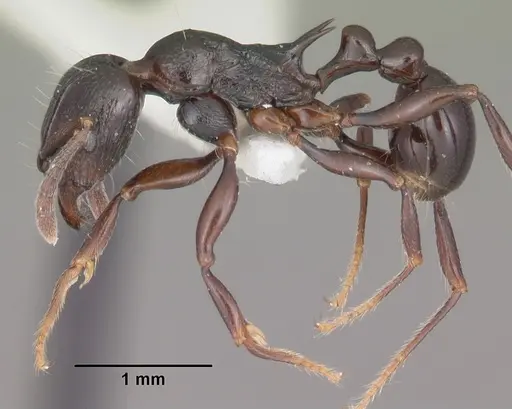
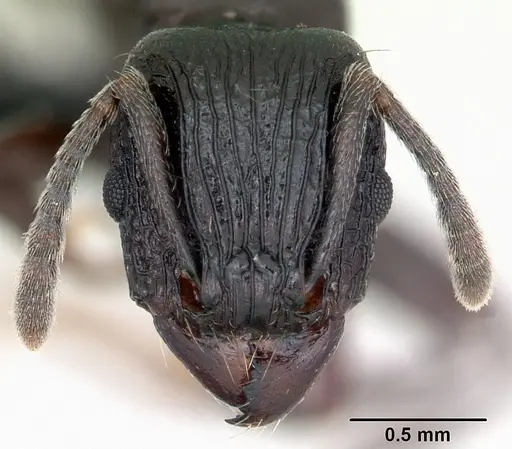
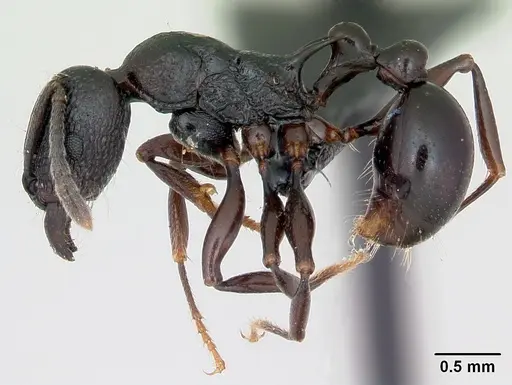
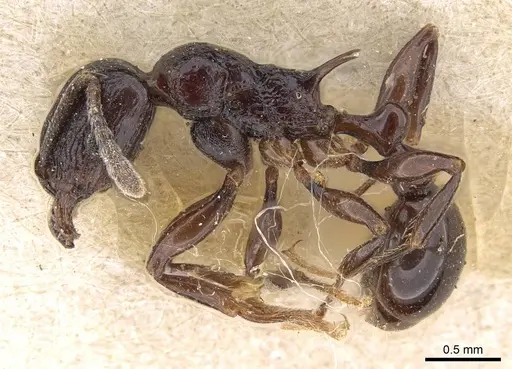
Tetramorium severini is a striking Malagasy ant species known for its very dark brown to black coloration and remarkably long, curved propodeal spines. This ant is the sole member of the T. severini species group and is widely distributed across the rainforests and montane rainforests of eastern and northern Madagascar, from Montagne d'Ambre in the north to Andohahela in the southeast, with additional populations on Nosy Be and the northwestern side . They live in leaf litter and the ground, typically at elevations between 25 and 1125 meters . The combination of their dark coloration, large size, and very long spines makes them immediately recognizable among Malagasy Tetramorium species .
Quick Summary
- Difficulty: Medium
- Origin & Habitat: Native to Madagascar, specifically the rainforests and montane rainforests of eastern and northern Madagascar. Found at altitudes ranging from 25 to 1125 meters [1][2].
- Colony Type: Colony structure is unconfirmed. Based on typical Tetramorium patterns, likely single-queen (monogyne) colonies, though this requires verification for this specific species.
- Size & Growth:
- Queen: unknown, no data available
- Worker: size data unavailable, body length has not been reported for this species
- Colony: unknown, not documented for this species
- Growth: unknown, not documented, typical Myrmicinae patterns suggest moderate growth
- Development: unconfirmed, likely 6-10 weeks at warm temperatures based on related Tetramorium species (Development time is not directly documented for this species. These estimates are based on genus-level patterns.)
- Antkeeping:
- Temperature: Keep at 22-26°C. As a rainforest species from Madagascar, they prefer warm, stable conditions. A gentle gradient allowing workers to self-regulate is ideal.
- Humidity: High humidity required, aim for consistently moist substrate but not waterlogged. Provide a gradient with some drier areas for self-regulation. As a rainforest species, they are sensitive to drying out.
- Diapause: Unlikely, as a tropical species from Madagascar, they do not require a true diapause. Slight seasonal slowing may occur during cooler months.
- Nesting: They naturally nest in leaf litter and soil. In captivity, a naturalistic setup with moist substrate or a Y-tong/plaster nest works well. They prefer tight chambers scaled to their size [1].
- Behavior: Generally non-aggressive and manageable in captivity. Workers are moderately active foragers that search through leaf litter. Their primary defense mechanism is a modified stinger that smears venom onto enemies (tribe Crematogastrini default). They are not known to be aggressive toward keepers. Escape risk is moderate, standard escape prevention is sufficient.
- Common Issues: humidity control is critical, they quickly decline in dry conditions, wild-caught colonies may harbor parasites or pathogens from their native habitat, slow colony establishment requires patience, tropical species are sensitive to temperature drops below 20°C, limited availability makes this a species for more experienced keepers
Natural History and Distribution
Tetramorium severini is endemic to Madagascar, where it occupies a wide range across the island's eastern and northern rainforest regions. Their distribution spans from Montagne d'Ambre at the northern tip of the island down to Andohahela in the southeast, with additional populations on the northwestern side including Ampasindava and Manongarivo, as well as island populations on Nosy Be [1][2]. They inhabit elevations between 25 and 1125 meters, primarily in rainforest and montane rainforest environments [1]. This species is the sole member of the T. severini species group, making it taxonomically distinct from other Malagasy Tetramorium [1]. The very dark brown to black coloration and exceptionally long, curved propodeal spines set them apart from related species [1].
Housing and Nest Preferences
In the wild, T. severini nests in leaf litter and the ground, preferring the humid, stable microclimate of the rainforest floor [1]. For captive care, provide a naturalistic setup with moist substrate (a mix of soil and sand works well) or use a Y-tong or plaster nest designed for medium-sized Myrmicinae. The nest should have chambers scaled appropriately to their worker size, since body length is undocumented, use a nest with moderately tight spaces common for Tetramorium. Keep the nesting area consistently humid but ensure some drier areas exist so ants can self-regulate.
Temperature and Humidity Requirements
As a rainforest species from tropical Madagascar, T. severini requires warm and humid conditions. Maintain temperatures between 22-26°C, avoiding drops below 20°C which can stress colonies. A heating cable on one side of the nest can create a gentle gradient, but always ensure the ants can move to cooler areas if needed. Humidity should remain high, the substrate should feel consistently damp but never waterlogged. These ants are sensitive to drying out, so monitor moisture levels regularly and rehydrate when the surface begins drying. Good ventilation is essential to prevent mold while maintaining humidity.
Feeding and Diet
Like most Tetramorium species, T. severini is likely omnivorous, accepting both protein sources and carbohydrates. Offer protein-rich foods such as small insects (fruit flies, small crickets, mealworms), and provide sugar sources like honey water or sugar water regularly. In their natural rainforest habitat, they likely forage for small invertebrates and tend aphids for honeydew. Feed protein 2-3 times per week and keep sugar water available at all times. Remove uneaten prey after 24-48 hours to prevent mold.
Colony Development and Growth
Colony development details are not directly documented for this species. Based on typical Tetramorium and Myrmicinae patterns, the first workers (nanitics) likely emerge approximately 6-10 weeks after founding at optimal temperature. Initial colony growth is slow as the queen raises her first brood alone. Once established, colonies likely grow moderately but steadily. Maximum colony size is unknown. Patience is essential, this is not a fast-growing species.
Behavior and Temperament
T. severini workers are moderately active and likely forage through leaf litter and substrate in search of small invertebrates and sweet substances. They are not particularly aggressive toward keepers. Their defense mechanism belongs to the tribe Crematogastrini: they have a modified, flattened spatulate stinger used to smear venom onto enemies rather than piercing flesh. This makes them harmless to humans under normal handling. Escape risk is moderate, use standard escape prevention. They are a calm species suitable for observation but may be less interactive than some larger ant species.
Frequently Asked Questions
How long does it take for Tetramorium severini to produce first workers?
The exact timeline is unconfirmed for this species, but based on typical Tetramorium development patterns, expect 6-10 weeks from egg to first worker at optimal temperature (22-26°C). Initial colony growth is slow, the queen raises her first brood alone before workers emerge.
What temperature do Tetramorium severini ants need?
Keep them at 22-26°C. As a rainforest species from Madagascar, they need warm conditions and are sensitive to temperatures below 20°C. A gentle temperature gradient allowing self-regulation is ideal.
Do Tetramorium severini ants need hibernation?
No, they do not require hibernation. As a tropical species from Madagascar, they do not experience cold winters that would trigger diapause. Slight seasonal slowing may occur during cooler months but a true hibernation period is not needed.
Are Tetramorium severini good for beginners?
This species is rated as medium difficulty. While not overly aggressive, they have specific humidity and temperature requirements that make them better suited for keepers with some experience. Their slow colony growth also requires patience.
What do Tetramorium severini ants eat?
They are omnivorous. Offer protein sources like small insects (fruit flies, small crickets, mealworms) 2-3 times per week, and provide constant access to sugar sources like honey water or sugar water. They likely also accept honeydew in captivity.
How big do Tetramorium severini colonies get?
Maximum colony size is not documented for this species. Based on related Tetramorium species, colonies likely reach many hundred workers, but this is speculative.
Can I keep multiple Tetramorium severini queens together?
Colony structure is unconfirmed for this species. Based on typical Tetramorium patterns, they likely form single-queen colonies. Combining unrelated queens is not recommended as it has not been documented and could result in aggression.
Do Tetramorium severini ants sting?
They possess a stinger, but it is modified for smearing venom (tribe Crematogastrini default). They are not considered dangerous to humans and are unlikely to sting in a defensive manner.
What type of nest is best for Tetramorium severini?
A naturalistic setup with moist substrate or a Y-tong/plaster nest works well. They naturally nest in leaf litter and soil, so provide chambers scaled to their medium size with consistently humid conditions [1].
Where is Tetramorium severini native to?
This species is endemic to Madagascar, specifically found in the rainforests and montane rainforests of eastern and northern Madagascar at elevations between 25-1125 meters [1][2].
Why is my Tetramorium severini colony dying?
The most common causes are low humidity (they decline quickly in dry conditions), temperature stress (below 20°C), or parasites from wild-caught colonies. Ensure humidity remains high with consistently moist substrate and temperature stays above 20°C. If the colony was wild-caught, parasites are a likely cause.
How do I identify Tetramorium severini?
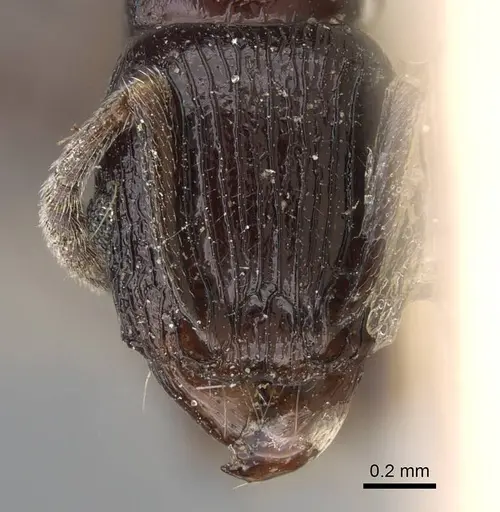
They are characterized by their very dark brown to black coloration,11-segmented antennae, and remarkably long propodeal spines. The combination of dark color, large size, and very long spines makes them distinctive among Malagasy Tetramorium [1].
Report an Issue
The current care sheet is based fully on literature. See inconsistencies, or something that's incorrect? Please , it will be resolved after review from an admin. Contributing to the blogs tab also helps providing information, to make us be able to further improve the caresheets. Thank you for your support!
References

This caresheet is licensed under CC BY-SA 4.0 .
Community Blogs
CASENT0101693
View on AntWeb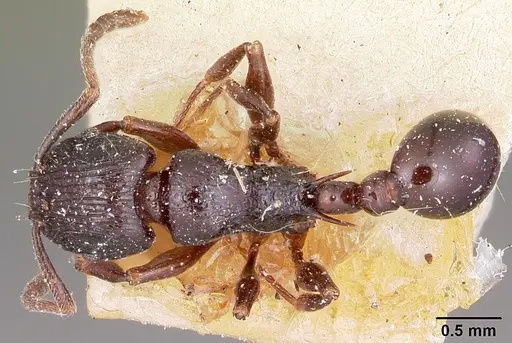
CASENT0102078
View on AntWeb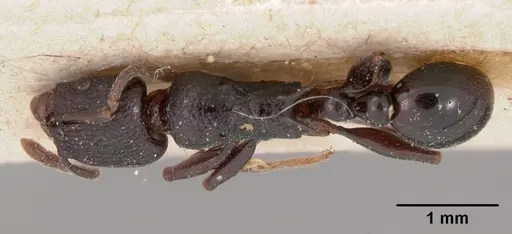
CASENT0102396
View on AntWeb
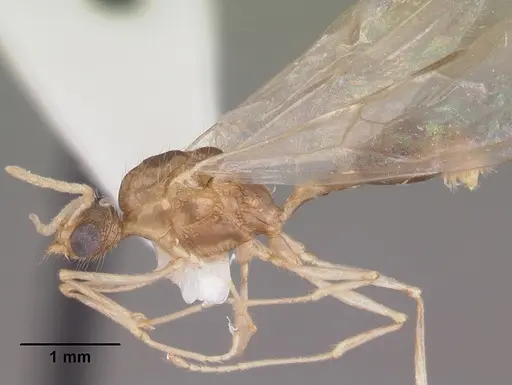
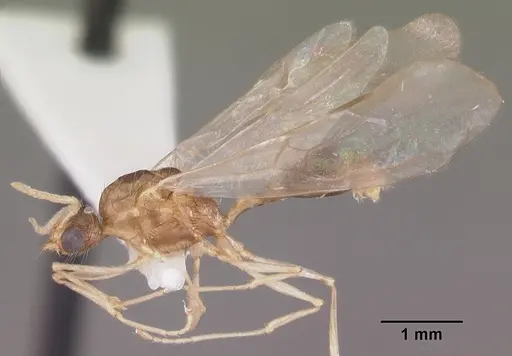
CASENT0102397
View on AntWeb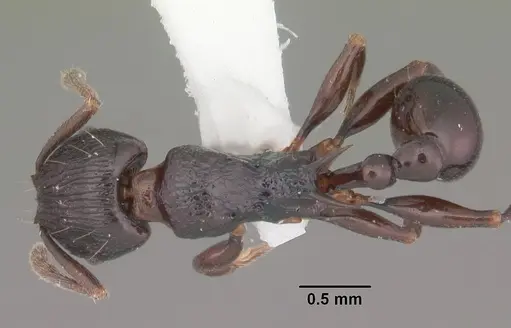
CASENT0494149
View on AntWeb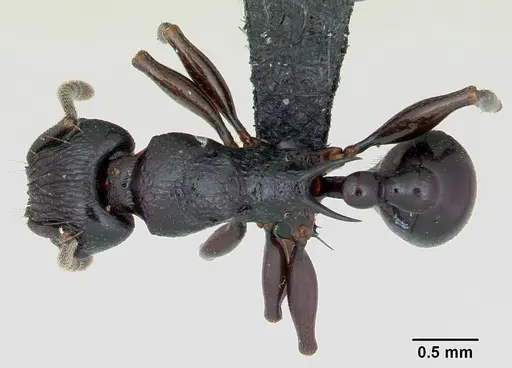
CASENT0914091
View on AntWeb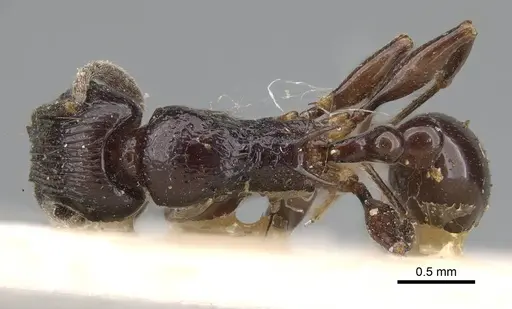
Literature
Loading distribution map...Loading products...