
Red Fierce ant
Tetramorium setuliferum
- Sci. Name
- Tetramorium setuliferum
- Tribe
- Crematogastrini
- Subfamily
- Myrmicinae
- Author
- Emery, 1895
- Common Name
- Red Fierce ant
- Distribution
- Found in 7 countries
Introduction
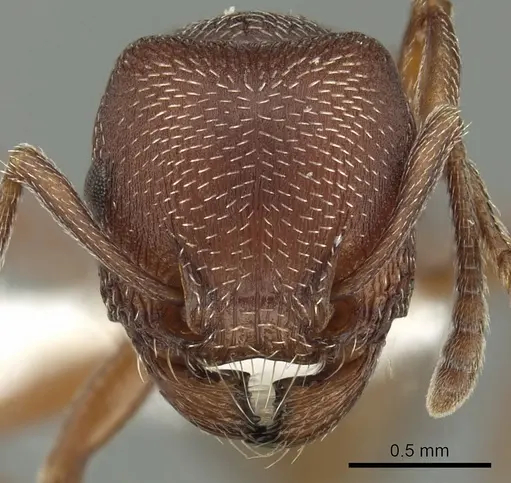
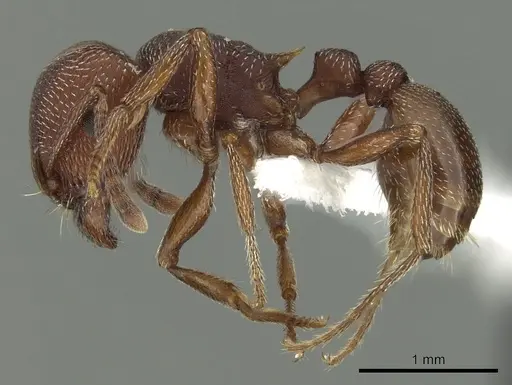
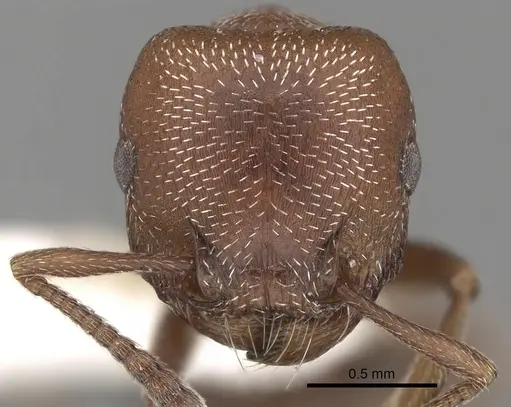
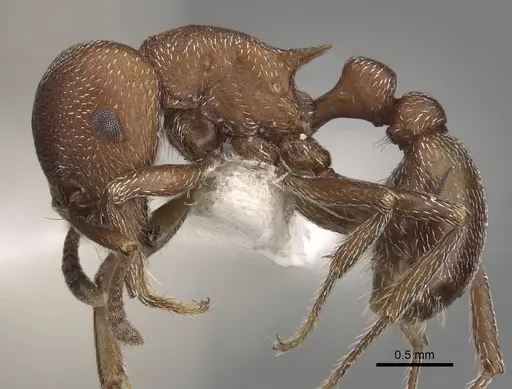
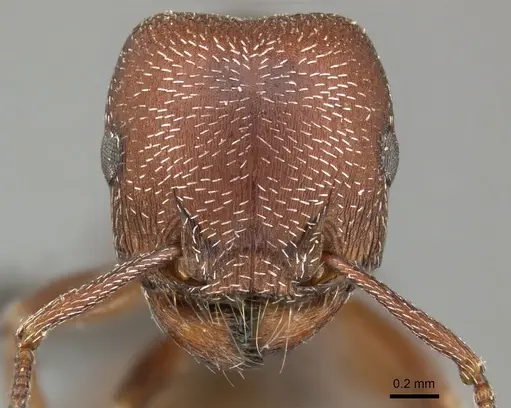
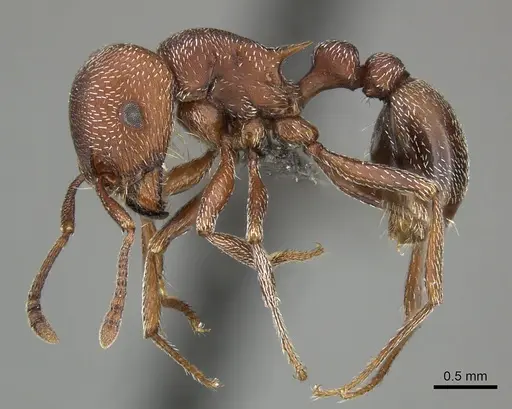
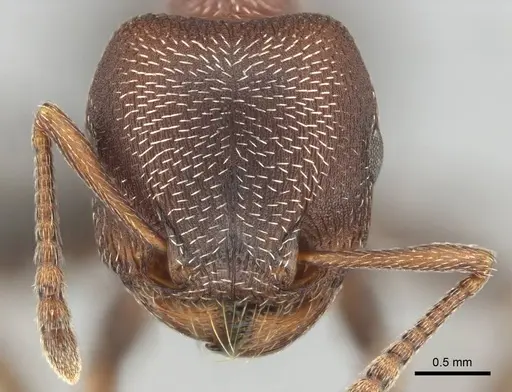
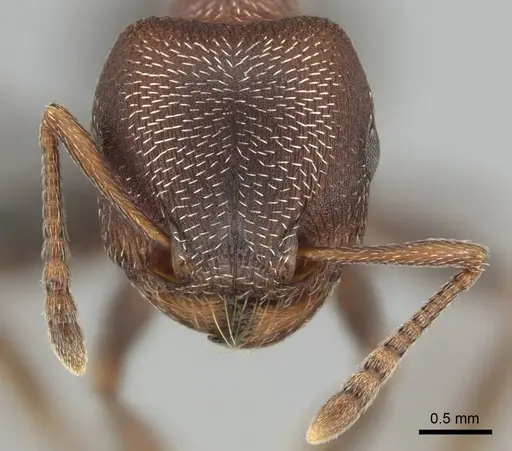
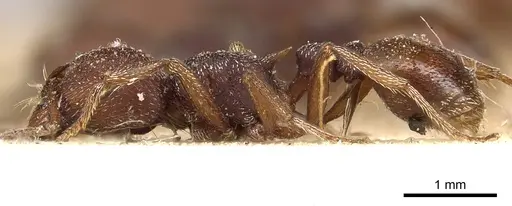
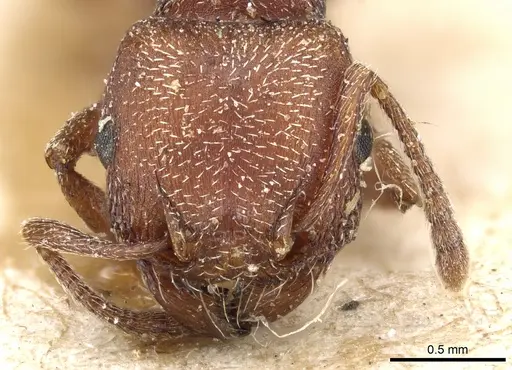
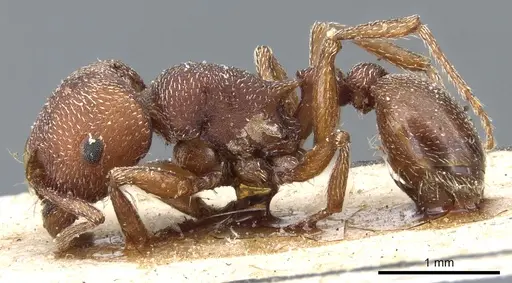
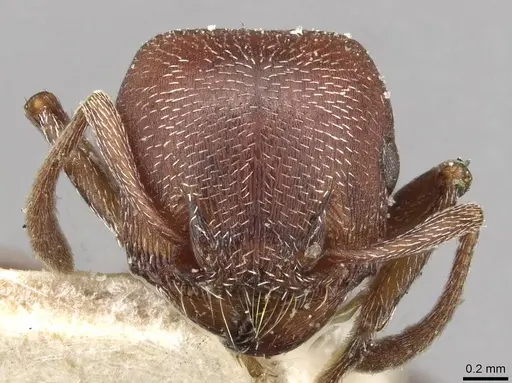
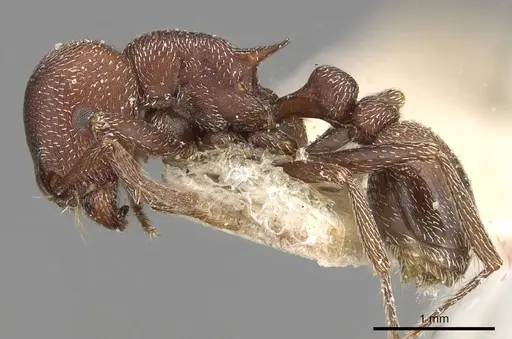
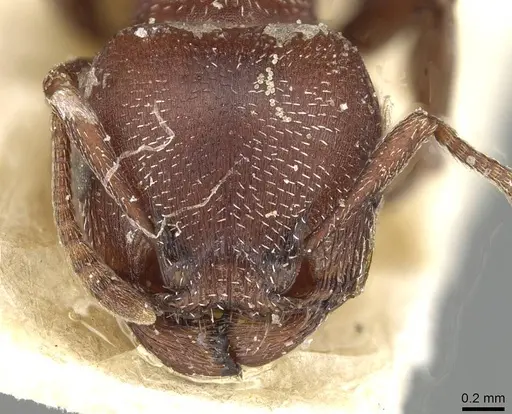
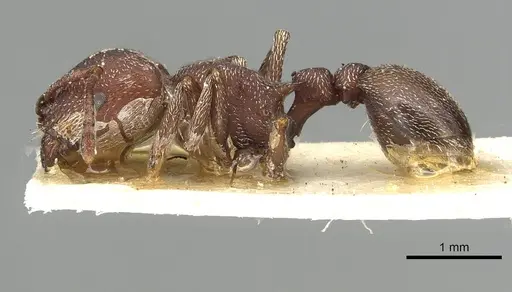
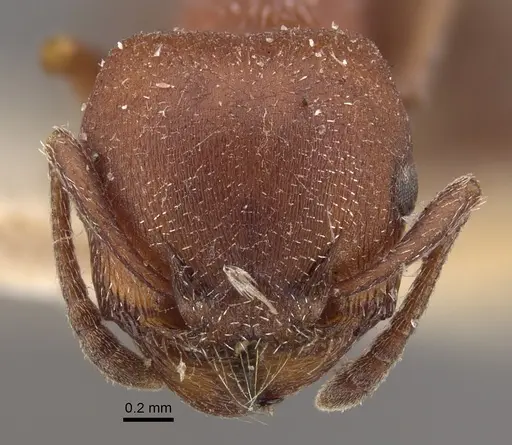
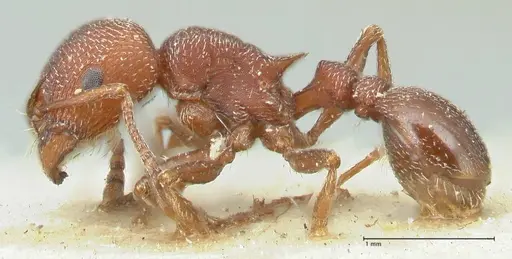
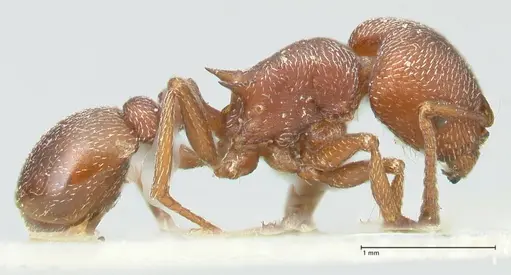
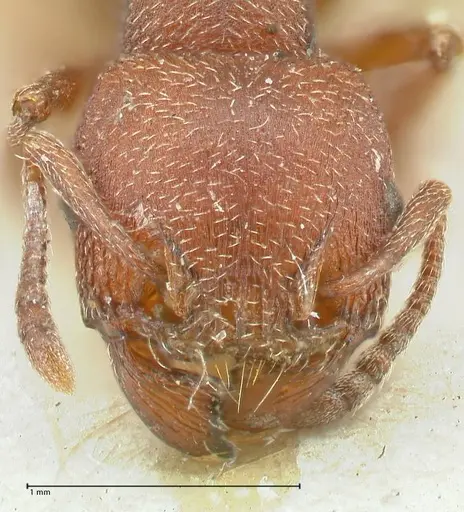
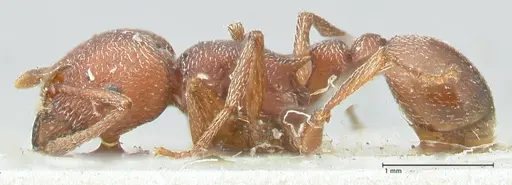
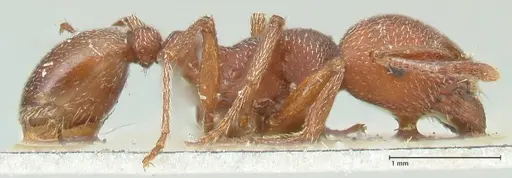
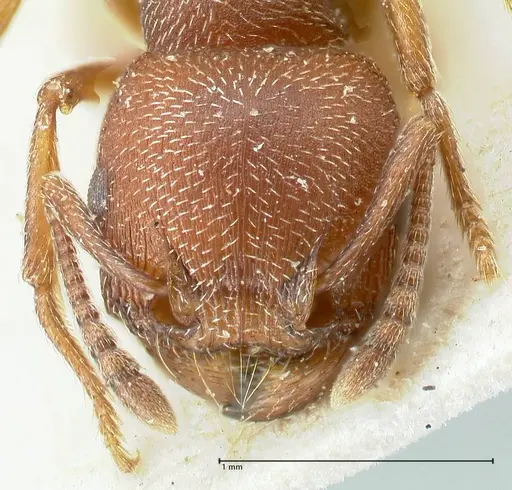
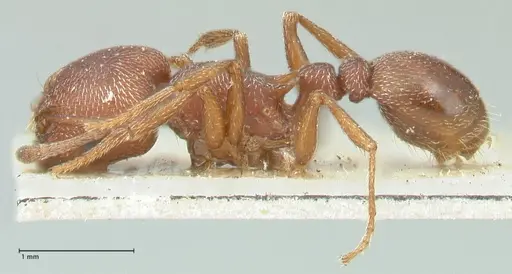
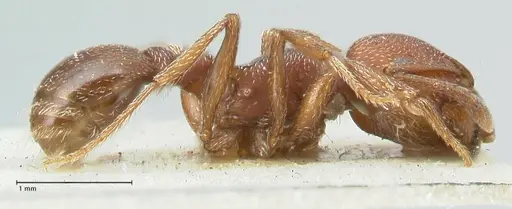
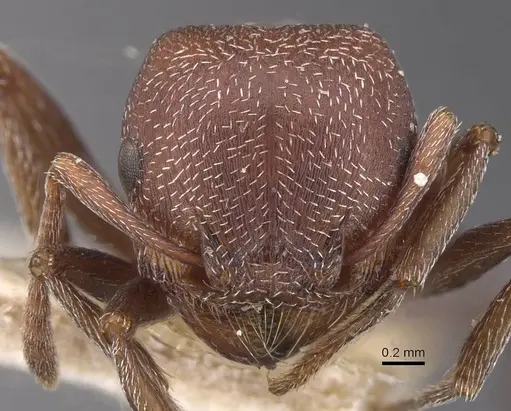
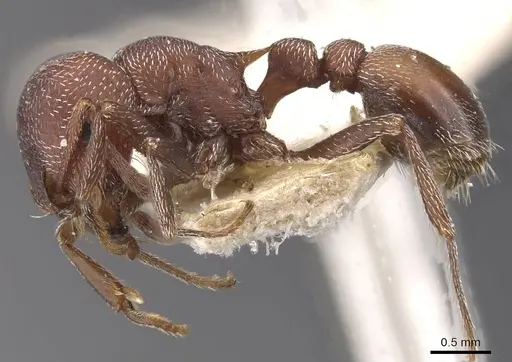
Tetramorium setuliferum is a medium-sized ant native to the savanna and grassland regions of southern Africa. Workers measure 4.4-6.0 mm and are a dull red to reddish-brown color . Their body is covered with short, flattened, appressed silvery hairs that give a slight shine . This species belongs to the Tetramorium solidum group and looks similar to Tetramorium clunum . The most interesting thing about them is their seed-harvesting lifestyle: you'll often find circles of grass seed husks, piles of small stones, or scattered soil around their nest entrances, and seeds are regularly stored inside . They build populous colonies that nest in open areas, usually with a single entrance surrounded by a refuse mound .
Quick Summary
- Difficulty: Easy
- Origin & Habitat: Southern Africa including South Africa, Angola, Botswana, Lesotho, Malawi, Mozambique, Namibia, Tanzania, Zambia, and Zimbabwe. Found in a wide variety of habitats: savanna, grassland, forest clearings, Miombo woodland, citrus orchards, and even disturbed areas [2][3].
- Colony Type: Colony structure is not fully documented in research. Based on typical Tetramorium patterns, likely single-queen (monogyne) colonies. They are known to have multiple nest entrances per colony [3].
- Size & Growth:
- Queen: No measurements available in the research data.
- Worker: 4.4-6.0 mm (total length) [1]
- Colony: Populous colonies, exact maximum unknown but described as 'populous' in the wild [4]. Likely several thousand workers at maturity.
- Growth: Moderate, estimated based on typical Tetramorium development.
- Development: No specific data for this species. Based on related Tetramorium, likely 6-10 weeks at optimal temperature (22-26°C). (Timing depends on temperature and food availability. Be patient during the founding phase.)
- Antkeeping:
- Temperature: Keep at 22-26°C. This species is a Hot Climate Specialist [5]. Provide a gradient using a heating cable on one side of the nest so the ants can choose their preferred spot.
- Humidity: Use a well-draining sandy-loam substrate. Keep it slightly moist but never wet, allow the top layer to dry out between waterings. They nest in open, well-drained soils in the wild, so avoid waterlogging [2][3].
- Diapause: Not required. This species comes from subtropical and tropical southern Africa and does not need true hibernation. A slight temperature drop to 18-20°C during winter may simulate seasonal cycles but is optional [2]. Do not go below 15°C.
- Nesting: A naturalistic setup works best: a formicarium with a digging area filled with a 70:30 sand-to-loam mix. Y-tong (AAC) or plaster nests with dirt-filled chambers are also good. Leave the nest surface mostly open, they prefer exposed entrances [3]. Provide multiple connected chambers for expansion.
- Behavior: Active, diurnal foragers that establish clear trails. They defend the nest by biting and using a modified flattened stinger to smear venom onto threats, not a true sting. Moderate aggression toward intruders. Medium-sized (4-6 mm) so standard escape barriers work. They are resilient and adapt well to changing conditions, often found in disturbed habitats [6].
- Common Issues: mold from overwatering, allow the substrate to dry out between waterings, escapes during transfers, their moderate size means they can squeeze through loose lids, substrate drying out too quickly if a heating cable is placed directly on the nest, use a gradient and monitor moisture, seed hoarding can lead to mold if the nest is too wet, store seeds in a dry part of the outworld, colony may refuse seeds when not hungry, offer protein regularly to encourage seed collection
Housing and Nest Setup
Tetramorium setuliferum does well in a setup that mimics their natural sandy-loam soil. Use a formicarium with a nesting area filled with a mix of sand and loam (roughly 70% sand,30% loam). Keep the substrate lightly moist but not wet. They prefer open spaces for nesting, so avoid covering the nest chamber with decorations that block light, they'll nest in the darker areas of the substrate. Multiple chambers connected by tunnels let the colony expand as it grows. You may see them excavating several openings in the substrate, just like in the wild [3]. A Y-tong (AAC) nest with a dirt fill or a plaster nest with chambers works well. The outworld needs a water source and a feeding dish.
Feeding and Diet
As seed harvesters, offer a variety of small seeds like grass seeds, millet, and flax. They'll collect and store seeds in the nest [2][3]. Provide protein twice a week: mealworms, small crickets, or fruit flies. They also accept sugar water or honey occasionally for energy. In the wild they are generalist scavengers that eat both seeds and insects [4]. Remove uneaten seeds regularly to prevent mold, but don't worry if they stockpile some, that's normal behavior.
Temperature and Seasonal Care
Keep the nest area at 22-26°C. Provide a temperature gradient so workers can choose their comfort zone. A heating cable on one side of the nest (never directly on the nest material) helps maintain warmth. Since this species is a Hot Climate Specialist [5], they prefer the warmer end. During winter in captivity, you can drop the temperature to 18-20°C to mimic seasonal changes, but it's not required, they stay active year-round at normal room temperature. Avoid anything below 15°C. They come from a wide range of elevations, so they tolerate some temperature variation [7].
Colony Development and Growth
Founding behavior is unconfirmed for this species. For most Tetramorium, queens start a colony independently by sealing themselves in a chamber and raising the first brood on stored reserves. It's likely similar for Tetramorium setuliferum. The first workers (nanitics) are smaller than mature workers. Colonies grow to several thousand workers over time [4]. Reproductive females have been collected from nests between October and February in the wild [2], so you might see alates develop during these months in captivity if conditions are good. Growth is moderate, be patient during the early stages and avoid disturbing the queen too much.
Behavior and Temperament
Tetramorium setuliferum is a diurnal, active forager that forms visible trails. Workers defend the nest by biting and using a modified stinger that smears venom onto the attacker rather than piercing skin. They are moderately aggressive toward intruders. This species is resilient and often found in disturbed or rehabilitated habitats [6], which makes them forgiving in captivity. Workers are 4-6 mm, so standard escape prevention (tight lids, fluon barriers) works fine. They nest and forage at ground level, not in trees.
Frequently Asked Questions
Can I keep Tetramorium setuliferum in a test tube?
Test tubes work for the founding stage, but you'll need to move the colony to a larger setup once it reaches about 20-30 workers. A test tube with a dirt chamber can work temporarily, but this species prefers naturalistic setups with sandy substrate for long-term housing.
How long does it take for Tetramorium setuliferum to get first workers?
Based on typical Tetramorium development, expect 6-10 weeks from egg to first worker at optimal temperature (22-26°C). The exact timeline depends on temperature and food availability. Be patient and don't disturb the queen during founding.
Do Tetramorium setuliferum ants sting?
No, they don't have a functional stinger like wasps. Instead, they have a modified flattened stinger that they use to smear venom onto attackers, not inject it. They will bite and spread venom, but it's not a painful sting and is harmless to humans.
What do Tetramorium setuliferum eat?
They are seed harvesters, offer small seeds like grass seed, millet, or flax alongside protein sources (small crickets, mealworms, fruit flies). They also take sugar water or honey occasionally. Seeds are a staple, you'll see them storing seeds in the nest [2]. In the wild they are generalist scavengers [4].
Are Tetramorium setuliferum good for beginners?
Yes, this is a good beginner species. They are resilient, adapt well to captivity, and not very aggressive. Their seed-harvesting behavior is entertaining to watch. The main challenges are providing proper sandy substrate and not overfeeding during the founding phase. They handle some keeper mistakes better than more sensitive species [6].
How big do Tetramorium setuliferum colonies get?
Colonies become populous, reaching several thousand workers at maturity. In the wild they often have multiple nest entrances and large foraging areas [3]. In captivity, a well-fed colony can easily reach 1,000-2,000 workers with proper space [4].
Do Tetramorium setuliferum need hibernation?
No, true hibernation is not required. This species comes from southern Africa where temperatures stay warm year-round. However, a slight drop to 18-20°C during winter can simulate natural cycles and may encourage alate production. Do not let them get below 15°C [2].
Why are my Tetramorium setuliferum not eating seeds?
They often ignore seeds when the colony isn't hungry. Seed harvesting is driven by colony needs, they collect more seeds when protein is abundant and they want to build reserves. Try offering more protein (insects) first. Once they have plenty of protein, they'll start storing seeds more actively [2]. Also make sure seeds are small enough to handle.
When should I move Tetramorium setuliferum to a formicarium?
Move them when the test tube or small setup becomes crowded, typically around 20-30 workers. They need space for multiple chambers and a foraging area. A naturalistic formicarium with sandy substrate is ideal. You can leave the test tube connected as an extra chamber if you like.
Can I keep multiple queens together?
The colony structure is not well documented, but based on typical Tetramorium patterns, most species are monogyne (single queen). It is not recommended to try keeping multiple founding queens together, they will likely fight. If you already have an established colony, adding another queen will probably be rejected.
What temperature is best for Tetramorium setuliferum?
Keep them at 22-26°C. They are a Hot Climate Specialist [5] and thrive with warmth. Use a temperature gradient so they can choose. A small heating cable on one side of the nest works well, just don't put it directly on the nest material as it can dry the substrate and harm the brood.
Common problems with Tetramorium setuliferum?
The most common issues are: 1) Mold from overwatering, let the substrate dry between waterings. 2) Escapes during transfers, check all seals. 3) Overfeeding during founding can lead to mold. 4) Seed stores can mold if the nest is too wet, keep nesting area at proper moisture. They are generally hardy [6] and these problems are preventable with good care.
Report an Issue
The current care sheet is based fully on literature. See inconsistencies, or something that's incorrect? Please , it will be resolved after review from an admin. Contributing to the blogs tab also helps providing information, to make us be able to further improve the caresheets. Thank you for your support!
References

This caresheet is licensed under CC BY-SA 4.0 .
Community Blogs
CASENT0100779
View on AntWeb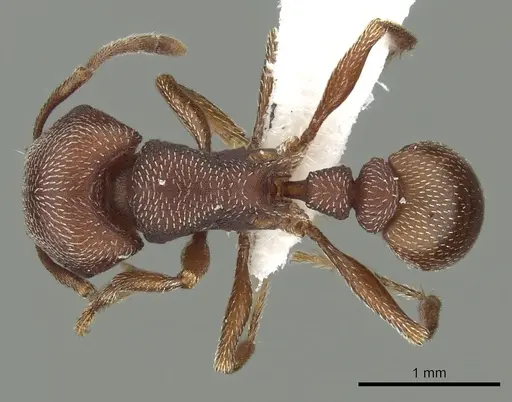
CASENT0217977
View on AntWeb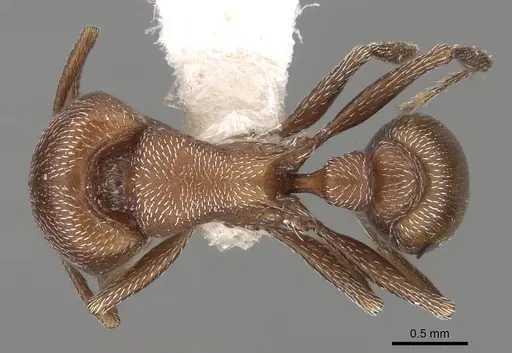
CASENT0249032
View on AntWeb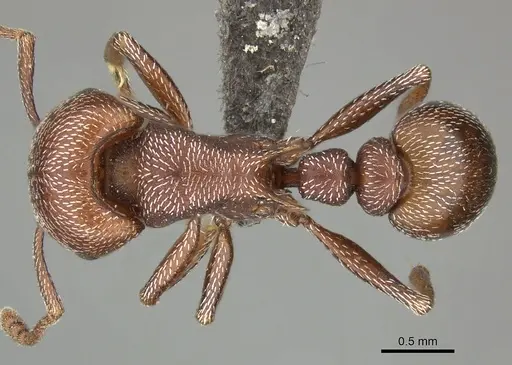
CASENT0255151
View on AntWeb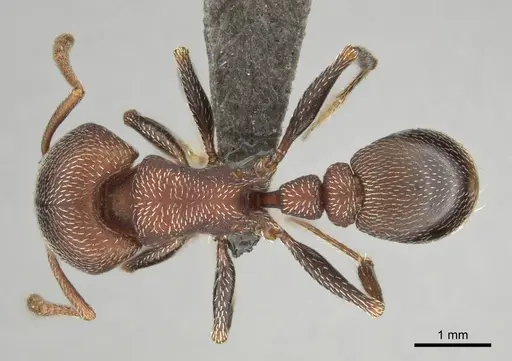
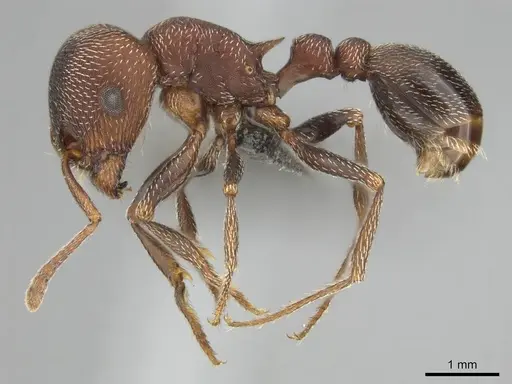
CASENT0774709
View on AntWeb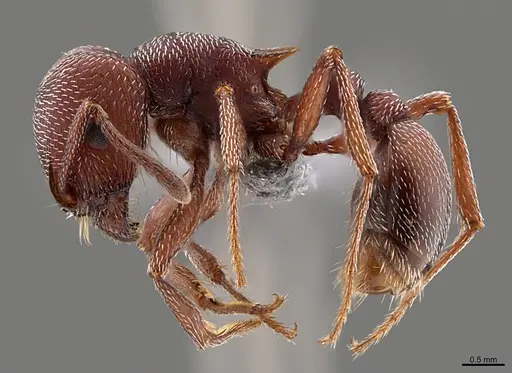
CASENT0901177
View on AntWeb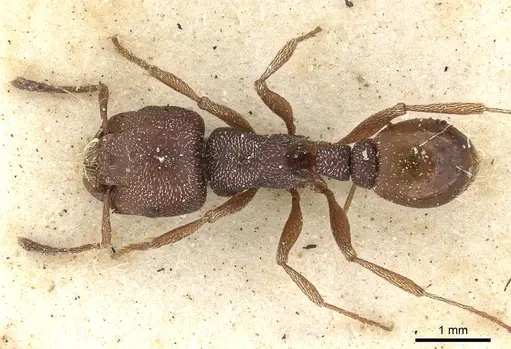
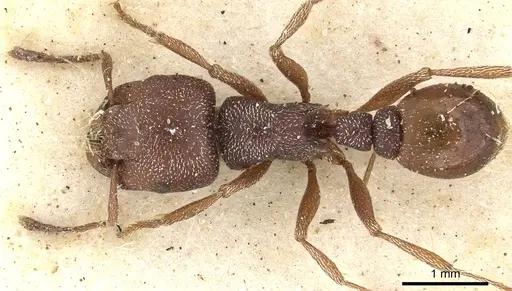
CASENT0904839
View on AntWeb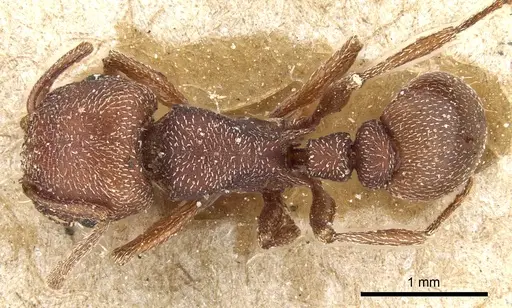
CASENT0915077
View on AntWeb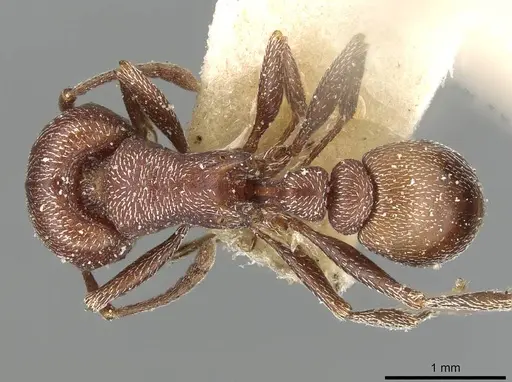
CASENT0915425
View on AntWeb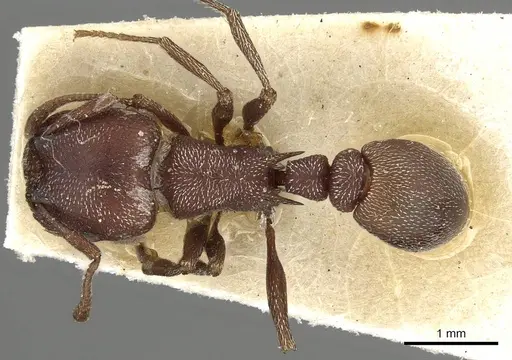
CASENT0917836
View on AntWeb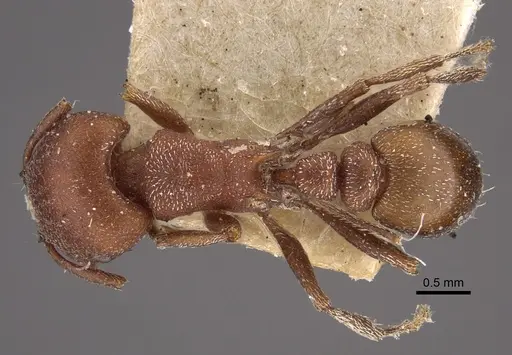
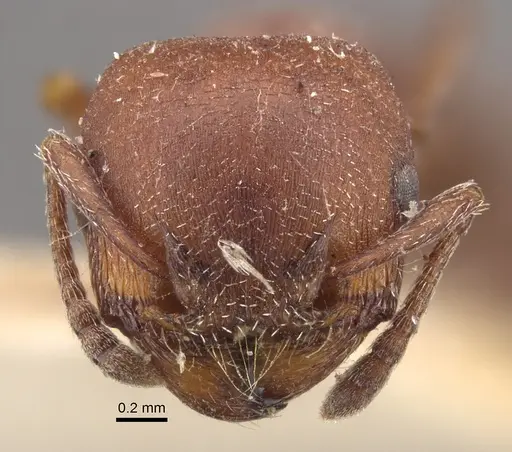
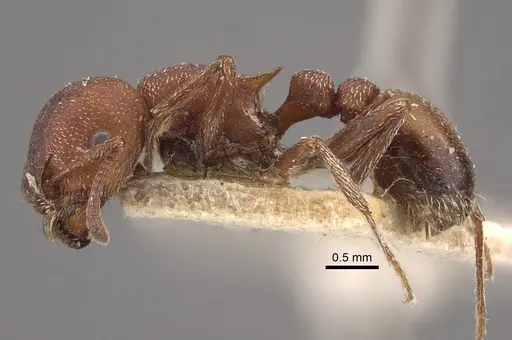
FOCOL2086
View on AntWeb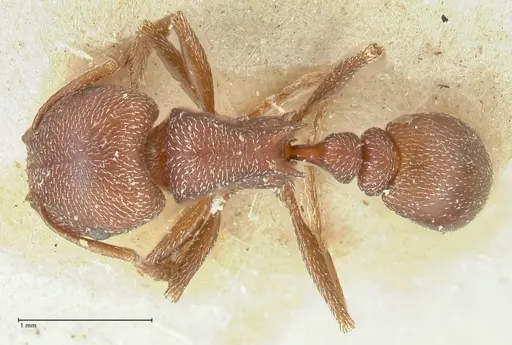
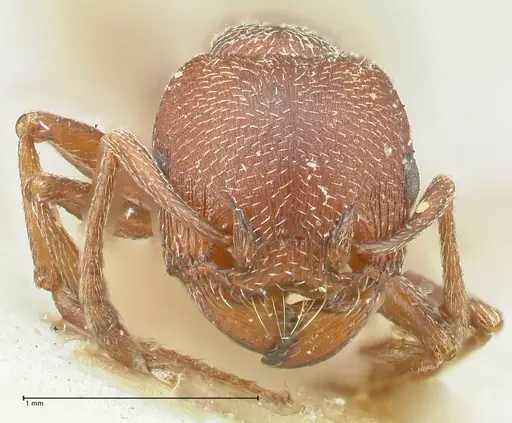
FOCOL2087
View on AntWeb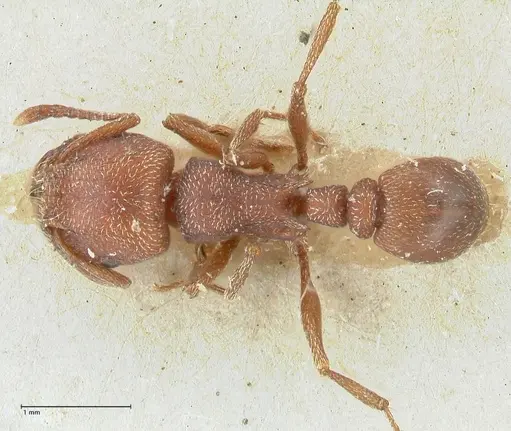
FOCOL2088
View on AntWeb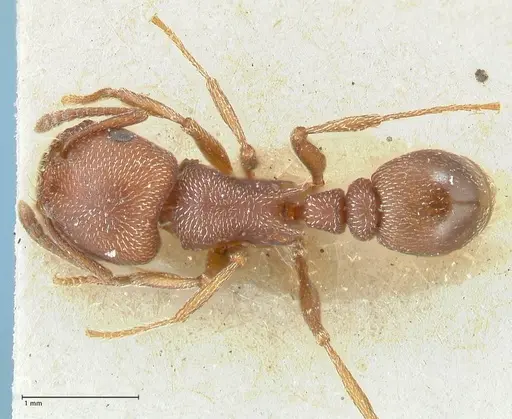
RMCAENT000017786
View on AntWeb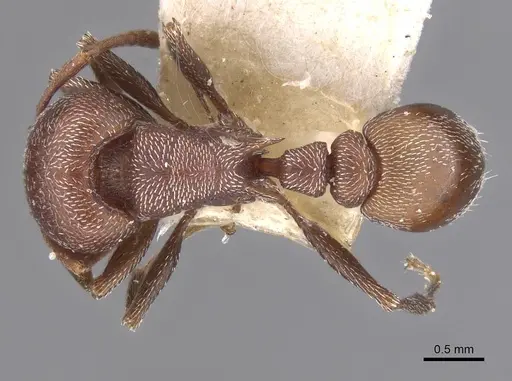
Literature
Loading distribution map...Loading products...