
Common Fierce Ant
Tetramorium sericeiventre
- Sci. Name
- Tetramorium sericeiventre
- Tribe
- Crematogastrini
- Subfamily
- Myrmicinae
- Author
- Emery, 1877
- Common Name
- Common Fierce Ant
- Distribution
- Found in 8 countries
Introduction
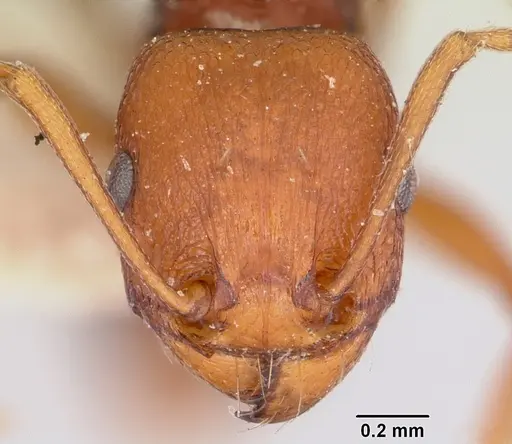
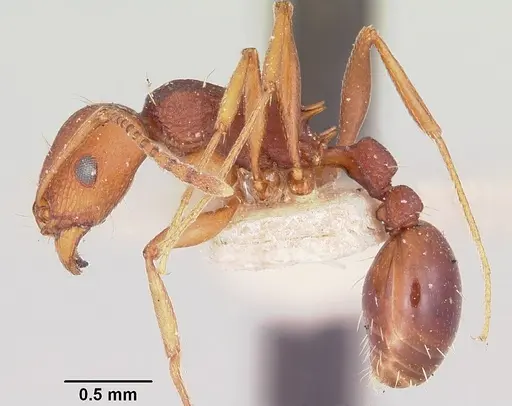
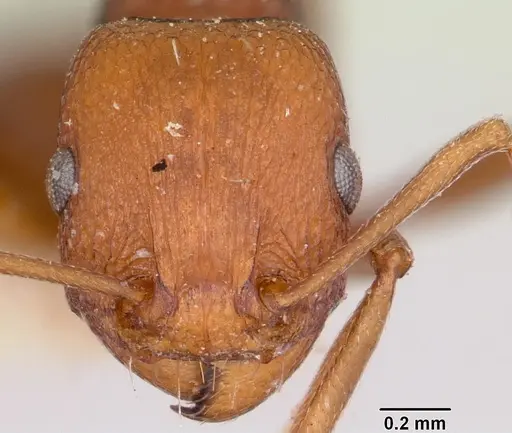
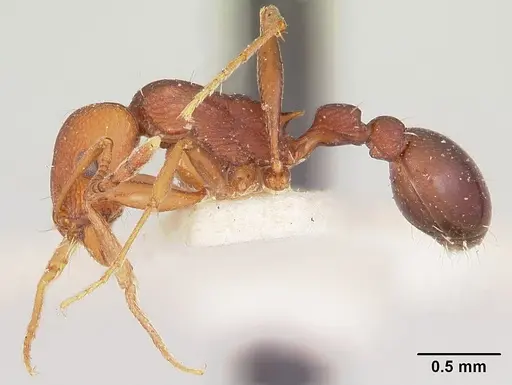
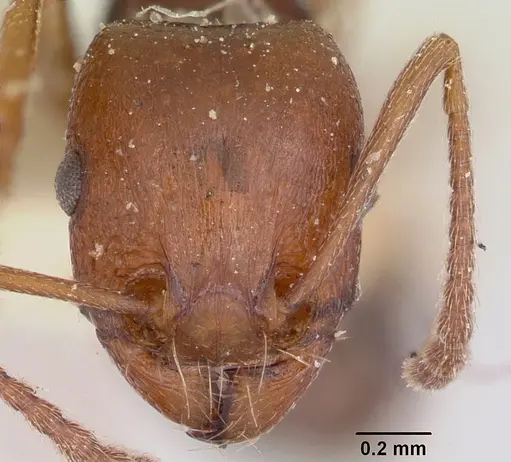
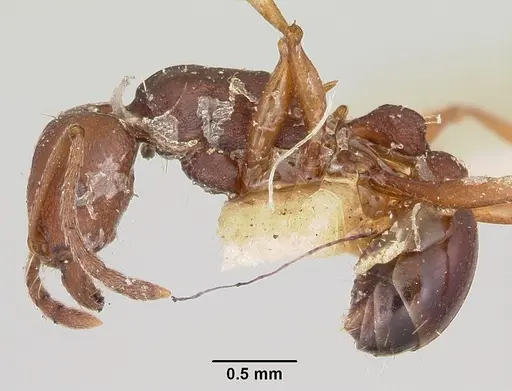
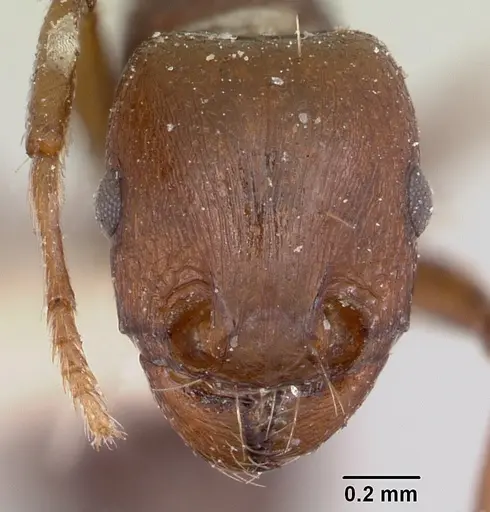
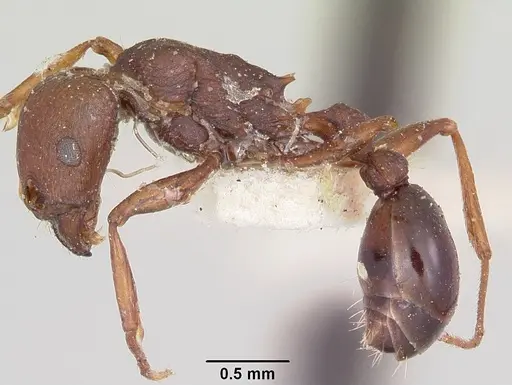
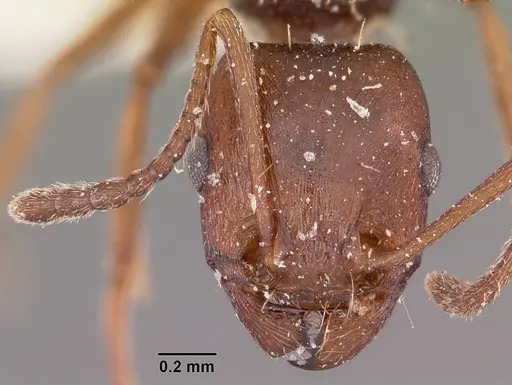
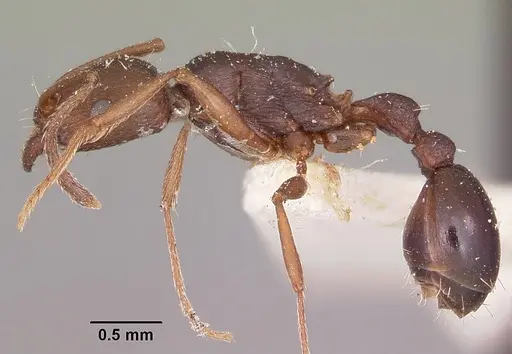
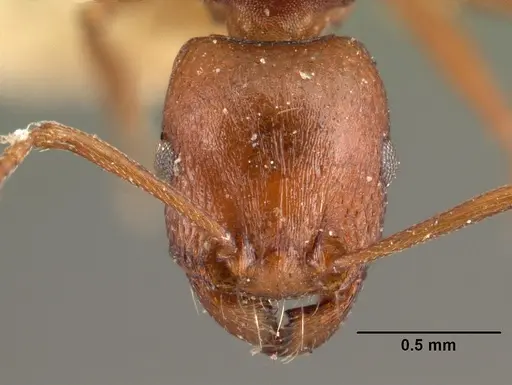
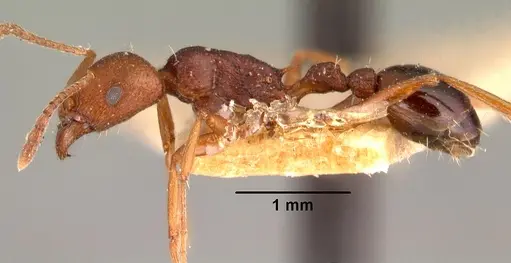
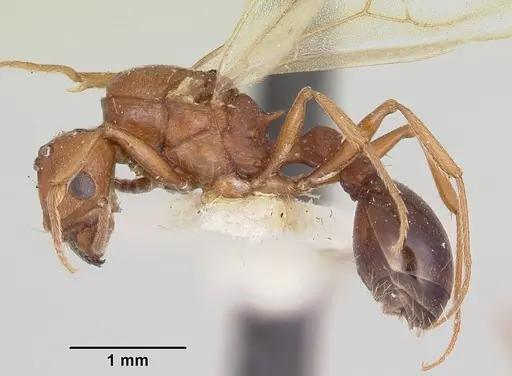
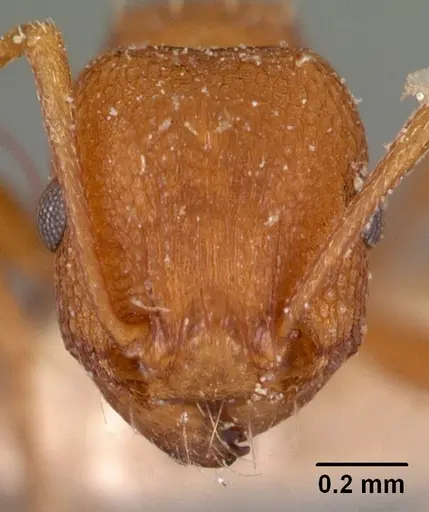
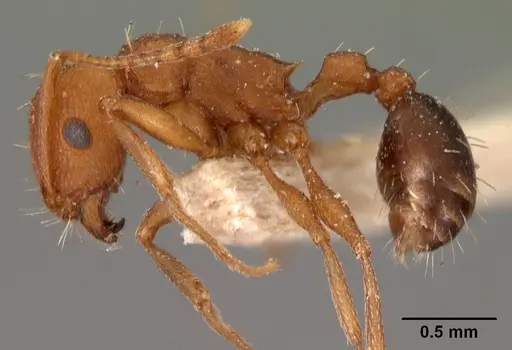
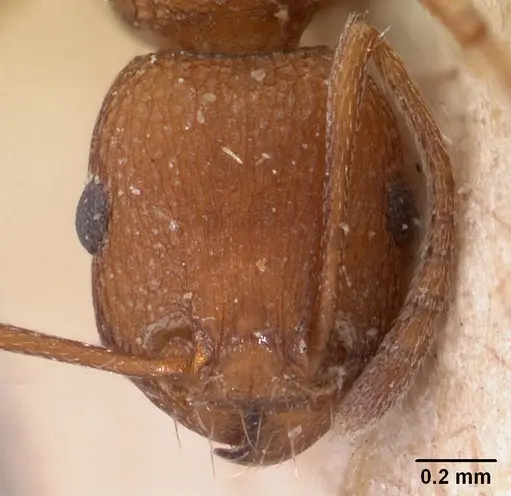
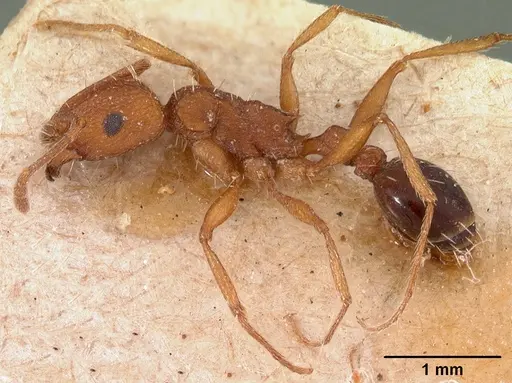
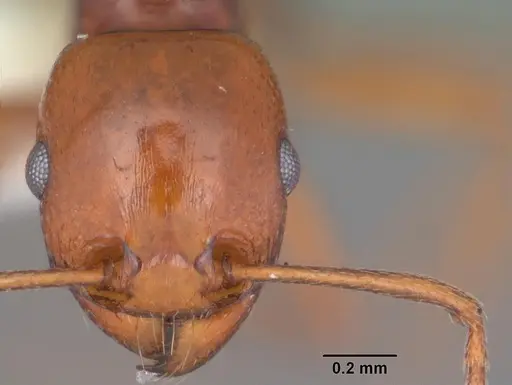
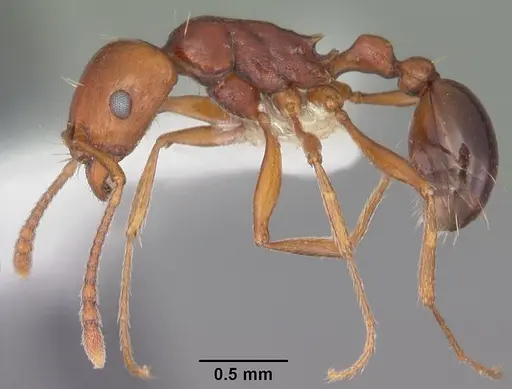
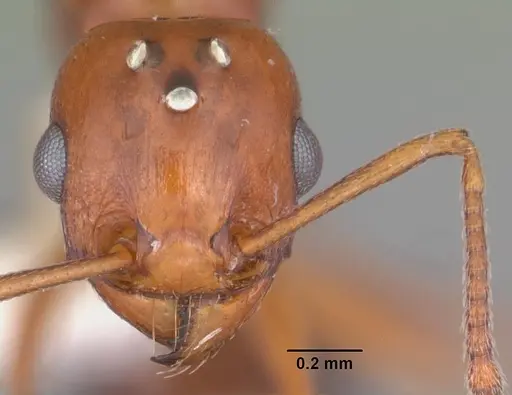
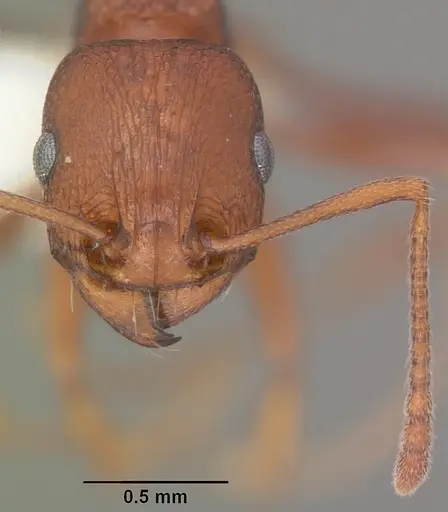
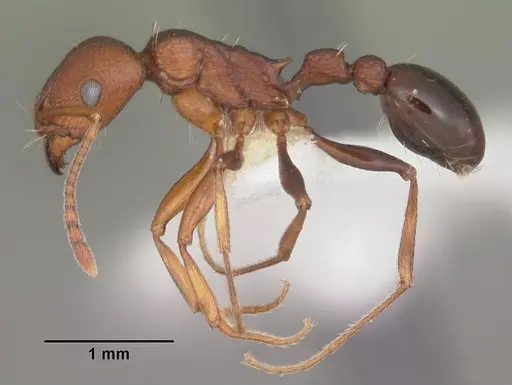
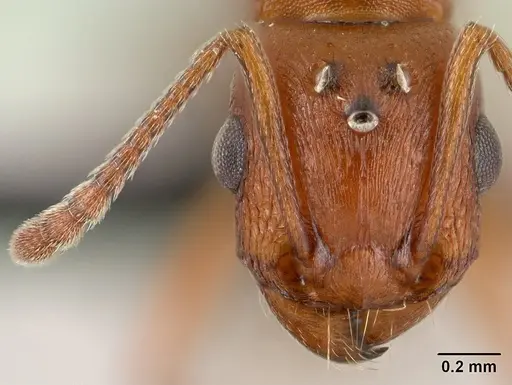
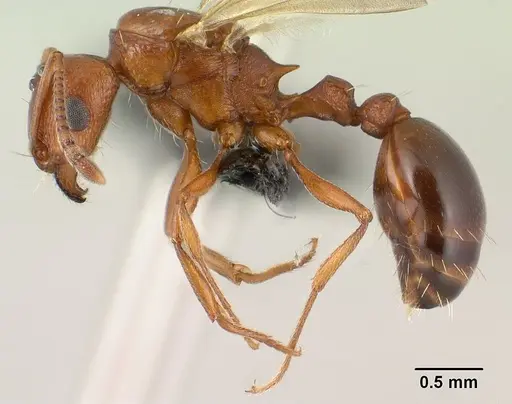
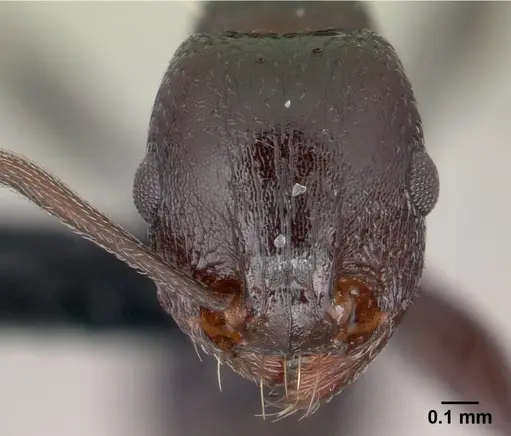
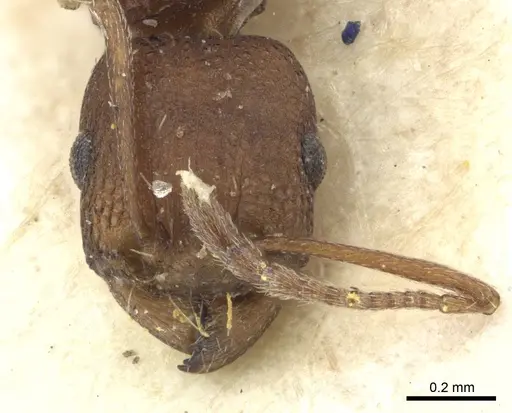
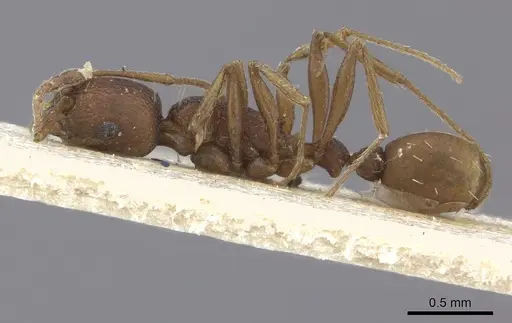
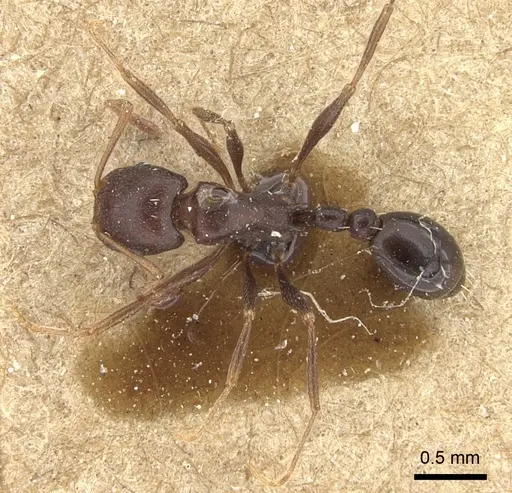
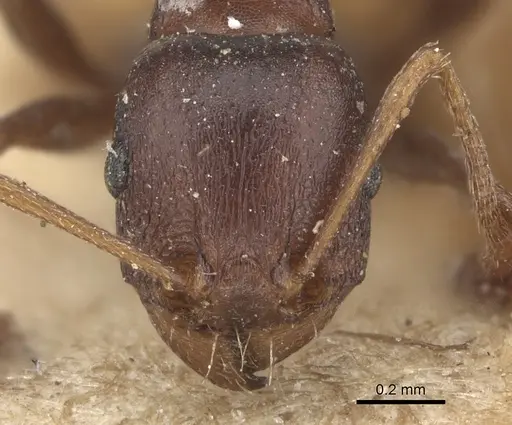
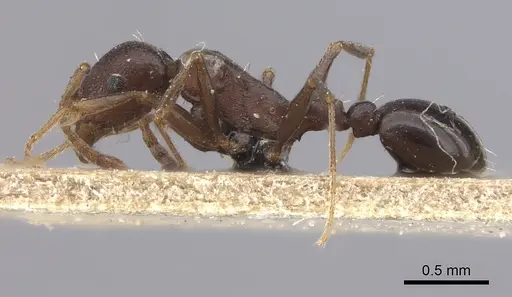
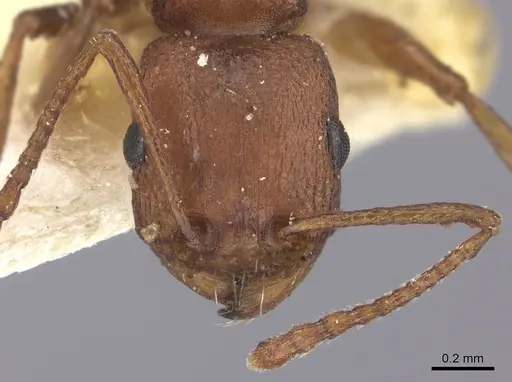
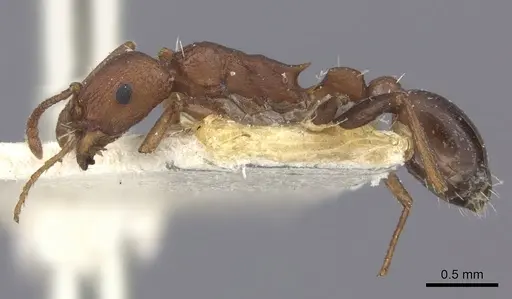
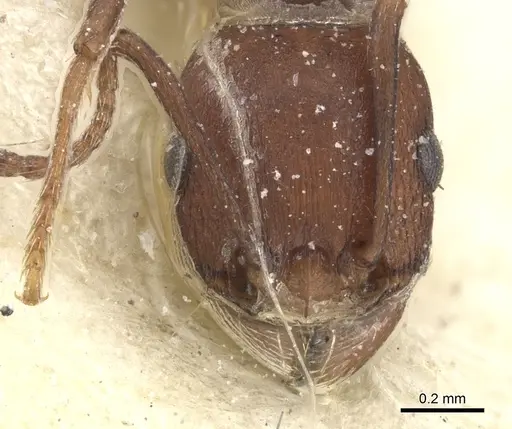
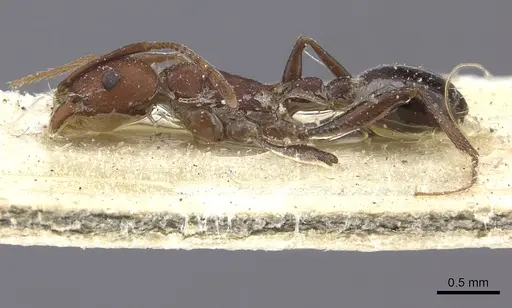
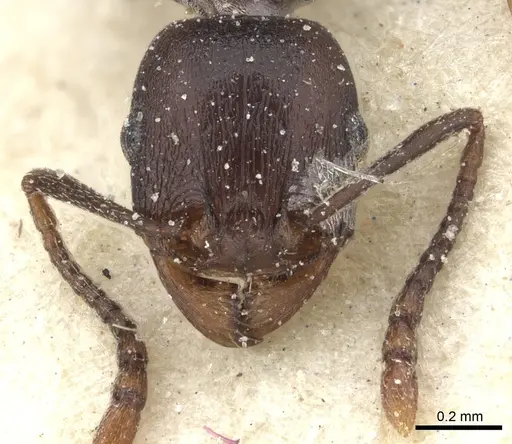
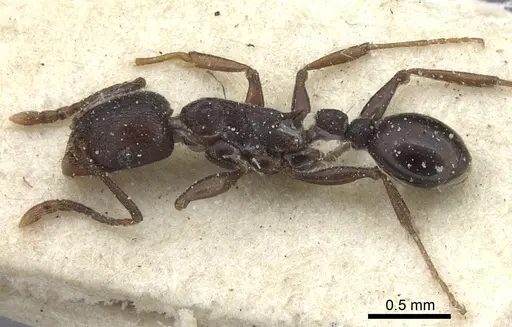
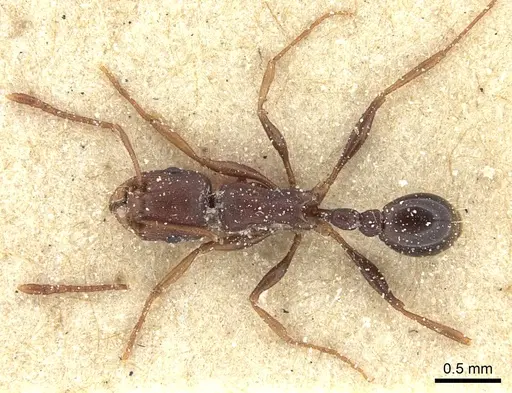
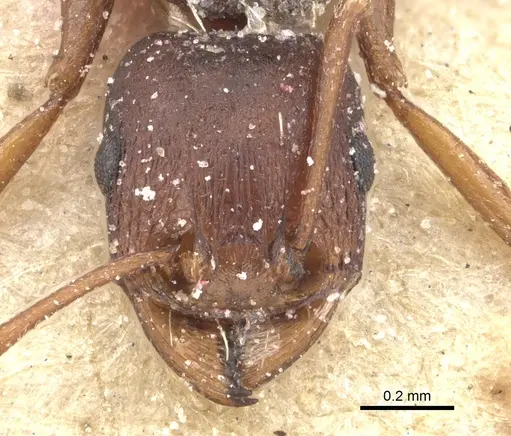
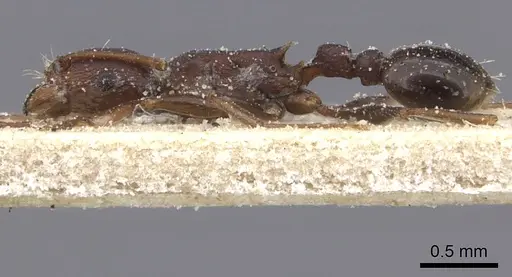
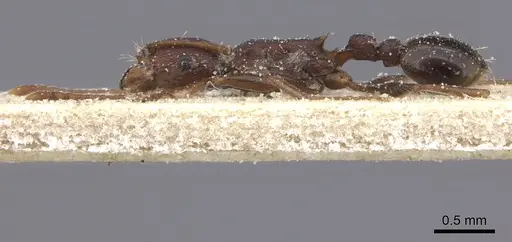
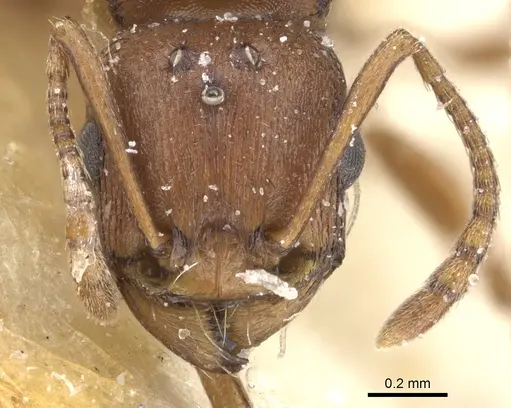
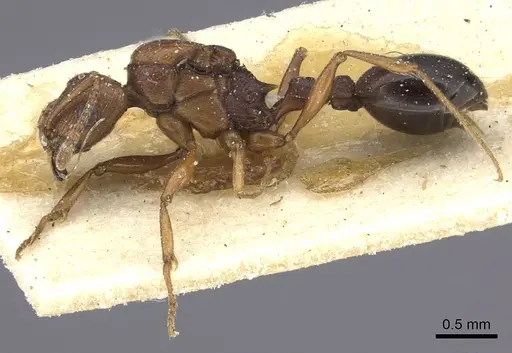
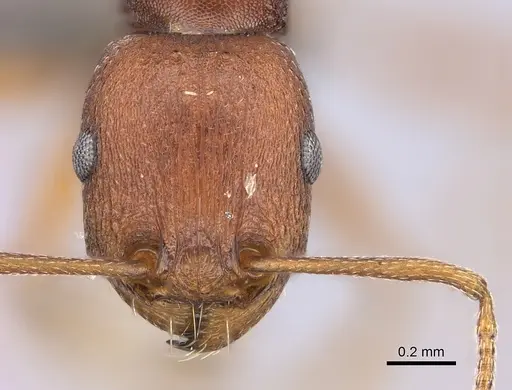
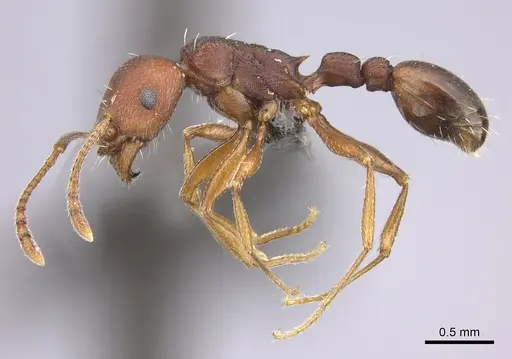
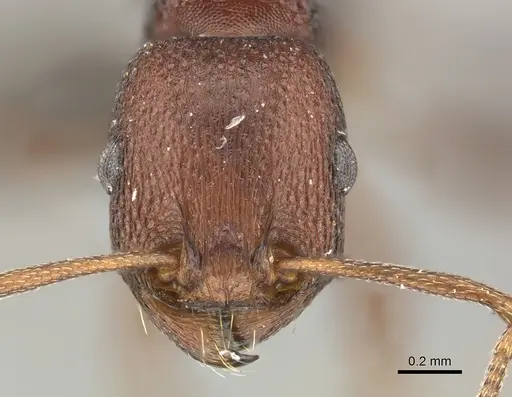
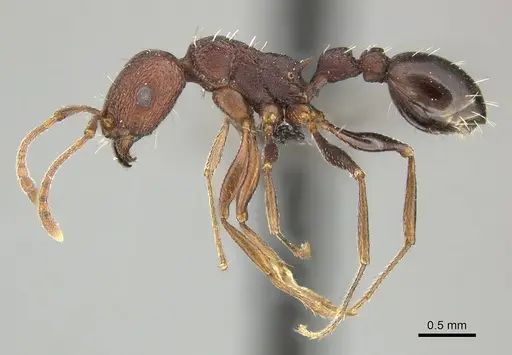
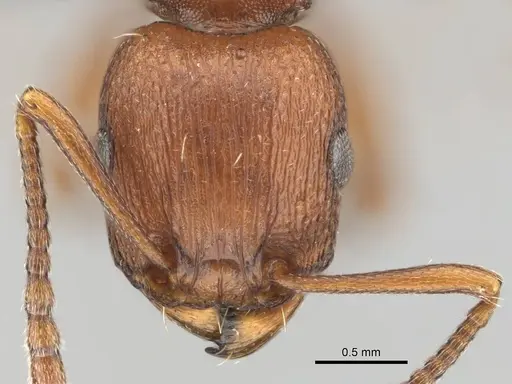
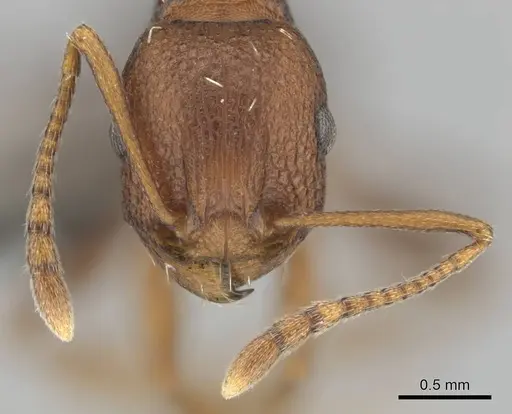
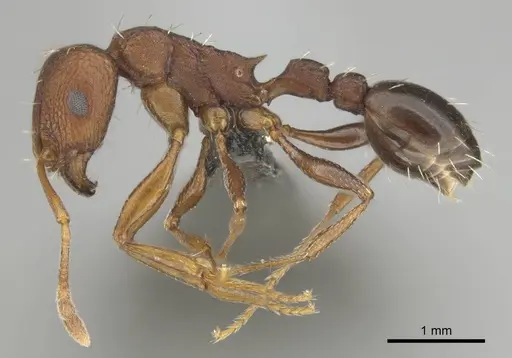
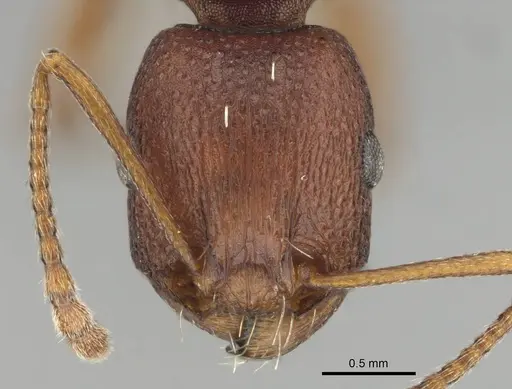
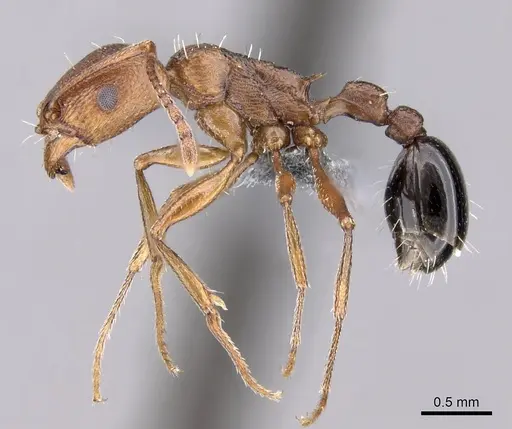
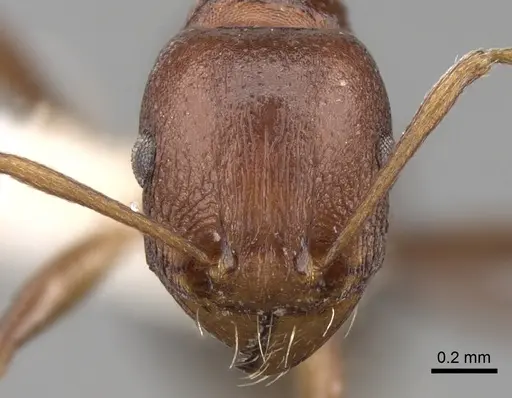
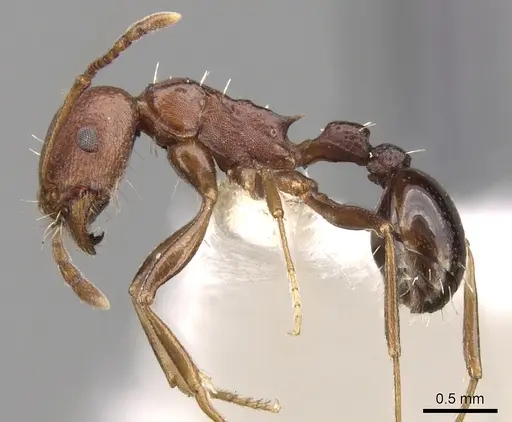
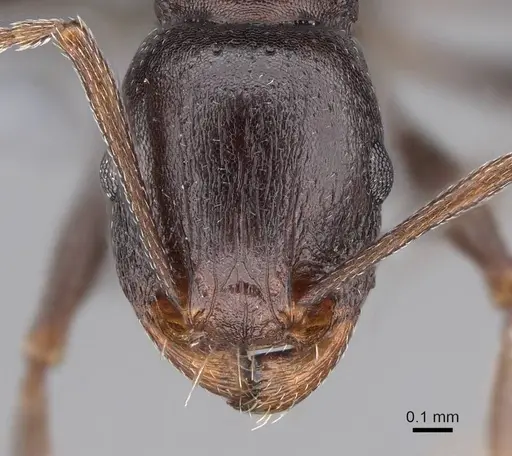
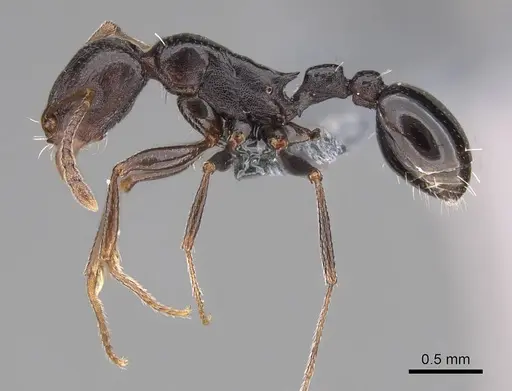
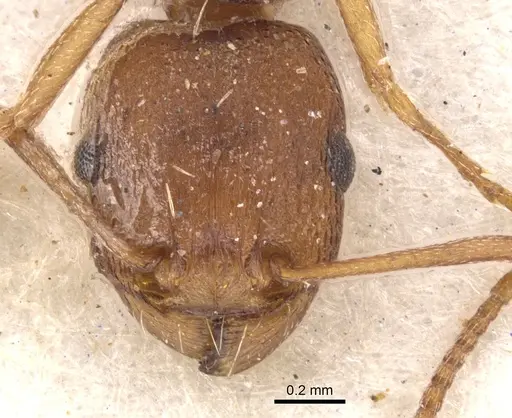
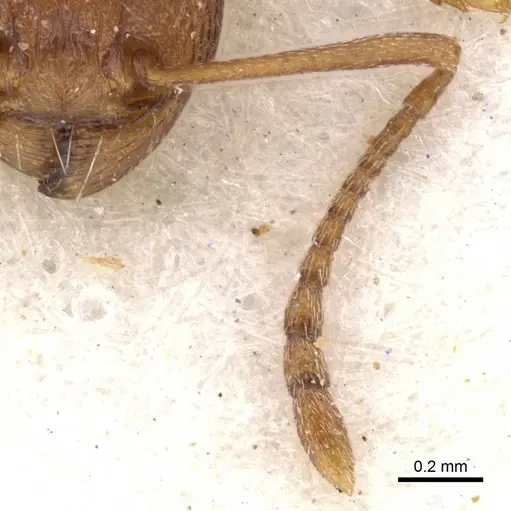
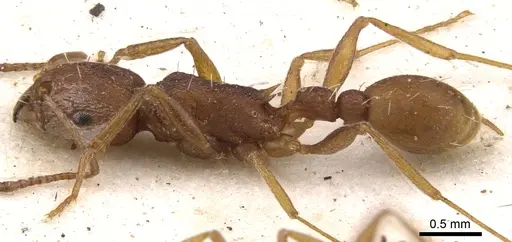
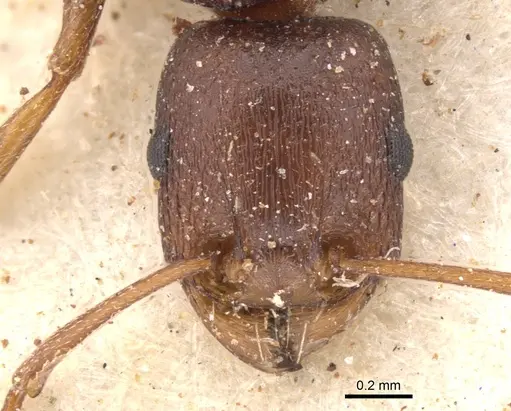
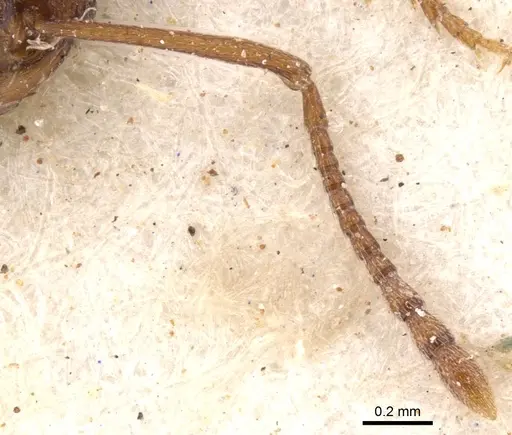
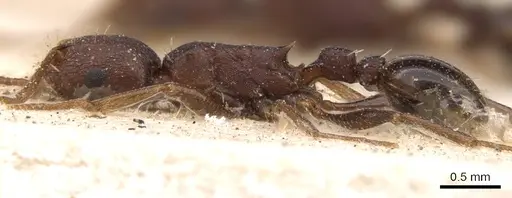
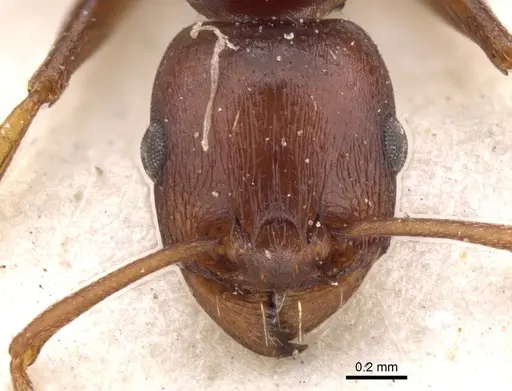
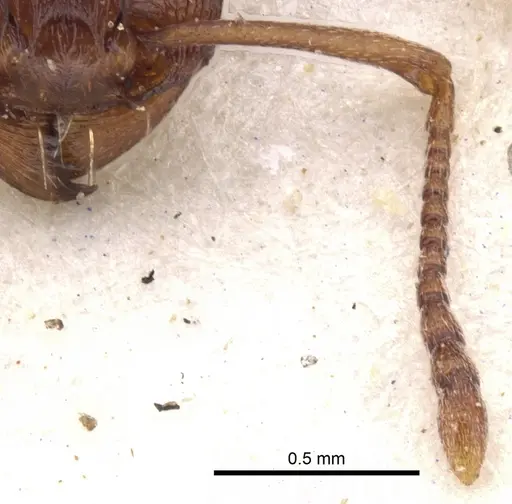
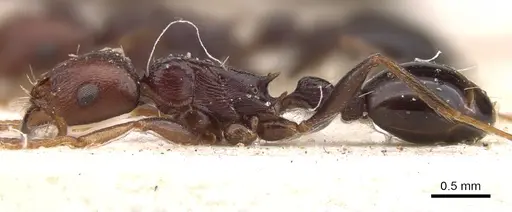
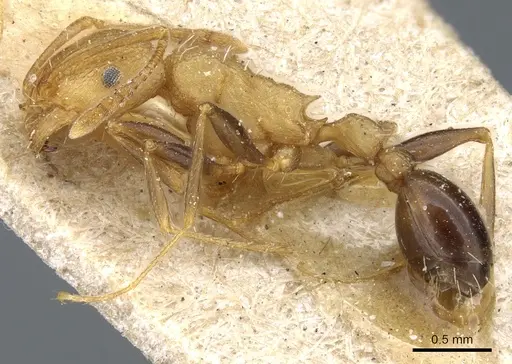
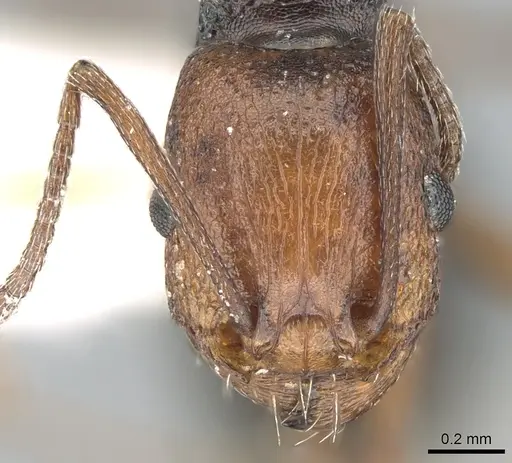
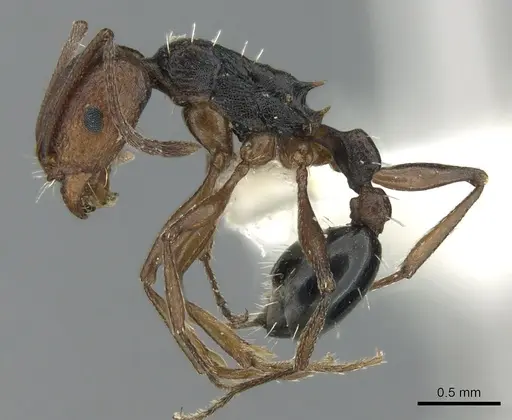
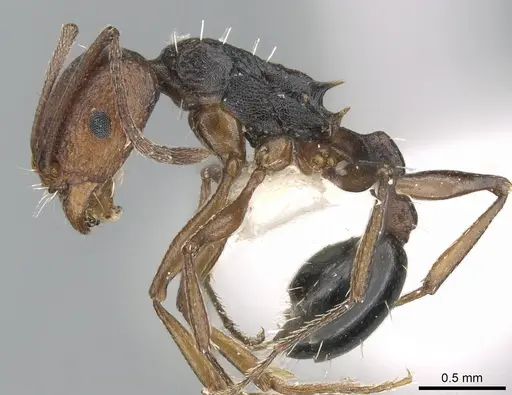
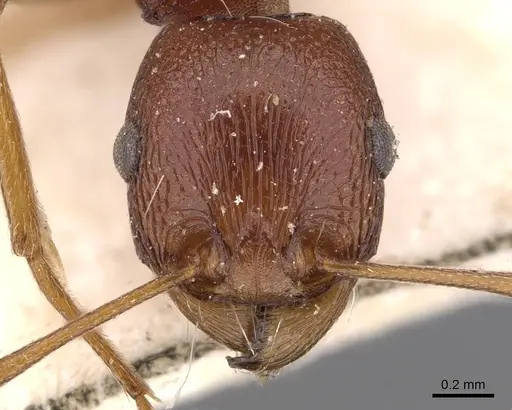
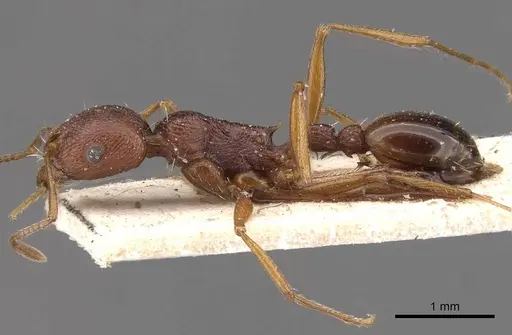
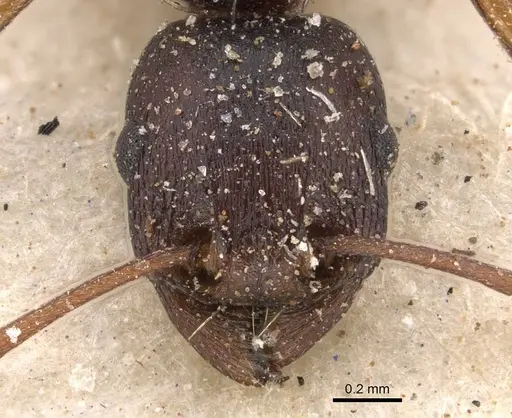
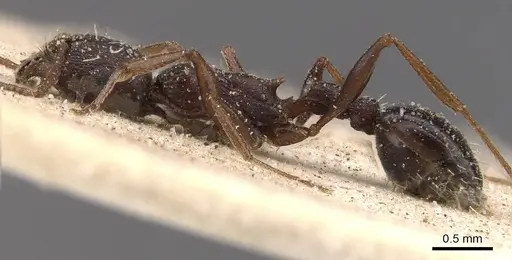
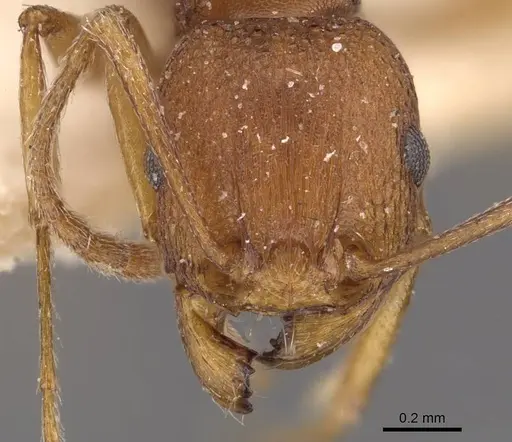
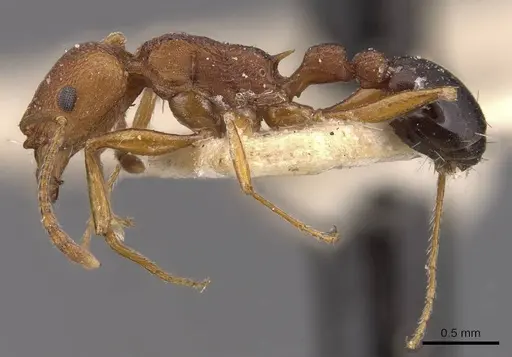
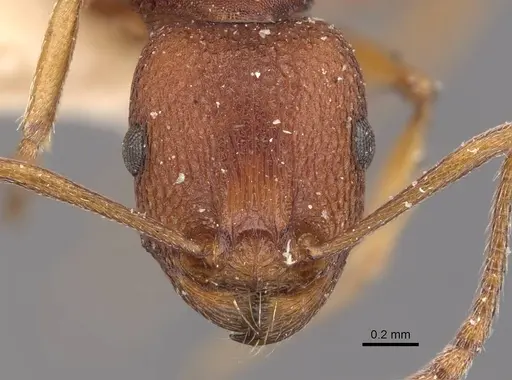
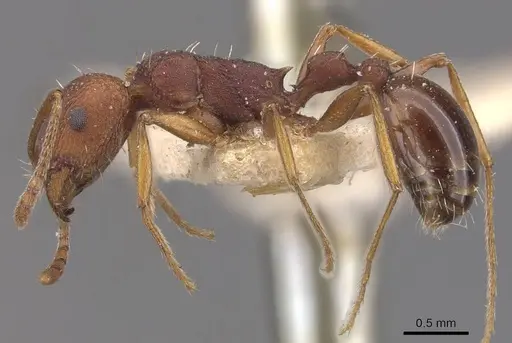
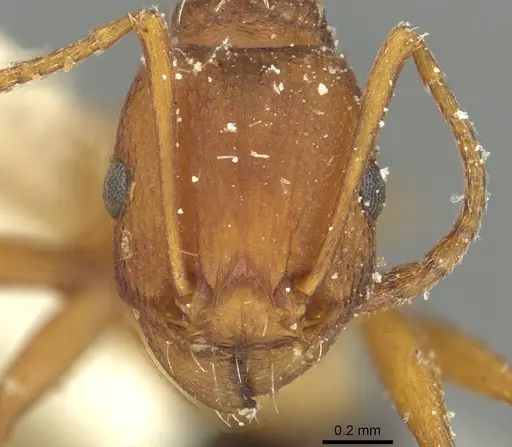
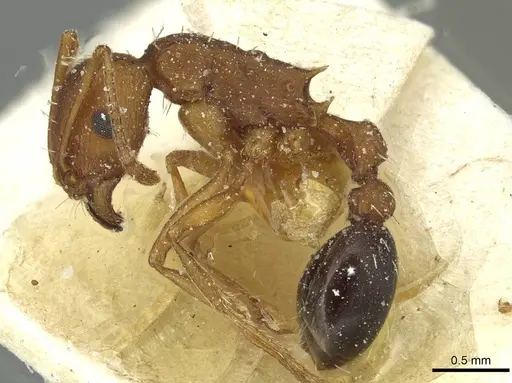
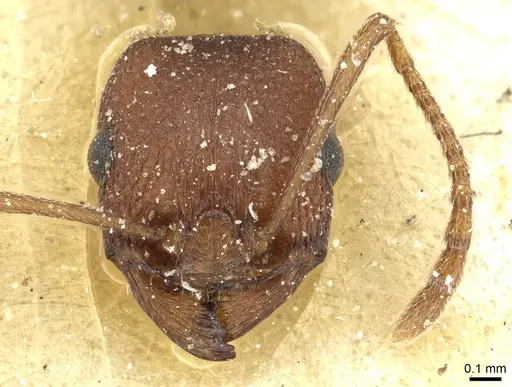
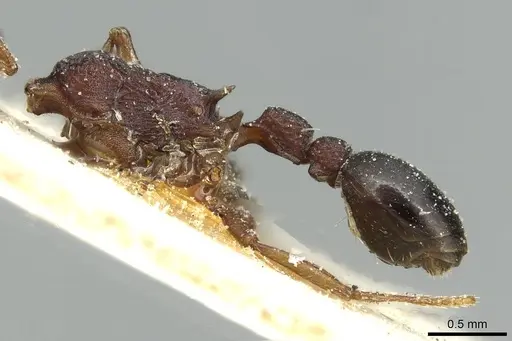
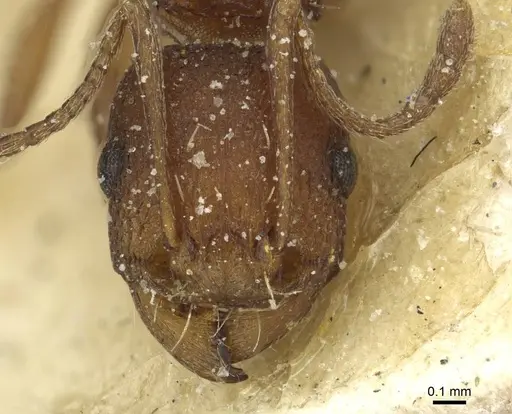
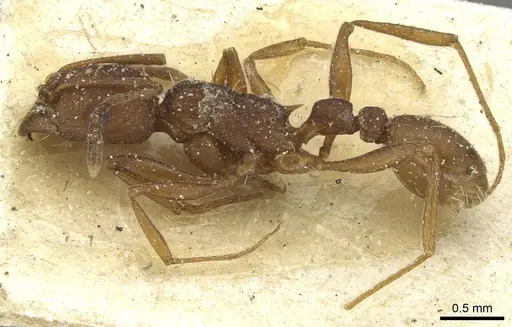
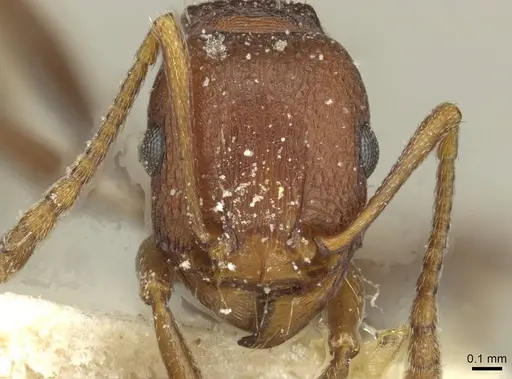
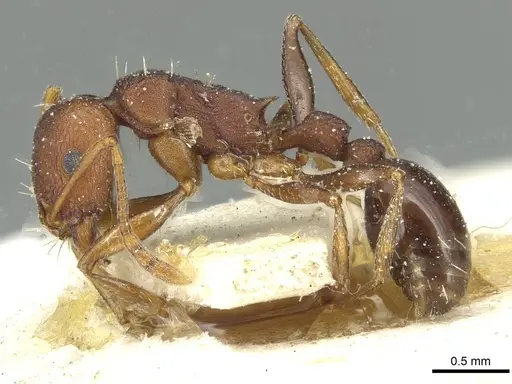
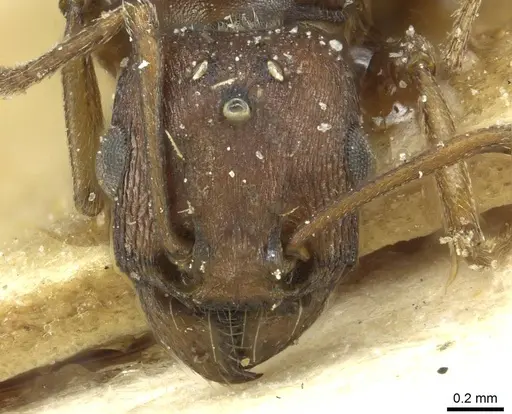
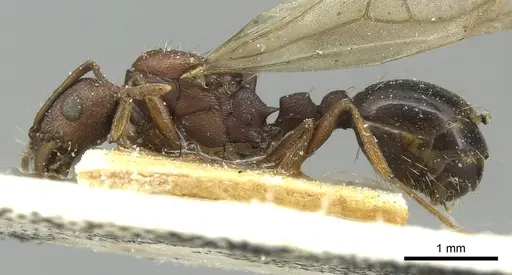
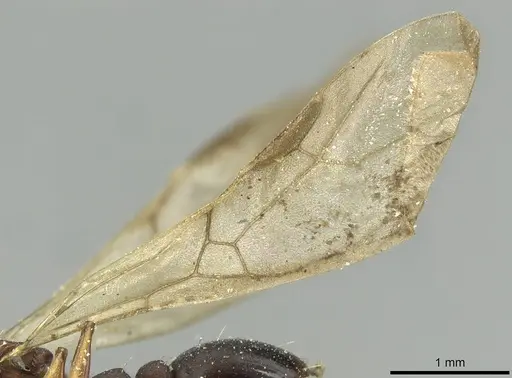
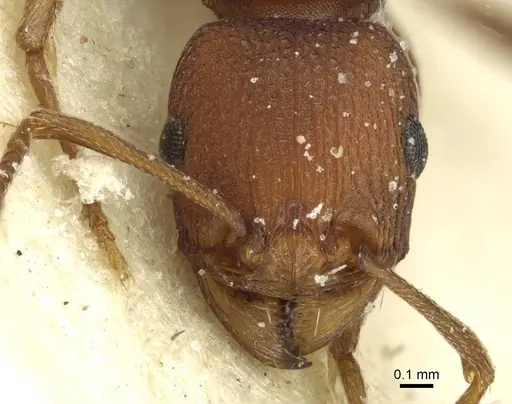
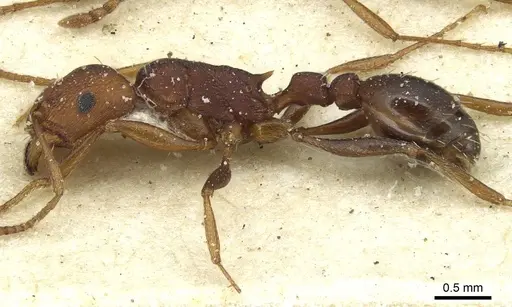
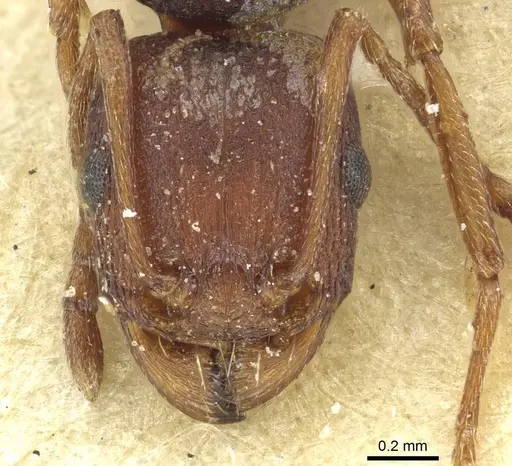
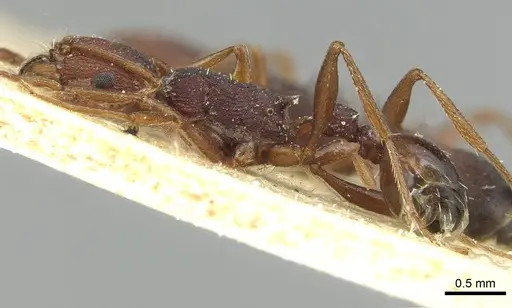
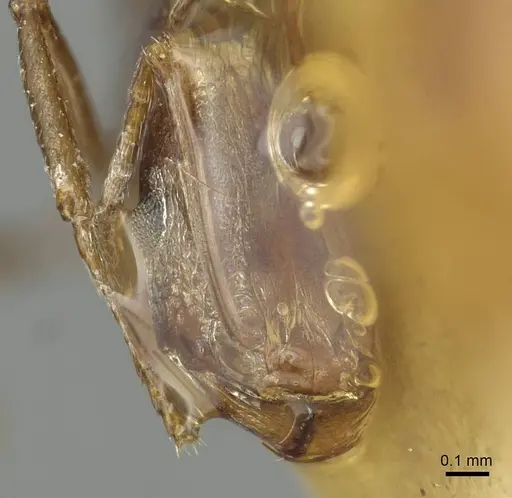
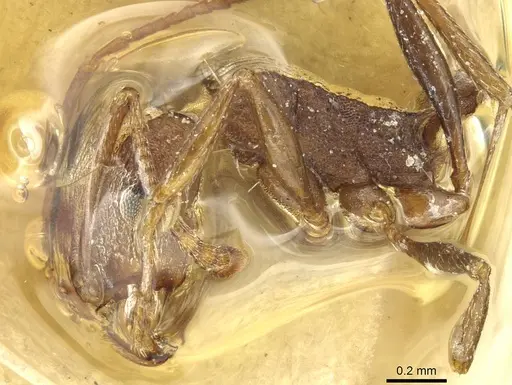
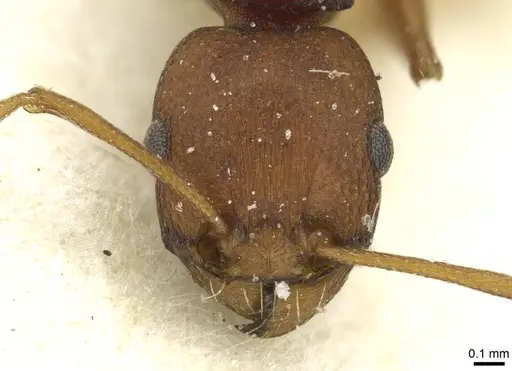
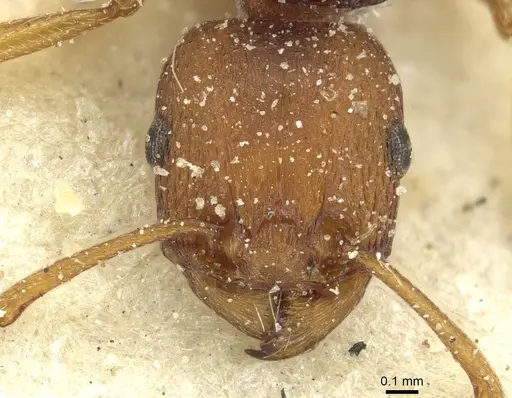
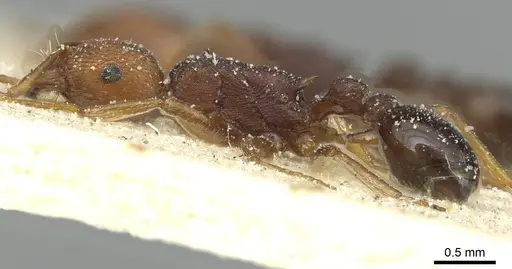
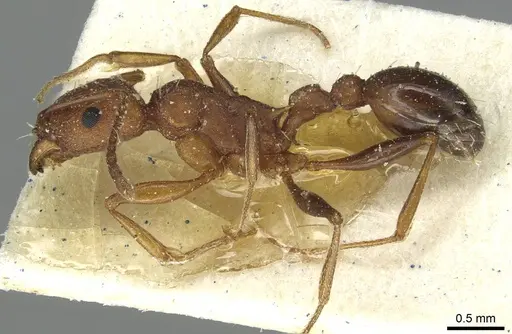
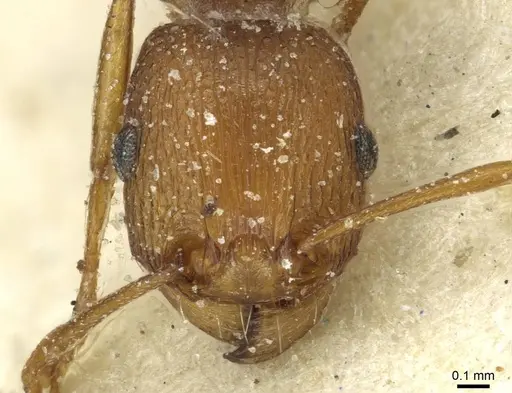
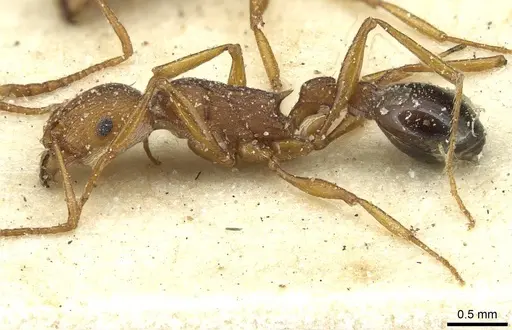
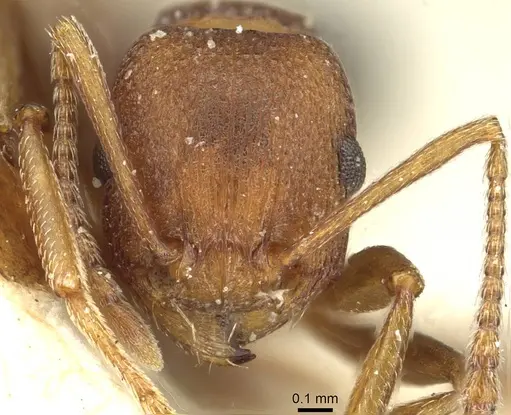
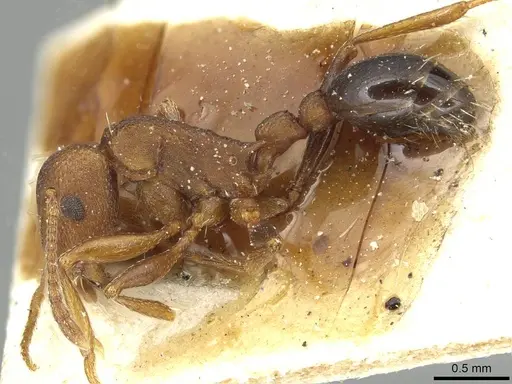
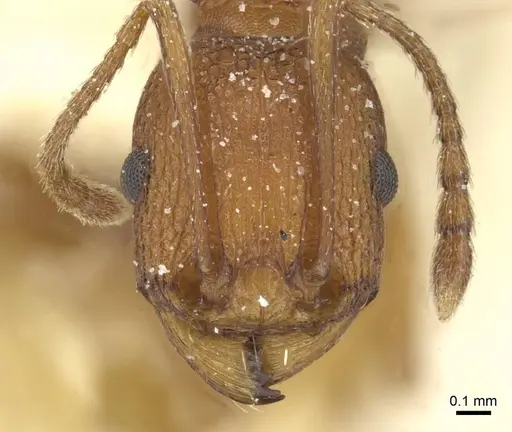
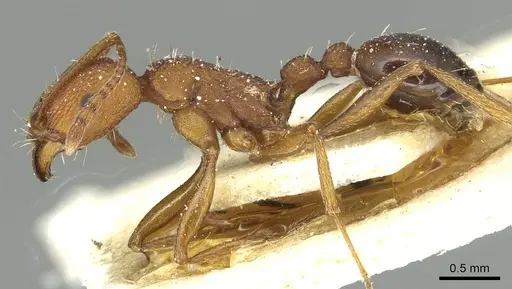
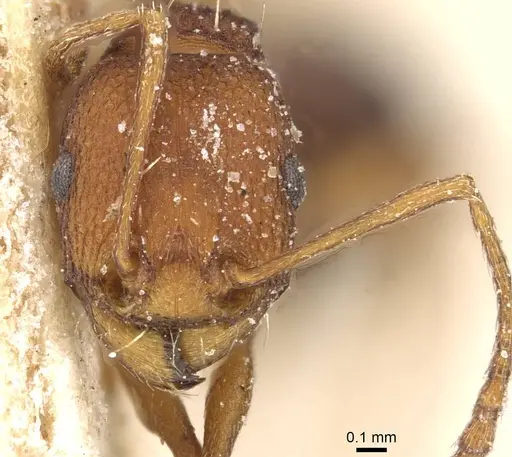
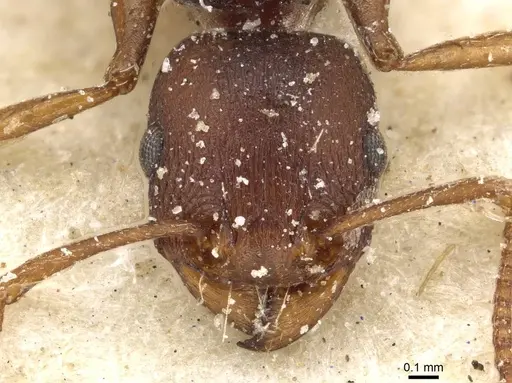
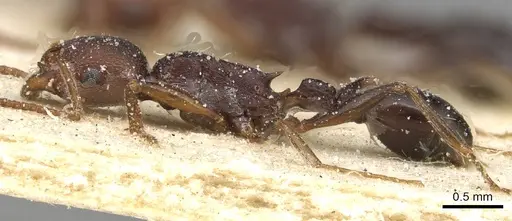
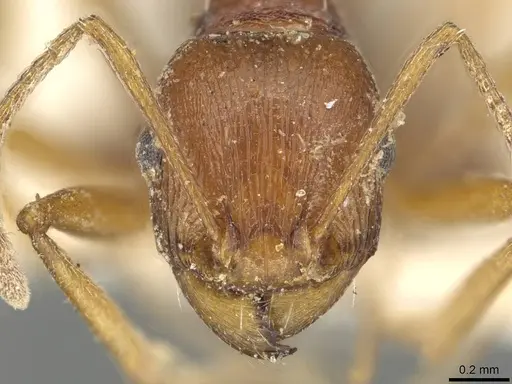
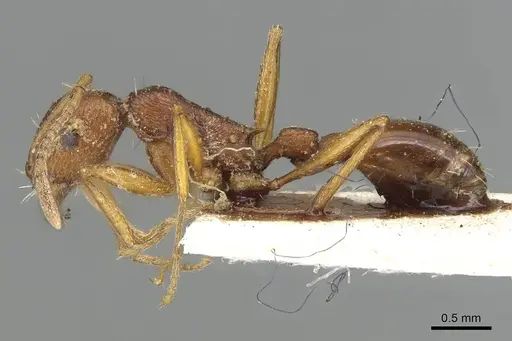
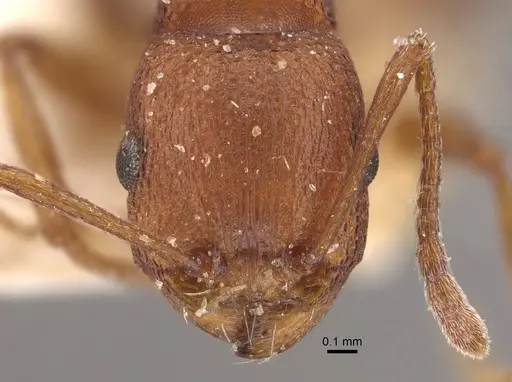
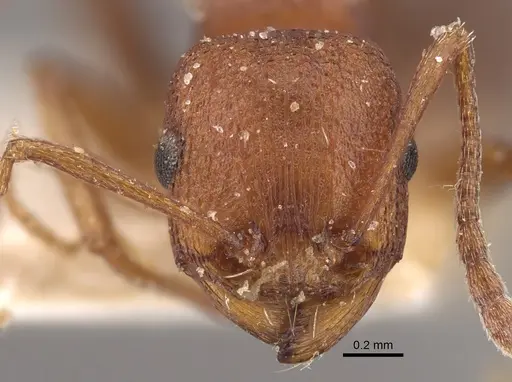
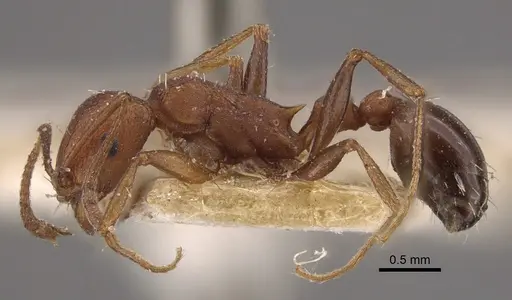
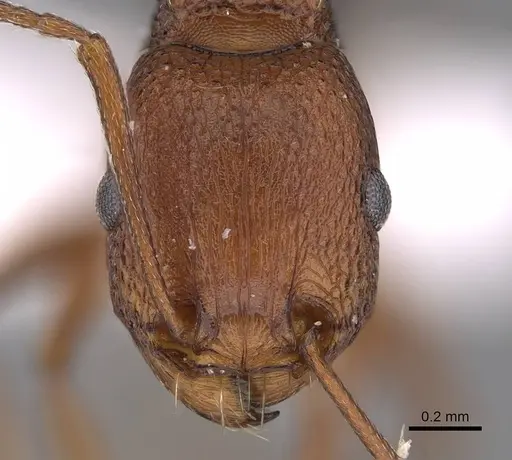
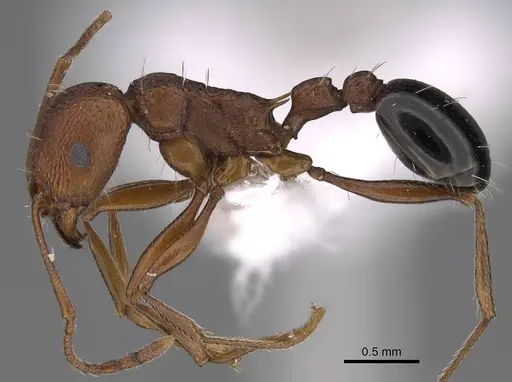
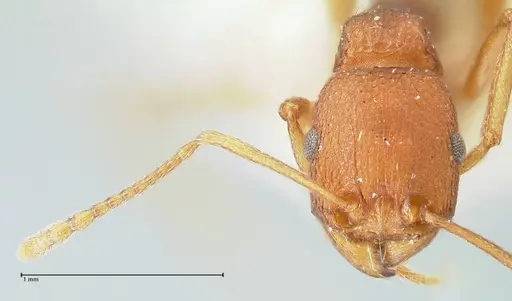
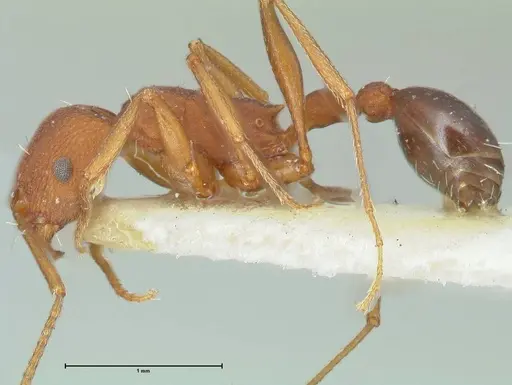
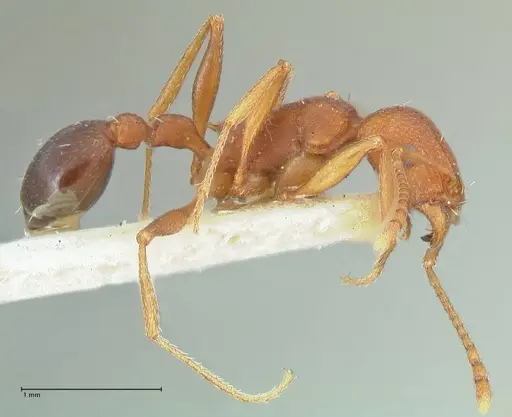
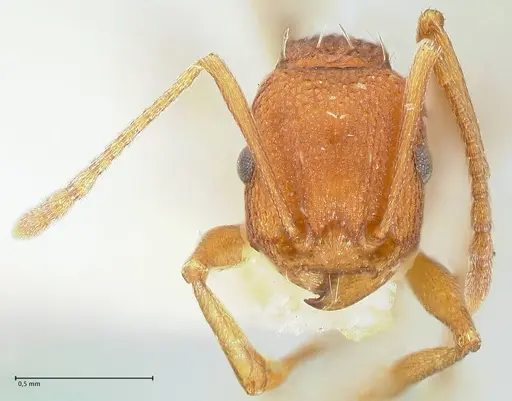
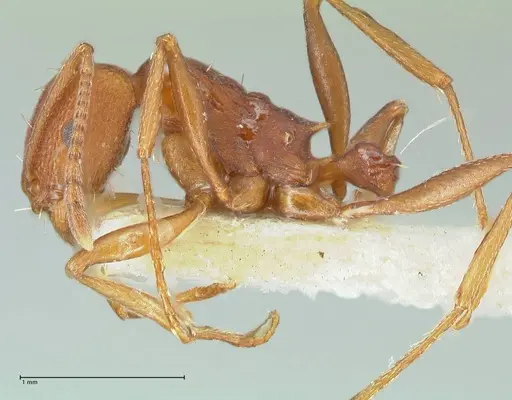
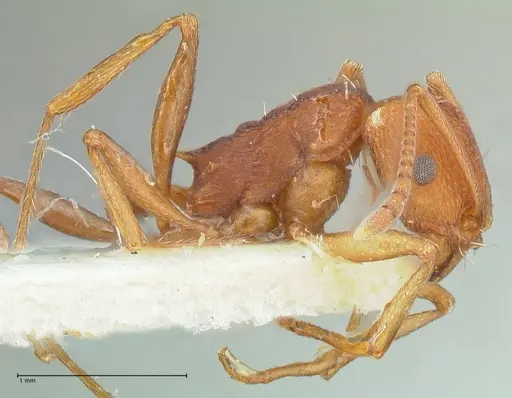
Tetramorium sericeiventre is a small to medium-sized ant with workers measuring 3.3-4.4mm in total length . Workers have a distinctive appearance with a head that is longer than wide, relatively long antennae that extend past the back of the head, and sharp propodeal spines . Their coloration varies widely from reddish-brown to dark brown, with the abdomen often noticeably darker than the rest of the body . This species is one of the most successful Tetramorium in Africa, found across the continent from North Africa to South Africa, throughout the Arabian Peninsula, Madagascar, the Comoros, and the Seychelles . It thrives in open, sunny habitats with well-drained sandy soils and is absent only from humid rainforest areas . Workers are predatory on other ants and build nests in soil under rocks and stones .
Quick Summary
- Difficulty: Expert
- Origin & Habitat: Native to the Afrotropical, Malagasy, and Southern Palaearctic regions. Found from northern Africa to South Africa, across West and East Africa, the Arabian Peninsula, Madagascar, Comoros, and Seychelles. Thrives in open habitats including savannah, grasslands, Acacia thorn woodlands, and sandy areas. Absent from humid rainforests [3][4].
- Colony Type: Colony structure is unconfirmed. Based on typical Tetramorium patterns, likely single-queen (monogyne) colonies.
- Size & Growth:
- Queen: Size data unavailable, queen measurements are not documented in the available research.
- Worker: 3.3-4.4mm total length [1]
- Colony: Colony size is not documented in the literature. Based on ecological abundance, colonies may reach several hundred workers.
- Growth: Moderate, inferred from typical Tetramorium development patterns.
- Development: Estimated 6-8 weeks based on typical Tetramorium development at optimal temperature. Not confirmed for this species. (Direct development data not available for this species, estimate based on genus-level patterns.)
- Antkeeping:
- Temperature: Warm temperatures around 22-28°C are recommended. This species is adapted to hot, arid to semi-desert conditions across Africa and Arabia where temperatures regularly exceed 30°C. A heating cable on one side of the nest can help maintain a gradient [3].
- Humidity: Low to moderate. Naturally found in dry, sandy, well-drained habitats. Keep nest substrate slightly moist but allow it to dry between waterings. Avoid overly damp conditions that can cause mold [3][4].
- Diapause: Not required. This species is adapted to tropical and subtropical climates without true hibernation. A slight winter slowdown around 18-20°C may occur if room temperature drops seasonally [3].
- Nesting: Ground-nesting species that builds nests under rocks and stones in sandy, well-drained soil [4]. In captivity, a naturalistic setup with a soil chamber or a Y-tong (AAC) nest works well. Provide a layer of sandy substrate for digging. They do well in formicariums with moderate humidity and good drainage [4].
- Behavior: Workers are active foragers and predators that hunt other ants and small insects. They are opportunistic feeders that will also scavenge and collect honeydew [1][4]. Workers are known to close their nest entrances, which helps protect against invasion by other ant species like the invasive Argentine ant (Linepithema humile) [5]. They are primarily day-active but have been observed foraging at night in some areas of Saudi Arabia [3]. This species is not particularly aggressive toward humans but will defend their nest if disturbed. Escape risk is moderate due to small worker size (3.3-4.4mm), so ensure your formicarium has tight-fitting barriers.
- Common Issues: mold from overly humid conditions, this species prefers drier habitats., colonies may be slow to establish initially, be patient during founding., escape prevention needed due to small worker size., potential for colony decline if fed only sugar, they need protein prey., may be outcompeted by more aggressive ant species in multi-species setups., this species is considered invasive in some regions and should never be released into the wild.
Housing and Nest Setup
Tetramorium sericeiventre is a ground-nesting species that naturally builds nests under rocks and stones in sandy, well-drained soil [4]. In captivity, you can use a naturalistic setup with a soil chamber or a Y-tong (AAC) nest with a sandy substrate layer. The key is providing good drainage, this species does not tolerate waterlogged conditions. A formicarium with a plaster nest works well, with a section of loose sandy soil for them to dig in. Keep the nest relatively dry, misting only occasionally to maintain slight moisture. These ants are not arboreal, so horizontal space is more important than vertical space for foraging [3].
Feeding and Diet
In the wild, Tetramorium sericeiventre is predatory on other ants and small insects [1][4]. In captivity, offer them small live prey like fruit flies, pinhead crickets, and other tiny insects. They will also accept protein-based foods like boiled chicken or fish. As opportunistic feeders, they may occasionally accept sugar water or honey, but protein should form the bulk of their diet. Feed them small prey items 2-3 times per week, adjusting based on colony size. Remove any uneaten prey after 24 hours to prevent mold. This species is an active forager, so they will readily hunt live prey [4].
Temperature and Seasonal Care
This species thrives in warm conditions, reflecting its natural habitat across hot African and Arabian environments. Keep temperatures in the range of 22-28°C, with 24-26°C being ideal for colony growth. A heating cable on one side of the nest can create a temperature gradient, which many ants appreciate. They are found from sea level up to 2387m elevation in Saudi Arabia, showing they can adapt to various temperature conditions [3]. Unlike temperate species, they do not require a true hibernation period. However, if your room temperature drops significantly in winter, you might see reduced activity. They are well-adapted to hot, dry conditions and can tolerate brief temperature spikes [3].
Behavior and Colony Dynamics
Colony structure is unconfirmed, but based on typical Tetramorium patterns, they likely form single-queen (monogyne) colonies with claustral founding. Workers are active foragers that hunt other ants and small insects. One notable behavior is their habit of closing nest entrances, which provides protection against invasive species like the Argentine ant (Linepithema humile) [5]. This defensive behavior makes them relatively resilient to invasion. Colonies are considered opportunistic, they quickly exploit new resources and can thrive in disturbed habitats. Workers may forage both day and night depending on local conditions [3].
Growth and Development
Direct development data is not available for this species, but based on typical Tetramorium patterns, expect an estimated 6-8 weeks from egg to first worker at optimal temperature (around 24-26°C). The first workers (nanitics) will be smaller than mature workers. Growth rate is moderate, colonies will expand gradually over the first few months. Once established, colonies can grow to several hundred workers. This species is fire-resilient and can recover from disturbance [6], suggesting they are relatively resilient to common husbandry challenges. Be patient during the founding phase, it may take several months before you see significant colony growth.
Frequently Asked Questions
Can I keep Tetramorium sericeiventre in a test tube?
Yes, you can start a founding colony in a test tube setup. Since founding behavior is unconfirmed, but if the queen is claustral (typical for Tetramorium), she will seal herself in. Use a standard test tube with a water reservoir plugged with cotton. Keep the setup relatively dry, this species prefers drier conditions than many other ants. Once the colony reaches around 20 workers, you can move them to a formicarium with a sandy soil chamber.
How long until Tetramorium sericeiventre has first workers?
Based on typical Tetramorium development, expect first workers (nanitics) to emerge in approximately 6-8 weeks after the queen lays her first eggs, at optimal temperatures around 24-26°C. This is an estimate and the exact timing depends on temperature and feeding. Be patient during founding, the queen may seal herself in and not be visible for weeks.
Do Tetramorium sericeiventre ants sting?
Tetramorium ants belong to the subfamily Myrmicinae, which includes species with functional stingers. However, this species has a modified spatulate stinger used to smear venom rather than pierce. They are not aggressive to humans and the sting is mild. For practical purposes, they are not considered dangerous.
Are Tetramorium sericeiventre good for beginners?
No, this species is not recommended for beginners. It is considered invasive in some regions and should only be kept by experienced keepers who can ensure absolutely no escapes. If you are an experienced keeper with a secure setup, they are relatively easy to care for, they tolerate a range of temperatures, do not require complex humidity control, and are resilient to common mistakes. However, the risk of ecological damage if they escape makes them unsuitable for beginners.
Do Tetramorium sericeiventre need hibernation?
No, this species does not require true hibernation. Originating from tropical and subtropical Africa, they are adapted to year-round warm conditions. However, if your room temperature drops significantly in winter, you may see reduced activity. A slight cooling to 18-20°C is acceptable but not necessary. Avoid prolonged cold exposure below 15°C.
What do Tetramorium sericeiventre eat?
They are primarily predatory on other ants and small insects. In captivity, feed them small live prey like fruit flies, small crickets, and other tiny insects. They will also accept protein sources like boiled chicken or fish. Occasional sugar water or honey may be accepted but should not be the primary food. Remove uneaten prey after 24 hours.
How big do Tetramorium sericeiventre colonies get?
Colony size is not directly documented, but based on related Tetramorium species, colonies likely reach several hundred workers. They are considered one of the most successful and abundant Tetramorium species in Africa. Growth is moderate, expect several months to reach significant numbers.
Can I keep multiple Tetramorium sericeiventre queens together?
This species is likely monogyne (single queen per colony). Combining unrelated queens is not recommended and would likely result in fighting. If you capture a wild queen, house her alone in a test tube. Once workers emerge, the colony should be kept as a single-queen setup.
Why is my Tetramorium sericeiventre colony dying?
Common causes include: overly damp conditions (they prefer dry habitats), temperatures below 18°C, feeding only sugar without protein, mold from uneaten food, or stress from disturbance. Review your humidity levels, ensure temperatures are warm (22-28°C), and provide proper protein prey. If the colony is newly caught, wild-caught colonies sometimes fail due to parasites or stress.
When should I move Tetramorium sericeiventre to a formicarium?
Move them when the colony reaches around 20-30 workers and the test tube setup becomes cramped. For a naturalistic setup, you can transfer them to a formicarium with a sandy soil chamber. For Y-tong nests, ensure the chambers are appropriately sized for their small worker size. They adapt well to formicariums when provided with proper humidity and a suitable foraging area.
Report an Issue
The current care sheet is based fully on literature. See inconsistencies, or something that's incorrect? Please , it will be resolved after review from an admin. Contributing to the blogs tab also helps providing information, to make us be able to further improve the caresheets. Thank you for your support!
References

This caresheet is licensed under CC BY-SA 4.0 .
Community Blogs
CASENT0101265
View on AntWeb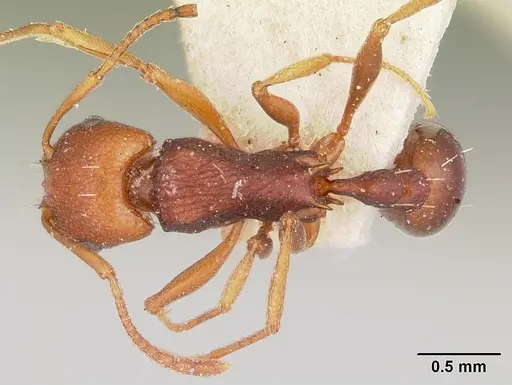
CASENT0101266
View on AntWeb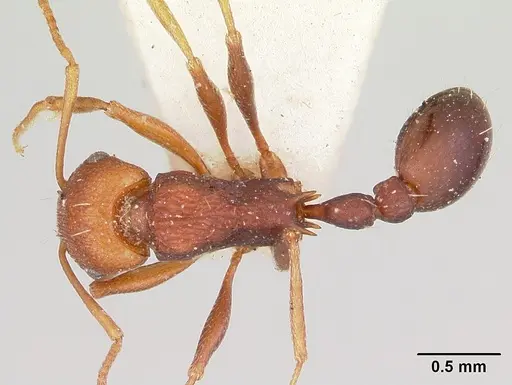
CASENT0101267
View on AntWeb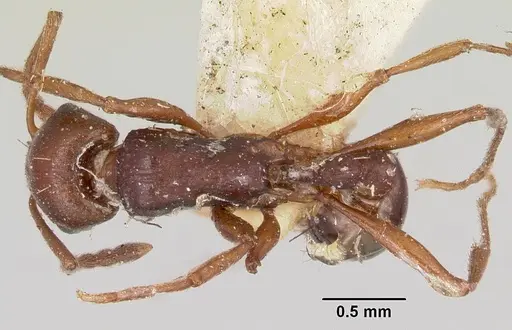
CASENT0101268
View on AntWeb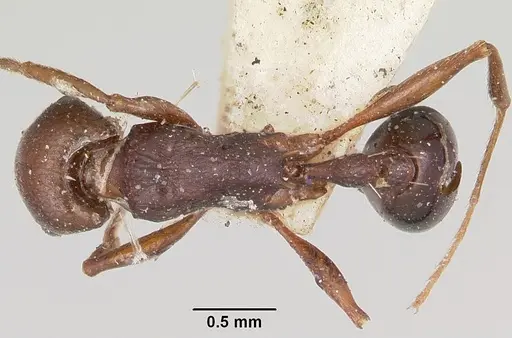
CASENT0101269
View on AntWeb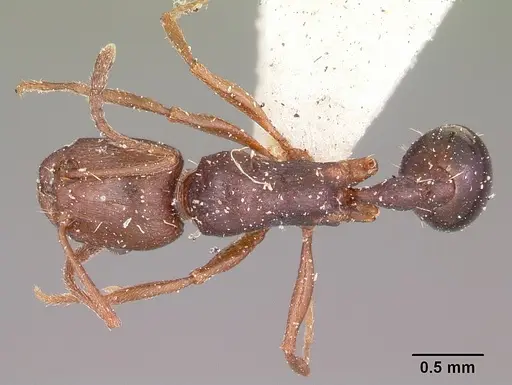
CASENT0101270
View on AntWeb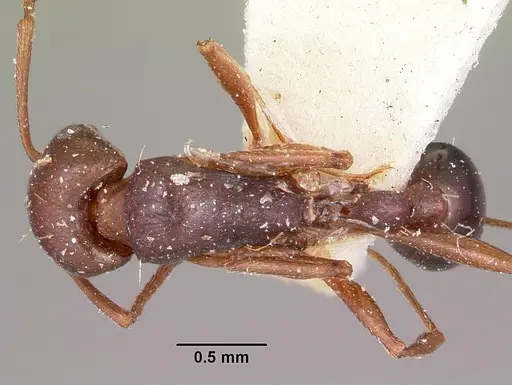
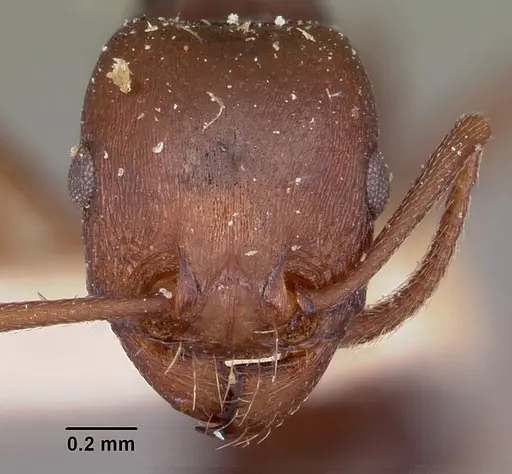
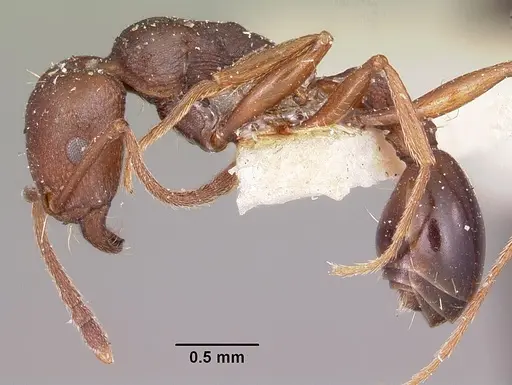
CASENT0101283
View on AntWeb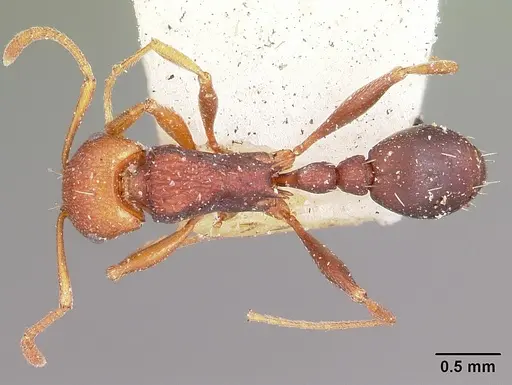
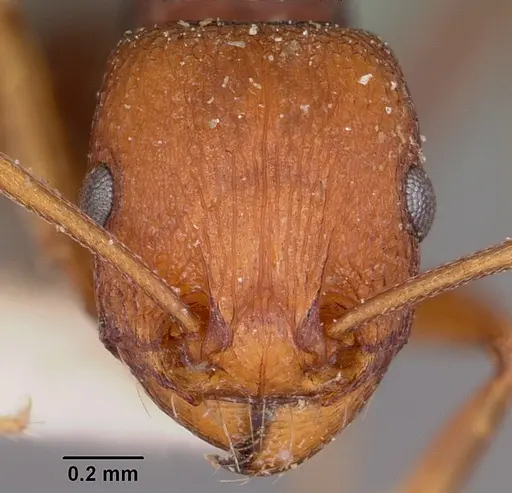
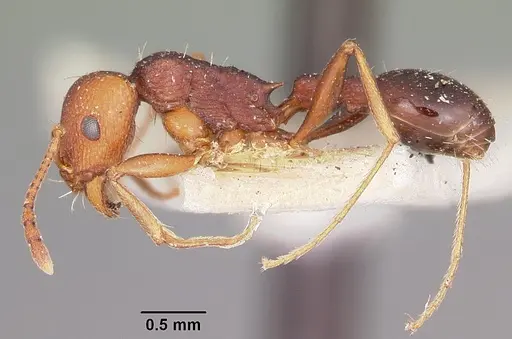
CASENT0101284
View on AntWeb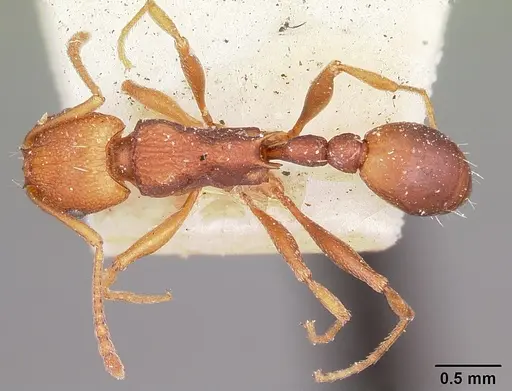
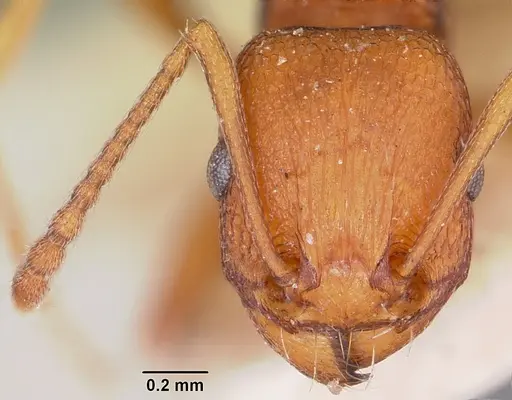
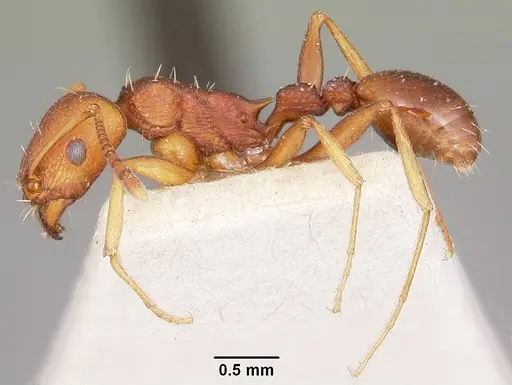
CASENT0101476
View on AntWeb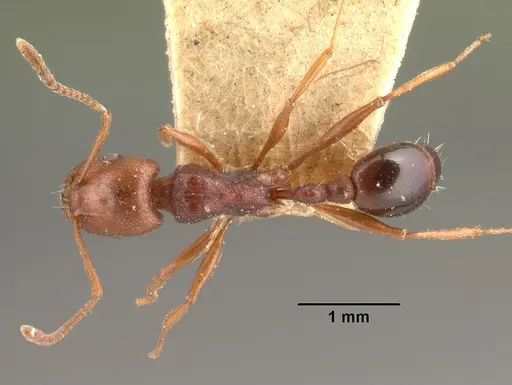
CASENT0101483
View on AntWeb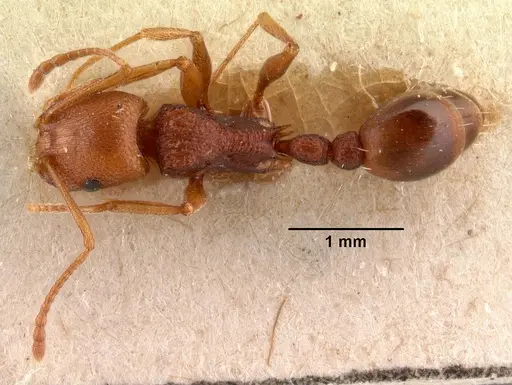
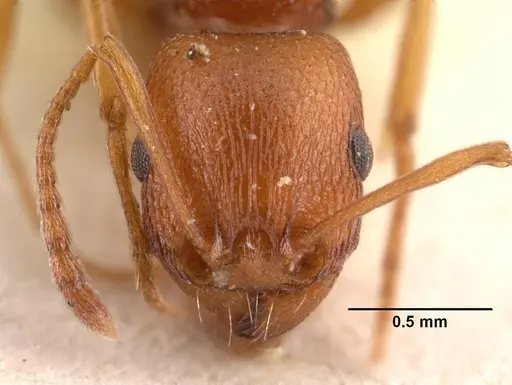
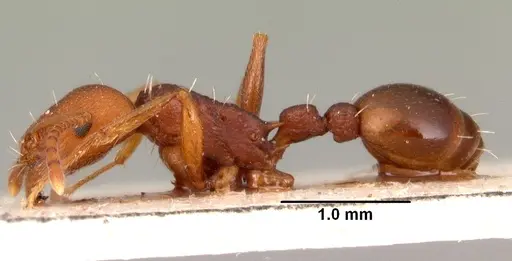
CASENT0101997
View on AntWeb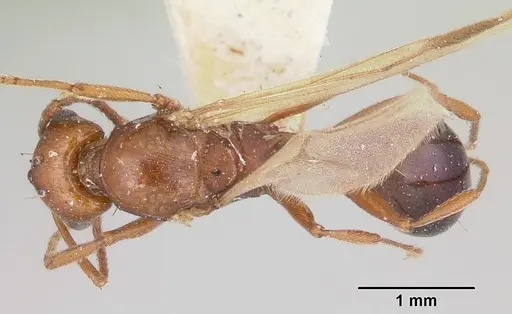
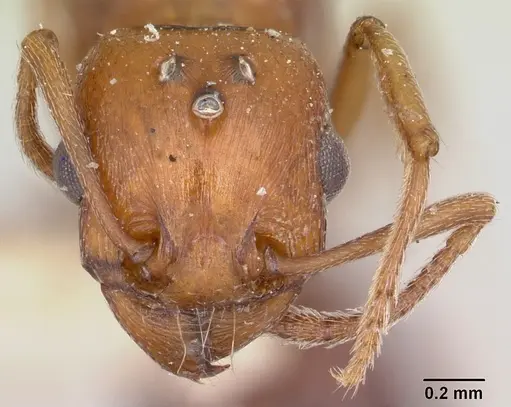
CASENT0102073
View on AntWeb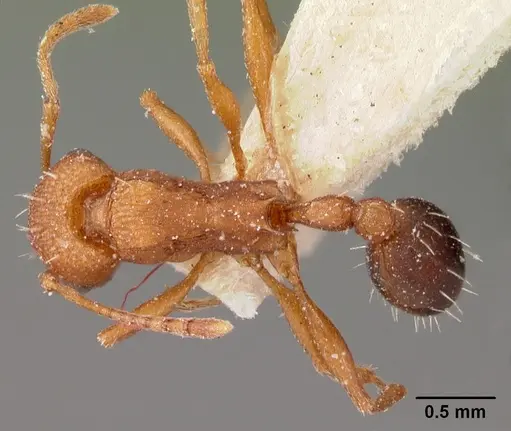
CASENT0102129
View on AntWeb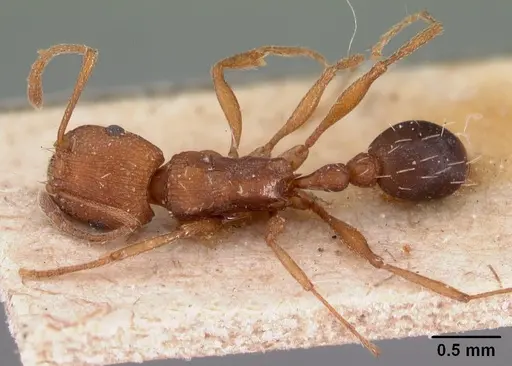
CASENT0102385
View on AntWeb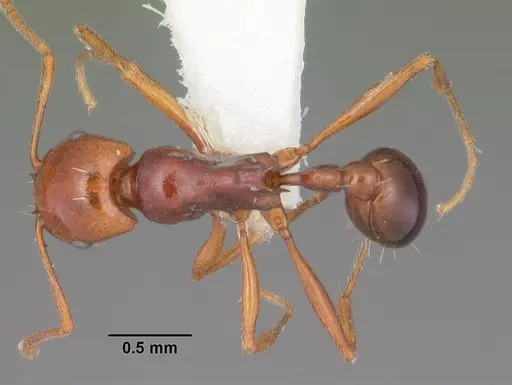
CASENT0102386
View on AntWeb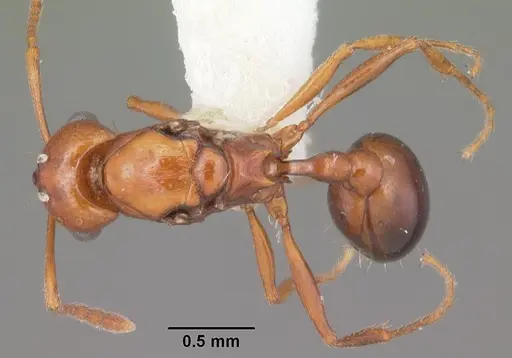
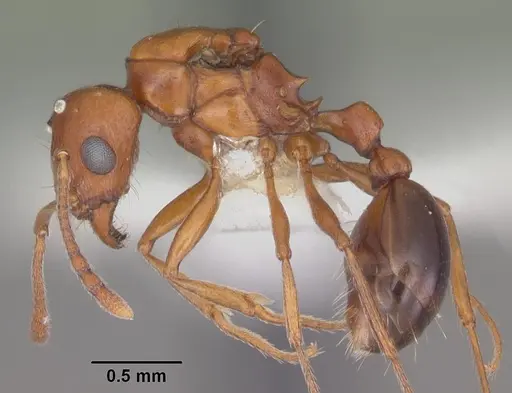
CASENT0102387
View on AntWeb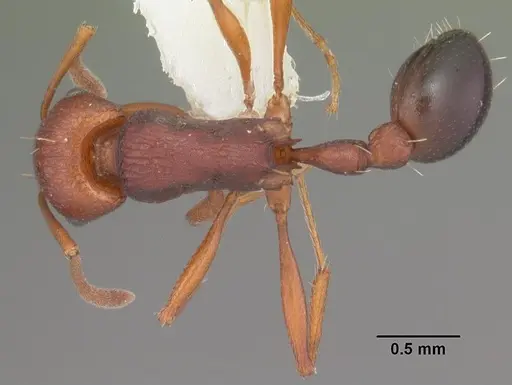
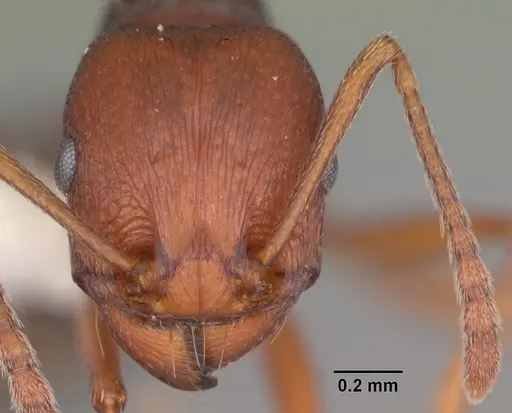
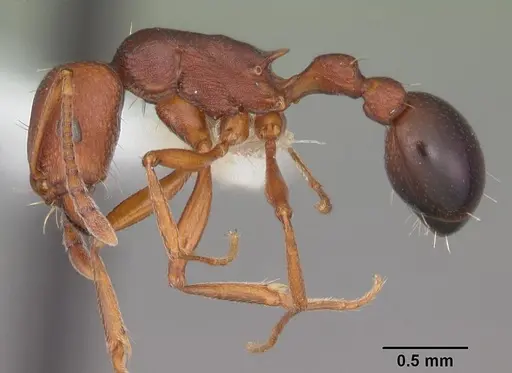
CASENT0102388
View on AntWeb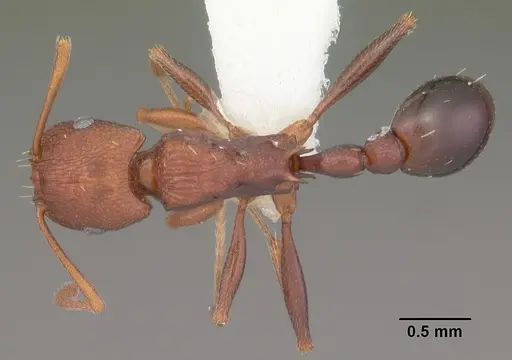
CASENT0143961
View on AntWeb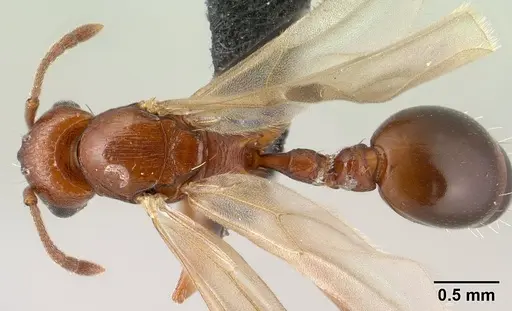
CASENT0147456
View on AntWeb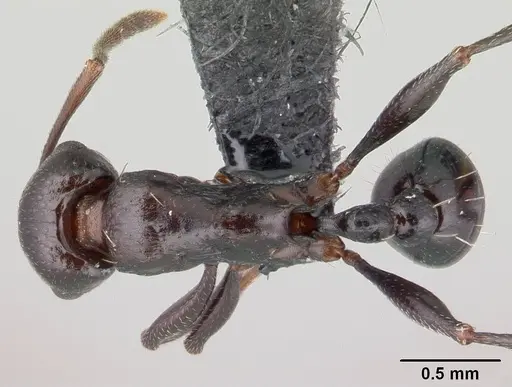
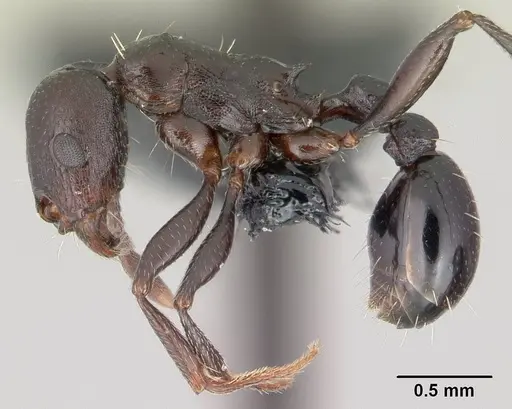
CASENT0217080
View on AntWeb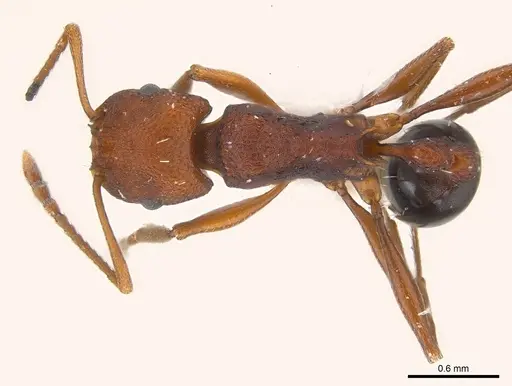
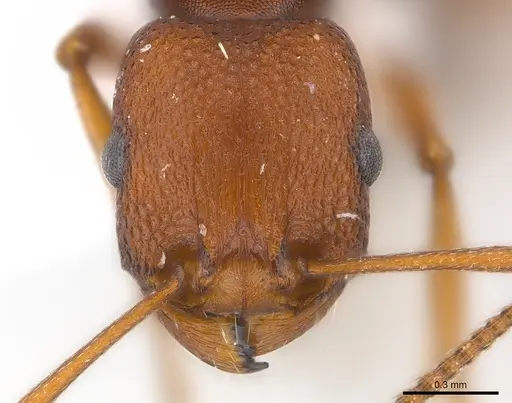
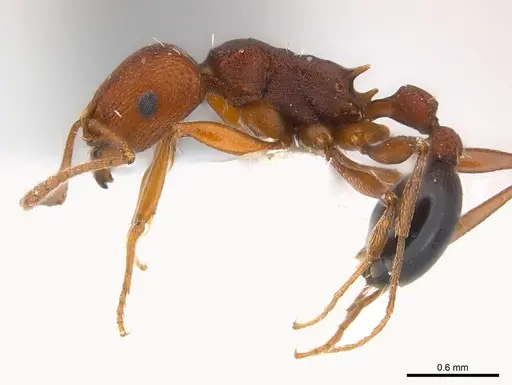
CASENT0235196
View on AntWeb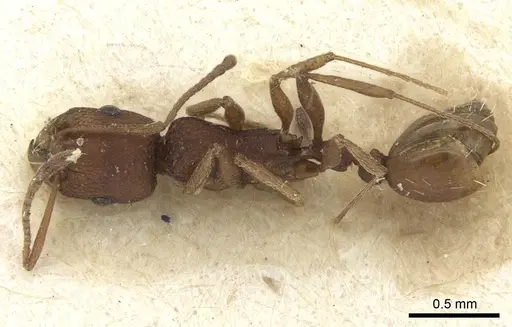
CASENT0235197
View on AntWeb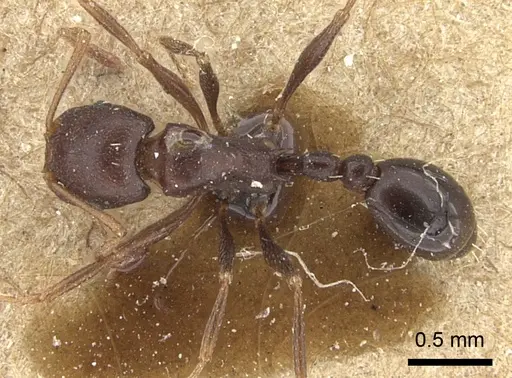
CASENT0235198
View on AntWeb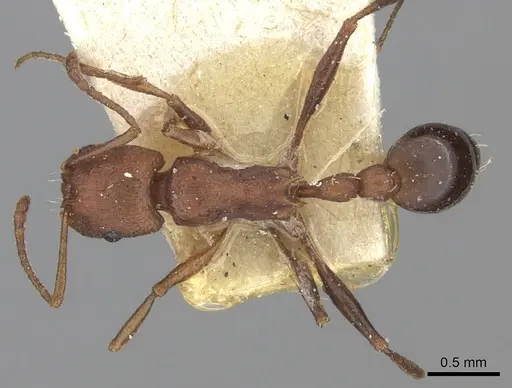
CASENT0235204
View on AntWeb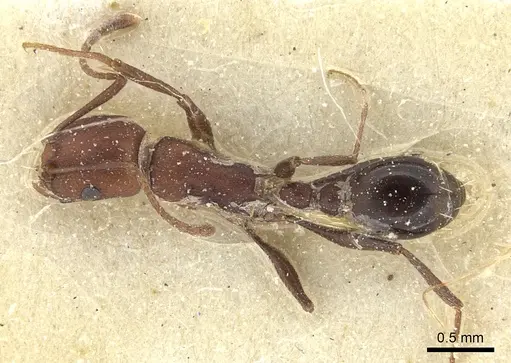
CASENT0235205
View on AntWeb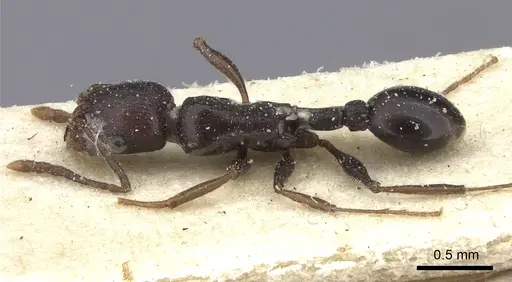
CASENT0235206
View on AntWeb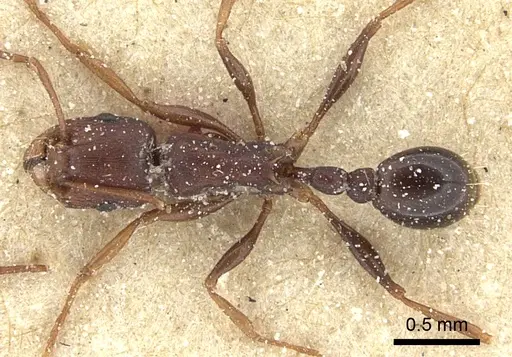
CASENT0235207
View on AntWeb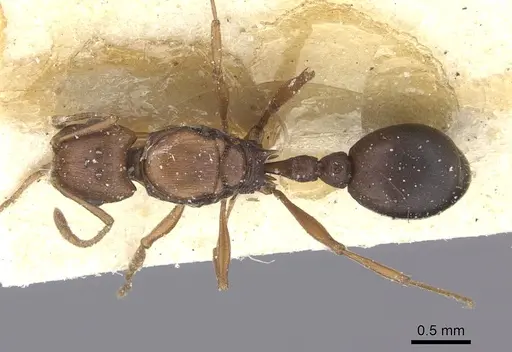
CASENT0235773
View on AntWeb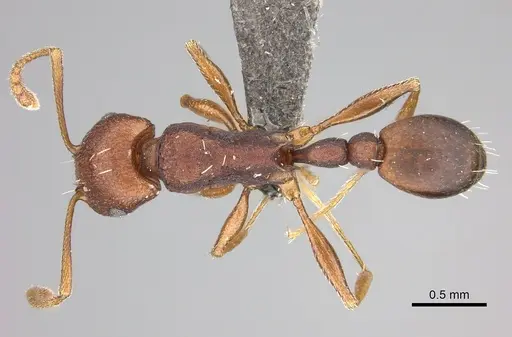
CASENT0249025
View on AntWeb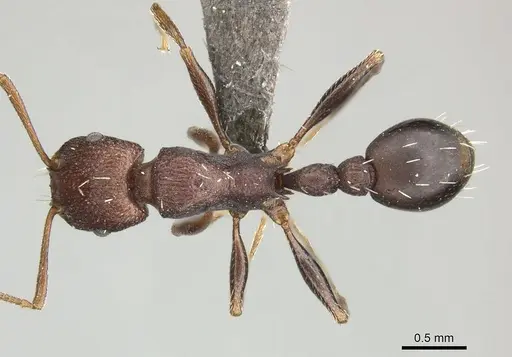
CASENT0253323
View on AntWeb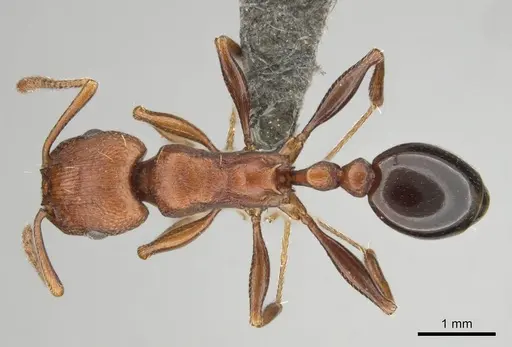
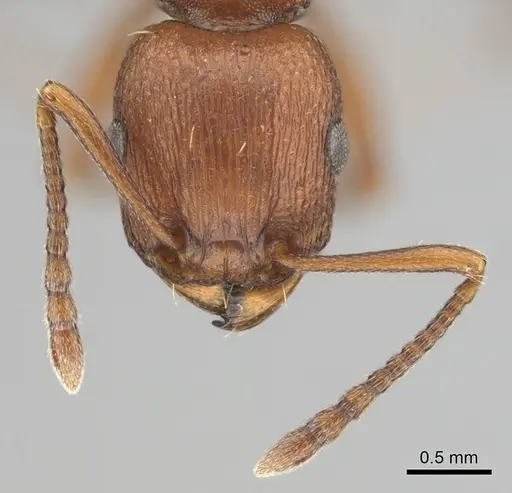
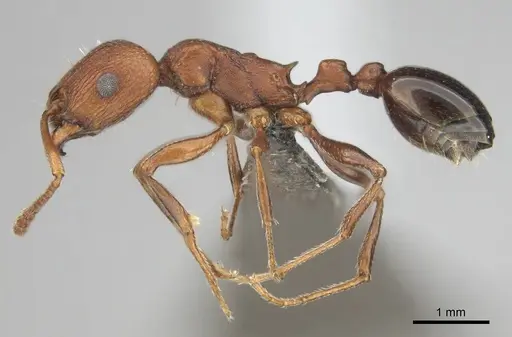
CASENT0253342
View on AntWeb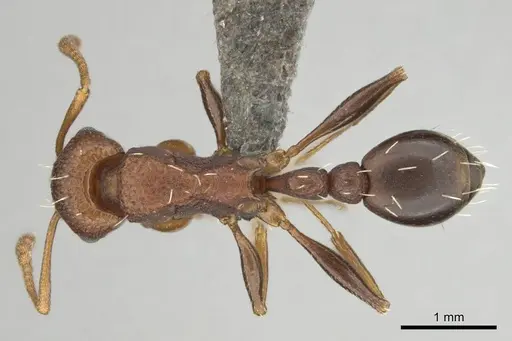
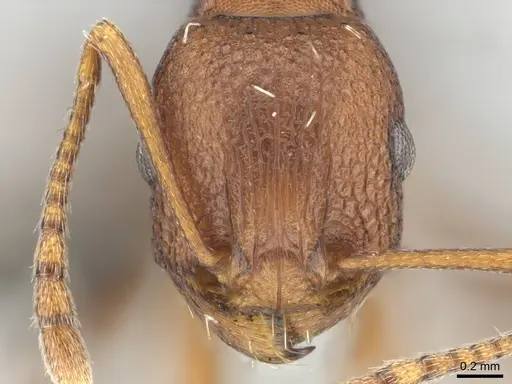
CASENT0253343
View on AntWeb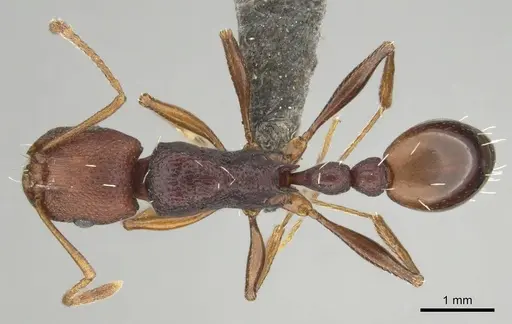
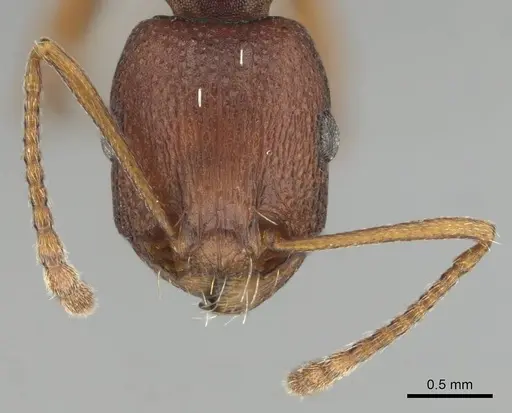
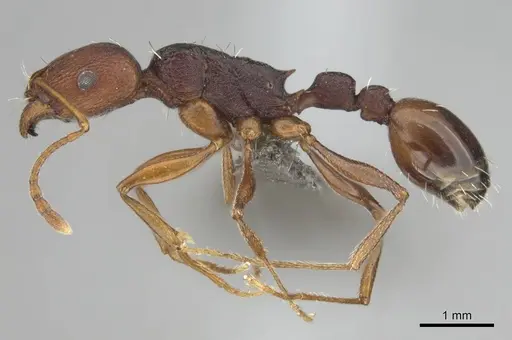
CASENT0253347
View on AntWeb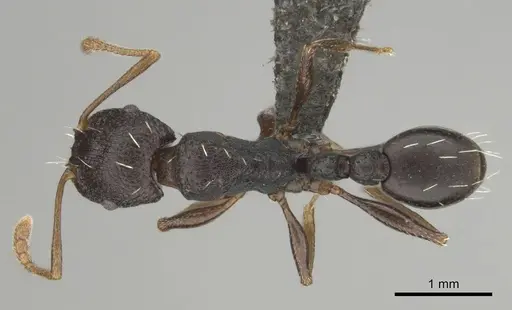
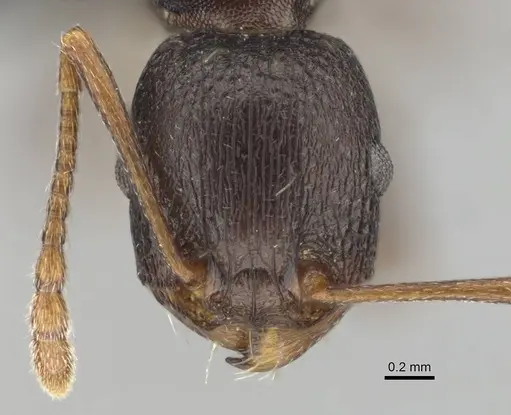
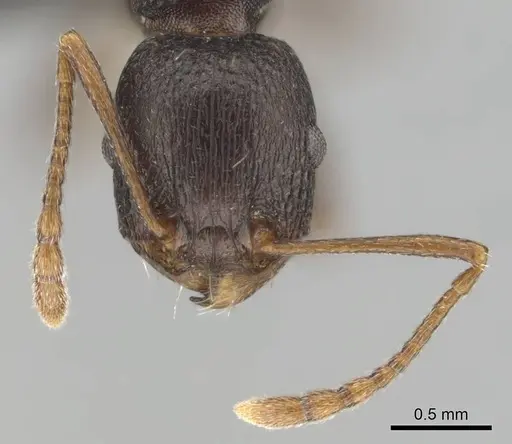
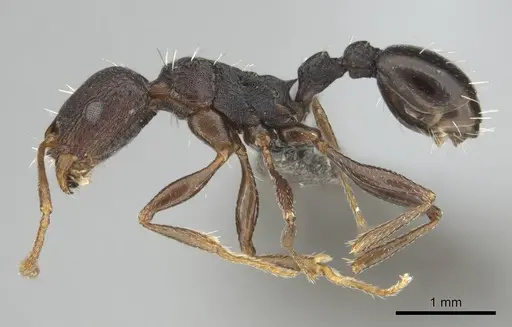
CASENT0253348
View on AntWeb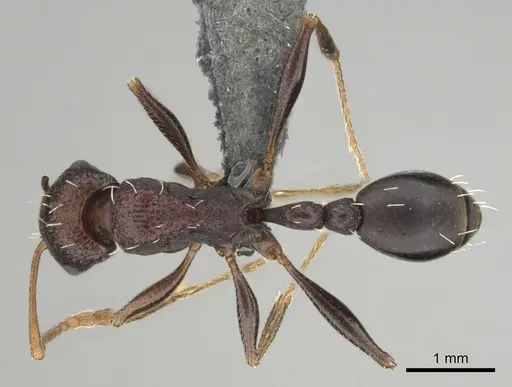
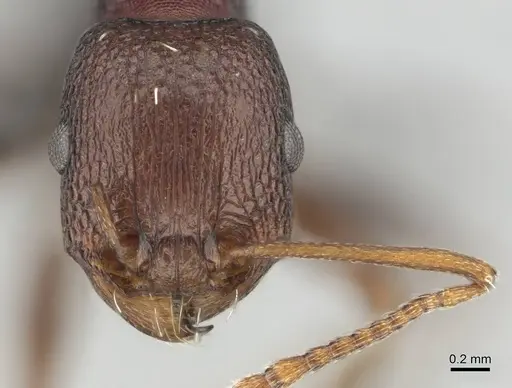
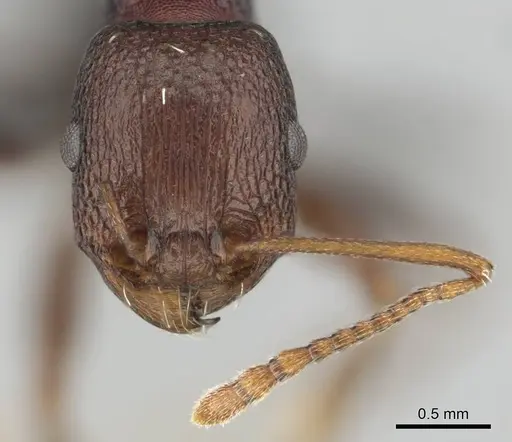
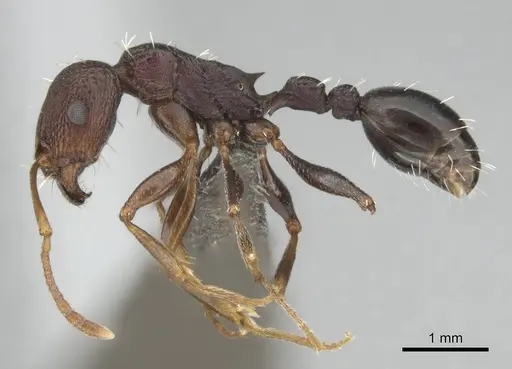
CASENT0255159
View on AntWeb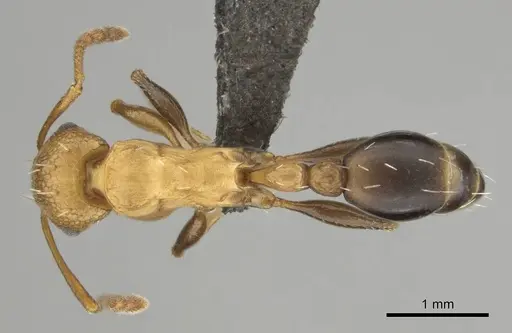
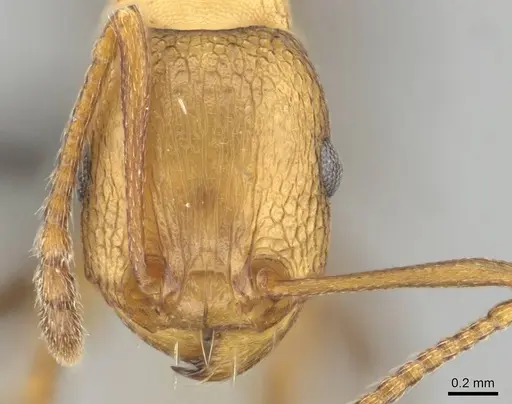
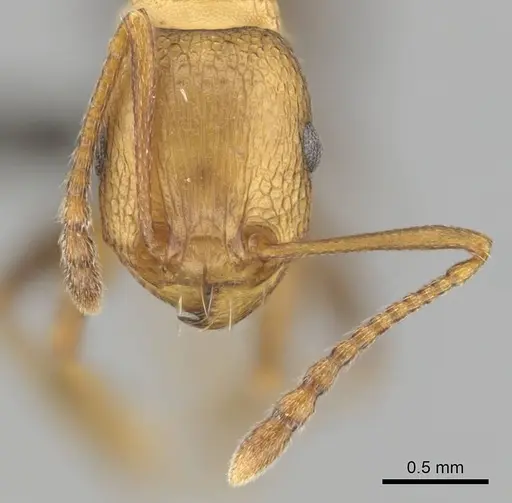
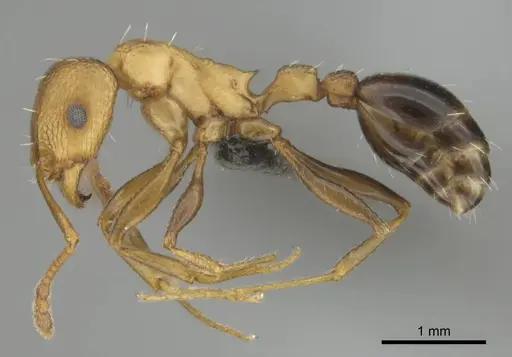
CASENT0264054
View on AntWeb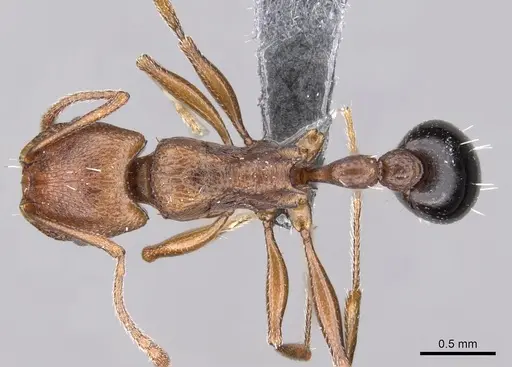
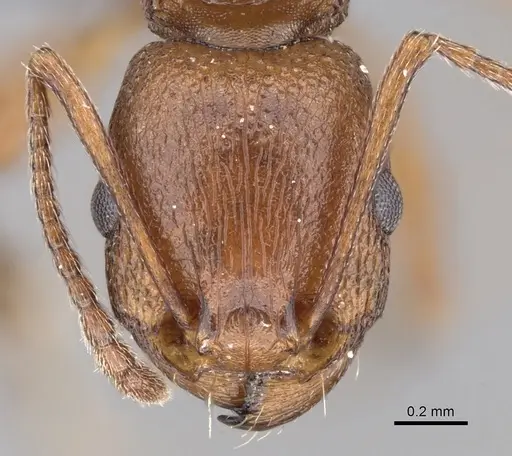
CASENT0280925
View on AntWeb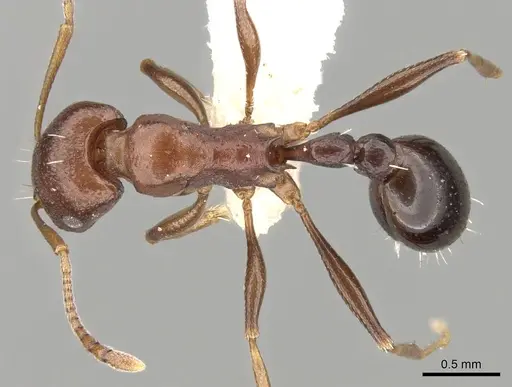
CASENT0785916
View on AntWeb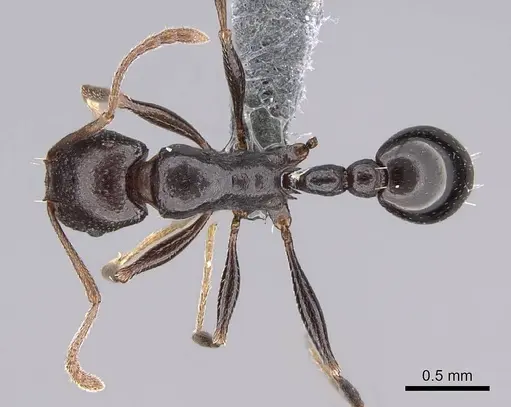
CASENT0901243
View on AntWeb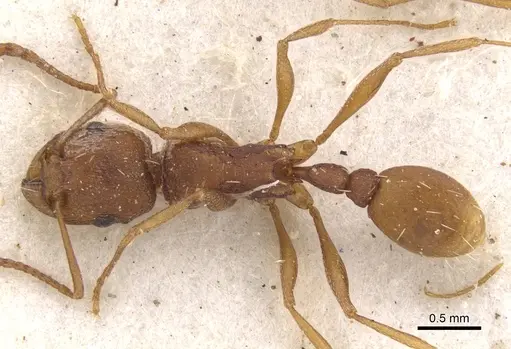
CASENT0901244
View on AntWeb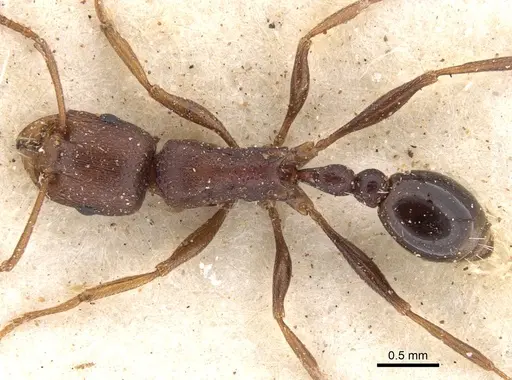
CASENT0901245
View on AntWeb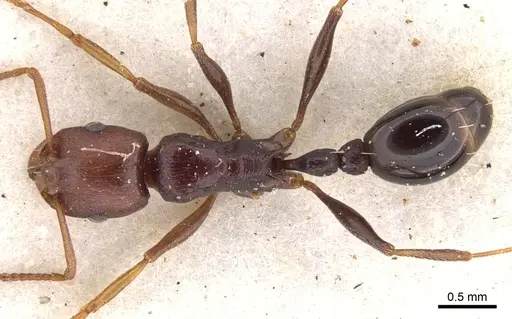
CASENT0904835
View on AntWeb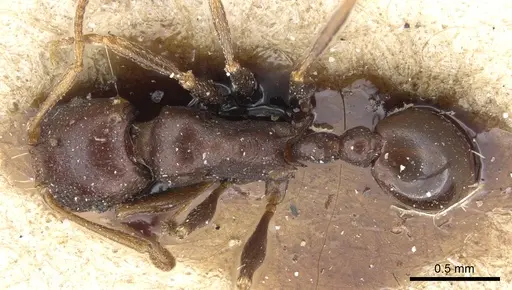
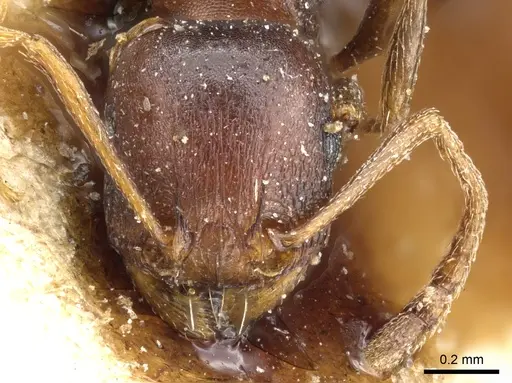
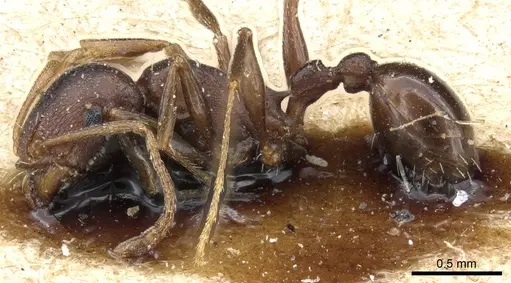
CASENT0904836
View on AntWeb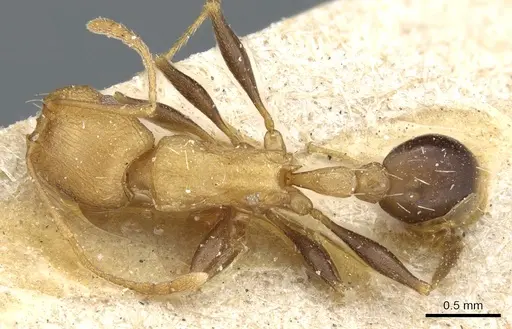
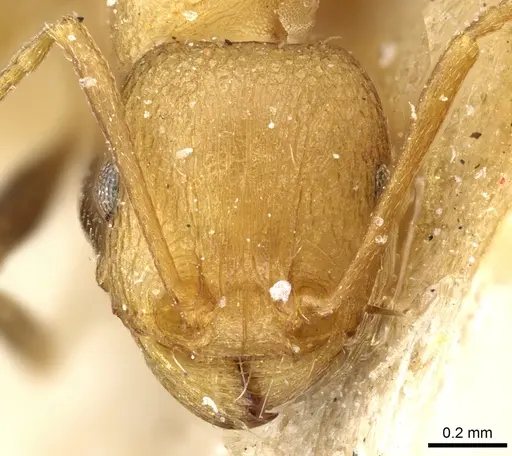
CASENT0906430
View on AntWeb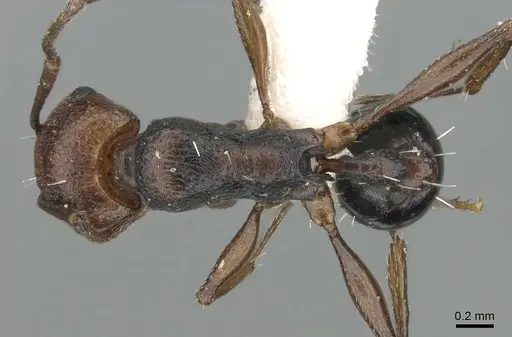
CASENT0909141
View on AntWeb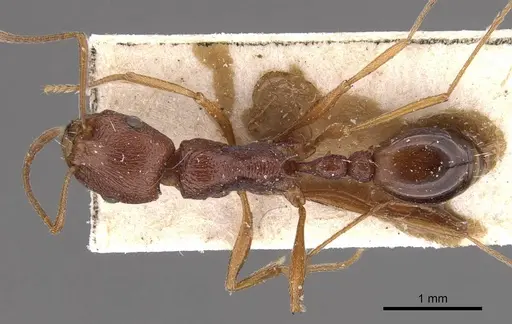
CASENT0909150
View on AntWeb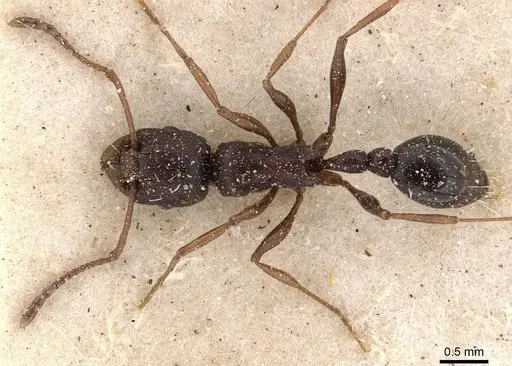
CASENT0909151
View on AntWeb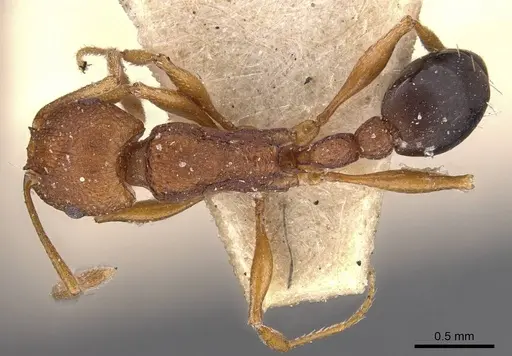
CASENT0909153
View on AntWeb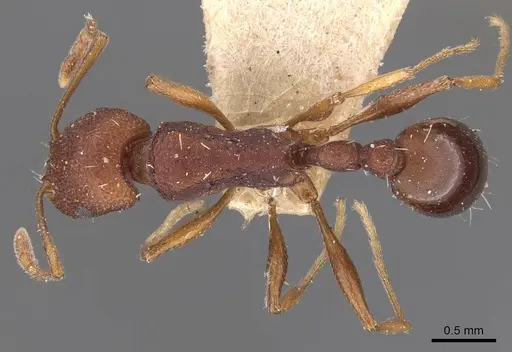
CASENT0915057
View on AntWeb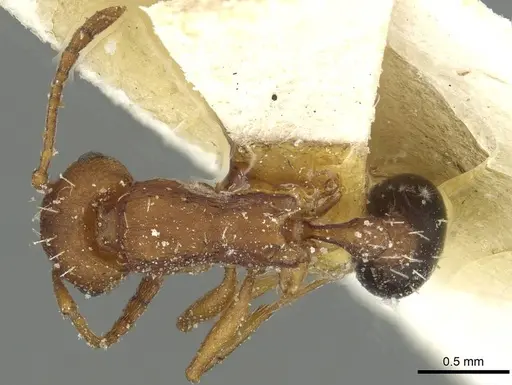
CASENT0915058
View on AntWeb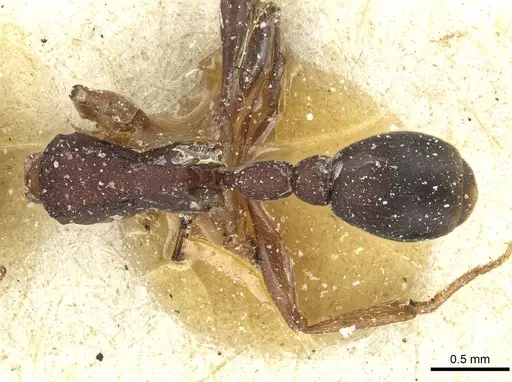
CASENT0915059
View on AntWeb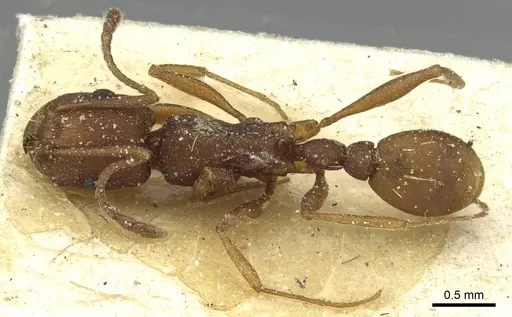
CASENT0915060
View on AntWeb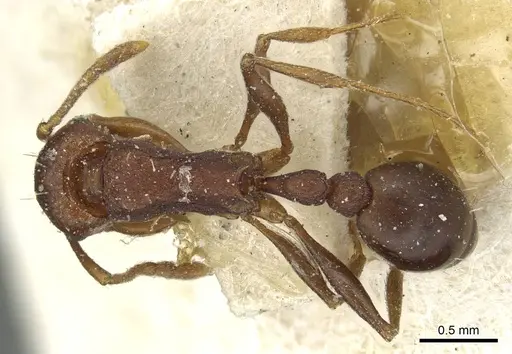
CASENT0915061
View on AntWeb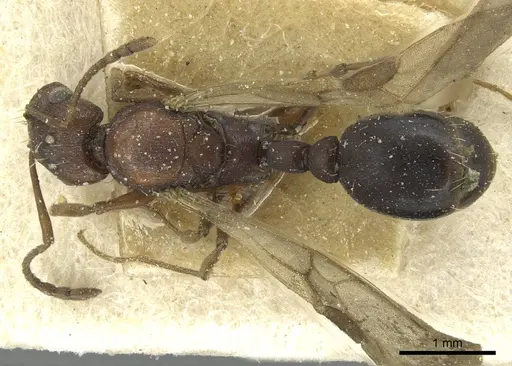
CASENT0915062
View on AntWeb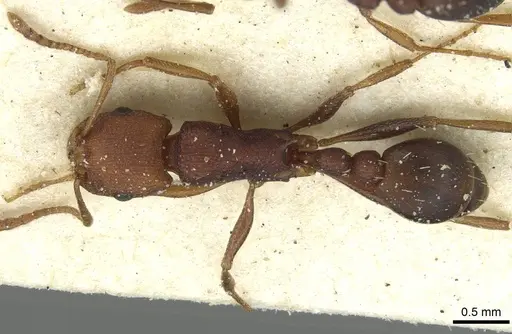
CASENT0915063
View on AntWeb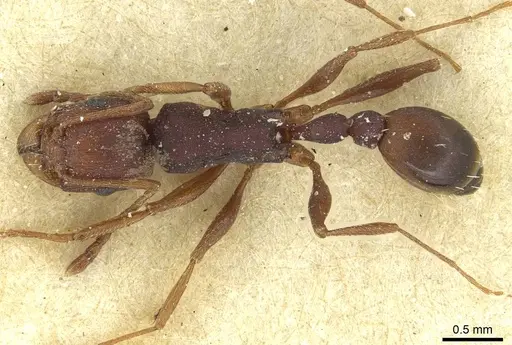
CASENT0915064
View on AntWeb
CASENT0915065
View on AntWeb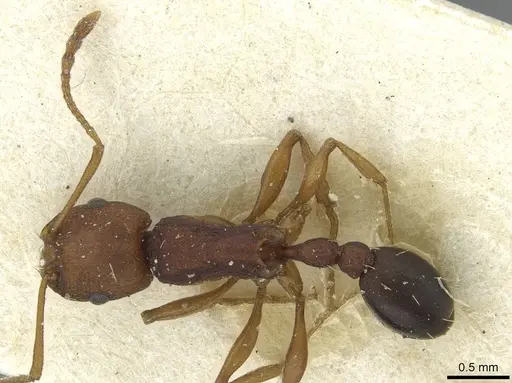
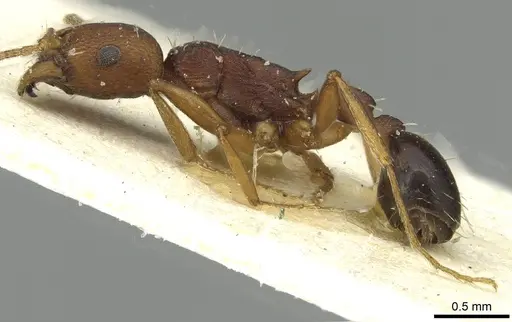
CASENT0915066
View on AntWeb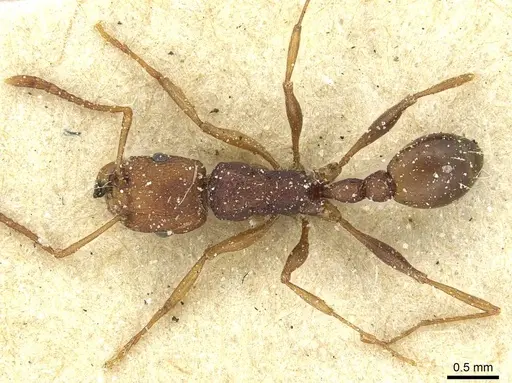
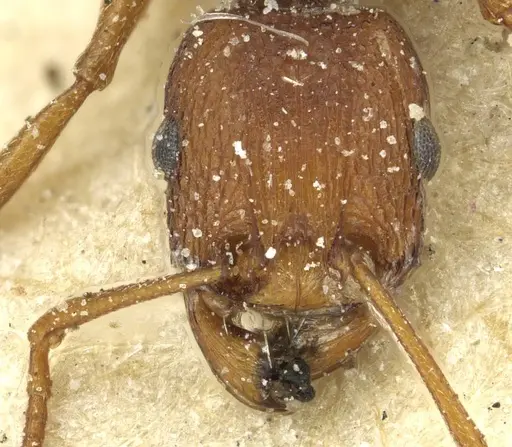
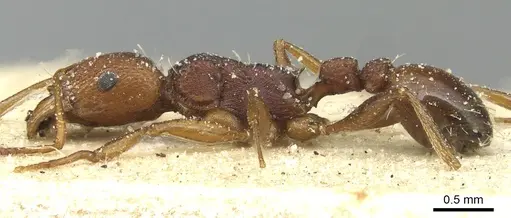
CASENT0915067
View on AntWeb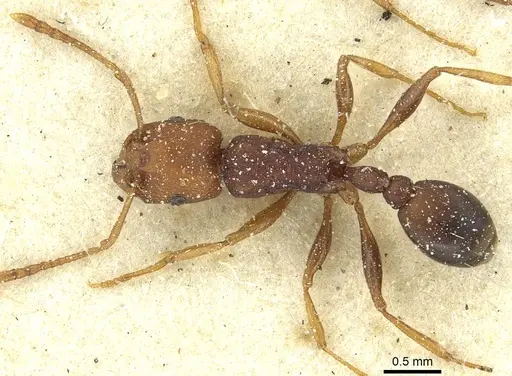
CASENT0915068
View on AntWeb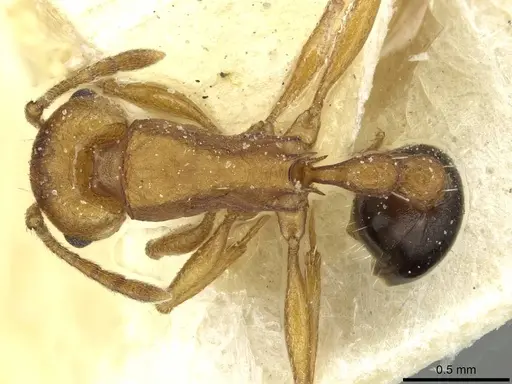
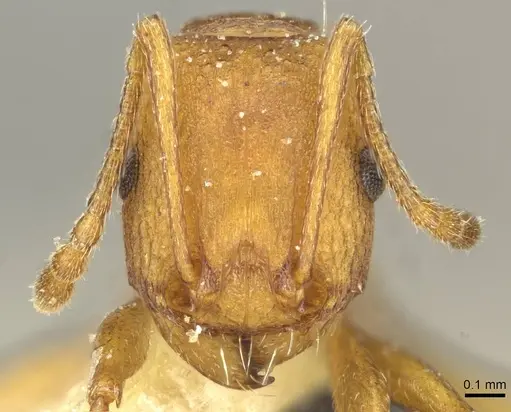
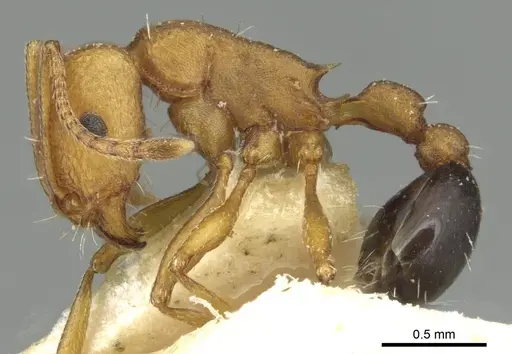
CASENT0915069
View on AntWeb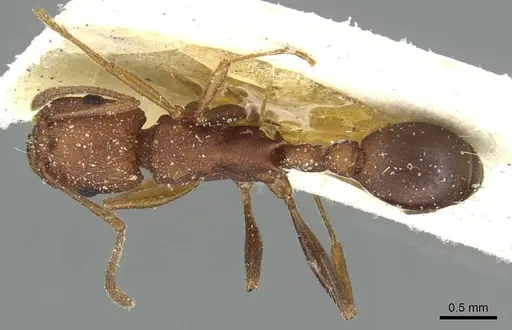
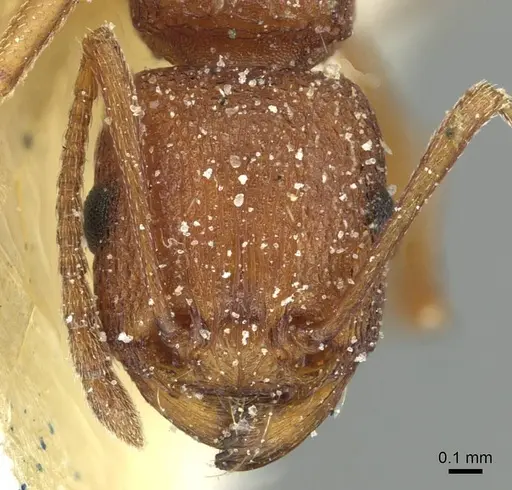
CASENT0915070
View on AntWeb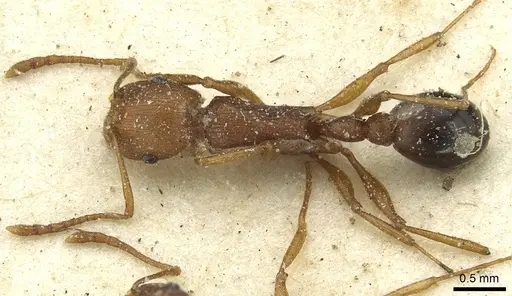
CASENT0915071
View on AntWeb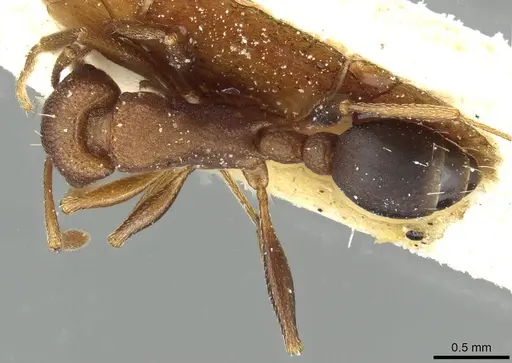
CASENT0915072
View on AntWeb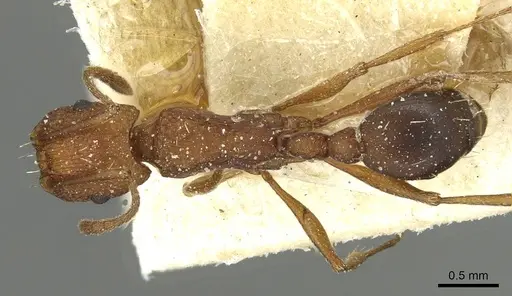
CASENT0915073
View on AntWeb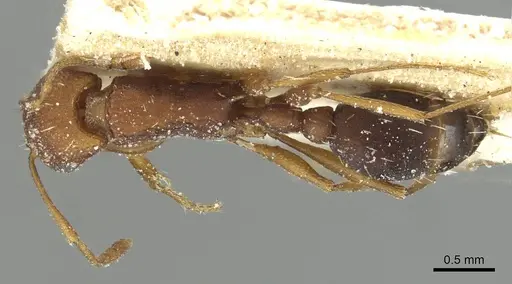
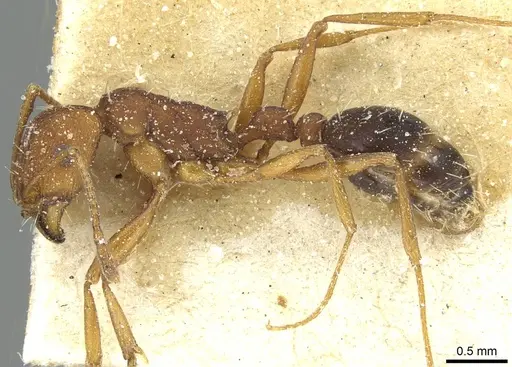
CASENT0915074
View on AntWeb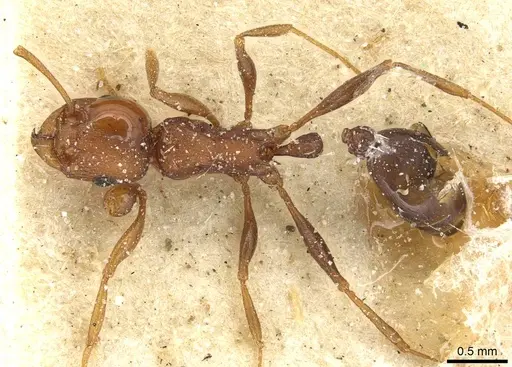
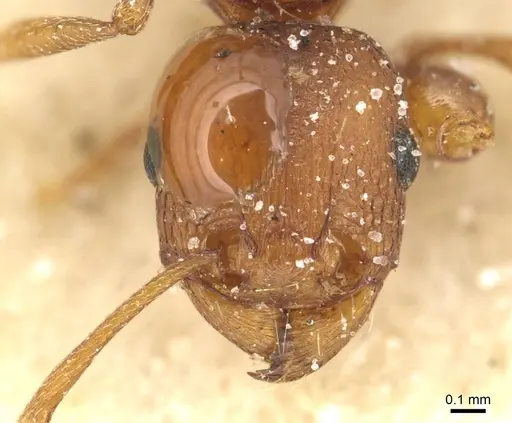
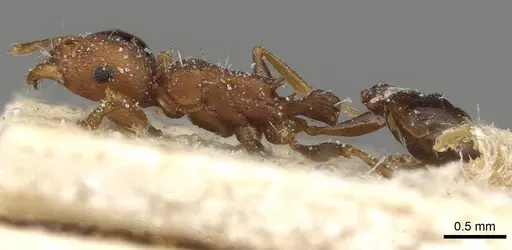
CASENT0915075
View on AntWeb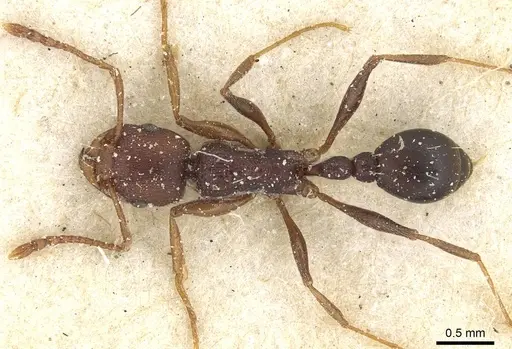
CASENT0915423
View on AntWeb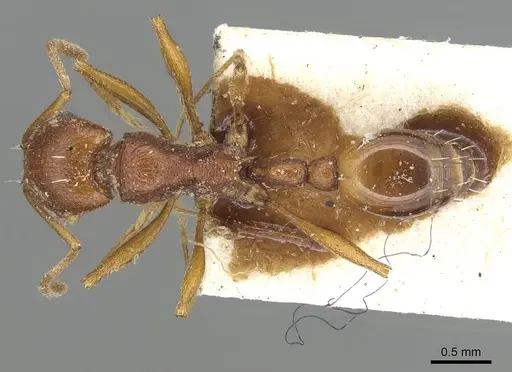
CASENT0917838
View on AntWeb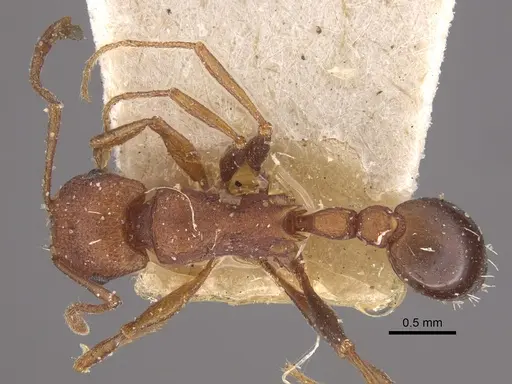
CASENT0922884
View on AntWeb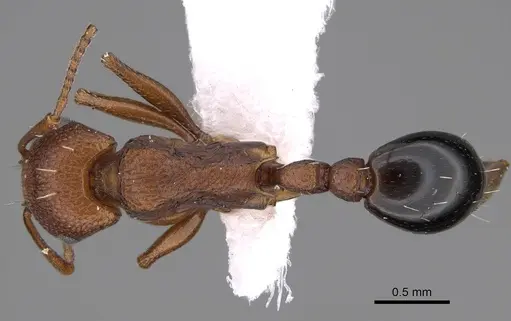
FOCOL2090
View on AntWeb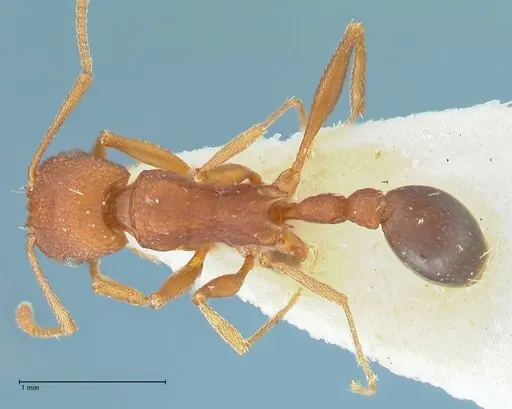
FOCOL2091
View on AntWeb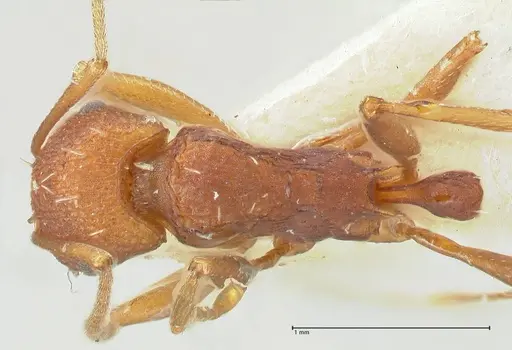
Literature
Loading distribution map...Loading products...