
Tetramorium scytalum
- Sci. Name
- Tetramorium scytalum
- Tribe
- Crematogastrini
- Subfamily
- Myrmicinae
- Author
- Bolton, 1979
- Distribution
- Found in 3 countries
Introduction
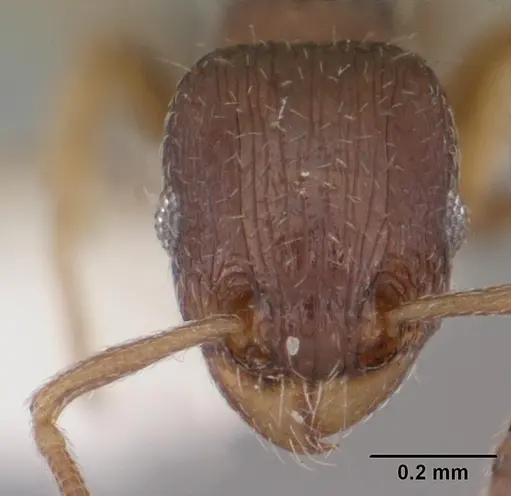
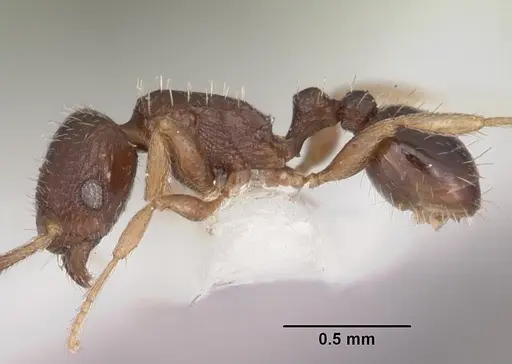
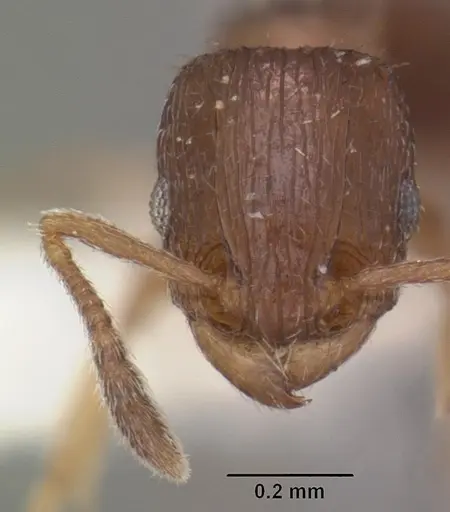
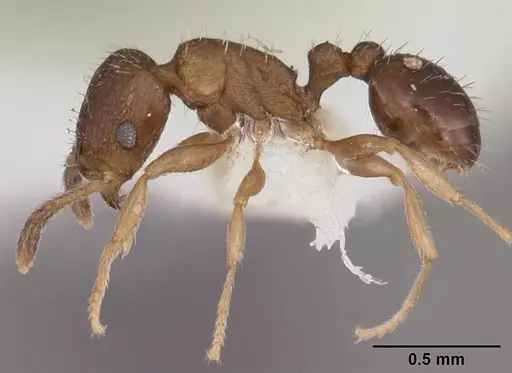
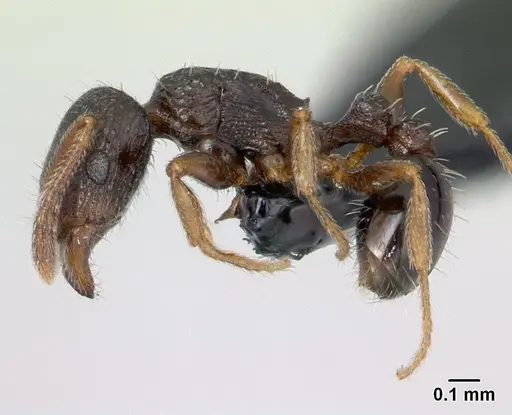
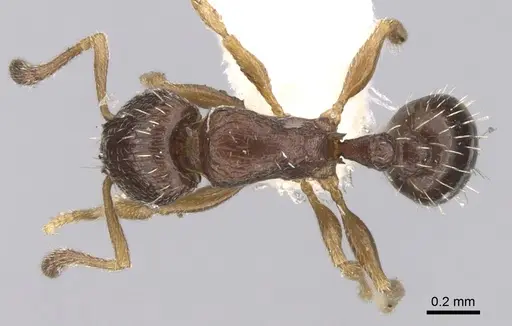
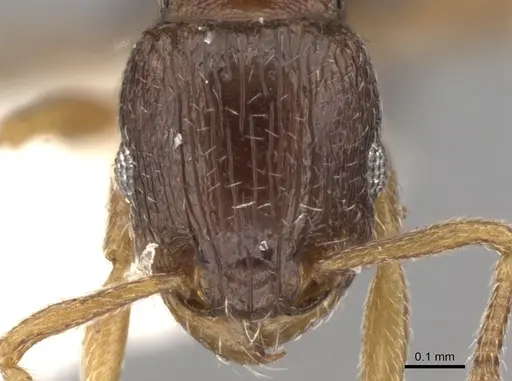
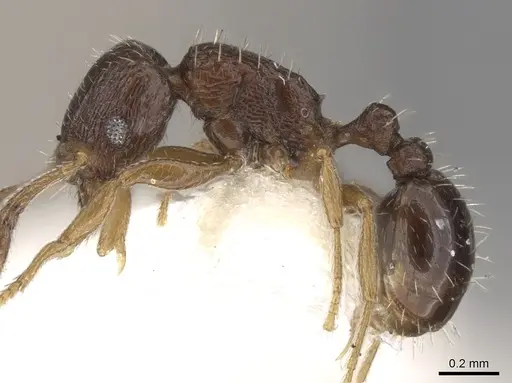
Tetramorium scytalum is a tiny ant from the Tetramorium simillimum group, first described by Bolton in 1979 . Workers are small, around 2-3 mm, with the typical Tetramorium look: a 12-segmented antenna ending in a 3-segmented club and a distinct petiole . It lives in the Malagasy region, Madagascar, Comoros, and Mayotte . In the wild, it's found in unburned grassland and tropical dry forest, which means it prefers warm, moderately dry habitats with natural ground cover . Given its tropical island home, it stays active all year and doesn't need hibernation.
Quick Summary
- Difficulty: Medium
- Origin & Habitat: Native to Madagascar, Comoros, and Mayotte [1]. Lives in unburned grassland and tropical dry deciduous forest [2][3].
- Colony Type: Probably monogyne (single queen) based on typical Tetramorium patterns, but not confirmed. Colony size is unknown, related species can have several hundred workers.
- Size & Growth:
- Queen: Unknown, no measurements exist. Based on related Tetramorium, queens are likely 5-7 mm.
- Worker: About 2-3 mm (inferred from genus patterns) [1].
- Colony: Unknown, likely up to several hundred workers based on related species.
- Growth: Moderate, typical for small Myrmicinae.
- Development: Not documented. Based on related Tetramorium, possibly 6-8 weeks at optimal temperature. (Species‑specific development data are unavailable, the estimate comes from genus‑level patterns.)
- Antkeeping:
- Temperature: Keep at 22-26°C year‑round. This tropical species doesn't handle cold well. A slight gradient helps workers regulate themselves.
- Humidity: Moderate humidity. Keep the nest substrate moist but not waterlogged. A dry zone in the outworld is fine, these ants come from dry forests and grasslands, so they don't need constant high moisture.
- Diapause: No, it's tropical. They stay active all year. A small temperature drop in winter (20-22°C) is okay but not required.
- Nesting: In the wild they nest in soil and leaf litter. In captivity, use a Y‑tong (AAC) nest with narrow chambers, or a naturalistic setup with moist soil. Test tubes work for founding. Keep chambers tight to prevent escapes.
- Behavior: Peaceful and not aggressive toward keepers. Workers forage actively on the ground. Defence: they have a modified spatulate stinger used to smear venom onto enemies (subfamily trait). They can bite but it's harmless. Because they're only 2-3 mm, escape prevention is critical, fine mesh (≤0.5 mm) and tight lids are a must.
- Common Issues: escape prevention is critical because ants can squeeze through gaps under 0.5 mm., tropical species needs year‑round warmth, cold stops development., overheating from direct heat sources can dry out the nest., colony may establish slowly, don't disturb the founding queen., wild colonies may carry parasites or pathogens, quarantine new colonies.
Housing and Nest Setup
Because these ants are tiny (2-3 mm), use a nest with small chambers, a Y‑tong (AAC) block with narrow tunnels works well. You can also use a naturalistic setup with moist soil. Test tubes are fine for founding colonies, once the colony outgrows them (maybe 30-50 workers), connect a formicarium. Escape prevention is the top priority: use fine mesh (≤0.5 mm) on vents and seal all gaps. They aren't good climbers, so horizontal gaps are the main risk. Provide an outworld for foraging with a water source and a dry area. [1]
Feeding and Diet
Like most Tetramorium, this species is a generalist scavenger. Offer protein in the form of small insects, fruit flies, pinhead crickets, or pieces of mealworm. Add sugar sources like honey water or sugar water. In the wild they probably also tend aphids for honeydew. Feed small amounts every 2-3 days and remove leftovers to avoid mould. Because they're small, even tiny prey items are enough. Watch which foods they prefer, some colonies like protein more or less.
Temperature and Seasonal Care
Keep temperatures at 22-26°C all year. This tropical species doesn't need a winter diapause. If you live in a cold climate, use a heating cable on the side of the nest (not underneath) to keep warmth without drying the nest out. Avoid sudden drops below 20°C, they can slow or stop growth. A slight gradient lets the ants choose their comfort zone. In winter you can let the temperature drop to 20-22°C without problems, but they don't require it. [2][3]
Colony Establishment
The founding queen likely seals herself in a chamber (claustral founding). She lives off her fat reserves until the first workers (nanitics) appear. This process can take 4-8 weeks at 22-26°C (estimated from related Tetramorium). Don't disturb her during this time, no light, no vibration. Once the first workers arrive, start offering small amounts of sugar water and tiny protein. Growth is moderate, you might see 10-20 workers in the first few months, then gradually more. Patience is important, stressing the queen can kill the colony.
Behavior and Temperament
Tetramorium scytalum is calm and non‑aggressive toward keepers. Workers forage actively on the ground. Their main defence is a smear‑type venom, they have a flattened, spatulate stinger used to wipe venom onto enemies rather than stab. They can bite but it's harmless to humans. The main challenge is their small size: they can slip through tiny gaps, so escape prevention is essential. Check barriers regularly.
Frequently Asked Questions
How long does it take for Tetramorium scytalum to produce first workers?
Not specifically known. Based on related Tetramorium species, at 22-26°C it likely takes 6-8 weeks from egg to worker. The queen stays sealed during this time.
What do Tetramorium scytalum ants eat?
They are generalist foragers. Offer small protein sources like fruit flies, pinhead crickets, or tiny mealworms, plus sugar water or honey water. Feed every 2-3 days and remove leftovers to prevent mold.
Can I keep multiple Tetramorium scytalum queens together?
Probably not, most Tetramorium are monogyne. There's no data for this species, so combining queens is likely to cause aggression.
Do Tetramorium scytalum ants sting?
They don't sting in the usual way. Instead they have a modified spatulate stinger used to smear venom onto enemies. The venom is not dangerous to humans, they can bite but it's very mild.
What temperature do Tetramorium scytalum need?
Keep them at 22-26°C year-round. They are tropical and can't tolerate cold. A gentle temperature gradient helps the ants choose their preferred zone.
Are Tetramorium scytalum good for beginners?
Rated medium difficulty. They are calm and easy to feed, but their tiny size requires excellent escape prevention, and they need consistent warmth. Some experience with ants is helpful.
How big do Tetramorium scytalum colonies get?
Not documented. Based on related Tetramorium, they probably reach several hundred workers over a few years.
Do Tetramorium scytalum need hibernation?
No, they are tropical and stay active all year. A slight temperature drop in winter (to 20-22°C) is fine but not needed.
When should I move Tetramorium scytalum to a formicarium?
Keep them in a test tube or small container during founding. Once they have 30-50 workers and you're feeding regularly, you can connect a Y‑tong or soil nest. Make sure the new setup holds humidity well.
Why are my Tetramorium scytalum escaping?
They are tiny (2-3 mm) and can squeeze through gaps smaller than 1 mm. Check all connections, use fine mesh (0.5 mm or less) on vents, seal tube holes with cotton, and ensure lids close tight. Even small cracks around tubing are enough.
Report an Issue
The current care sheet is based fully on literature. See inconsistencies, or something that's incorrect? Please , it will be resolved after review from an admin. Contributing to the blogs tab also helps providing information, to make us be able to further improve the caresheets. Thank you for your support!
References

This caresheet is licensed under CC BY-SA 4.0 .
Community Blogs
CASENT0102336
View on AntWeb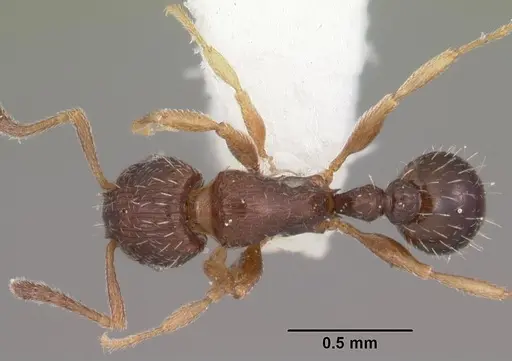
CASENT0102337
View on AntWeb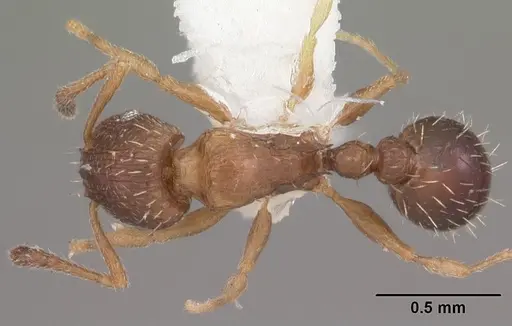
CASENT0132848
View on AntWeb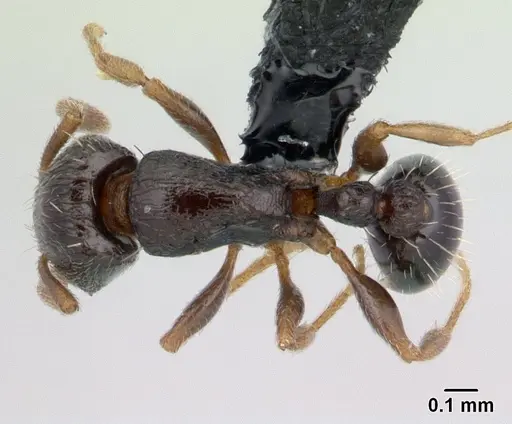
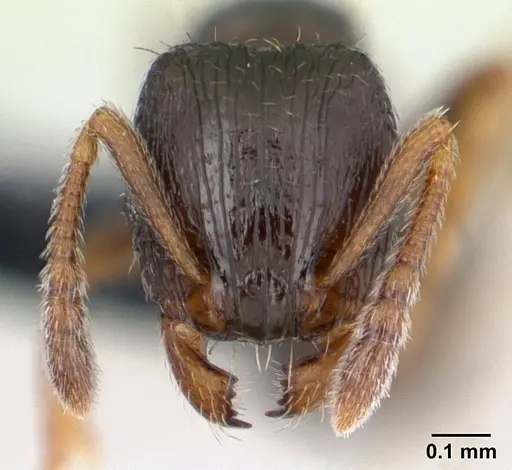
CASENT0906145
View on AntWeb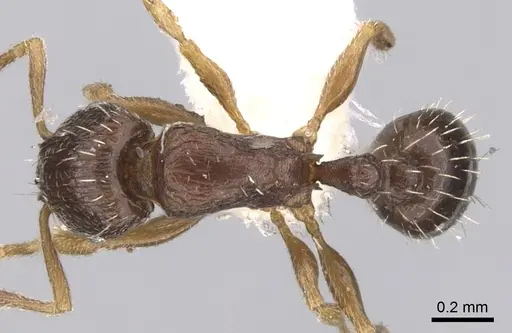
Literature
Loading distribution map...Loading products...