
Tetramorium schaufussii
- Sci. Name
- Tetramorium schaufussii
- Tribe
- Crematogastrini
- Subfamily
- Myrmicinae
- Author
- Forel, 1891
- Distribution
- Found in 1 countries
Introduction
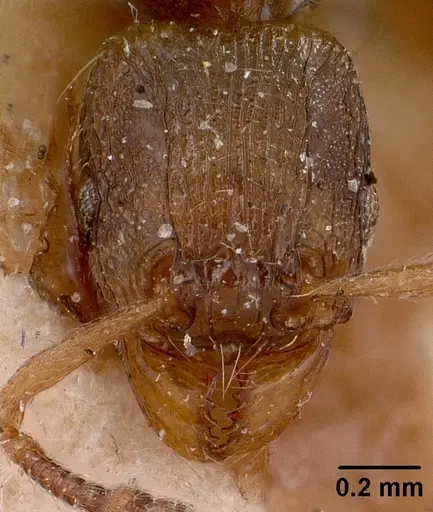
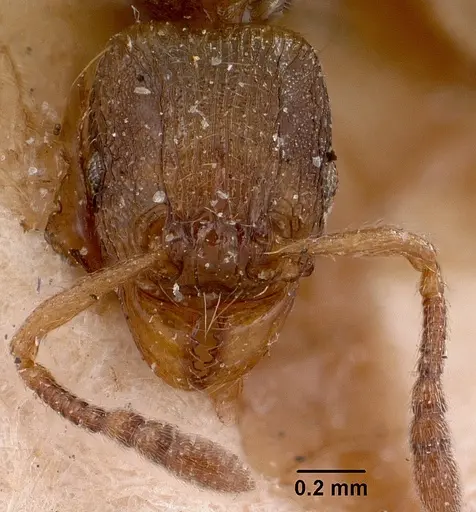
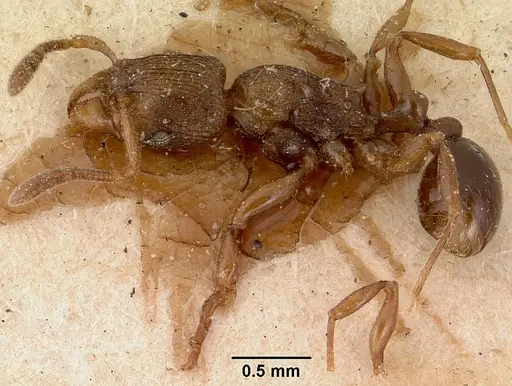
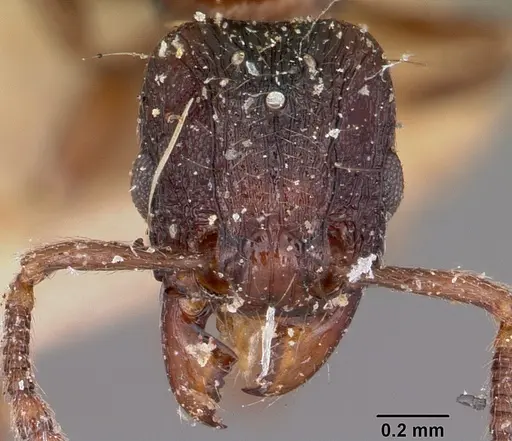
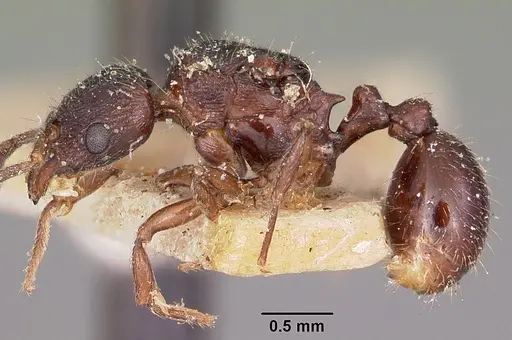
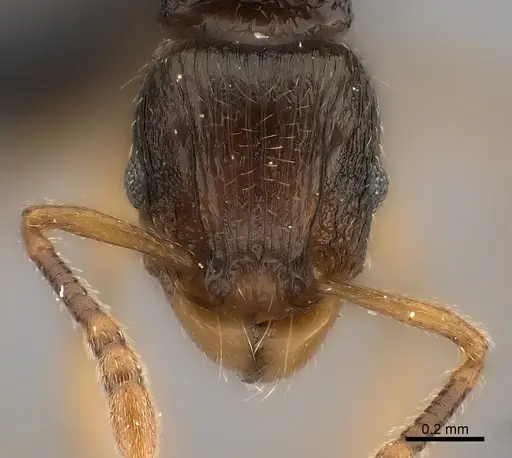
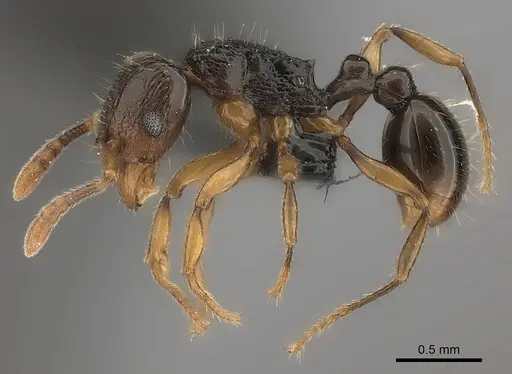
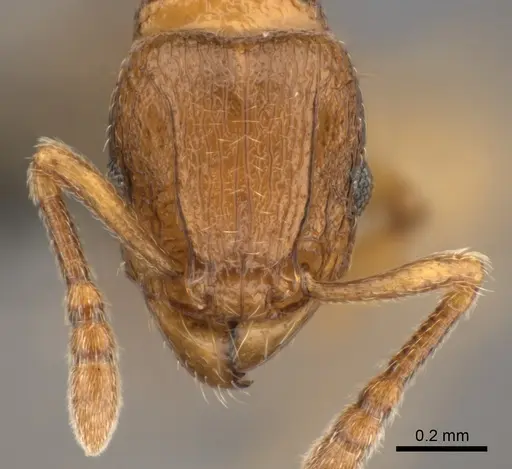
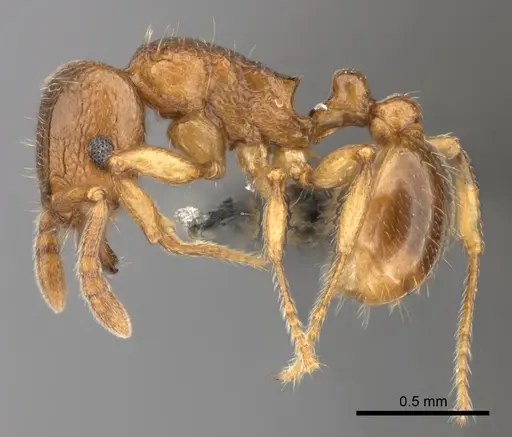
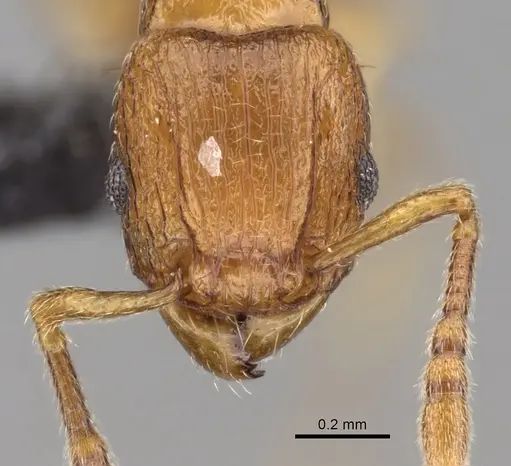
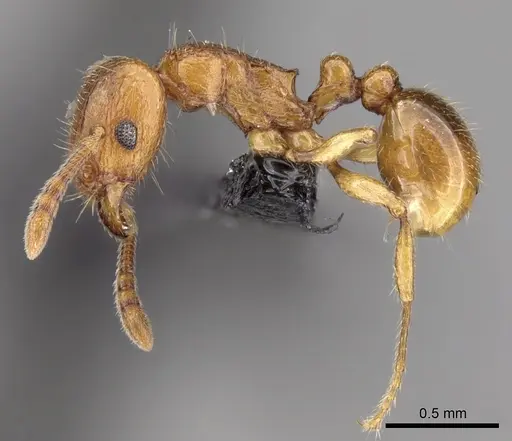
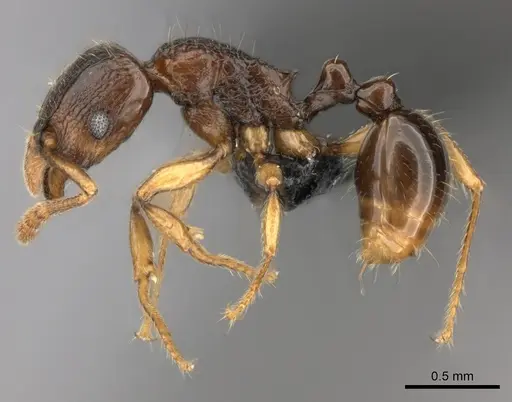
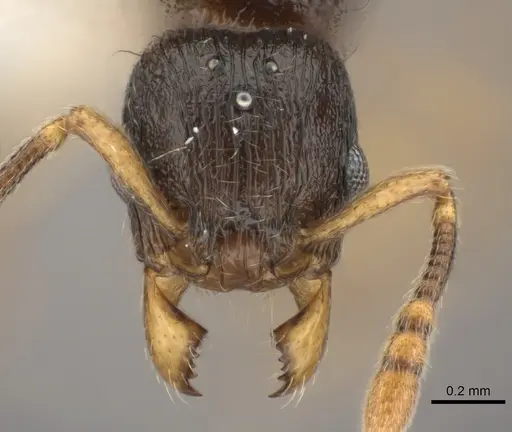
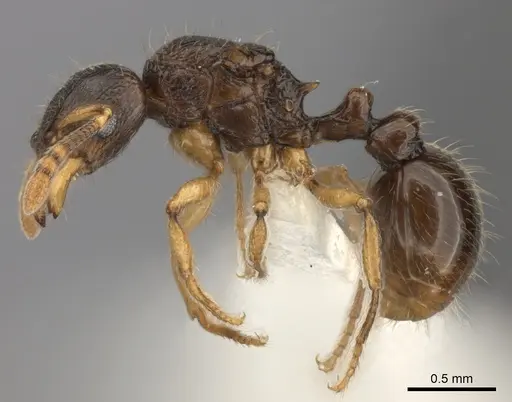
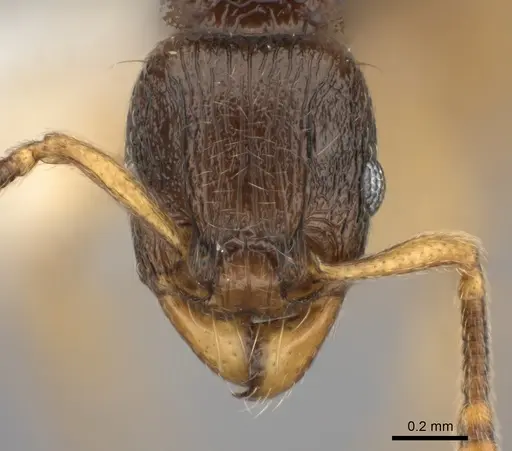
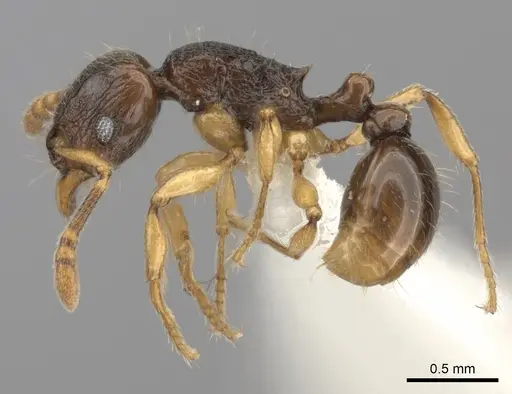
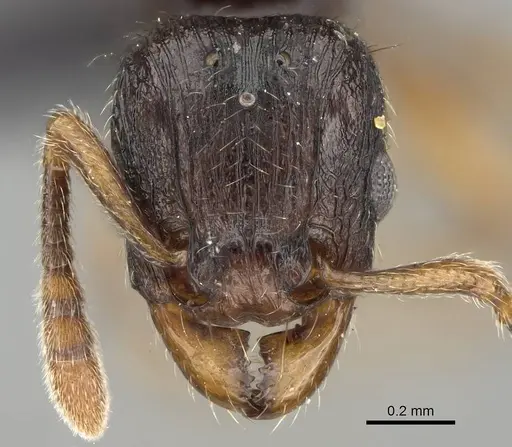
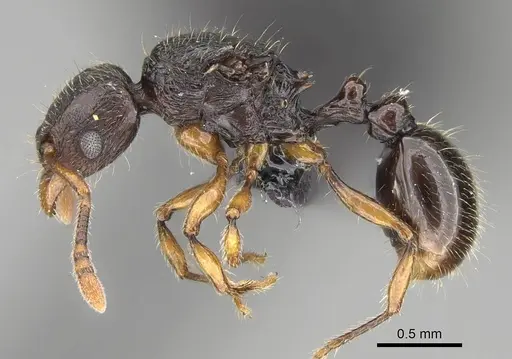
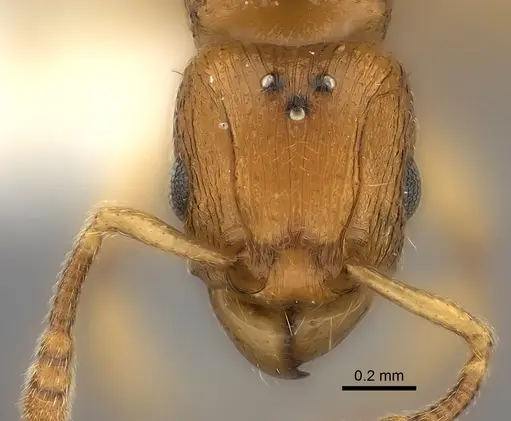
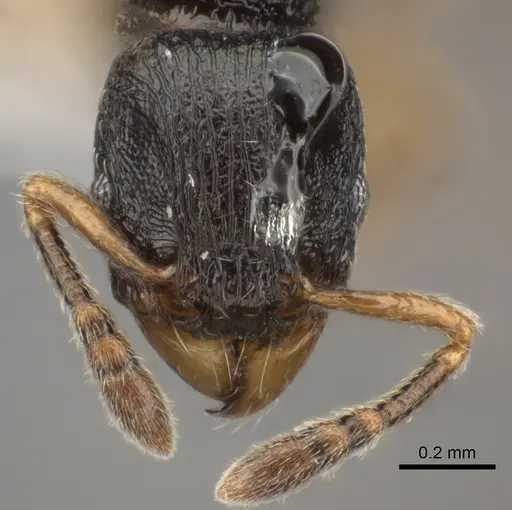
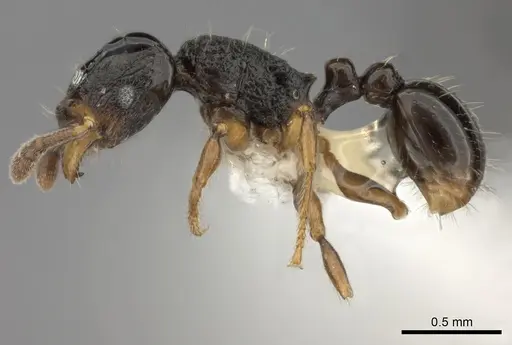
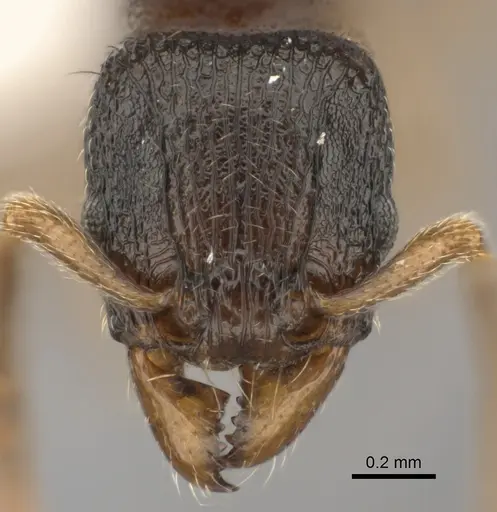
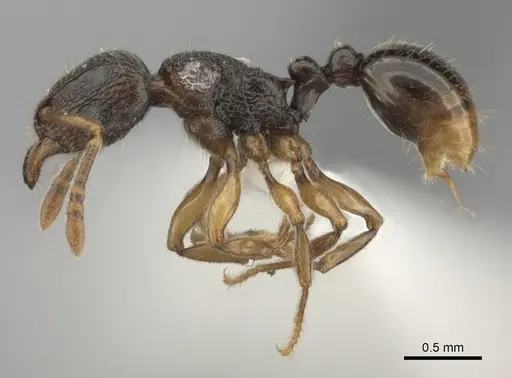
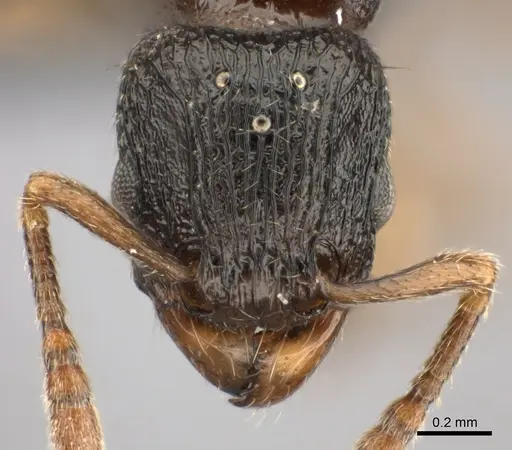
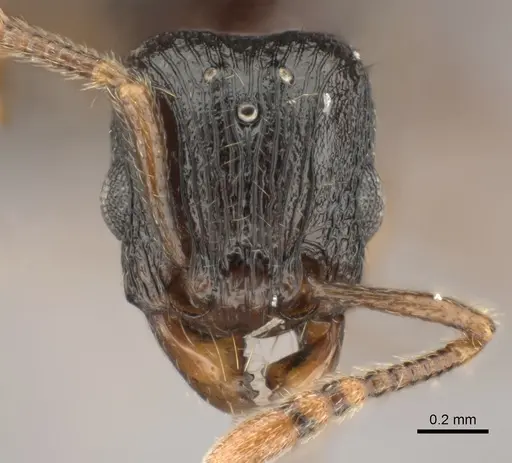
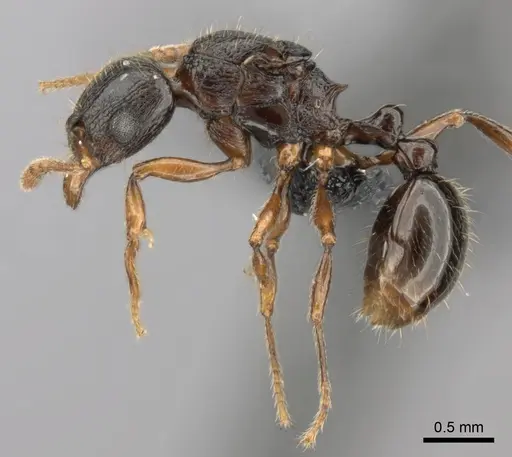
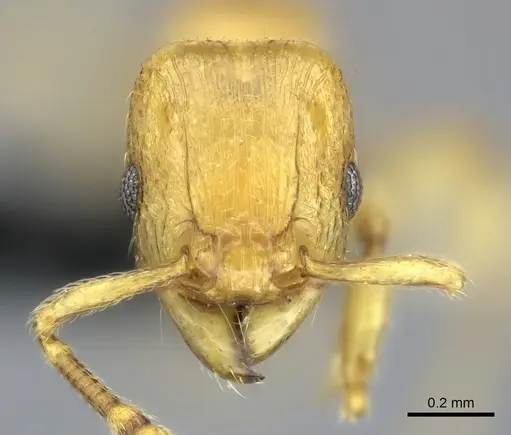
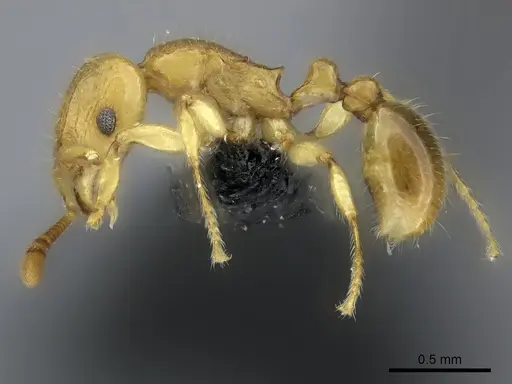
Tetramorium schaufussii is a small, ground-dwelling ant native to Madagascar. Workers are around 2.5-3.5mm in total length (estimated from related species) and show huge color variation - from light yellowish-brown to almost black, often with lighter legs and antennae. They have a long, narrow head, short antennae, and moderately large eyes. The waist segments (petiole and postpetiole) have long, standing hairs, and the propodeum lacks them - a key ID feature. This species lives in the leaf litter layer of rainforests and montane rainforests at elevations from 210 to 1875 meters, most often above 1000m . The most unusual thing about Tetramorium schaufussii is that it's the most widespread, common, and abundant species of the T. schaufussii complex - and also the most variable in color, size, and morphology. It co-occurs with all other members of the complex across Madagascar. There is also a questionable old record from Réunion island, but no modern collections confirm it there .
Quick Summary
- Difficulty: Medium
- Origin & Habitat: Madagascar, found throughout humid forest zones from southeast to north of the island, in rainforests and montane rainforests at elevations of 210-1875m, most commonly above 1000m [1][2]
- Colony Type: Likely monogyne (single queen colony) based on typical Tetramorium patterns, but not confirmed. Colony structure has not been directly studied [1][2].
- Size & Growth:
- Queen: Size data unavailable, queens have been described (Forel 1892) but body measurements were not recorded. Estimated 5-7mm based on related Tetramorium species [1][2].
- Worker: Approximately 2.5-3.5mm (estimated from mesosomal length 0.70-0.93mm and typical body proportions) [1]
- Colony: Likely several hundred workers at maturity (estimated from related Tetramorium species) [1]
- Growth: Moderate, based on typical Tetramorium development patterns
- Development: Approximately 6-8 weeks at optimal temperature (estimated based on related tropical Tetramorium species, not directly studied for T. schaufussii) (Development time is estimated from related species. Specific timing for T. schaufussii has not been directly studied.)
- Antkeeping:
- Temperature: Keep at 22-26°C. As a tropical species from montane rainforests, they prefer warm, stable conditions. A gentle temperature gradient allows workers to self-regulate. Avoid prolonged exposure below 20°C [2].
- Humidity: High humidity is essential, keep the nest substrate consistently moist but not waterlogged. They naturally live in damp rainforest leaf litter. Provide a water tube for drinking access. Inadequate humidity is a common cause of colony failure [2].
- Diapause: Unlikely to require true hibernation, as a tropical species from Madagascar, they do not experience cold winters. A slight reduction in temperature during cooler months may be appropriate but full diapause is not necessary [2].
- Nesting: Y-tong (AAC) nests or plaster nests work well for this small species. They need tight chambers scaled to their tiny workers. A naturalistic setup with moist soil and leaf litter mimics their leaf litter habitat. Avoid dry conditions [2].
- Behavior: Tetramorium schaufussii is a ground-nesting species that forages in the leaf litter layer. Workers are active and will explore their environment in search of food. They are not particularly aggressive toward keepers but will defend their nest if threatened. Their defense mechanism involves smearing venom onto enemies with a modified sting tip, rather than stinging (typical for the tribe Crematogastrini). Their tiny size means they can squeeze through very small gaps, excellent escape prevention is critical [1][2].
- Common Issues: escape prevention is critical due to their very small size, use fine mesh and tight-fitting lids, high humidity requirements can lead to mold issues if ventilation is inadequate, tropical species may weaken if temperatures drop below 20°C for extended periods, wild-caught colonies may carry parasites that can cause colony failure in captivity, disturbing the nest too often can stress the colony, especially during founding
Housing and Nest Setup
For Tetramorium schaufussii, a Y-tong (AAC) nest or plaster formicarium works best given their small size and humidity needs. Keep chambers tight and narrow, scaled to their tiny workers (roughly 2.5-3.5mm). A naturalistic setup with moist soil and leaf litter pieces helps replicate their leaf litter habitat. Make sure the water section is sized appropriately, too much water can flood the nest. Provide a separate outworld for foraging with a shallow water dish. Escape prevention is critical because these tiny ants can squeeze through remarkably small gaps. Use fluon on container rims and fine mesh for any ventilation openings [2].
Feeding and Diet
In the wild, Tetramorium species typically feed on small insects, honeydew, and other protein sources. For captive colonies, offer a varied diet including small live prey like fruit flies, pinhead crickets, and tiny mealworms. Sugar water or honey should be provided regularly as an energy source. Feed protein prey 2-3 times per week, adjusting based on colony size. Remove any uneaten prey after 24 hours to prevent mold. Because these ants are small, prey items must be appropriately sized, avoid offering anything larger than the workers. A constant sugar source (honey water in a test tube with a cotton wick) is recommended [2].
Temperature and Seasonal Care
Keep temperatures between 22-26°C for optimal colony health. As a tropical species from Madagascar, they do not require hibernation but may benefit from slight seasonal temperature variations. Room temperature within this range is typically fine. If your space runs cooler, use a heating cable on one side of the nest to create a gentle gradient, place it on top of the nest rather than underneath to avoid excessive drying. Monitor colony activity: if workers cluster near the heated area, the temperature is appropriate, if they avoid it, reduce heat. Avoid temperatures below 20°C for extended periods as this can weaken or kill the colony [2].
Colony Founding and Growth
Founding behavior has not been directly studied for Tetramorium schaufussii. Based on typical Tetramorium patterns, queens likely found claustrally, sealing themselves into a small chamber and raising their first brood on stored body reserves. The founding chamber should be small, dark, and humid. After the first workers (nanitics) emerge, usually smaller than mature workers, the colony will begin foraging. Growth rate is moderate, expect several months before the colony reaches double digits, and a year or more to reach 50+ workers. Be patient and avoid disturbing the nest during founding. Once established, they are relatively hardy but consistent conditions are key. Colony size at maturity likely reaches several hundred workers based on related species [1][2].
Behavior and Temperament
These ants are active foragers that readily search for food in the outworld. They are not particularly aggressive toward keepers but will defend their nest if threatened. Their defense mechanism involves smearing venom onto enemies with a modified, flattened sting tip (typical for the tribe Crematogastrini), rather than piercing sting. The small worker size means they are excellent climbers and can ascend smooth surfaces, making escape prevention a constant concern. Colonies are generally peaceful, you can observe them interacting with their environment without major aggression. Their natural behavior involves patrolling the leaf litter, so providing leaf litter and other enrichment in the outworld encourages natural foraging [1][2].
Frequently Asked Questions
How long does it take for Tetramorium schaufussii to produce first workers?
From egg to first worker typically takes 6-8 weeks at optimal temperature (22-26°C). This is an estimate based on related Tetramorium species, specific development timing for T. schaufussii has not been directly studied. The first workers (nanitics) are usually smaller than mature workers [1][2].
Can I keep Tetramorium schaufussii in a test tube setup?
Yes, a test tube setup works for founding and small established colonies. Use a small test tube with a water reservoir sealed with cotton. Keep the tube horizontal or at a slight angle so ants can access water. For larger colonies, transition to a Y-tong or plaster nest that can better maintain humidity. Ensure excellent escape prevention, these tiny ants can squeeze through very small gaps [2].
Do Tetramorium schaufussii ants sting?
They have a functional sting, but their defense mechanism is more of a venom smear than a piercing sting. Their sting tip is modified, flattened, and spatulate, they wipe venom onto enemies rather than injecting it. The sensation is typically mild for humans and not considered dangerous [2].
What temperature do Tetramorium schaufussii need?
Keep them at 22-26°C. This tropical species from Madagascar prefers warm, stable conditions. A slight gradient allowing workers to choose their preferred temperature is ideal. Avoid temperatures below 20°C for extended periods [2].
How big do Tetramorium schaufussii colonies get?
Based on related species, colonies likely reach several hundred workers at maturity. This is a moderate colony size. Growth is moderate, expect 6-12 months to reach 50+ workers under good conditions [1][2].
Are Tetramorium schaufussii good for beginners?
This species is rated medium difficulty. While not the easiest species, they are manageable for keepers with some experience. The main challenges are maintaining high humidity, preventing escapes due to their tiny size, and providing appropriate small prey. Beginners should ensure they can meet the humidity and temperature requirements before acquiring this species [2].
Do Tetramorium schaufussii need hibernation?
No, they do not require true hibernation. As a tropical species from Madagascar, they do not experience cold winters. A slight reduction in temperature during cooler months may be appropriate to simulate seasonal changes, but full diapause is not necessary. Keep temperatures in the 18-22°C range during cooler months rather than allowing them to truly cool down [2].
Why are my Tetramorium schaufussii escaping?
Their small size (roughly 2.5-3.5mm workers) means they can squeeze through remarkably small gaps. Use fluon on all rims, fine mesh for ventilation, and check for any cracks or seams in your setup. Even a tiny gap that seems too small for an ant is often not small enough. Inspect your formicarium and outworld container regularly for potential escape routes [2].
What do Tetramorium schaufussii eat?
They accept small live prey (fruit flies, pinhead crickets, small mealworms), dead insects, and sugar sources (honey water, sugar water). Feed protein prey 2-3 times per week and provide constant access to sugar water. Remove uneaten prey after 24 hours. All prey must be appropriately sized for their tiny workers [2].
When should I move my colony to a formicarium?
Move from a test tube to a proper nest (Y-tong, plaster, or naturalistic setup) when the colony reaches around 30-50 workers and the test tube is becoming crowded. Make sure the new setup can maintain proper humidity, these ants need damp conditions. Allow the colony to acclimate before disturbing them further [2].
Can I keep multiple Tetramorium schaufussii queens together?
This species is likely monogyne (single queen colony) based on typical Tetramorium patterns, so combining unrelated queens is not recommended. This has not been confirmed by research. Introducing multiple foundresses would likely result in fighting [1][2].
What humidity level do Tetramorium schaufussii need?
High humidity is essential, keep the nest substrate consistently moist but not waterlogged. These ants naturally live in damp rainforest leaf litter. A water tube provides drinking access. Inadequate humidity is one of the most common causes of colony failure in this species [2].
Report an Issue
The current care sheet is based fully on literature. See inconsistencies, or something that's incorrect? Please , it will be resolved after review from an admin. Contributing to the blogs tab also helps providing information, to make us be able to further improve the caresheets. Thank you for your support!
References

This caresheet is licensed under CC BY-SA 4.0 .
Community Blogs
CASENT0043787
View on AntWeb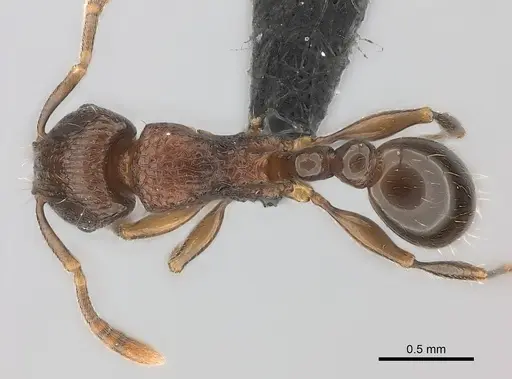
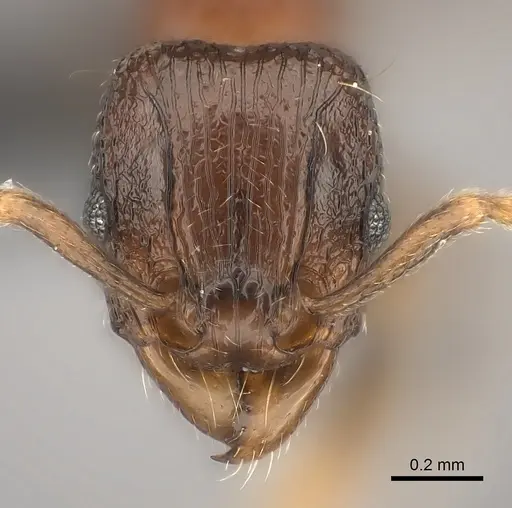
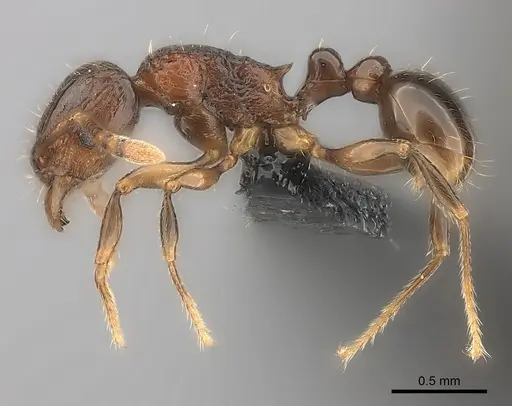
CASENT0101697
View on AntWeb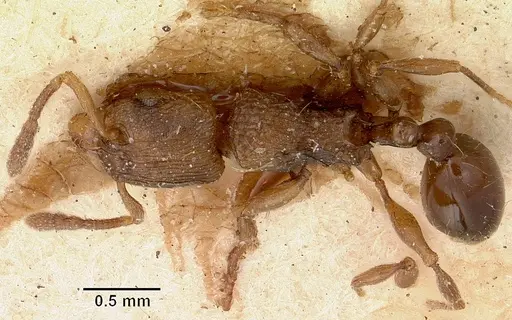
CASENT0101925
View on AntWeb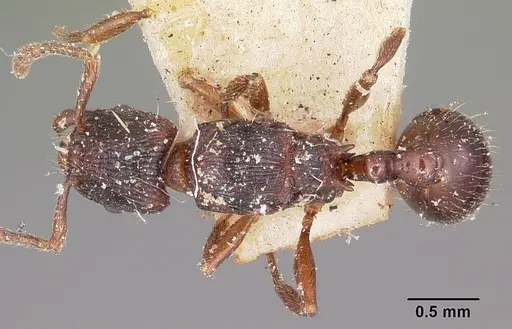
CASENT0149991
View on AntWeb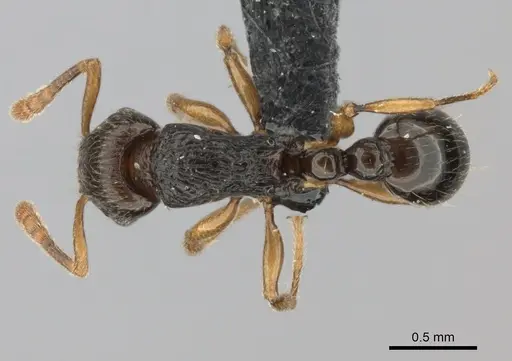
CASENT0152490
View on AntWeb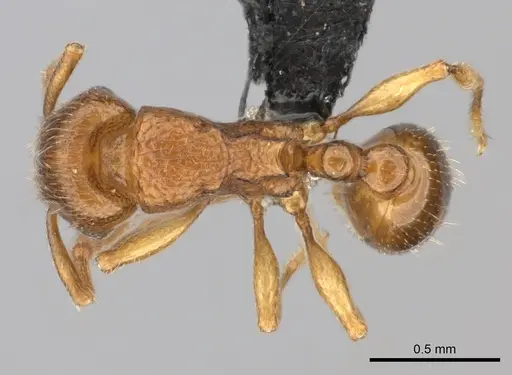
CASENT0160448
View on AntWeb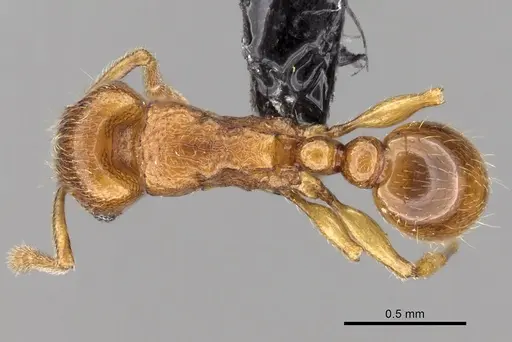
CASENT0160467
View on AntWeb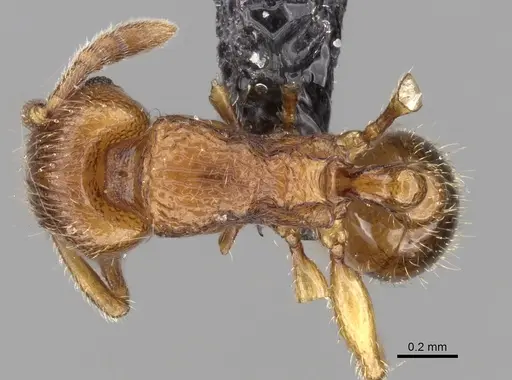
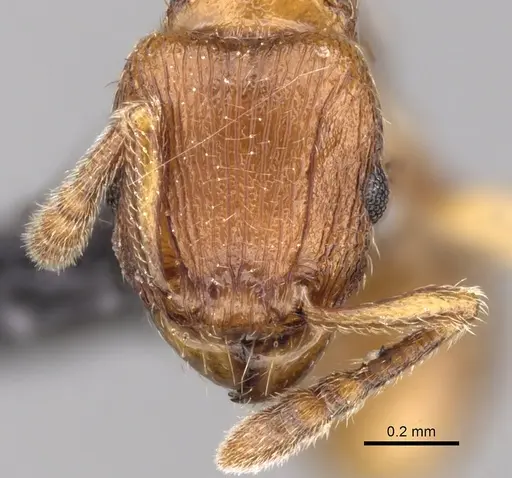
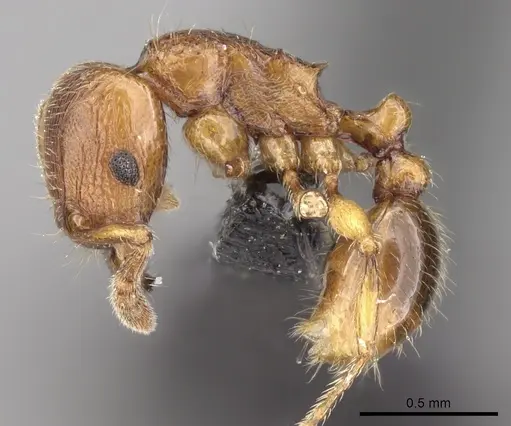
CASENT0217760
View on AntWeb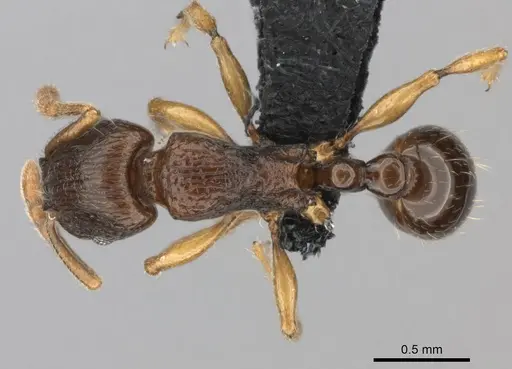
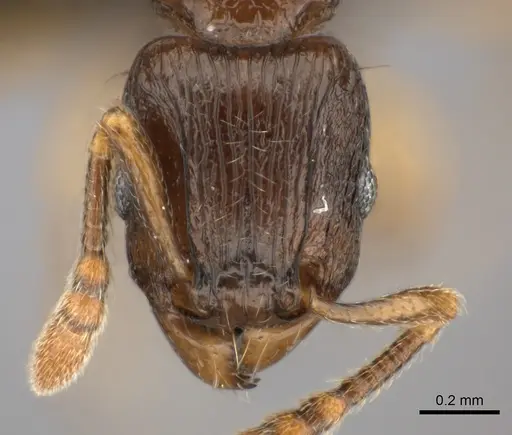
CASENT0217761
View on AntWeb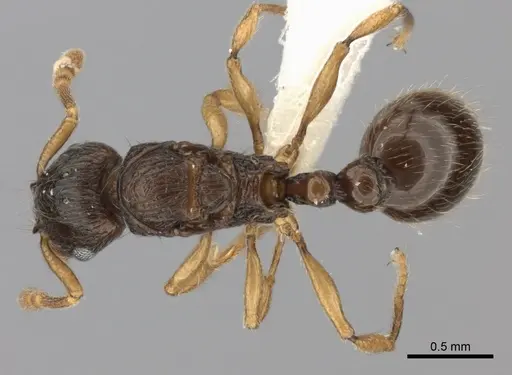
CASENT0217762
View on AntWeb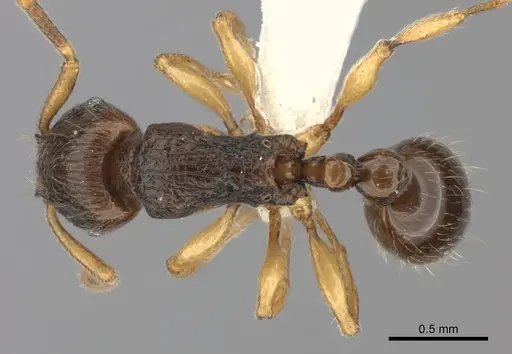
CASENT0217763
View on AntWeb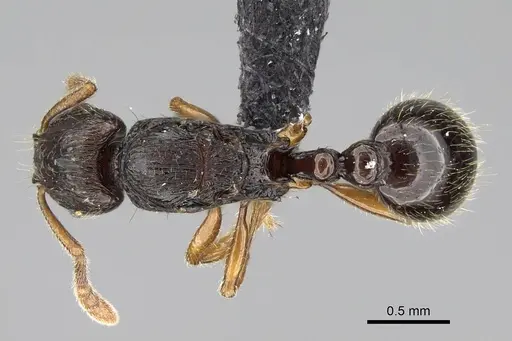
CASENT0217863
View on AntWeb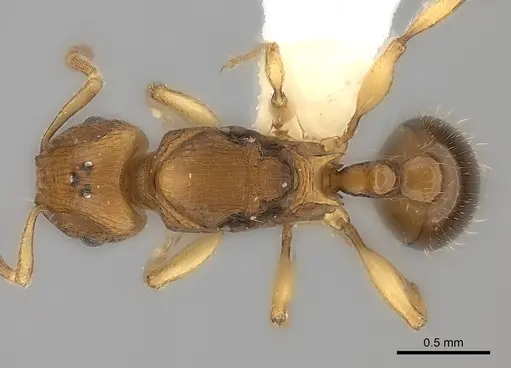
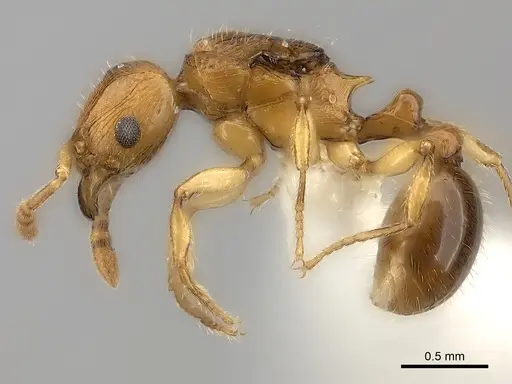
CASENT0407796
View on AntWeb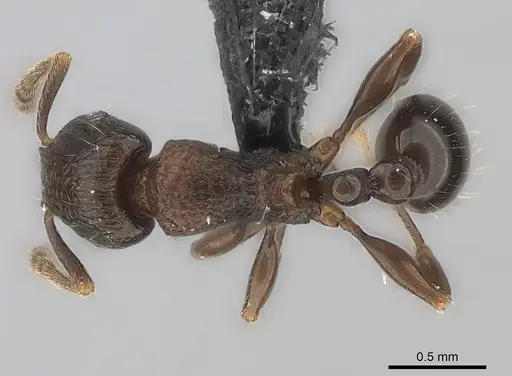
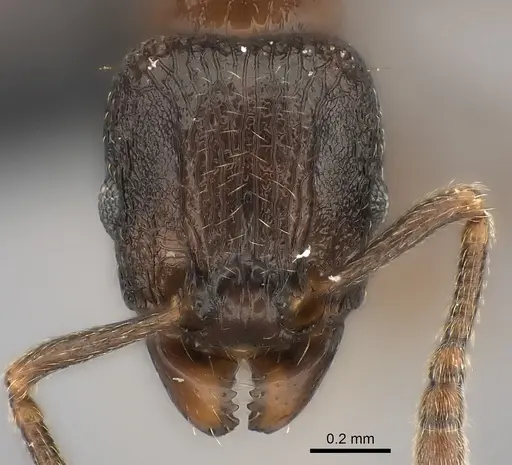
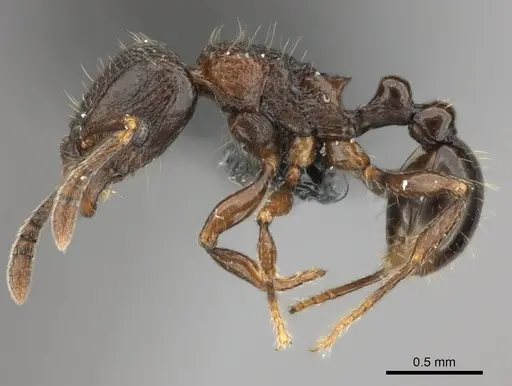
CASENT0414917
View on AntWeb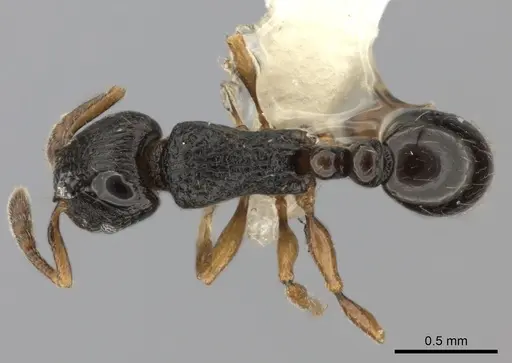
CASENT0437209
View on AntWeb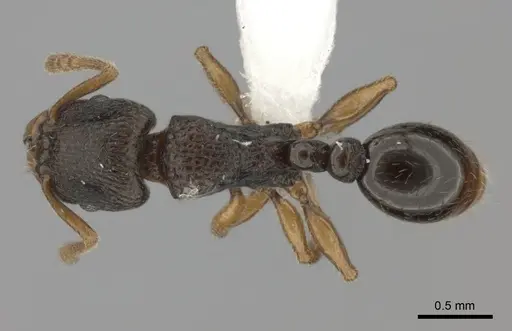
CASENT0437211
View on AntWeb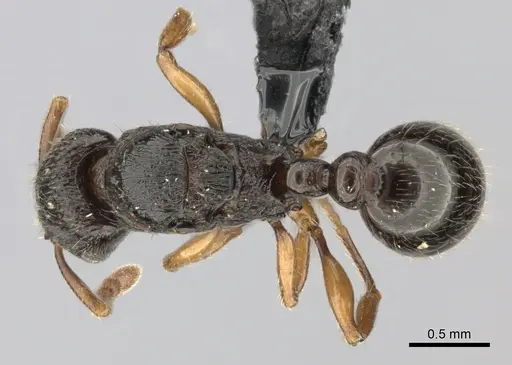
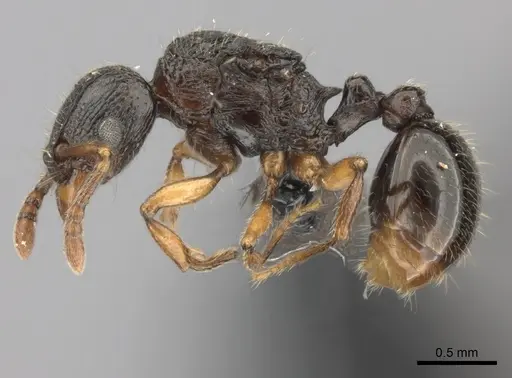
CASENT0474409
View on AntWeb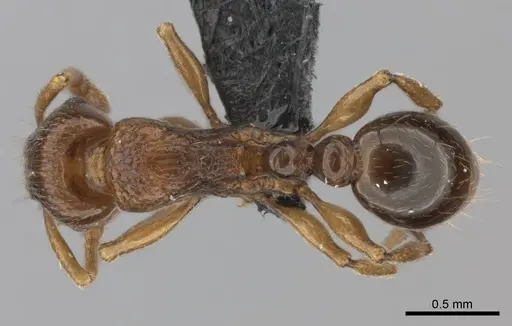
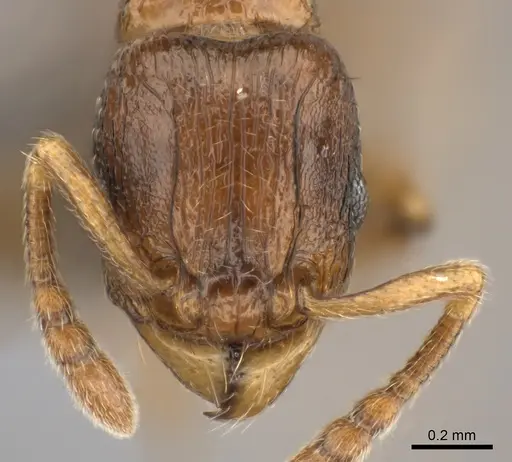
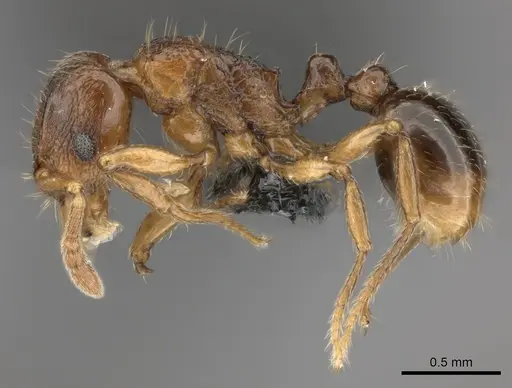
CASENT0487223
View on AntWeb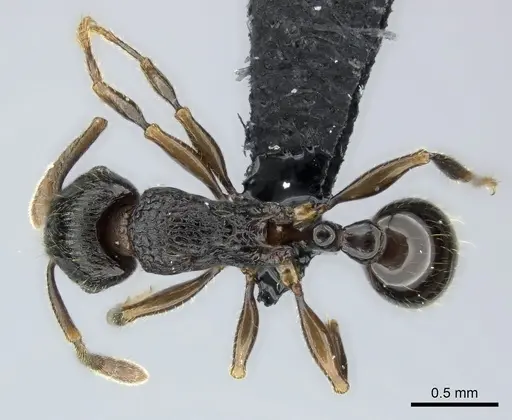
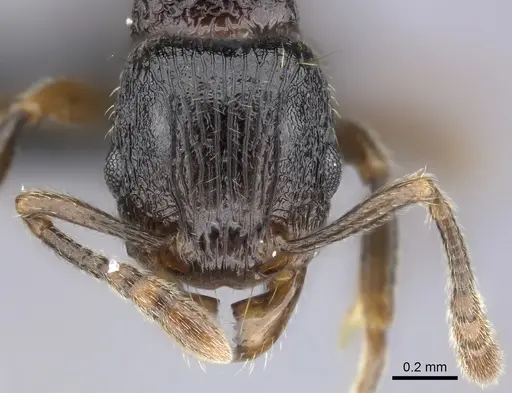
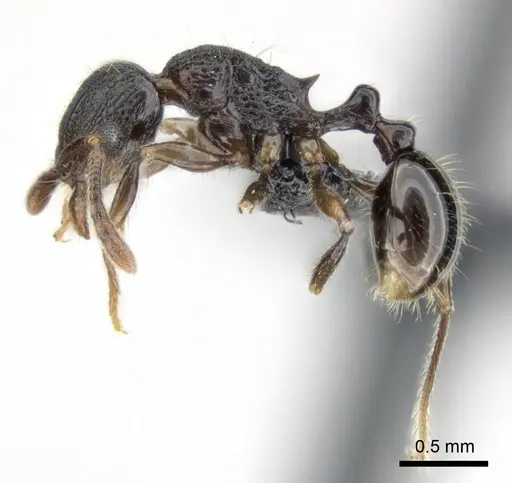
CASENT0487280
View on AntWeb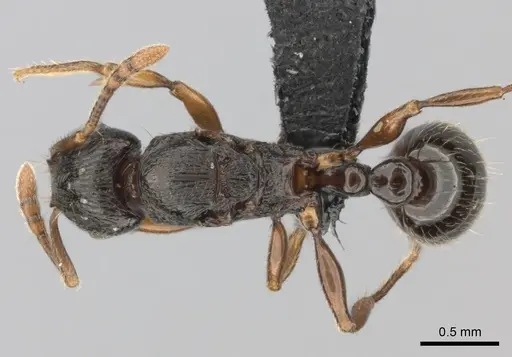
CASENT0497951
View on AntWeb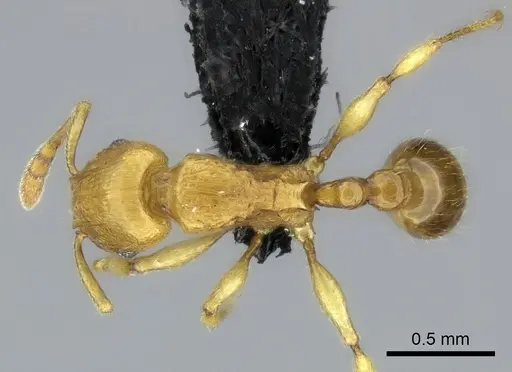
Literature
Loading distribution map...Loading products...