
Tetramorium scabrum
- Sci. Name
- Tetramorium scabrum
- Tribe
- Crematogastrini
- Subfamily
- Myrmicinae
- Author
- Mayr, 1879
- Distribution
- Found in 0 countries
Introduction
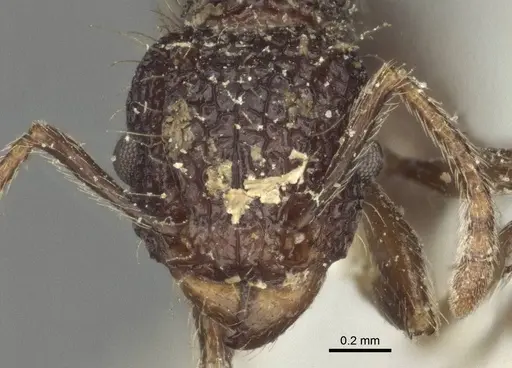
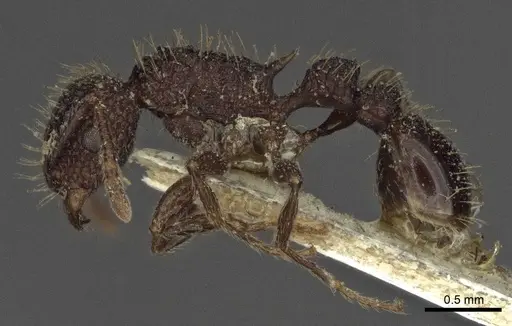
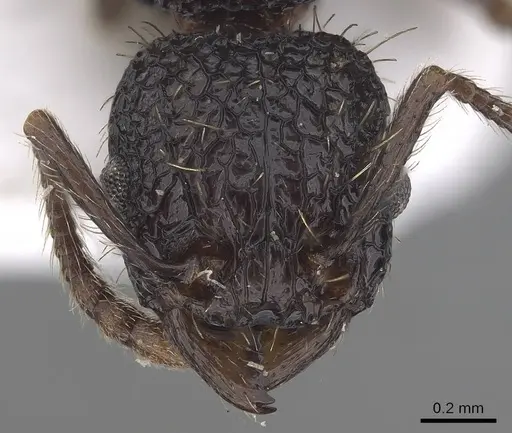
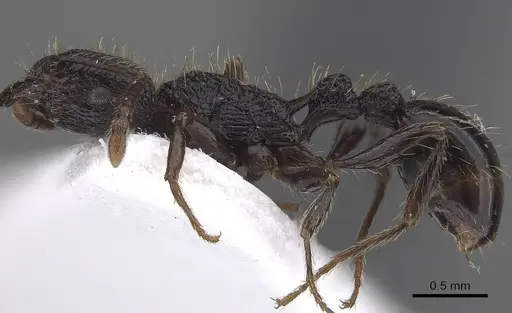
Tetramorium scabrum is a large-sized ant within the bicarinatum species group, with a dark reddish-brown to blackish-brown coloration and long hairs covering the body . Its head is slightly wider than long. The species is native to Southeast Asia, ranging from China through Indonesia to Borneo and across the Indian subcontinent, including India, Malaysia, and Singapore . It was once confused with Tetramorium pacificum but was revived as a distinct species in 2006 based on detailed morphological and genetic analysis . In the wild, it inhabits lowland dipterocarp forests and has also been recorded in garden settings, typically captured in pitfall traps .
Quick Summary
- Difficulty: Medium
- Origin & Habitat: Native to Southeast Asia and the Indian subcontinent, found across the Indomalaya region including Borneo, Brunei, India, Indonesia, Malaysia, Singapore, and southern China [2][3]. Inhabits lowland dipterocarp forests and occasionally gardens [2][5].
- Colony Type: Colony structure is not documented. Most Tetramorium species are monogyne (single queen), but this is unconfirmed for Tetramorium scabrum.
- Size & Growth:
- Queen: Size data unavailable, not recorded in the available literature.
- Worker: Total length not documented. Workers are described as large for the genus, with a cephalic width around 1 mm [1].
- Colony: Not documented in available literature.
- Growth: Moderate, estimated based on related Tetramorium species.
- Development: 6-10 weeks (estimated based on related Tetramorium species, specific data for Tetramorium scabrum is not available) (Development time depends on temperature, keep at 24-28°C for optimal growth.)
- Antkeeping:
- Temperature: 24-28°C, based on tropical origin. Use a heating cable on one side of the nest to create a gradient if needed [2].
- Humidity: High, keep the nest substrate consistently moist but not waterlogged, mimicking the damp forest floor [2]. Provide a water tube for drinking.
- Diapause: No, tropical species, maintain warm conditions year-round [2].
- Nesting: Ground-nesting species [2]. In captivity, Y-tong (AAC) or soil nests with moisture chambers work well. Avoid completely dry conditions.
- Behavior: Workers are active foragers. Their primary defense is a smear mechanism, they use a flattened stinger to wipe venom onto enemies rather than injecting it. They are not aggressive toward keepers but will defend the nest if threatened. Escape risk is moderate, ensure containers have tight-fitting lids, they can climb smooth surfaces.
- Common Issues: tropical species may decline if temperatures drop below 22°C for extended periods, colonies can fail if humidity drops too low, keep substrate consistently moist, wild-caught colonies may contain parasites that can devastate captive colonies, slow growth during founding phase may frustrate keepers, be patient
Temperature and Care
Tetramorium scabrum comes from tropical Southeast Asia, so it needs warm conditions to thrive. Keep the nest area at 24-28°C for optimal colony development and brood growth [2]. Temperatures below 22°C for extended periods can slow or stop brood development. A small heating cable on one side of the nest creates a gradient, letting the ants choose their preferred temperature. Place the cable on top of the nest to avoid drying out the substrate too quickly. Avoid drafty areas or air conditioning vents that cause fluctuations.
Humidity and Water
As a species from lowland dipterocarp forests, Tetramorium scabrum requires high humidity. Keep the nest substrate consistently moist but not waterlogged, it should feel damp to the touch. A water tube attached to the nest provides drinking water and helps maintain humidity through evaporation. Check moisture levels every few days and rehydrate when the surface starts drying out. Good ventilation is important to prevent mold, but avoid strong airflow that dries the nest too quickly [2].
Feeding and Diet
Tetramorium scabrum is omnivorous. Offer protein sources like small insects (fruit flies, small crickets, mealworms) and sugar sources such as sugar water, honey, or diluted honey water. Place food in the foraging area, not in the nest. Feed small amounts every 2-3 days and remove uneaten food within 24 hours to prevent mold. Provide a constant sugar water source, replacing it every few days. For established colonies, offer protein 2-3 times per week.
Nesting and Housing
In the wild, Tetramorium scabrum nests in soil in forested areas [2]. In captivity, use Y-tong (AAC) nests or naturalistic setups with soil substrate. Avoid acrylic nests. A test tube setup works for founding colonies, use a cotton ball to separate the water from the ants. Once the colony grows, upgrade to a larger formicarium. Ensure the outworld is escape-proof, they can climb smooth surfaces, so use a barrier like fluon around the edges.
Behavior and Temperament
Workers are active foragers that search for food on the ground. Their defense mechanism is a smear, they use a flattened stinger to wipe venom onto threats. This is not a typical sting that injects venom, it is more of a topical irritant. They are not aggressive toward keepers but will defend the nest if disturbed. Workers communicate with chemical trails and recruit nestmates to food. They are primarily ground-dwelling and spend most time in the nest and foraging area.
Colony Development
Founding behavior is unconfirmed for this species. Based on related Tetramorium, queens may seal themselves in and raise the first brood on stored reserves, but this has not been documented. The egg-to-worker stage is estimated at 6-10 weeks at optimal temperatures. Once the first workers emerge, they take over foraging and brood care. Colony growth is moderate. A queen may live for several years under good conditions.
Frequently Asked Questions
How long does it take for Tetramorium scabrum to raise first workers?
Exact timing is not documented. Based on related Tetramorium species, it likely takes 6-10 weeks at 24-28°C. The queen may seal herself in during founding, but this is unconfirmed for Tetramorium scabrum.
Do Tetramorium scabrum ants sting?
Their defense is a smear mechanism, they use a flattened stinger to wipe venom onto enemies, not inject it. It's not a typical sting, the venom is mild and causes brief irritation.
What temperature do Tetramorium scabrum need?
Keep them at 24-28°C. This tropical species needs warm conditions year-round. Below 22°C can slow brood development. Use a heating cable if needed [2].
Are Tetramorium scabrum good for beginners?
They are rated Medium difficulty. They need stable warmth and high humidity, which can be challenging for beginners. Attentive keepers can succeed, but they are less forgiving than hardy temperate species.
How big do Tetramorium scabrum colonies get?
Colony size is not documented. Workers are large for a Tetramorium, but no data exists on maximum colony size. Expect moderate growth based on related species.
What do Tetramorium scabrum eat?
Omnivorous. Provide small insects (fruit flies, small crickets) for protein and sugar water or honey for carbohydrates. Replace uneaten food within 24 hours.
Do Tetramorium scabrum need hibernation?
No. As a tropical species, they need warmth year-round. Do not cool them down in winter [2].
Can I keep multiple Tetramorium scabrum queens together?
This has not been documented. Most Tetramorium are monogyne, so it's not recommended to combine foundresses, they will likely fight.
When should I move Tetramorium scabrum to a formicarium?
Keep them in a test tube during founding. Move to a larger nest (Y-tong or soil) when the colony reaches about 30-50 workers or when the test tube becomes difficult to maintain.
Why is my Tetramorium scabrum colony declining?
Common causes: temperatures below 22°C, humidity too low or too high (mold), poor nutrition, or parasites from wild-caught colonies. Check conditions first and provide varied food. If wild-caught, parasites are a likely issue.
Report an Issue
The current care sheet is based fully on literature. See inconsistencies, or something that's incorrect? Please , it will be resolved after review from an admin. Contributing to the blogs tab also helps providing information, to make us be able to further improve the caresheets. Thank you for your support!
References

This caresheet is licensed under CC BY-SA 4.0 .
Community Blogs
CASENT0916587
View on AntWeb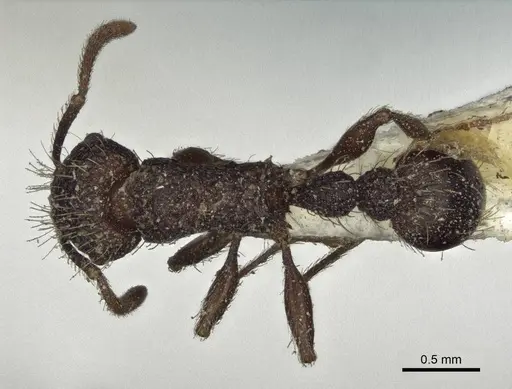
CASENT0919653
View on AntWeb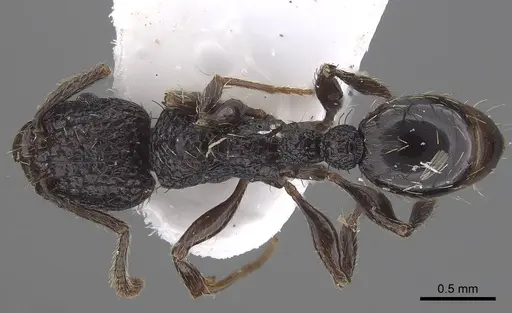
Literature
Loading distribution map...Loading products...