
Tetramorium sahlbergi
- Sci. Name
- Tetramorium sahlbergi
- Tribe
- Crematogastrini
- Subfamily
- Myrmicinae
- Author
- Finzi, 1936
- Distribution
- Found in 1 countries
Introduction
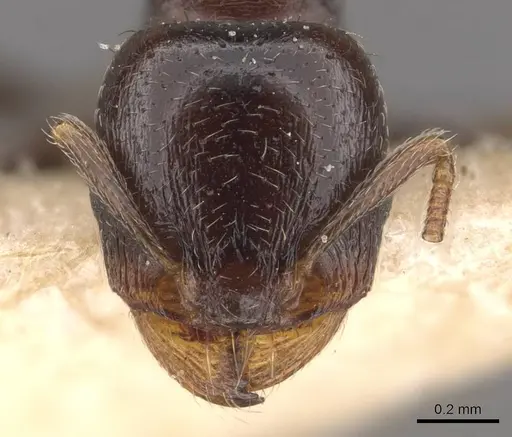
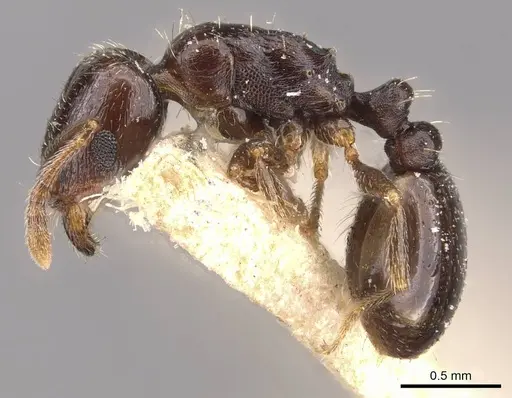
Tetramorium sahlbergi is a small, dark-colored ant from the Myrmicinae subfamily. Workers are brown to dark brownish-black, with a distinctly sculptured head and mesosoma, wide petiole and postpetiole, and small propodeal spines . They are tiny ants, measuring just a few millimeters in length. This species has a broad distribution across the Palaearctic region, including Egypt, Israel, Lebanon, Greece, Turkey, and northwestern China . These ants thrive in warm, dry habitats like Mediterranean gardens, open ground, and disturbed areas . They are ground-nesting and often serve as prey for small mammals and reptiles - in China, they've been found in the stomach contents of gerbils and lizards . Their defense mechanism is unusual: instead of piercing with a stinger, they use a modified flattened stinger to wipe or smear venom onto enemies (common to their tribe).
Quick Summary
- Difficulty: Easy
- Origin & Habitat: Native to the Palaearctic region from Egypt and the eastern Mediterranean (Israel, Lebanon, Greece, Turkey) through to northwestern China. Found in warm, dry to semi-arid habitats like gardens, open ground, and disturbed areas. In Israel, they occur in the Jordan Valley, southern Golan, northern Negev, and central Negev regions [6][5].
- Colony Type: Unconfirmed, no specific data on colony structure. Based on typical Tetramorium patterns, likely single-queen colonies.
- Size & Growth:
- Queen: ~6-8 mm (inferred from Tetramorium genus patterns)
- Worker: ~3-5 mm (inferred from Tetramorium genus patterns)
- Colony: Data unavailable. Based on Tetramorium patterns, colonies may reach several hundred to a few thousand workers over several years.
- Growth: Moderate (inferred)
- Development: 6-8 weeks (estimated, based on typical Tetramorium development at optimal temperature) (Development time inferred from genus-level data, specific timing for this species is not confirmed.)
- Antkeeping:
- Temperature: 22-26°C, inferred from their Mediterranean and arid origin. Provide a gradient with a heating cable on one side, avoid sudden drops below 18°C except during hibernation.
- Humidity: Low to moderate, they prefer drier conditions. Keep the substrate mostly dry with a small damp area for ants to regulate. Overwatering leads to stress and mold.
- Diapause: Yes, inferred from their temperate distribution. Cool to 10-15°C for 2-3 months in winter. Stop feeding and minimize disturbance.
- Nesting: Ground-nesting species. Y-tong (AAC) nests, plaster nests, or naturalistic setups with dry to moderately moist substrate work well. Test tube setups are great for founding and early growth.
- Behavior: Workers are small, active, and generally non-aggressive. They use a modified spatulate stinger to smear venom onto enemies (rather than piercing), so bites are harmless to humans. Escape prevention is critical due to their tiny size, use fine mesh and barriers like Fluon. They forage during warm hours and quickly find food sources.
- Common Issues: escape prevention is critical, tiny workers can slip through standard gaps, colonies may establish slowly, patience needed during founding, overwatering leads to mold and colony stress, winter diapause is required, skipping it can weaken or kill the colony, wild-caught colonies may carry parasites that affect survival
Housing and Nest Setup
Tetramorium sahlbergi does well in standard ant-keeping setups. For founding colonies, a test tube setup works perfectly: fill a test tube about one-third with water, plug the open end with cotton, and place the queen in a dark area. She will seal herself in (assuming claustral founding) and begin laying eggs. Once you have 10-20 workers, you can transition to a more permanent formicarium.
Y-tong (AAC) nests are an excellent choice for established colonies because they provide the dark, dry conditions this species prefers. Plaster nests also work well, allowing you to control humidity. For a naturalistic setup, use a shallow container with dry to moderately moist substrate. Whatever nest type you choose, ensure escape prevention is excellent, these tiny ants can squeeze through surprisingly small gaps. Apply Fluon or similar barrier to the inside rim of the formicarium. Their natural nesting habits are not documented in detail, but as a ground-nesting species they appreciate a substrate they can dig in if given the chance [3][1].
Feeding and Diet
Like most Tetramorium species, T. sahlbergi is a generalist omnivore. In captivity, they readily accept protein sources like small insects (fruit flies, pinhead crickets, small mealworms) and sugar sources (honey water, sugar water). Offer protein 2-3 times per week and keep a constant sugar source available.
In the wild, they are foragers that exploit a variety of food resources. Their small size means prey items should be appropriately sized, avoid offering anything larger than the workers themselves. Remove uneaten prey after 24-48 hours to prevent mold. Fresh water should always be available, though they get most moisture from their food. No specific dietary studies exist for this species, so these recommendations are based on standard Tetramorium care.
Temperature and Seasonal Care
These ants come from warm Mediterranean and arid habitats, so they do best at temperatures between 22-26°C. They can tolerate brief fluctuations but prefer stable warmth. A heating cable placed on one section of the nest creates a gradient that allows ants to self-regulate.
During winter, they require a winter rest (diapause) period of 2-3 months at 10-15°C. This mimics their natural seasonal cycle in temperate portions of their range and is essential for colony health. Reduce feeding before cooling, then stop feeding during hibernation. Keep disturbance to a minimum. Skipping hibernation can weaken the colony and reduce queen longevity [5][6].
Behavior and Colony Dynamics
Tetramorium sahlbergi forms single-queen colonies (based on inferred Tetramorium patterns). Workers are small, dark, and actively forage. They are not particularly aggressive and will often flee rather than fight. Their defense mechanism involves smearing venom with a modified stinger, not piercing. Being small, they rely on numbers and persistence rather than individual aggression.
The colony grows moderately, don't expect explosive growth. Founding colonies may take several months to establish their first batch of nanitic workers. Once the colony reaches 50+ workers, growth typically accelerates. Queens are likely long-lived, but no specific data exists for this species. In the wild, they are commonly found in disturbed areas and gardens, indicating adaptability to human environments [4].
Frequently Asked Questions
How long does it take for Tetramorium sahlbergi to produce first workers?
Based on typical Tetramorium development at around 24°C, expect 6-8 weeks from founding to first nanitic workers. The queen lays eggs, which develop through larva and pupa stages before emerging. Patience is key, do not disturb the colony unnecessarily during founding.
Do Tetramorium sahlbergi ants sting?
They have a modified stinger, but it is not used for piercing. Instead, they wipe or smear venom onto enemies using a spatulate stinger, this is a defense mechanism typical of their tribe. Bites are harmless to humans, and the venom smear is not a threat to people.
Can I keep multiple Tetramorium sahlbergi queens together?
This species is believed to be monogyne (single queen per colony), based on typical Tetramorium patterns. Combining unrelated queens is not recommended and likely leads to fighting. If you attempt pleometrosis (co-founding), one queen usually kills the other, so it's best to keep them separate.
What temperature range is best for Tetramorium sahlbergi?
Keep them at 22-26°C, inferred from their warm Mediterranean and arid origin. Provide a gradient of 22-28°C across the nest so ants can choose. Avoid temperatures below 18°C except during hibernation.
Do Tetramorium sahlbergi need hibernation?
Yes, they require a winter rest period. Cool to 10-15°C for 2-3 months, stop feeding, and minimize disturbance. This is based on their temperate distribution and is essential for long-term colony health.
Are Tetramorium sahlbergi good for beginners?
Yes, they are considered an easy species. They tolerate minor care mistakes, don't need high humidity, are not aggressive, and have straightforward requirements. Main needs: warm temperature, escape prevention, and annual winter diapause.
How big do Tetramorium sahlbergi colonies get?
No specific data, but based on typical Tetramorium colonies, they may reach several hundred to a few thousand workers over several years. Growth is moderate.
What should I feed my Tetramorium sahlbergi colony?
Offer a varied diet: small insects (fruit flies, pinhead crickets, small mealworms) for protein 2-3 times per week, and constant access to sugar water or honey water. Remove uneaten prey within 24 hours to prevent mold.
When should I move my colony from test tube to formicarium?
Move them once you have 15-30+ workers and the test tube is becoming cramped. Set up the formicarium with appropriate humidity beforehand and allow the colony to acclimate before disturbing them further.
Why is my Tetramorium sahlbergi colony dying?
Common causes: too high humidity (they prefer dry conditions), temperatures outside 22-26°C, skipped hibernation, or stress from disturbance during founding. Check for escape, tiny workers can slip through small gaps. Review each care factor and adjust.
Report an Issue
The current care sheet is based fully on literature. See inconsistencies, or something that's incorrect? Please , it will be resolved after review from an admin. Contributing to the blogs tab also helps providing information, to make us be able to further improve the caresheets. Thank you for your support!
References

This caresheet is licensed under CC BY-SA 4.0 .
Community Blogs
CASENT0280933
View on AntWeb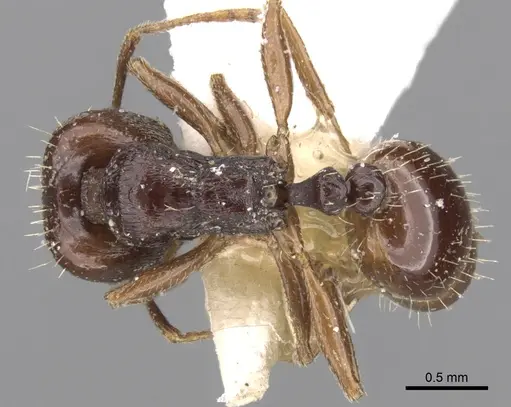
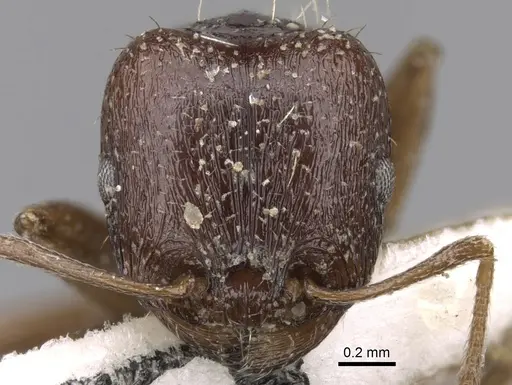
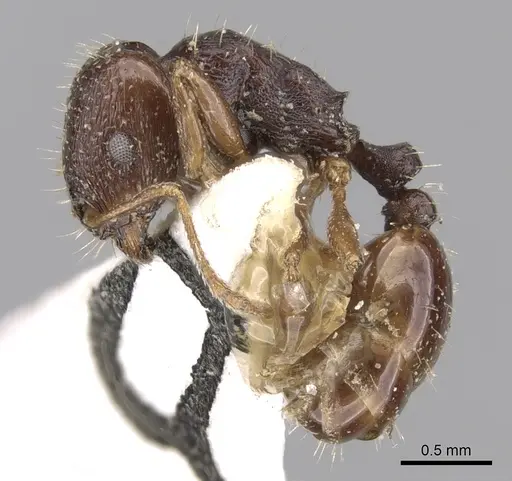
CASENT0909108
View on AntWeb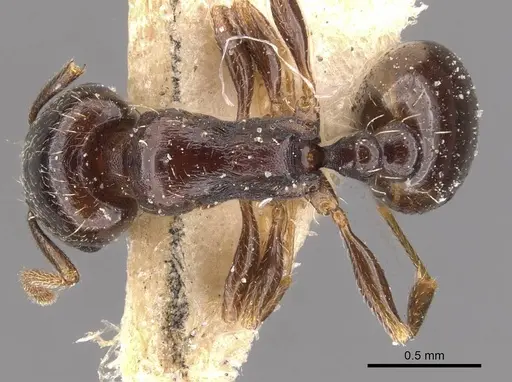
Literature
Loading distribution map...Loading products...