
Tetramorium ryanphelanae
- Sci. Name
- Tetramorium ryanphelanae
- Tribe
- Crematogastrini
- Subfamily
- Myrmicinae
- Author
- Hita Garcia & Fisher, 2012
- Distribution
- Found in 1 countries
Introduction
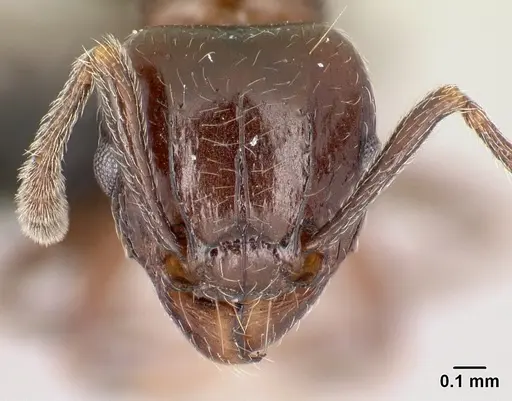
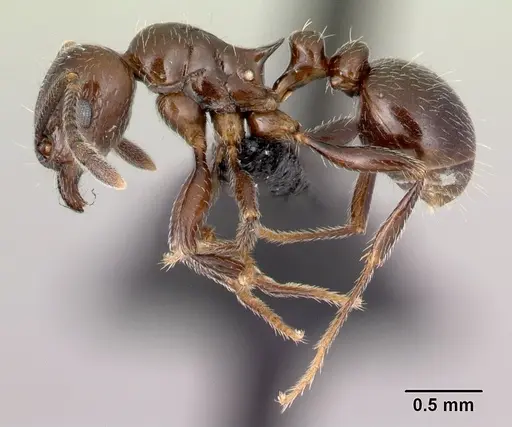
Tetramorium ryanphelanae is a small, ground-dwelling ant from the northern tip of Madagascar. Only the worker caste has been described . Workers are uniformly brown and have a high, nodiform petiolar node (the segment between thorax and abdomen) with nearly parallel front and back faces. They have short antennal scapes, no promesonotal suture, and standing hairs on the waist segments and first gastral tergite . The species is restricted to tropical dry forests in northern Madagascar at elevations from 60 to 425 meters, with known locations including Réserve Spéciale de l'Ankarana, Montagne des Français, and Foret d'Orangea . These ants are litter-dwellers, collected from sifted leaf litter and ground nests. As a recently described species (2012), captive care knowledge is limited, but their natural habitat suggests they prefer warm, stable conditions and soil-based nesting. The species was named after Ryan Phelan for her support of biodiversity research.
Quick Summary
- Difficulty: Medium
- Origin & Habitat: Northern Madagascar (Antsiranana province), in tropical dry forests at elevations of 60-425 m. Specific localities: Réserve Spéciale de l'Ankarana, Montagne des Français, Foret d'Orangea, Foret d'Andavakoera, Foret de Binara [1].
- Colony Type: Unconfirmed. Based on typical Tetramorium patterns, colonies are likely monogyne (single queen), but this has not been studied for this species.
- Size & Growth:
- Queen: Undescribed, no queen measurements available in published literature [1]
- Worker: Total body length not directly reported, published measurements give head length 0.68‑0.88 mm and head width 0.70‑0.90 mm [1]. Inferred from congeneric species, workers are approximately 3-4 mm.
- Colony: Not documented for this species, based on related Tetramorium, colonies likely reach several hundred workers at maturity (estimated) [1]
- Growth: Moderate, estimated from genus patterns
- Development: Estimated 6‑8 weeks at optimal temperatures (inferred from related Tetramorium species) [1] (No species‑specific data, development time likely depends on temperature.)
- Antkeeping:
- Temperature: Warm and stable, 24-28°C. Being from tropical Madagascar, avoid drops below 20°C. A heating cable on one side can create a gradient [1] (habitat-based inference).
- Humidity: Moderate. As ground‑dwelling ants from tropical dry forests, they need some moisture but not saturation. Keep nest substrate slightly moist but allow parts to dry [1] (habitat-based inference).
- Diapause: Unlikely, tropical species from Madagascar do not experience true winter. A slight winter cooling to ~20‑22°C may be beneficial but is not required [1] (inferred from geographic origin).
- Nesting: Y‑tong (AAC), plaster, or soil nests work well. They are natural ground‑nesters in leaf litter and soil. Provide a chamber with dirt or sand for tunneling. Collected from sifted litter and ground nests [1][2].
- Behavior: Generally peaceful and non‑aggressive. Workers forage actively for small prey and sweet liquids. As a myrmicine, their primary defense is smearing venom (not stinging piercing). They are small (~3‑4 mm), so escape prevention is critical, use fine mesh barriers and tight lids. They pose no sting danger to keepers.
- Common Issues: small size means escapes are likely without fine mesh barriers, tropical species may be sensitive to temperatures below 20°C, colony founding and queen are unknown, wild‑caught colonies are the most reliable source, ground‑nesting behavior requires appropriate substrate for tunneling, humidity control is important, too wet causes mold, too dry causes desiccation
Housing and Nest Setup
Tetramorium ryanphelanae does well in Y‑tong (AAC), plaster, or soil nests that mimic their natural ground habitats. Because workers are small (head width ~0.8 mm [1]), scale chambers to their size, avoid large, open spaces. A formicarium with a dirt chamber works well since they are natural litter‑dwellers that tunnel through soil. The outworld should include a water source and feeding area. Due to their small size, use fine mesh on ventilation holes and ensure all connections are tight, these ants can squeeze through surprisingly small gaps. Wild colonies have been found in sifted litter and ground nests [1][2].
Feeding and Diet
Like most Tetramorium, these ants are omnivorous. Offer small protein sources such as fruit flies, pinhead crickets, or small mealworms, and sugar sources like honey water, sugar water, or commercial ant jelly. They were collected from sifted leaf litter, suggesting they forage for small arthropods and likely tend aphids for honeydew. Feed prey items appropriate to their small size, anything too large will go uneaten. Remove uneaten food after 24-48 hours to prevent mold. [1][2]
Temperature and Seasonal Care
Maintain temperatures between 24-28°C for optimal colony health. As a tropical species from Madagascar, they prefer consistent warmth and cannot tolerate prolonged cold. Avoid temperatures below 20°C. A heating cable on one end of the nest can create a gradient, allowing ants to self‑regulate. Unlike temperate species, they likely do not need a true hibernation diapause, but a slight winter cooling to ~20-22°C may simulate natural seasonal changes. Monitor colony activity, if workers become sluggish, gradually increase temperature [1] (inferred from geographic origin).
Behavior and Colony Dynamics
This species is peaceful and not overly aggressive toward keepers or other ants outside of territory. Workers actively forage for small prey and sugary liquids. As a member of the subfamily Myrmicinae and tribe Crematogastrini, their primary defense is smearing venom rather than stinging. Colonies grow at a moderate rate. Because only workers are described in literature [1], the queen and male castes remain unknown, wild‑caught colonies are the most reliable source for starting a captive colony. They are ground‑dwelling and naturally nest in leaf litter and soil, so they readily dig and tunnel in appropriate substrates.
Frequently Asked Questions
How long does it take for Tetramorium ryanphelanae to produce first workers?
There is no species‑specific data. Based on related Tetramorium, expect first workers (nanitics) approximately 6-8 weeks after egg‑laying at optimal temperatures (~26°C). Development time is temperature‑dependent [1] (genus inference).
What size colony does Tetramorium ryanphelanae reach?
Not documented for this species. From congeneric Tetramorium, colonies likely reach several hundred workers at maturity. This is a moderate‑sized species, not one that produces thousands of workers [1] (genus inference).
Do Tetramorium ryanphelanae ants sting?
They belong to a subfamily that has a stinger, but their primary defense is smearing venom, not stinging. They are generally peaceful and not dangerous to keepers. (General myrmicine/tribe information.)
What temperature do Tetramorium ryanphelanae need?
Keep them at 24-28°C. These are tropical ants from Madagascar and need consistent warmth. Avoid temperatures below 20°C. Use a heating cable to maintain a gradient [1] (inferred from geographic origin).
Can I keep multiple Tetramorium ryanphelanae queens together?
This has not been studied for this species. Based on typical Tetramorium behavior, single‑queen colonies are most common. Combining unrelated queens is not recommended as it often leads to fighting [1] (genus inference).
Are Tetramorium ryanphelanae good for beginners?
This species is rated medium difficulty. While not the most challenging ant to keep, they need specific temperature and humidity as a tropical species. Additionally, queens are undescribed and wild‑caught colonies may be hard to find, making it less suitable for beginners. Research their needs thoroughly [1].
What do Tetramorium ryanphelanae eat?
Omnivorous. Offer small live insects (fruit flies, pinhead crickets, small mealworms) for protein, and sugar sources like honey water, sugar water, or ant jelly. Remove uneaten food after 24-48 hours to prevent mold [1] (genus inference).
Do Tetramorium ryanphelanae need hibernation?
Unlikely. Being a tropical species from Madagascar, they do not experience cold winters that would trigger true diapause. A slight winter cooling (to ~20-22°C) may be beneficial but is not required [1] (inferred from geographic origin).
When should I move Tetramorium ryanphelanae to a formicarium?
Start the colony in a test tube setup. Once the colony reaches 20-30 workers and actively forages, you can move them to a formicarium with a dirt chamber. Ensure the formicarium is appropriately sized, too large a space can stress a small colony. (General antkeeping practice, applicable to this species based on similar Tetramorium.)
Why are my Tetramorium ryanphelanae dying?
Common causes: temperature too cold (below 20°C), humidity too low (desiccation), or escape through small gaps. Check that heating is adequate, nest substrate is slightly moist, and all barriers are secure. Also ensure prey size is appropriate, large leftover food can cause mold. (General care issues, no species‑specific studies.)
Report an Issue
The current care sheet is based fully on literature. See inconsistencies, or something that's incorrect? Please , it will be resolved after review from an admin. Contributing to the blogs tab also helps providing information, to make us be able to further improve the caresheets. Thank you for your support!
References

This caresheet is licensed under CC BY-SA 4.0 .
Community Blogs
CASENT0401618
View on AntWeb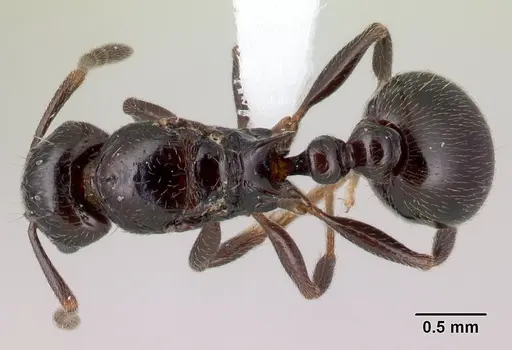
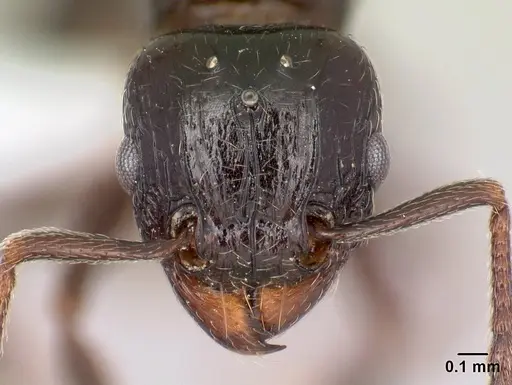
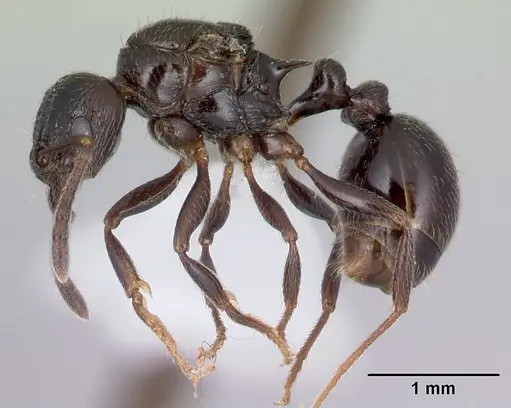
CASENT0454495
View on AntWeb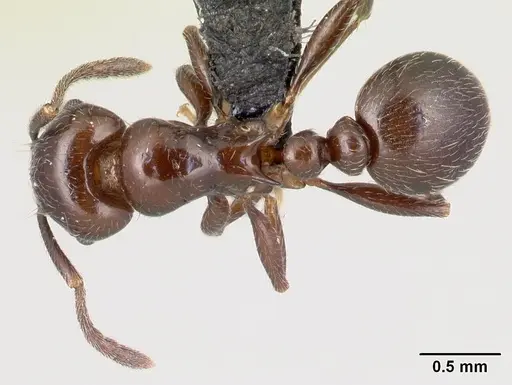
Literature
Loading distribution map...Loading products...