
Red Desert Fierce ant
Tetramorium rufescens
- Sci. Name
- Tetramorium rufescens
- Tribe
- Crematogastrini
- Subfamily
- Myrmicinae
- Author
- Stitz, 1923
- Common Name
- Red Desert Fierce ant
- Distribution
- Found in 3 countries
Introduction
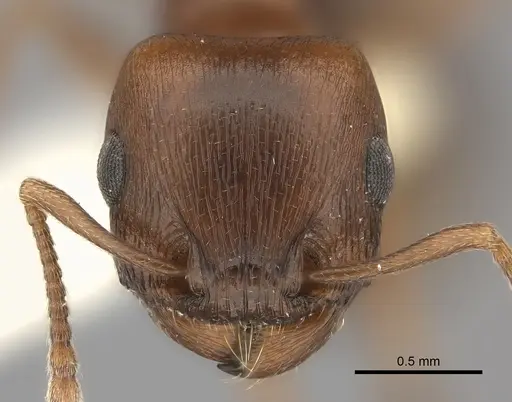
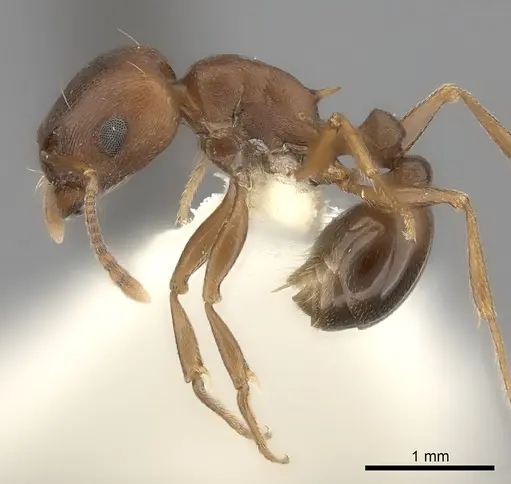
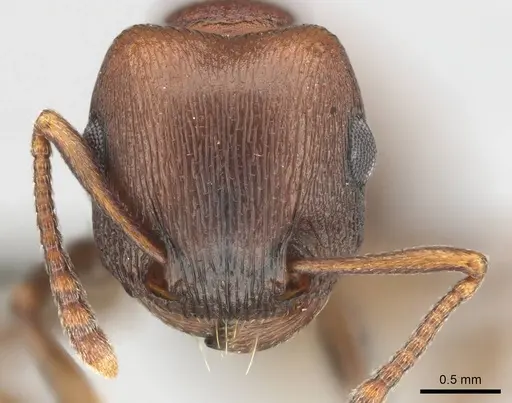
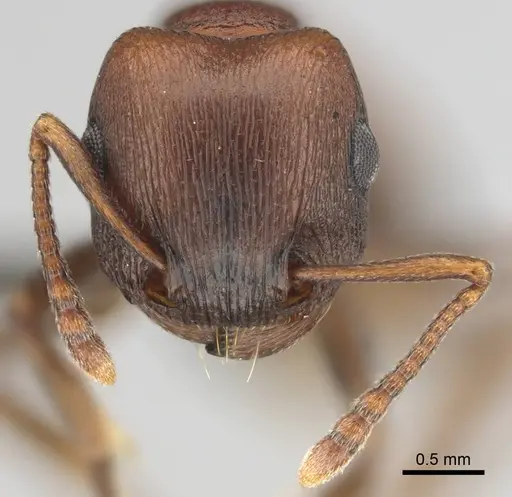
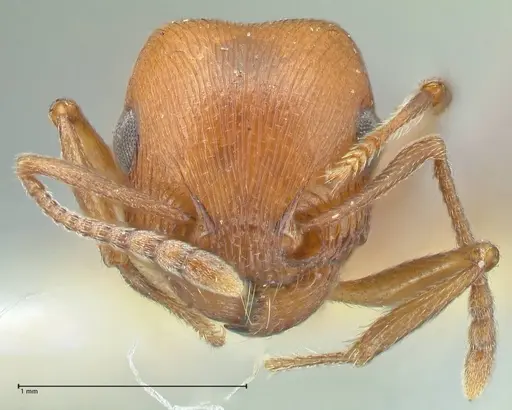
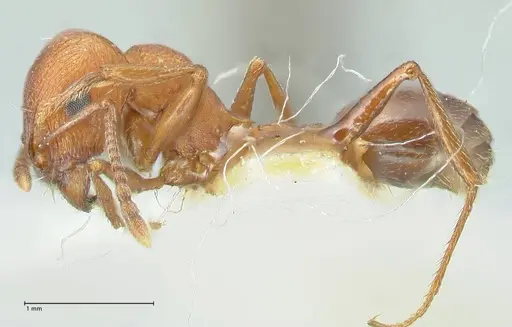
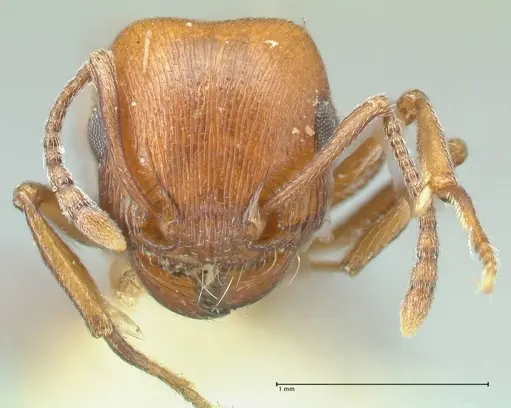
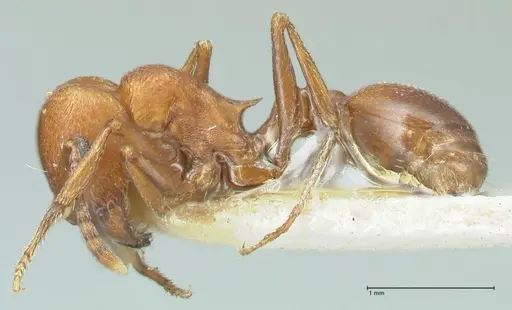
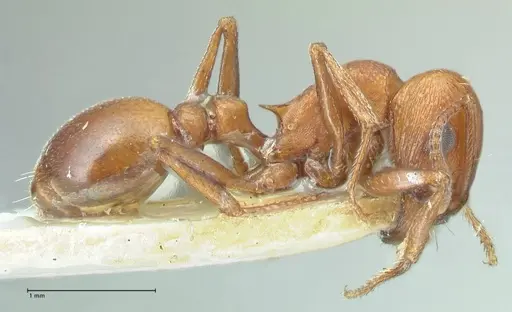
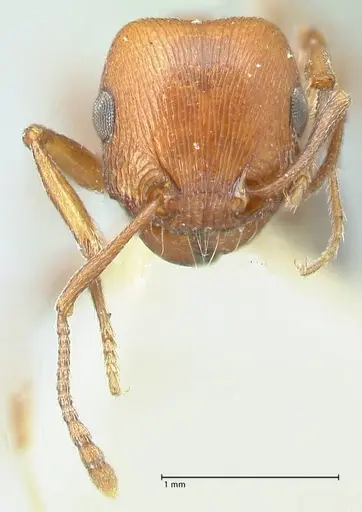
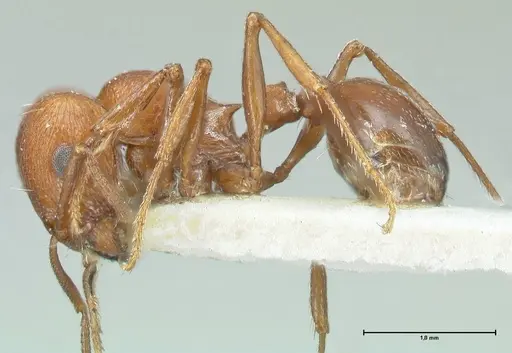
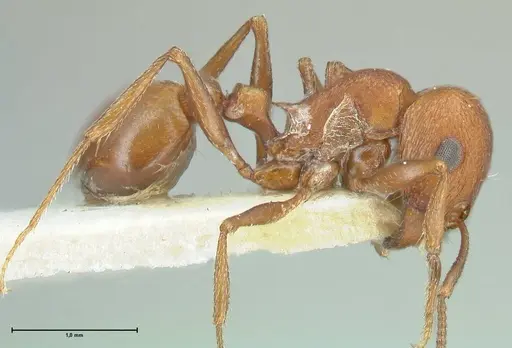
Tetramorium rufescens is a small seed-harvesting ant native to southern Africa, found across South Africa and Namibia . Workers measure 4.0-5.1 mm in total length with a distinctive red to light brown coloration that varies by locality . They belong to the Tetramorium solidum species group, distinguished by their long, narrow propodeal spines and lack of hairs on the mesosoma and gaster . These ants are ground-nesters, living in open habitats like rocky slopes, shrubland, desert, and floodplains . Their nest entrances are often in the open or at the base of rocks . What makes them stand out is their specialized seed-harvesting diet - they collect and store seeds in underground chambers, sometimes building extensive stores just 10 cm below the surface .
Quick Summary
- Difficulty: Easy
- Origin & Habitat: Southern Africa: South Africa (Western Cape, Northern Cape, Gauteng, Eastern Cape, KwaZulu Natal) and Namibia [1][2]. Found in a wide range of open habitats including Kalahari Xeric Savanna, Nama Karoo, Namib Desert, Namibian Savanna Woodlands, Drakensberg Montane Grassland, Succulent Karoo, rocky slopes, shrubland, and floodplains [1][3].
- Colony Type: Unconfirmed. Based on typical Tetramorium patterns, likely single-queen (monogyne) colonies, but this has not been directly documented for this species.
- Size & Growth:
- Queen: Unconfirmed, no specific measurements documented in available research [1][2].
- Worker: 4.0-5.1 mm total length [1].
- Colony: Unconfirmed, estimated from related seed-harvesting species, possibly several hundred workers. Survey data showed 390 specimens across 40 pitfall traps [4], not from a single colony.
- Growth: Moderate, estimated based on related Tetramorium species
- Development: 6-10 weeks estimated at optimal temperature, based on typical Tetramorium development (Specific development time for Tetramorium rufescens is not documented, this is an estimate.)
- Antkeeping:
- Temperature: Keep warm, around 22-28°C. This species tolerates high heat naturally occurring in desert and savanna habitats [1].
- Humidity: Low to moderate, they come from arid to semi-arid habitats. Provide a dry nest with a moisture gradient. Allow the substrate to partially dry between waterings to prevent mold.
- Diapause: Unconfirmed, southern African populations likely do not require true hibernation, but a mild cooler period (15-18°C) during winter months may benefit colony health. Observe activity levels.
- Nesting: Ground-nesting species that prefers dry to moderately moist soil. A naturalistic setup with compact soil substrate works well, or a Y-tong/plaster nest with chambers scaled to their small size (4-5 mm workers). In the wild they nest in red sandy soil, loam, and sometimes at the base of rocks or grass tufts [1][2].
- Behavior: Diurnal seed-harvesters [5]. Not aggressive, they typically flee from disturbance rather than attack. Belongs to Myrmicinae (tribe Crematogastrini), which uses a smear defense: they wipe or smear venom onto enemies with a modified flattened stinger, rather than piercing. Workers are small (4-5 mm), so escape prevention must be tight, they can fit through small gaps, but are not particularly skilled escape artists. They collect and store seeds in underground chambers, sometimes building extensive seed stores up to 10 cm below ground [2].
- Common Issues: mold problems if kept too damp, they are adapted to arid conditions, slow founding phase requires patience, especially with seed-based diet, small workers can escape through standard barriers, use fine mesh or tight seals, wild-caught colonies may carry parasites that affect survival in captivity
Housing and Nest Setup
Tetramorium rufescens is a ground-nesting species that does well in naturalistic setups with compact soil substrate or in Y-tong/plaster nests [1][2]. In the wild, they nest in red sandy soil, loam soil, and at the base of grass tufts or rocks, with nest entrances in the open [1]. For captivity, use a nest with chambers scaled to their small worker size, tight chambers help them feel secure. A small outworld for foraging works well. Because they come from arid habitats, keep the nest substrate drier than you would for forest-dwelling ants, allow it to partially dry between waterings. These ants use a smear defense (subfamily Myrmicinae, tribe Crematogastrini), but in captivity they are docile and rarely attempt to sting.
Feeding and Diet
This is a seed-harvesting ant, they primarily collect and eat seeds, which they store in underground chambers [2]. In captivity, offer a mix of grass seeds, millet, and other small seeds. They also accept protein sources like small insects (fruit flies, small mealworms) and can be offered honey or sugar water occasionally. The key is variety: some colonies focus heavily on seeds while others prefer protein. Remove uneaten seeds periodically to prevent mold. Their natural diet includes seeds from open savanna and floodplain habitats [2][4].
Temperature and Seasonal Care
Keep these ants warm, ideally 22-28°C. They naturally occur in hot desert and savanna habitats across southern Africa, so they tolerate higher temperatures well [1]. A heating cable on one side of the nest can create a temperature gradient if your room is cool. Regarding winter care, this species comes from a subtropical climate where temperatures rarely drop below freezing. They likely do not need true hibernation, but a mild cooler period (15-18°C) during winter months may help synchronize their natural cycle and promote colony health. Observe your colony's activity levels, if they remain active year-round, maintaining room temperature is fine.
Behavior and Observation
Workers are active during the day (diurnal) [5]. They are not aggressive and will typically flee rather than engage in combat when disturbed. Their defense mechanism is specialized: like other members of the Crematogastrini tribe, they have a modified flattened stinger used to smear venom onto enemies rather than piercing. Their small size (4-5 mm) makes them less intimidating than larger ant species, but they are fascinating to watch due to their seed-harvesting behavior. In the wild, they create extensive underground seed stores up to 10 cm below the ground surface [2]. Your colony will likely show similar behavior, collecting and storing seeds in their nest chambers. They are fairly widespread in the wild, found in 40 of 200 pitfall trap samples during one survey [4], indicating moderate foraging activity.
Colony Founding
The founding behavior of Tetramorium rufescens has not been directly documented, it is unconfirmed. Based on typical Tetramorium patterns, queens may seal themselves in a small chamber (claustral founding) and raise the first workers alone using stored fat reserves, but this is speculative. Expect a founding colony to remain sealed for several weeks before the first workers (nanitics) emerge. During this time, do not disturb the queen or open the nesting chamber. Once workers emerge, they will begin foraging for seeds and protein. Growth during the founding phase is typically slow, be patient.
Growth and Development
Specific development time from egg to worker is not documented for Tetramorium rufescens. Based on typical Tetramorium species, expect 6-10 weeks at optimal temperature (around 24°C). First workers (nanitics) will be smaller than mature workers. Growth rate is moderate, seed-harvesting ants typically develop more slowly than predatory species. A well-established colony could reach several hundred workers over 1-2 years, but this has not been confirmed. The key to healthy growth is providing a varied diet (seeds + protein) and maintaining appropriate temperature and humidity levels.
Frequently Asked Questions
How long does it take for Tetramorium rufescens to get their first workers?
The exact timing is not documented for this species. Based on typical Tetramorium development, you can expect 6-10 weeks from egg to first worker at around 24°C. This is an estimate.
Can I keep Tetramorium rufescens in a test tube?
Yes, test tubes work well for founding colonies. Use a small tube with a water reservoir, these ants are small (4-5 mm workers) so the tube doesn't need to be large. Ensure escape prevention is secure, though they are not determined escape artists.
What do Tetramorium rufescens eat?
They are seed-harvesting ants, their primary food is seeds (grass seeds, millet, small bird seed). They also accept protein sources like small insects and occasionally sugar water or honey. Offer a mix for best colony health [2].
Do Tetramorium rufescens ants sting?
They belong to the Myrmicinae subfamily (tribe Crematogastrini), which includes species with functional stingers. However, these ants are not aggressive and typically flee when disturbed. Their defense is to smear venom rather than sting deeply, so any reaction would be very mild.
Are Tetramorium rufescens good for beginners?
Yes, they are considered easy to keep. They tolerate temperature variations, don't require high humidity, and are not aggressive. Their seed-harvesting behavior is interesting to observe. The main challenges are providing an appropriate seed-based diet and being patient during the slow founding phase [1].
How big do Tetramorium rufescens colonies get?
Colony size is unconfirmed. Based on related seed-harvesting species, they may reach several hundred workers. One survey collected 390 specimens across 40 trap samples [4], but that does not represent a single colony. Growth is moderate, taking 1-2 years to reach a large size.
Do Tetramorium rufescens need hibernation?
Unconfirmed. These ants come from southern Africa where winters are mild. They likely do not require true hibernation, but a mild cooler period (15-18°C) during winter months may benefit colony health. Monitor your colony's activity, if they remain active year-round, room temperature is acceptable [1].
Why is my Tetramorium rufescens colony not growing?
Common causes include: insufficient protein (offer small insects alongside seeds), temperatures too low (aim for 22-28°C), or too much moisture (they prefer drier conditions). Also ensure the queen is healthy and laying eggs. Founding colonies are particularly slow, patience is key during the first few months.
When should I move my Tetramorium rufescens to a formicarium?
Wait until the colony has at least 20-30 workers and is actively foraging in the outworld. Moving too early can stress the colony. A naturalistic setup with soil works well, or you can transition to a Y-tong/plaster nest once the colony is established.
Can I keep multiple Tetramorium rufescens queens together?
Colony structure is unconfirmed for this species. Based on typical Tetramorium patterns, they likely form single-queen colonies. Combining unrelated queens is not recommended as it may result in aggression. If you have multiple foundresses, keep them in separate setups.
Report an Issue
The current care sheet is based fully on literature. See inconsistencies, or something that's incorrect? Please , it will be resolved after review from an admin. Contributing to the blogs tab also helps providing information, to make us be able to further improve the caresheets. Thank you for your support!
References

This caresheet is licensed under CC BY-SA 4.0 .
Community Blogs
CASENT0217976
View on AntWeb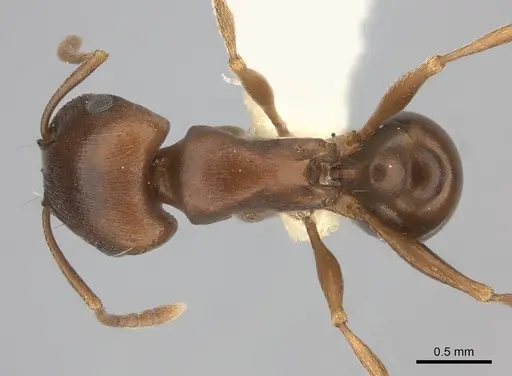
CASENT0257006
View on AntWeb
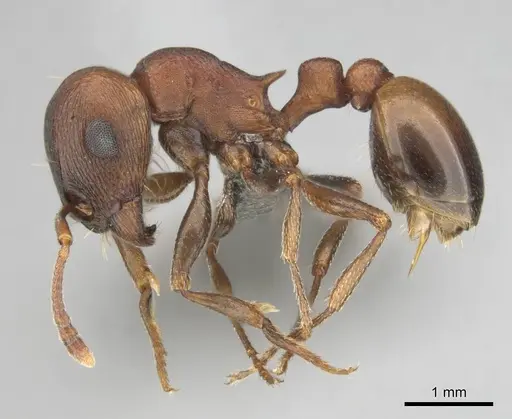
FOCOL2082
View on AntWeb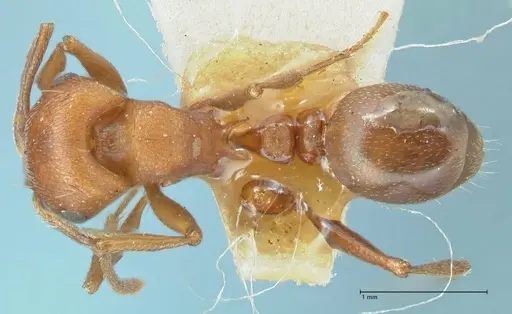
FOCOL2083
View on AntWeb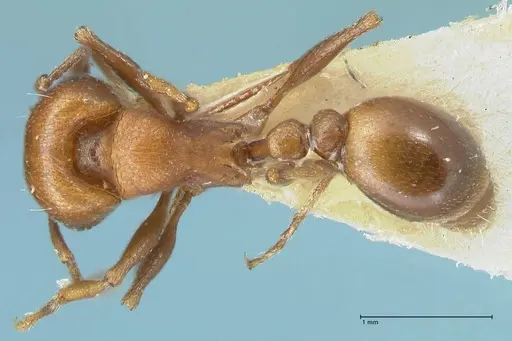
FOCOL2084
View on AntWeb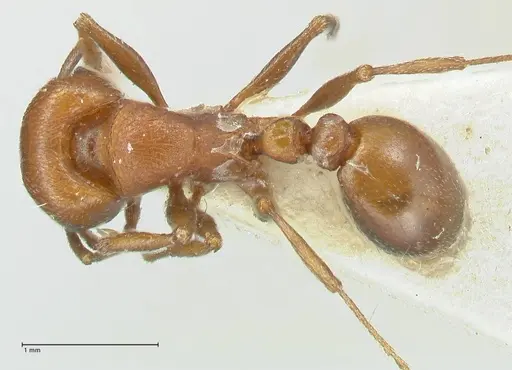
Literature
Loading distribution map...Loading products...