
Tetramorium ranarum
- Sci. Name
- Tetramorium ranarum
- Tribe
- Crematogastrini
- Subfamily
- Myrmicinae
- Author
- Forel, 1895
- Distribution
- Found in 1 countries
Introduction
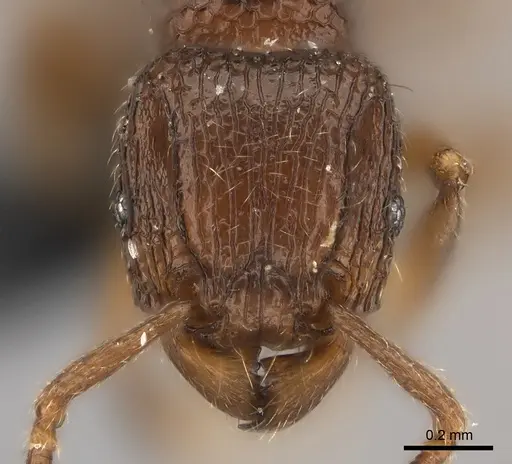
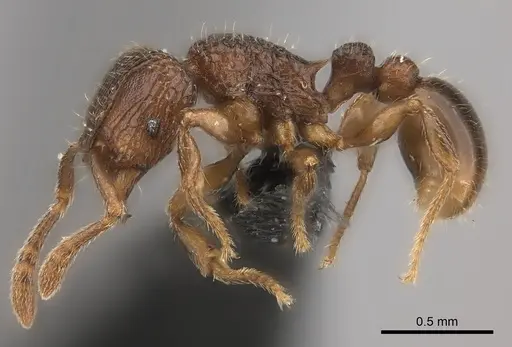
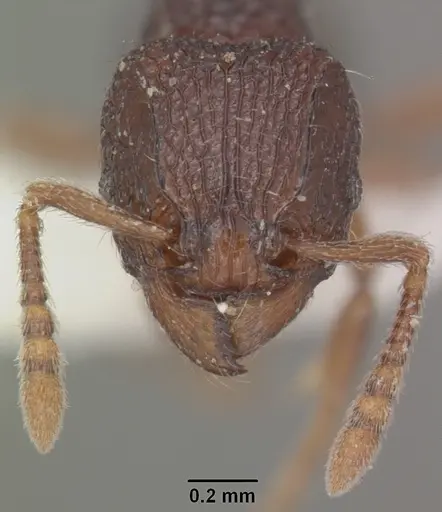
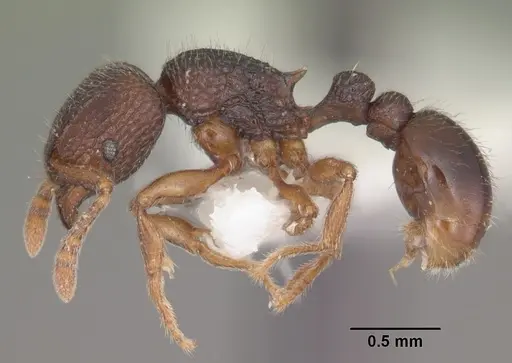
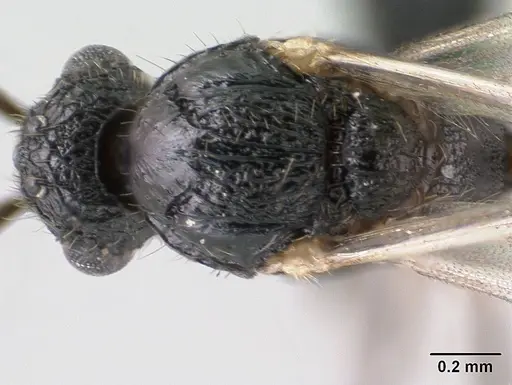
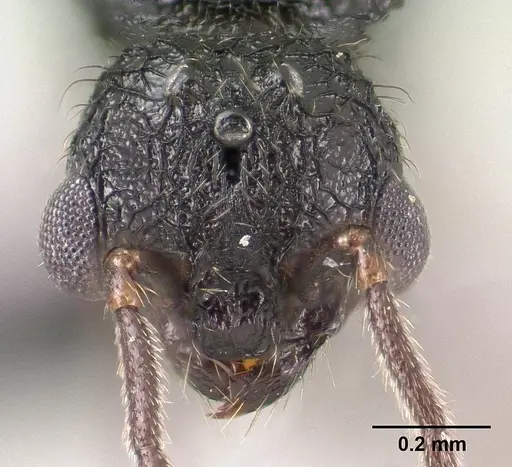
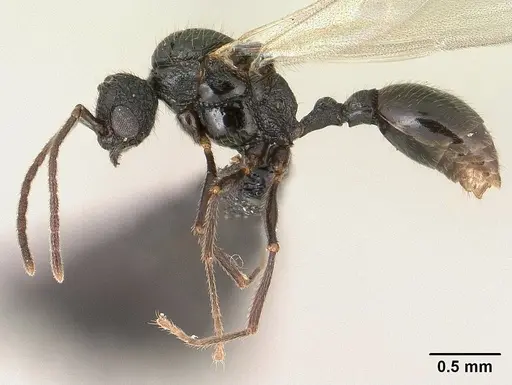
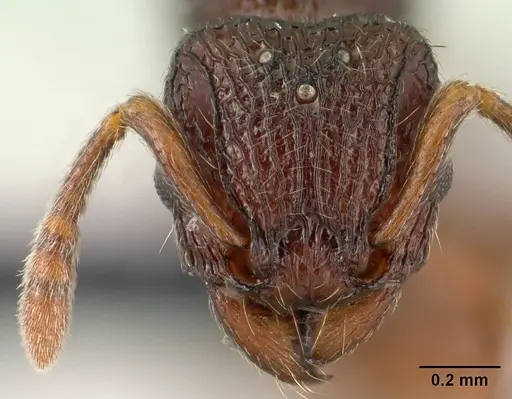
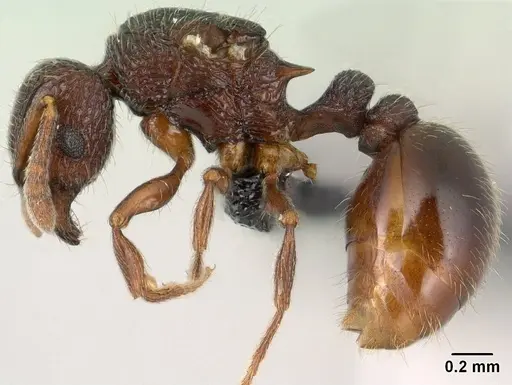
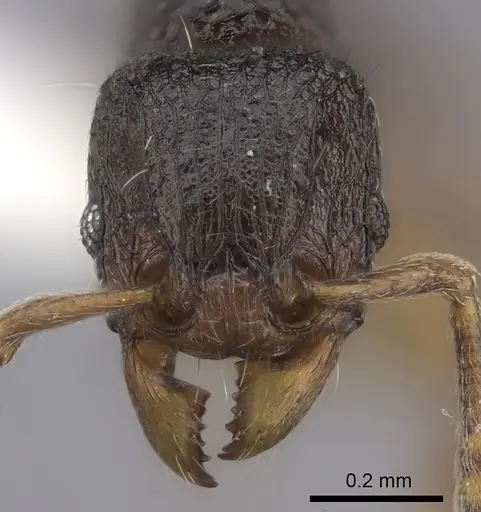
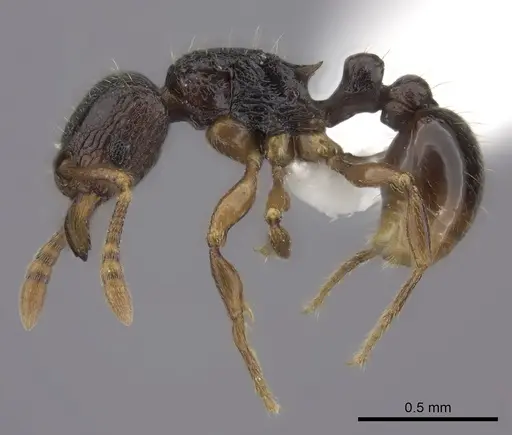
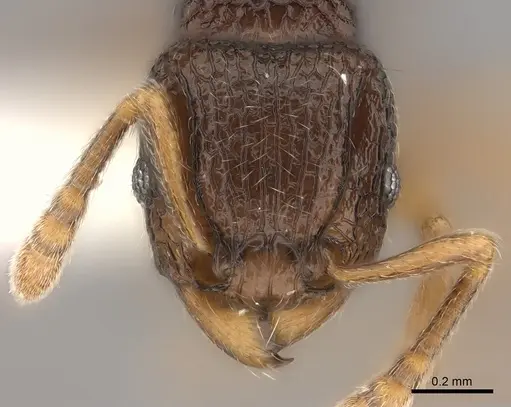
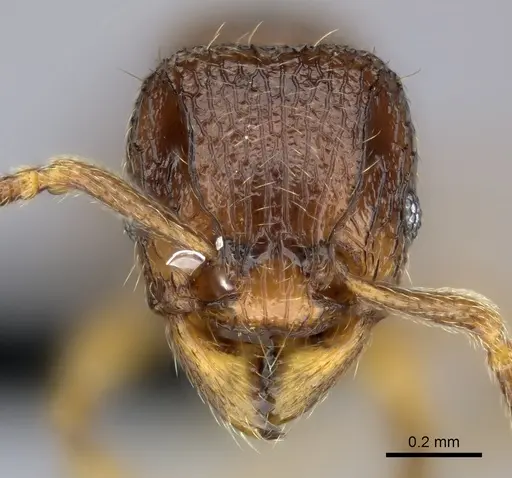
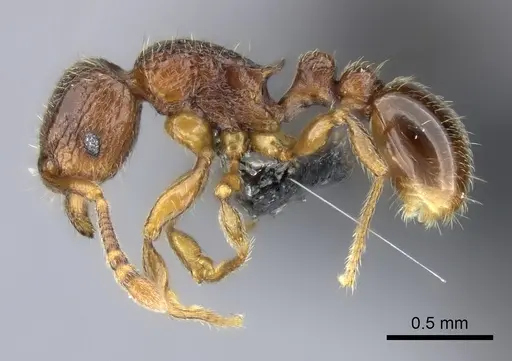
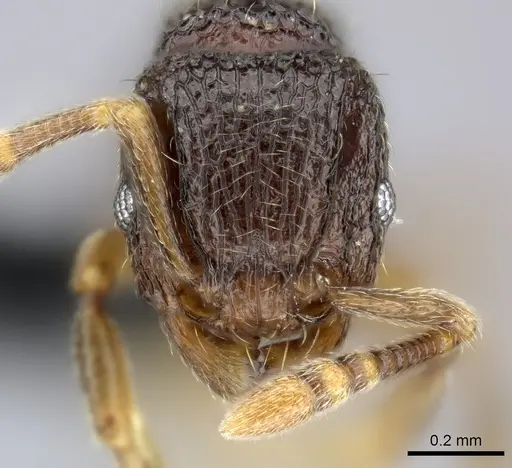
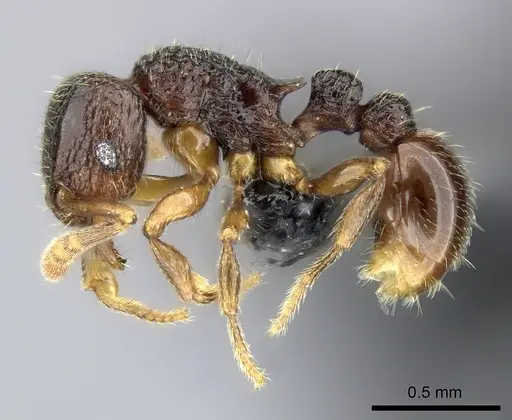
Tetramorium ranarum is a small ant species found only in Madagascar, living in the island's humid forests. Workers are compact and sturdy, with a modified stinger used to smear venom rather than pierce flesh. They have the typical 12-segmented antennae and two spines on the mesosoma (middle body section) that help identify the genus . This species belongs to the Tetramorium ranarum species group, a cluster of related ants found exclusively in the Malagasy region. These ants nest in the ground (terricolous) and prefer dark, moist microhabitats on the forest floor . Unlike some widespread relatives, T. ranarum is a specialized endemic found nowhere else on Earth.
Quick Summary
- Difficulty: Medium
- Origin & Habitat: Endemic to Madagascar, found only in the Malagasy region. Lives in humid forests, nesting in soil (terricolous) in dark, moist spots [1][2].
- Colony Type: Colony structure is unconfirmed. Most Tetramorium species are monogyne (single-queen colonies), but this specific species has not been studied [2].
- Size & Growth:
- Queen: Size data unavailable, inferred from Tetramorium genus (~7-9 mm).
- Worker: Size data unavailable, inferred from Tetramorium genus (~3-4 mm).
- Colony: Unknown for this species, typical Tetramorium colonies reach several hundred workers.
- Growth: Moderate (inferred from genus patterns).
- Development: Estimated 6-8 weeks based on typical Tetramorium development at 22-26°C. (Timeline is inferred from genus-level data, this specific species hasn't been studied.)
- Antkeeping:
- Temperature: Keep around 22-26°C. Since they come from tropical Madagascar, they need warm, stable temperatures. Use a heating cable on one side of the nest to create a gradient if needed [2].
- Humidity: High humidity is essential, they come from humid forest habitats. Keep the nest substrate consistently moist but not waterlogged. The substrate should feel damp to the touch, with some slightly drier areas for the ants to choose [1][2].
- Diapause: No, as a tropical species from Madagascar, they don't need hibernation. Keep temperatures stable year-round [2].
- Nesting: Ground-nesting species that prefers moist substrate. A naturalistic setup with soil or a Y-tong (aerated concrete) / plaster nest works well. Keep the nest humid and provide a water source for moisture [2].
- Behavior: Typical Tetramorium temperament, generally peaceful but will defend the nest if threatened. Workers use a modified stinger to smear venom onto enemies rather than piercing, which can cause mild irritation if handled. They are active foragers, searching for seeds, small insects, and honeydew. Escape risk is moderate, their small size means they can slip through loose gaps, so ensure your formicarium has tight-fitting barriers [2].
- Common Issues: high humidity requirements mean mold can develop if ventilation is poor, balance airflow carefully., tropical species don't tolerate cool temperatures well, avoid keeping them below 20°C., small size means escape prevention must be good, check for gaps in your setup regularly., wild-caught colonies from Madagascar may carry parasites or diseases that can affect captive colonies., this species is poorly documented, so some care aspects are based on genus inference rather than specific research.
Housing and Nest Setup
Tetramorium ranarum is a ground-nesting species from humid Madagascar forests, so you'll want a setup that mimics these conditions. A naturalistic terrarium with moist soil substrate works well, or you can use a Y-tong (aerated concrete) or plaster nest with a water chamber to maintain humidity. The nest chambers should be appropriately sized for their worker size, not too large, as these ants prefer cozy spaces. Provide an outworld (foraging area) connected to the nest where you can offer food. Use a test tube setup for founding colonies, then move to a larger formicarium once the colony reaches 30-50 workers. Escape prevention is important, check that all connections are secure and consider using Fluon on the rim of your formicarium [2].
Feeding and Diet
Tetramorium ranarum is omnivorous like most Tetramorium species. They readily accept sweet liquids (honey water, sugar water) as an energy source. For protein, offer small insects like fruit flies, small crickets, or mealworms. Some Tetramorium species also eat seeds, so you can experiment with offering tiny seeds. In the wild, they likely forage for honeydew from aphids and scale insects, so providing a sugar source is important. Feed them every 2-3 days, removing any uneaten food to prevent mold. A constant sugar source (like a cotton ball with honey water) works well for established colonies [2].
Temperature and Humidity Management
As a Madagascar endemic, Tetramorium ranarum needs warm, humid conditions. Keep the nest area at 22-26°C, use a heating cable on one side of the nest to create a temperature gradient if your room temperature is below this range. Place the heating element on top of the nest, not underneath, to avoid evaporating water too quickly. Humidity is critical: maintain consistently moist substrate without waterlogging. Check the nest regularly and add water to the reservoir when needed. Avoid temperatures below 20°C or above 30°C, as these can stress the colony. Stable conditions are key, avoid drafts and sudden temperature changes [1][2].
Colony Development and Growth
The founding stage for Tetramorium ranarum likely follows typical Tetramorium patterns: the queen seals herself in a claustral chamber and raises her first brood alone on stored fat reserves. After about 6-8 weeks (estimated based on genus data), the first workers (nanitics) will emerge, these are typically smaller than mature workers. The colony will grow gradually over the first year, potentially reaching 50-100 workers under good conditions. Growth rate is moderate, faster than some slow-growing Camponotus species but slower than tropical fire ants. Once established, colonies can reach several hundred workers. Be patient during the founding phase, disturbing the queen during claustral founding can be fatal. Note: all of this is inferred from genus-level data, as this species has not been specifically studied [2].
Behavior and Temperament
Tetramorium ranarum workers are active foragers, patrolling their territory in search of food. They are not particularly aggressive toward humans but will defend their nest if threatened. Like other Myrmicinae ants in the tribe Crematogastrini, they have a modified stinger that is flattened and spatulate, instead of piercing, they wipe or smear venom onto enemies. This defense can cause mild irritation if you handle them roughly. Workers communicate using chemical signals (pheromones) and may use tandem-running to recruit nestmates to food sources. The colony will establish clear territorial boundaries around their nest. In terms of escape behavior, they are moderate escape artists, not as determined as some species, but their small size means they can slip through tiny gaps. Always use excellent escape prevention, especially when the colony is small [2].
Frequently Asked Questions
Can I keep Tetramorium ranarum in a test tube?
Yes, test tubes work well for founding colonies. Use a test tube setup with a water reservoir (cotton ball at one end) to maintain humidity. Keep the tube in a dark, humid location until the first workers emerge. Once the colony reaches 30-50 workers, consider moving them to a larger formicarium [2].
How long does it take for Tetramorium ranarum to produce first workers?
Based on typical Tetramorium development, expect 6-8 weeks from egg to first worker at optimal temperatures (22-26°C). The exact timeline for this species is unconfirmed, but genus-level data suggests this timeframe. The first workers (nanitics) will be smaller than mature workers [2].
Do Tetramorium ranarum ants sting?
They have a modified stinger that is flattened and spatulate, instead of piercing like a typical sting, they smear venom onto their target. This can cause mild irritation if they are handled roughly, but it's not a piercing sting like a bee's. They are not aggressive and will only use this defense if directly threatened [2].
What do Tetramorium ranarum eat?
They are omnivorous. Offer a constant sugar source (honey water or sugar water) for energy, and protein sources like small insects (fruit flies, small crickets, mealworms) 2-3 times per week. Some Tetramorium species accept seeds, so you can experiment with tiny seeds [2].
Are Tetramorium ranarum good for beginners?
They are rated as medium difficulty. They require more specific humidity and temperature conditions than some hardy temperate species, but they are not as demanding as some exotic species. If you can maintain warm, humid conditions consistently, they are manageable for intermediate antkeepers [2].
Do Tetramorium ranarum need hibernation?
No, they do not need hibernation. As a tropical species from Madagascar, they prefer stable warm temperatures year-round. Do not expose them to cold temperatures or simulate winter, this can harm the colony [2].
How big do Tetramorium ranarum colonies get?
Colony size is not documented for this specific species, but typical Tetramorium colonies reach several hundred workers. With good care, expect your colony to eventually reach 200-500+ workers over several years, but this is an estimate based on genus patterns [2].
Can I keep multiple Tetramorium ranarum queens together?
Colony structure is unconfirmed for this species. Most Tetramorium are monogyne (single-queen), but polygyny has been observed in some species. Combining unrelated queens is not recommended unless you have specific evidence that this species tolerates multiple queens, queens may fight and stress the colony [2].
Why are my Tetramorium ranarum dying?
Common causes include: temperatures below 20°C (tropical species are cold-sensitive), low humidity causing desiccation, mold from poor ventilation, or stress from disturbance during founding. Check that your setup maintains proper humidity and temperature. Also ensure you are not using a test tube that is too small or has flooded [2].
When should I move Tetramorium ranarum to a formicarium?
Move them when the test tube becomes crowded or the colony reaches 30-50 workers. Signs that they need more space include workers clustering near the cotton, reduced brood production, or workers exploring beyond the test tube. A gradual transition to a larger nest works best [2].
Where is Tetramorium ranarum found?
Tetramorium ranarum is endemic to Madagascar, it is found nowhere else in the world. It belongs to the Tetramorium ranarum species group, which is restricted to the Malagasy region [1][2].
What temperature is best for Tetramorium ranarum?
Keep them at 22-26°C. This tropical species from Madagascar prefers warm, stable conditions. Use a heating cable on one side of the nest to create a gradient if needed. Avoid temperatures below 20°C or above 30°C [2].
Report an Issue
The current care sheet is based fully on literature. See inconsistencies, or something that's incorrect? Please , it will be resolved after review from an admin. Contributing to the blogs tab also helps providing information, to make us be able to further improve the caresheets. Thank you for your support!
References

This caresheet is licensed under CC BY-SA 4.0 .
Community Blogs
CASENT0061101
View on AntWeb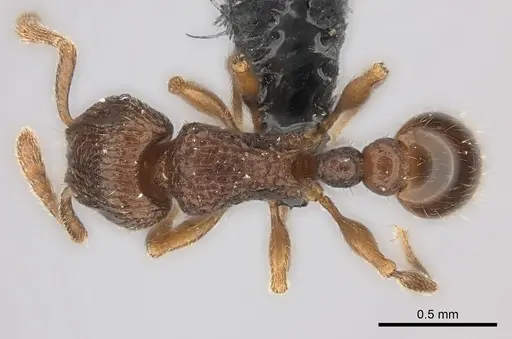
CASENT0073200
View on AntWeb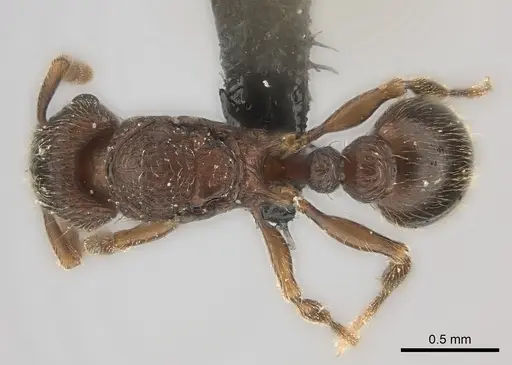
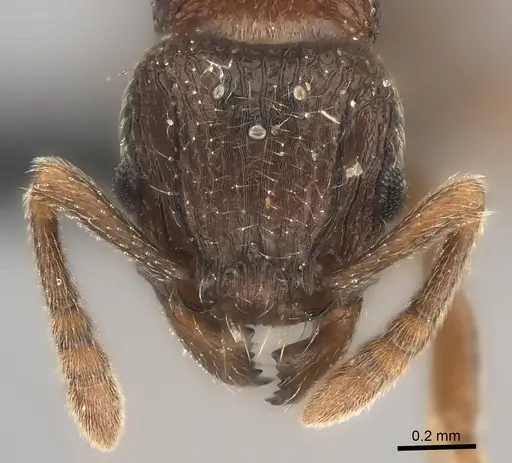
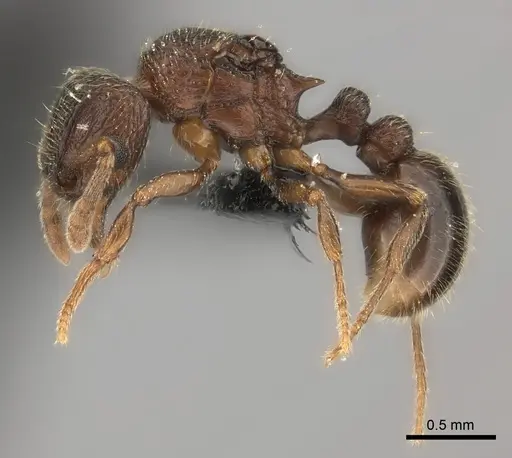
CASENT0101285
View on AntWeb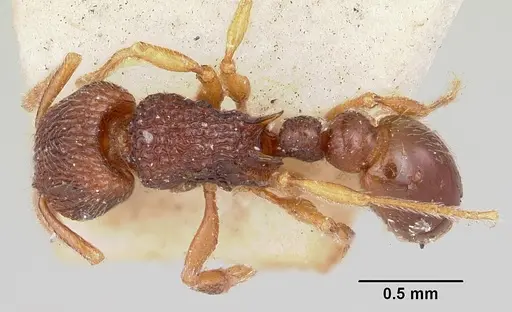
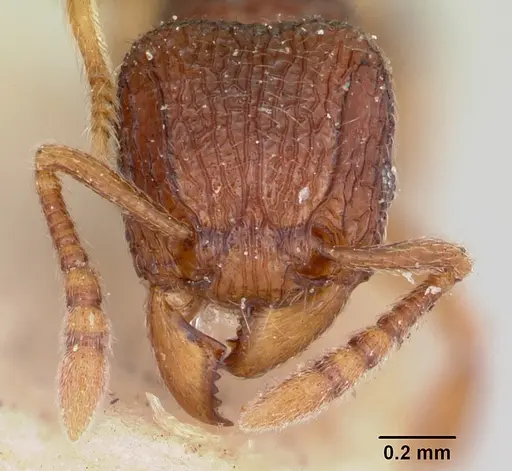
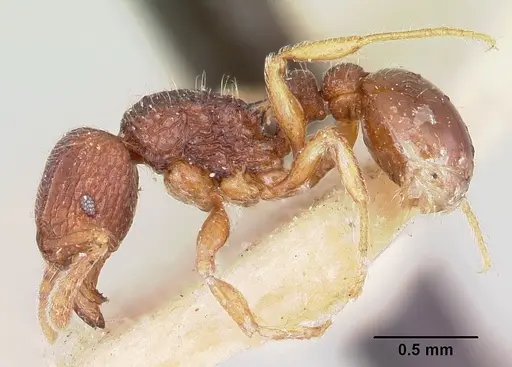
CASENT0101286
View on AntWeb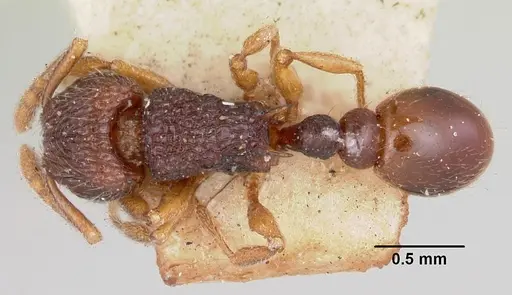
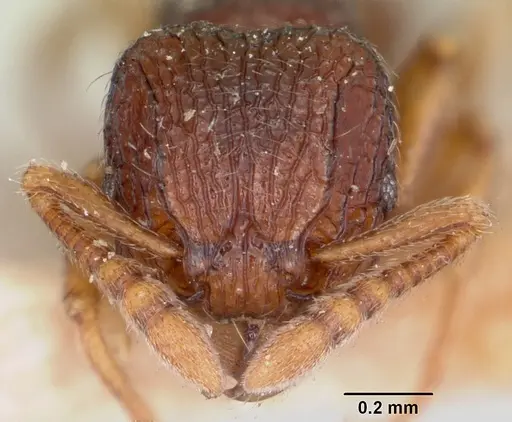
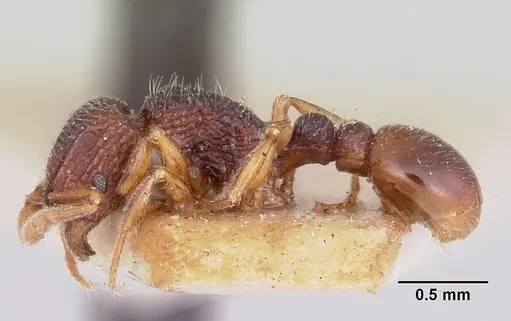
CASENT0102392
View on AntWeb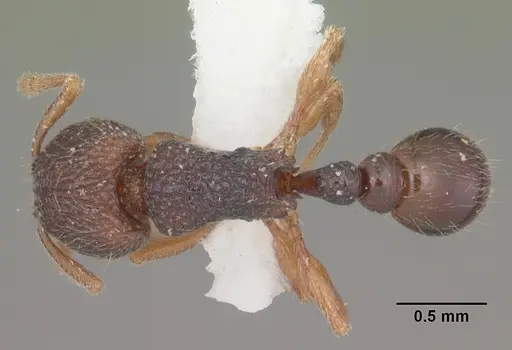
CASENT0135637
View on AntWeb
CASENT0145238
View on AntWeb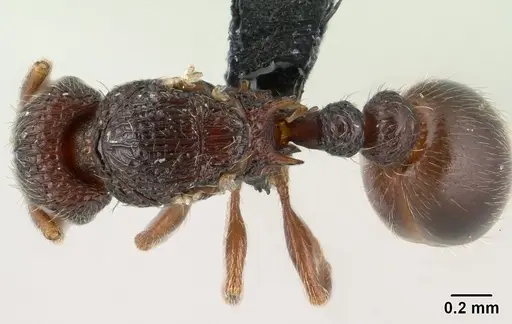
CASENT0218066
View on AntWeb
CASENT0218068
View on AntWeb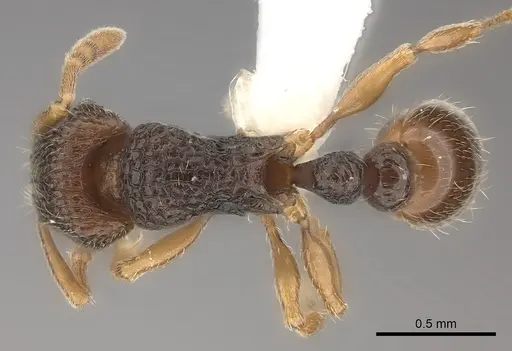
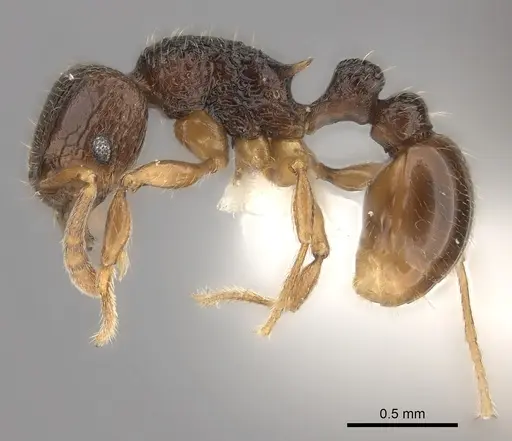
CASENT0430867
View on AntWeb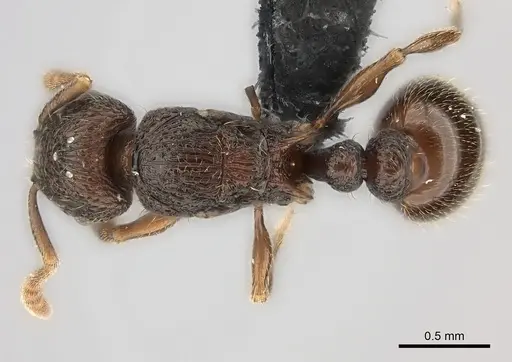
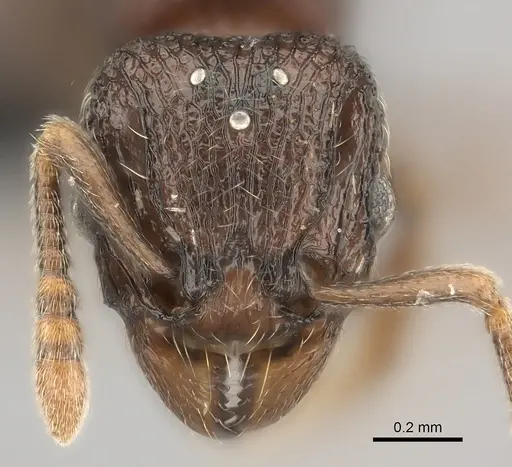
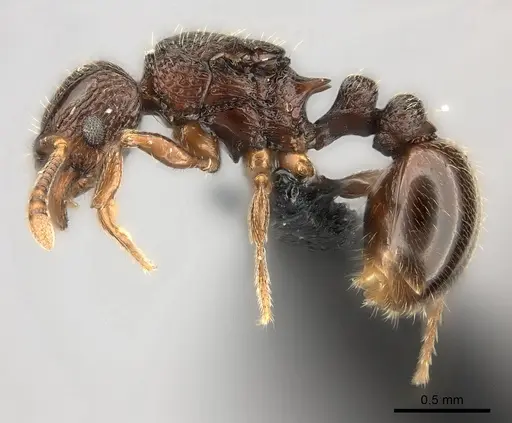
CASENT0484376
View on AntWeb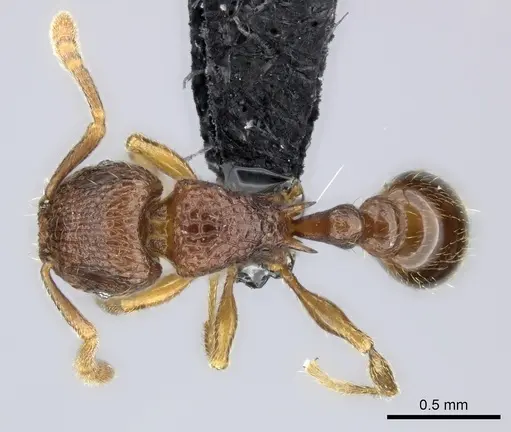
CASENT0484541
View on AntWeb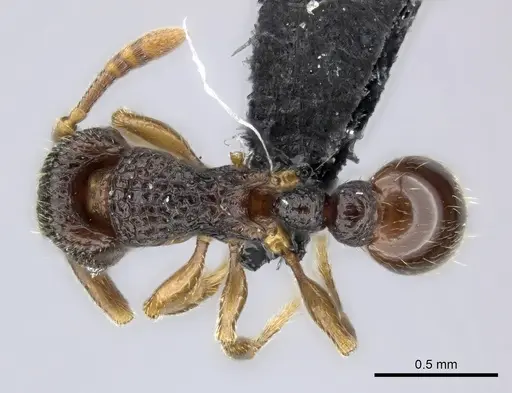
Literature
Loading distribution map...Loading products...