
Tetramorium quadridentatum
- Sci. Name
- Tetramorium quadridentatum
- Tribe
- Crematogastrini
- Subfamily
- Myrmicinae
- Author
- Stitz, 1910
- Distribution
- Found in 7 countries
Introduction
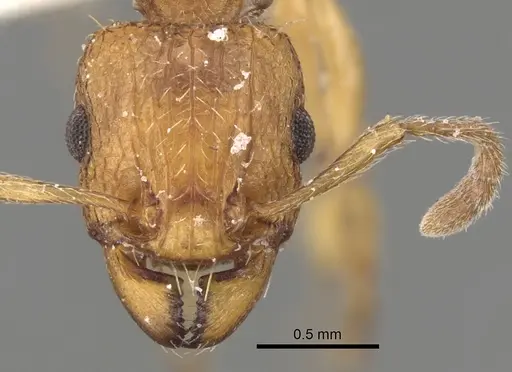
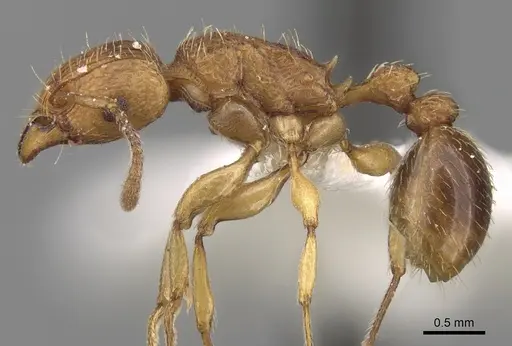
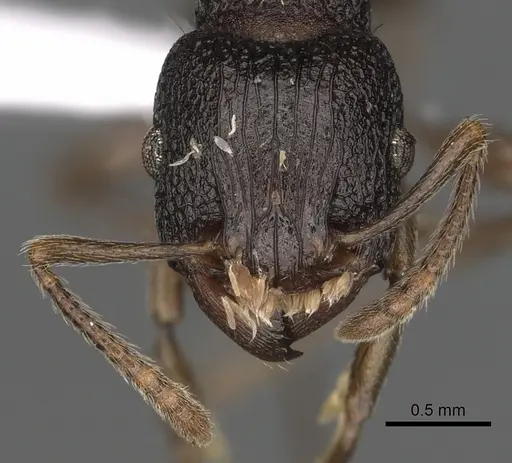
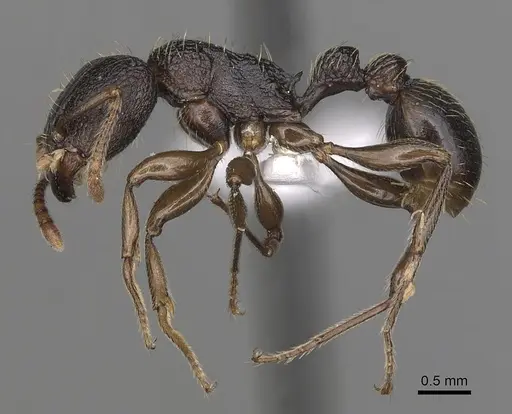
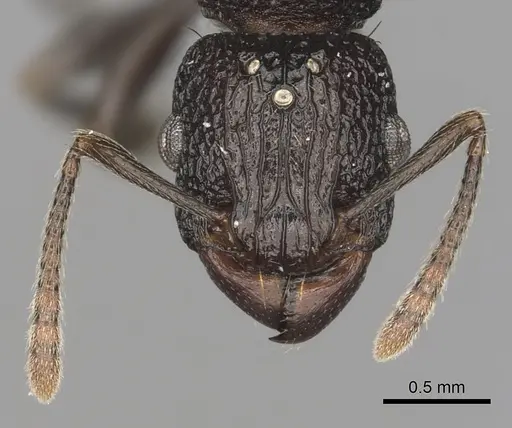
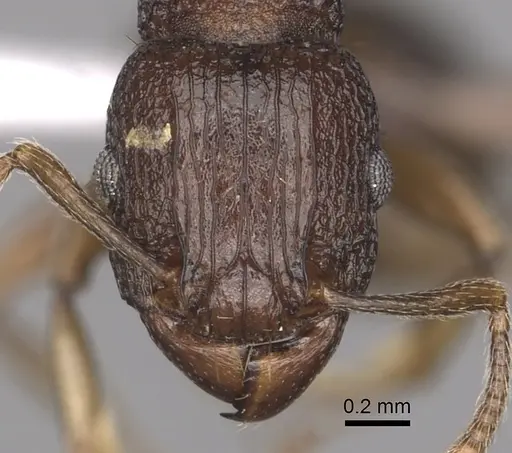
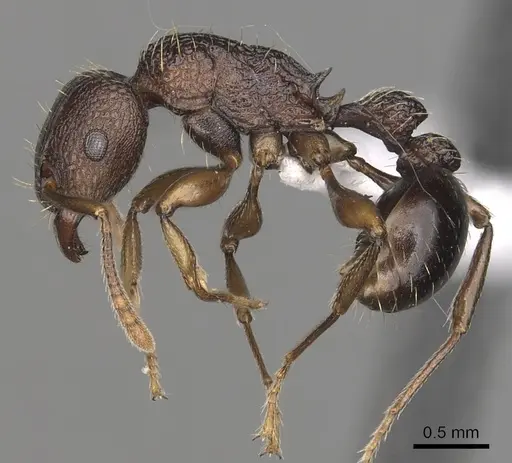
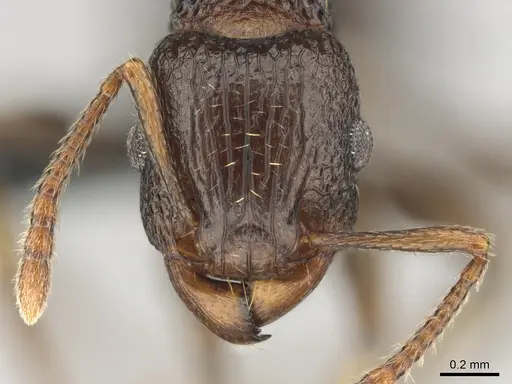
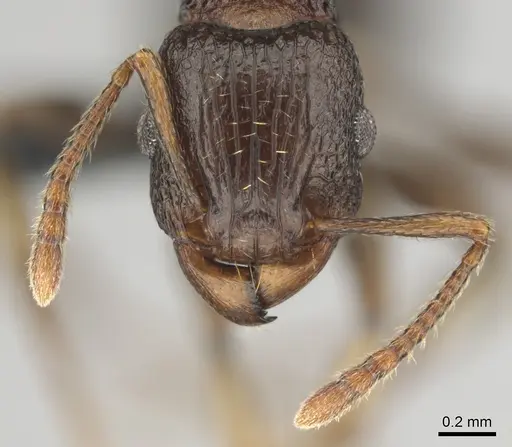
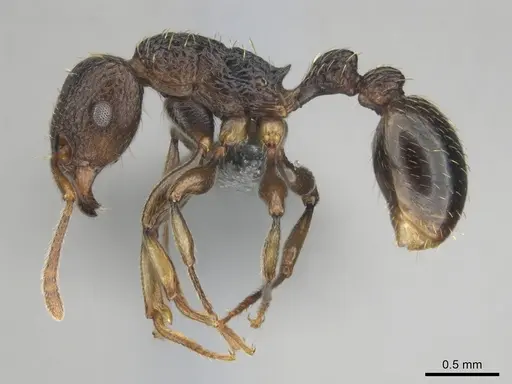
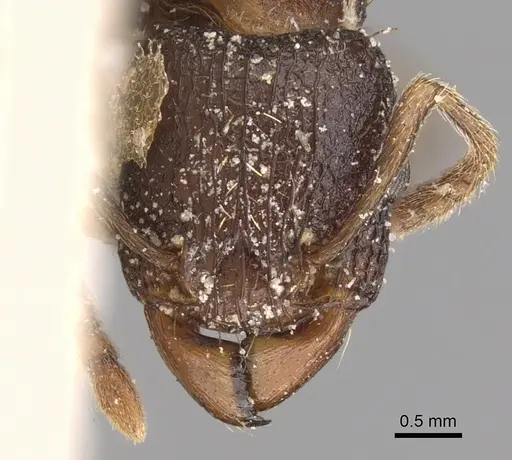
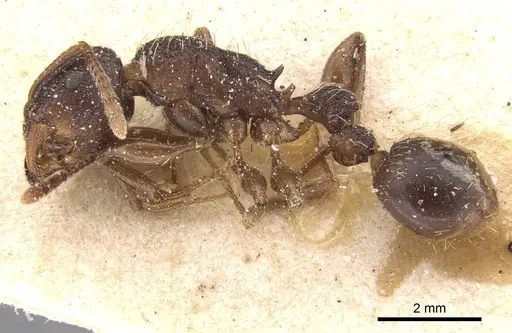
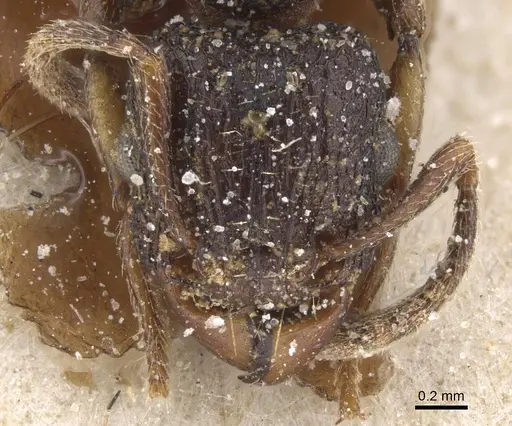
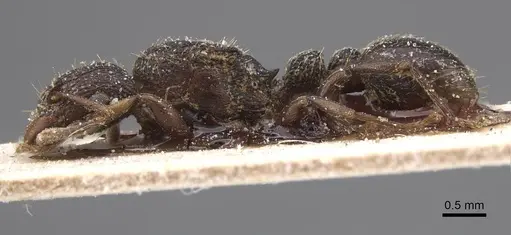
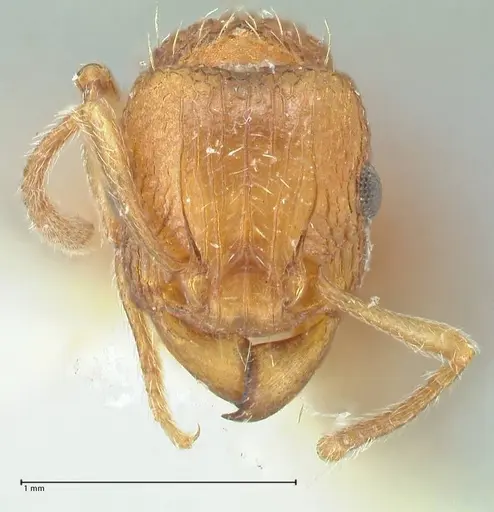
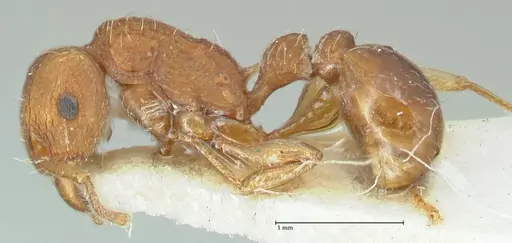
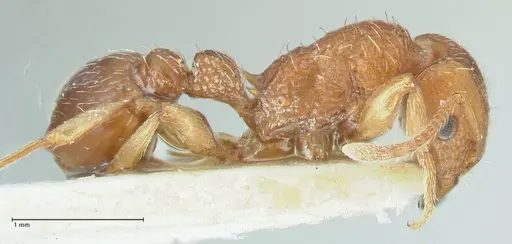
Tetramorium quadridentatum is a medium-sized arboreal ant from West and Central Africa, found in Cameroon, Ghana, Nigeria, Kenya, and the Democratic Republic of Congo . Workers measure 4.1-5.9 mm (total length) and have a distinctive petiole node - the front and top flow together in a broad smooth curve, with the dorsum slightly convex . They also have strong propodeal spines about as long as their large metapleural lobes . Color varies a lot within a colony, from yellowish brown to blackish brown, with lighter workers often having a darker gaster . Unlike closely related species, they lack net-like sculpturing on the top of the head at eye level . Little else is known about their natural history - only stray workers have ever been collected in studies, and no colony or queen has been observed in the wild .
Quick Summary
- Difficulty: Medium
- Origin & Habitat: Arboreal species from West and Central African forests, nesting in rot-holes in tree trunks or branches [1]. Found in Cameroon, Central African Republic, Congo, Democratic Republic of Congo, Equatorial Guinea, Gabon, Ghana, Kenya, Nigeria, Uganda [1].
- Colony Type: Unconfirmed, only stray foragers have been collected, with no queen or colony structure documented [2][3][4]. Based on typical Tetramorium patterns, colonies are likely single-queen (monogyne) once established.
- Size & Growth:
- Queen: Unconfirmed, queen measurements are not available in any published study.
- Worker: 4.1-5.9 mm (total length, TL) [1]
- Colony: Unknown, only single workers have been collected in studies [5].
- Growth: Moderate, estimated based on genus patterns
- Development: Unknown for this species, estimated 6-10 weeks based on typical Tetramorium development at tropical temperatures (24-28°C). (Timeline is inferred from genus-level data, as species-specific measurements are not available.)
- Antkeeping:
- Temperature: Keep at 24-28°C, matching their tropical forest origin. Provide a gradient so workers can choose a cooler or warmer spot.
- Humidity: Moderate to high, the nest substrate should be kept moist but not waterlogged. As an arboreal species, they benefit from humidity but also need good ventilation to prevent mold.
- Diapause: No, being a tropical species, they do not need hibernation. Keep stable temperatures year-round.
- Nesting: Arboreal, naturally nests in rot-holes in live tree trunks and branches [1]. In captivity, use Y-tong (AAC) or plaster nests with cork bark or wood pieces to mimic their tree-hole environment. Provide vertical space and multiple chambers.
- Behavior: Workers are 4.1-5.9 mm, so they can fit through small gaps, use tight barriers. They are generally shy and non-aggressive, preferring to flee rather than confront. Like other Crematogastrini, they have a modified stinger used to smear venom rather than pierce flesh. They forage in the tree canopy and are not attracted to baits on the ground [2][3][4].
- Common Issues: limited availability, this species is rarely available in the hobby because it's arboreal and poorly documented, escape prevention, workers can squeeze through small openings, so seal all gaps, humidity management, too much moisture leads to mold in arboreal nests, but too little dries them out, aim for a moist nest with good ventilation, lack of captive breeding data, most stock would be wild-caught, which may carry parasites or be stressed, slow colony growth, combined with rarity, this makes starting a colony challenging for beginners
Housing and Nest Setup
Because Tetramorium quadridentatum naturally nests in rot-holes in tree trunks and branches [1], replicates that vertical, wood-filled environment. Y-tong (AAC) or plaster nests work well, especially when you add cork bark, small branches, or pieces of soft wood. Give them multiple chambers and some height, they love climbing and will spread throughout connected outworlds. A test tube setup is fine for a founding queen, but plan to move them to a more elaborate formicarium once you see 20-30 workers. Keep the humidity moderate: the nest substrate should be moist but not soaked, and ventilation must be good to stop mold from growing in the wood. Avoid acrylic nests, they are harder to maintain humidity for arboreal species.
Feeding and Diet
In the wild, they likely hunt small insects and collect honeydew from tree-dwelling aphids. In captivity, offer a variety of small live prey (fruit flies, pinhead crickets, small mealworms) 2-3 times a week, plus a constant source of sugar water or honey. Remove uneaten protein after 24-48 hours to stop mold and pests. Since they are arboreal, try placing food on a raised platform or cork bark instead of on the floor of the outworld, they seem to prefer feeding up high.
Temperature and Seasonal Care
As a tropical forest species, Tetramorium quadridentatum needs consistent warmth year-round. Keep the nest area at 24-28°C, with one side a little warmer and the other cooler so they can regulate themselves. A small heating cable on one side of the nest works well. Room temperature in heated homes (22-24°C) might be enough, but watch the colony, if brood development slows, add more heat. No need for hibernation, keep conditions stable through winter.
Behavior and Observation
Workers are shy and will usually run rather than fight. They carry a functional stinger but mainly use it to smear venom onto threats instead of piercing, a characteristic of their tribe. They are not aggressive toward keepers, but they will defend the nest if provoked. In nature, they were only encountered as stray foragers away from the nest, and they did not come to baits [2][3][4]. This suggests they either forage only high in the canopy or are very selective. In captivity, you'll see them exploring all vertical surfaces. Their color ranges from yellowish brown to nearly black even within one colony [1], which is interesting to watch as the colony grows.
Colony Establishment
Establishing a colony is tough because this species is rarely sold and almost nothing is known about its founding behavior. If you somehow get a queen, keep her in a small test tube with a water reservoir, placed in a warm, dark spot. Do not disturb her, we don't even know if she is claustral or semi-claustral. If she is claustral, she will not need food until the first workers appear. Expect the first workers to emerge after 6-10 weeks if conditions are right (based on other Tetramorium). Once you have 20-30 workers, move them to a formicarium with vertical spaces. Be patient: colony growth is probably slow, and any wild-caught queen may carry parasites.
Frequently Asked Questions
Can I keep Tetramorium quadridentatum in a test tube?
Yes, a test tube with a water reservoir is fine for a founding queen. Keep it in a warm, dark spot. Because founding behavior is unconfirmed, assume the queen may need sealing herself in (claustral) but be ready to offer food if she leaves the tube. After 20-30 workers appear, move them to a larger arboreal nest.
How long does it take for Tetramorium quadridentatum to produce first workers?
Unknown for this species. Based on typical Tetramorium development at 24-28°C, estimate 6-10 weeks from egg to worker. This is a rough guess, actual timing could differ.
Do Tetramorium quadridentatum ants sting?
They belong to the subfamily Myrmicinae, which has functional stingers. However, their tribe (Crematogastrini) uses the stinger to smear venom rather than pierce. They are not aggressive toward humans and will usually flee, but they can deliver a mild sting if handled roughly.
What do Tetramorium quadridentatum ants eat?
Offer small live insects (fruit flies, small crickets, mealworms) 2-3 times a week and always have sugar water or honey available. Remove dead prey after 24-48 hours. They seem to prefer feeding off the ground, so put food on a raised platform or bark.
Are Tetramorium quadridentatum good for beginners?
This species is rated Medium. It's not aggressive, but it's hard to find, has very limited captive breeding data, and we don't know its founding behavior or exact temperature/humidity needs. Only try this if you are comfortable with uncertainty and have some experience with arboreal ants.
Do Tetramorium quadridentatum need hibernation?
No. They are tropical and do not require a diapause. Keep temperatures between 24-28°C all year round.
What is the best nest type for Tetramorium quadridentatum?
Use Y-tong (AAC) or plaster nests with cork bark or wood pieces. This matches their natural rot-hole habitat. Provide vertical chambers and good ventilation. Avoid acrylic nests.
How big do Tetramorium quadridentatum colonies get?
Unknown. Only single workers have been collected in studies [5]. Related Tetramorium species sometimes reach several hundred to a few thousand workers, but that's a guess.
Can I keep multiple Tetramorium quadridentatum queens together?
Probably not. Colony structure is unconfirmed, but typical Tetramorium are monogyne (single-queen). There is no record of polygyny in this species, so do not try to combine queens.
Why are my Tetramorium quadridentatum dying?
Common causes: temperature too low (keep 24-28°C), humidity off (too dry or too wet with mold), stress from being wild-caught, or hidden parasites. Make sure they always have sugar and regular protein. If you suspect parasites, consider isolating or starting over with a clean setup.
Report an Issue
The current care sheet is based fully on literature. See inconsistencies, or something that's incorrect? Please , it will be resolved after review from an admin. Contributing to the blogs tab also helps providing information, to make us be able to further improve the caresheets. Thank you for your support!
References

This caresheet is licensed under CC BY-SA 4.0 .
Community Blogs
CASENT0280921
View on AntWeb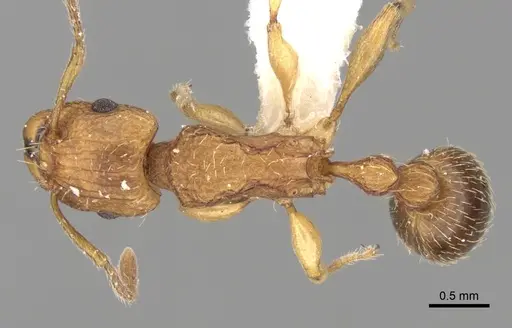
CASENT0316968
View on AntWeb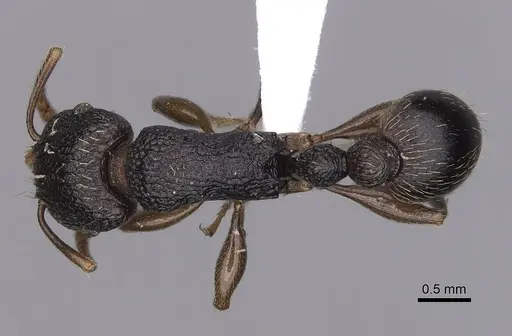
CASENT0316969
View on AntWeb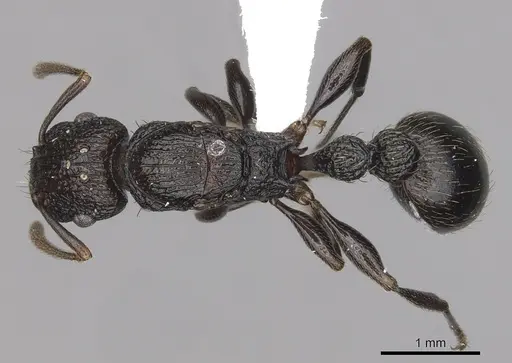
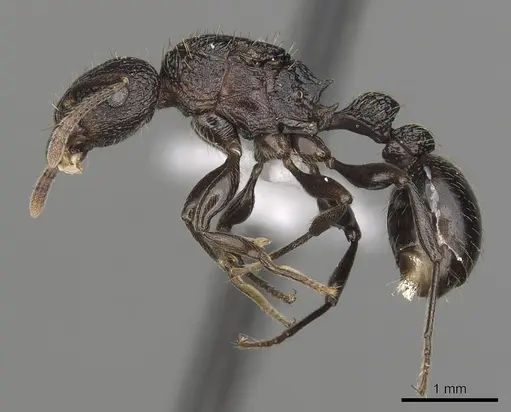
CASENT0316970
View on AntWeb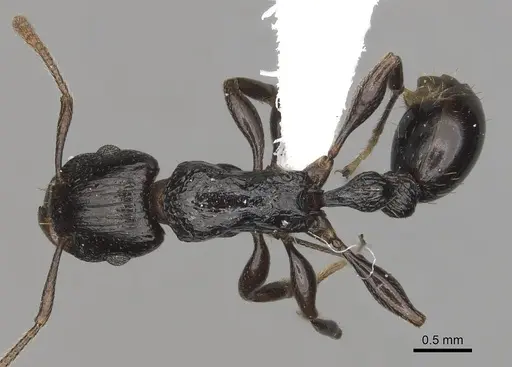
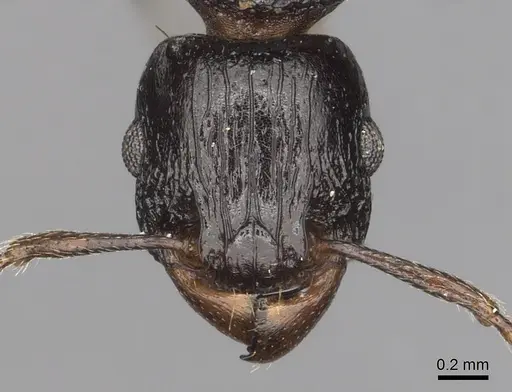
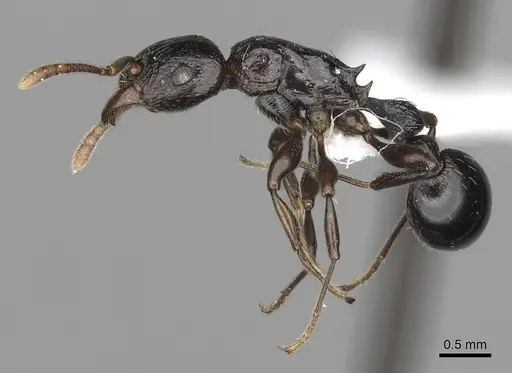
CASENT0413029
View on AntWeb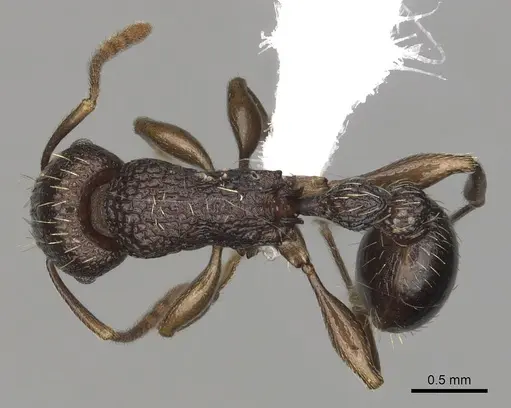
CASENT0815729
View on AntWeb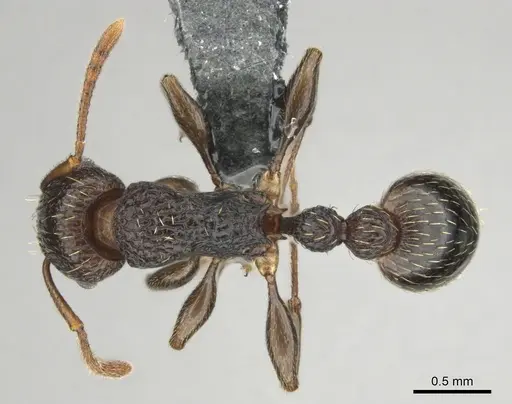
CASENT0906126
View on AntWeb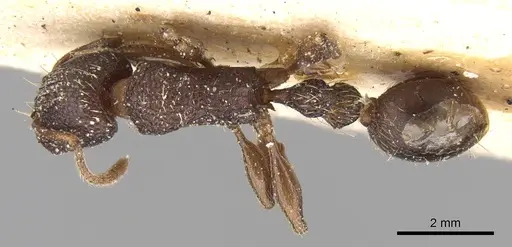
CASENT0915040
View on AntWeb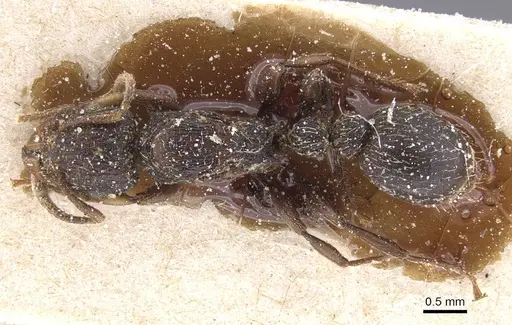
FOCOL2093
View on AntWeb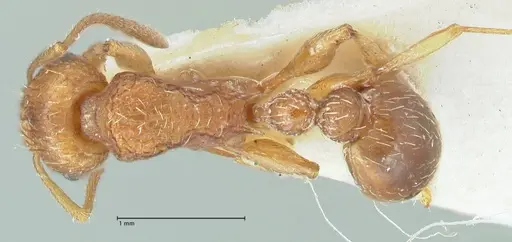
Literature
Loading distribution map...Loading products...