
Tetramorium pullulum
- Sci. Name
- Tetramorium pullulum
- Tribe
- Crematogastrini
- Subfamily
- Myrmicinae
- Author
- Santschi, 1924
- Distribution
- Found in 7 countries
Introduction
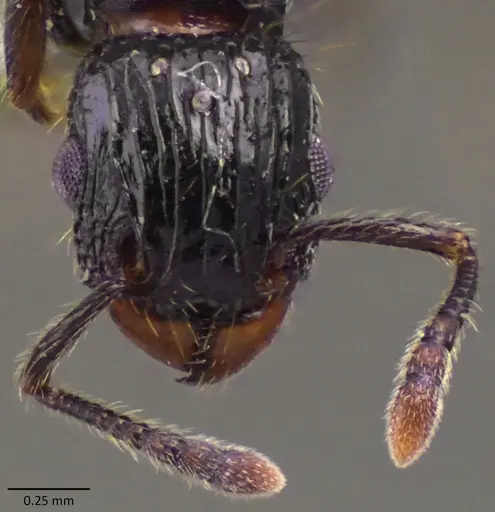
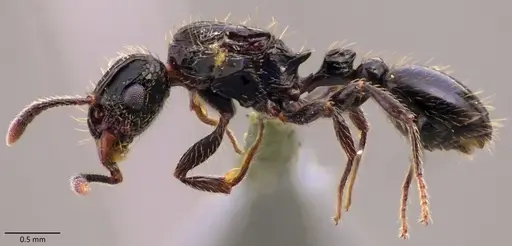
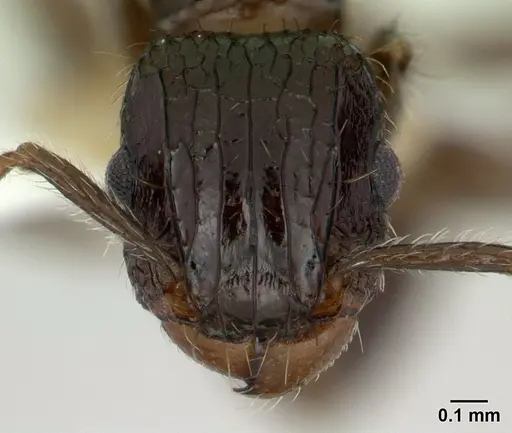
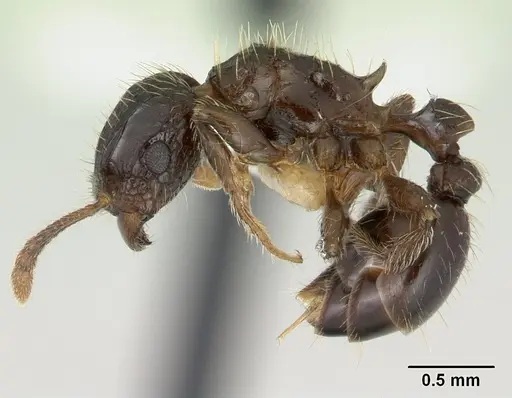
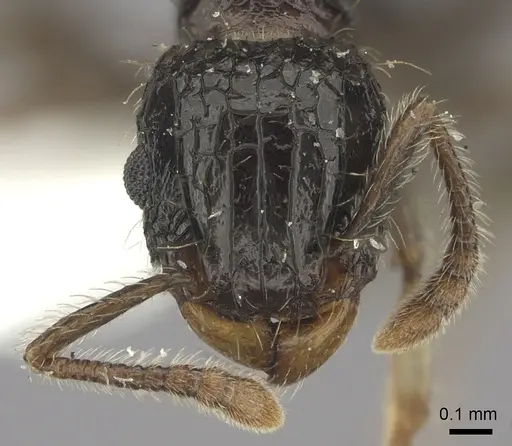
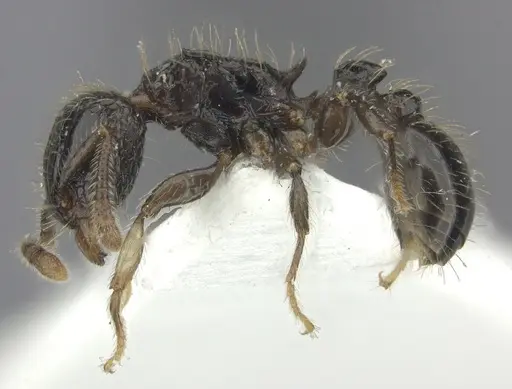
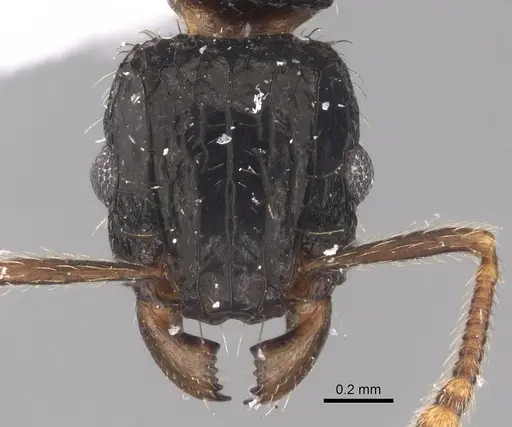
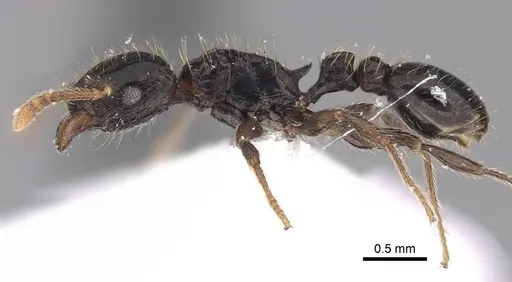
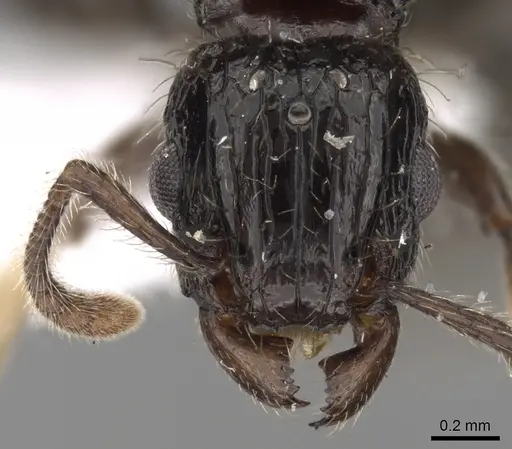
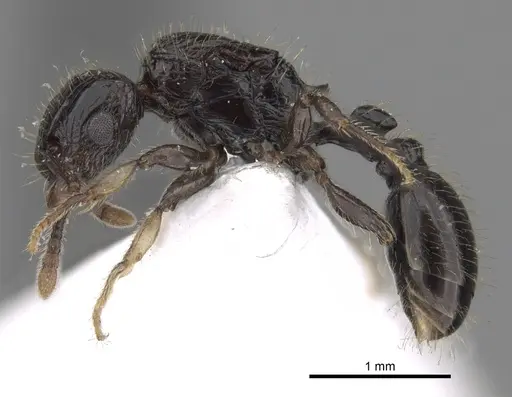
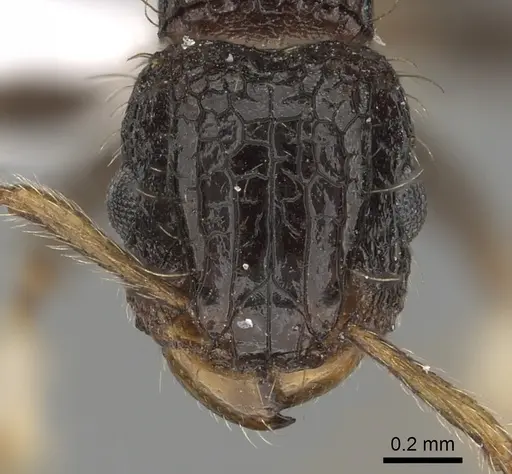
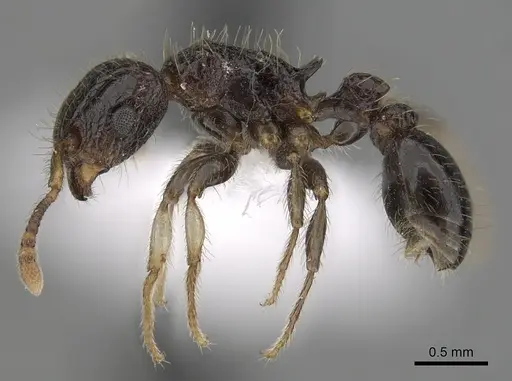
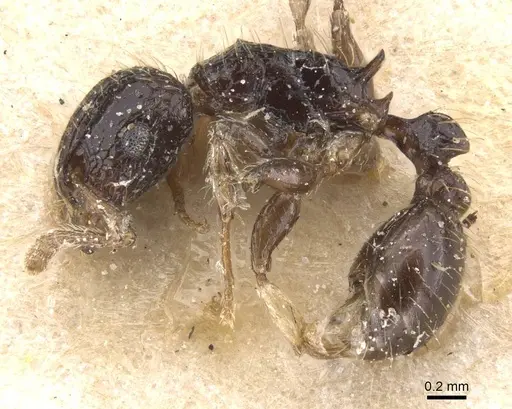
Tetramorium pullulum is a small ant, with workers measuring 3.2-4.0 mm and a uniform blackish-brown to black color . It belongs to the Tetramorium bicarinatum species group and is found across the Afrotropical region, including Angola, Cameroon, Central African Republic, Democratic Republic of Congo, Kenya, Sudan, Uganda, and Zambia . This species is an opportunistic nester in moist forests (evergreen, wet forest, rainforest). Colonies have been found in rotten logs, dead twigs, live stems, and leaf litter . Like other Myrmicinae in the tribe Crematogastrini, they use a 'smear' defense: they wipe venom onto attackers with a flattened stinger rather than stinging.
Quick Summary
- Difficulty: Medium
- Origin & Habitat: Afrotropical region, moist evergreen forest, wet forest, and rainforest across central and eastern Africa, including DRC, Kenya, Uganda, Zambia, Cameroon, and Angola [1]. This species thrives in consistently moist, forest floor microhabitats.
- Colony Type: Unconfirmed. Based on the genus Tetramorium, colonies are likely monogyne (single queen), but specific data for this species is lacking.
- Size & Growth:
- Queen: Unknown. Inferred from related Tetramorium species, queens are estimated around 7-9 mm.
- Worker: 3.2-4.0 mm [1]
- Colony: Unknown for this species. Related Tetramorium species can reach several hundred workers.
- Growth: Moderate (estimated from genus patterns)
- Development: 6-10 weeks (estimated based on related Tetramorium species) (Temperature significantly affects development speed. Warmer conditions (within safe range) speed growth.)
- Antkeeping:
- Temperature: Keep at 24-28°C, this tropical forest species prefers warm, stable conditions. A slight gradient is beneficial. Avoid prolonged temperatures below 20°C.
- Humidity: High humidity is essential, keep the nest substrate consistently damp but not waterlogged. Mimic a moist forest floor. Poor humidity quickly leads to colony decline.
- Diapause: No true diapause. As a tropical species, you can reduce feeding and lower temperature slightly (around 20-22°C) during cooler months, but do not attempt full hibernation.
- Nesting: Opportunistic nester that accepts various nest types. Y-tong (AAC), plaster, or test tube setups work well. Provide moist substrate and prevent drying. They will readily nest in wood-based materials.
- Behavior: Workers are active foragers that search for food on the forest floor. They are not particularly aggressive but will defend their nest with a smearing venom. As a small ant (3.2-4.0 mm), escape prevention is critical, seal all gaps with fine mesh. They likely feed on small insects and honeydew, like other Tetramorium.
- Common Issues: high humidity is critical, drying out causes colony failure, small size means excellent escape prevention is needed, use fine mesh barriers, tropical species cannot tolerate cool temperatures below 20°C for extended periods, wild-caught colonies may carry parasites that can decimate captive colonies, slow initial colony growth can lead to overfeeding and mold if too much food is offered
Housing and Nest Setup
Tetramorium pullulum adapts well to various captive nest types, Y-tong (AAC), plaster, or test tube setups all work. The key is keeping the substrate damp, reflecting its moist forest habitat [1]. Provide an outworld for foraging. Use a water tube or cotton wick to maintain nest humidity. Because workers are only 3.2-4.0 mm, prevent escapes with tight connections and fine mesh on ventilation holes.
Feeding and Diet
Like other Tetramorium, this species is omnivorous. Offer small insects (fruit flies, pinhead crickets, mealworms) as protein and sugar water or honey as carbohydrate [1]. Feed small prey twice weekly and keep a constant sugar source. Remove uneaten prey after 24-48 hours to prevent mold. Young colonies need smaller prey that workers can easily handle.
Temperature and Humidity Management
This tropical forest species needs warm, humid conditions [1]. Maintain 24-28°C, a heating cable can create a useful gradient. Humidity is more critical, keep the nest substrate damp (no standing water). Mist the outworld occasionally but avoid directly misting the nest. Poor humidity causes sluggishness and brood failure. If your room stays below 24°C, use supplemental heating.
Colony Founding and Growth
Founding behavior is unconfirmed for Tetramorium pullulum. Based on related Tetramorium species, queens are likely claustral, they seal themselves in a chamber and raise the first workers without foraging, using stored fat reserves. If so, the first workers (nanitics) emerge in 6-10 weeks under warm conditions. After that, colony growth is moderate. Do not disturb a founding queen, once workers appear, start offering small food items.
Seasonal Care and Winter Management
As a tropical species from African rainforests, Tetramorium pullulum does not require true hibernation [1]. You may reduce temperature slightly (20-22°C) and feed less during cooler months, but avoid letting it drop below 18°C. Sudden temperature swings stress the colony. Use a heating mat if your room gets cold in winter.
Frequently Asked Questions
How long does it take for Tetramorium pullulum to raise first workers?
Based on related Tetramorium species, egg to first worker takes about 6-10 weeks at 24-28°C. Exact timing for this species is unknown but likely similar.
What size colony does Tetramorium pullulum reach?
Colony size is not documented for this species. Related Tetramorium species can reach several hundred workers, so expect moderate growth to a colony of at least 100+ workers over 1-2 years.
Do Tetramorium pullulum ants sting?
Workers have a functional stinger, but their primary defense is to smear venom onto enemies (a common trait of the tribe Crematogastrini). The sting is not especially potent, handle gently to avoid provoking them.
What humidity level do Tetramorium pullulum colonies need?
High humidity is essential, keep the nest substrate consistently damp but not waterlogged. This species comes from moist rainforest, so think 'damp forest floor'. The substrate should feel moist to the touch. Poor humidity quickly kills the colony.
Can I keep Tetramorium pullulum in a test tube setup?
Yes, test tube setups work well for founding colonies and even established colonies. Ensure the cotton stays moist and the tube is kept warm and dark. As the colony grows, add more tubes or move to a larger nest.
What temperature range is ideal for Tetramorium pullulum?
Keep them at 24-28°C, this tropical forest species needs warm, stable conditions. Avoid temperatures below 20°C for long periods. Use a heating cable if needed.
Is Tetramorium pullulum good for beginners?
This species is rated Medium difficulty. It is manageable for intermediate keepers but the high humidity requirement can be tricky for beginners. Focus on getting moisture right before acquiring this ant.
What do Tetramorium pullulum eat?
They are omnivores, offer small insects (fruit flies, pinhead crickets, mealworms) for protein and sugar water or honey for carbs. Feed protein twice weekly and keep sugar available. Remove leftover prey after 24-48 hours.
Do Tetramorium pullulum queens need to forage during founding?
Founding behavior is unconfirmed. Based on related Tetramorium, queens are likely claustral: they seal themselves in a chamber and use stored fat to raise the first workers without foraging. Do not disturb a founding queen.
Why is my Tetramorium pullulum colony dying?
Most common causes: low humidity (drying out), temperatures below 20°C, mold from overfeeding or poor ventilation, and parasites from wild-caught colonies. Maintain high humidity, warm temperatures (24-28°C), and feed appropriately sized prey in small amounts.
When should I move Tetramorium pullulum to a formicarium?
Keep them in a test tube or simple nest until the colony has 50+ workers and the tube dries out quickly or feels cramped. Then move to a Y-tong, plaster, or naturalistic nest. Ensure the new nest stays moist.
Does Tetramorium pullulum need hibernation?
No, this tropical species does not need true hibernation. You can lower temperature slightly (to 20-22°C) and feed less in winter, but never attempt full hibernation, it can be fatal.
Report an Issue
The current care sheet is based fully on literature. See inconsistencies, or something that's incorrect? Please , it will be resolved after review from an admin. Contributing to the blogs tab also helps providing information, to make us be able to further improve the caresheets. Thank you for your support!
References

This caresheet is licensed under CC BY-SA 4.0 .
Community Blogs
ANTWEB1060157
View on AntWeb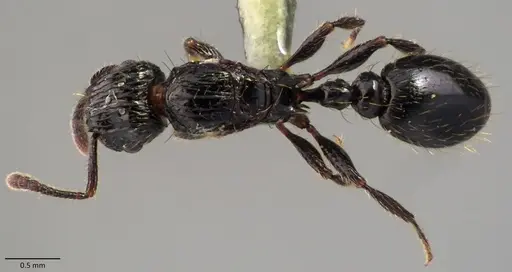
CASENT0178338
View on AntWeb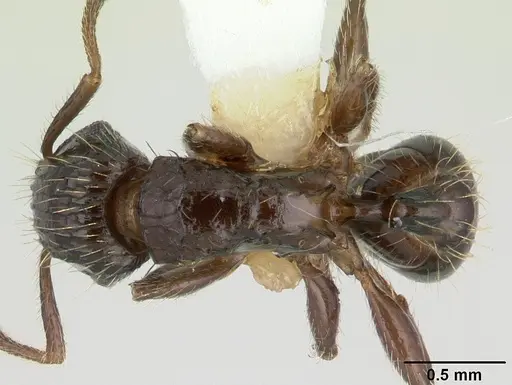
CASENT0217076
View on AntWeb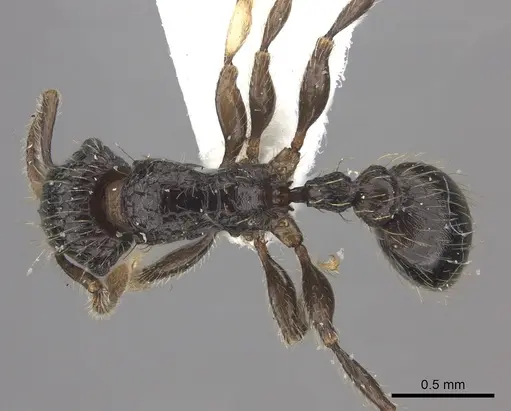
CASENT0217223
View on AntWeb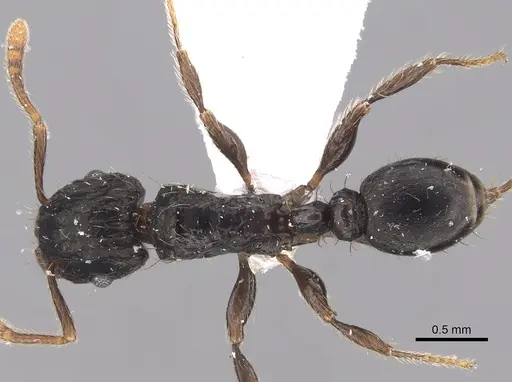
CASENT0217224
View on AntWeb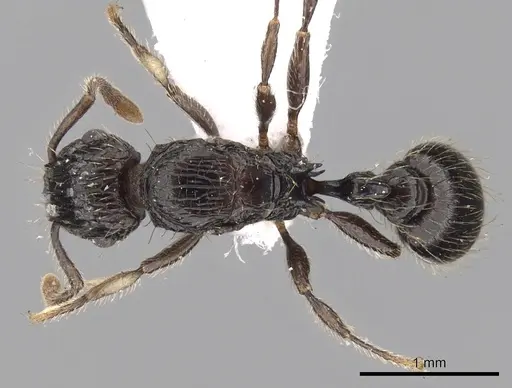
CASENT0371300
View on AntWeb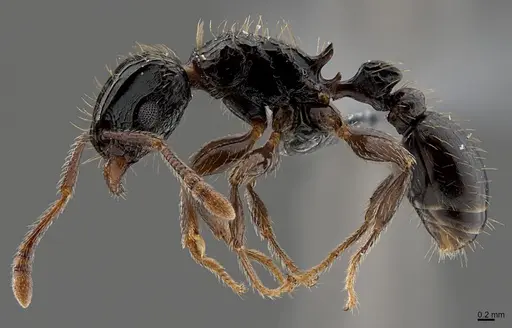
CASENT0412029
View on AntWeb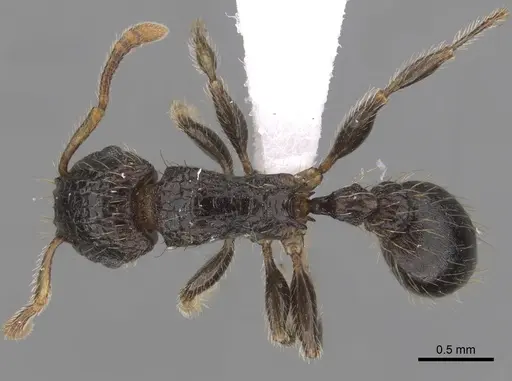
CASENT0906124
View on AntWeb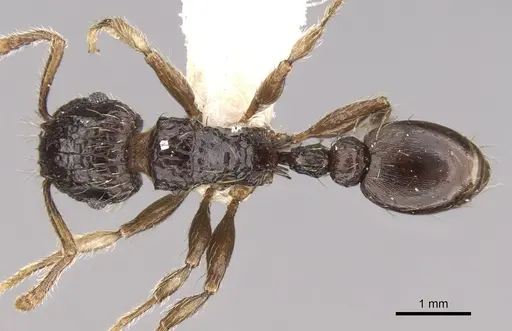
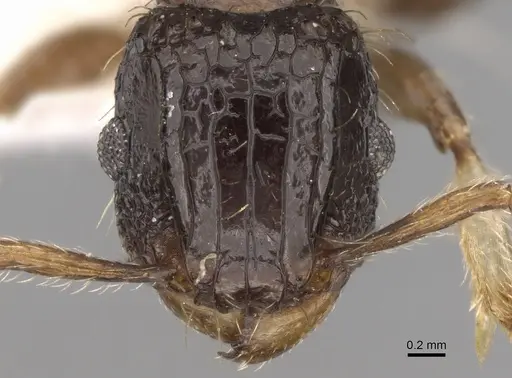
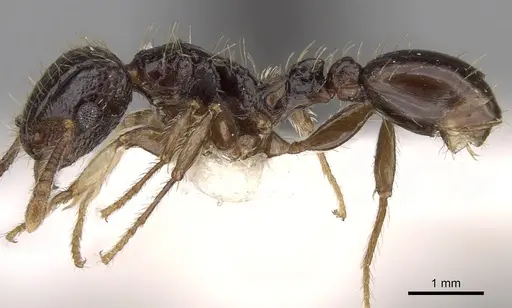
RMCAENT000017791
View on AntWeb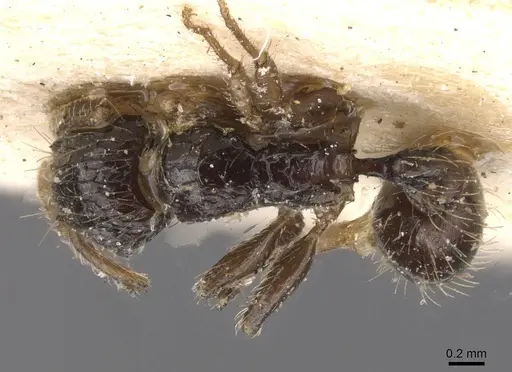
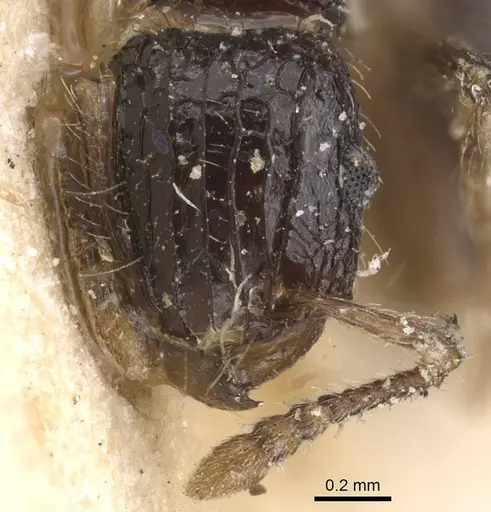
Literature
Loading distribution map...Loading products...