
Tetramorium pulcherrimum
- Sci. Name
- Tetramorium pulcherrimum
- Tribe
- Crematogastrini
- Subfamily
- Myrmicinae
- Author
- Donisthorpe, 1945
- Distribution
- Found in 2 countries
Introduction
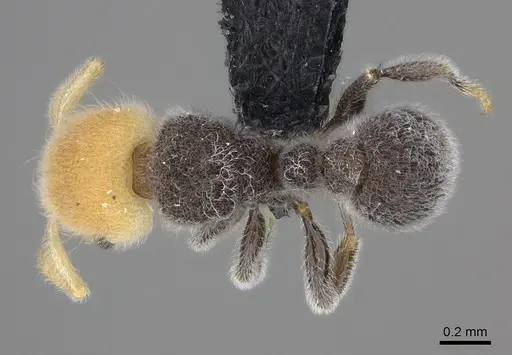
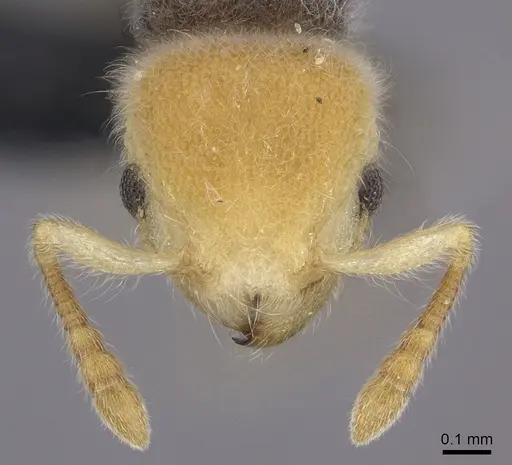
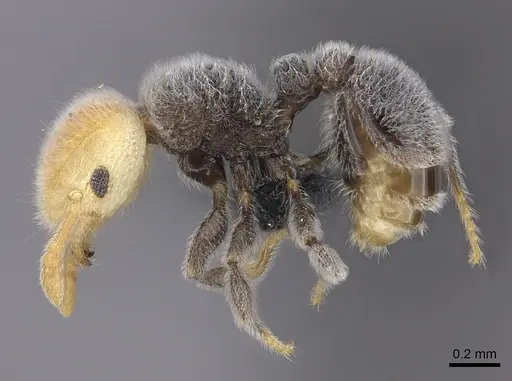
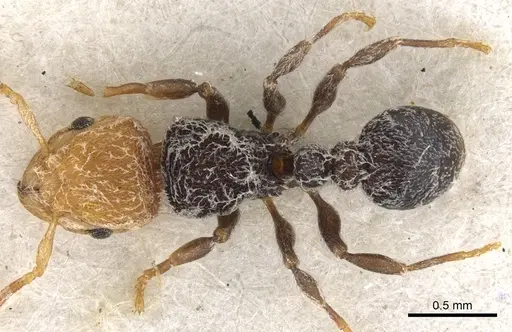
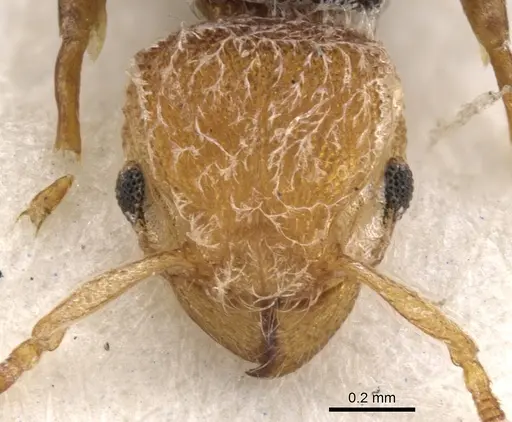
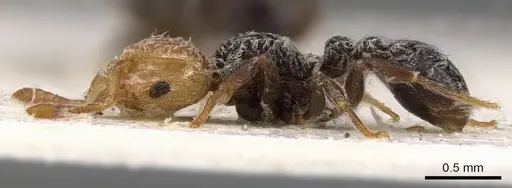
Tetramorium pulcherrimum is a small ant species originally described from the Democratic Republic of Congo . Workers in this genus are typically 4-6 mm long, with a compact, robust body and 12-segmented antennae. Based on related species, they likely live in tropical forest edges, savanna margins, or disturbed areas, nesting in soil under stones or in rotting wood. Little species-specific research exists for T. pulcherrimum, so most care advice comes from general Tetramorium patterns. The most notable thing about this ant is how little we know about its natural history - even basic biology like founding behavior and colony structure remain unconfirmed.
Quick Summary
- Difficulty: Medium
- Origin & Habitat: Democratic Republic of Congo in Central Africa [1]. Based on related Tetramorium species, these ants likely inhabit tropical forest edges, savanna margins, or disturbed areas where they nest in soil under stones or in rotting wood.
- Colony Type: Likely monogyne (single queen colonies) based on typical Tetramorium patterns, but this has not been confirmed for this specific species.
- Size & Growth:
- Queen: ~8-10 mm, inferred from Tetramorium genus
- Worker: ~4-6 mm, inferred from Tetramorium genus
- Colony: Up to several hundred workers, estimated from related species
- Growth: Moderate
- Development: Estimated 6-8 weeks at optimal temperature based on typical Tetramorium development (Development time is inferred from genus-level data, not specifically studied for this species)
- Antkeeping:
- Temperature: Aim for 24-28°C as a starting point, these are tropical ants that prefer warm conditions. A slight gradient allows workers to regulate their temperature.
- Humidity: Keep substrate moderately moist but not waterlogged. Tropical species typically prefer 60-80% relative humidity. Allow some drying between waterings.
- Diapause: Unconfirmed, tropical African species may not require a true diapause, but a slight cooling period during the dry season may be beneficial
- Nesting: Y-tong (AAC) nests or naturalistic setups with soil work well. They prefer tight chambers and will nest in soil or crumbling substrate. Provide some depth for brood chambers.
- Behavior: Tetramorium species are generally defensive and will bite if threatened. They use a modified stinger to smear venom onto enemies rather than piercing flesh (common to myrmicine ants in the tribe Crematogastrini). This is not dangerous to humans but can be irritating. Workers are active foragers that search for small insects, honeydew, and seeds. Escape prevention should be moderate, they are not particularly small (4-6 mm) but can squeeze through small gaps.
- Common Issues: lack of species-specific care information means you may need to adjust conditions based on colony behavior, tropical species may decline if kept too cool, monitor temperature closely, colonies from wild-caught queens may carry parasites, quarantine and observe new colonies carefully, small colony sizes during founding are vulnerable to stress, minimize disturbances
Housing and Nest Setup
For Tetramorium pulcherrimum, a Y-tong (AAC) nest or a naturalistic setup with soil works well. These ants prefer tight, snug chambers that mimic their natural underground nests. If using a test tube setup for founding, ensure the water reservoir is adequate but not excessive, too much water can drown a claustral queen. Once the colony reaches about 20-30 workers, you can consider moving them to a formicarium. Provide a foraging area that is easy to access and clean. Use a barrier like fluon on smooth surfaces to prevent escapes, though they are not extreme escape artists like some tiny species.
Feeding and Diet
Like most Tetramorium species, these ants are omnivorous and will accept a variety of foods. Offer small protein sources like fruit flies, small crickets, mealworms, or other appropriately-sized insects. They also accept sugar sources such as honey water or sugar water. In nature, they likely forage for honeydew from aphids and tend small scale insects. Feed protein 2-3 times per week and keep a sugar source available at all times. Remove uneaten prey after 24-48 hours to prevent mold.
Temperature and Humidity
As a tropical African species, Tetramorium pulcherrimum prefers warmer temperatures. Aim for 24-28°C in the nest area, with a slight gradient allowing workers to move between warmer and cooler areas if they choose. Room temperature may be adequate if your home is naturally warm, otherwise use a heating cable on one side of the nest. For humidity, keep the substrate moderately moist, damp but not soggy. Mist the foraging area occasionally and ensure the nest has access to water. Tropical ants often benefit from a small water dish in the outworld.
Colony Founding
The founding behavior of Tetramorium pulcherrimum has not been directly documented, but based on typical Tetramorium patterns, the queen likely seals herself in a claustral chamber and raises the first brood alone. She lives off her stored fat reserves and wing muscles until the first workers emerge. During this time, she needs complete darkness and minimal disturbance. Do not check the founding chamber frequently, excessive vibrations and light can cause queens to abandon or eat their brood. Expect the first nanitic workers to emerge after 4-8 weeks depending on temperature.
Seasonal Care and Overwintering
As a tropical species from Central Africa, Tetramorium pulcherrimum likely does not require a true hibernation period. However, slight seasonal variations may be natural. Some keepers report success with a slight reduction in temperature during winter months (dropping to around 20-22°C) rather than a full diapause. This mimics the cooler dry season in their native habitat. Do not cool them dramatically or below about 18°C. Maintain feeding at a reduced frequency during this period. If your colony shows signs of slowing down naturally in winter, this is likely a response to cooler temperatures and reduced daylight.
Frequently Asked Questions
How long does it take for Tetramorium pulcherrimum to have first workers?
Based on typical Tetramorium development, expect first workers (nanitics) to emerge around 6-8 weeks after the queen lays eggs, assuming optimal temperatures around 26-28°C. This is an estimate since specific development data for this species is not available.
Can I keep multiple Tetramorium pulcherrimum queens together?
This is not recommended. While some Tetramorium species can be polygynous, there is no data supporting this for T. pulcherrimum. Combining unrelated queens typically results in fighting and colony loss. Start with a single claustral queen.
What temperature do Tetramorium pulcherrimum ants need?
Keep them warm at 24-28°C. These are tropical ants that prefer consistent warmth. A heating cable on one side of the nest can create a beneficial gradient. Avoid temperatures below 20°C for extended periods.
Do Tetramorium pulcherrimum ants sting?
Like other members of their tribe (Crematogastrini), Tetramorium species have a modified stinger used to smear venom rather than inject it. They may bite and smear venom, but they are not considered dangerous to humans. Their chemical defense is mild compared to some other ant genera.
Are Tetramorium pulcherrimum good for beginners?
This species is rated as medium difficulty primarily because there is limited species-specific care information available. If you have experience with other Tetramorium species or similar ground-nesting ants, you should be able to keep them successfully. Beginners may find the lack of specific data challenging.
How often should I feed Tetramorium pulcherrimum?
Offer protein (insects) 2-3 times per week. Keep a sugar source (honey water or sugar water) available at all times. Remove uneaten prey after 24-48 hours. Adjust based on colony size, larger colonies will need more frequent feeding.
When should I move Tetramorium pulcherrimum to a formicarium?
Wait until the colony has at least 30-50 workers and is actively using the foraging area. Moving too early can stress the colony. Make sure the formicarium has appropriately sized chambers, Tetramorium prefer snug, tight spaces.
Do Tetramorium pulcherrimum need hibernation?
Probably not, this is a tropical African species. A slight temperature reduction during winter months (to around 20-22°C) may be beneficial but a true hibernation with cold temperatures is not recommended and could harm the colony.
Why is my Tetramorium pulcherrimum colony declining?
Common causes include: temperatures too low (below 20°C), excessive humidity causing mold, too much disturbance during founding, or poor nutrition. Check your temperature first, then review feeding schedules. Wild-caught colonies may also carry parasites.
What do Tetramorium pulcherrimum eat?
They are omnivorous. Offer small insects (fruit flies, small crickets, mealworms) for protein and sugar sources (honey water, sugar water, ripe fruit) for carbohydrates. They may also accept small seeds or bait gels.
Report an Issue
The current care sheet is based fully on literature. See inconsistencies, or something that's incorrect? Please , it will be resolved after review from an admin. Contributing to the blogs tab also helps providing information, to make us be able to further improve the caresheets. Thank you for your support!
References

This caresheet is licensed under CC BY-SA 4.0 .
Community Blogs
Literature
Loading distribution map...Loading products...