
Tetramorium pinnipilum
- Sci. Name
- Tetramorium pinnipilum
- Tribe
- Crematogastrini
- Subfamily
- Myrmicinae
- Author
- Bolton, 1980
- Distribution
- Found in 3 countries
Introduction
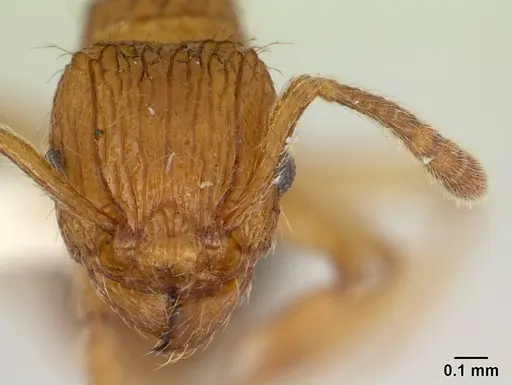
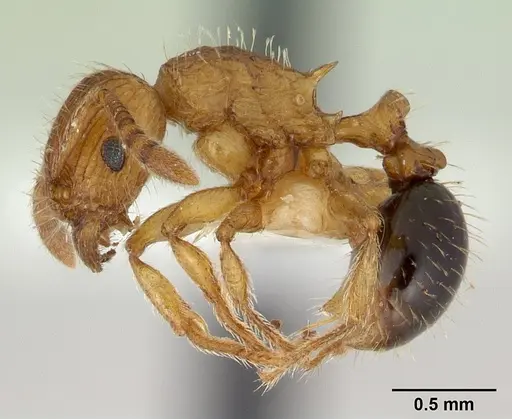
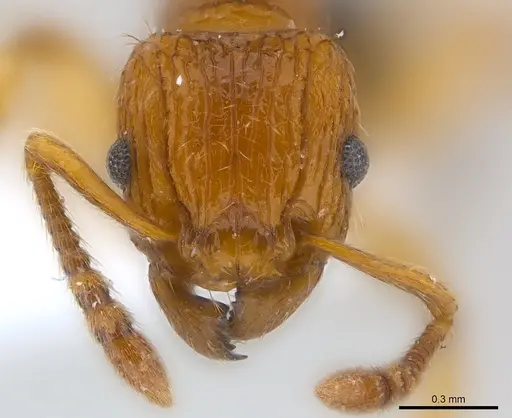
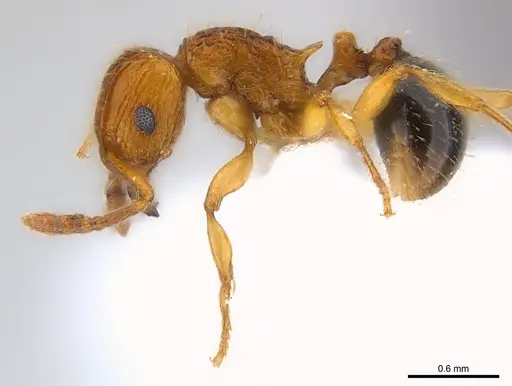
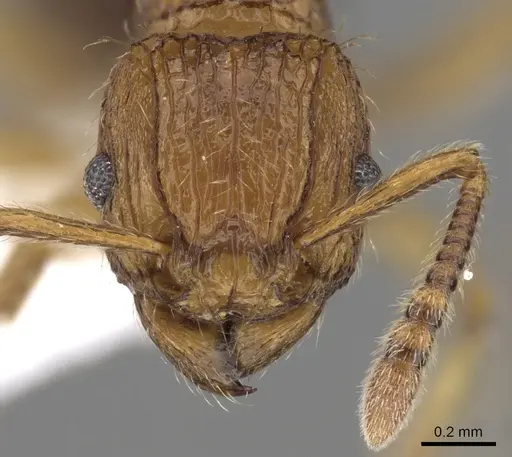
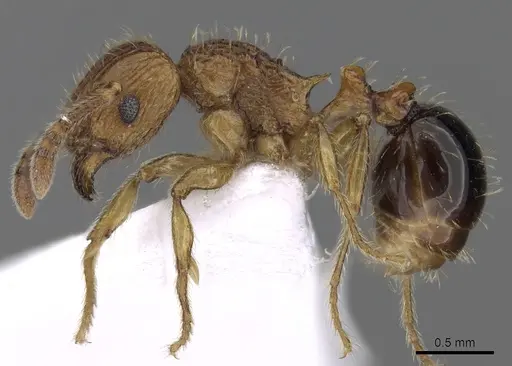
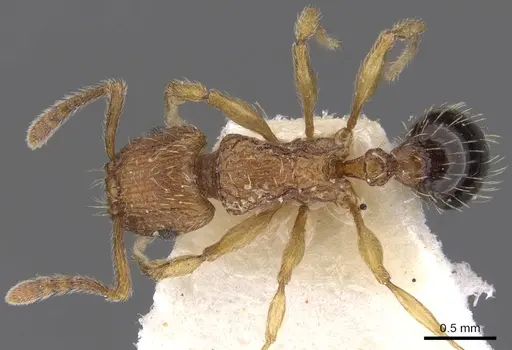
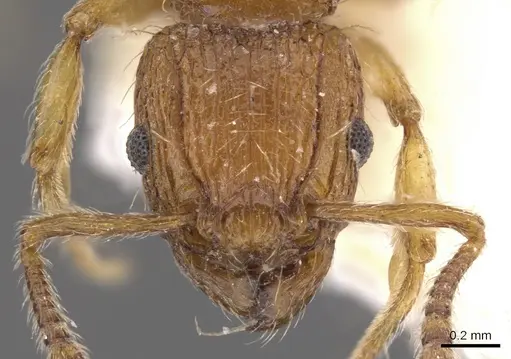
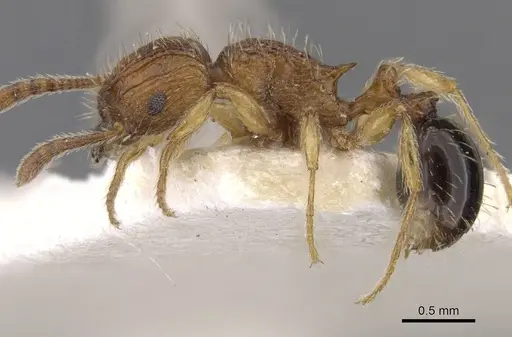
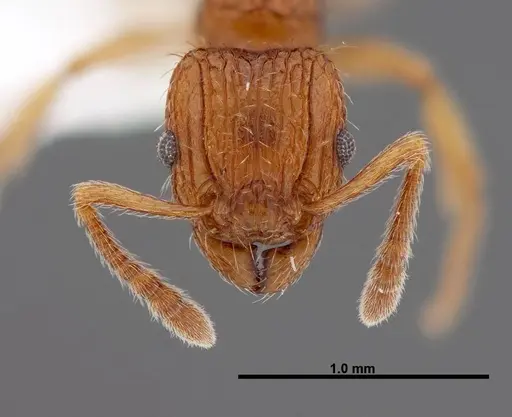
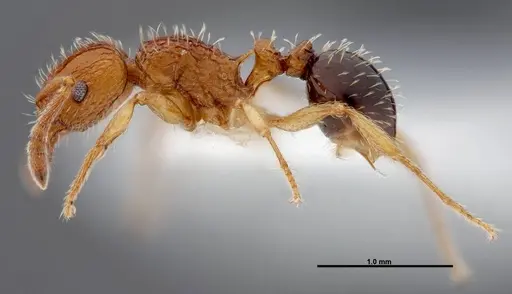
Tetramorium pinnipilum is a small leaf-litter ant from the rainforests of Angola and Western Kenya, where it's one of the most common ants on the forest floor . Workers measure about 3.4 mm in total length and have a striking two-tone look: the head, middle body, petiole, and postpetiole are orange-brown, while the gaster (rear segment) is dark brown to black . This species belongs to the Tetramorium edouardi complex and is the only member of its group with feathery (pinnate, pectinate, or plumose) hairs all over the upper body, making it easy to identify under a microscope .
Quick Summary
- Difficulty: Medium
- Origin & Habitat: Rainforests of Angola and Western Kenya, lives in leaf litter and upper soil layers [1]
- Colony Type: Colony structure is unconfirmed. Based on typical Tetramorium patterns, likely single-queen (monogyne) colonies.
- Size & Growth:
- Queen: Unconfirmed, no queen measurements have been documented
- Worker: 3.4 mm total length [2]
- Colony: Unknown, maximum colony size has not been studied
- Growth: Moderate, inferred from typical Tetramorium development
- Development: Estimated 6-10 weeks based on related Tetramorium species at optimal temperature (Development has not been directly studied for this species, the estimate is based on genus-level data)
- Antkeeping:
- Temperature: Keep at 22-26°C, this rainforest species needs warm, steady conditions. A slight temperature gradient lets the colony self-regulate.
- Humidity: High humidity is critical, these ants come from rainforest leaf litter. Keep the nest substrate consistently moist (but not waterlogged) and provide some drier areas.
- Diapause: Unknown, as an Afrotropical rainforest species, it likely does not need a true winter diapause, but may slow down during cooler periods
- Nesting: In the wild they nest in leaf litter and upper soil. In captivity, a naturalistic setup with moist soil/peat mix works well. Plaster nests with a water reservoir can also work. Avoid acrylic, use Y-tong, plaster, soil, or 3D-printed nests. They prefer tight, humid chambers.
- Behavior: This is a calm, non-aggressive leaf-litter species that forages quietly in the substrate. Workers are small and active, searching for food throughout the nest area. Escape risk is moderate due to their small size, use standard barriers (Fluon or similar). They belong to the myrmicine tribe Crematogastrini and have a modified, flattened spatulate stinger used to smear venom onto enemies rather than piercing flesh. The venom is mild and not harmful to humans.
- Common Issues: high humidity needs can lead to mold if ventilation is poor, small size makes escape prevention important, they can slip through tiny gaps, rainforest origin means they are sensitive to drying out, colony growth might be slow, patience needed during founding, founding behavior and queen biology are unstudied, which adds uncertainty
Housing and Nest Setup
Tetramorium pinnipilum naturally lives in the leaf litter and upper soil of rainforests, so you need a setup that keeps the substrate moist and rich [1]. A naturalistic terrarium-style setup works best, use a moist soil/peat mix at least 5-8 cm deep to allow tunneling and foraging. A plaster nest with a water reservoir and tight chambers can also work, as long as humidity stays high. Because they are small and can slip through tiny gaps, use a well-fitting lid and apply Fluon or another barrier to the rim. A small outworld for feeding is helpful but not absolutely necessary, they will forage in a connected area.
Feeding and Diet
Like most Tetramorium species, Tetramorium pinnipilum is omnivorous. In the wild it feeds on small insects, seeds, and honeydew. In captivity, offer small live prey (fruit flies, pinhead crickets, tiny mealworms), sugar water or honey for energy, and occasionally seeds or other protein-rich foods. Feed small portions 2-3 times a week and remove uneaten prey after 24 hours to prevent mold. There is no specific research on their feeding preferences, so adjust based on what your colony accepts. Make sure prey items are small enough for their tiny mandibles.
Temperature and Humidity
As a rainforest species from Angola and Kenya, Tetramorium pinnipilum needs warm and humid conditions. Keep temperatures between 22-26°C and avoid sudden drops or fluctuations. Place a heating cable on one side of the nest to create a gentle gradient, but always provide an unheated area where the ants can cool down. Humidity is critical, keep the substrate moist but not waterlogged. Mist the nest occasionally or use a water reservoir in a plaster nest. Without enough humidity, workers become sluggish and the colony may die. However, also provide some ventilation to prevent stagnant air and mold. [1]
Behavior and Colony Dynamics
This is a peaceful, non-aggressive species. Workers are active foragers that search through leaf litter and soil for food. The most striking feature is their unique feathery hairs (pinnate, pectinate, or plumose) that cover the entire upper body, a trait not found in any other African Tetramorium species [2][1]. Colonies likely grow to moderate sizes (possibly a few hundred workers), but the exact maximum is unknown. Their defense mechanism is a modified, flattened spatulate stinger used to smear venom rather than pierce, they are not dangerous to humans and will rely on hiding rather than fighting. Colony founding is not documented, so a new colony will require patience.
Finding and Acquiring
Tetramorium pinnipilum is found only in rainforests of Angola and Western Kenya [1], making it a rarely kept species. Wild-caught colonies may be available from specialty importers, but availability is very limited. If you collect from the wild, make sure you have the proper permits and never release captive colonies in non-native areas. This species is not established in the pet trade, so expect to pay a premium for wild-caught colonies. When purchasing, look for healthy workers with the characteristic feathery hairs and two-tone colour (orange-brown body, dark gaster).
Frequently Asked Questions
How long does it take for Tetramorium pinnipilum to have first workers?
The exact timeline is unconfirmed. Based on related Tetramorium species, expect 6-10 weeks from egg to first worker at around 24°C. Founding colonies need patience, the queen will lay eggs, and workers should appear within a few months under good conditions.
Do Tetramorium pinnipilum ants sting?
Like other Myrmicinae ants, Tetramorium pinnipilum has a stinger, but it is modified for smearing venom rather than piercing. The venom is mild and not a threat to humans. They are harmless and will prefer to run away than fight.
What do Tetramorium pinnipilum eat?
They are omnivorous. Feed small live insects (fruit flies, pinhead crickets, small mealworms), sugar water or honey, and occasionally seeds. Prey must be very small because the workers are tiny.
Can I keep Tetramorium pinnipilum in a test tube?
Test tubes can work for founding if kept humid, but a naturalistic setup with moist soil is better for long-term success. They are leaf-litter ants that prefer to tunnel in soil. If using test tubes, keep the cotton moist and consider adding a small soil chamber.
Are Tetramorium pinnipilum good for beginners?
This species is rated Medium difficulty. It is not aggressive or dangerous, but its high humidity needs and unknown founding behaviour make it better for keepers with some experience. Beginners may find it hard to maintain stable humidity without causing mold.
How big do Tetramorium pinnipilum colonies get?
The maximum colony size is unknown. Based on similar leaf-litter Tetramorium species, colonies may reach a few hundred workers, but this is a guess. They are not among the largest Tetramorium species.
Do Tetramorium pinnipilum need hibernation?
No, they are an Afrotropical rainforest species from Kenya and Angola, so they do not require a winter diapause. Keep temperatures at 22-26°C year round. They may slow down during cooler periods but do not enter true diapause.
Why is my Tetramorium pinnipilum colony dying?
Most likely causes: too dry (rainforest species need high humidity), temperature extremes or sudden changes, mold from poor ventilation, prey that is too large to handle, or stress from wild collection. Keep humidity high, temperatures stable, and feed appropriately sized prey.
How do I identify Tetramorium pinnipilum?
Look for the distinctive feathery hairs (pinnate, pectinate, or plumose) on all upper surfaces, this is unique among its species group [2]. They also have a clear two-tone colour: orange-brown head, middle body, waist, and a very dark brown to black gaster [1]. Workers are about 3.4 mm total length with small eyes.
When should I move Tetramorium pinnipilum to a formicarium?
Wait until the colony is well established with at least 20-30 workers and the queen is laying eggs regularly. For this species, a naturalistic setup with soil substrate is usually better than a traditional formicarium. If starting in a test tube, move when the water reservoir needs refilling often.
Report an Issue
The current care sheet is based fully on literature. See inconsistencies, or something that's incorrect? Please , it will be resolved after review from an admin. Contributing to the blogs tab also helps providing information, to make us be able to further improve the caresheets. Thank you for your support!
References

This caresheet is licensed under CC BY-SA 4.0 .
Community Blogs
CASENT0178321
View on AntWeb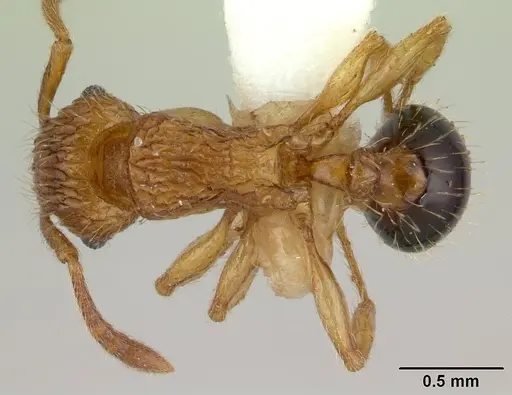
CASENT0217066
View on AntWeb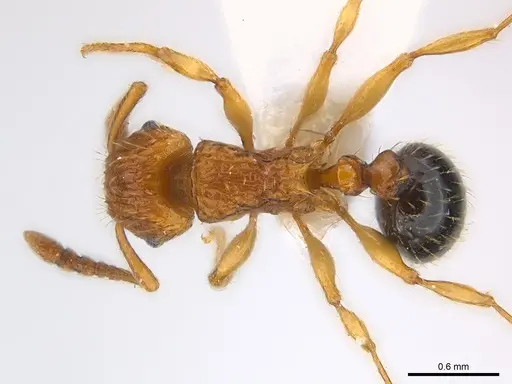
CASENT0217230
View on AntWeb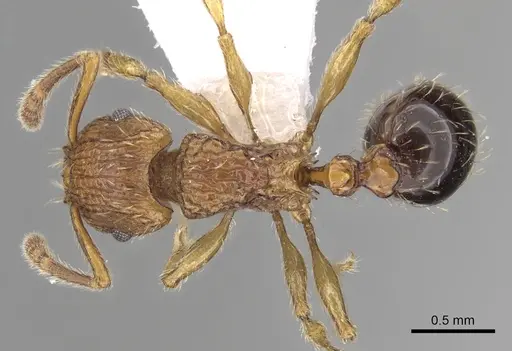
CASENT0367088
View on AntWeb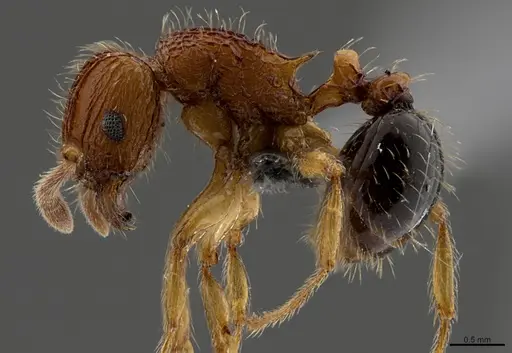
CASENT0901158
View on AntWeb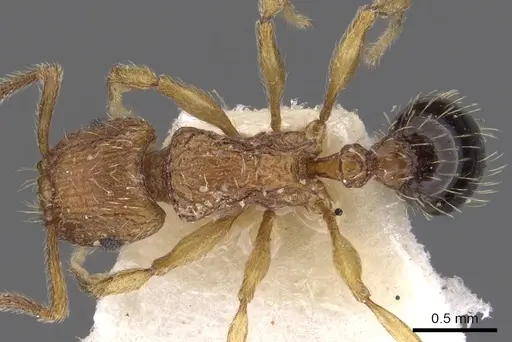
FMNHINS0000047315
View on AntWeb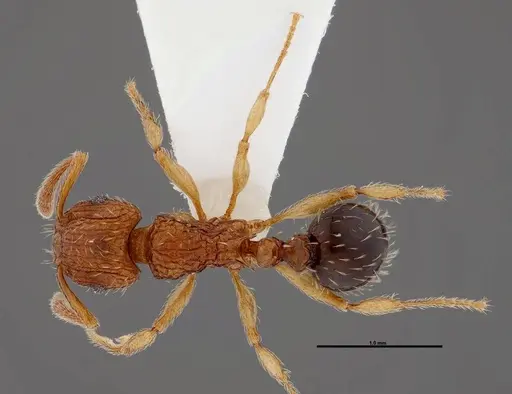
Literature
Loading distribution map...Loading products...