
Tetramorium pilosum
- Sci. Name
- Tetramorium pilosum
- Tribe
- Crematogastrini
- Subfamily
- Myrmicinae
- Author
- Emery, 1893
- Distribution
- Found in 1 countries
Introduction
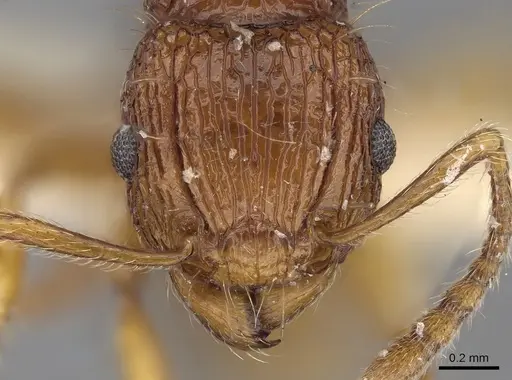
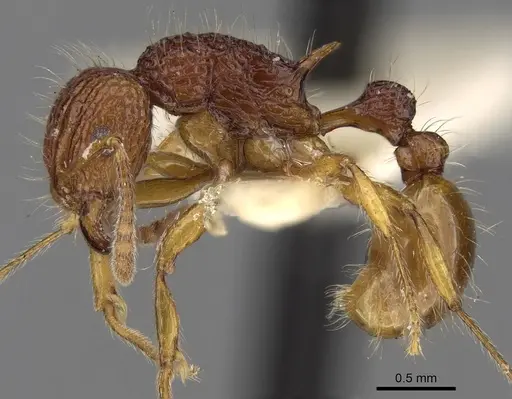
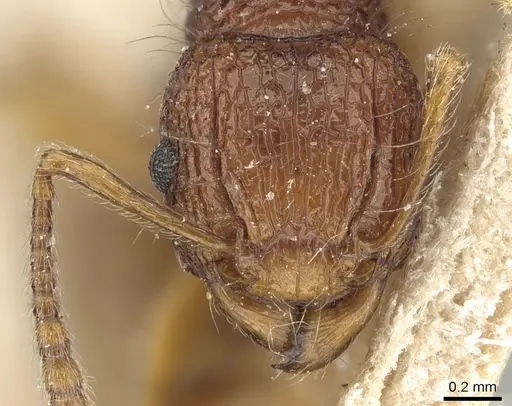
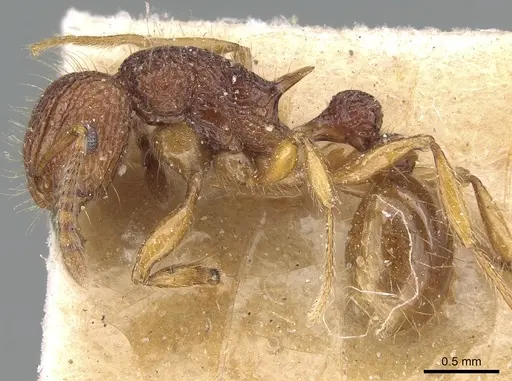
Tetramorium pilosum is a small ant from Sri Lanka, first described in 1893 from the city of Kandy . Workers are 4.1-4.5 mm long, with a distinctive orange-brown color and very long, fine hairs on the upper body - that's where the name 'pilosum' (meaning hairy) comes from . They have 11-segmented antennae and a strongly nodiform petiole . This species belongs to the *Tetramorium tortuosum* species group, which also includes close relatives like *Tetramorium yerburyi* and *Tetramorium tortuosum* . What makes *T. pilosum* particularly interesting is its very limited distribution - it is endemic to Sri Lanka and essentially unknown in the antkeeping hobby. Almost nothing has been published about its wild biology, so anyone keeping it is a pioneer. The difference in petiole shape separates it from its Sri Lankan relatives .
Quick Summary
- Difficulty: Medium
- Origin & Habitat: Endemic to Sri Lanka, known only from the Kandy area in the central highlands [2][1]. It is a tropical forest species from the Indomalaya region, though specific habitat details have not been documented.
- Colony Type: Colony structure has not been studied. Most *Tetramorium* are monogyne (single queen), but this has not been confirmed for *T. pilosum*.
- Size & Growth:
- Queen: Undocumented, no queen measurements exist in the literature.
- Worker: 4.1-4.5 mm [1]
- Colony: Unknown, no wild or captive colony size data exists.
- Growth: Unknown, no development data available.
- Development: Unknown, no direct measurements exist. Based on typical *Tetramorium* patterns, expect around 6-10 weeks at optimal warmth. (All development times are estimated from related species, actual times may differ.)
- Antkeeping:
- Temperature: Keep warm year‑round,24-28 °C. This tropical Sri Lankan species does not tolerate cold, avoid dropping below 20 °C. A small heating cable on part of the nest can help maintain a gradient.
- Humidity: Moderate to high humidity is needed, Sri Lanka's highlands are humid. Keep the nest substrate slightly moist but not waterlogged. Test‑tube setups provide good humidity during founding.
- Diapause: Unlikely, tropical species from near the equator probably do not require a true diapause. A slight cooling period (20-22 °C) in winter may be tried, but it is optional.
- Nesting: No specific data. Based on typical *Tetramorium* behavior, they probably nest in soil or under stones in the wild. In captivity, start with a test tube for founding, then move to a Y‑tong or plaster nest as the colony grows.
- Behavior: Not specifically documented. As a member of the Crematogastrini tribe, *T. pilosum* has a modified spatulate stinger used for smearing venom rather than piercing, but the sting is negligible to humans. Workers are small (under 5 mm), so escape prevention is critical: use fine mesh on ventilation holes and barriers on tube openings. They are likely non‑aggressive and will forage for small insects and sugary liquids.
- Common Issues: no biological data exists, keepers are pioneering captive husbandry for this species, colony growth rate is unknown, making it hard to tell if development is normal, temperature and humidity requirements are inferred, not confirmed, watch colony behavior and adjust, very limited availability in the hobby, finding colonies is difficult, sudden temperature drops can harm this tropical species
Housing and Nest Setup
For founding colonies, a standard test‑tube setup works well. Fill the tube one‑third with water, plug with cotton, and place the queen in the chamber, this gives constant humidity without flooding. Once nanitics appear, you can keep them in the same setup for several months while the colony settles in.
For growing colonies, move to a Y‑tong or plaster nest. These let you observe the ants while holding humidity. Keep the nest substrate slightly damp but not soggy. Since T. pilosum comes from humid Sri Lanka, avoid letting the nest dry out completely, but also make sure there is enough ventilation to stop mold. [1]
Feeding and Diet
Like most Tetramorium, T. pilosum will probably take a mixed diet: small live prey (fruit flies, pinhead crickets, springtails) and sugary liquids (diluted honey or sugar water). Offer protein two or three times a week and keep a sugar source available all the time.
Because the workers are only 4-5 mm, choose prey that matches their size, fruit flies or springtails are good. Remove any leftover prey after 24-48 hours to prevent mold. Since nothing is known about the exact diet of this species, you'll need to experiment and see what your colony likes. [1]
Temperature and Seasonal Care
Hold the temperature at 24-28 °C all year. This is a tropical ant from Sri Lanka's mountains, so steady warmth is important for brood growth. Room temperature (20-24 °C) might work, but a small heating cable on part of the nest can make a beneficial warm zone.
T. pilosum probably does not need a true diapause. If you want to mimic seasons, a slight drop to 20-22 °C in winter is safe but not required. Never let the nest get colder than 15 °C.
Handling and Temperament
Tetramorium pilosum workers are small and not aggressive. You can move them gently with forceps or let them walk onto your hand. As a Crematogastrini, they have a modified stinger that smears venom rather than stabbing, but it's harmless to people.
Because they are under 5 mm, escape prevention is vital. Use tight lids on containers, apply fluon or talcum powder barriers on tube openings, and cover any ventilation holes with very fine mesh. When you open the nest, work over a white tray to spot runaways quickly.
Growth and Development Expectations
No species‑specific development data exists, so all numbers here come from other Tetramorium. Queen founding can take 4-8 weeks from egg to first worker (nanitic) at warm temperatures. Nanitics are usually smaller than normal workers.
Colony growth is probably moderate, you might see the first workers in 1-2 months under good conditions. A mature colony could reach several hundred workers, but the exact maximum is unknown. The main challenge is patience: watch your colony closely and change conditions only if brood stops developing.
Frequently Asked Questions
How long does it take for Tetramorium pilosum to have first workers?
The exact timeline is unknown. Based on typical Tetramorium development, expect 4-8 weeks from egg to first nanitic at 26 °C. Temperature, humidity, and food availability can change these times.
Can I keep Tetramorium pilosum in a test tube?
Yes, a test‑tube setup works well for founding. Use the standard water‑reservoir cotton plug to keep humidity up. Keep the tube in a warm, dark spot during founding. After the first workers appear, you can leave them in the test tube for several months as long as the water doesn't run out.
What do Tetramorium pilosum ants eat?
They seem to accept small live prey (fruit flies, springtails, small mealworms) and sugary liquids (honey water, sugar water). Because the workers are only 4-5 mm, pick appropriately sized food. Offer protein 2-3 times a week and keep sugar water available. Remove uneaten prey after 24 hours to prevent mould.
Do Tetramorium pilosum ants sting?
As a member of the Crematogastrini tribe, T. pilosum has a modified spatulate stinger that smears venom onto enemies rather than piercing flesh. For humans, any reaction is negligible, they are not considered dangerous. Handle them gently and focus on escape prevention instead of worrying about stings.
Are Tetramorium pilosum good for beginners?
This species is not ideal for complete beginners because almost nothing is known about its biology, you'd be pioneering its care. If you have experience with other Tetramorium and know basic antkeeping, it can be a rewarding challenge. The main requirements (warmth, humidity, small prey) are straightforward.
How big do Tetramorium pilosum colonies get?
The maximum colony size is unknown. Based on related species, expect several hundred workers at maturity. Growth is probably moderate, taking months to years to reach a significant size.
Do Tetramorium pilosum need hibernation?
Probably not, as a tropical Sri Lankan species, true diapause is unlikely. A minor cooling (20-22 °C) during winter is optional. Avoid any temperature below 15 °C.
Where can I get Tetramorium pilosum colonies?
This species is very rare in the antkeeping hobby because it is endemic to Sri Lanka. You may need to find specialty importers or breeders who work with Asian ants. Wild collection is possible only in Sri Lanka, but check local regulations before attempting.
What temperature is best for Tetramorium pilosum?
Keep the nest at 24-28 °C. This tropical ant needs warmth, room temperature is borderline, so a small heating cable on part of the nest helps. Avoid dropping below 20 °C or rising above 32 °C.
Why is my Tetramorium pilosum colony not growing?
Without species‑specific data, work through a checklist: make sure the temperature is between 24-28 °C, the nest substrate is damp but not soaked, and food (both protein and sugar) is available. Look for escapes, mould, or stress from too much disturbance. If workers seem healthy but there is no brood, try raising the temperature slightly.
Report an Issue
The current care sheet is based fully on literature. See inconsistencies, or something that's incorrect? Please , it will be resolved after review from an admin. Contributing to the blogs tab also helps providing information, to make us be able to further improve the caresheets. Thank you for your support!
References

This caresheet is licensed under CC BY-SA 4.0 .
Community Blogs
CASENT0280881
View on AntWeb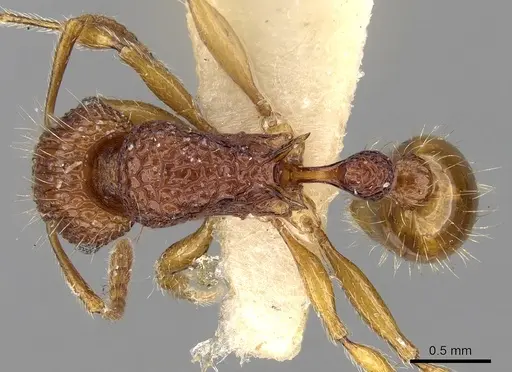
CASENT0281188
View on AntWeb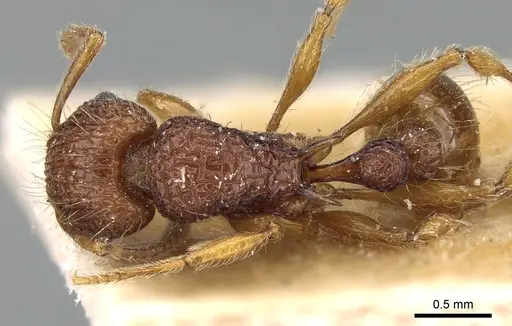
Literature
Loading distribution map...Loading products...