
Tetramorium pacificum
- Sci. Name
- Tetramorium pacificum
- Tribe
- Crematogastrini
- Subfamily
- Myrmicinae
- Author
- Mayr, 1870
- Distribution
- Found in 9 countries
Introduction
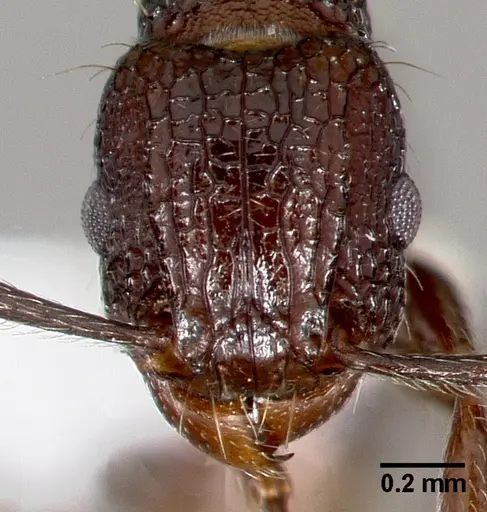
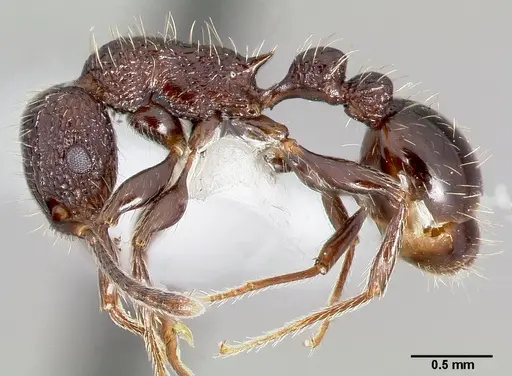
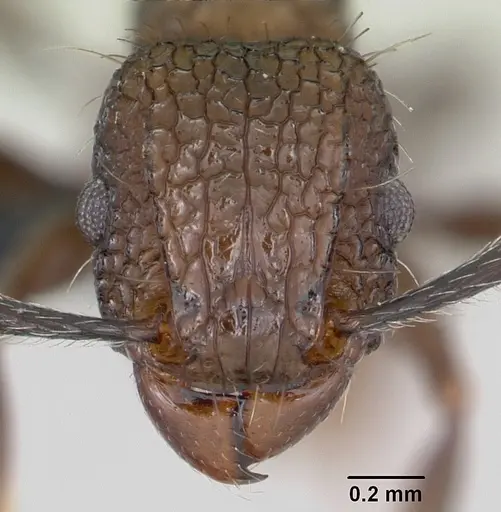
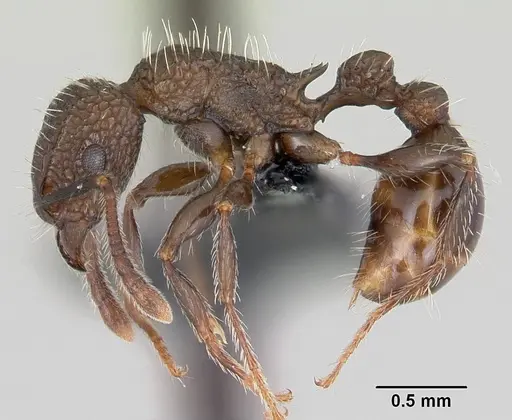
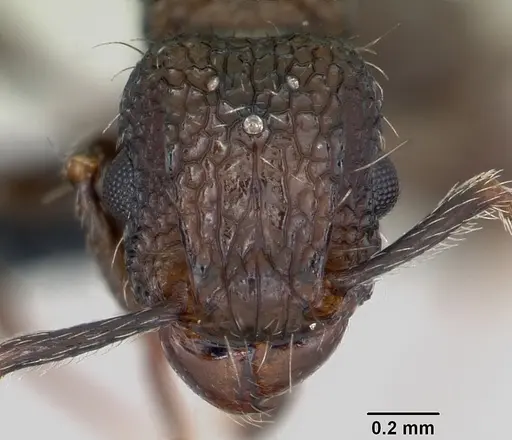
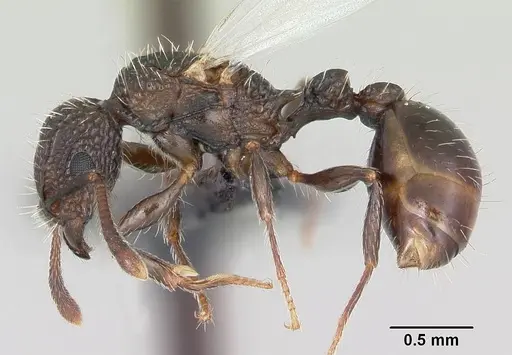
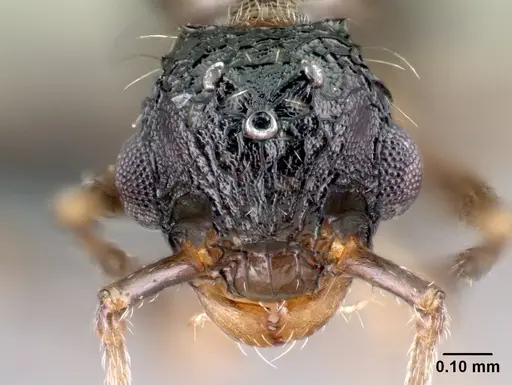
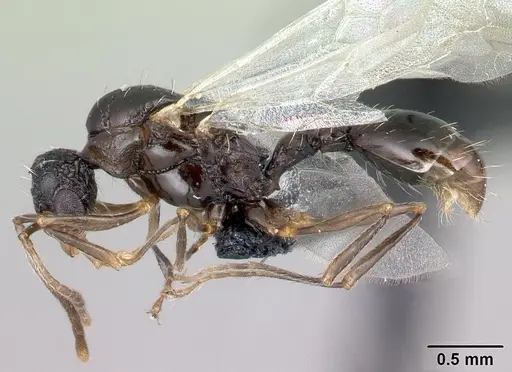
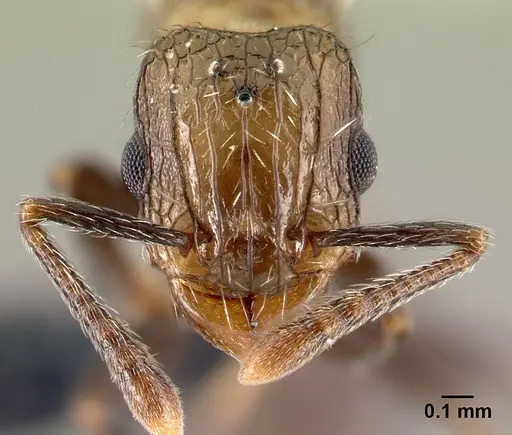
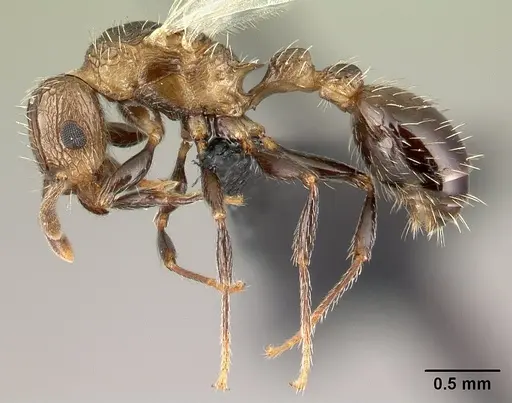
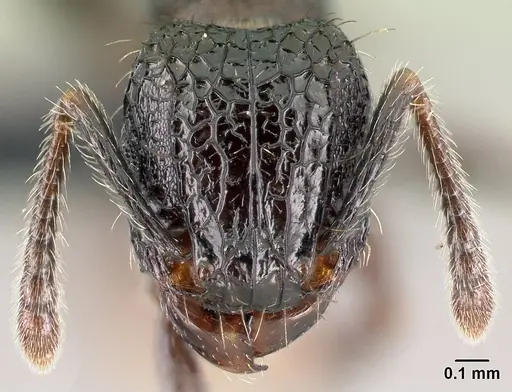
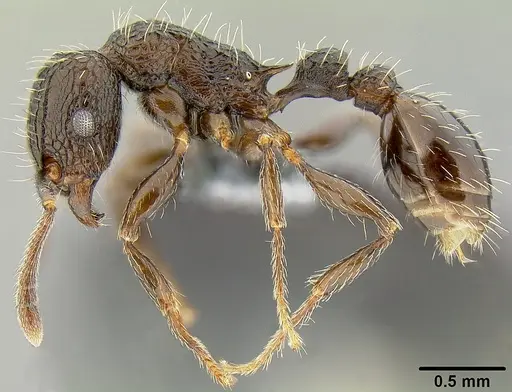
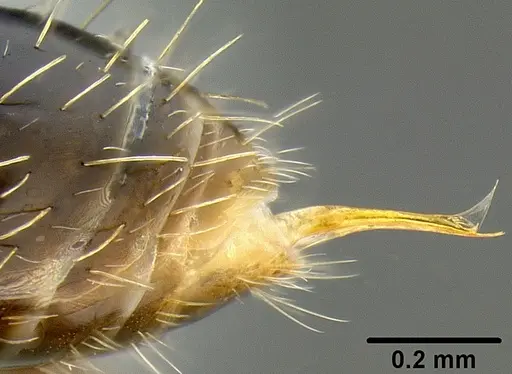
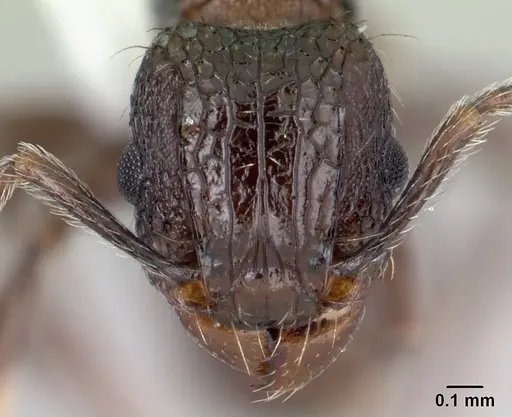
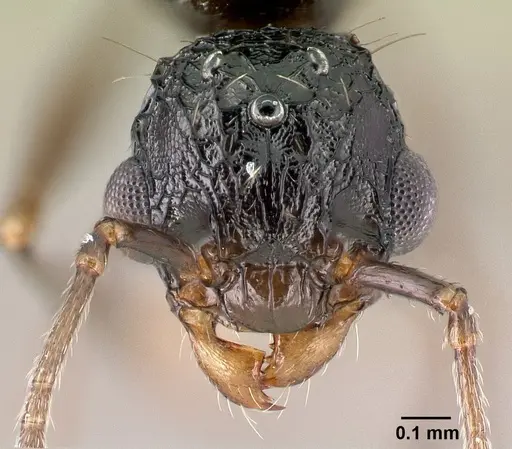
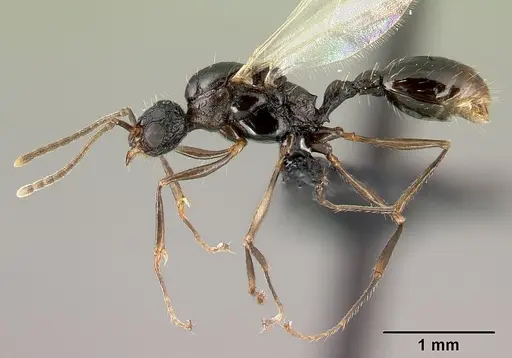
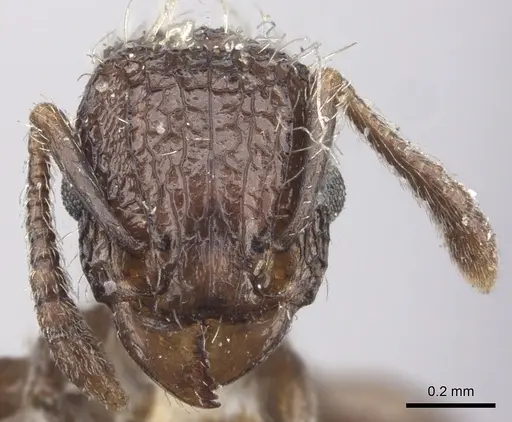
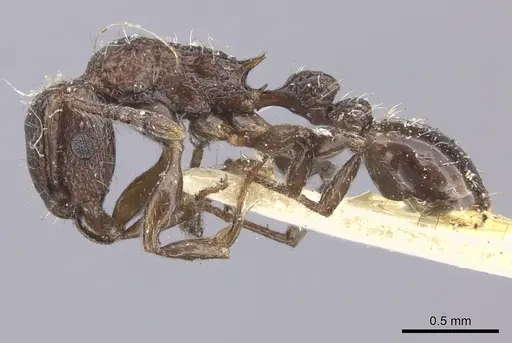
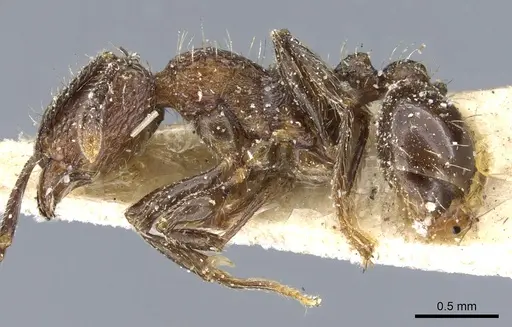
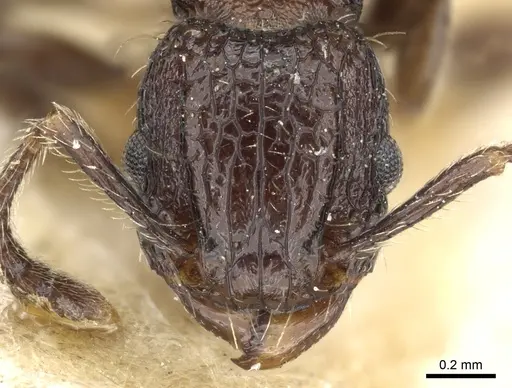
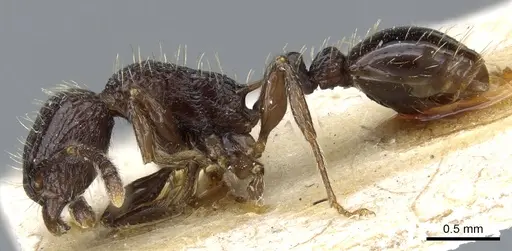
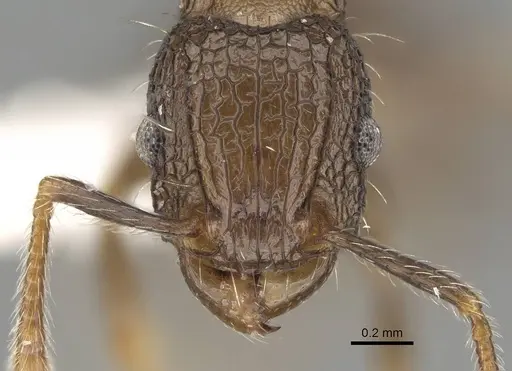
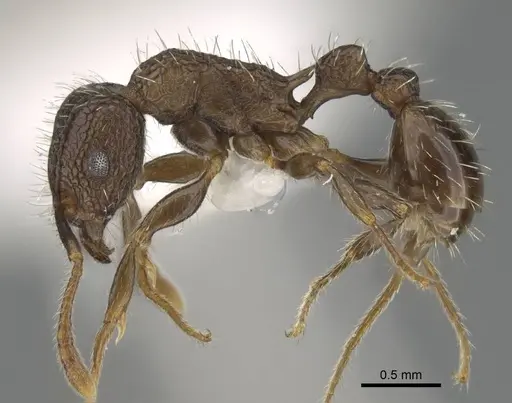
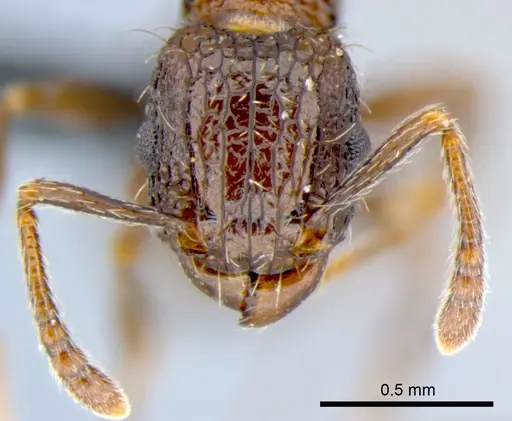
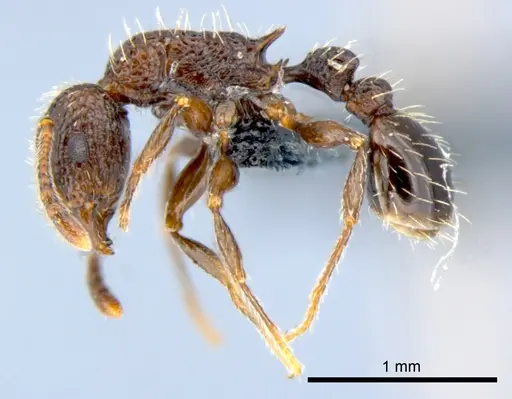
Tetramorium pacificum is a small, dark brown to blackish-brown ant in the Tetramorium bicarinatum species group . Workers measure 2.9-4.6mm total length, queens 3.5-3.8mm . They have smooth, shiny mandibles, long propodeal spines, and fine ridges (basigastral costulae) at the base of the first gaster segment . Originally described from Tonga, this species is native to the Oriental and Indo-Australian regions and most Pacific islands . It has spread as a tramp ant to parts of North America, the Caribbean, Europe, and elsewhere through human transport . In its native range it occupies diverse habitats from atoll forests to high-elevation forests, and shows a strong preference for disturbed areas like plantations and gardens .
Quick Summary
- Difficulty: Expert
- Origin & Habitat: Native to the Indo-Pacific region, including Tonga (type locality), Fiji, Samoa, French Polynesia, Australia, Indonesia, Malaysia, Philippines, Thailand, Singapore, India, Sri Lanka, southern China, and many Pacific islands [5][6][8]. Found in a wide range of habitats from atoll forests to high-elevation forests, but especially common in disturbed areas such as coconut groves, rubber plantations, gardens, and forest edges [1][9]. In the Marquesas, recorded up to 3000 ft elevation [10]. Shows a preference for wooded and shrubby vegetation [8].
- Colony Type: Colony structure is unconfirmed from the available literature. Most Tetramorium are monogyne (single queen), but some tramp species can be polygyne. Further study is needed.
- Size & Growth:
- Queen: 3.5-3.8mm [3]
- Worker: 2.9-4.6mm (range from different populations) [3][4]
- Colony: Unknown, maximum colony size has not been documented. Foraging groups of over 20 individuals have been observed on single plants [11].
- Growth: Moderate
- Development: Estimated 6-8 weeks (inferred from related tropical Tetramorium species) (Development depends on temperature, warmer conditions speed up brood development.)
- Antkeeping:
- Temperature: Keep at a warm 22-26°C (tropical species). Avoid drops below 20°C to prevent slowed growth [12].
- Humidity: Moderate humidity, keep the nest substrate slightly moist but not waterlogged. A humidity gradient helps ants regulate their needs [12].
- Diapause: No true diapause required. As a tropical species, colonies remain active year-round if kept warm. A slight temperature drop in winter will not harm them [12].
- Nesting: Flexible nesters, in nature they nest in rotting wood, tree trunks with termite galleries, and moss mats [8]. In captivity they adapt well to test tubes, Y-tong (AAC) nests, or plaster nests with moisture chambers.
- Behavior: Active foragers that work both on the ground and in vegetation [13]. They form strong trails to food sources and are known to tend aphids for honeydew [14]. Workers are generally non-aggressive toward humans, but as members of the Myrmicinae subfamily they have a stinger and can deliver a mild sting. Their primary defense is 'smearing' venom using a modified stinger. As a tramp species, they are highly adaptable but can become invasive outside their native range [15]. Escape risk is moderate, given their small size (under 5mm), ensure tight seals and use barriers.
- Common Issues: small size makes escapes possible without proper barriers, use tight-fitting lids and oil or talc barriers, colonies may suffer if kept too cold, maintain warm temperatures year-round, overfeeding protein can lead to mold, remove uneaten prey within 24 hours, invasive species warning: Tetramorium pacificum is an exotic pest in many regions. Never release a colony into the wild, and avoid keeping them where they can escape. Set difficulty to Expert for responsible keepers only.
Housing and Nest Setup
Tetramorium pacificum is an adaptable species that thrives in a range of captive setups. Test tubes work well for founding, if the queen is claustral, she will raise the first workers without needing food. As the colony grows, move to a Y-tong (AAC), plaster, or soil nest with moderate humidity. They naturally nest in rotting wood, tree hollows, and moss mats [8], so providing a substrate they can excavate or a pre-formed nest with chambers will be accepted. Because workers forage both on the ground and in vegetation [13], adding climbing structures in the outworld encourages natural activity. Ensure the enclosure is escape-proof, use fine mesh or a tight lid with a barrier like fluon or oil around the rim.
Feeding and Diet
These ants are opportunistic omnivores. Provide constant access to sugar water or honey water for energy. For protein, offer small insects like fruit flies, pinhead crickets, or mealworms 2-3 times per week. In the wild they tend aphids for honeydew [14] and have been observed harvesting food bodies from Ryparosa seedlings [11]. Remove leftover prey after 24 hours to prevent mold and mite outbreaks. Appress their nutritional needs by observing foraging interest, if protein items are ignored, reduce offering frequency.
Temperature and Seasonal Care
As a tropical species, Tetramorium pacificum needs consistent warmth. Keep the nest area at 22-26°C for optimal brood development [12]. A heat mat on one side of the nest creates a gradient that lets ants choose their preferred temperature. Avoid prolonged temperatures below 20°C, which slow activity and growth. No winter diapause is required, but a natural seasonal drop to 18-20°C for a few weeks will not harm the colony. Do not allow sharp temperature fluctuations.
Colony Development
Founding behavior is not documented specifically for this species. If claustral, the queen will seal herself in a chamber and rely on stored reserves until the first workers emerge. First workers arrive in an estimated 6-8 weeks at 22-26°C. Mature worker size varies across populations: Southeast Asian specimens average 2.9-3.6mm total length [3], while Chinese specimens reach 3.7-4.6mm [4]. Colony growth is moderate, with numbers increasing steadily after the first generation. Maximum colony size is unknown, but foraging groups of over 20 workers have been observed on individual plants [11], suggesting moderately sized colonies.
Behavior and Temperament
Workers are active, fast-moving foragers that form trails to food. They show a strong arboreal preference, in Fiji,48.6% of occurrences were in arboreal samples [13]. They are known to tend hemipterans for honeydew [14] and collect food bodies from plants [11]. The species is a tramp ant, highly adaptable and successful in disturbed habitats [15][1]. They are not aggressive toward humans and will only sting when severely provoked, the sting is mild. Defense is primarily by smearing venom rather than piercing. Despite their easy-going nature, their invasive potential requires responsible containment.
Frequently Asked Questions
How long does it take for Tetramorium pacificum to get its first workers?
Based on related Tetramorium species, first workers are expected in roughly 6-8 weeks at 22-26°C. Exact timing depends on temperature and genetic factors [12].
Can I keep Tetramorium pacificum in a test tube?
Yes. Test tubes are ideal for founding and small colonies. If the queen is claustral, she will raise the first brood without interference. Move to a larger Y-tong or plaster nest when the colony reaches 20-30 workers or when the tube dries out [12].
What do Tetramorium pacificum eat?
They eat sugar water or honey water for energy and small insects (fruit flies, small crickets, mealworms) for protein 2-3 times a week. In nature they tend aphids for honeydew [14] and harvest plant food bodies [11].
Do Tetramorium pacificum ants sting?
Yes, they have a functional stinger as Myrmicinae ants, but the sting is mild and rarely used defensively against humans. Their main defense is smearing venom with a modified stinger, not piercing [12].
Are Tetramorium pacificum good for beginners?
No, this species is classified as Expert difficulty because it is a known tramp ant and invasive in many regions. Responsible keepers must take extreme precautions to prevent escapes. For beginners, consider non-invasive Myrmicinae or Formicinae species.
Do Tetramorium pacificum need hibernation?
No, they do not require diapause. As a tropical species, they remain active year-round when kept warm. A slight temperature reduction in winter is tolerated but not necessary [12].
How big do Tetramorium pacificum colonies get?
Maximum colony size is unknown. Mature colonies likely reach several hundred workers, but this has not been verified in the literature. In the field, up to 20+ workers forage from a single nest [11].
When should I move my colony to a formicarium?
Transfer from a test tube to a larger nest when the colony numbers 20-30 workers or when the tube's water supply runs low. Y-tong, plaster, or soil nests work well [12].
Why are my Tetramorium pacificum dying?
Common causes: temperatures below 20°C, overly dry or wet nest conditions, mold from uneaten food, or frequent disturbance. Ensure stable warmth (22-26°C), moderate substrate moisture, and remove leftovers after 24 hours. Quarantine new colonies to prevent pathogen spread [12].
Report an Issue
The current care sheet is based fully on literature. See inconsistencies, or something that's incorrect? Please , it will be resolved after review from an admin. Contributing to the blogs tab also helps providing information, to make us be able to further improve the caresheets. Thank you for your support!
References

This caresheet is licensed under CC BY-SA 4.0 .
Community Blogs
CASENT0005829
View on AntWeb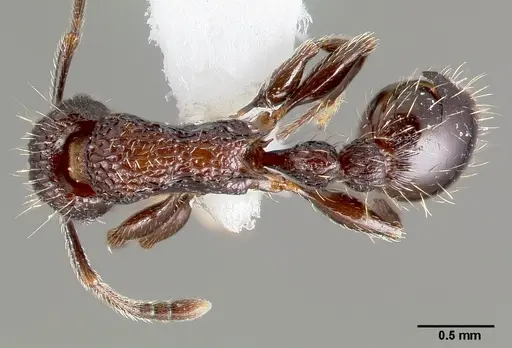
CASENT0055878
View on AntWeb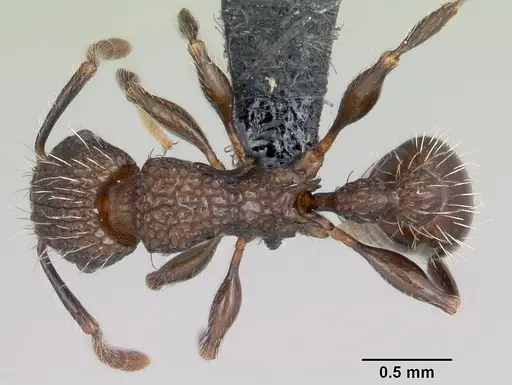
CASENT0104991
View on AntWeb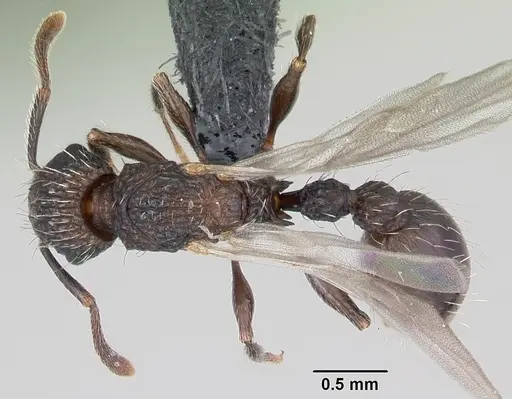
CASENT0158910
View on AntWeb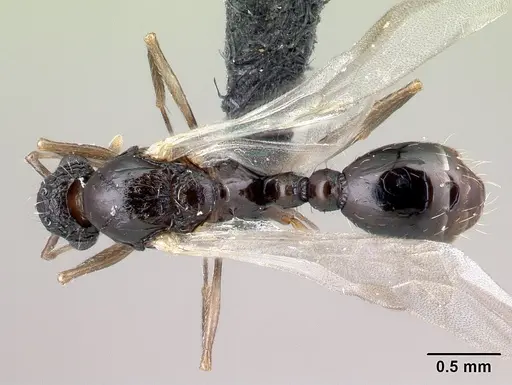
CASENT0158920
View on AntWeb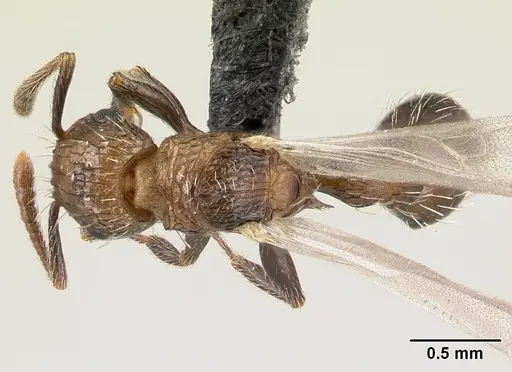
CASENT0158921
View on AntWeb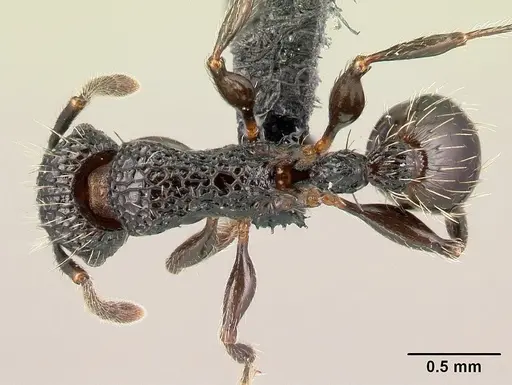
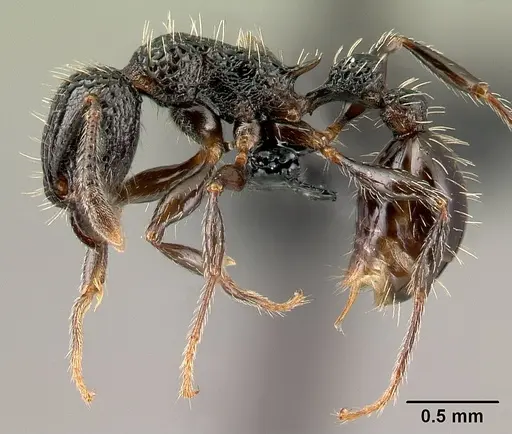
CASENT0171075
View on AntWeb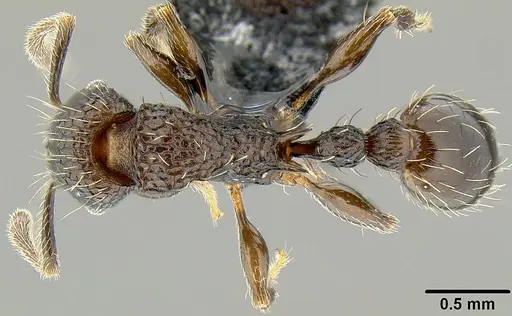
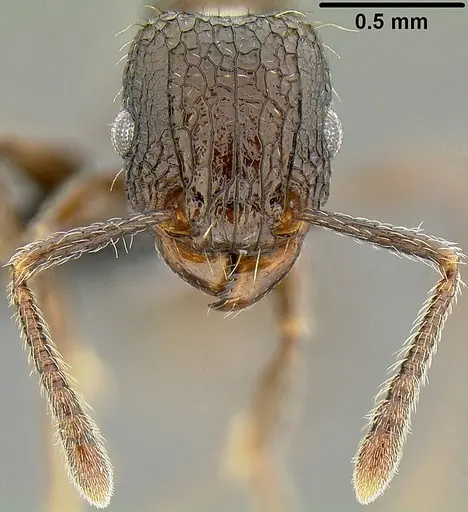
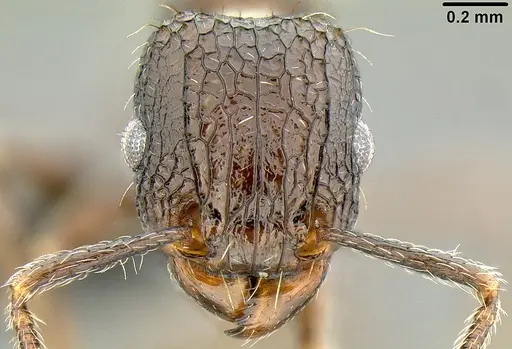
CASENT0178428
View on AntWeb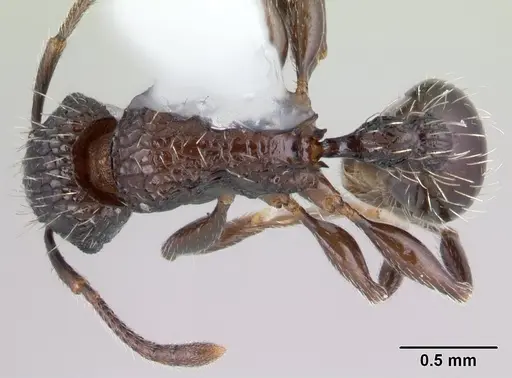
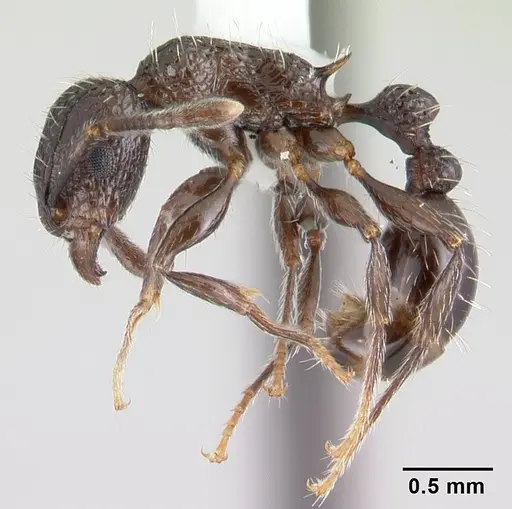
CASENT0178429
View on AntWeb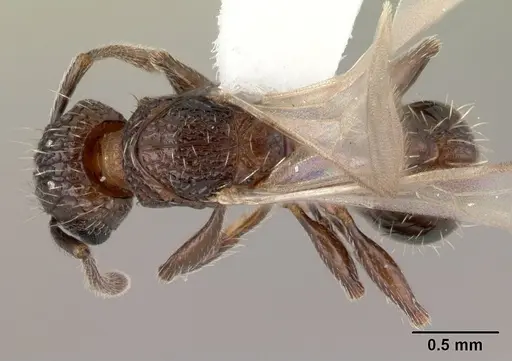
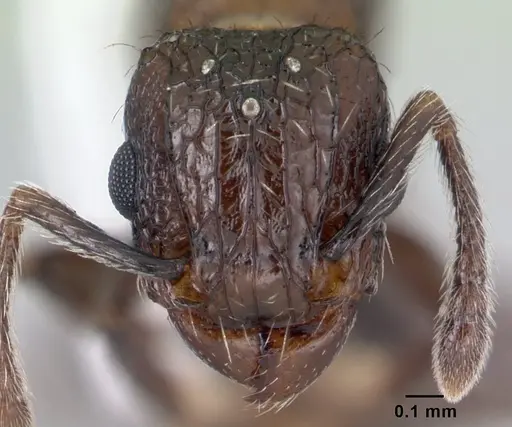
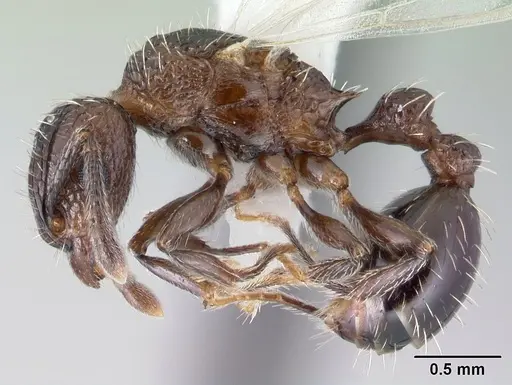
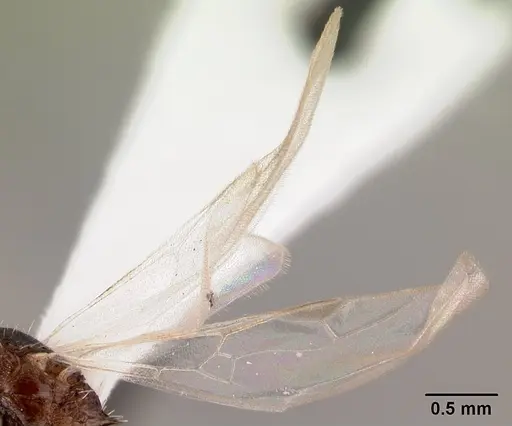
CASENT0179060
View on AntWeb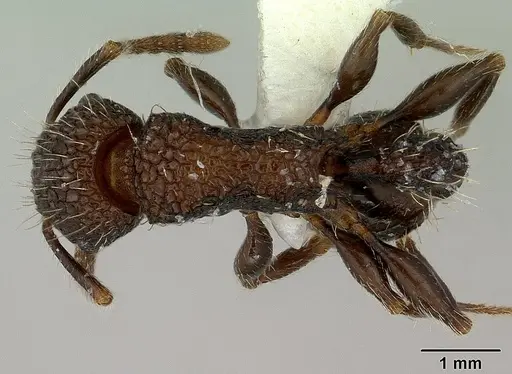
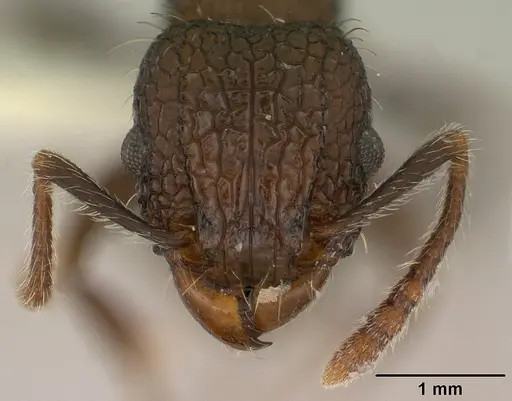
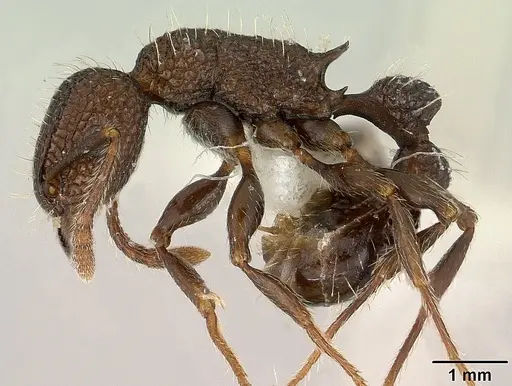
CASENT0217237
View on AntWeb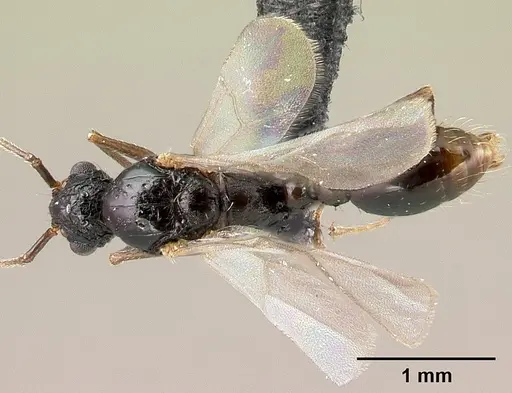
CASENT0235203
View on AntWeb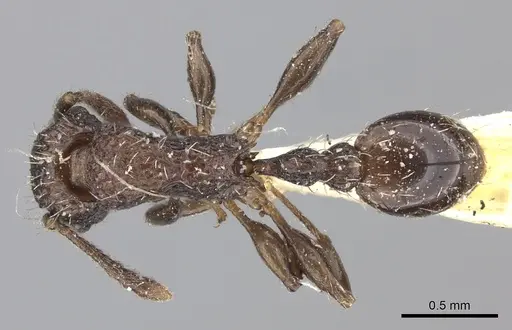
CASENT0246149
View on AntWeb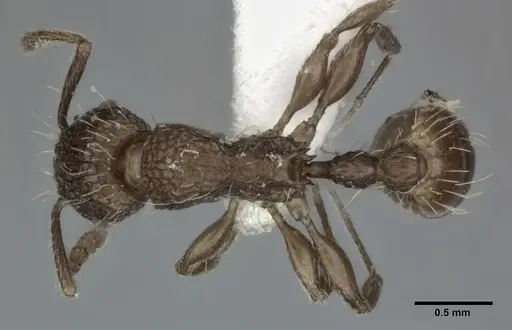
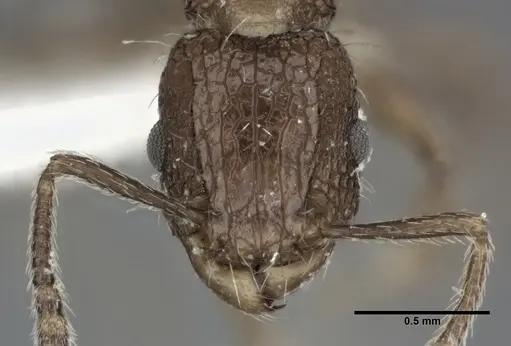
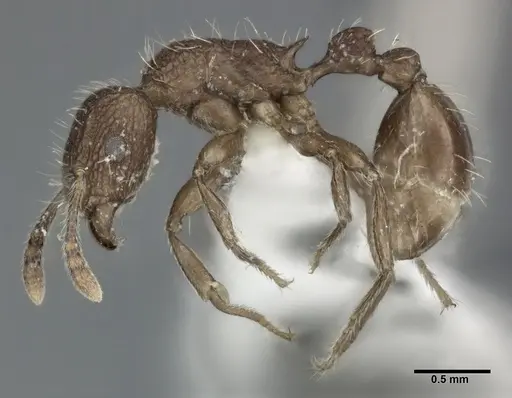
CASENT0904848
View on AntWeb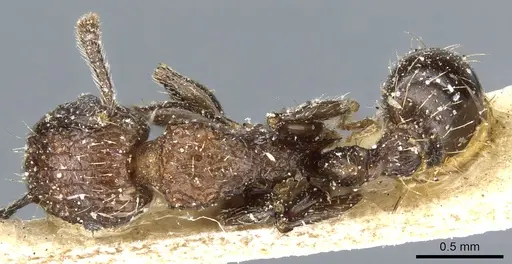
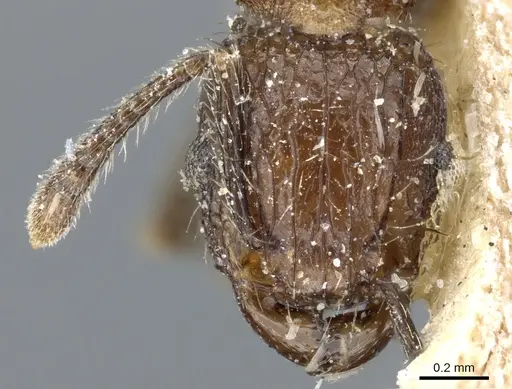
CASENT0904850
View on AntWeb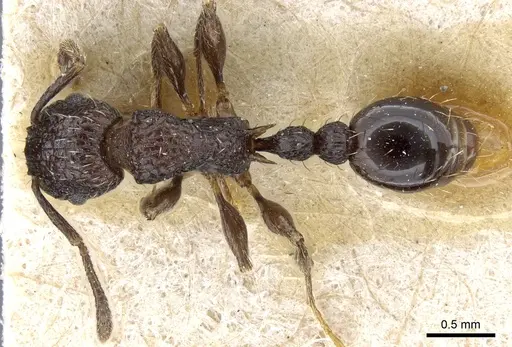
CASENT0919926
View on AntWeb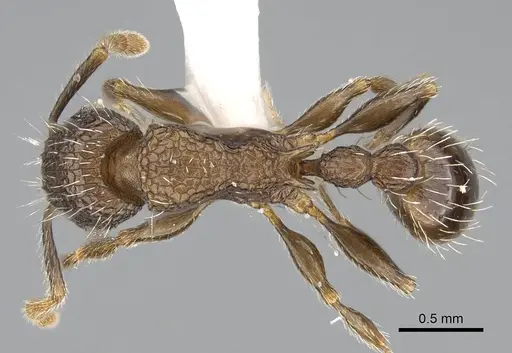
CSIRONC0052
View on AntWeb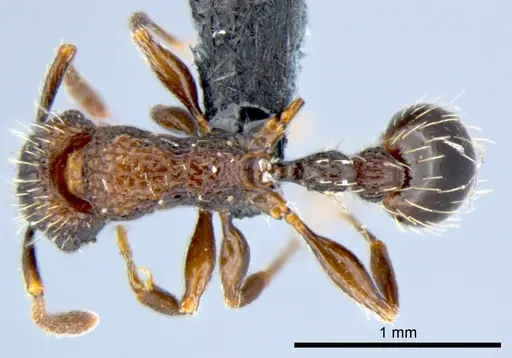
Literature
Loading distribution map...Loading products...