
Tetramorium oculatum
- Sci. Name
- Tetramorium oculatum
- Tribe
- Crematogastrini
- Subfamily
- Myrmicinae
- Author
- Forel, 1913
- Distribution
- Found in 4 countries
Introduction
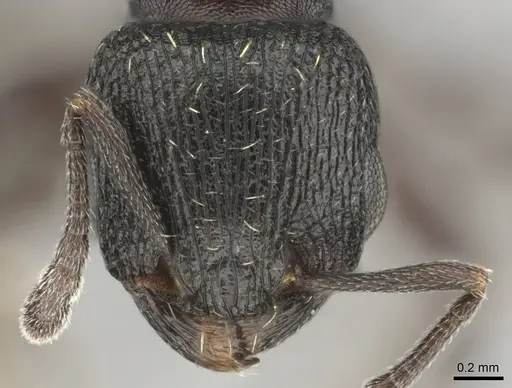
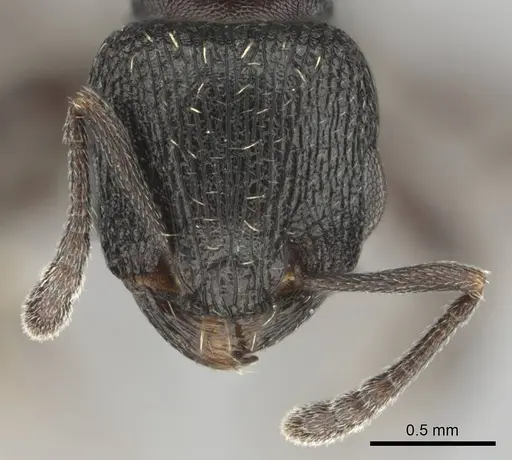
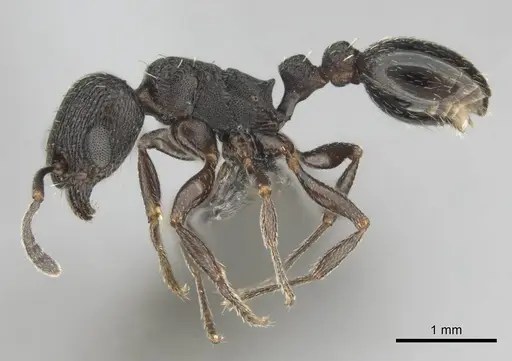
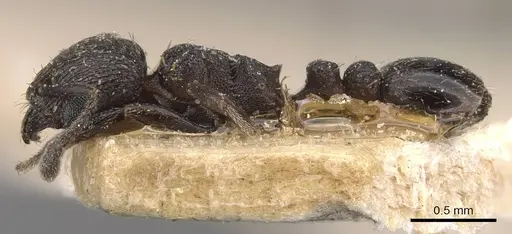
Tetramorium oculatum is an ant speciesof the genusTetramorium , belonging to the subfamily Myrmicinae and tribe Crematogastrini . It is documented in 4 countries , including Mozambique, Tanzania, South Africa .
Frequently Asked Questions
What makes Tetramorium oculatum a unique ant species to keep?
Tetramorium oculatum stands out with its incredibly large, prominent eyes and its active, bustling colony dynamics. They're part of the 'Pavement Ant' genus, known for being hardy and adaptable, making them a captivating yet manageable addition to any antkeeping setup. Their distinctive appearance and lively behavior offer a rewarding experience for ant enthusiasts.
How quickly can I expect my Tetramorium oculatum colony to grow?
These ants are renowned for their rapid growth rate! Once the queen establishes her brood, you'll see a swift increase in worker numbers. In ideal conditions with proper temperature and consistent feeding, a colony can burgeon from a founding queen to several thousand workers in a relatively short period, often reaching impressive numbers within a year.
What kind of food does Tetramorium oculatum prefer, and how often should I feed them?
Tetramorium oculatum are omnivorous with a voracious appetite. They thrive on a varied diet, eagerly consuming sugary liquids like diluted honey or sugar water for carbohydrates, and small feeder insects (like flightless fruit flies, mealworms, or cricket pieces) for protein. They also appreciate small seeds. For founding colonies, a drop of honey once a week can suffice, but for larger, established colonies, offer protein and sugar sources every few days, adjusting based on their consumption and activity.
Will Tetramorium oculatum workers sting me, and how aggressive are they?
While Tetramorium oculatum workers do possess a sting, it's considered very mild to humans, usually causing only a slight, temporary itch. They are generally not aggressive towards handlers unless severely provoked. However, they are quite aggressive towards prey and rival ant colonies, often engaging in fierce territorial skirmishes in the wild, which can be fascinating to observe in a controlled outworld environment.
What's the best type of formicarium for a Tetramorium oculatum colony?
For Tetramorium oculatum, a formicarium that allows for a humidity gradient is ideal, such as acrylic nests with hydration systems, Ytong setups, or naturalistic soil nests. They appreciate tighter tunnels and chambers that mimic their underground habitats. Ensure the nest isn't overly spacious for a smaller colony, as too much room can cause stress and slow down growth. A test tube setup is perfect for the founding stage.
Is diapause necessary for Tetramorium oculatum, and if so, when and for how long?
Yes, a period of diapause (winter dormancy) is generally recommended for Tetramorium oculatum to promote the long-term health and longevity of the queen and colony. Typically, a cooling period of 3-4 months, from roughly November to February, at temperatures between 10-15°C, is beneficial. While they are adaptable and might skip diapause if kept warm, providing this rest period can significantly boost their spring egg-laying and overall vitality.
Are Tetramorium oculatum a good choice for beginner antkeepers?
Absolutely! Tetramorium oculatum are considered an excellent species for beginners due to their hardiness, adaptability, and relatively straightforward care requirements. Their fast growth and active nature also make them very engaging to observe, providing a rewarding experience even for those just starting in the antkeeping hobby.
How can I prevent my Tetramorium oculatum colony from escaping their enclosure?
Given their small size and persistent foraging, Tetramorium oculatum can be adept escape artists. To prevent breakouts, ensure all gaps in your setup are sealed. Applying a thick barrier like petroleum jelly (Vaseline) or a PTFE/talcohol solution to the top edges of your outworld or inner walls of a glass enclosure works very effectively. Regularly inspect and reapply barriers as needed, especially with active colonies.
What are the ideal temperature and humidity levels for Tetramorium oculatum?
For optimal health and growth, aim to keep your Tetramorium oculatum colony at temperatures ranging from 22-28°C. They prefer a medium to low humidity, ideally between 40-60% within the nest, particularly where the brood is located. Providing a humidity gradient helps them regulate conditions for different life stages, ensuring their well-being.
Can multiple Tetramorium oculatum queens co-exist in the same colony?
While Tetramorium oculatum is primarily a monogyne species (single queen per colony), some species within the broader Tetramorium genus are known to engage in pleometrosis, where multiple queens start a colony together. However, in most cases for these species, only one dominant queen will remain once the first generation of workers emerges. It's best to keep T. oculatum queens separately for founding to ensure individual colony success, unless you are specifically experimenting with known polygynous lines of the genus.
How long does it take for Tetramorium oculatum eggs to develop into adult workers?
The journey from egg to adult worker for Tetramorium oculatum is quite swift, typically taking about 4 to 6 weeks. This rapid development contributes to their fast colony growth. Maintaining stable and appropriate temperatures, as well as providing consistent nutrition, will help ensure smooth and efficient brood development.
What are some common challenges or issues antkeepers face with Tetramorium oculatum?
Common issues can include workers accidentally drowning in honey, especially in open dishes, so serving sugary liquids on a flat surface or cotton ball is advised. Food molding in the nest or outworld can also be a problem if not cleaned regularly. Ensuring adequate foraging opportunities for growing colonies and maintaining consistent humidity levels are also key. Like any queen during the founding stage, minimizing disturbance can prevent stress and potential brood consumption.

This caresheet is licensed under CC BY-SA 4.0 .
Community Blogs
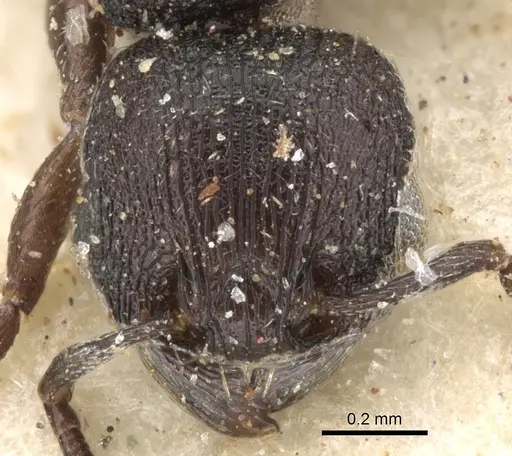
CASENT0249035
View on AntWeb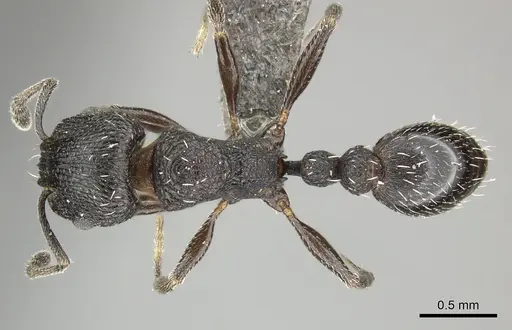
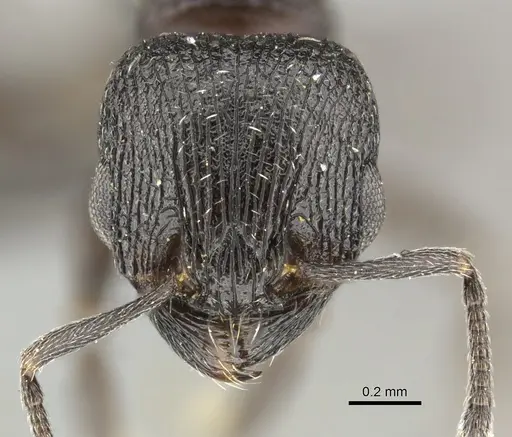
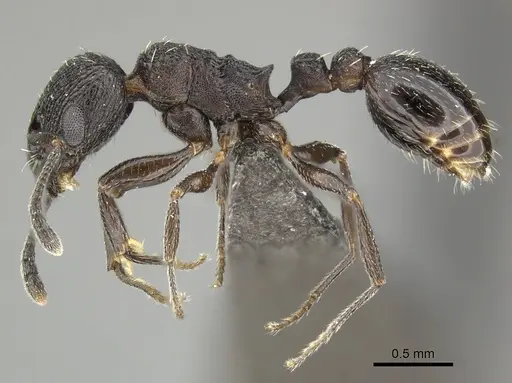
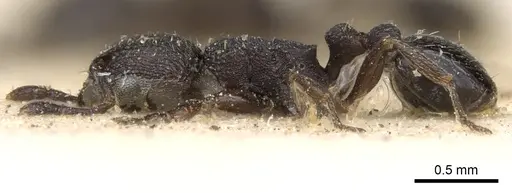
CASENT0253112
View on AntWeb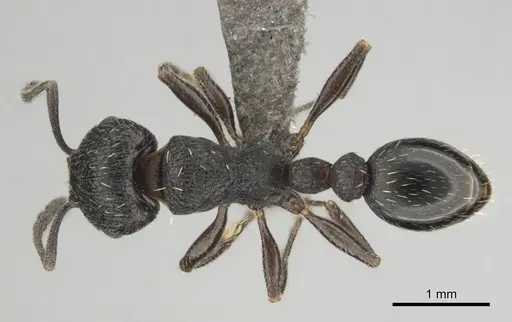
CASENT0280866
View on AntWeb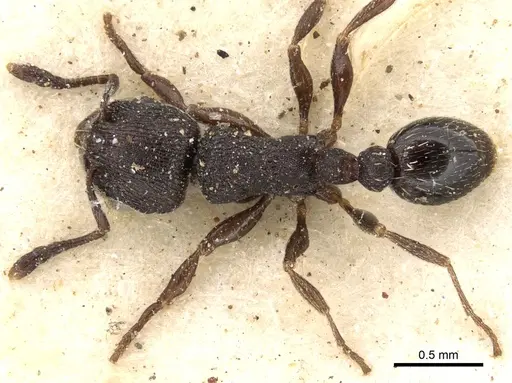
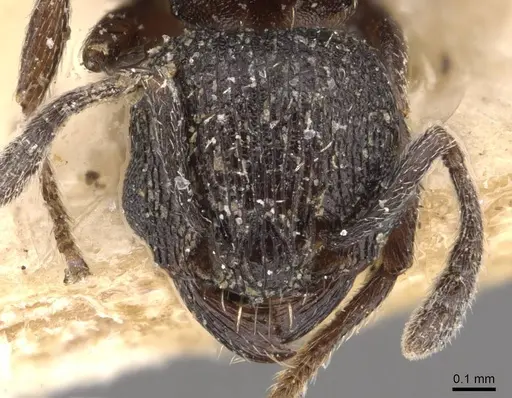
CASENT0909142
View on AntWeb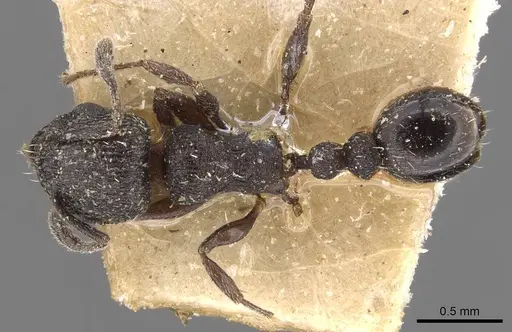
Literature
Loading distribution map...Loading products...