
Tetramorium obiwan
- Sci. Name
- Tetramorium obiwan
- Tribe
- Crematogastrini
- Subfamily
- Myrmicinae
- Author
- Hita Garcia & Fisher, 2014
- Distribution
- Found in 1 countries
Introduction
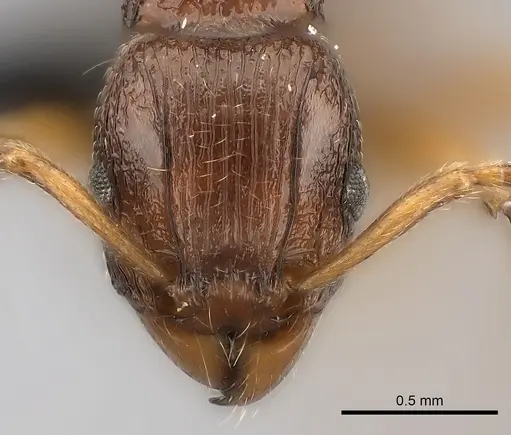
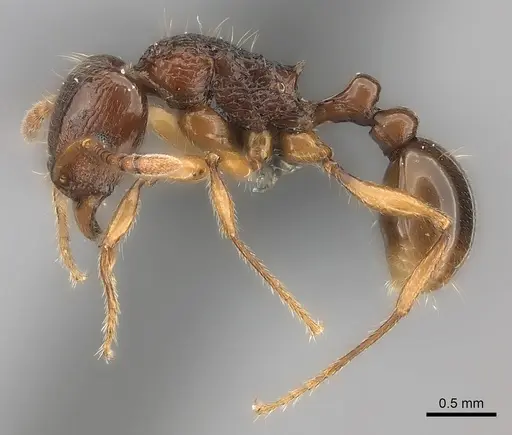
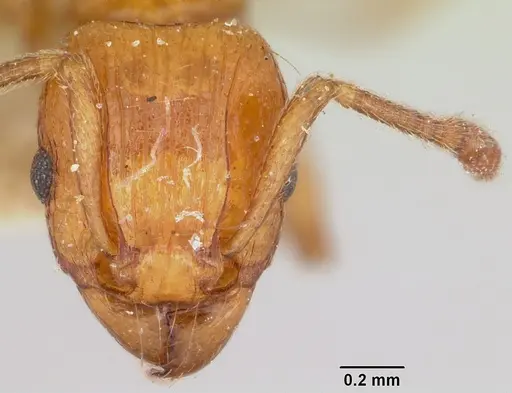
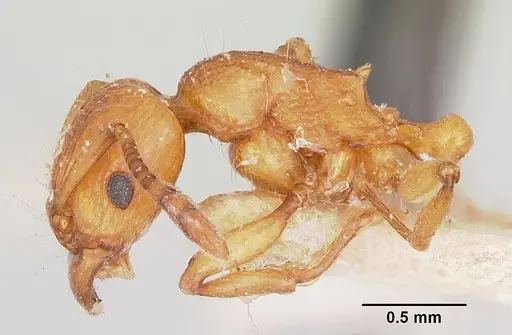
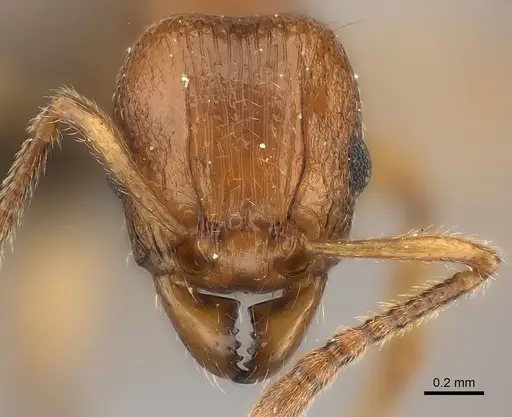
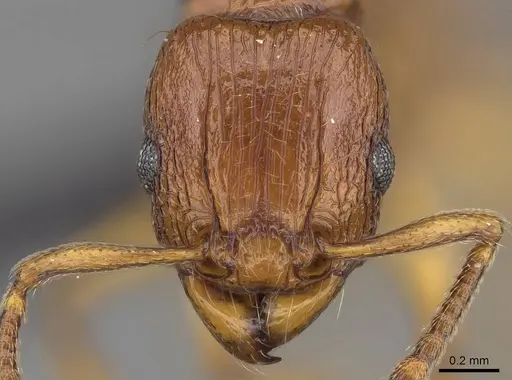
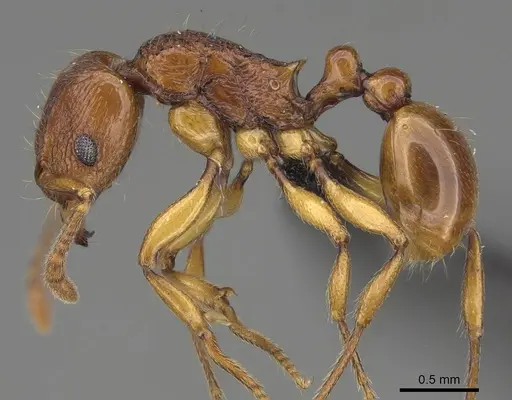
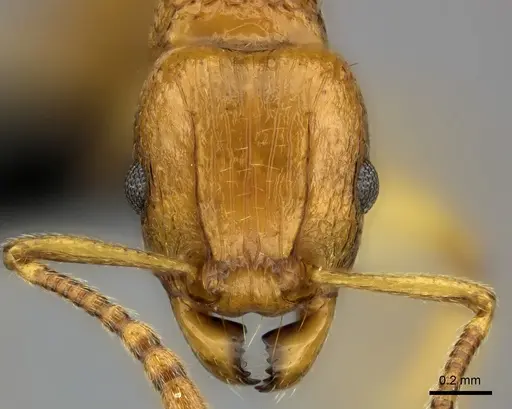
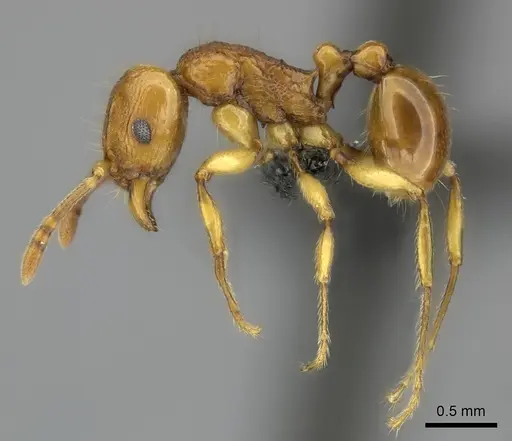
Tetramorium obiwan is a medium-sized ant species native to the rainforests of eastern Madagascar. Workers are relatively large for the genus, though precise body length measurements are not available in the scientific literature . They have a distinctive appearance with a high rounded nodiform petiolar node, relatively large eyes, and a uniformly light reddish to orange-brown to dark brown coloration, with lighter yellowish to light brown mandibles, antennae, and legs . This species was named after Jedi master Obi-Wan Kenobi from Star Wars . What makes Tetramorium obiwan stand out is its arboreal lifestyle - unlike most Tetramorium species that nest in leaf litter or soil, this species lives in vegetation and is most commonly collected by beating low vegetation or using Malaise traps . It prefers higher elevations in Madagascar's rainforests, found between 675-1300 m altitude, with most collections from the upper range . This arboreal nature makes them different from many common pet ant species and affects how you'll need to set up their enclosure.
Quick Summary
- Difficulty: Medium
- Origin & Habitat: Eastern Madagascar, specifically rainforests and montane rainforests from Andohahela in the southeast to Anjanaharibe-Sud in the northeast at elevations of 675-1300 m .
- Colony Type: Colony structure is unconfirmed. Single-queen (monogyne) colonies are typical for most Tetramorium species, but this has not been directly documented for Tetramorium obiwan.
- Size & Growth:
- Queen: Not yet described in scientific literature, queen measurements unavailable [1].
- Worker: Size data unavailable, head width is roughly 0.71-0.84 mm and mesosoma length 1.00-1.20 mm, but total body length is not recorded. Inferred medium-sized for Tetramorium (around 4-5 mm total length) based on genus patterns [1].
- Colony: Unknown, no colony size data available for this species.
- Growth: Moderate, inferred from typical Tetramorium schaufussii group patterns [1].
- Development: Estimated 6-8 weeks based on related Tetramorium species in the schaufussii group [1]. (Development time is temperature-dependent, warmer conditions within acceptable range will speed up development.)
- Antkeeping:
- Temperature: Keep around 22-26°C. This species comes from warm Madagascar rainforests, so aim for low-to-mid 20s Celsius. A gentle gradient allowing workers to choose their preferred temperature works well.
- Humidity: High humidity is essential, these are rainforest ants. Keep the nest substrate consistently moist but not waterlogged. The outworld should also have some moisture. Mist occasionally but monitor for condensation buildup.
- Diapause: Unconfirmed. Madagascar has mild seasons, but montane populations at higher elevations may experience cooler periods. Consider a slight temperature reduction in winter months rather than a true hibernation.
- Nesting: This is an arboreal species that lives in vegetation, not soil or leaf litter. In captivity, they do well in Y-tong (AAC) nests or plaster nests with chambers scaled to their medium size. Provide climbing structures in the outworld to simulate their natural vegetation-dwelling lifestyle.
- Behavior: Workers are active foragers that search for food both on the ground and up vertical surfaces. They are not particularly aggressive but will defend their nest if threatened. Like other Crematogastrini (the tribe), Tetramorium obiwan uses a modified flattened stinger to smear venom onto attackers rather than piercing them. Escape risk is moderate due to their medium size, standard escape prevention with smooth surfaces and barrier gel works well. They likely recruit nestmates to food sources using chemical trails, similar to other Tetramorium species.
- Common Issues: high humidity requirements mean mold can develop if ventilation is inadequate., arboreal nature means they need vertical space and climbing structures, a flat horizontal nest alone may cause stress., wild-caught colonies may have parasites or diseases specific to their native habitat that can cause problems in captivity., limited distribution data means we don't fully understand their seasonal activity patterns., no established captive breeding protocols exist, this is a rarely kept species with limited husbandry information.
Housing and Nest Setup
Since Tetramorium obiwan lives in vegetation rather than on the ground [3], your setup should reflect this arboreal lifestyle. A Y-tong (AAC) nest or plaster formicarium works well, these provide the humidity control they need while giving you visibility into the colony. The chambers should be sized appropriately for medium-sized ants, too large and they may feel insecure, too small and they'll outgrow it quickly. The outworld is just as important as the nest for this species. Provide plenty of vertical climbing space, cork bark, fake plants, or mesh structures allow them to forage as they would in their natural habitat [3]. A water tube and sugar feeder should be placed at different heights to encourage natural foraging behavior. Because they live in vegetation, they may prefer to travel along branches rather than across open ground. Escape prevention is important, while not tiny, they can still squeeze through small gaps. Apply Fluon or similar barrier to the edges of any opening. A hydration setup that includes a water reservoir connected to the nest helps maintain the consistent moisture they need without flooding [1][3].
Feeding and Diet
Like most Tetramorium species, Tetramorium obiwan is likely a generalist forager that collects both sugary liquids and protein [1]. In captivity, offer a constant sugar source, sugar water, honey, or diluted maple syrup works well. For protein, provide small insects like fruit flies, small crickets, or mealworm pieces. Since they're collected from vegetation, they may also tend aphids or scale insects for honeydew if you keep any in the setup [3]. Feed protein every 2-3 days, removing any uneaten prey within 24 hours to prevent mold. Sugar water should be available continuously, replace every few days to prevent fermentation. Observe your colony's preferences, some individuals may favor certain foods. The arboreal nature of this species suggests they may be more active hunters than ground-nesting Tetramorium, so live prey may be particularly appreciated [3]. Always ensure fresh water is available. A cotton-stoppered test tube works well for both water and sugar water, making it easy to refill without disturbing the colony [1].
Temperature and Humidity
Tetramorium obiwan comes from the warm, humid rainforests of eastern Madagascar . Keep temperatures in the range of 22-26°C, with 24°C being a good baseline. A slight temperature gradient allows workers to regulate their own body temperature by moving between warmer and cooler areas of the nest. If your room temperature is within this range, they may not need additional heating. Humidity is critical for this species. The nest substrate should remain consistently moist, think damp forest floor, not wet swamp. Check daily and rehydrate when the surface begins drying. A water reservoir connected to the nest helps maintain moisture through capillary action. The outworld should also have some moisture, but avoid excessive misting that creates standing water. Good ventilation is essential to prevent mold while maintaining humidity. Small holes or mesh panels allow air exchange without drying out the nest too quickly. If you see condensation constantly forming on the nest walls, improve ventilation. If the substrate dries too fast, add more water or reduce ventilation [3].
Seasonal Care and Activity Patterns
In their native Madagascar habitat, Tetramorium obiwan experiences a tropical climate with relatively mild seasonal variation . However, being found at higher elevations (up to 1300 m), they may experience cooler temperatures during winter months . In captivity, you can simulate this with a slight temperature drop of 2-4°C during winter, but a full hibernation like temperate species is not necessary. Activity levels may decrease slightly in winter, which is normal. Reduce feeding frequency accordingly, the colony will consume less food but still needs protein and sugar. Do not drastically reduce humidity during cooler periods, maintaining moisture is still important year-round. The patchy distribution data suggests this species may have specific seasonal activity patterns related to rainfall [3]. In captivity, maintaining consistent conditions year-round is generally safer than attempting to simulate complex seasonal changes we don't fully understand. Observe your colony's behavior and adjust care accordingly [3].
Handling and Colony Maintenance
When you need to move or inspect the colony, minimize disturbances. Unlike some aggressive species, Tetramorium obiwan workers are not particularly territorial outside their nest, they will flee rather than attack unless the nest itself is threatened. However, like other Crematogastrini, they have a modified stinger used for smearing venom, so exercise caution. Transferring to a new nest should only be done when necessary, when the current nest is too small, mold has become a problem, or you need to expand the setup. The connection tube method works well: attach the new nest to the old one and let the colony move on their own schedule. This causes less stress than forced relocation. Regular maintenance includes removing uneaten food, checking water supplies, monitoring humidity levels, and watching for mold. Clean the outworld as needed, but avoid using chemicals that could harm the colony. If mold appears in the nest, you may need to improve ventilation or reduce moisture temporarily while the colony relocates to a clean area [1].
Frequently Asked Questions
Is Tetramorium obiwan good for beginners?
This species is not ideal for beginners. It has specific humidity and arboreal habitat requirements that make it more challenging than common pet species like Lasius or Tetramorium caespitum. Additionally, captive husbandry information is limited since this is a rarely kept species. If you're new to antkeeping, start with a more established species first.
How long does it take for Tetramorium obiwan to raise first workers?
Based on related Tetramorium species in the schaufussii group, expect approximately 6-8 weeks from egg to first worker at optimal temperature (around 24°C). This timeline may vary depending on temperature and colony health. The first workers (nanitics) will typically be smaller than fully developed workers.
Do Tetramorium obiwan ants sting?
No, they do not sting in the typical sense. As a member of the tribe Crematogastrini, Tetramorium obiwan uses a specialized flattened stinger to smear venom onto attackers, a defense mechanism known as 'smearing'. This is different from piercing stings found in other ants. While not particularly aggressive, they will defend their nest if threatened. The venom may cause minor irritation to sensitive individuals, but it is not dangerous to healthy humans.
What should I feed my Tetramorium obiwan colony?
Offer a constant sugar source (sugar water, honey, or maple syrup) and protein every 2-3 days (small insects like fruit flies, crickets, or mealworm pieces). Since they live in vegetation, they may also accept honeydew from aphid colonies if kept in the setup. Remove uneaten prey within 24 hours to prevent mold.
Can I keep multiple Tetramorium obiwan queens together?
This has not been documented. Based on typical Tetramorium patterns, they likely form single-queen colonies. Combining unrelated queens is not recommended as it may result in fighting. If you catch multiple founding queens, house them separately until you determine the colony structure.
What temperature do Tetramorium obiwan ants need?
Keep them at 22-26°C, with 24°C being a good baseline. They come from warm Madagascar rainforests, so avoid temperatures below 20°C. A gentle temperature gradient allows workers to choose their preferred conditions.
Why is my Tetramorium obiwan colony dying?
Common causes include: incorrect humidity (too dry or too wet leading to mold), temperature stress (too cold or overheating), poor nutrition, or parasites from wild-caught colonies. Review your setup parameters and compare to their natural rainforest habitat. Limited captive data means we don't fully understand all their requirements yet.
Do Tetramorium obiwan need hibernation?
No true hibernation is required. They come from a tropical climate in Madagascar. However, a slight temperature reduction (2-4°C) during winter months may be appropriate, especially for montane populations. Focus on maintaining consistent humidity year-round rather than dramatic seasonal changes.
When should I move my colony to a formicarium?
Move to a formicarium when the test tube setup becomes too small, typically when the colony reaches 30-50 workers or you see workers clustering away from the water reservoir. For this arboreal species, ensure the formicarium provides climbing structures and vertical space, not just horizontal chambers.
Where is Tetramorium obiwan native to?
This species is native to eastern Madagascar, specifically the rainforests and montane rainforests from Andohahela in the southeast to Anjanaharibe-Sud in the northeast. They live at elevations of 675-1300 m and are found in vegetation rather than on the ground [3].
Report an Issue
The current care sheet is based fully on literature. See inconsistencies, or something that's incorrect? Please , it will be resolved after review from an admin. Contributing to the blogs tab also helps providing information, to make us be able to further improve the caresheets. Thank you for your support!
References

This caresheet is licensed under CC BY-SA 4.0 .
Community Blogs
CASENT0050010
View on AntWeb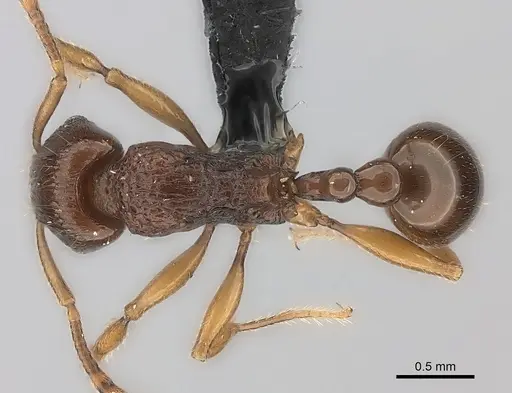
CASENT0101556
View on AntWeb
CASENT0118435
View on AntWeb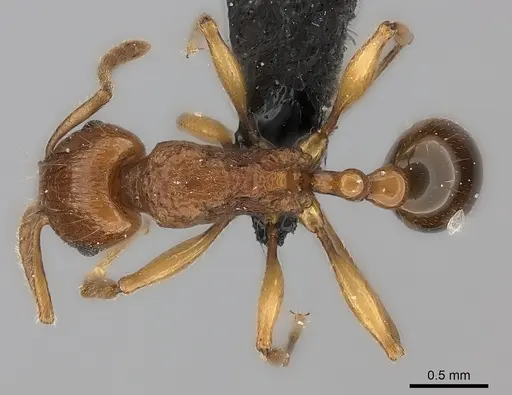
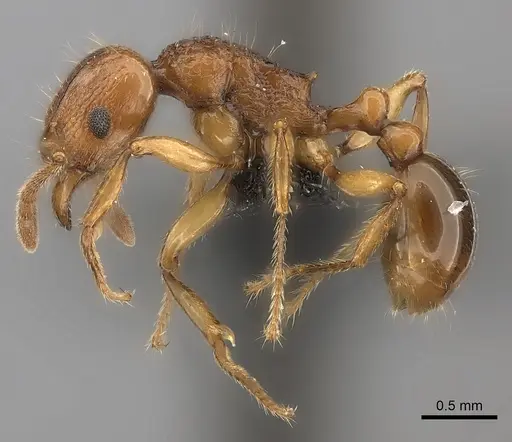
CASENT0217764
View on AntWeb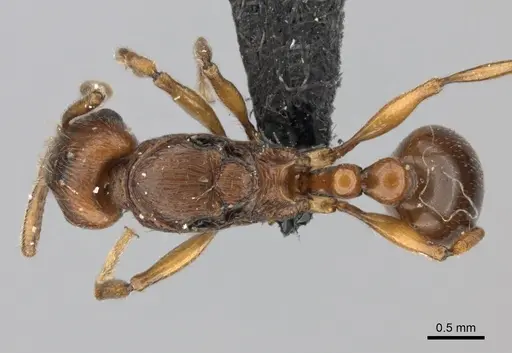
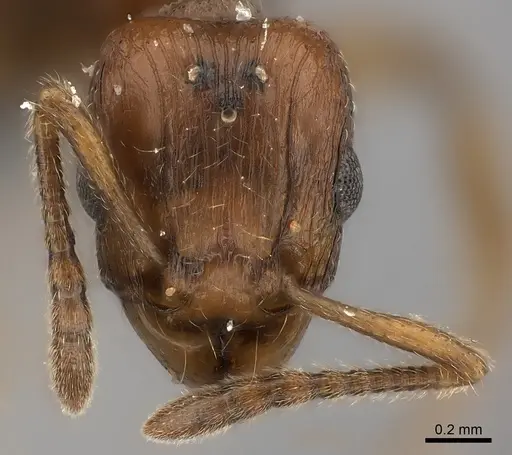
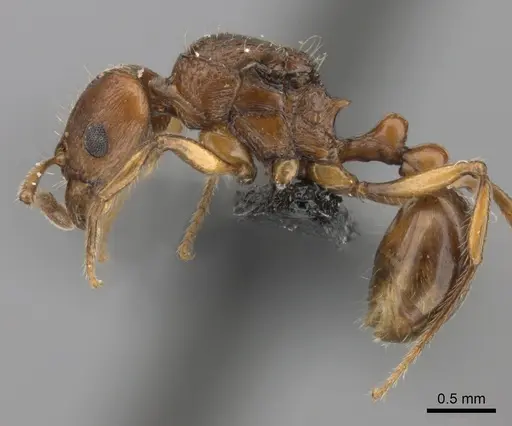
CASENT0447245
View on AntWeb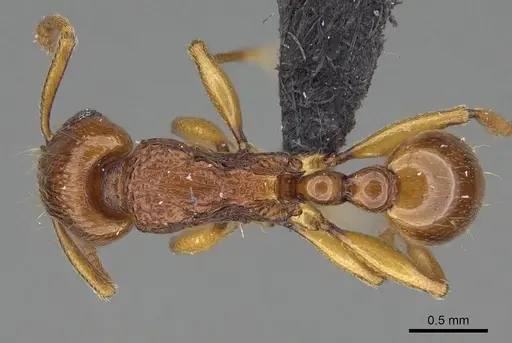
CASENT0492794
View on AntWeb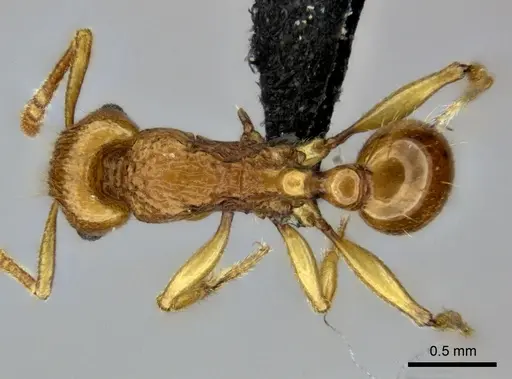
Literature
Loading distribution map...Loading products...