
Tetramorium obesum
- Sci. Name
- Tetramorium obesum
- Tribe
- Crematogastrini
- Subfamily
- Myrmicinae
- Author
- André, 1887
- Distribution
- Found in 1 countries
Introduction
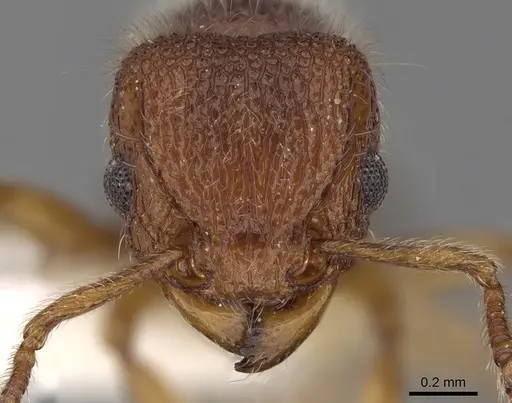
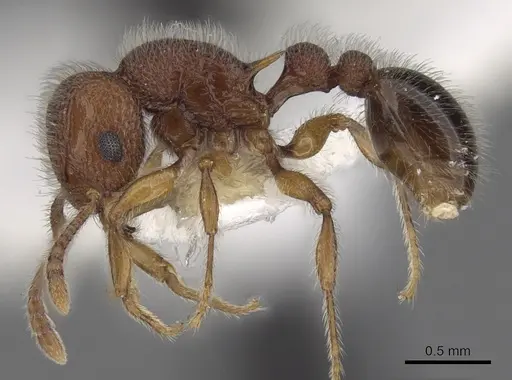
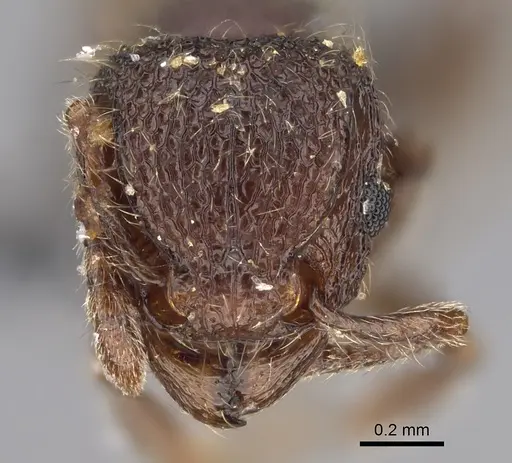
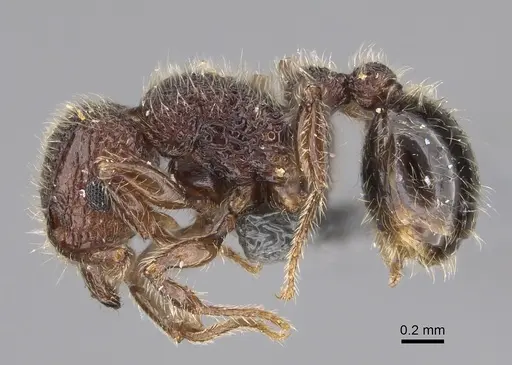
Tetramorium obesum is a small ant native to South and Southeast Asia, found across India, Bangladesh, and Sri Lanka . Workers are about 3-5 mm with a robust, compact build typical of the genus. They look darker and stouter than many related Tetramorium. This species belongs to the Tetramorium obesum group, which has distinctive suberect, trifid hairs on the first gastral segment . In the wild, they nest in soil or under stones in tropical and subtropical forests . It is considered rare in parts of its native range , but has also turned up as a pest species outside its natural distribution, for example in South Carolina .
Quick Summary
- Difficulty: Easy
- Origin & Habitat: Indomalayan region, recorded from Arunachal Pradesh, Assam, Himachal Pradesh, Karnataka, Kerala, Maharashtra, Sikkim, Tamil Nadu, and West Bengal in India, plus Bangladesh and Sri Lanka [1]. Lives in tropical and subtropical environments, nesting in soil or under stones in forested areas [2].
- Colony Type: Not well documented for this species. Based on typical Tetramorium patterns, colonies are likely monogyne (single queen). Related species are sometimes polygyne, so some flexibility is possible, but there is no direct evidence for T. obesum.
- Size & Growth:
- Queen: Estimated ~6-8 mm from general Tetramorium patterns, no direct measurements exist for this species.
- Worker: About 3-5 mm, inferred from genus descriptions [2].
- Colony: Likely several hundred workers, based on related Tetramorium, not directly documented.
- Growth: Moderate, typical for tropical Tetramorium.
- Development: Estimated 6-8 weeks at 24-28°C, based on related species. Direct data for T. obesum is unavailable. (Development time depends on temperature and food availability.)
- Antkeeping:
- Temperature: Keep at 24-28°C year-round. This matches their tropical origin. Room temperature (22-26°C) usually works, but avoid drops below 20°C for long periods.
- Humidity: Moderate: keep nest substrate slightly moist but not waterlogged. Aim for a forest floor feel. Provide a moisture gradient so ants can choose their preferred spot.
- Diapause: Not required, tropical species. Slight winter cooling is natural but not needed.
- Nesting: Y-tong (AAC) plaster or test tube setups work well. Their small size means narrow chambers are fine. Provide an outworld with a sand/soil mix for foraging and tunneling.
- Behavior: Generally calm and non‑aggressive. Workers are active foragers and quickly learn where food is. They have a stinger (like all Myrmicinae) but the sting is mild. Escape risk is moderate because they are small, but they are not notorious escape artists. Defensive behavior is mostly limited to smearing venom rather than piercing (typical of the Crematogastrini tribe).
- Common Issues: limited published care info, expect some trial and error, small founding colony requires patience, humidity balance is important: too wet causes mold, too dry kills brood, wild‑caught colonies may carry parasites, rare in the hobby, so finding a queen is tough
Housing and Nest Setup
Because workers are small (3-5 mm), Y-tong (AAC) nests with narrow chambers work well. Test tubes are perfect for founding colonies. Use a standard test tube setup with a water reservoir sealed by cotton. Once the colony grows beyond 20-30 workers, connect a larger nest and an outworld. Add a sand‑soil mix in the outworld so workers can dig if they want. Ensure all connections are wide enough for easy passage. [2]
Feeding and Diet
Tetramorium obesum is omnivorous. Give a constant sugar source (sugar water, honey, dilute maple syrup). For protein, offer small insects like fruit flies, pinhead crickets, or mealworms 2-3 times per week. Remove uneaten protein after 24 hours to prevent mold. They will also take honeydew from aphids if available.
Temperature and Seasonal Care
Keep the colony at 24-28°C year-round. This tropical species does not need hibernation. Temperatures below 20°C for extended periods can slow development and cause stress. A heating cable on one side of the nest can create a warm gradient. Avoid direct heat that dries out the nest too fast.
Colony Development and Growth
A newly mated queen (assuming claustral founding, not confirmed) will seal herself in a small chamber and lay eggs. She feeds the first brood from her fat reserves. First workers (nanitics) are smaller than mature workers. After they emerge, the colony grows slowly at first. With good feeding and stable temperatures, colonies may reach 50-100 workers in the first year and several hundred after 2-3 years. Growth depends heavily on food quality and temperature.
Behavior and Temperament
Workers are calm and not aggressive. They forage actively and will use chemical trails to recruit nestmates to food. Their sting is mild and not a problem for humans. If threatened, they may smear venom rather than sting (typical of the Crematogastrini tribe). They are easy to observe and handle once established.
Frequently Asked Questions
How long until Tetramorium obesum gets their first workers?
Probably 6-8 weeks after the queen lays eggs, at 24-28°C. This is an estimate from related species, direct data for T. obesum is not available.
Can I keep Tetramorium obesum in a test tube?
Yes. A standard test tube setup works great for founding and small colonies. Move to a larger nest when the colony outgrows the tube or the water needs refilling too often.
Do Tetramorium obesum sting?
They have a stinger like all Myrmicinae, but the sting is mild and not painful. The primary defense is smearing venom rather than stinging.
What do Tetramorium obesum eat?
Omnivorous. Offer sugar water or honey as a constant carb source, and small insects (fruit flies, pinhead crickets) 2-3 times a week.
Are Tetramorium obesum good for beginners?
Yes, they are calm, easy to care for, and do not need hibernation. However, specific care info is limited, so some flexibility and observation are needed.
Do Tetramorium obesum need hibernation?
No. They are tropical and prefer steady warmth year-round. Keep them at 24-28°C.
How big do Tetramorium obesum colonies get?
Likely several hundred workers, but exact maximum size is unknown. Based on related species, expect up to several hundred after 2-3 years.
When should I move my Tetramorium obesum to a formicarium?
When the test tube colony reaches around 20-30 workers or the water reservoir runs out quickly. A Y-tong or plaster nest works well as a next step.
Can I keep multiple Tetramorium obesum queens together?
This is not recommended. There is no evidence of polygyny for this species, and unrelated queens may fight. Start with one queen.
Why is my Tetramorium obesum colony declining?
Common causes: humidity too high or too low, temperature outside 24-28°C, not enough protein, mold from overfeeding, or parasites from wild colonies. Check and adjust these factors.
Report an Issue
The current care sheet is based fully on literature. See inconsistencies, or something that's incorrect? Please , it will be resolved after review from an admin. Contributing to the blogs tab also helps providing information, to make us be able to further improve the caresheets. Thank you for your support!
References

This caresheet is licensed under CC BY-SA 4.0 .
Community Blogs
CASENT0280874
View on AntWeb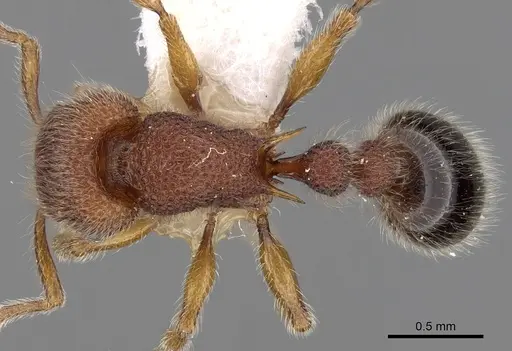
CASENT0923334
View on AntWeb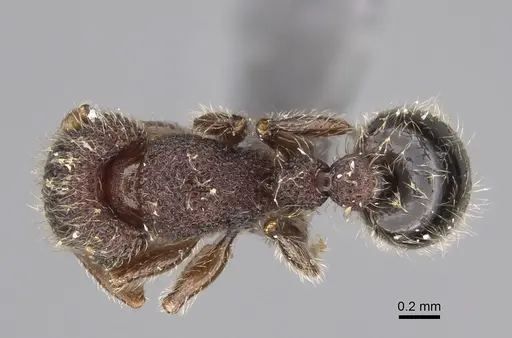
Literature
Loading distribution map...Loading products...