
Tetramorium nosybe
- Sci. Name
- Tetramorium nosybe
- Tribe
- Crematogastrini
- Subfamily
- Myrmicinae
- Author
- Hita Garcia & Fisher, 2012
- Distribution
- Found in 1 countries
Introduction
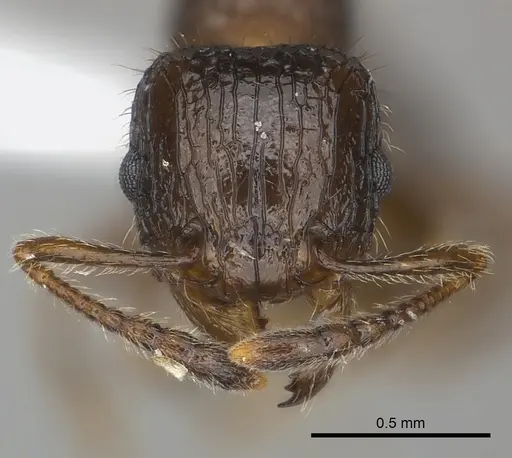
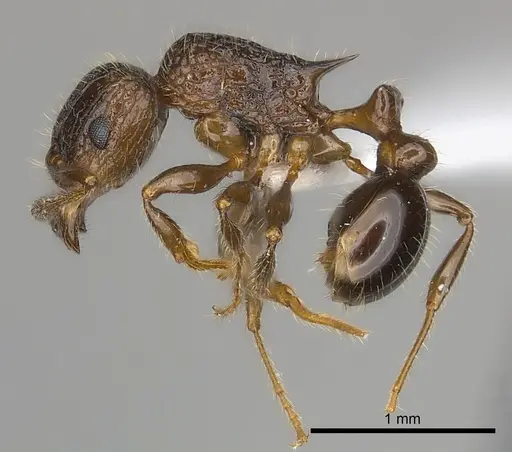
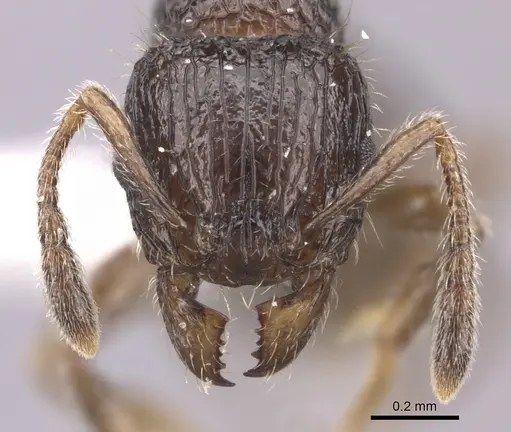
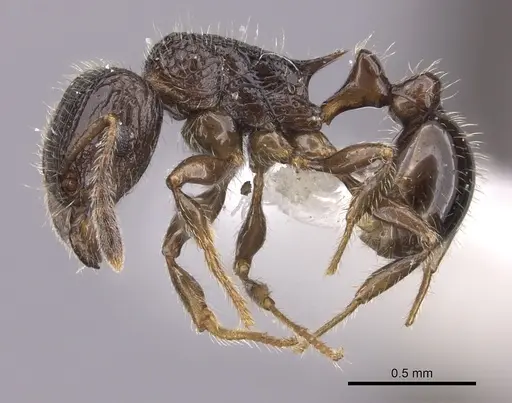
Tetramorium nosybe is a small ground-dwelling ant found only on the island of Nosy Be and a few nearby sites in northern Madagascar . Workers are uniformly dark brown and have long, sharp propodeal spines sticking out from the back of the mesosoma . They belong to the T. bonibony species group, which is known for a strongly compressed, triangular petiole . These ants live exclusively in rainforests from 30 to 600 meters elevation, nesting in leaf litter, on the ground, or in low vegetation . Since the species was only described in 2012,there’s no detailed captive care information, but you can follow general Tetramorium husbandry guidelines.
Quick Summary
- Difficulty: Medium
- Origin & Habitat: Nosy Be island and nearby localities in northern Madagascar (Ampasindava, Manongarivo), found in rainforest habitats at 30-600m elevation [1][2]. They live in leaf litter, on the ground, and in lower vegetation.
- Colony Type: Colony structure is unconfirmed. No research has documented queen number or social structure for this species.
- Size & Growth:
- Queen: Unknown, queens have not been described [1]
- Worker: Size data unavailable, only head and mesosoma measurements are known [1]. Based on genus patterns, likely 2-3 mm total length.
- Colony: Unknown, no colony counts available
- Growth: Moderate, estimated based on genus patterns
- Development: Estimated 6-10 weeks, based on related Tetramorium species at optimal temperature (Direct development data is not available for this species)
- Antkeeping:
- Temperature: Keep around 22-26°C, these tropical rainforest ants need warm, stable conditions and dislike drops below 20°C [1]. A gentle heating gradient helps them self-regulate.
- Humidity: Keep the nest substrate consistently moist but not waterlogged, they come from rainforest leaf litter where humidity stays high. Provide a moisture gradient so they can choose their preferred spot.
- Diapause: Unlikely, as a tropical species from Madagascar, they do not need winter hibernation. Maintain stable temperatures year-round.
- Nesting: Y-tong (AAC) or plaster nests work well because they hold moisture and can be carved with small chambers that match the workers’ tiny size. A test tube works for founding. Use a naturalistic setup with leaf litter if desired.
- Behavior: These ants are not especially aggressive but will defend their nest by smearing venom using a modified spatulate stinger (typical of their tribe Crematogastrini). At their size, the sting is harmless to humans. Workers forage actively but tend to retreat rather than fight. Because workers are tiny (under 3 mm), they can squeeze through very small gaps, use fine mesh and tight seals everywhere. They accept a varied diet of small insects and sugar sources.
- Common Issues: small size makes escapes likely without extremely fine mesh barriers, high humidity needs can cause mold if ventilation is poor, limited species-specific care info means you must adapt from genus knowledge, tropical species may decline if temperatures drop below 20°C, wild-caught colonies may carry parasites that affect captive survival
Housing and Setup
Escape prevention is the top priority because workers are so tiny. Use an outworld with tight-fitting lid and fluon or similar barrier on all walls. Y-tong (AAC) nests are a good choice because you can carve small chambers that suit their size, and the material holds humidity well [1]. Plaster nests also work for the same reasons. A test tube setup can be used for a founding queen, but once the colony grows you’ll need to move them to a larger nest.
Since these ants come from rainforest leaf litter, keep the nest area moist. Add a water reservoir or regularly moisten the substrate, aim for damp but not waterlogged. Add some dried leaves or bark in the outworld so they feel at home [1].
Feeding and Diet
Feed them small live prey like fruit flies, pinhead crickets, or tiny mealworm pieces, anything too big will go uneaten [1]. They also take honey water, sugar water, or other sweet liquids. Offer a constant sugar source and protein 2-3 times per week. Remove uneaten prey after 24 hours to avoid mold. Because they are small, a little food goes a long way.
Temperature and Seasonal Care
Keep the colony at 22-26°C, which matches the stable tropical conditions of their native rainforest [1][2]. Avoid temperatures below 20°C, as this species is not adapted to cold. A small heating cable on one side of the nest creates a useful temperature gradient, but make sure there’s a cooler area they can move to.
Because they are tropical, you do not need to provide a winter diapause. Keep conditions steady year-round. Sudden temperature drops or drafts can stress the colony. If your room temperature stays in their preferred range, no extra heating is necessary.
Behavior and Temperament
Tetramorium nosybe is not overly aggressive but will defend its nest if threatened. Its defense is a modified spatulate stinger used to smear venom onto enemies rather than pierce them (a typical trait of the tribe Crematogastrini). At their tiny size, the sting is harmless to humans.
Workers are active foragers that search the outworld for food. The main risk is escape, because they are so small, they can slip through gaps you might not notice. Apply fluon to all container edges, use fine mesh (less than 0.5 mm) on vents, and double-check lid seals. Once settled, they are hardy and adapt well to captivity. [1]
Colony Development
Because this species was only described in 2012,we have no published data on colony growth. Based on other Tetramorium, expect the queen to lay eggs that hatch in 1-2 weeks, larvae to develop for 2-3 weeks, then pupation lasting 1-2 weeks, with the first workers emerging around 6-10 weeks after egg-laying at 24-26°C [1]. The first workers (nanitics) will be smaller than later ones. The colony grows moderately over the first year, a well-fed colony may reach several hundred workers within 1-2 years.
Frequently Asked Questions
How long does it take for Tetramorium nosybe to get their first workers?
Based on related Tetramorium species, expect first workers (nanitics) to emerge 6-10 weeks after the queen lays eggs at 24-26°C [1]. Direct data for this species is not available.
Can I keep Tetramorium nosybe in a test tube?
Yes, a test tube with a cotton water plug works well for a founding queen. Once the colony grows to a reasonable size, move them to a Y-tong or plaster nest with small chambers.
Do Tetramorium nosybe ants sting?
They have a stinger, but it’s modified for smearing venom rather than piercing. At their tiny size, it is harmless to humans [1].
What temperature do Tetramorium nosybe need?
Keep them at 22-26°C. This tropical rainforest species needs warm, stable conditions and should not go below 20°C [1].
Are Tetramorium nosybe good for beginners?
They are medium difficulty. Their small size and humidity requirements demand extra care, but they are not as hard as some exotic tropical species. Focus on escape prevention and keeping the nest moist.
How big do Tetramorium nosybe colonies get?
Colony size is not documented, but based on other Tetramorium, expect several hundred workers at maturity. Growth is moderate.
Do Tetramorium nosybe need hibernation?
No, as a tropical species they do not require hibernation. Keep temperatures stable year-round [1].
Why are my Tetramorium nosybe escaping?
Their tiny size means they can squeeze through very small gaps. Use fine mesh (less than 0.5 mm) on vents, apply fluon barriers, and check lid seals for cracks. Even a tiny gap is enough.
What do Tetramorium nosybe eat?
They accept small live prey (fruit flies, pinhead crickets), sugar sources (honey water, sugar water), and protein foods (tiny mealworm pieces, cat food). Feed 2-3 times per week.
When should I move Tetramorium nosybe to a formicarium?
Move them when the colony is established enough to need more space, typically once the queen has around 20+ workers or the test tube becomes crowded. Use a Y-tong or plaster nest with small chambers.
Report an Issue
The current care sheet is based fully on literature. See inconsistencies, or something that's incorrect? Please , it will be resolved after review from an admin. Contributing to the blogs tab also helps providing information, to make us be able to further improve the caresheets. Thank you for your support!
References

This caresheet is licensed under CC BY-SA 4.0 .
Community Blogs
CASENT0404430
View on AntWeb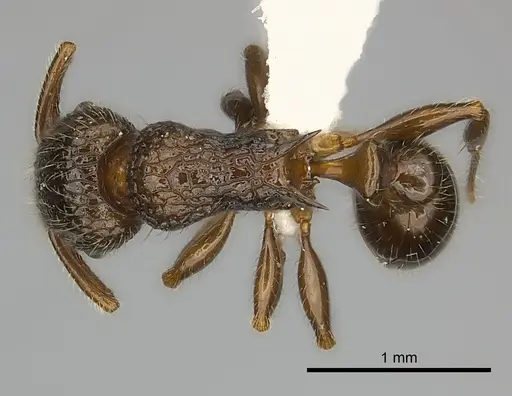
CASENT0422207
View on AntWeb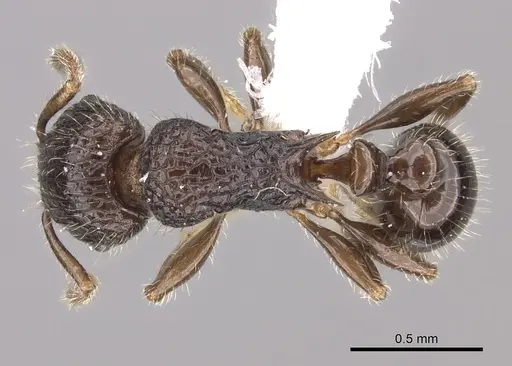
Literature
Loading distribution map...Loading products...