
Tetramorium norvigi
- Sci. Name
- Tetramorium norvigi
- Tribe
- Crematogastrini
- Subfamily
- Myrmicinae
- Author
- Hita Garcia & Fisher, 2012
- Distribution
- Found in 1 countries
Introduction
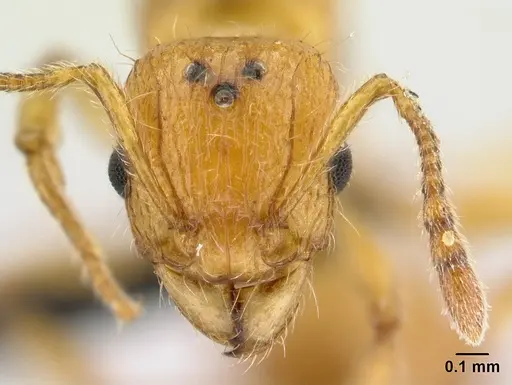
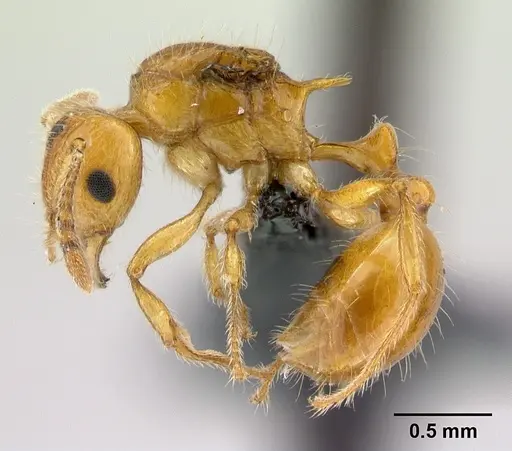
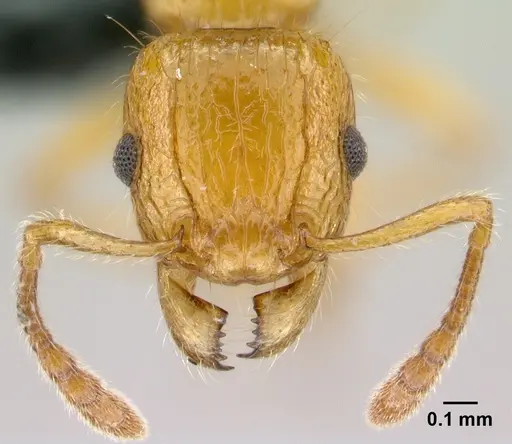
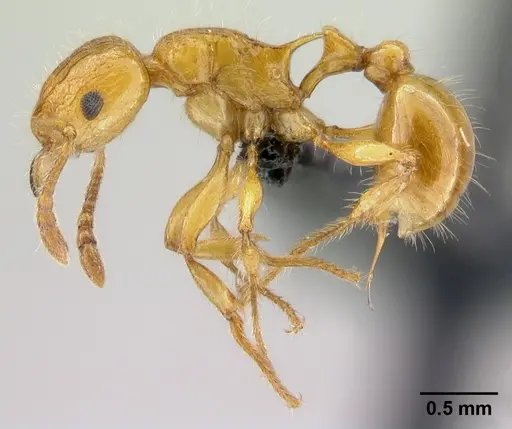
Tetramorium norvigi is a small, ground-dwelling ant species native to the rainforests of eastern Madagascar. Workers feature distinctive long propodeal spines and a triangular, compressed petiolar node, with body coloration ranging from uniform yellow in northern populations to light brown in southern areas . This species belongs to the Tetramorium marginatum species group and is found at elevations between 30 and 1200 meters, typically in leaf litter, on lower vegetation, or on the ground . These ants are part of a diverse genus with many species across Madagascar. They prefer humid rainforest conditions and are terricolous, meaning they live on or in the ground rather than in trees . The species was formally described in 2012 by Hita Garcia and Fisher, named in honor of Peter and Kris Norvig for their support to biodiversity research.
Quick Summary
- Difficulty: Medium
- Origin & Habitat: Eastern Madagascar rainforests and montane rainforests, from Manombo north to Betaolana, Anjanaharibe, and Marojejy. Found at elevations 30-1200m in leaf litter, lower vegetation, or on the ground [1][2].
- Colony Type: Colony structure is unconfirmed. Based on typical Tetramorium patterns, likely single-queen colonies, though multiple-queen structures have not been studied in this species.
- Size & Growth:
- Queen: Undescribed, queen measurements not available in scientific literature [1]
- Worker: Size data unavailable, no total length measurements published for this species. Workers are small, as typical for the genus [1].
- Colony: Unknown, no colony size data available for this species
- Growth: Unknown, no development timing data available for this species
- Development: 6-10 weeks estimated based on typical Tetramorium genus patterns at tropical temperatures (No species-specific development data exists. Estimates based on related Tetramorium species, actual timing may vary.)
- Antkeeping:
- Temperature: Keep at 22-26°C based on their rainforest habitat in Madagascar [1]. A gentle gradient allowing workers to self-regulate is ideal. Avoid temperatures below 18°C or above 30°C.
- Humidity: High humidity is essential, these ants come from humid rainforest environments [3]. Keep nest substrate consistently moist but not waterlogged. Aim for 70-85% humidity around the nest area.
- Diapause: Unlikely, as a tropical Madagascar species, they probably do not require a diapause period [1]. However, a slight reduction in temperature during winter months (down to around 20°C) may be beneficial if colony shows reduced activity.
- Nesting: These ground-dwelling ants prefer naturalistic setups with soil or moist substrate. A Y-tong (AAC) or plaster nest with a soil chamber works well [1]. They do well in test tube setups with access to a moist foraging area. Keep nest areas dark and humid.
- Behavior: Temperament is typical of Tetramorium, generally peaceful but will defend the nest if threatened. Workers are active foragers that search for food on the ground. Their small size (around 3-4mm inferred from genus) means they can escape through tiny gaps, use fine mesh barriers and tight-fitting lids. They can sting, but their sting is adapted for smearing venom rather than piercing, and is generally harmless to humans due to their small size.
- Common Issues: escape prevention is critical due to their tiny size, they can squeeze through standard test tube stops, high humidity requirements can lead to mold if ventilation is poor, wild-caught colonies may harbor parasites that can devastate captive colonies, lack of species-specific care data means you must monitor and adjust conditions based on colony behavior, founding can be slow, new colonies may appear inactive for weeks before brood appears
Housing and Nest Setup
For this small, ground-dwelling species, a naturalistic setup works best. Use a mix of soil and sand as substrate, kept consistently moist. A Y-tong (AAC) or plaster nest with narrow chambers works well. Test tube setups are suitable for founding colonies, use a water reservoir with a cotton stop to maintain humidity. Place the nest in a dark area or provide hiding spots, as these ants prefer dim conditions matching their rainforest floor habitat [1]. Ensure excellent escape prevention, these tiny ants can squeeze through gaps that seem impossible. Use fluon on container edges and fine mesh on any ventilation holes.
Feeding and Diet
Based on typical Tetramorium behavior, these ants are omnivorous and will accept both protein and sugar sources. Offer sugar water, honey, or diluted maple syrup as a constant carbohydrate source. For protein, provide small live prey such as fruit flies, pinhead crickets, or mealworms. They may also eat small seeds or scavenge on dead insects. Feed small amounts every 2-3 days and remove uneaten food to prevent mold. Since they're small, portion sizes should be tiny, a drop of sugar water and a few small prey items go a long way.
Temperature and Humidity Management
Maintain temperatures between 22-26°C year-round. A heating cable on one side of the nest can create a gradient, but ensure part of the colony's territory stays cooler. These ants come from humid Madagascar rainforests [3], so humidity is critical, aim for 70-85% relative humidity around the nest. Use a water reservoir connected to the nest or mist the area regularly, but avoid standing water. Good ventilation is necessary to prevent mold while maintaining humidity. A small ventilation hole covered with fine mesh works well.
Colony Founding and Early Care
Founding method is unconfirmed. If the queen is claustral, she will seal herself in a chamber and begin laying eggs within 1-2 weeks if mated. If semi-claustral, she will accept food offerings. Keep the setup completely dark and undisturbed for the first 2-3 weeks. First workers (nanitics) likely emerge after 6-10 weeks based on genus patterns, though this species has no documented timeline. Once workers emerge, you can begin offering tiny amounts of food. Do not disturb the colony excessively during founding, stress can cause queens to abandon or eat their brood.
Seasonal Care and Winter Maintenance
As a tropical species from Madagascar, T. norvigi does not require true hibernation [1]. However, slight seasonal temperature variations may benefit established colonies. During winter months in temperate climates, you can reduce temperatures to around 20°C if the colony shows reduced activity, but do not go below 18°C. Maintain humidity even in winter, the drying effect of heating systems can be harmful. Continue offering food, though in smaller amounts, as long as the colony is active. If the colony becomes less active, reduce feeding frequency accordingly.
Frequently Asked Questions
How long does it take for Tetramorium norvigi to raise first workers?
The exact timeline is unconfirmed for this species. Based on typical Tetramorium genus patterns at tropical temperatures (24-26°C), expect first workers in approximately 6-10 weeks. The queen will seal herself in and lay eggs, with larvae developing through stages before emerging as workers. Patience is essential, founding colonies often appear inactive for weeks before eggs appear.
What do Tetramorium norvigi ants eat?
These ants are omnivorous. Offer sugar water, honey, or maple syrup as a constant carbohydrate source. For protein, provide small live prey like fruit flies, small crickets, or mealworms. They may also scavenge on dead insects. Feed small amounts every 2-3 days and remove uneaten food to prevent mold.
Can I keep Tetramorium norvigi in a test tube?
Yes, test tubes work well for founding colonies. Use a standard test tube with a water reservoir sealed with cotton. The queen will seal herself into a chamber if claustral. For established colonies, you can connect the test tube to a formicarium or foraging area. Ensure excellent escape prevention, these tiny ants can squeeze through standard cotton stops, so consider using tighter-fitting barriers.
Do Tetramorium norvigi ants sting?
They can sting, but their sting is adapted for smearing venom rather than piercing. Due to their small size, it is harmless to humans. They are completely safe to handle and keep as pets.
What temperature do Tetramorium norvigi ants need?
Keep them at 22-26°C based on their Madagascar rainforest habitat [1]. A temperature gradient allowing self-regulation is ideal. Avoid temperatures below 18°C or above 30°C. Room temperature in most homes (around 20-24°C) is suitable, though you may need to warm the nest slightly in cooler environments.
Are Tetramorium norvigi good for beginners?
This species is rated as Medium difficulty. While not the easiest species, they are manageable for keepers with some experience. The main challenges are their high humidity requirements, escape prevention due to their tiny size, and the lack of species-specific care data. Beginners should be prepared to monitor conditions closely and adjust as needed.
How big do Tetramorium norvigi colonies get?
The maximum colony size is unknown, no scientific data exists on wild or captive colony sizes for this species. Based on typical Tetramorium patterns, expect moderate colony sizes of several hundred workers at most. Growth is likely moderate, with colonies taking months to reach significant numbers.
Do Tetramorium norvigi need hibernation?
No, hibernation is not required. As a tropical species from Madagascar, they do not experience cold winters in their natural habitat [1]. However, slight temperature reductions during winter months (down to around 20°C) may be beneficial if the colony shows naturally reduced activity. Do not cool them below 18°C.
Why is my Tetramorium norvigi colony dying?
Common causes include: low humidity (keep substrate consistently moist), escape-related losses (use fine mesh barriers), mold from overwatering or poor ventilation, stress from disturbance during founding, or parasites from wild-caught colonies. Ensure humidity is high, ventilation is adequate, and the colony is in a quiet, dark location. If the colony was wild-caught, parasites are a likely cause that is difficult to treat.
When should I move my Tetramorium norvigi colony to a formicarium?
Wait until the colony has at least 20-30 workers before moving to a larger setup. The colony should be actively foraging and using the test tube space. When moving, connect the test tube to the formicarium and allow the ants to explore and relocate on their own. Do not force them, this causes stress and can lead to brood abandonment.
Report an Issue
The current care sheet is based fully on literature. See inconsistencies, or something that's incorrect? Please , it will be resolved after review from an admin. Contributing to the blogs tab also helps providing information, to make us be able to further improve the caresheets. Thank you for your support!
References

This caresheet is licensed under CC BY-SA 4.0 .
Community Blogs
CASENT0038403
View on AntWeb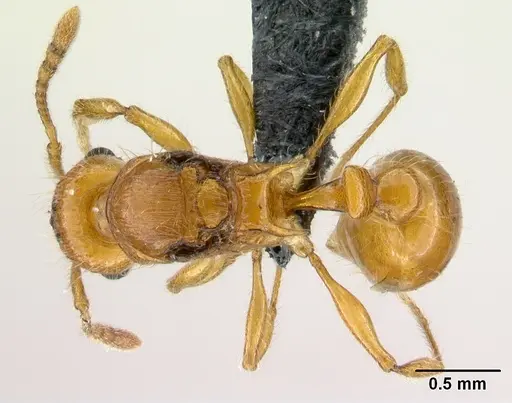
CASENT0489037
View on AntWeb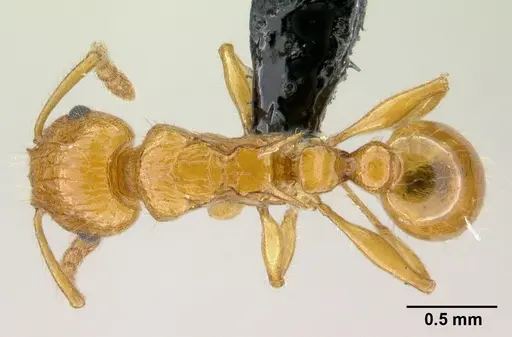
Literature
Loading distribution map...Loading products...