
Tetramorium nodiferum
- Sci. Name
- Tetramorium nodiferum
- Tribe
- Crematogastrini
- Subfamily
- Myrmicinae
- Author
- Emery, 1901
- Distribution
- Found in 4 countries
Introduction
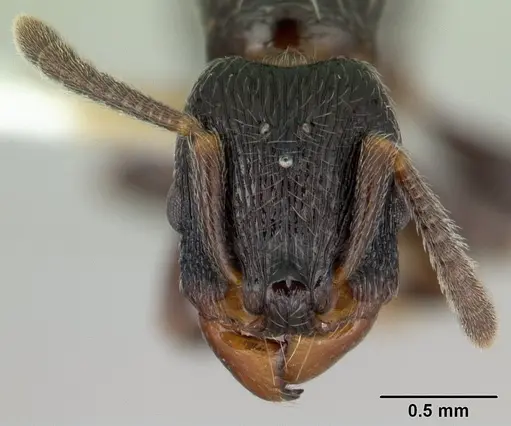
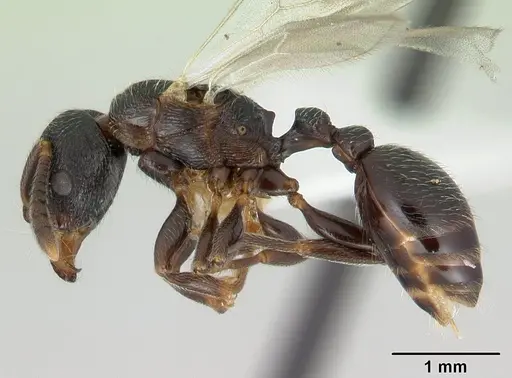
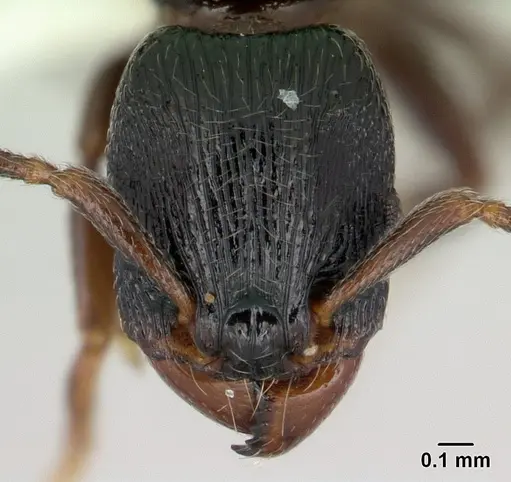
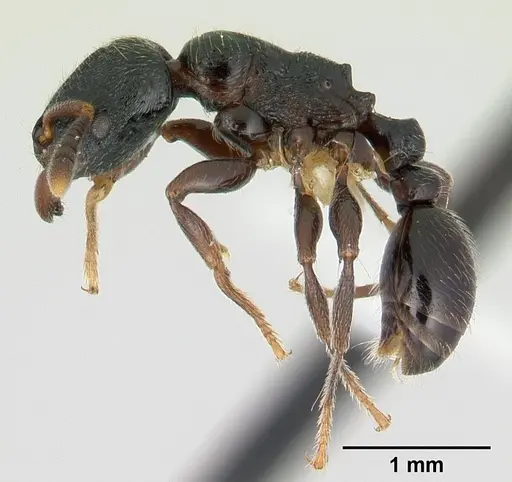
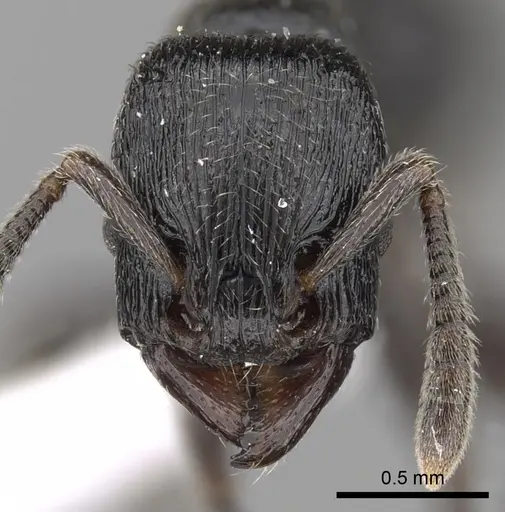
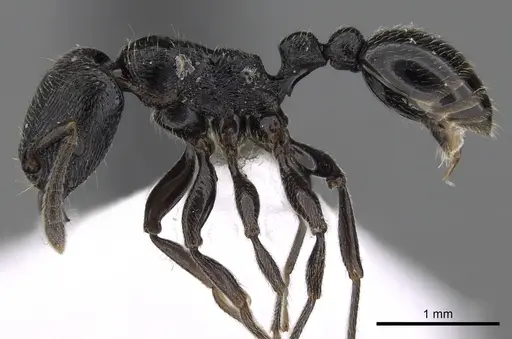
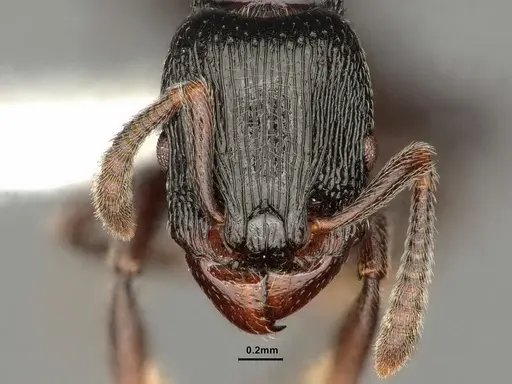
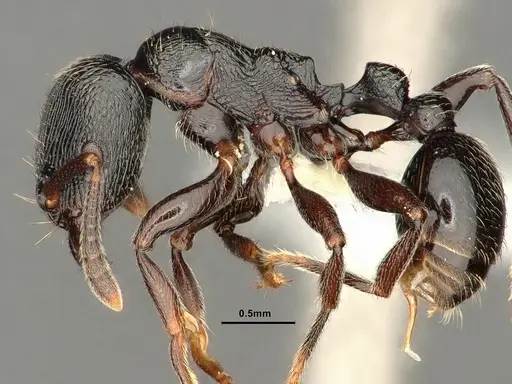
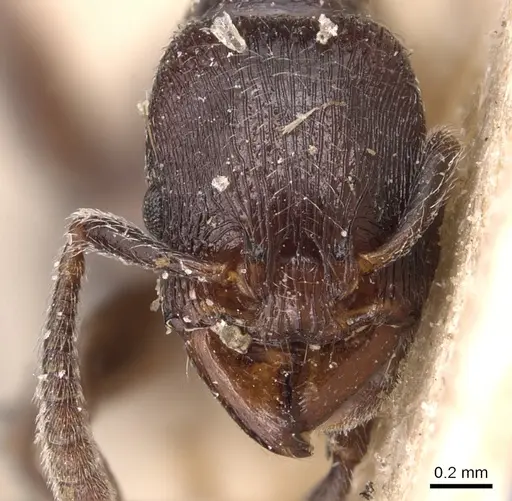
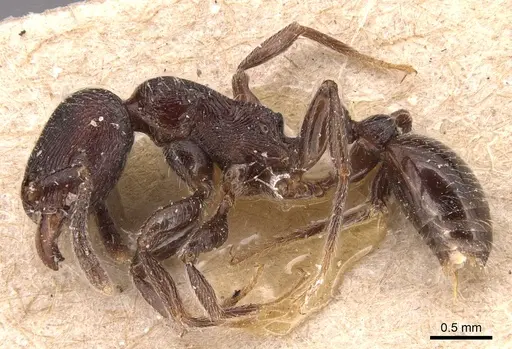
Tetramorium nodiferum is a small Myrmicinae ant native to Central African rainforests. Workers measure 4.4–4.6 mm and are dark brown to blackish-brown, with a long narrow head, short antennal scapes, and a strongly nodiform petiole (the waist segment forms a distinct node) . They belong to a group of three closely related species that share a median notch on the clypeus (the plate above the mouth) – the other two are Tetramorium jauresi and Tetramorium qualarum . In the wild, they nest in rotten logs and under bark in humid, mesic forests such as evergreen, tropical wet, and rainforest . These ants are typical forest-dwelling Myrmicinae: generalist foragers that scavenge small insects and also tend honeydew-producing insects. Because they are small and cryptic, captive care information is very limited, so keepers must rely on genus-level patterns and careful observation.
Quick Summary
- Difficulty: Medium
- Origin & Habitat: Central African rainforests – recorded from Cameroon, Central African Republic, Democratic Republic of Congo, Gabon, Ghana, Guinea, Kenya, and Uganda. They inhabit mesic (moderately damp) forests including evergreen forest, tropical wet forest, and rainforest [1]. Most collections come from rotten logs and under bark, and occasionally from low vegetation [1].
- Colony Type: Unconfirmed – colony structure has not been documented. Most Tetramorium species are monogyne (single queen), but polygyne colonies occur in some species.
- Size & Growth:
- Queen: Unknown – no body length measurement is available in the literature. Based on Tetramorium genus patterns, queens are estimated to be roughly 6–8 mm.
- Worker: 4.4–4.6 mm (total length) [1]
- Colony: Unknown – no published colony size estimates exist. Based on typical Tetramorium species, mature colonies likely range from 100 to 500 workers.
- Growth: Moderate – estimated from genus patterns, no species-specific data.
- Development: Estimated 6–10 weeks at optimal temperature based on related Tetramorium species (Development time is estimated from genus-level data since species-specific measurements are not available. Tropical origin suggests faster development than temperate Tetramorium.)
- Antkeeping:
- Temperature: Keep at 22–26 °C – this range reflects their tropical rainforest origin. Provide a slight gradient so workers can choose their preferred spot. Avoid temperatures below 20 °C or above 28 °C for extended periods.
- Humidity: High humidity is essential – they come from damp forests, so the nest substrate should remain consistently moist but never waterlogged. A water tube in the outworld gives them drinking access.
- Diapause: Unlikely required – as a tropical species from near the equator, they do not experience cold winters. If the colony shows reduced activity during the dry season, a slight temperature drop to 20–22 °C may be acceptable, but this is not a true diapause.
- Nesting: Provide a humid nest setup. Y‑tong (AAC) or plaster nests work well because they hold moisture. Since Tetramorium nodiferum naturally lives in rotten wood and under bark, a naturalistic setup with damp soil and hiding places can also succeed. Avoid dry, well‑ventilated setups.
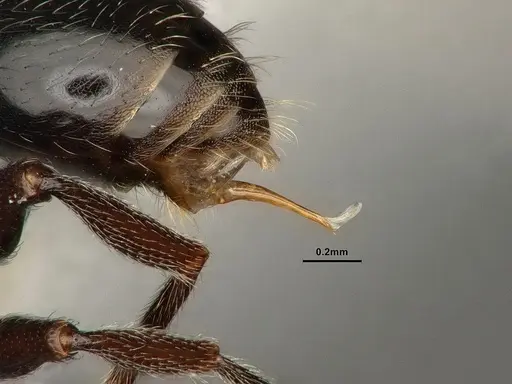
- Behavior: These are small, generalist foragers typical of the genus. Workers are not particularly aggressive and will avoid confrontation when possible – they are likely nocturnal or crepuscular. Their small size (4.4–4.6 mm) means they can escape through tiny gaps: use fine mesh and seal all openings. They have a modified stinger that smears venom rather than piercing (subfamily trait), but they pose no danger to keepers.
- Common Issues: high humidity requirements make mold a constant risk – monitor substrate moisture and provide gentle ventilation, escape prevention is challenging because workers can squeeze through very small gaps, unknown growth rate – limited data means you must base expectations on the species’ actual behavior rather than a reliable timeline, wild‑caught colonies may carry parasites that can devastate captive populations, little natural history is known, so keepers must adapt care based on colony observations rather than a detailed species care sheet
Housing and Nest Setup
For Tetramorium nodiferum, choose a nest that holds high humidity without promoting mold. Y‑tong (AAC) or plaster nests with a water reservoir are good options. The outworld should be small – just a foraging area with a water tube and a feeding station. Because workers are only 4.4–4.6 mm, a test tube setup works well for founding colonies. Once the colony reaches 30+ workers, you can move them to a small formicarium, but make sure all connections are tight: these tiny ants are expert escape artists. Add a few small hiding spots in the outworld (pieces of cork bark or small stones) to help the ants feel secure. [1]
Feeding and Diet
Like most Tetramorium, Tetramorium nodiferum is a generalist feeder. Offer small protein sources such as fruit flies, small mealworms, crickets, and other tiny insects. Provide a constant sugar source – a drop of honey water or sugar water works well. In the wild, they likely feed on honeydew from aphids and scale insects. Feed established colonies 2–3 times per week with small prey, and remove uneaten food within 24 hours to prevent mold. Founding queens don’t need feeding until the first workers emerge – the queen uses her fat reserves to raise the initial brood. [1]
Temperature and Seasonal Care
As a Central African rainforest ant, Tetramorium nodiferum needs warm, stable temperatures. Keep the nest between 22–26 °C, aiming for 24 °C. Warmer temperatures within this range speed up brood development, cooler temperatures slow it down. Avoid sudden drops and never let the nest fall below 20 °C for long. Because they come from near the equator, true hibernation (diapause) is not required. If your colony becomes less active during winter, a slight temperature reduction to 20–22 °C is acceptable, but this is not a necessary seasonal cycle. [1]
Colony Development and Growth
Expect slow but steady growth. The queen likely founds claustrally (sealing herself in) like other Tetramorium, and the first workers (nanitics) should emerge in about 6–10 weeks under optimal temperatures. These initial workers will be smaller and sometimes lighter in colour than mature workers. After the first workers arrive, the queen increases egg production. A healthy colony may reach 50 workers within the first year, with growth accelerating as the colony strengthens. Mature colony size is not known precisely but is estimated at 100–500 workers based on related species. [1]
Handling and Observation
These ants are not aggressive and pose no stinging threat. They are small and quick, which makes close observation a little tricky. Once the colony is established, watch the workers forage in the outworld – they are active and purposeful, typical of Tetramorium. Avoid disturbing the nest during founding: a stressed queen may eat her eggs or abandon the nest. After the colony has 20+ workers, occasional observation is fine, but always minimise vibrations and other disturbances. Their small size means they are sensitive to environmental changes, so keep conditions as stable as possible. [1]
Frequently Asked Questions
How long does it take for Tetramorium nodiferum to produce first workers?
Expect first workers (nanitics) to emerge in approximately 6–10 weeks after the queen lays eggs, assuming optimal temperatures around 24 °C. This timeline is estimated from genus patterns since species‑specific development data is not available. The first workers will be smaller than mature workers, and colony growth will accelerate after they emerge.
What size colony does Tetramorium nodiferum reach?
Colony size at maturity is not documented, but based on typical Tetramorium patterns it is estimated at 100–500 workers. This species appears to be on the smaller side for the genus, so expect colonies toward the lower end of that range. Growth is slow initially but accelerates once the colony reaches 20–30 workers.
Do Tetramorium nodiferum ants need hibernation?
No, hibernation is not required. As a tropical species from Central Africa (near the equator), they do not experience cold winters. You may notice reduced activity during winter months – a slight temperature reduction to 20–22 °C is acceptable if the colony slows down, but this is not a true diapause.
What do Tetramorium nodiferum ants eat?
They are generalist feeders. Offer small insects like fruit flies, small mealworms, and crickets as protein sources 2–3 times per week. Also provide a constant sugar source – a drop of honey water or sugar water. They will also scavenge other small organic matter.
Are Tetramorium nodiferum ants aggressive?
No, they are not aggressive toward keepers. These are small, docile ants that usually flee rather than fight. Their modified stinger smears venom rather than stinging, so they pose no stinging threat to humans.
Can I keep Tetramorium nodiferum in a test tube?
Yes, test tubes work well for founding colonies. Use a standard test tube setup with a water reservoir and cotton plug. The small size of these ants (4.4–4.6 mm workers) means they do well in the humid, enclosed environment of a test tube. Once the colony reaches 30–50 workers, consider moving them to a small formicarium or Y‑tong nest.
What temperature is ideal for Tetramorium nodiferum?
Keep nest temperatures between 22–26 °C, with 24 °C being ideal. This tropical species requires warmth and does not tolerate cool temperatures well. Avoid letting temperatures drop below 20 °C. A slight gradient allowing workers to choose their preferred temperature is beneficial.
How do I set up a nest for Tetramorium nodiferum?
Provide a humid nest setup – Y‑tong (AAC) or plaster nests work best to maintain the high humidity these ants need. The nest should be kept moist but never waterlogged. Since they naturally nest in rotten wood and under bark, you can also use a naturalistic setup with damp soil and hiding places. Ensure all connections are tight to prevent escapes.
Why is my Tetramorium nodiferum colony not growing?
Several factors could limit growth: temperatures below 22 °C slow development significantly, low humidity stresses the colony and kills brood, insufficient protein reduces egg production, or the colony may be parasitised. Review your conditions and check that the queen is still laying eggs. Also remember that Tetramorium growth is naturally slow – patience is essential.
Is Tetramorium nodiferum suitable for beginners?
This species is rated as medium difficulty. While not the most challenging, the limited available care information and high humidity requirements make it better suited for keepers with some experience keeping Myrmicinae. Beginners may struggle to maintain the consistent humidity this ant needs.
Report an Issue
The current care sheet is based fully on literature. See inconsistencies, or something that's incorrect? Please , it will be resolved after review from an admin. Contributing to the blogs tab also helps providing information, to make us be able to further improve the caresheets. Thank you for your support!
References

This caresheet is licensed under CC BY-SA 4.0 .
Community Blogs
CASENT0178336
View on AntWeb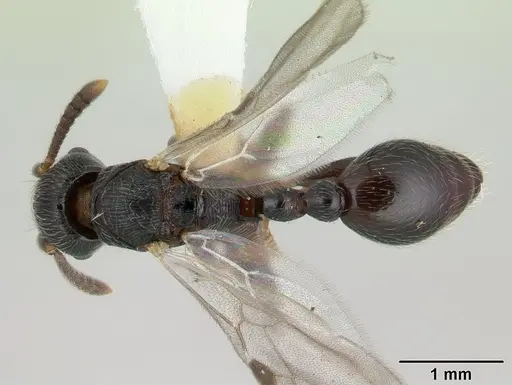
CASENT0178337
View on AntWeb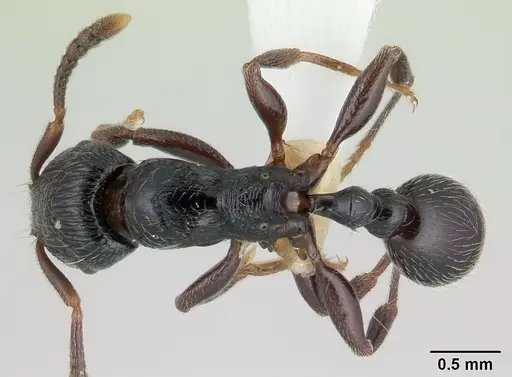
CASENT0217218
View on AntWeb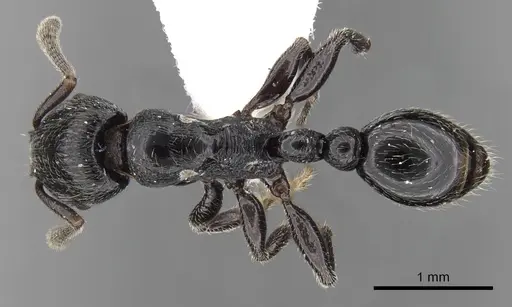
CASENT0281177
View on AntWeb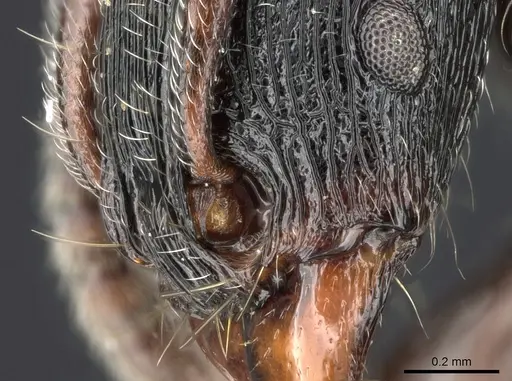
CASENT0365582
View on AntWeb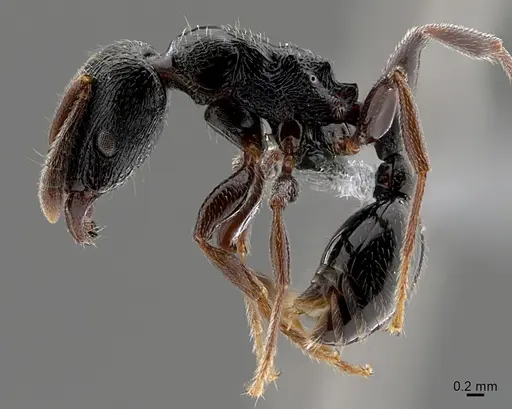
CASENT0403720
View on AntWeb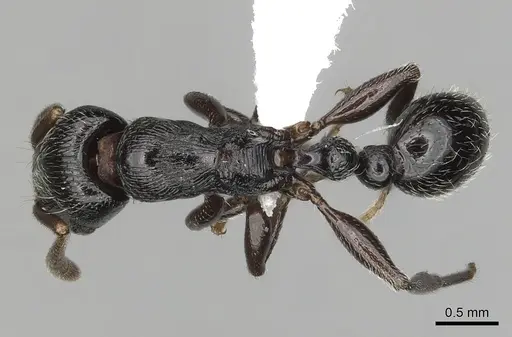
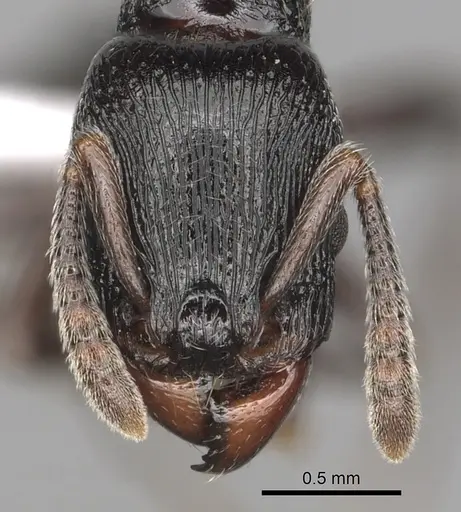
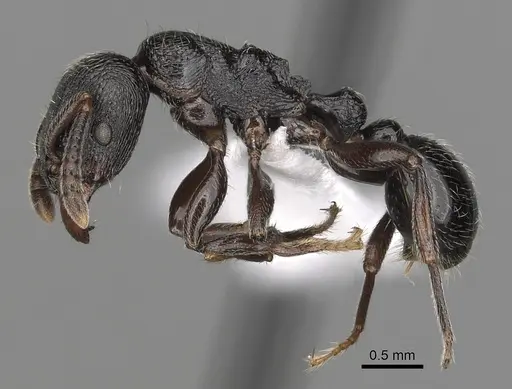
CASENT0884332
View on AntWeb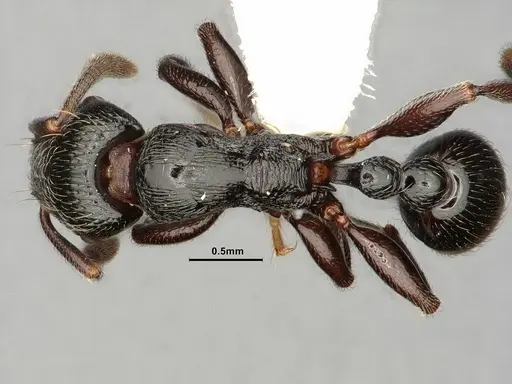
CASENT0904713
View on AntWeb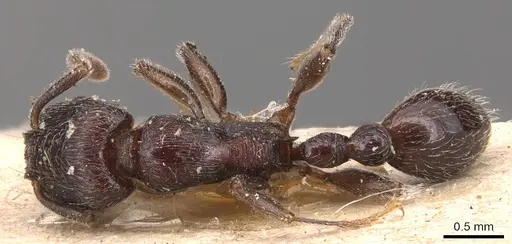
Literature
Loading distribution map...Loading products...