
Tetramorium nassonowii
- Sci. Name
- Tetramorium nassonowii
- Tribe
- Crematogastrini
- Subfamily
- Myrmicinae
- Author
- Forel, 1892
- Distribution
- Found in 1 countries
Introduction
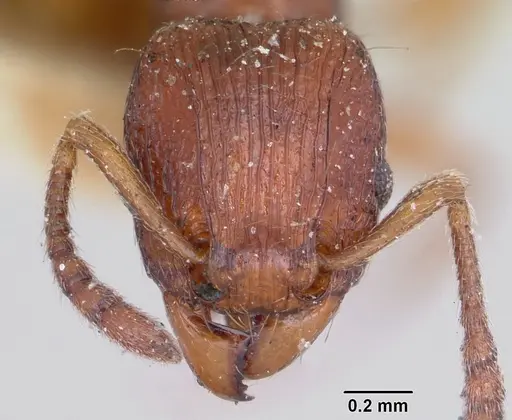
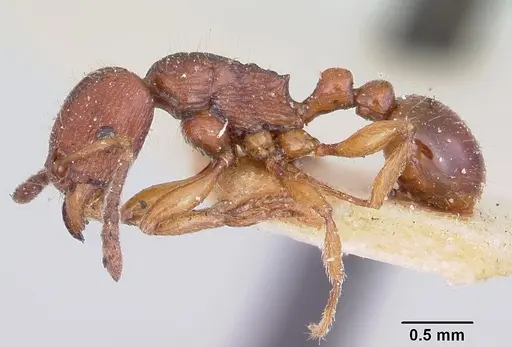
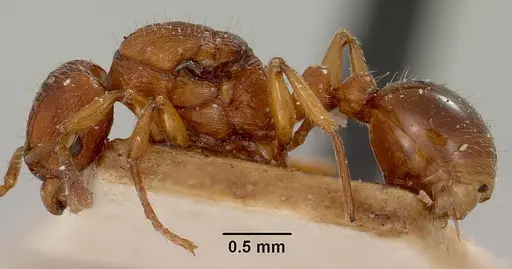
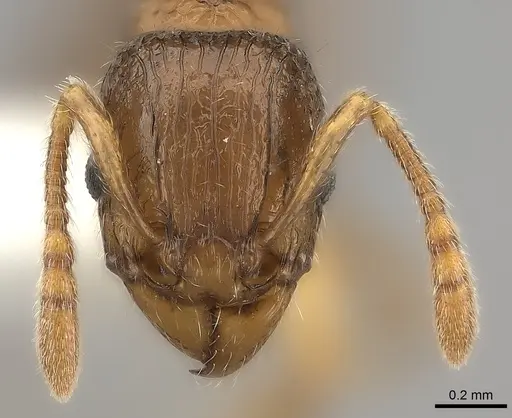
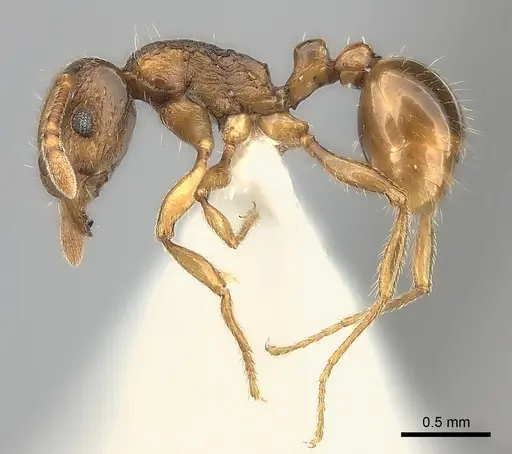
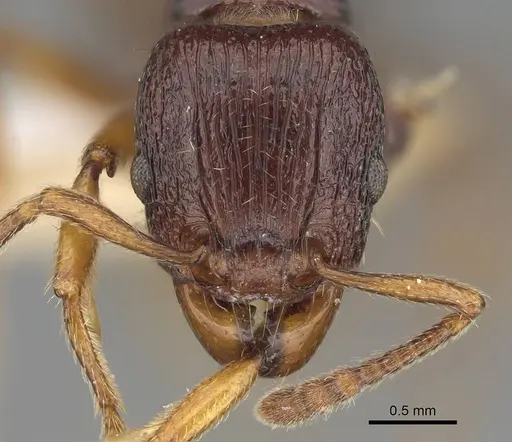
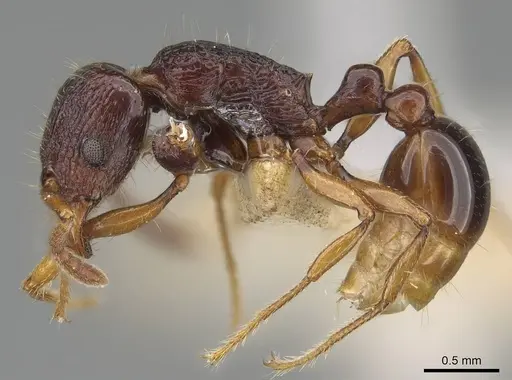
Tetramorium nassonowii is a small ant from the montane rainforests of eastern Madagascar. Workers are light to dark brown with lighter legs and antennae. Their body length is not recorded in the literature, but they are medium-sized for the genus (estimated 2-4 mm based on related species). Their most distinctive feature is the petiolar node: long and low, unlike other species in the schaufussii group . These ants live in leaf litter and ground-level microhabitats, mostly above 1000 m elevation (range 425-1700 m) . Originally described in 1892,it was later synonymized under Tetramorium schaufussii and then resurrected as a full species in 2014 based on its unique morphology . It is rarely kept in captivity, so most care recommendations are based on genus-level patterns.
Quick Summary
- Difficulty: Medium
- Origin & Habitat: Montane rainforests and rainforest belt of eastern Madagascar,425-1700 m elevation, predominantly above 1000 m. Inhabits leaf litter and ground substrates [1].
- Colony Type: Unconfirmed, likely monogyne based on typical Tetramorium patterns, but no direct evidence is available [1].
- Size & Growth:
- Queen: Unknown, queen measurements are not reported. Estimated 6-8 mm based on related Tetramorium species (inferred) [1].
- Worker: Unknown, the only available measurement is head length (0.82-0.96 mm), not total body length. Inferred at 2-4 mm from related species [1].
- Colony: Unknown, inferred from genus patterns to be up to several hundred workers [1].
- Growth: Moderate (estimated)
- Development: 6-10 weeks at 22-26°C (estimated from related Tetramorium) [1]. (No specific developmental data exists for this species. Temperature strongly affects speed.)
- Antkeeping:
- Temperature: 22-26°C, based on montane rainforest habitat. Avoid sustained temperatures above 28°C [1].
- Humidity: High, keep substrate consistently damp but not waterlogged. Aim for 70-85% relative humidity [1].
- Diapause: Unknown. Madagascar’s subtropical climate suggests a possible mild winter rest, if the colony slows down, reduce to 15-18°C for 2-3 months. Not confirmed [1].
- Nesting: Naturalistic setups with deep moist soil/sand mix (5-10 cm), Y‑tong, or plaster nests. Test‑tubes work for founding colonies [1].
- Behavior: Docile and non‑aggressive toward keepers. Workers are small and active foragers, accepting both protein and sugar. Escape prevention is essential, use fine mesh and tight barriers because they can squeeze through tiny gaps. They may bite but do not deliver a painful sting. Moderate climbers [1].
- Common Issues: small size makes escape prevention critical, use fine mesh barriers, high humidity needs can lead to mold if ventilation is poor, limited availability of this species in the hobby, temperature sensitivity, overheating above 28°C can kill the colony, unknown founding behavior may complicate colony start-up
Housing and Nest Setup
Replicate their natural leaf‑litter habitat. Use a mix of 70% soil and 30% sand, kept consistently damp, with a depth of at least 5-10 cm for tunneling. For founding colonies, a test‑tube with a water reservoir works well. Once the colony reaches 20+ workers, transition to a naturalistic or Y‑tong nest. Add leaf litter or small pieces of decaying wood on the surface to maintain humidity and provide foraging cover. Ensure all chambers and passages are appropriately sized for small workers. A hydration system (e.g., water tower or moist cotton) helps maintain the needed humidity [1].
Feeding and Diet
Generalist feeders that accept both protein and sugars. Offer small insects such as fruit flies, pinhead crickets, or chopped mealworms 2-3 times per week. Provide a constant sugar source (sugar water, honey, or diluted honeydew). Remove uneaten food after 24-48 hours to prevent mold. Because workers are small, ensure prey items are tiny and easy to handle [1].
Temperature and Seasonal Care
Maintain a temperature of 22-26°C. Avoid exceeding 28°C, as this can stress or kill the colony. Provide a slight gradient (warmer on one side, cooler on the other) so the ants can self‑regulate. If the colony shows reduced activity in winter, you can lower the temperature to 15-18°C for 2-3 months, this mild winter rest simulates their natural seasonal cycle, though it is not confirmed necessary. Observe your colony and adjust accordingly [1].
Humidity Management
High humidity (70-85%) is essential. The substrate should feel damp when squeezed but not release water. Mist the enclosure regularly and maintain a deep substrate layer to retain moisture. In test‑tube setups, use a large water reservoir. Poor humidity leads to failed broods, however, balance with good ventilation to avoid mold. If condensation constantly pools on the nest walls, reduce watering [1].
Colony Founding
Founding behavior is unconfirmed for this species. Based on the genus, queens likely seal themselves in a chamber and raise the first brood without foraging (claustral), but this has not been documented. Provide a dark, humid, undisturbed founding chamber. At 22-26°C, first nanitic workers may appear after 4-6 weeks (estimate). Do not disturb the queen during this period, vibration or light can cause brood abandonment or cannibalism. Once 20+ workers are present, start offering small food near the nest entrance [1].
Frequently Asked Questions
How long does it take for Tetramorium nassonowii to raise first workers?
At optimal temperatures (22-26°C), expect first workers to emerge in 6-10 weeks after the queen lays eggs. This is an estimate based on related Tetramorium species, as no specific data exists for T. nassonowii. Cooler temperatures slow development [1].
What do Tetramorium nassonowii ants eat?
They are generalist feeders. Offer small protein sources (fruit flies, tiny crickets, mealworms) 2-3 times per week and a constant sugar source (sugar water, honey, or honeydew). Remove uneaten food after 24-48 hours to prevent mold [1].
Can I keep Tetramorium nassonowii in a test tube?
Yes, test‑tubes are suitable for founding colonies. Use one with a water reservoir and cotton plug, kept horizontal in a dark place. Once the colony reaches 20+ workers, transition to a naturalistic or Y‑tong nest with deeper substrate [1].
Do Tetramorium nassonowii ants sting?
As a Myrmicinae, they have a stinger, but it is small and the sting is not dangerous to humans. They are docile and will only sting if directly threatened. The main concern is their tiny size, which makes escape prevention important [1].
What temperature and humidity do Tetramorium nassonowii need?
Keep temperatures between 22-26°C and humidity at 70-85%. This reflects their montane rainforest origin. Avoid temperatures above 28°C [1].
Are Tetramorium nassonowii good for beginners?
This species is rated medium difficulty. They require careful humidity and temperature management, and their small size makes escape prevention critical. They are rewarding once established, but colonies are hard to obtain due to limited availability [1].
How big do Tetramorium nassonowii colonies get?
Exact maximum colony size is unknown. Based on typical Tetramorium sizes, colonies are estimated to reach several hundred workers over 1-2 years under good conditions [1].
Do Tetramorium nassonowii need hibernation?
It is not known. Madagascar’s climate suggests a possible mild winter rest. If the colony slows down, you can reduce temperatures to 15-18°C for 2-3 months, but this is not proven necessary [1].
Why are my Tetramorium nassonowii dying?
Common causes include humidity below 60%, temperatures above 28°C, poor escape prevention, mold from overwatering, or stress from disturbance during founding. Check temperature and humidity first, and ensure prey items are small enough for workers [1].
Can I keep multiple Tetramorium nassonowii queens together?
This species is not confirmed polygyne. Based on genus patterns, it is likely monogyne. Keeping unrelated queens together is not recommended and may lead to fighting [1].
Report an Issue
The current care sheet is based fully on literature. See inconsistencies, or something that's incorrect? Please , it will be resolved after review from an admin. Contributing to the blogs tab also helps providing information, to make us be able to further improve the caresheets. Thank you for your support!
References

This caresheet is licensed under CC BY-SA 4.0 .
Community Blogs
CASENT0101289
View on AntWeb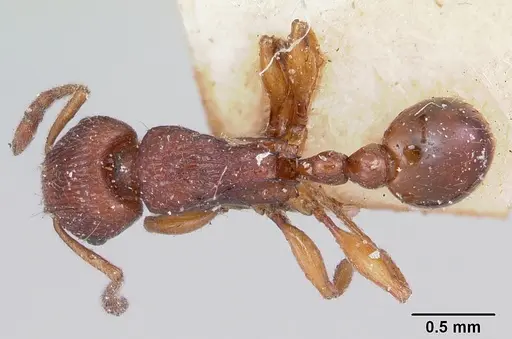
CASENT0101290
View on AntWeb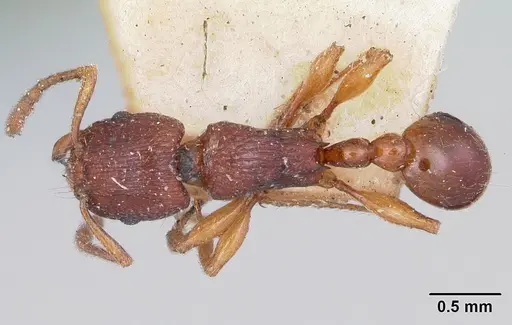
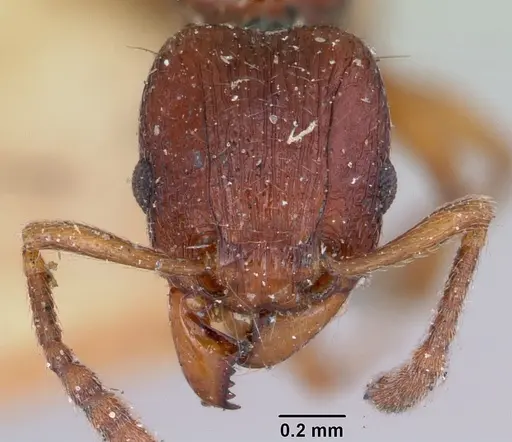
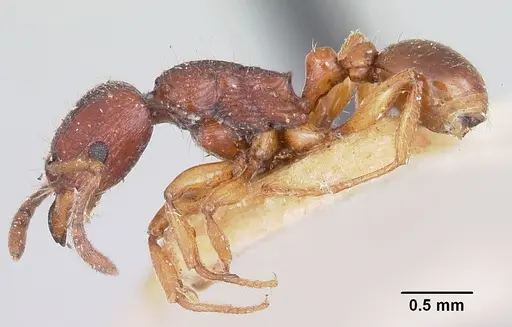
CASENT0101625
View on AntWeb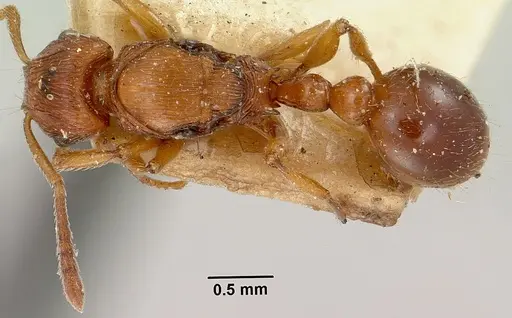
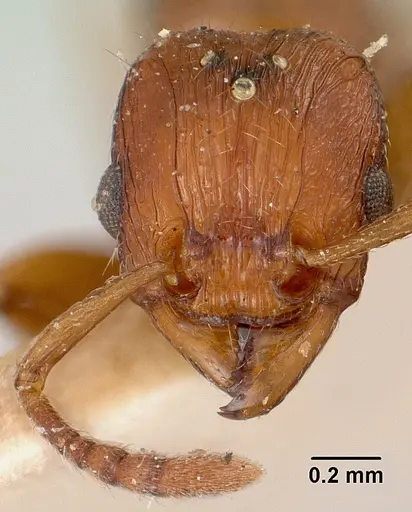
CASENT0189086
View on AntWeb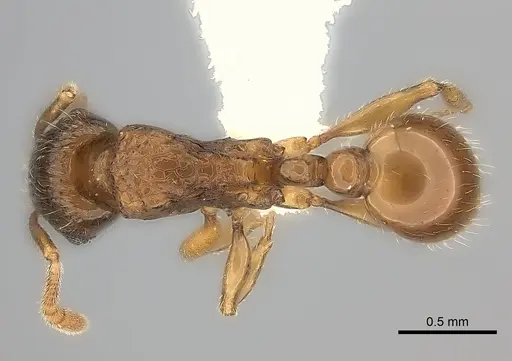
CASENT0195504
View on AntWeb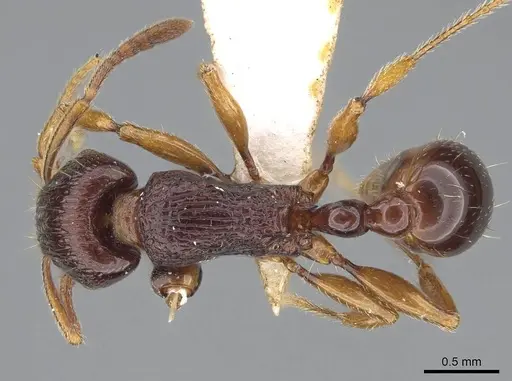
Literature
Loading distribution map...Loading products...