
Tetramorium naganum
- Sci. Name
- Tetramorium naganum
- Tribe
- Crematogastrini
- Subfamily
- Myrmicinae
- Author
- Bolton, 1979
- Distribution
- Found in 1 countries
Introduction
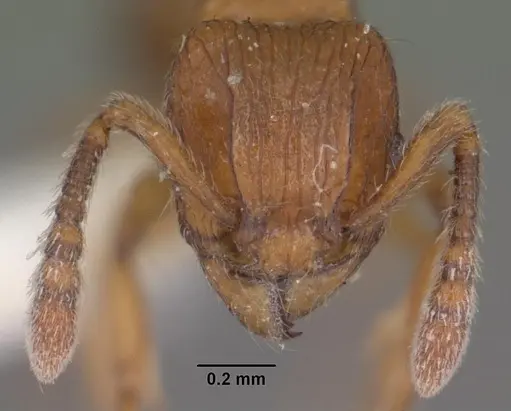
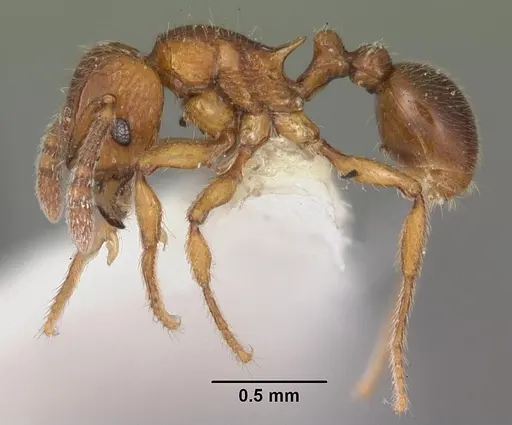
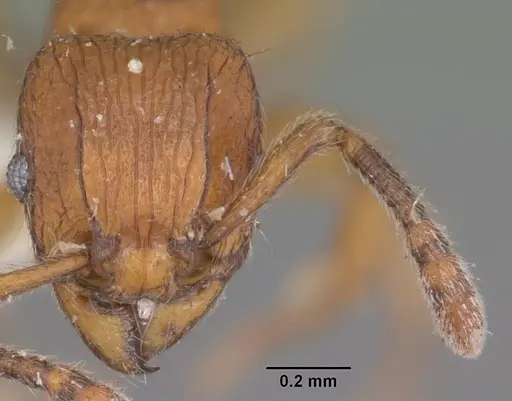
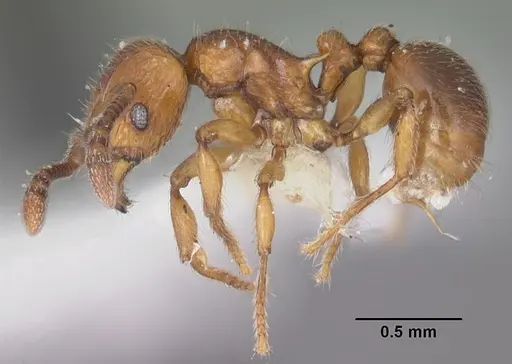
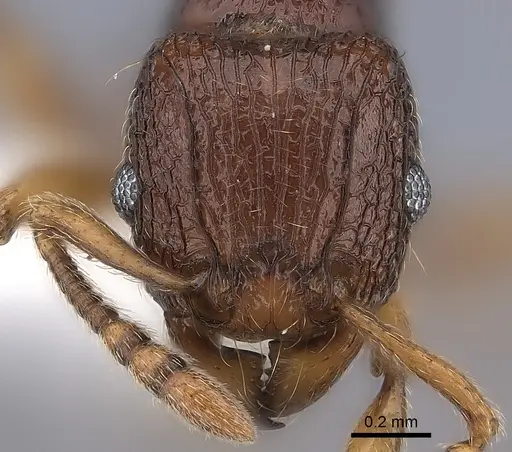
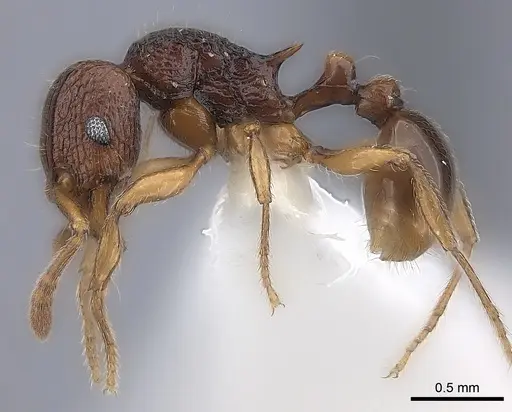
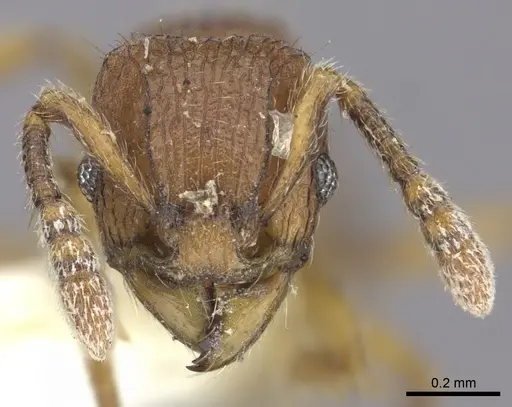
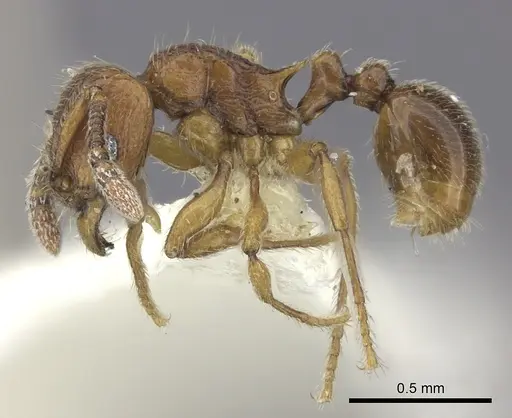
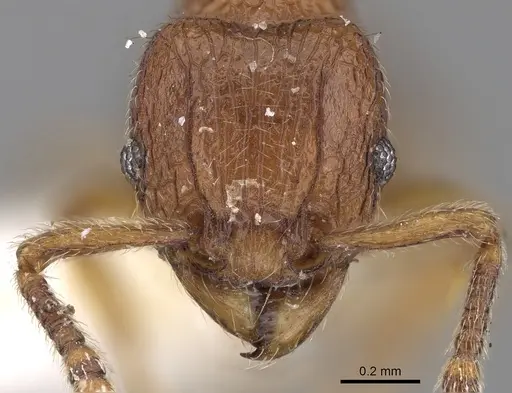
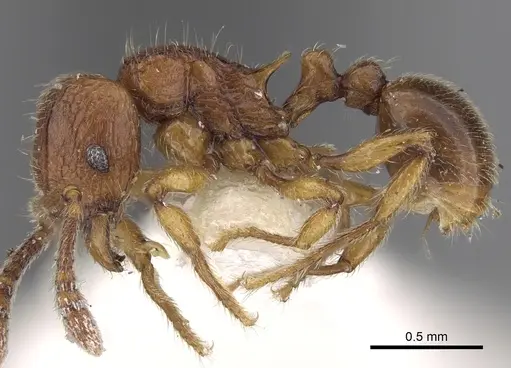
Tetramorium naganum is a small, ground-dwelling ant native to the rainforests and montane rainforests of eastern and north-eastern Madagascar . Workers have a compact body with small to moderate eyes, relatively long propodeal spines, and long standing hairs on the waist segments. The first gastral tergite lacks long standing hairs, which helps separate it from related species like Tetramorium alperti and Tetramorium gilgamesh. These ants live in leaf litter, and are found at elevations between 825 and 1300 meters . This species is the only member of the Tetramorium naganum group that was known before recent taxonomic revisions, making it the core species of the group . Its distribution in Madagascar is disjunctive, with populations around La Mandraka, Andasibe-Mantadia, and further north between Anjanaharibe-Sud and the Masoala Peninsula. The species' abundance varies with elevation: highest frequencies are found around 1280 m, with lower numbers at 875 m and 25 m .
Quick Summary
- Difficulty: Medium
- Origin & Habitat: Eastern and north-eastern Madagascar, rainforests and montane rainforests at 825-1300 m elevation [1]
- Colony Type: Colony structure is unconfirmed. Most Tetramorium are monogyne (single-queen), but this has not been verified for Tetramorium naganum.
- Size & Growth:
- Queen: Size data unavailable.
- Worker: Size data unconfirmed, based on typical Tetramorium species, workers likely reach about 3-4 mm.
- Colony: Maximum colony size is not documented. Typical Tetramorium species form moderate colonies of several hundred workers.
- Growth: Moderate (estimated from related Tetramorium).
- Development: 6-10 weeks estimated (based on related Tetramorium species). (Specific development time for Tetramorium naganum has not been published.)
- Antkeeping:
- Temperature: Keep at 20-24°C. These are montane rainforest ants that prefer moderate temperatures. Avoid sustained heat above 28°C [1].
- Humidity: High humidity is essential. Keep the nest substrate consistently moist but not waterlogged. Their natural leaf-litter habitat stays damp year-round [1].
- Diapause: No true diapause required. As a tropical species from Madagascar, they do not need a cold period. They may slow down if room temperature drops, but this is not necessary for their health [1].
- Nesting: Naturalistic setups with good moisture retention work best. Use Y-tong (AAC), plaster, or soil nests. Provide a humidity gradient so ants can choose their preferred spot. Avoid any setup that dries out quickly.
- Behavior: Tetramorium naganum is a ground‑foraging ant that hunts in leaf litter and upper soil layers [1]. Workers are moderately active and will explore their outworld for food. They are not aggressive but will defend the nest if disturbed. Because workers are small, escape risk is high, seal all gaps and use fine mesh on ventilation openings.
- Common Issues: humidity is critical, colonies crash if the nest dries out, but too much moisture promotes mold., small worker size, they squeeze through tiny gaps, so escape‑proofing must be thorough., tropical origin, they can struggle in air‑conditioned rooms or very dry air, keep them in a stable, warm spot., wild‑caught colonies may carry parasites (e.g., mites, nematodes) that can wipe out the nest., founding phase can feel slow, patience is needed, as first workers may take 6‑10 weeks and the colony grows gradually.
Housing and Nest Setup
Tetramorium naganum does well in setups that copy their natural leaf‑litter environment. Use a Y‑tong (AAC), plaster, or soil nest with good moisture retention. Avoid acrylic nests, as they dry out too quickly. Connect the nest to a foraging area (outworld) with tight seals and fine mesh, these tiny ants can slip through gaps of 1 mm. A water test tube or hydration chamber helps keep humidity high. Keep the nest in a dim part of your ant room, bright light stresses them [1].
Feeding and Diet
Based on typical Tetramorium feeding habits, Tetramorium naganum is omnivorous. Offer small protein sources such as fruit flies, pinhead crickets, or very small pieces of mealworm. For carbohydrates, provide honey water (diluted 1:3) or commercial ant food. In the wild they likely eat small arthropods and honeydew from scale insects. Feed small amounts every 2‑3 days and remove leftovers to prevent mold. Once you have workers, keep a constant sugar source available.
Temperature and Humidity Management
These ants come from montane rainforests, so they need moderate temperatures and high humidity. Keep the nest at 20‑24°C, avoid temperatures above 28°C, which can be fatal. If your room falls below 18°C, use a heating cable on top of the nest (not underneath, to avoid drying out the substrate). Humidity should be high, maintain the nest substrate consistently moist but not waterlogged. Offer a moisture gradient (a wet corner and a drier area) so the ants can regulate. Watch for condensation: if the nest is too wet, reduce water, if workers cluster near water sources, increase the damp area [1].
Colony Founding and Growth
The founding method has not been confirmed for Tetramorium naganum, but based on the genus pattern, the queen likely seals herself in a small chamber and raises the first brood using her own fat reserves (claustral founding). Expect first nanitic workers after 6‑10 weeks if kept at about 22°C. Once workers appear, growth is moderate but steady as long as food and humidity are consistent. Maximum colony size is unknown, similar Tetramorium species often reach several hundred workers.
Seasonal Care and Activity Patterns
Tetramorium naganum does not need a winter diapause, it is a tropical species from Madagascar. You can keep them active all year at room temperature. If your home gets cooler in winter, they may slow down, reduce feeding during that time but always maintain humidity. Do not place the colony near air‑conditioning vents or heaters that cause large swings in temperature or humidity [1].
Handling and Observation Tips
These ants are not aggressive, but they can bite. Use red film over the viewing area so you can watch them under light without disturbing them. When cleaning the outworld or moving the colony, move slowly and give the ants time to gather their brood. Avoid poking or shaking the nest. Their small size makes them easy to lose, so always work over a tray and have escape‑proof barriers ready.
Defense Mechanisms
As a member of the subfamily Myrmicinae and tribe Crematogastrini, Tetramorium naganum uses a modified, flattened stinger to smear venom onto enemies rather than piercing them. This 'smear' defense is typical of the tribe. The venom is mild to humans and rarely noticeable.
Frequently Asked Questions
How long does it take for Tetramorium naganum to raise first workers?
Based on typical Tetramorium development, expect 6‑10 weeks from egg to first worker at around 22°C. Specific data for T. naganum has not been published.
Can I keep Tetramorium naganum in a test tube setup?
Yes. A water test tube with a cotton plug works well for the founding stage. Connect it to a small outworld. Keep the tube in a humid, stable environment.
Do Tetramorium naganum sting?
They have a functional stinger, but it is modified for smearing venom rather than piercing. The sting is very mild and rarely felt by humans. They are not dangerous.
What temperature is best for Tetramorium naganum?
Aim for 20‑24°C. These are montane rainforest ants that dislike extreme heat. Avoid sustained temperatures above 28°C. [1]
Are Tetramorium naganum good for beginners?
This species is rated medium difficulty. The high humidity needs and the very small worker size (escape risk) make it better for keepers who have already raised at least one other ant species. The slow founding phase also requires patience.
How big do Tetramorium naganum colonies get?
The maximum colony size has not been documented. Based on typical Tetramorium, it probably reaches several hundred workers once mature.
Do Tetramorium naganum need hibernation?
No, they are tropical ants from Madagascar and do not require a cold diapause. Keep them active year‑round at room temperature. [1]
Why are my Tetramorium naganum dying?
Common causes: low humidity (keep substrate moist), wrong temperature (20‑24°C is best), escapes (check all seals), or stress from frequent disturbance. Wild‑caught colonies may also carry parasites. Review your setup against the care tips above.
When should I move my colony to a formicarium?
Wait until you have 50‑100 workers and the colony is foraging actively. Moving too early can stress the queen. Make sure the new nest maintains the same high humidity.
Report an Issue
The current care sheet is based fully on literature. See inconsistencies, or something that's incorrect? Please , it will be resolved after review from an admin. Contributing to the blogs tab also helps providing information, to make us be able to further improve the caresheets. Thank you for your support!
References

This caresheet is licensed under CC BY-SA 4.0 .
Community Blogs
CASENT0046934
View on AntWeb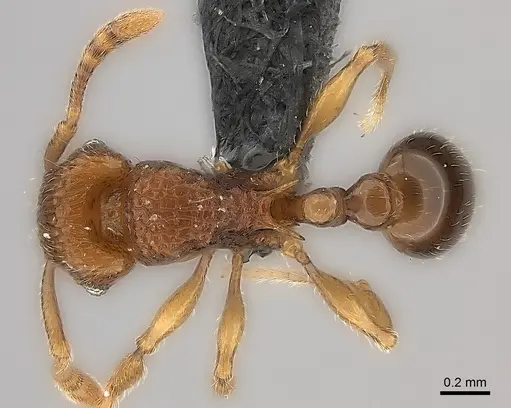
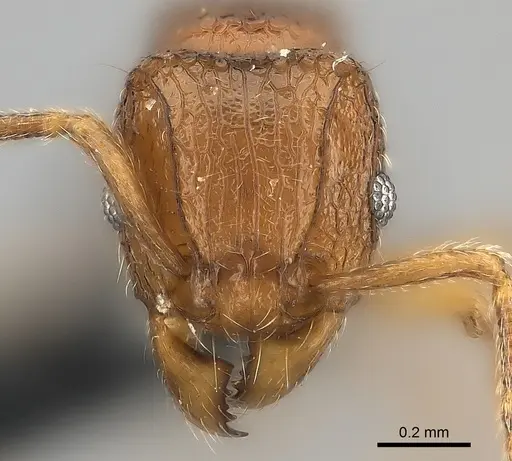
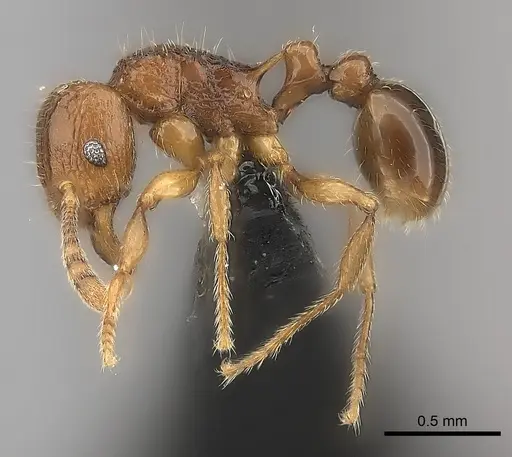
CASENT0102345
View on AntWeb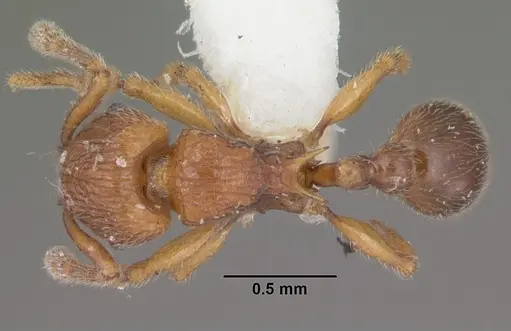
CASENT0102346
View on AntWeb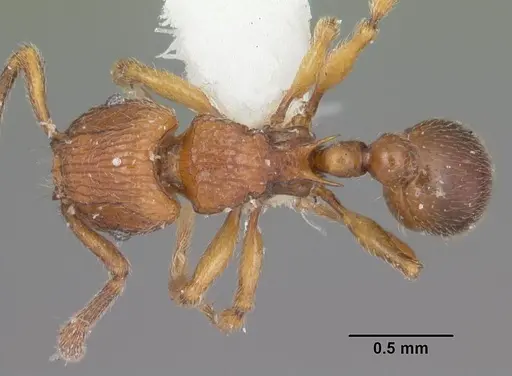
CASENT0189166
View on AntWeb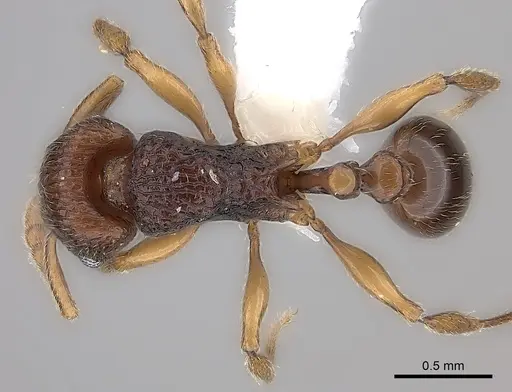
CASENT0235212
View on AntWeb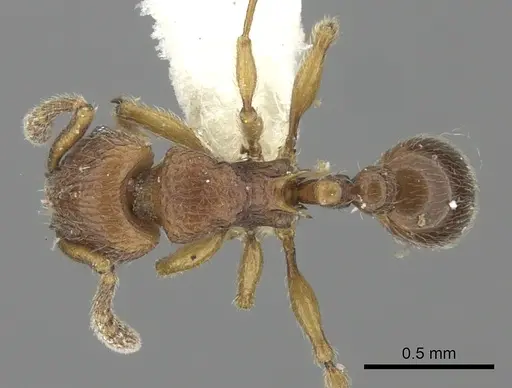
CASENT0280584
View on AntWeb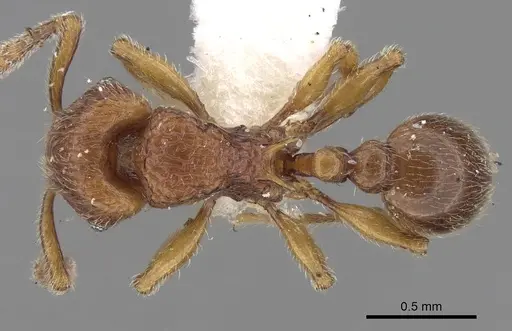
Literature
Loading distribution map...Loading products...