
Tetramorium muralti
- Sci. Name
- Tetramorium muralti
- Tribe
- Crematogastrini
- Subfamily
- Myrmicinae
- Author
- Forel, 1910
- Distribution
- Found in 10 countries
Introduction
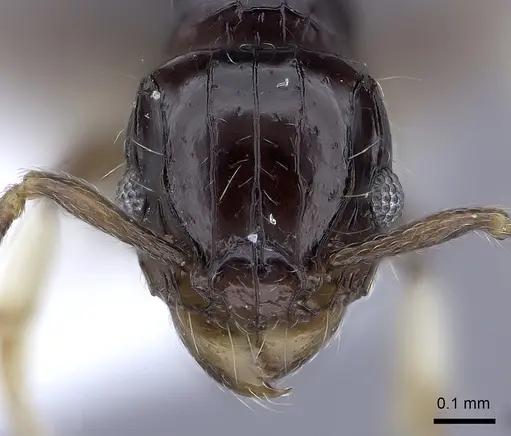
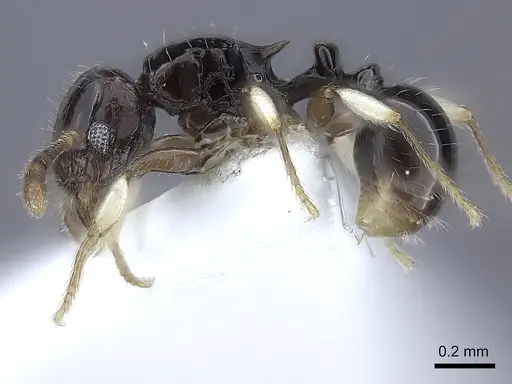
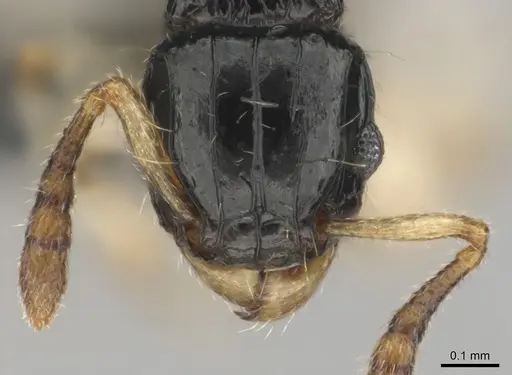
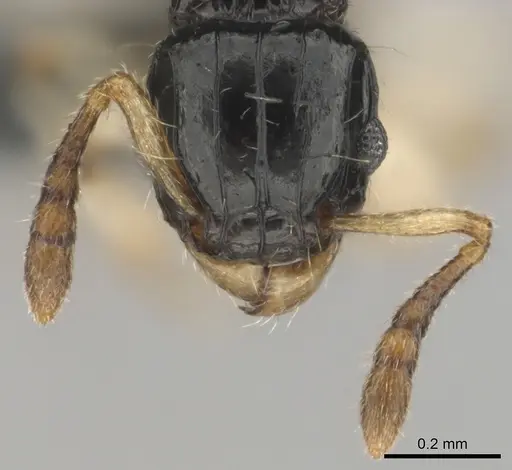
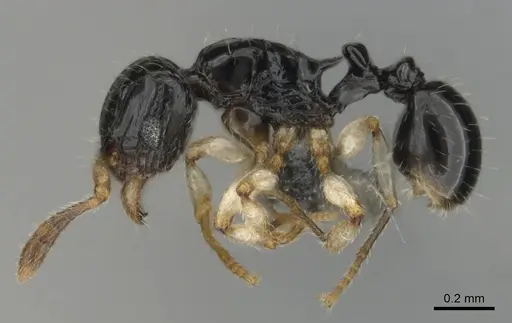
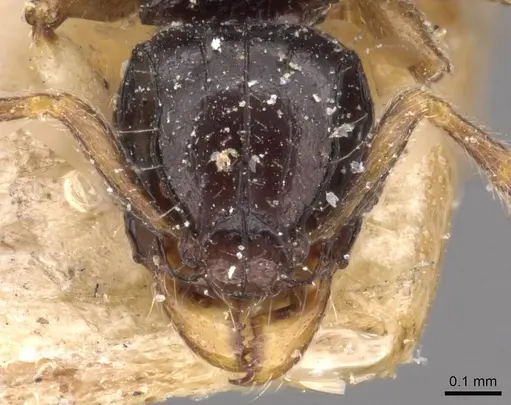
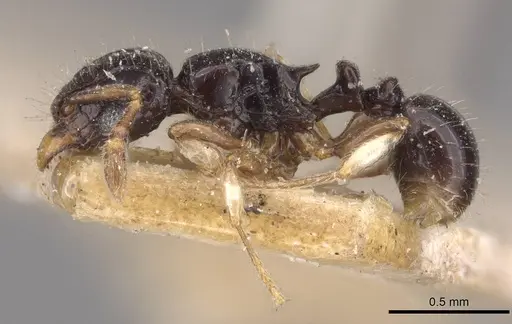
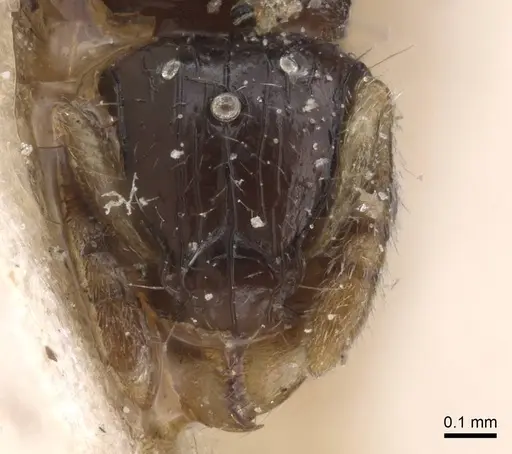
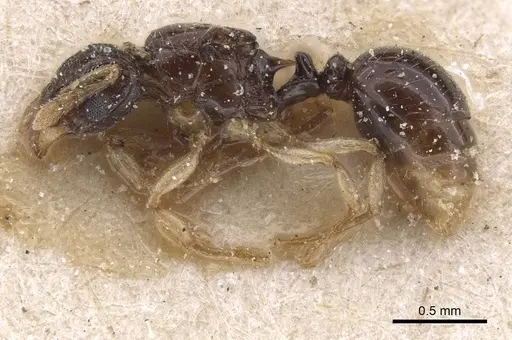
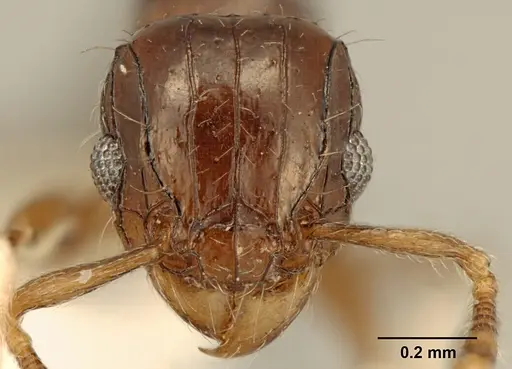
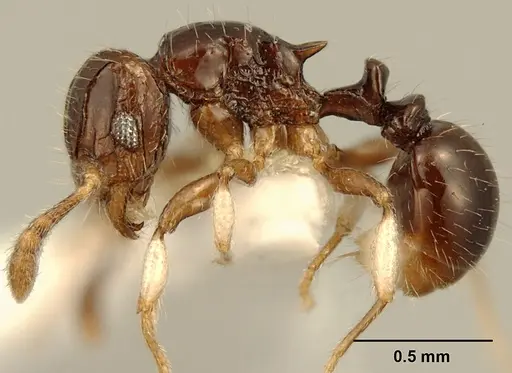
Tetramorium muralti is a small, dark ant native to the rainforests of West Africa and the Congo Basin. Workers have a distinct appearance with three longitudinal ridges on the head, an unsculptured mesosoma, short antennae, and long propodeal spines. Their coloration ranges from brown to very dark brown, nearly black, with lighter appendages that vary from yellow to brown depending on the population . This species is very common and abundant in the leaf litter layer of tropical rainforests across Cameroon, Central African Republic, Democratic Republic of Congo, Gabon, Ghana, Ivory Coast, and Uganda . As the core species of the Tetramorium muralti complex within the Tetramorium weitzeckeri species group, it can be distinguished by its three head ridges, unsculptured mesosoma dorsum, and the shape of its postpetiole . These ants are ground‑nesting litter dwellers that thrive in warm, humid conditions typical of their equatorial habitat.
Quick Summary
- Difficulty: Medium
- Origin & Habitat: Rainforest leaf litter in West Africa and Congo Basin (Cameroon, Central African Republic, Democratic Republic of Congo, Gabon, Ghana, Ivory Coast, Uganda) [1][2]
- Colony Type: Presumably monogyne (single‑queen) based on typical Tetramorium patterns, but not confirmed.
- Size & Growth:
- Queen: Data unavailable in literature.
- Worker: Data unavailable in literature – no total length measurements reported. Head and mesosomal measurements are provided in taxonomic descriptions [1].
- Colony: Estimated up to several hundred workers based on related Tetramorium species.
- Growth: Moderate – inferred from genus patterns.
- Development: Estimated 6–10 weeks at optimal temperature, based on related species. (Specific development data for this species are unavailable, timeline inferred from genus patterns.)
- Antkeeping:
- Temperature: Warm conditions around 24–28°C – a tropical rainforest species requiring stable warmth [1].
- Humidity: High humidity – keep nest substrate consistently moist but not waterlogged, mimicking rainforest leaf litter [1].
- Diapause: No – tropical species that does not enter hibernation [1].
- Nesting: Y‑tong (AAC) or plaster nests with tight chambers work well. Keep nest material consistently moist but not waterlogged [1].
- Behavior: Workers are generally peaceful and non‑aggressive toward keepers. Their primary defense mechanism is ‘smearing’: they use a modified spatulate stinger to wipe venom onto enemies rather than pierce skin. They are active foragers that communicate via chemical trails. Escape risk is moderate due to small size, standard barrier methods (e.g., fluon, mineral oil) work well. They are most active during the day.
- Common Issues: tropical species may struggle in cooler rooms without heating., high humidity requirements can lead to mold if ventilation is poor., small size means escapes are possible without proper barriers., wild‑caught colonies may harbor parasites from their native habitat., overfeeding can lead to mold in the outworld.
Housing and Nest Setup
Tetramorium muralti does well in Y‑tong (AAC) nests or plaster formicariums designed for small Myrmicinae. Their natural habitat in rainforest leaf litter means they prefer tight, humid chambers rather than large open spaces. Choose a nest with chambers scaled to their small size (worker total length unavailable, but head length is about 0.5 mm) – overly large chambers may stress the colony. Keep the nest substrate consistently moist by connecting it to a water reservoir, but avoid flooding. A hydration setup that maintains high humidity without standing water works best. Place the nest in a dark area or provide a cover to reduce light stress, as these are litter‑dwelling ants that prefer dim conditions [1].
Temperature and Heating
As a rainforest species from equatorial Africa, T. muralti needs warm temperatures to thrive. Maintain the nest area at 24–28 °C consistently. Temperatures below 22 °C can slow metabolism and reduce brood development, whereas above 32 °C may stress the colony. Use a small heating cable or mat on one side of the nest to create a thermal gradient, allowing workers to self‑regulate. Room temperature alone is often insufficient in temperate climates – monitor with a thermometer and adjust heating accordingly. Avoid placing heating directly under water reservoirs, as this causes excessive evaporation [1].
Feeding and Diet
Tetramorium muralti is believed to be omnivorous, like most Tetramorium species. Offer a varied diet including protein sources (small live or frozen insects such as fruit flies, pinhead crickets, or mealworm pieces) and carbohydrates (sugar water, honey, or commercial ant nectar). In the wild, they forage for small arthropods in the leaf litter [1]. Feed protein 2–3 times per week, removing any uneaten prey after 24 hours to prevent mold. Keep a constant supply of sugar water. Fresh water should always be available. Observe your colony’s preferences – some colonies favor protein while others consume more sugars.
Humidity Management
These ants require high humidity to mimic their rainforest leaf litter habitat. The substrate or nest material should feel consistently damp but never waterlogged. Achieve this through a water reservoir connected to the nest or by misting the nest area regularly. However, balance humidity with adequate ventilation to prevent mold growth, which can be fatal to ant colonies. If you see heavy condensation forming on the nest walls or mold appearing on the substrate, increase ventilation and reduce watering frequency. A hygrometer helps monitor humidity levels – aim for consistently high humidity (roughly 70–85 %) in the nest area [1].
Colony Founding
Founding behavior for T. muralti is unconfirmed in the literature. Based on typical Tetramorium reproduction, queens are likely claustral – they seal themselves in a small chamber after mating and raise the first brood solely on stored fat reserves. Provide a tiny, dark founding chamber and do not disturb the queen. First workers (nanitics) will be smaller than normal workers and may take 6–10 weeks to emerge, depending on temperature. After nanitics appear, begin offering small food items. The queen will remain in the nest laying eggs while workers take over foraging.
Behavior and Temperament
T. muralti workers are active foragers that search the outworld for food. They are generally peaceful and non‑aggressive toward keepers, though they will defend their nest if threatened. Their primary defense mechanism is smearing: they possess a modified spatulate stinger that wipes venom onto enemies rather than piercing skin. Workers communicate through chemical trails and can recruit nestmates to food sources. Their small size (head length ~0.5 mm) means standard escape‑proof barriers (fluon on rim, mineral oil) work well, but check enclosures regularly. They are most active during the day but maintain some activity at night as well [1].
Frequently Asked Questions
Is Tetramorium muralti good for beginners?
This species is rated as medium difficulty. While not the hardest ant to keep, it requires specific conditions – warm temperatures (24–28 °C) and high humidity – that may need active management in cooler or drier climates. If you can maintain these conditions consistently and provide proper housing, it can be a rewarding species.
How long does it take for the first workers to emerge?
Based on typical Tetramorium development, expect 6–10 weeks from egg to first worker at optimal temperature (around 26 °C). The exact timeline depends on temperature – warmer conditions within the acceptable range speed development, while cooler temperatures slow it down.
Do Tetramorium muralti ants sting?
Tetramorium belongs to the Myrmicinae subfamily, which has functional stingers. However, T. muralti uses a modified spatulate stinger to smear venom onto enemies rather than pierce skin. While they can sting if handled roughly, the pain is generally mild for most people. They are not considered dangerous to keep.
What do Tetramorium muralti eat?
They are believed to be omnivorous, like most Tetramorium. Offer small insects (fruit flies, pinhead crickets, mealworm pieces) for protein 2–3 times weekly, and provide constant access to sugar water or honey. Remove uneaten food after 24 hours to prevent mold.
Can I keep multiple queens together?
Based on typical Tetramorium behavior, this species is believed to be monogyne (single‑queen). Combining unrelated queens is not recommended because they likely will fight. Only one queen should be kept per colony.
How big do Tetramorium muralti colonies get?
Based on related species in the genus, colonies likely reach up to several hundred workers over time. They are not among the largest Tetramorium species but can still become substantial with proper care.
Do they need hibernation or diapause?
No. As a tropical rainforest species from equatorial Africa, T. muralti does not require hibernation. They should be kept at warm temperatures year‑round. A slight reduction in temperature during winter (no lower than 22 °C) may slow activity but is not necessary.
What size formicarium do they need?
Start with a claustral founding setup (small test tube or founding chamber). Once the colony reaches about 20–30 workers, move them to a small Y‑tong or plaster nest. They prefer tight chambers scaled to their size – avoid nests with overly large chambers. Upgrade nest size as the colony grows.
Why are my Tetramorium muralti dying?
Common causes include: temperatures below 22 °C (tropical species needs warmth), low humidity causing desiccation, mold from overfeeding or poor ventilation, or stress from excessive disturbance during founding. Check your temperature and humidity levels first. Also ensure the queen was healthy when caught – wild‑caught colonies may carry parasites.
Where is Tetramorium muralti found naturally?
This species lives in rainforest leaf litter across West Africa and the Congo Basin, specifically in Cameroon, Central African Republic, Democratic Republic of Congo, Gabon, Ghana, Ivory Coast, and Uganda [1][2].
Report an Issue
The current care sheet is based fully on literature. See inconsistencies, or something that's incorrect? Please , it will be resolved after review from an admin. Contributing to the blogs tab also helps providing information, to make us be able to further improve the caresheets. Thank you for your support!
References

This caresheet is licensed under CC BY-SA 4.0 .
Community Blogs
CASENT0217063
View on AntWeb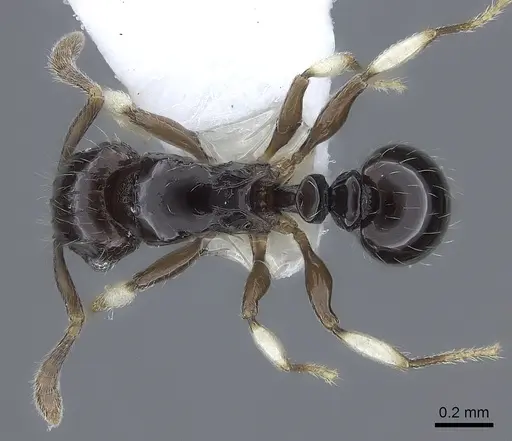
CASENT0411734
View on AntWeb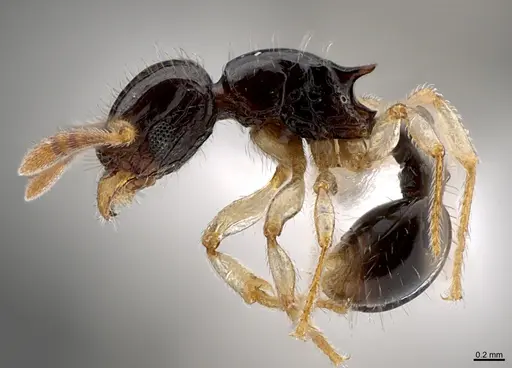
CASENT0815845
View on AntWeb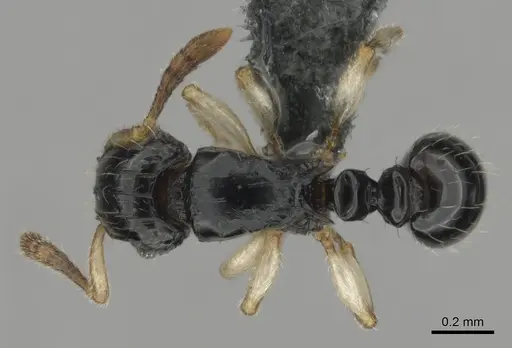
CASENT0909184
View on AntWeb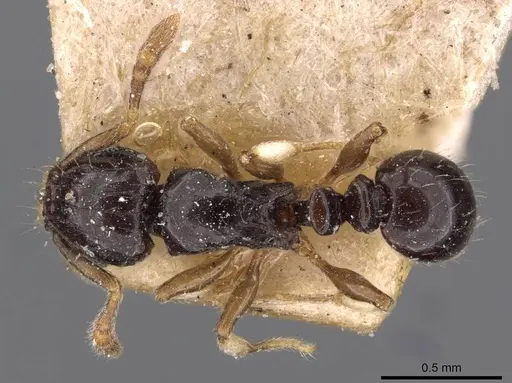
CASENT0915033
View on AntWeb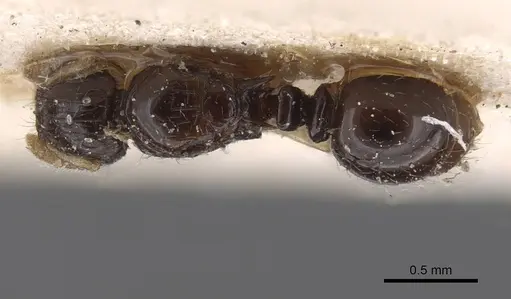
ZFMKHYM20096125
View on AntWeb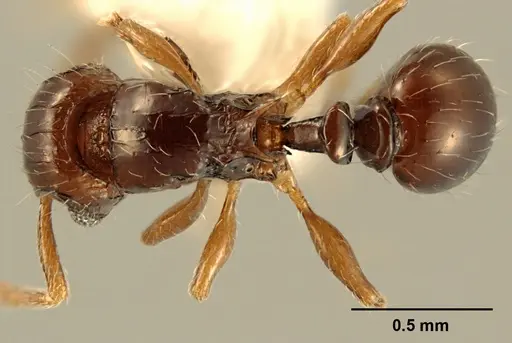
Literature
Loading distribution map...Loading products...