
Tetramorium moravicum
- Sci. Name
- Tetramorium moravicum
- Tribe
- Crematogastrini
- Subfamily
- Myrmicinae
- Author
- Kratochvíl, 1941
- Distribution
- Found in 12 countries
Introduction
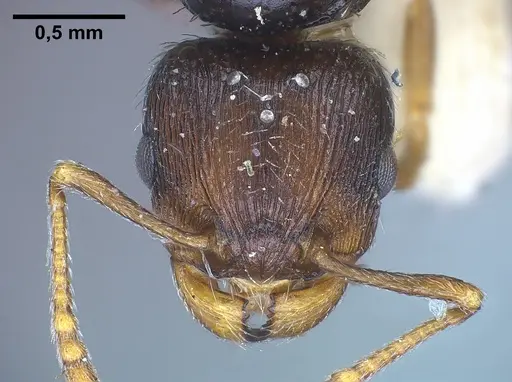
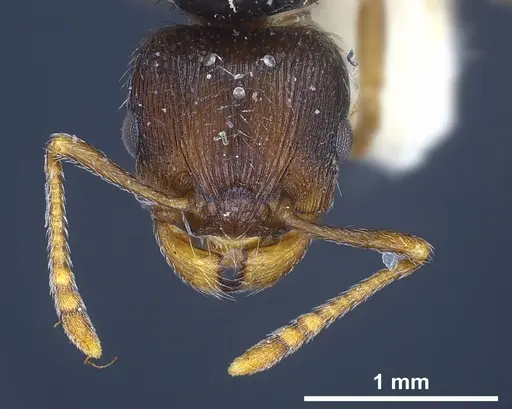
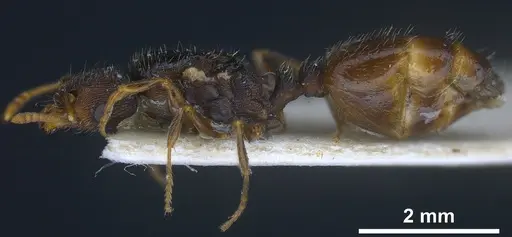
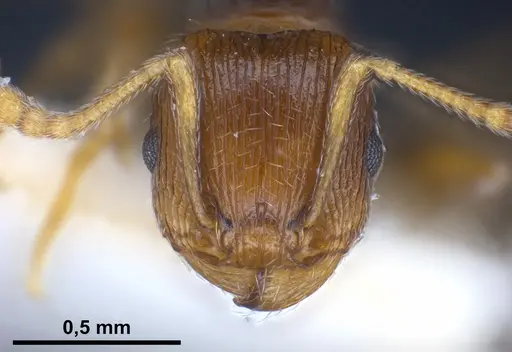
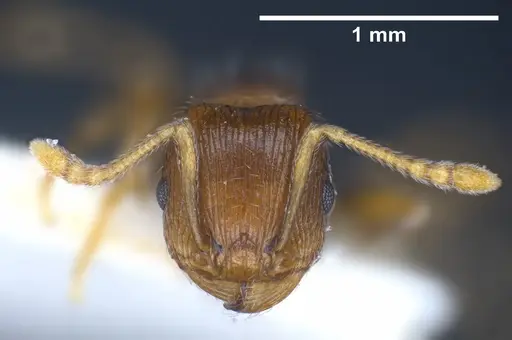
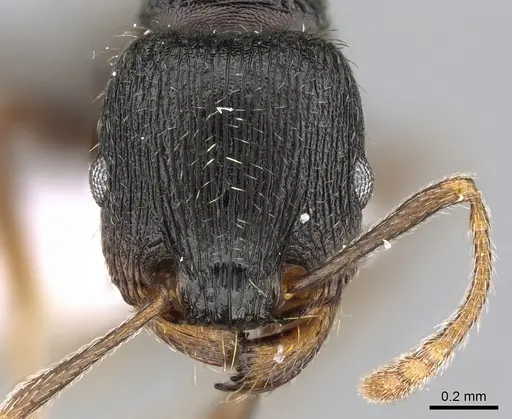
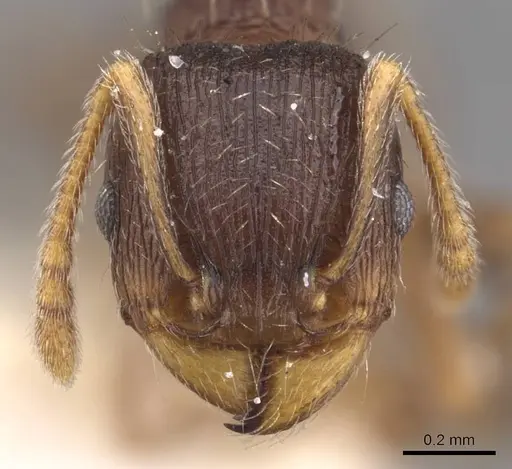
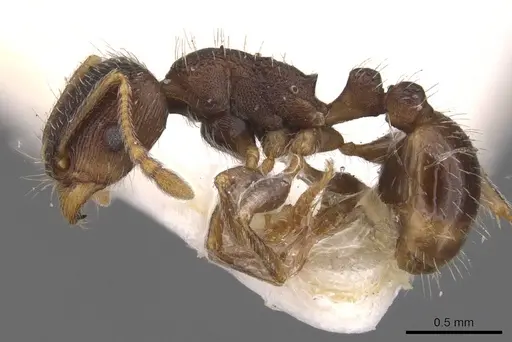
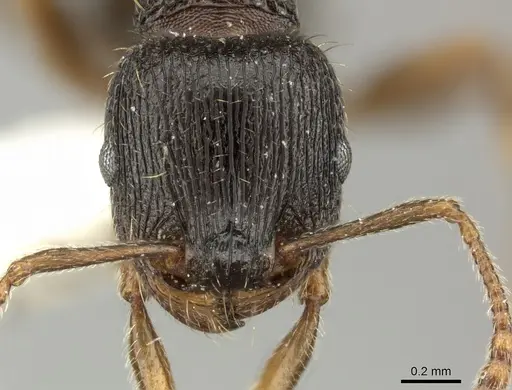
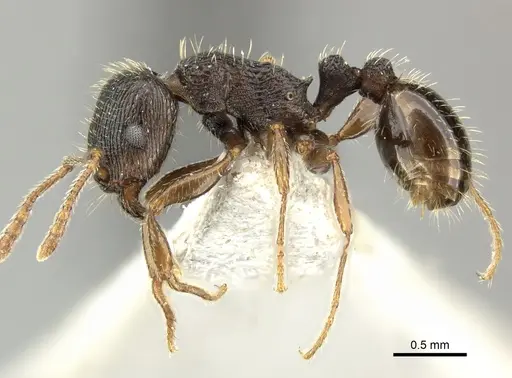
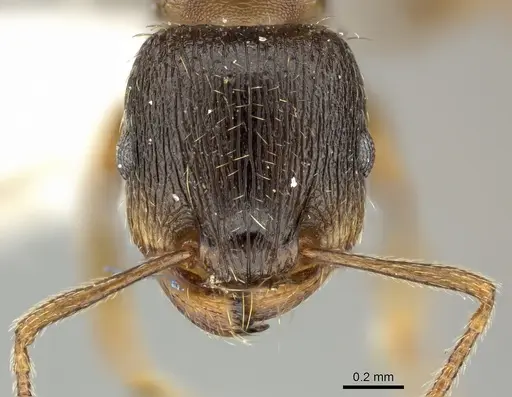
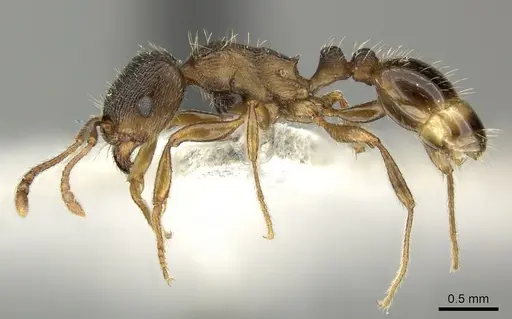
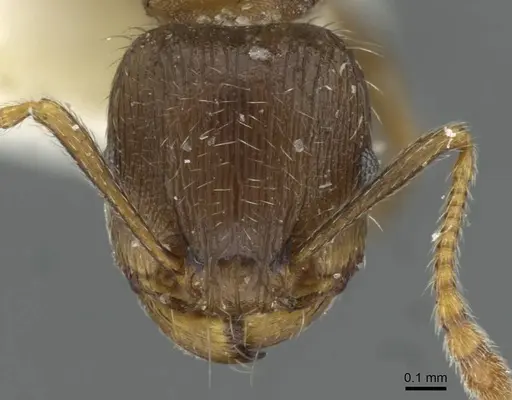
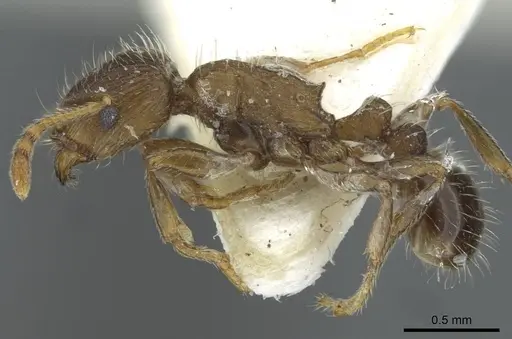
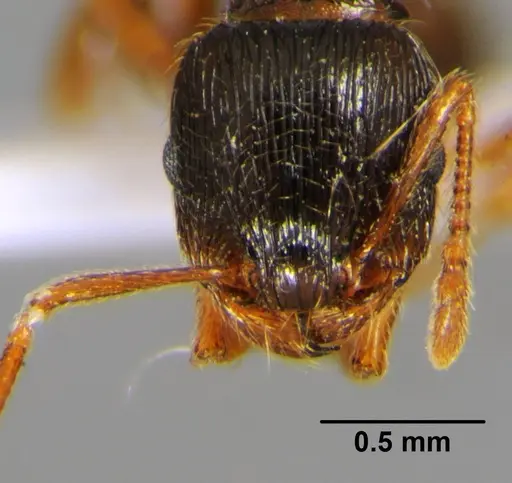
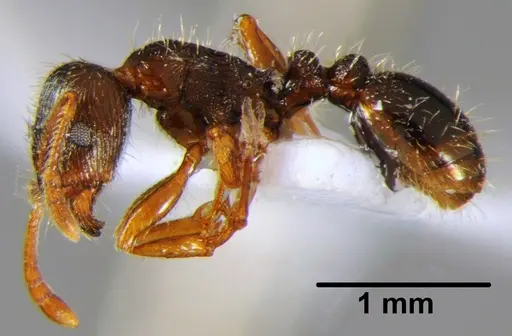
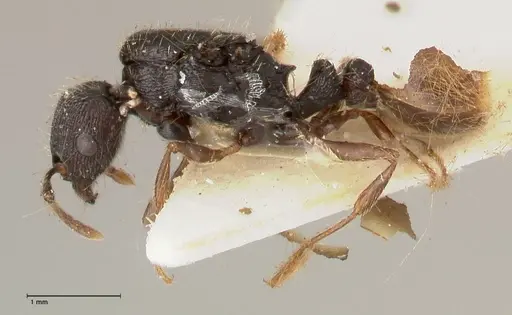
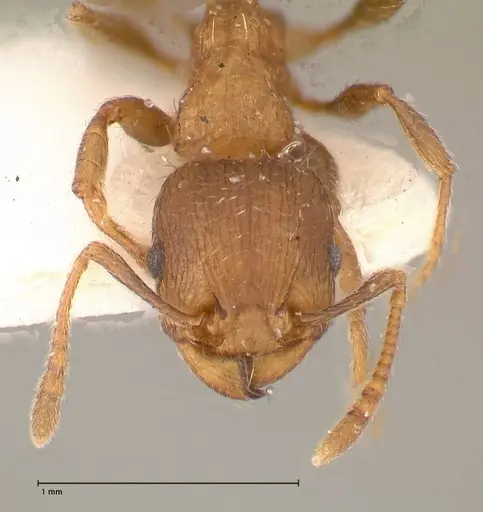
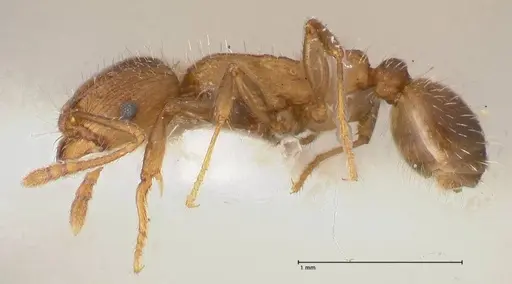
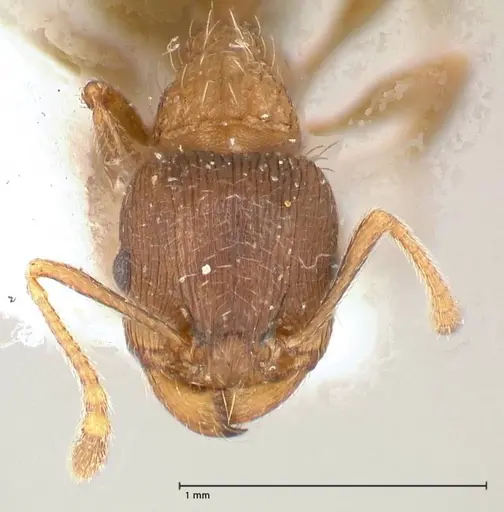
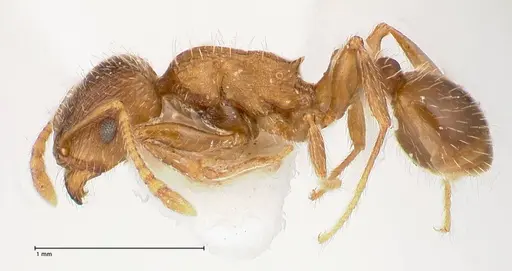
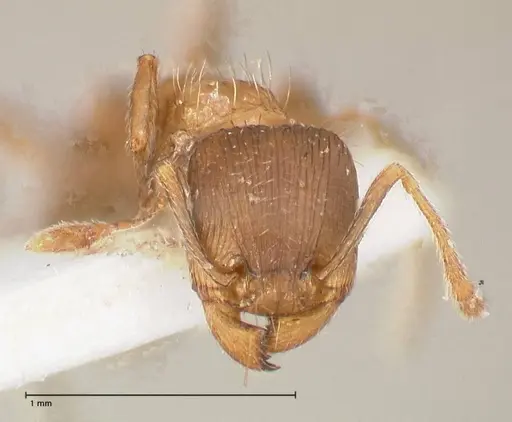
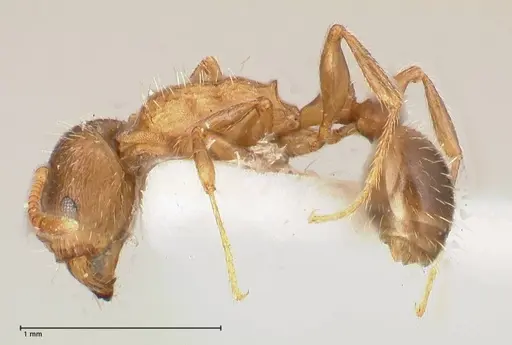
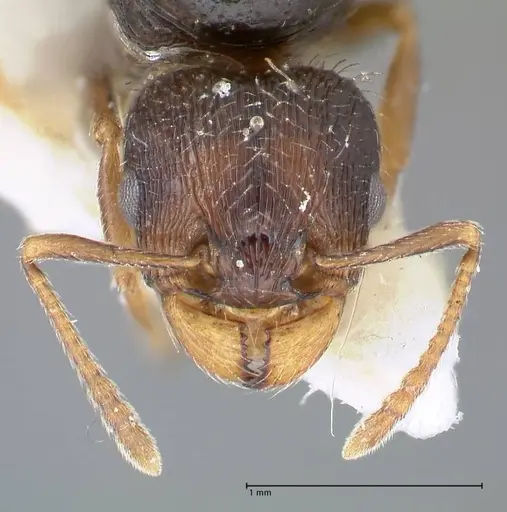
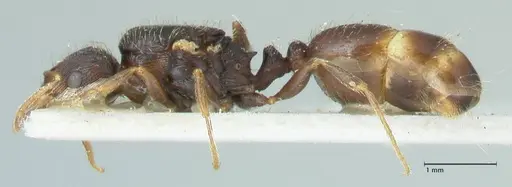
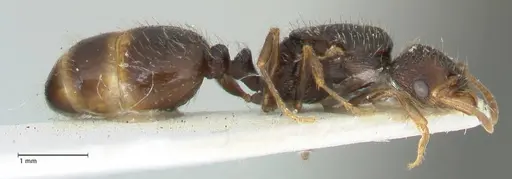
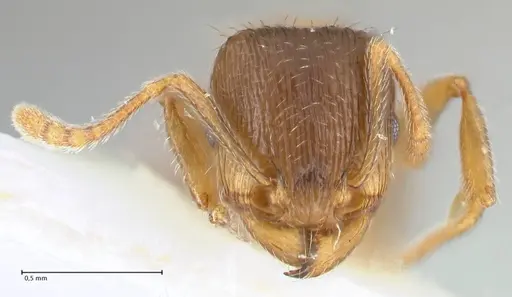
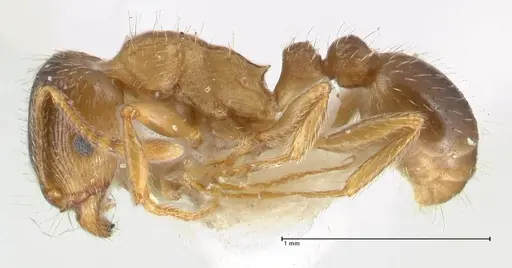
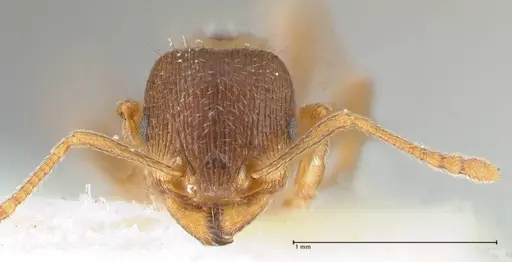
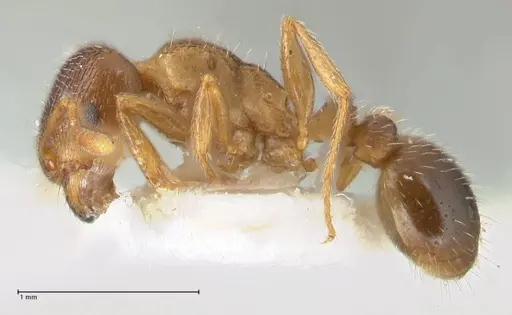
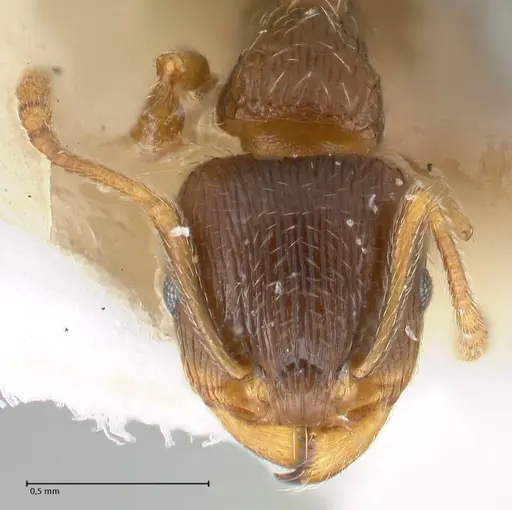
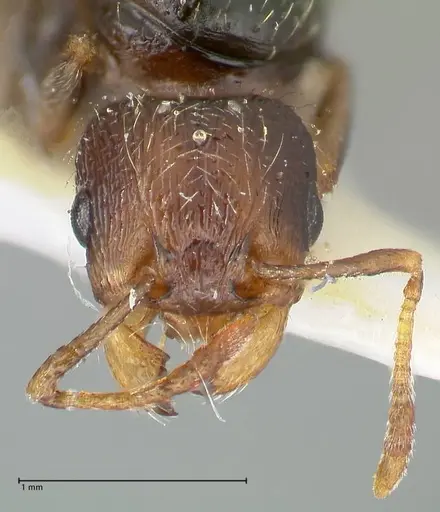
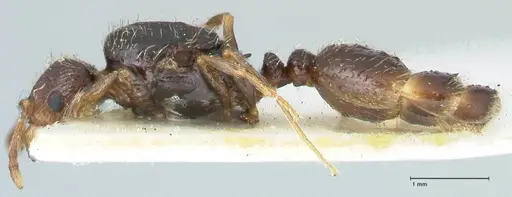
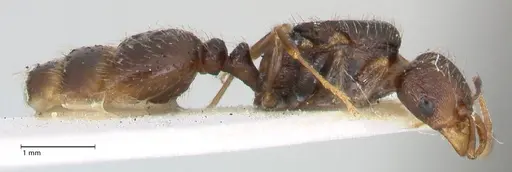
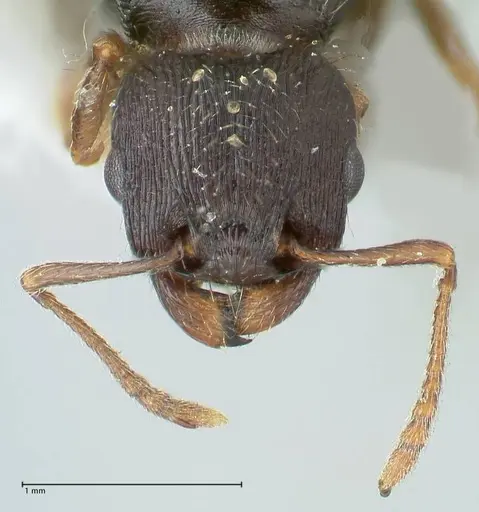
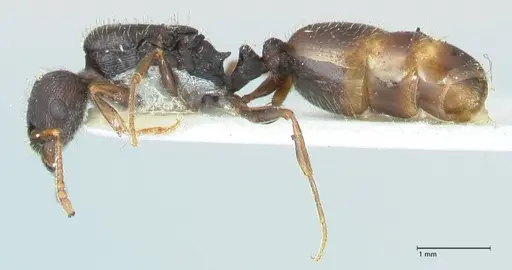
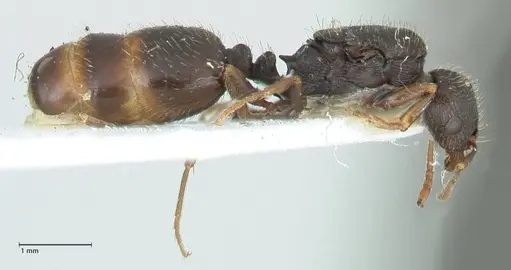
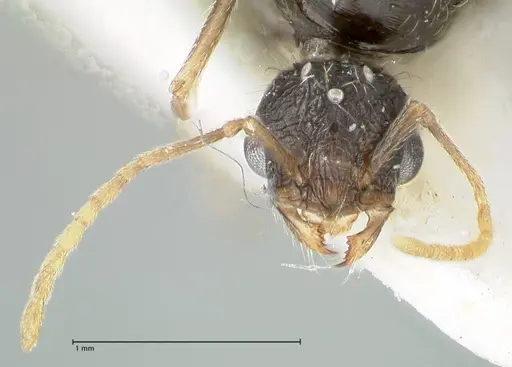
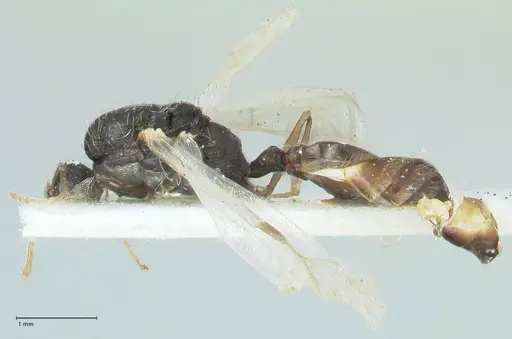
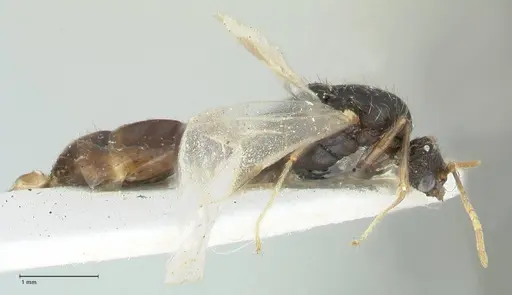
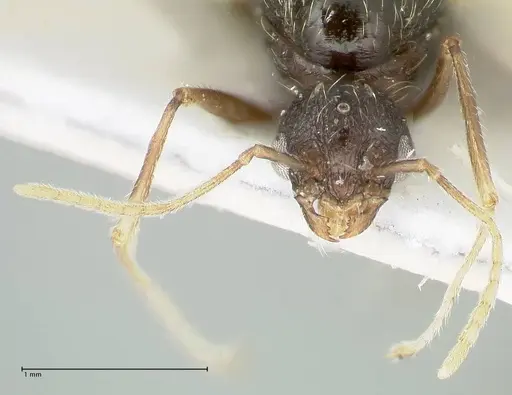
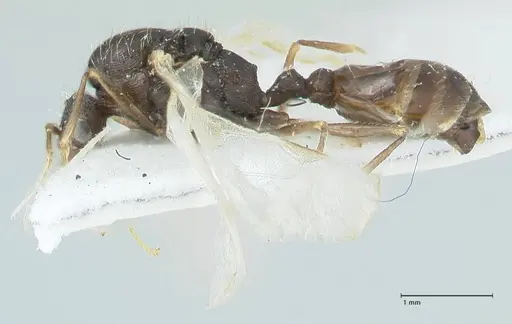
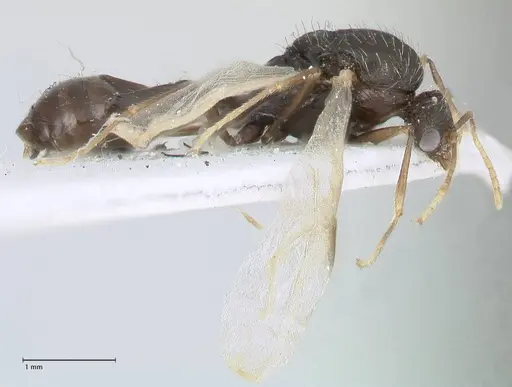
Tetramorium moravicum is a medium-sized Myrmicine ant native to Central and Eastern Europe. Workers measure 3-4mm with a dark brown to black coloration and a nearly square head with distinctive longitudinal carinae on the scapes . Queens show size dimorphism: macrogynes measure 6.1-6.5mm and microgynes are smaller . This species belongs to the Tetramorium chefketi complex and was previously known as Tetramorium rhenanum before being synonymized . Most colonies are single-queen (monogynous) with a macrogyne, though some polygynous colonies with multiple microgynes occur . In the wild, they inhabit dry, sunny open areas with sparse vegetation, nesting in soil under stones . They are considered endangered in parts of their range, particularly the Czech Republic where they were first described .
Quick Summary
- Difficulty: Medium
- Origin & Habitat: Western Palaearctic region from southern France to Iran, including Central Europe, Balkans, and Anatolia [2]. Inhabits xerothermic sites such as dry grasslands, rock ledges, and steppe-bordering forest slopes [4][6]. Found exclusively in near-natural habitats with low, sparse herbaceous cover [7].
- Colony Type: Primarily monogynous (single-queen) colonies with large macrogynes. Some polygynous colonies occur, typically with microgynes (tiny queens), though a small minority contain macrogynes [3]. Colony foundation is independent [3].
- Size & Growth:
- Queen: ~6.1-6.5mm (macrogynes), microgynes significantly smaller [1][3]
- Worker: ~3-4mm [1][2]
- Colony: Up to several hundred workers (estimated based on related species)
- Growth: Moderate
- Development: Estimated 6-10 weeks at optimal temperature (exact data unavailable) (Development time is temperature-dependent, warmer conditions accelerate development.)
- Antkeeping:
- Temperature: Keep nest area at 20-24°C. As a xerothermic species from Central Europe, they prefer warm conditions but can tolerate room temperature. A heating cable on one side of the nest creates a useful gradient [8].
- Humidity: Keep relatively dry, this is a xerophilic species that naturally inhabits dry, sunny areas. Provide a water source but avoid excessive moisture in the nest. The substrate should be slightly moist but never waterlogged [7][4].
- Diapause: Yes, requires a winter rest period. In their native range, alate sexuals are caught from mid-August to late September, indicating a seasonal cycle [4]. Provide 2-3 months of cold diapause at 5-10°C.
- Nesting: Natural nesting: soil nests under stones in dry, sunny locations [7]. In captivity, a test tube setup works well for founding colonies. For established colonies, Y-tong (AAC) nests or plaster nests with dry to moderately humid conditions are suitable. Avoid overly moist setups.
- Behavior: Workers are moderately active foragers with a generally calm temperament. They are not particularly aggressive but will defend their nest. As medium-sized ants, they have moderate escape risk, standard barriers like Fluon on test tube rims are sufficient. They forage for nectar, honeydew, and small insects. Defense mechanism: uses a modified spatulate stinger to smear venom onto enemies (subfamily trait, no specific study). The species is known for its distinctive coarse sculpturing and dark coloration [2].
- Common Issues: excessive moisture kills colonies, they are xerophilic and prefer dry conditions, slow growth can frustrate beginners, colonies develop moderately and need patience, wild-caught colonies may carry parasites that cause colony collapse, difficulty finding in the hobby, this is a rarely kept species with limited availability, hibernation failure, colonies that aren't properly cooled during winter may weaken or die, protected in Czech Republic (EN), check local laws before collecting, it is illegal to catch queens in some areas [5]
Housing and Nest Setup
Tetramorium moravicum is a xerophilic species that prefers dry, warm conditions. For founding colonies, a simple test tube setup works well, fill the tube one-third with water, plug with cotton, and place the queen in the dark. The queen will stay in the nest and raise her first workers without foraging (independent founding) [3]. Once workers emerge (nanitics), you can continue in the test tube or transfer to a small formicarium. For established colonies, Y-tong (AAC) nests or plaster nests work best. Avoid naturalistic setups with excessive moisture, this species naturally nests under stones in dry areas [7]. Keep the nest relatively dry with a small water reservoir for humidity, not for moisture in the nest material itself. A test tube with a separate water section connected to a foraging area is ideal. Escape prevention is straightforward for this medium-sized ant, standard barriers are effective [2].
Feeding and Diet
Like most Tetramorium species, T. moravicum is omnivorous. In captivity, they readily accept sugar sources (honey water, sugar water) and protein (dead insects, mealworms, small crickets). Offer protein foods 2-3 times per week, especially while the colony is growing. Sugar water should be available constantly. In the wild, they forage for nectar, honeydew from aphids, and small insects. This species is not a specialized predator, so standard ant feeds work well. Remove uneaten food after 24-48 hours to prevent mold. For newly established colonies, offer tiny food items, a small piece of honey or a dead fruit fly is sufficient for the first workers. No specific dietary study exists for this species.
Temperature and Seasonal Care
This is a warm-adapted species from Central Europe's pannonic zone. Keep the nest area at 20-24°C for optimal brood development [8]. They can tolerate slightly cooler room temperatures but will be more active and develop faster when warm. A heating cable on one side of the nest creates a temperature gradient allowing the ants to self-regulate. During winter, provide a diapause period of 2-3 months at 5-10°C. This mimics their natural seasonal cycle, in Poland, alate sexuals are caught from mid-August to late September, indicating a clear seasonal pattern [4]. Reduce feeding during diapause and keep the colony in a cool location (garage, basement, refrigerator for short periods). Do not skip hibernation as it weakens colonies over time.
Colony Structure and Queen Forms
One of the most interesting aspects of T. moravicum is its queen size dimorphism. There are two distinct queen forms: large macrogynes (about 6.1-6.5mm) and tiny microgynes [1][3]. The majority of colonies are monogynous with a single macrogyne queen. A smaller number of polygynous nests contain multiple microgynes, though some macrogynes can also coexist [3]. Macrogynes mate during nuptial flights and disperse long distances to establish new colonies independently [3]. Microgynes likely stay closer to the natal nest. This dimorphism has been studied extensively through morphometric and genetic analysis [3]. For antkeepers, this means your colony will typically have one large queen, though occasionally multiple smaller queens may coexist.
Identification and Distinction from Similar Species
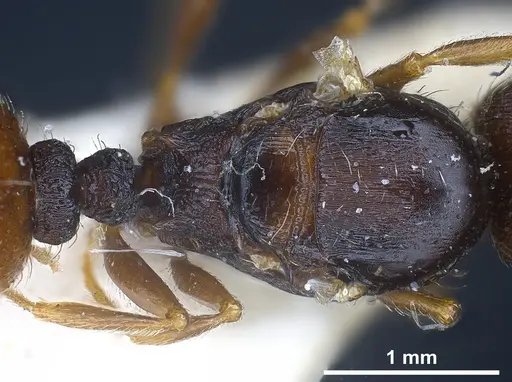
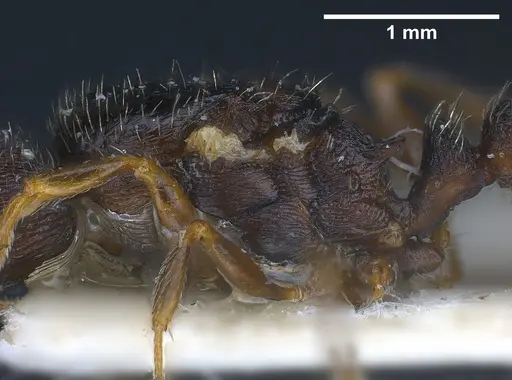
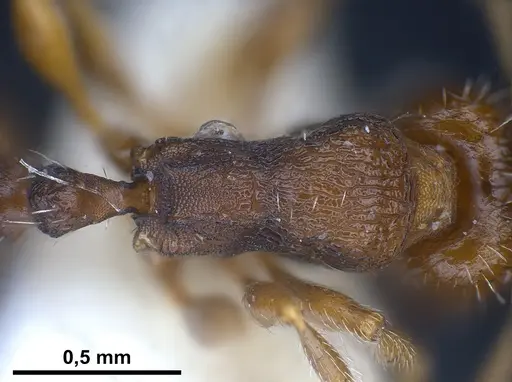
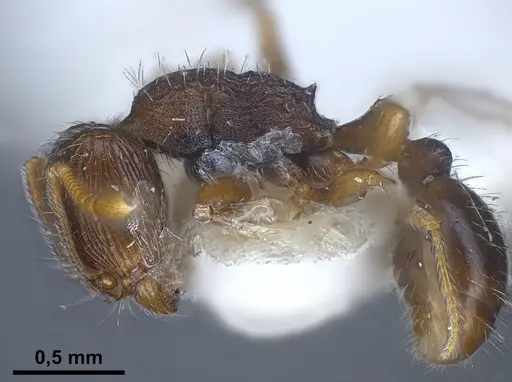
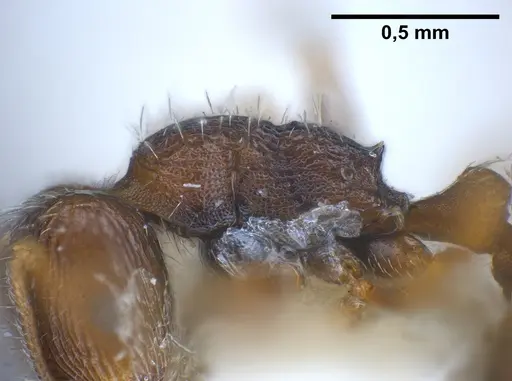
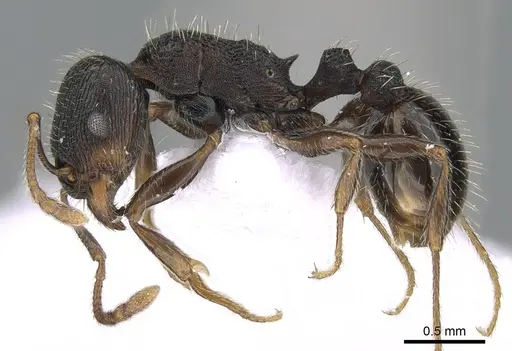
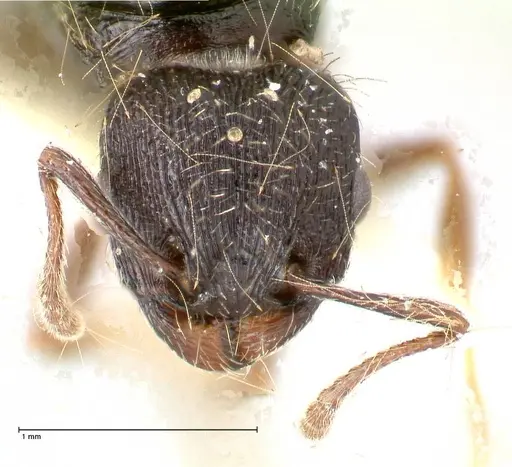
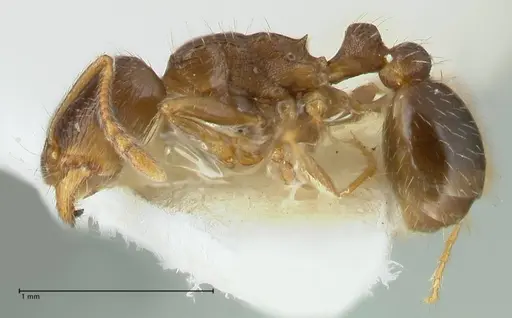
T. moravicum belongs to the Tetramorium chefketi species complex and can be distinguished from relatives by several features. Workers have a nearly square head (CL/CW 1.02) with a well-developed longitudinal dorsal carina at the scape base, this appears as a distinct ridge on the antenna [2]. The body is dark brown to black with coarse rugoso-reticulate sculpturing. From T. rhodium, it differs in petiole shape and scape length. From T. forte (with which it was previously confused), it differs in having more prominent anterio-dorsal carina at the scape base and reticulate or faintly longitudinally rugose scape versus usually smooth in T. forte [9]. Queens have a relatively wide scutum (MW/CS 1.07) and the dorsal carina of the scape is distinctive.
Conservation Status
Tetramorium moravicum is classified as Endangered (EN) in the Czech Republic [5]. In Austria, it is listed as Category 3 (Threatened) and is restricted to near-natural xerothermic sites [7]. The species has shown significant decline in abundance in some regions, such as the Olomouc area [10]. In addition, it is classified as Red List category 3 in the Thayatal National Park [8]. Given its limited distribution and habitat specialization, collect only from areas where it is legal to do so. Check local regulations before capturing queens.
Frequently Asked Questions
Is Tetramorium moravicum a good species for beginners?
This is a medium-difficulty species. While not as challenging as tropical or parasitic species, it does have specific requirements, primarily dry conditions and a winter diapause period. Beginners should be prepared for their moderate growth rate and need to provide proper hibernation. The main challenge is finding them in the hobby as they're rarely available, partly due to their protected status in some areas [5].
How long does it take for the first workers to emerge?
Exact data unavailable, based on related Tetramorium species, expect 6-10 weeks from egg to first worker (nanitic) at optimal temperature (around 22-24°C). Development is faster in warmer conditions within the acceptable range. The first workers will be smaller than mature workers.
Do Tetramorium moravicum ants sting?
Tetramorium belongs to the Myrmicinae subfamily, which includes ants with functional stingers. However, Tetramorium species are not particularly aggressive and rarely sting. If threatened, they may use their stinger, but the pain level is mild compared to some other ants.
Can I keep multiple queens together?
While some polygynous colonies exist in the wild (typically with microgynes), combining unrelated queens in captivity is not recommended. This species is primarily monogynous, and introducing multiple queens to an established colony will likely result in fighting. If you have multiple founding queens, keep them separate [3].
Do they need hibernation?
Yes, they require a winter diapause. In their native Central European range, they experience cold winters. Provide 2-3 months at 5-10°C during winter. Reduce feeding before diapause and ensure the colony is healthy before cooling. Skip hibernation at your own risk, it will weaken the colony over time [4].
What should I feed Tetramorium moravicum?
They are omnivorous. Offer sugar water or honey water constantly for energy, and protein (dead insects, mealworms, small crickets) 2-3 times per week. They readily accept standard ant foods. Remove uneaten food after 24-48 hours to prevent mold.
How big do colonies get?
Colony size is estimated at several hundred workers based on related Tetramorium species. They are not among the largest Tetramorium species but can form substantial colonies over several years. Growth is moderate, expect 1-2 years to reach 50-100 workers under good conditions [3].
Why are my ants dying?
The most common cause is excessive moisture, this is a xerophilic species that prefers dry conditions [7]. Ensure the nest is not too wet. Other possibilities include: parasites from wild-caught colonies, improper hibernation [4], or stress from disturbance. Review your humidity levels first.
When do nuptial flights occur?
In Poland, alate sexuals (winged queens and males) are caught from mid-August to late September [4]. This suggests nuptial flights occur in late summer. If you're keeping this species, expect alates to appear in late summer if the colony is healthy and well-established.
What makes Tetramorium moravicum different from other Tetramorium?
T. moravicum is part of the chefketi complex and shows queen size dimorphism (macrogynes and microgynes) [3]. It's distinguished by its coarse sculpturing, particularly well-developed rugulae on the petiolus and postpetiolus, and the distinctive hexagonal microsculpture on the first gastral tergite [11]. It also has a more restricted habitat preference than many related species, being found exclusively in near-natural xerothermic sites [7].
Report an Issue
The current care sheet is based fully on literature. See inconsistencies, or something that's incorrect? Please , it will be resolved after review from an admin. Contributing to the blogs tab also helps providing information, to make us be able to further improve the caresheets. Thank you for your support!
References

This caresheet is licensed under CC BY-SA 4.0 .
Community Blogs
ANTWEB1041302
View on AntWeb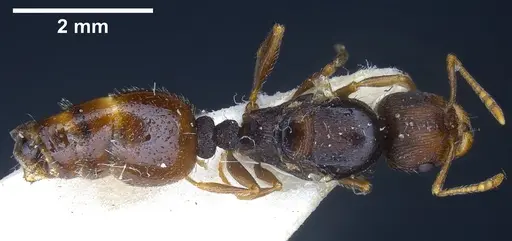
ANTWEB1041304
View on AntWeb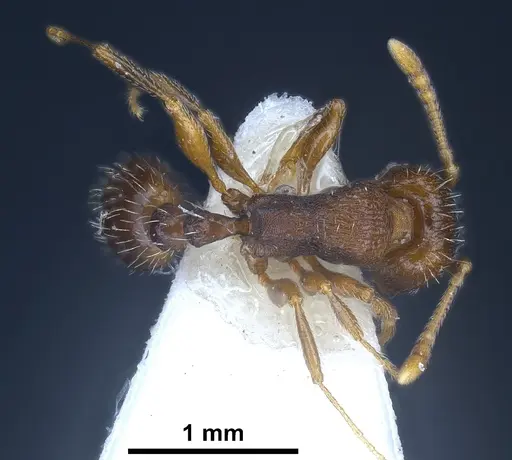
CASENT0281564
View on AntWeb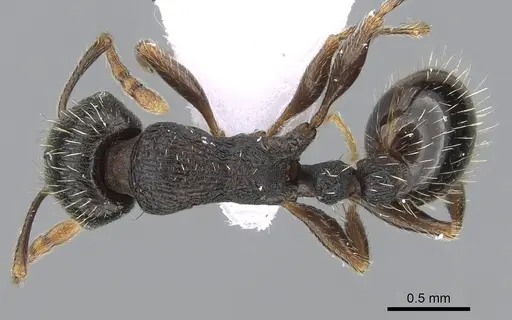
CASENT0905777
View on AntWeb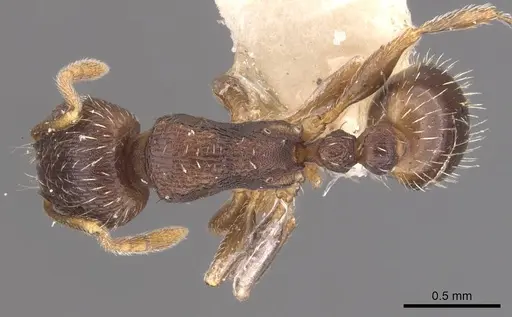
CASENT0906714
View on AntWeb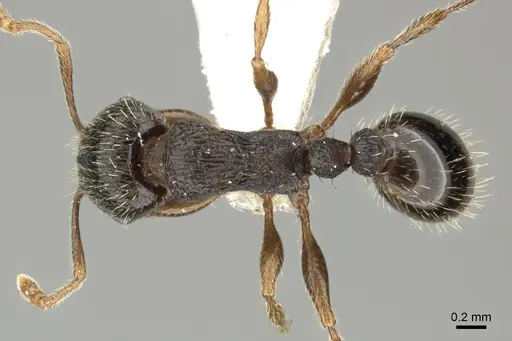
CASENT0906715
View on AntWeb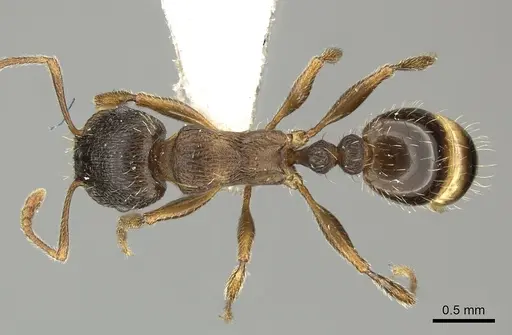
CASENT0911251
View on AntWeb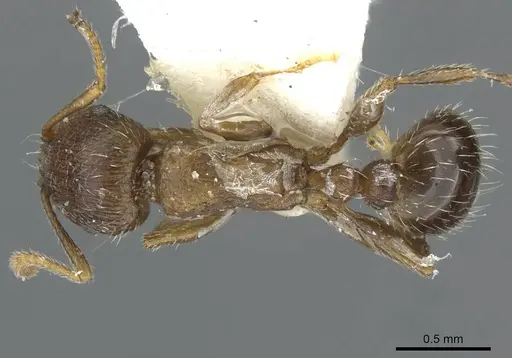
CFH000023
View on AntWeb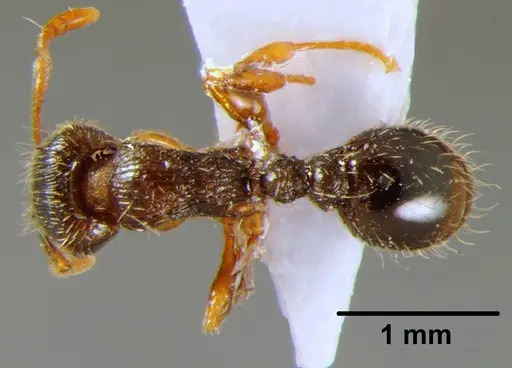
FOCOL0672
View on AntWeb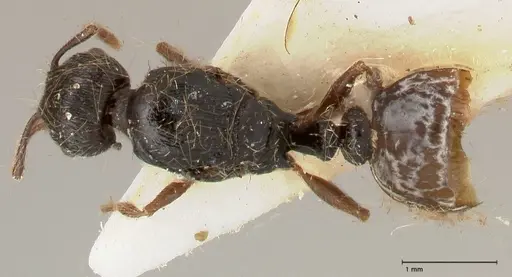
FOCOL0673-1
View on AntWeb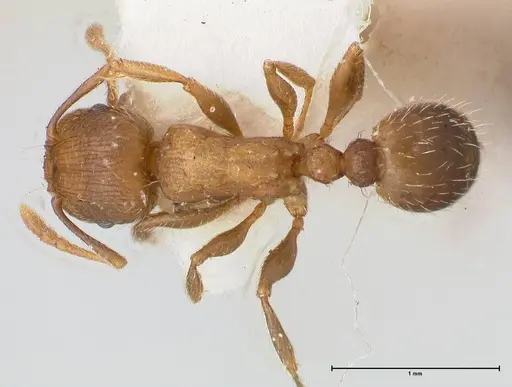
FOCOL0673-2
View on AntWeb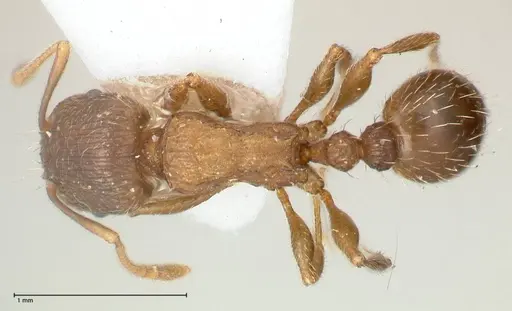
FOCOL0673-3
View on AntWeb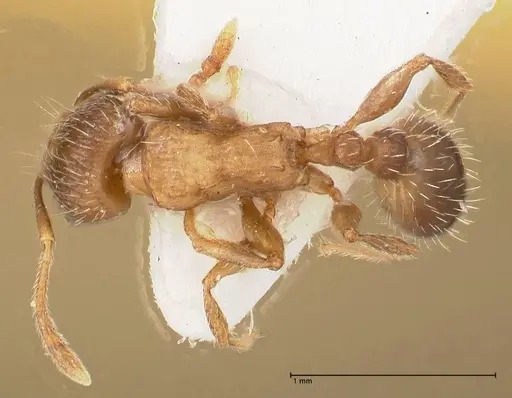
FOCOL1852
View on AntWeb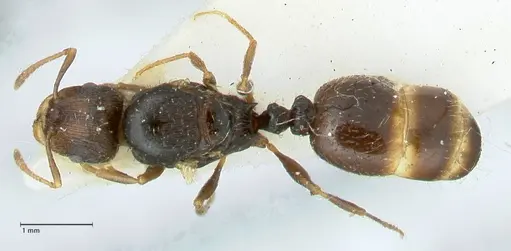
FOCOL1853-1
View on AntWeb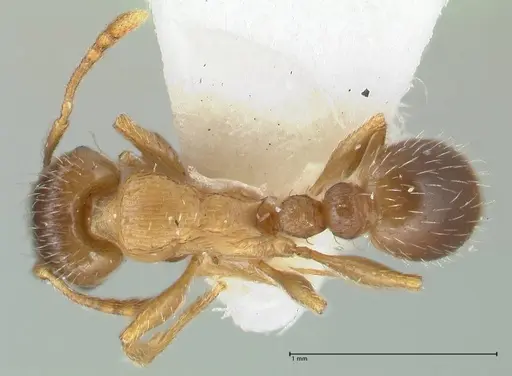
FOCOL1853-2
View on AntWeb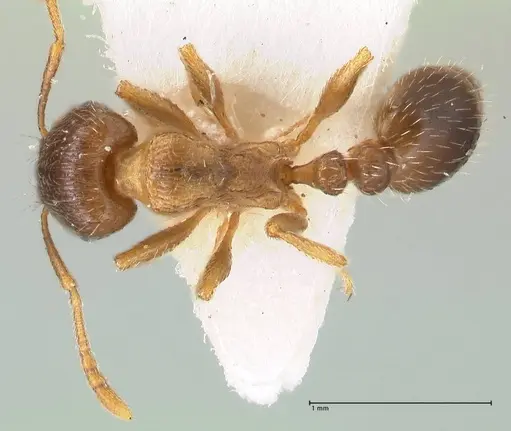
FOCOL1853-3
View on AntWeb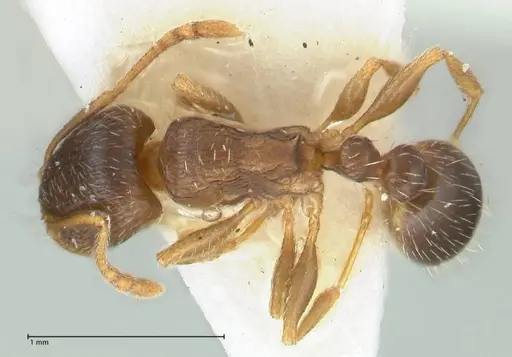
FOCOL1854
View on AntWeb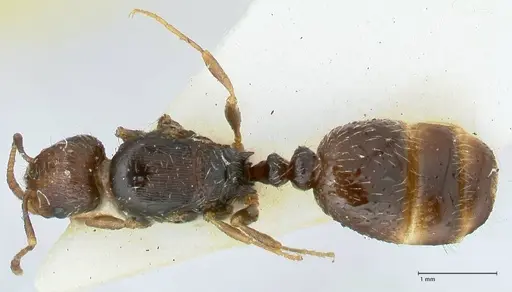
FOCOL1855
View on AntWeb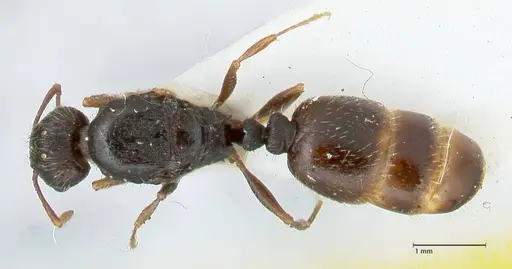
FOCOL1856
View on AntWeb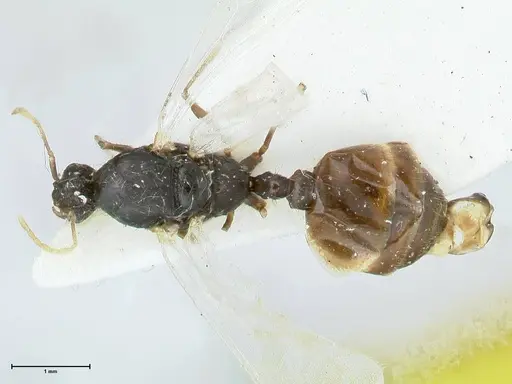
FOCOL1857
View on AntWeb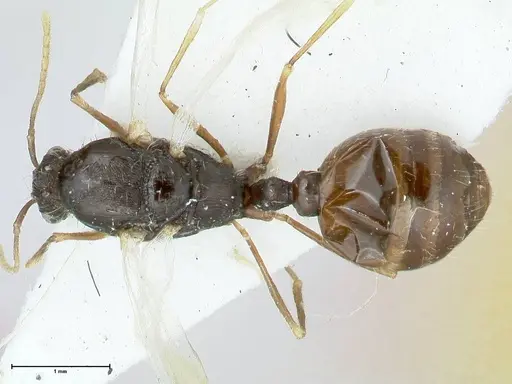
Literature
Loading distribution map...Loading products...