
Tetramorium monticola
- Sci. Name
- Tetramorium monticola
- Tribe
- Crematogastrini
- Subfamily
- Myrmicinae
- Author
- Hita Garcia & Fisher, 2014
- Distribution
- Found in 1 countries
Introduction
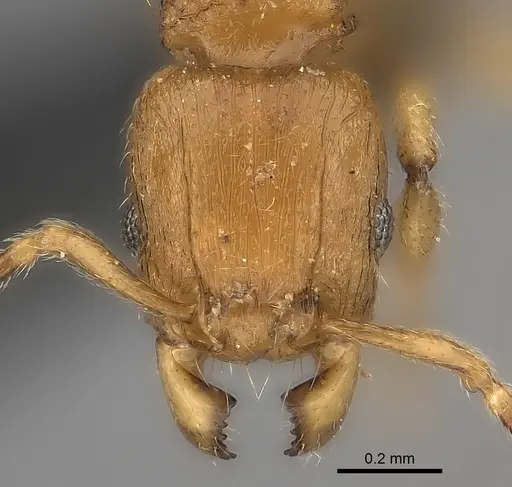
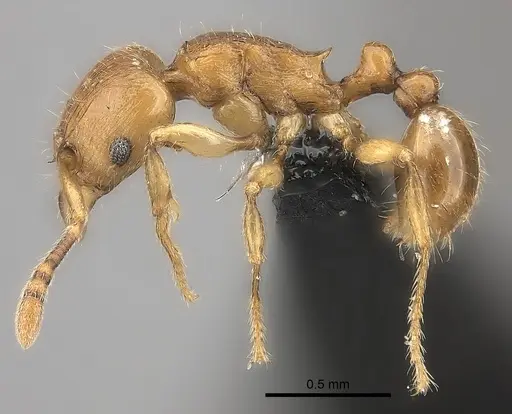
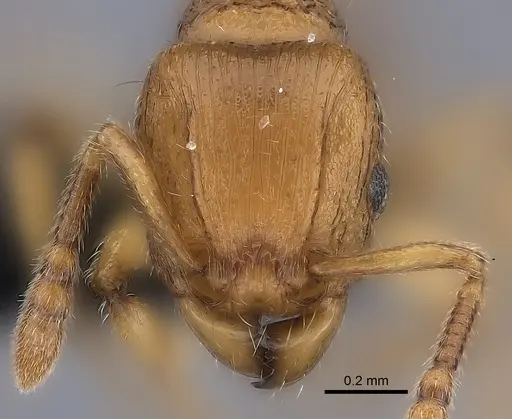
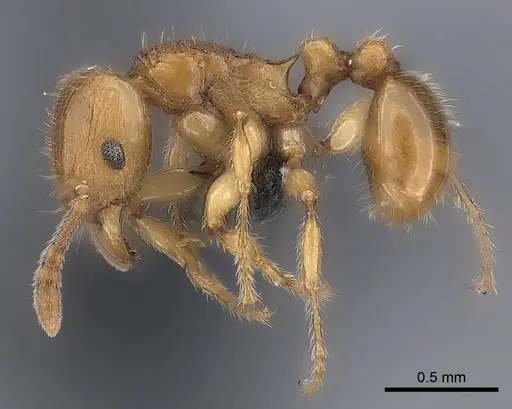
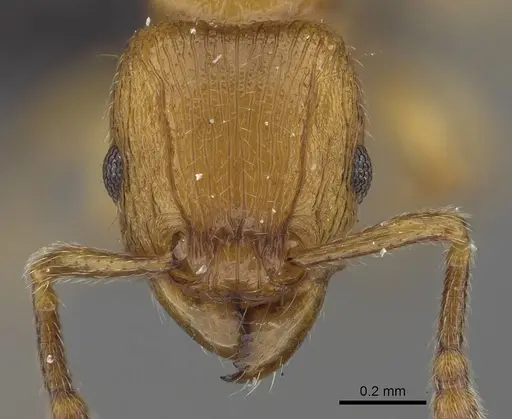
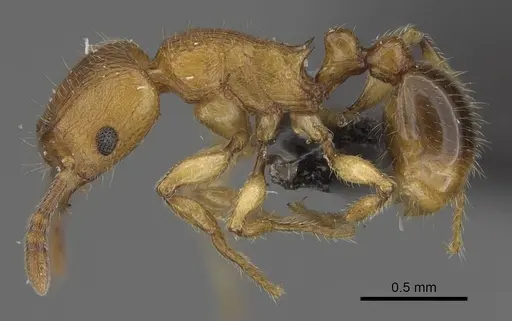
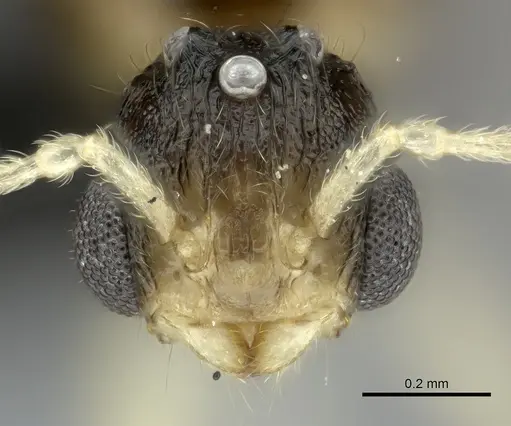
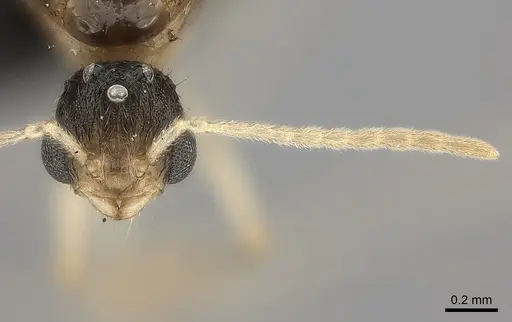
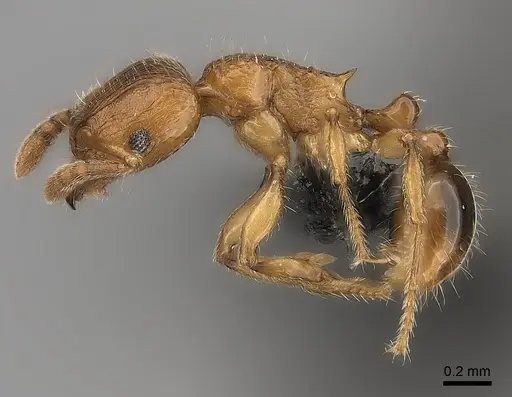
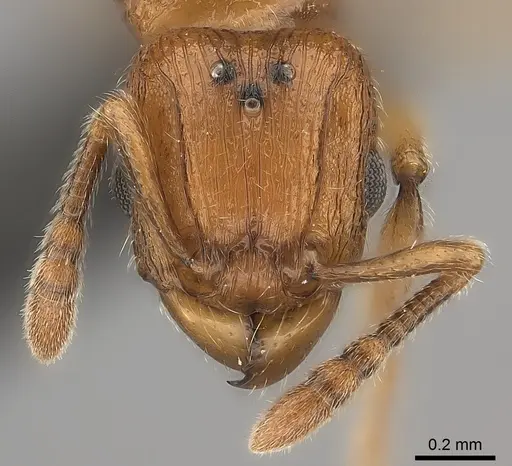
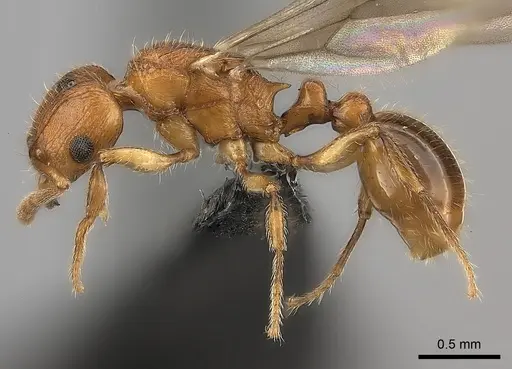
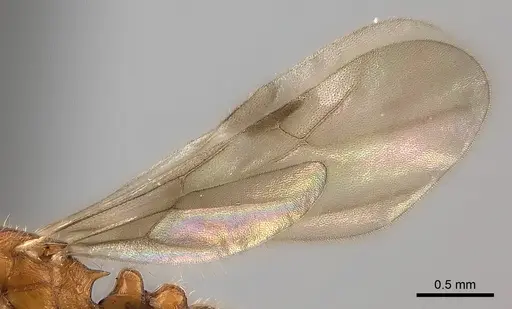
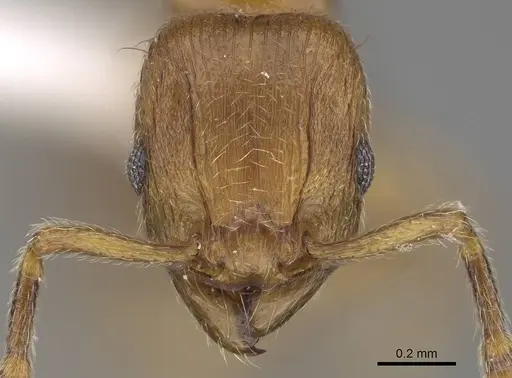
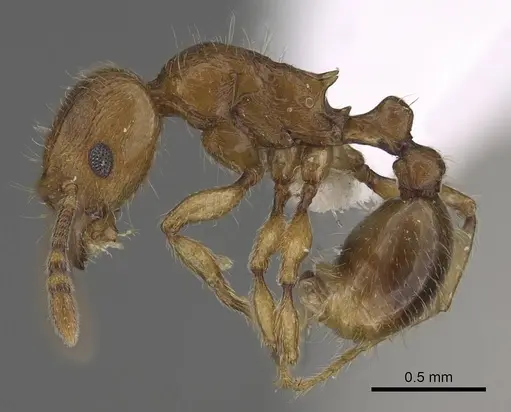
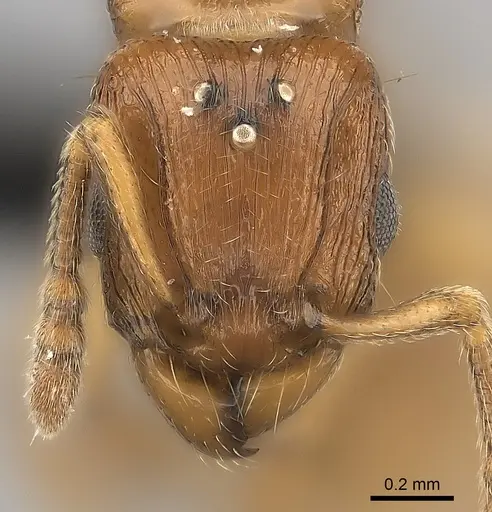
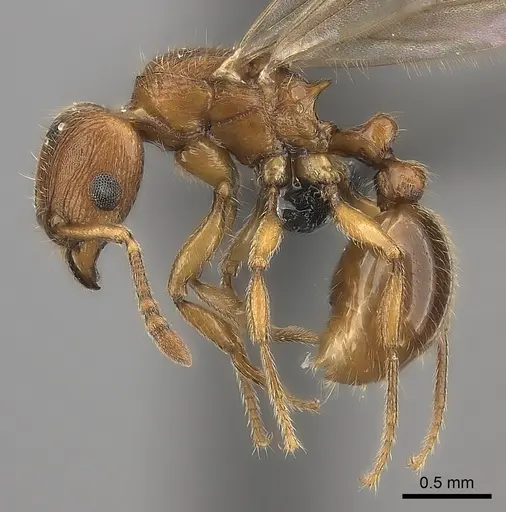
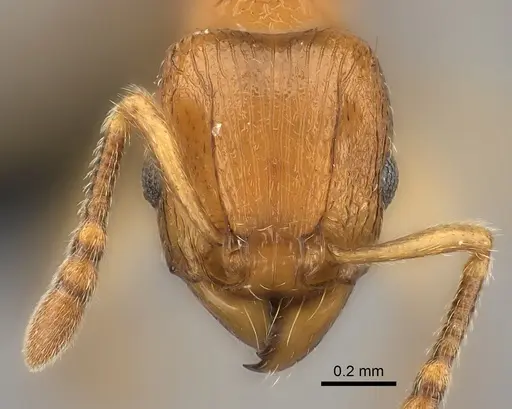
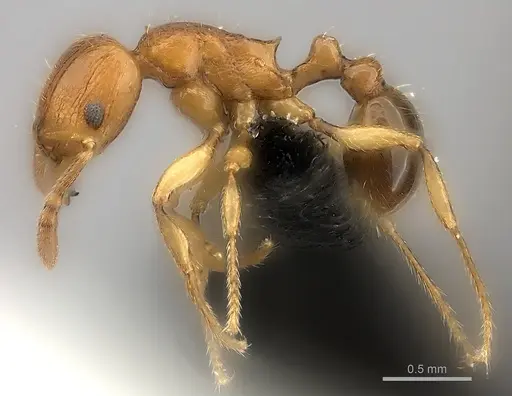
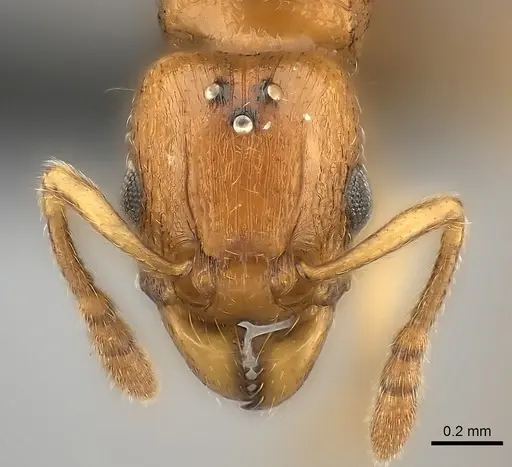
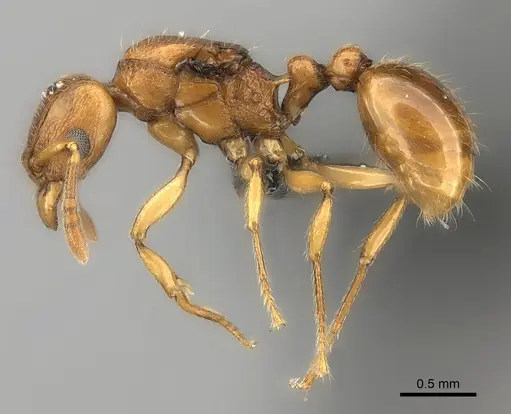
Tetramorium monticola is a tiny ant native to the rainforests and montane rainforests of northern and northeastern Madagascar . They have a distinctive appearance: a longer-than-wide head, relatively large eyes, very short antennal scapes, and moderate propodeal spines. The body is uniformly dark yellow to orange light brown, and the entire body is covered in long, standing hairs that give them a fuzzy look . This hairy feature helps separate them from other species like Tetramorium rala and Tetramorium sikorae, which have less pilosity . Their name 'monticola' means 'inhabitant of the mountains', referring to their high-elevation habitat (415-2000 m) .
Quick Summary
- Difficulty: Medium
- Origin & Habitat: Endemic to the rainforests and montane rainforests of northern and northeastern Madagascar, from Manongarivo in the west through Makirovana to Ambanizana on the Masoala Peninsula, with additional records from Zahamena and Sandranantitra further south [1][2].
- Colony Type: Unconfirmed, colony structure has not been studied. No data on queen number or social organization.
- Size & Growth:
- Queen: Undocumented, no queen measurements are available in the literature.
- Worker: Total length unknown, only head width and mesosoma length are reported in the taxonomic description, but those are not total body size [1]. Size data unavailable.
- Colony: Unknown, no colony size estimates have been published.
- Growth: Unknown, no data on development or colony growth.
- Development: Unknown, no direct observations exist. Patience is essential if attempting to rear this species. (All development timing is speculative, this species has not been reared in captivity as far as is known.)
- Antkeeping:
- Temperature: Keep at 20-25°C, mimicking a montane tropical climate. Avoid temperatures above 28°C or below 15°C. No specific published data, so start at room temperature and observe.
- Humidity: High humidity is critical, this is a rainforest leaf-litter ant. Keep the nest substrate damp (but not waterlogged) and provide a water tube. Good ventilation helps prevent mold.
- Diapause: No, as a tropical species from Madagascar, it does not require hibernation. Keep warm year-round.
- Nesting: In the wild, they live in leaf litter and rotting logs [1][2]. In captivity, use a formicarium with moist substrate (e.g., soil or coco fiber) mixed with leaf litter and rotten wood pieces. A Y-tong or plaster nest with small, humid chambers will also work. Avoid large, open spaces, these ants are tiny and prefer tight spaces.
- Behavior: These ants are small, timid, and likely forage within the leaf litter. They have a stinger but are too small to pose any threat to humans, their primary defense is smearing venom (a trait common to the Crematogastrini tribe). Excellent escape prevention is mandatory, they can fit through any gap larger than 0.5 mm.
- Common Issues: escape prevention is critical, their tiny size means they can squeeze through almost any small gap., high humidity requirements can lead to mold if ventilation is insufficient., lack of published care data means keepers must experiment and observe carefully., wild-caught colonies may carry mites or other parasites., slow colony growth may tempt overfeeding or unnecessary disturbance, be patient.
Housing and Nest Setup
Replicate their natural rainforest leaf-litter habitat. Use a small formicarium with moist substrate (e.g., a soil/coco fiber mix) and add dead leaves, rotting wood pieces, and moss. The nest should have narrow, shallow chambers because workers are tiny. A well-hydrated Y-tong or plaster nest also works, but ensure chambers are not too large. Provide a water tube connected to the nest to maintain moisture. Seal all openings with fine mesh (0.5 mm or smaller), these ants can escape through any gap [2]. Keep the outworld simple with a thin layer of leaf litter.
Temperature and Humidity
As a montane rainforest species, T. monticola needs stable warmth without extremes. Aim for 20-25°C, avoid prolonged temperatures below 15°C or above 28°C. A small heating cable on one side of the nest can create a gradient, but use a thermostat to prevent overheating. Humidity must be high, the substrate should be consistently damp but not soaked. Mist the outworld lightly if needed, and ensure the water tube is always full. Good ventilation prevents mold while keeping humidity up [1].
Feeding and Diet
Based on its leaf-litter ecology, T. monticola is likely a generalist omnivore. Offer small live prey such as fruit flies, pinhead crickets, or small springtails. Also provide sugary liquids (honey water, sugar water, or diluted honey) in a small feeder. Scale all food to their tiny size. Feed protein 2-3 times per week and keep a sugar source available at all times. Remove uneaten prey after 24 hours to avoid mold. No diet studies exist for this species, so observe what they accept.
Behavior and Colony Care
These ants are not aggressive and are unlikely to sting humans, any sting would be negligible. Their primary defense is smearing venom (characteristic of the Crematogastrini tribe). They will spend most of their time in the nest or foraging in the leaf litter. Founding queens (if ever collected) should be left undisturbed in a dark, humid test tube. Expect very slow colony growth, no data on worker production exists, so patience is key. Avoid moving the colony until the test tube is crowded with many workers (exact numbers unknown). Because of their size, use a vacuum aspirator for handling them.
Frequently Asked Questions
How long does it take for Tetramorium monticola to raise their first workers?
This is unknown, no development data exists for this species. If you are attempting to raise a queen, expect a long wait (months) and avoid disturbing her.
Can I keep Tetramorium monticola in a test tube?
A test tube can work for a founding queen or very small colony, but you must maintain high humidity (use a cotton plug and keep a water reservoir). Eventually they will need a larger nest with moist substrate. Escape prevention is crucial.
Do Tetramorium monticola ants sting?
They have a stinger, but due to their tiny size any sting would be negligible to humans. They are not dangerous. Their main defensive method is smearing venom (like other Crematogastrini).
What do Tetramorium monticola eat?
Likely small live prey (fruit flies, pinhead crickets) and sugary liquids (honey water, sugar water). Scale food to their tiny size. No specific diet studies exist, observe and adjust.
Are Tetramorium monticola good for beginners?
Rated Medium difficulty because of small size, high humidity needs, and lack of care data. They are not aggressive, but the challenges make them better for experienced keepers.
Do Tetramorium monticola need hibernation?
No, as a tropical species from Madagascar, they do not require hibernation. Keep them warm (20-25°C) year-round.
How big do Tetramorium monticola colonies get?
Colony size is unknown, no published data. Based on the tiny worker size, colonies may be moderate but this is speculation.
Why are my Tetramorium monticola escaping?
Their tiny size lets them squeeze through incredibly small gaps. Check all joints, tube connections, and lid seals. Use fine mesh (0.5 mm or smaller) on all openings. Any gap wider than a worker's head is an escape route.
When should I move Tetramorium monticola to a formicarium?
Move them when the test tube becomes crowded, this usually means at least 20-30 workers, but exact timing is unknown. Ensure the new nest has humid, tight chambers sized for these tiny ants.
Can I keep multiple Tetramorium monticola queens together?
Colony structure is unconfirmed, so it is not recommended to combine queens unless you know they are polygynous. Most Tetramorium are monogyne, but for this species it is unknown.
Report an Issue
The current care sheet is based fully on literature. See inconsistencies, or something that's incorrect? Please , it will be resolved after review from an admin. Contributing to the blogs tab also helps providing information, to make us be able to further improve the caresheets. Thank you for your support!
References

This caresheet is licensed under CC BY-SA 4.0 .
Community Blogs
CASENT0039446
View on AntWeb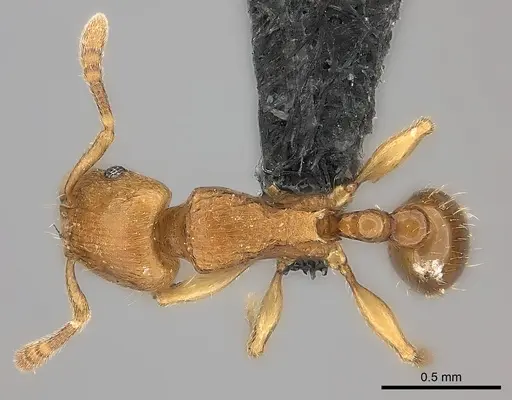
CASENT0077172
View on AntWeb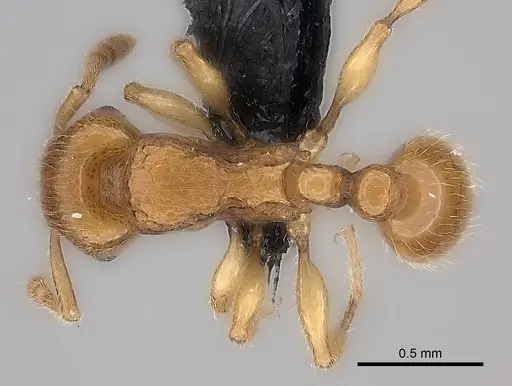
CASENT0152401
View on AntWeb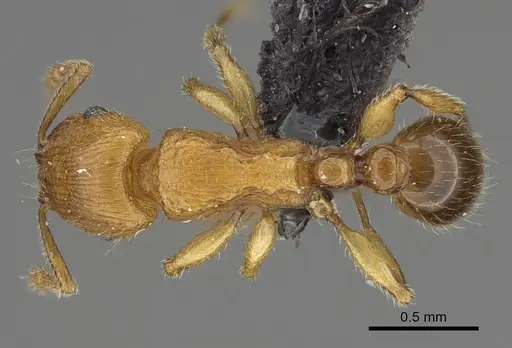
CASENT0152408
View on AntWeb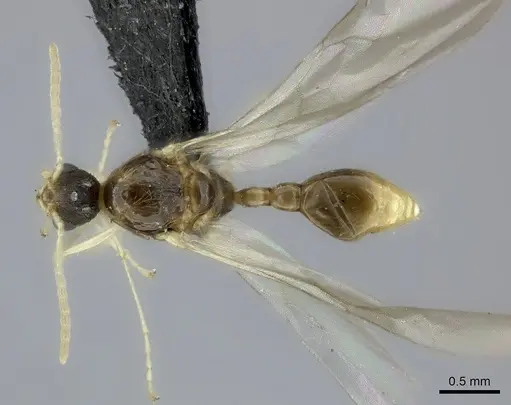
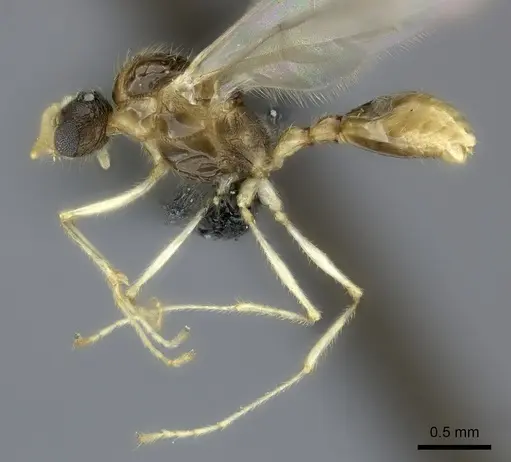
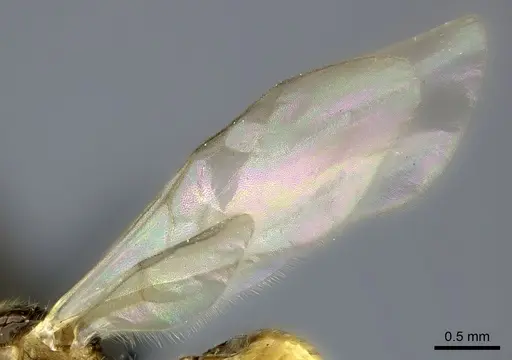
CASENT0152427
View on AntWeb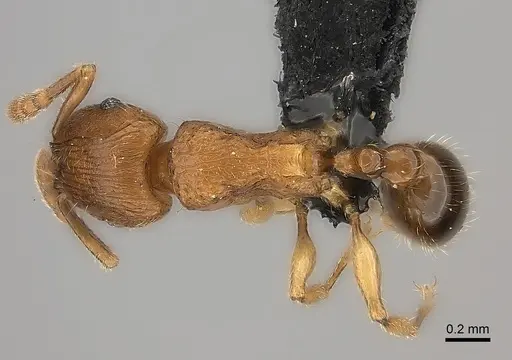
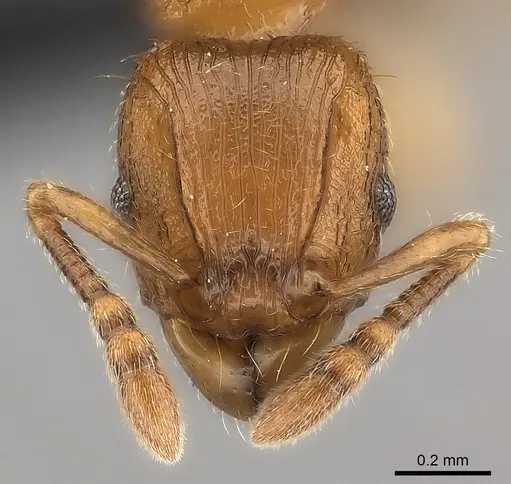
CASENT0152431
View on AntWeb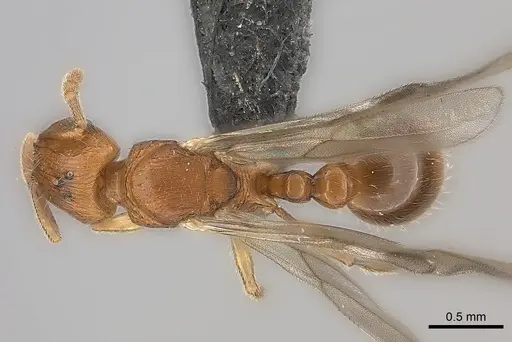
CASENT0189057
View on AntWeb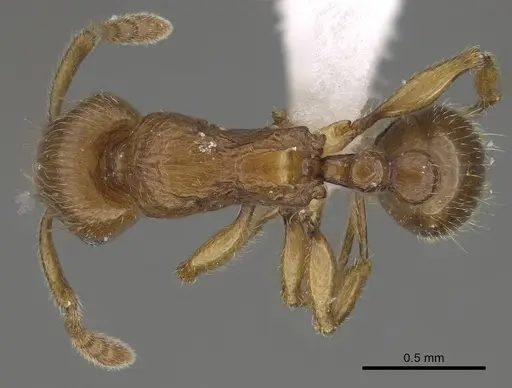
CASENT0495510
View on AntWeb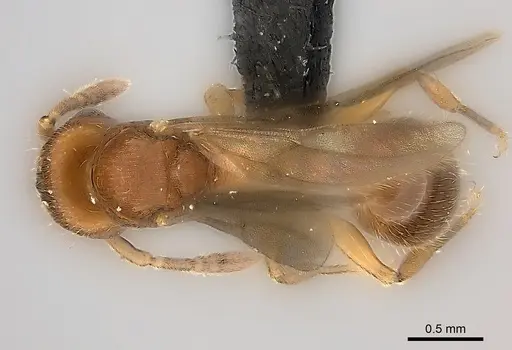
CASENT0497970
View on AntWeb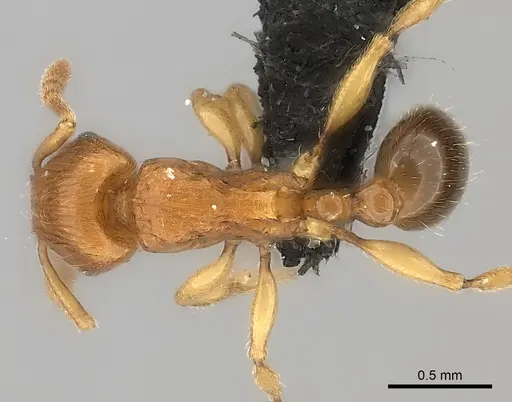
CASENT0499762
View on AntWeb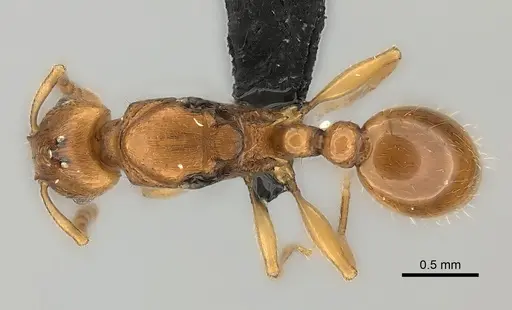
Literature
Loading distribution map...Loading products...