
Tetramorium metactum
- Sci. Name
- Tetramorium metactum
- Tribe
- Crematogastrini
- Subfamily
- Myrmicinae
- Author
- Bolton, 1980
- Distribution
- Found in 7 countries
Introduction
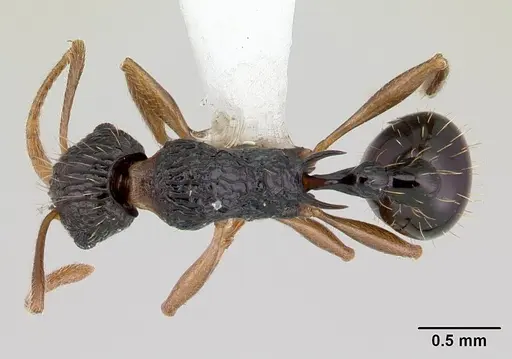
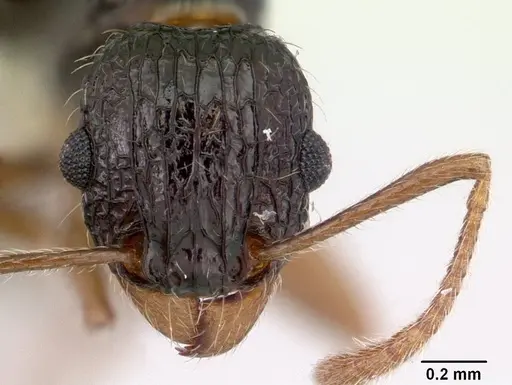
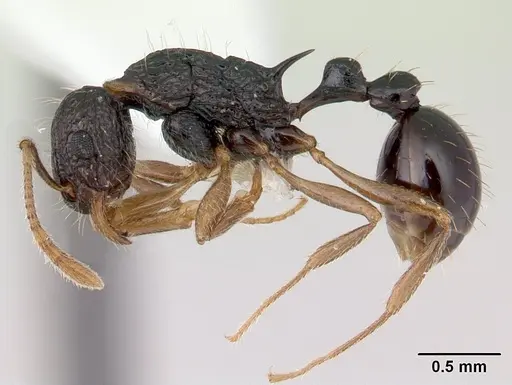
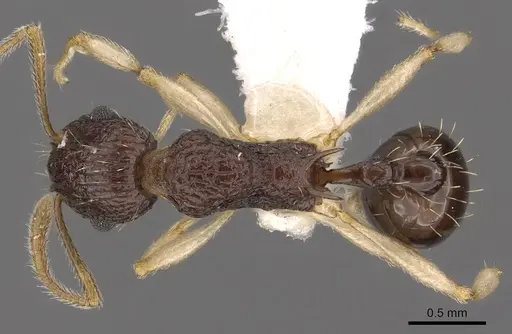
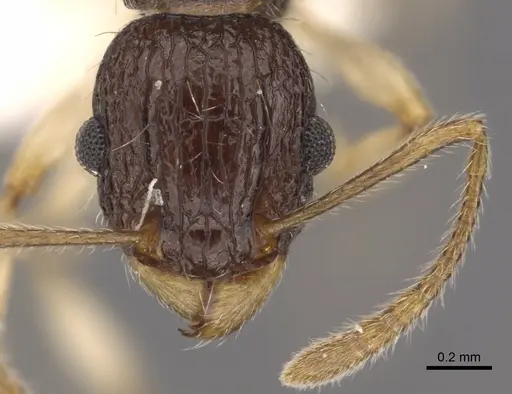
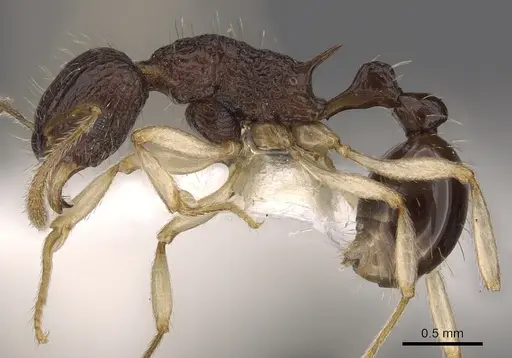
Tetramorium metactum is a small myrmicine ant from the Afrotropical region. Workers measure 3.6-4.1 mm in total length (TL), with a dark brown body and yellow appendages. They have notably long, narrow propodeal spines . This species is known from rainforest and other wet forest habitats in Cameroon, Central African Republic, Democratic Republic of Congo, Gabon, Kenya, Rwanda, and Uganda at elevations up to 2100 m . Queens have not been formally described, and most knowledge comes from worker specimens. Like other members of the tribe Crematogastrini, these ants have a modified spatulate stinger used to smear venom onto enemies rather than piercing them. Their natural behavior is poorly documented, but they are believed to forage in leaf litter and low vegetation.
Quick Summary
- Difficulty: Hard
- Origin & Habitat: Rainforest and wet forest habitats across Central and East Africa (Cameroon, CAR, DRC, Gabon, Kenya, Rwanda, Uganda) at elevations from lowland to 2100 m [2][4][1]
- Colony Type: Likely monogyne based on typical Tetramorium patterns, but unconfirmed. No polygyne or supercolony data exist.
- Size & Growth:
- Queen: Size data unavailable, queen specimens have not been formally measured or described.
- Worker: 3.6-4.1 mm (total length) [1]
- Colony: Unknown, no published data on colony size.
- Growth: Unknown
- Development: Unknown, no development data available for this species. (Development times are not documented. Keepers should rely on general Tetramorium patterns cautiously.)
- Antkeeping:
- Temperature: Exact requirements unknown. As a tropical rainforest species, they likely need warm, stable conditions (roughly 22-28°C). Avoid temperatures below 18°C or above 32°C.
- Humidity: High humidity preferred, typical of wet forest habitats. Keep substrate consistently moist but not waterlogged. Ensure good ventilation to prevent mold.
- Diapause: Not required, being a tropical species, they do not need hibernation or diapause.
- Nesting: Founding behavior is unconfirmed. Test tube setups may work for single queens if they are claustral. For established colonies, use Y-tong, plaster, or naturalistic soil nests with high moisture retention and snug chambers.
- Behavior: Generally peaceful, but their primary defense is smearing venom via a modified stinger rather than biting or stinging in the traditional sense. Workers are active foragers in leaf litter. Due to their small size (under 5 mm), they can escape through tiny gaps, secure all connections carefully.
- Common Issues: high humidity requirements mean mold can develop if ventilation is poor, very limited published care data makes this species unsuitable for inexperienced keepers, small size increases escape risk, use fine mesh or fluon barriers, wild-caught colonies may contain parasites, and the lack of known founding behavior makes captive breeding uncertain
Housing and Nest Setup
Due to the lack of published data on founding behavior, the best approach is to mimic conditions of related Tetramorium species. Provide a small, humid, dark chamber, a test tube with a water reservoir and cotton plug is a reasonable starting point. If the queen accepts the setup and begins laying eggs, do not disturb until workers appear.
Once a small colony (10-20 workers) is established, transfer to a formicarium with tight chambers. Y-tong (AAC), plaster, or naturalistic soil nests work well, as they allow high humidity control. Always ensure all connections are escape-proof, these tiny ants can slip through very small gaps. Use fluon or mineral oil on outworld rims. [1]
Feeding and Diet
Based on general Tetramorium feeding habits, Tetramorium metactum is likely omnivorous. Offer small protein sources such as fruit flies, small mealworms, or chopped crickets, along with sugar water or honey. Feed 2-3 times per week and remove uneaten prey after 24 hours to prevent mold. Provide a constant supply of sugar solution or honey water, refreshed every few days. These ants will also scavenge dead insects. Adjust portion sizes as the colony grows.
Temperature and Humidity
Exact requirements are unknown, but being a rainforest species, Tetramorium metactum prefers consistently warm and humid conditions. Aim for temperatures around 22-26°C if possible, and avoid extremes below 18°C or above 30°C.
Humidity should be high, keep the nest substrate damp but not saturated. Mist the outworld occasionally. Good ventilation is essential to prevent mold, especially given the high humidity. A gradient (dry side for the outworld, moist side for the nest) can help the colony regulate moisture.
Colony Development
Nothing is known about colony development in this species. The first generation (nanitics) may appear after several weeks if the queen is claustral, but this is speculative. Keepers should monitor closely and adjust care based on observed behavior. Growth rate and colony size are unstudied. Patience is essential.
Behavior and Temperament
These ants are not aggressive toward keepers. Their modified stinger is used to smear venom, not inject it, so they pose no sting risk. They may bite if mishandled, but the bite is mild. Workers are active foragers, likely searching through leaf litter and low vegetation for food. They communicate via chemical trails, typical of myrmicines. Given their small size (under 5 mm), they are highly agile and can escape through tiny openings, ensure all nest and outworld connections are sealed with fine mesh or other barriers.
Frequently Asked Questions
How long does it take for Tetramorium metactum to get first workers?
This is unknown for Tetramorium metactum. If the queen is claustral (unconfirmed), first workers might emerge after 4-8 weeks at warm temperatures, but specific data are lacking. Observe the queen and do not disturb during founding.
Can I keep Tetramorium metactum in a test tube?
Test tubes are a reasonable first setup, but founding behavior is unconfirmed. Provide a clean test tube with a water reservoir, cotton plug, and a dark environment. If the queen does not accept it or dies, the setup may not match her natural founding method. Be prepared to adjust.
Do Tetramorium metactum ants sting?
They do not sting in the typical sense. Like other Crematogastrini, they have a modified spatulate stinger used to smear venom onto enemies. This venom can be irritating, but it is not injected. The risk to humans is minimal, they may bite if provoked, but the bite is mild.
What temperature do Tetramorium metactum ants need?
Exact optimal temperatures are not documented. As a tropical rainforest species, they likely thrive around 22-26°C. Avoid temperatures below 18°C or above 30°C. A gentle heating cable on one side of the nest can help maintain warmth if needed.
Are Tetramorium metactum good for beginners?
Not recommended for beginners. Very little is known about this species' captive care, founding behavior, and colony development. The lack of reliable data makes success uncertain. Only experienced keepers with a willingness to experiment should attempt keeping them.
How big do Tetramorium metactum colonies get?
Colony size is unknown, no published information exists. Based on general Tetramorium patterns, colonies might reach a few hundred workers, but this is purely speculative. Do not expect large colonies.
Do Tetramorium metactum need hibernation?
No. Being a tropical species from African rainforests, they do not require hibernation or diapause. Keep them warm year-round (around 22-26°C).
What do Tetramorium metactum eat?
Likely omnivorous. Offer small insects (fruit flies, small mealworms, chopped crickets) for protein, and provide sugar water or honey. Remove uneaten prey after 24 hours. Constant sugar availability is recommended.
Why is my Tetramorium metactum colony dying?
Common causes in antkeeping include: incorrect humidity (too dry or waterlogged), temperatures outside their preferred range, poor ventilation leading to mold, or stress from disturbance. Since we do not know the exact needs of this species, any deviation from ideal conditions may cause problems. Check and adjust gradually.
When should I move Tetramorium metactum to a formicarium?
There are no guidelines specific to this species. If using a test tube, wait until the colony has at least 10-20 workers and the nest becomes crowded. Transfer to a formicarium with similar humidity and temperature conditions. Move slowly to avoid stress.
Report an Issue
The current care sheet is based fully on literature. See inconsistencies, or something that's incorrect? Please , it will be resolved after review from an admin. Contributing to the blogs tab also helps providing information, to make us be able to further improve the caresheets. Thank you for your support!
References

This caresheet is licensed under CC BY-SA 4.0 .
Community Blogs
Literature
Loading distribution map...Loading products...