
Tetramorium meshena
- Sci. Name
- Tetramorium meshena
- Tribe
- Crematogastrini
- Subfamily
- Myrmicinae
- Author
- Bolton, 1976
- Distribution
- Found in 3 countries
Introduction
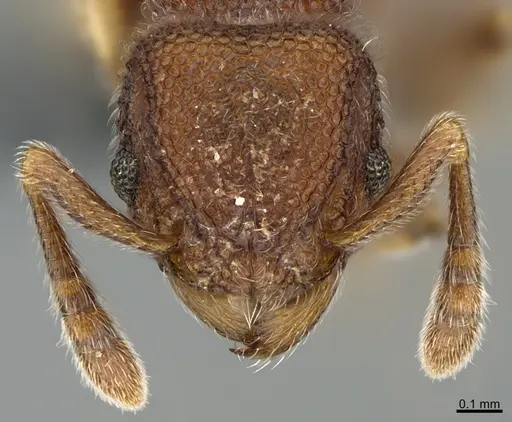
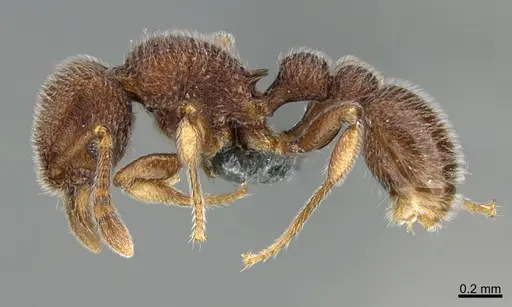
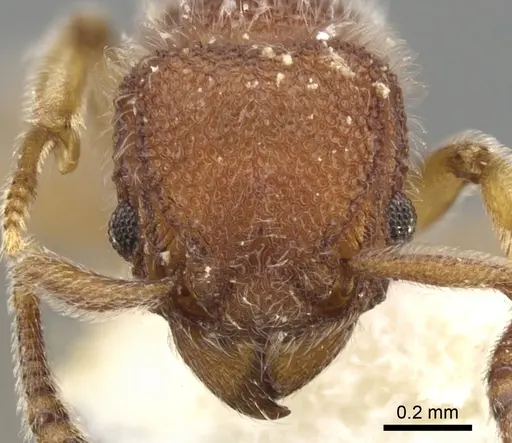
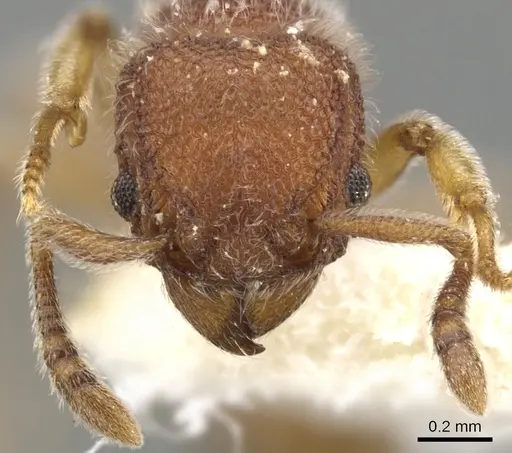
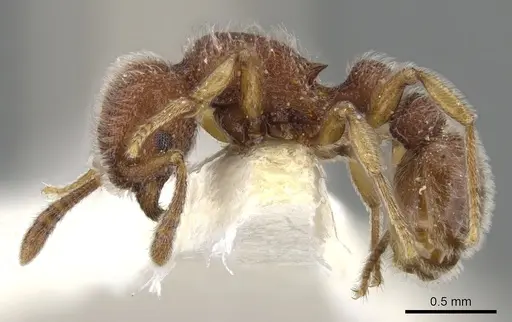
Tetramorium meshena is a small ant species native to Southeast Asia, found across Borneo, Indonesia, Malaysia, and Singapore . It was originally described in 1976 as *Triglyphothrix meshena* and reclassified to *Tetramorium* in 1985 . Workers have a typical *Tetramorium* body shape: compact, with a distinct petiole node and short mandibles. Their exact size in millimeters has not been published. These ants live in the leaf litter of tropical rainforests, often in disturbed urban habitats like botanical gardens . Stable isotope studies show they have a higher δ15N value (5.79 for Myrmicinae,5.18 for this species in alluvial forest), indicating they eat more animal prey than many other leaf-litter ants . As a member of the subfamily Myrmicinae and tribe Crematogastrini, their primary defense is a spatulate stinger used to smear venom onto enemies rather than piercing them.
Quick Summary
- Difficulty: Medium
- Origin & Habitat: Native to the Indomalaya region: Borneo, Indonesia (Java), Malaysia, and Singapore [1]. Inhabits tropical rainforest leaf litter, including primary forests, secondary forests, and urban green spaces like the Bogor Botanical Gardens where it is common [2].
- Colony Type: Colony structure is unconfirmed. Based on typical *Tetramorium* patterns, they are likely monogyne (single queen), but this has not been documented for this species.
- Size & Growth:
- Queen: Unknown, no measurements have been published.
- Worker: Size data unavailable, no published measurements exist.
- Colony: Unknown, no colony size estimates are available in the literature.
- Growth: Unknown, no data. Likely moderate for a tropical species, but not confirmed.
- Development: Unknown, no published data. Based on tropical leaf-litter ants, development is probably faster than temperate species, but exact timing is unconfirmed. (All timeline information is inferred from genus patterns, not species-specific research.)
- Antkeeping:
- Temperature: Keep warm and stable, roughly 24-28°C. They are tropical ants that do not tolerate cool temperatures well. A heating cable on one side of the nest can create a gentle gradient if room temperature is below this range. These numbers are inferred from their tropical rainforest origin, not from controlled experiments.
- Humidity: Keep the nest substrate consistently moist but not waterlogged. These are leaf-litter ants from humid rainforests, so the substrate should feel damp to the touch. Provide a humidity gradient by keeping one area of the nest moister than the rest. These recommendations are based on their natural habitat, not quantified data.
- Diapause: No, as tropical ants from Southeast Asia, they do not require hibernation. Keep them warm year-round.
- Nesting: Y-tong (AAC) nests or plaster nests with narrow, tight chambers work well. A naturalistic setup with a layer of moist soil and decaying leaf litter on top encourages natural foraging. Escape prevention is critical, use fine mesh (0.5 mm or smaller) on ventilation holes and ensure all lids fit snugly, as even small gaps may allow escape.
- Behavior: Based on general *Tetramorium* patterns, these ants are probably peaceful and not aggressive toward humans. Workers are active foragers that search leaf litter for food. Their small size means they can squeeze through tiny gaps, use excellent escape barriers. They are likely more active at night or during twilight (crepuscular), as is common for leaf-litter ants.
- Common Issues: escape prevention is critical, their tiny size means they can squeeze through standard gaps easily, colonies may stall or decline if temperatures drop below 22°C for extended periods (inferred from tropical origin), dry substrate causes colony decline quickly, monitor moisture levels consistently, wild-caught colonies may contain parasites that can devastate captive colonies, overfeeding can lead to mold problems in their moist setup
Housing and Nest Setup
For these small leaf-litter ants, a Y-tong (AAC) nest with narrow chambers works well. Tight passages match their natural movement through dense forest floor material. Plaster nests are also suitable as long as chambers are appropriately sized. A naturalistic setup with a layer of moist soil and decaying leaf litter on top encourages foraging. Escape prevention must be excellent, use fine mesh (0.5 mm or smaller) on ventilation holes and ensure all lids fit tightly. These ants are small enough to escape through gaps that would hold larger species. Their presence in urban botanical gardens suggests they tolerate some disturbance, but they still need stable conditions [2].
Feeding and Diet
Stable isotope studies show that Tetramorium meshena has a higher trophic position than many leaf-litter ants (δ15Ncor = 5.79 for Myrmicinae,5.18 for this species) [3][4]. This suggests a more predatory diet. Offer small protein sources like fruit flies, pinhead crickets, and other tiny arthropods. They will also accept sugar sources, give a drop of honey water or sugar water regularly. Feed protein 2-3 times per week and keep a constant sugar source available. Remove uneaten prey within 24 hours to prevent mold in the humid setup.
Temperature and Humidity
Keep the colony warm year-round, roughly 24-28°C. They are tropical ants that do not tolerate cool conditions well. A heating cable on one side of the nest creates a temperature gradient. Humidity should be high, the nest substrate should feel consistently moist but not waterlogged. Their native habitat is damp tropical rainforest leaf litter, so aim for a setup that mimics that environment. Room humidity of 60-70% outside the nest is acceptable if the nest itself is properly humidified. These recommendations are inferred from their natural habitat (tropical rainforest, including alluvial forests) [4] and records from gardens in Bogor [2], not from controlled experiments.
Colony Development
Little is known about colony founding in this species. Based on typical Tetramorium patterns, queens may found colonies claustrally, but this is unconfirmed. Specific development timelines (egg to worker, colony growth rates, or mature colony sizes) have not been published. Temperate Tetramorium species often develop moderately fast, but this species may behave differently due to its tropical origin. Keep conditions stable and observe, document your own colony’s development if you keep them, as keeper reports could fill gaps in knowledge.
Behavior and Temperament
Based on general Tetramorium behavior, these ants are likely peaceful and not aggressive toward humans. Workers are active foragers that search leaf litter for food. They have a functional stinger, but as a member of tribe Crematogastrini, their primary defense is to smear venom onto enemies rather than sting. They are not considered dangerous. Their small size makes them vulnerable in larger ant enclosures, keep them separated from larger species. They are probably more active during evening and night hours, reflecting common crepuscular/nocturnal patterns in leaf-litter ants.
Frequently Asked Questions
How long does it take for Tetramorium meshena to get their first workers?
This is unknown, no published data exists for this species. If kept at warm tropical temperatures (around 25-28°C), the development is probably faster than temperate species, but there are no confirmed timelines. Keepers should document their own observations.
Can I keep Tetramorium meshena in a test tube?
Yes, test tubes work well for small colonies. Use a small tube with a water reservoir sealed with cotton. Make sure to use a fine mesh barrier on the opening since these ants are small enough to escape through standard cotton plugs. Move them to a proper nest (Y-tong or plaster) once the colony outgrows the tube, the exact worker count for this species is unknown, but a good rule is to move when you see crowding or when the water needs frequent refilling.
Do Tetramorium meshena ants sting?
They have a stinger, but as members of the tribe Crematogastrini, they primarily smear venom onto enemies rather than piercing skin. They are not aggressive and are considered safe to handle. Biting and chemical secretions are their main defenses.
What do Tetramorium meshena eat?
Stable isotope studies indicate they are more predatory than average leaf-litter ants [3][4]. Offer small live prey like fruit flies, pinhead crickets, and other tiny arthropods. They also accept sugar sources like honey water or sugar water. Feed protein 2-3 times per week and keep sugar water available. Remove uneaten prey within 24 hours.
Do Tetramorium meshena need hibernation?
No, these are tropical ants from Southeast Asia and do not require hibernation. Keep them warm year-round at 24-28°C. Cooler temperatures will slow their activity and can stall colony development.
Are Tetramorium meshena good for beginners?
They may be suitable for intermediate keepers. They are not aggressive and do not need hibernation, but their care requirements (high humidity, strict temperature, excellent escape prevention) are somewhat demanding. The lack of published research means keepers must rely on general Tetramorium knowledge and careful observation.
How big do Tetramorium meshena colonies get?
Colony size is unknown, no published estimates exist. Based on similar leaf-litter Tetramorium, colonies might reach a few hundred workers, but this is speculation. Keepers should not expect a large colony.
Why are my Tetramorium meshena dying?
Common causes include: 1) temperature too low (below 22°C), they need warmth, 2) dry substrate, they require high humidity, 3) inadequate barriers leading to escape or stress, 4) overfeeding causing mold in the humid setup, 5) possible parasites from wild-caught colonies. Check these factors first.
When should I move Tetramorium meshena to a formicarium?
Move them when the test tube becomes crowded or the water reservoir needs frequent refilling. A Y-tong or plaster nest with a connected outworld works well. They do not need large spaces, tight chambers scaled to their small size are preferred. The exact worker count for moving is unknown, but observe their behavior, if they seem cramped, it's time.
Can I keep multiple Tetramorium meshena queens together?
This is not recommended. Colony structure is unconfirmed, but most Tetramorium are monogyne. Combining unrelated queens has not been documented for this species and would likely result in fighting. Keep a single queen until more is known.
Report an Issue
The current care sheet is based fully on literature. See inconsistencies, or something that's incorrect? Please , it will be resolved after review from an admin. Contributing to the blogs tab also helps providing information, to make us be able to further improve the caresheets. Thank you for your support!
References

This caresheet is licensed under CC BY-SA 4.0 .
Community Blogs
CASENT0368358
View on AntWeb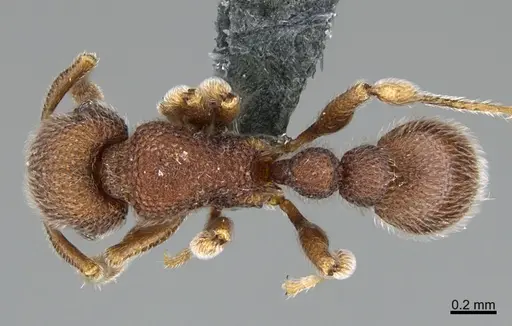
CASENT0901065
View on AntWeb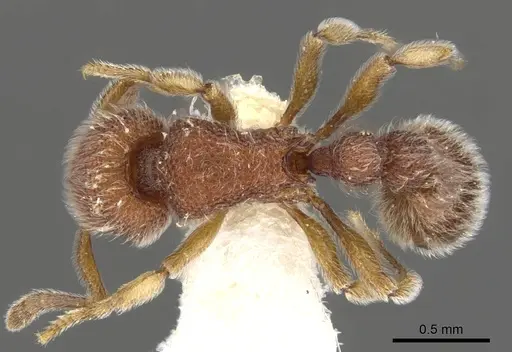
Literature
Loading distribution map...Loading products...