
Tetramorium meridionale
- Sci. Name
- Tetramorium meridionale
- Tribe
- Crematogastrini
- Subfamily
- Myrmicinae
- Author
- Emery, 1870
- Distribution
- Found in 5 countries
Introduction
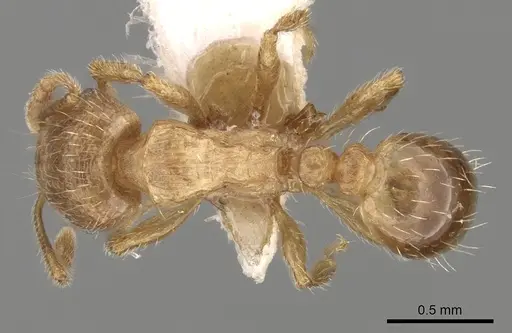
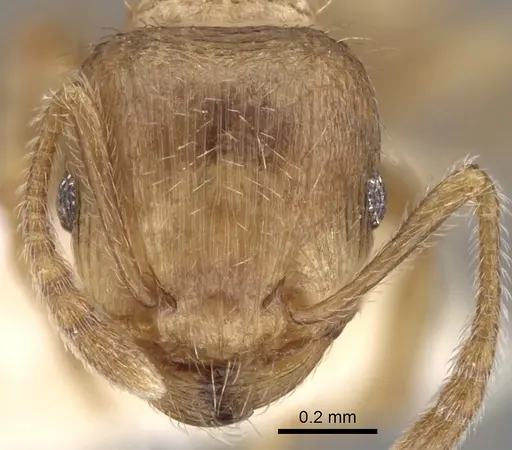
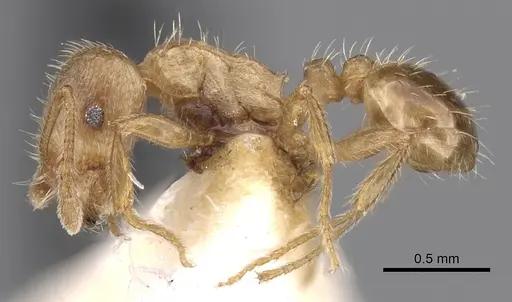
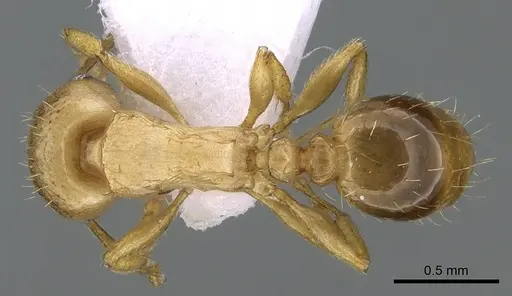
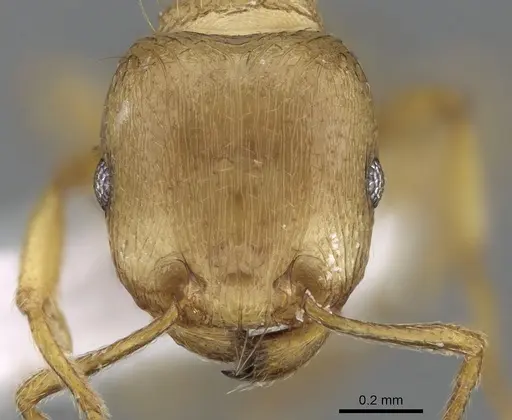
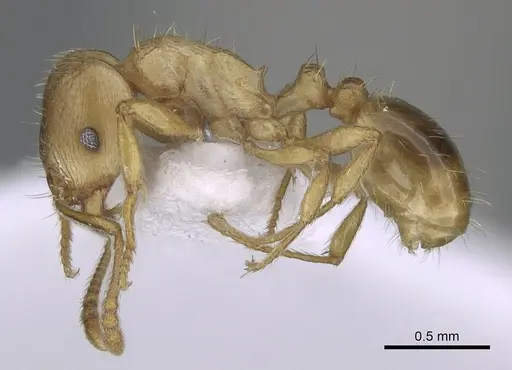
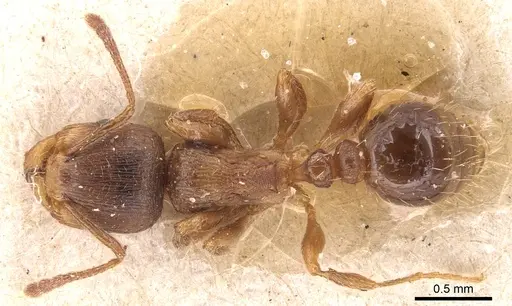
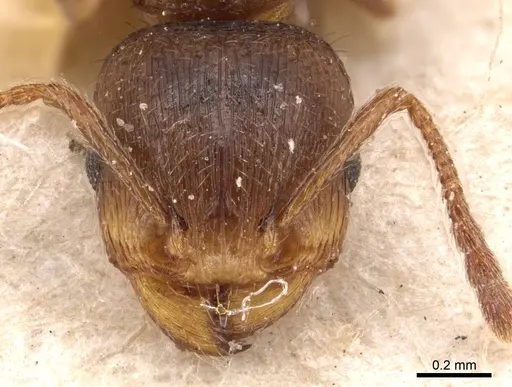
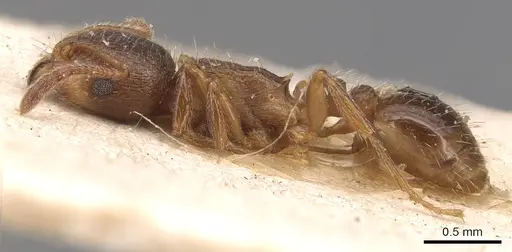
Tetramorium meridionale is a small Mediterranean ant found from Spain and France across to Italy, Greece, and the eastern Mediterranean including Israel and Lebanon . Workers are about 3-4 mm, typical for the genus, and are dark brown to black with the double-node petiole common to Tetramorium . It lives in warm, dry habitats like rocky meadows, maquis, forest edges, coastal areas, and even lava deserts, often nesting under stones . This species is interesting because it often has multiple queens in one nest . It can also become a household pest in its native range, with nests found between bricks near water bowls and thousands of workers invading homes for sugar . Because it's a tramp species , you need to be extra careful to prevent escapes.
Quick Summary
- Difficulty: Easy
- Origin & Habitat: Mediterranean region: Spain, France (including Corsica), Italy (including Sardinia, Sicily), Greece (Karpathos), Israel, Lebanon, and Malta (unconfirmed) [1][2][9][10]. Lives in dry to moderately moist places: rocky meadows, maquis, forest edges, coastal cliffs, farmland, riverbeds, and volcanic shrubland. Often under stones in sunny spots [4][5][11].
- Colony Type: Multi-queen colonies (polygyne), nests commonly have several egg-laying queens [6]. This helps the colony grow faster than single-queen species.
- Size & Growth:
- Queen: Size unknown, inferred from Tetramorium genus (~6-8 mm)
- Worker: Size unknown, inferred from Tetramorium genus (~3-4 mm)
- Colony: Unknown, but a resident infestation in Sardinia had an estimated 10,500 workers drown in 3 weeks, suggesting large colonies [7].
- Growth: Moderate
- Development: Unknown, based on related Tetramorium species, roughly 6-8 weeks at 24-28°C (Development speeds up with warmth. Not confirmed for this species.)
- Antkeeping:
- Temperature: Keep the nest warm (24-28°C), start from a Mediterranean climate. A heat gradient lets workers choose their spot. Avoid long periods below 20°C.
- Humidity: Provide moderate humidity, keep the brood area slightly moist but let some chambers dry out. These ants live in dry environments, so don't soak the nest.
- Diapause: Likely yes, based on Mediterranean origin, give a winter rest of 2-3 months at 10-15°C. Not confirmed by research, but recommended to simulate natural cycles.
- Nesting: Y-tong (AAC), plaster, or soil nests with tight chambers work well. These ants are ground-nesting and like dry spots for food storage. Avoid acrylic nests.
- Behavior: Active and industrious. Workers explore thoroughly and are not very aggressive, but will defend the nest if disturbed. They are small (3-4 mm) and can squeeze through tiny gaps, use fine mesh (0.5 mm or smaller) and fluon on container rims. They forage for protein and sugar.
- Common Issues: escape prevention is critical, their small size lets them slip through tiny cracks without fine mesh, can become a household pest if given access to sugar, keep enclosures fully sealed, tramp species that could establish in non-native regions, never release or allow escape [5], overheating above 35°C can kill, provide a gradient and monitor temperatures, wild-caught colonies may carry parasites, quarantine new colonies before setting up permanent nests
Housing and Nest Setup
Tetramorium meridionale does well in Y-tong (AAC), plaster, or soil nests. These give the tight chambers workers like. Set up a temperature gradient, put a heating cable on one side for a warm zone (around 28°C) and leave the other side cooler (22-24°C). This lets workers move brood to their preferred temperature.
In the outworld, use a test tube or small dish for water and a feeding dish. These ants are not arboreal, so a flat, floor-level outworld is fine. Coat the rims with fluon or use barrier tape, workers are small and persistent. Start with a test tube for the founding stage, then move to a proper nest once the colony reaches 30-50 workers.
Feeding and Diet
In the wild, T. meridionale eats dead insects and honeydew. In captivity, offer protein (small crickets, mealworms, frozen fruit flies) 2-3 times a week, and give constant access to sugar water or diluted honey. Like related Tetramorium species, they probably lay down trail pheromones from the poison gland to guide nestmates to food [12][13]. Remove uneaten protein after 24 hours to stop mold. Some colonies prefer protein, others sweets, watch what your colony takes.
Temperature and Seasonal Care
This species comes from the Mediterranean, so keep things warm. Aim for 24-28°C in the nest area. Below 20°C, activity and development slow right down. They're used to hot, dry summers and mild winters, avoid cold, damp conditions.
For winter (October to March in the Northern Hemisphere), drop the temperature to 10-15°C for a rest period. This mimics their natural cycle and helps keep the colony healthy long-term. Cut back on feeding during diapause, the colony won't eat much. Don't feed during the coldest weeks. Raise temperatures slowly in spring.
Colony Dynamics and Multi-Queen Care
One of the cool things about T. meridionale is that it naturally has multiple queens (polygyne) [6]. A single nest can have several egg-laying queens. That means if you start with a single queen, you don't need to add more, they're fine alone. But if you want a bigger colony faster, you can keep a group of queens from the same wild nest (check local laws first). Introducing unrelated queens to an established colony is risky, they might fight.
Because they have multiple queens, these colonies can grow quite large. They also need more space and food than single-queen colonies. Keep an eye on the nest size and upgrade when they start running out of room.
Handling and Observation
T. meridionale workers are calm and rarely sting, so they're good for watching. They are active foragers and will quickly find food. Watch how they lay chemical trails from the poison gland to guide nestmates [12][13]. The trails are precise, workers follow them like little roads.
Their dark bodies show up well against light nest materials. They're big enough to photograph with basic macro gear.
Frequently Asked Questions
How long does it take for Tetramorium meridionale to raise first workers?
Unknown, based on related Tetramorium species, expect about 6-8 weeks at 24-28°C. The queen raises the first brood without leaving the nest (if claustral, but that's unconfirmed). You won't see any activity until the first workers emerge.
Do Tetramorium meridionale ants sting?
They have a stinger, but they're not aggressive and rarely use it. The sting is mild. They prefer to run away than fight. Their main defense is probably the 'smear' mechanism, they wipe a venom mixture onto attackers instead of piercing them.
Can I keep multiple Tetramorium meridionale queens together?
Yes, this species naturally forms polygyne (multi-queen) colonies [6]. But introducing queens from different nests is risky. It's better to start with a group that already lives together. If you want a bigger colony, keep a well-fed single queen, she'll produce plenty of workers on her own.
What temperature do Tetramorium meridionale need?
Keep them warm, 24-28°C in the nest area. A gradient lets them pick their spot. Avoid long periods below 20°C, and never go above 35°C.
Are Tetramorium meridionale good for beginners?
Yes, they're a good starter ant. They're hardy, not aggressive, and polygyne colonies give you some buffer if a queen dies. The main challenges are escape prevention (use fine mesh) and giving them a winter rest. Also note it's a tramp species [5], never let them escape.
How big do Tetramorium meridionale colonies get?
Unknown in the wild, but a house infestation in Sardinia had tens of thousands of workers visiting a water bowl over three weeks [7]. So mature colonies can probably get very large, likely several thousand workers.
Do Tetramorium meridionale need hibernation?
Probably yes, based on their Mediterranean origin, give them a rest period of 2-3 months at 10-15°C. This is not confirmed by research, but mimics their natural seasonal cycle and helps keep them healthy.
What do Tetramorium meridionale eat?
They eat protein (mealworms, crickets, fruit flies) 2-3 times a week and need constant access to sugar water or diluted honey. Remove leftover protein after 24 hours to prevent mold. They're not picky.
Why are my Tetramorium meridionale escaping?
These ants are small and persistent. Use fine mesh (0.5 mm or smaller) on vents, apply fluon or barrier tape to container rims, and check for gaps around tubes and dishes. Escapes happen more when the colony is hungry or the nest is too dry.
When should I move Tetramorium meridionale from a test tube to a formicarium?
Move them when the colony reaches 30-50 workers, or when the test tube gets moldy or condensation builds up. A test tube works fine for founding and early growth, but larger colonies need more space.
Report an Issue
The current care sheet is based fully on literature. See inconsistencies, or something that's incorrect? Please , it will be resolved after review from an admin. Contributing to the blogs tab also helps providing information, to make us be able to further improve the caresheets. Thank you for your support!
References

This caresheet is licensed under CC BY-SA 4.0 .
Community Blogs
Literature
Loading distribution map...Loading products...