
Tetramorium meressei
- Sci. Name
- Tetramorium meressei
- Tribe
- Crematogastrini
- Subfamily
- Myrmicinae
- Author
- Forel, 1916
- Distribution
- Found in 2 countries
Introduction
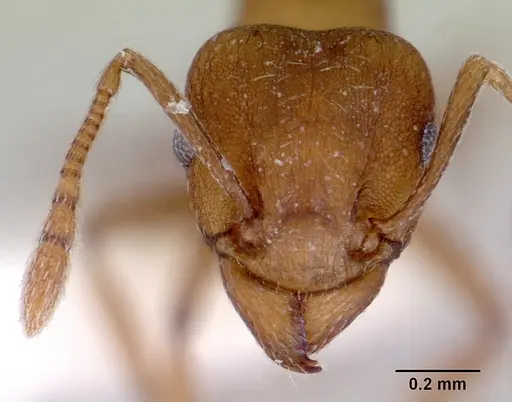
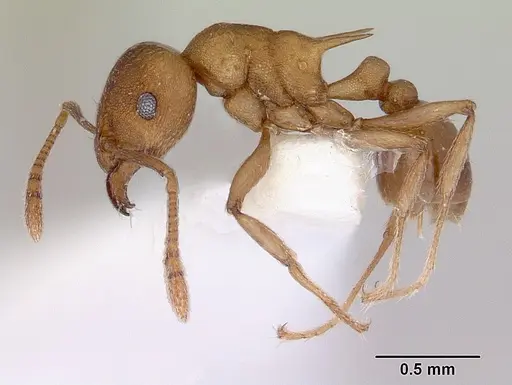
Tetramorium meressei is a small ant species recorded from the Democratic Republic of Congo . Very little is known about its specific biology. Based on its genus, it likely resembles other Tetramorium: workers are small, dark, with two propodeal spines and a 12-segmented antenna ending in a 3-segmented club. It probably nests in soil or under stones in tropical habitats, but these details are unconfirmed for this species.
Quick Summary
- Difficulty: Medium
- Origin & Habitat: Democratic Republic of Congo [1]. Tropical forest habitat is assumed based on location.
- Colony Type: Likely single-queen (monogyne) based on typical Tetramorium patterns, but unconfirmed for this species.
- Size & Growth:
- Queen: ~6-8 mm, inferred from Tetramorium genus patterns. No direct measurements available.
- Worker: ~3-5 mm, inferred from Tetramorium genus patterns. No direct measurements available.
- Colony: Unknown for this species, Tetramorium colonies can reach several hundred to a few thousand workers, but no data for T. meressei.
- Growth: Moderate, inferred from related species.
- Development: Estimated 5-8 weeks at 24-28°C, based on Tetramorium genus data. No species-specific data. (Timeline is an estimate, actual development for this species is not documented.)
- Antkeeping:
- Temperature: Based on tropical origin, maintain warm conditions: 24-28°C. Provide a slight gradient so ants can cool down to ~22°C.
- Humidity: Keep nest substrate consistently moist but not waterlogged, mimicking tropical forest floor conditions.
- Diapause: No, as a tropical species, it likely does not require a cold dormancy period.
- Nesting: Provide a moist substrate nest: test tubes with water reservoirs, Y‑tong (AAC), or plaster nests with small, tight chambers. No species-specific preferences are known.
- Behavior: Peaceful and non‑aggressive toward keepers. Defense is by smearing venom via a modified spatulate stinger (subfamily characteristic). Workers forage individually for small insects and sugary liquids. Escape prevention is critical due to small size. No species-specific behavior data exists.
- Common Issues: tropical species may become lethargic if temperatures drop below 22°C for extended periods, small size requires excellent escape prevention, they can squeeze through tiny gaps, humidity must be maintained, dry conditions can lead to colony decline, limited species‑specific data means many care aspects are based on genus inference rather than direct observation, wild‑caught colonies may carry parasites that affect survival in captivity
Housing and Nest Setup
No species‑specific studies exist for housing preferences [1]. A test tube setup with a water reservoir is recommended for founding, as is standard for claustral‑type ants (though founding type is unconfirmed). Keep the tube dark and undisturbed until workers appear. Once the colony outgrows the tube, you can move them to a Y‑tong or plaster nest with small, tight chambers. Always use a well‑sealed outworld with fine mesh or tight gaps to prevent escapes.
Feeding and Diet
No dietary studies exist for this species [1]. Based on Tetramorium genus, they are likely omnivorous. Offer small protein sources like fruit flies, pinhead crickets, or mealworm pieces. Also provide sugary liquids (honey water or sugar water). Feed small prey 2-3 times per week and keep sugar water constantly available. Remove uneaten prey after 24-48 hours to prevent mold.
Temperature and Heating
Given their tropical origin [1], maintain a nest temperature of 24-28°C. Use a heating cable placed on one side of the nest (on top of the substrate, not underneath) to create a gradient. Room temperature may suffice if your home stays in the low‑20s°C. Avoid temperatures above 32°C, which can stress the colony. If workers become sluggish, the temperature may be too low.
Humidity Management
No humidity data is available for this species [1]. Following typical tropical ant needs, keep the nest substrate consistently damp (not waterlogged). For test tube setups, the water reservoir provides humidity via the cotton plug. For formicaria, mist the nest area when the surface begins to dry. Provide a drier outworld so ants can self‑regulate.
Colony Development
Development stages are undocumented for Tetramorium meressei [1]. Based on Tetramorium genus data, the queen likely lays eggs within 1-2 weeks after mating, and first workers emerge in about 5-8 weeks at 24-28°C. The first workers (nanitics) are smaller than mature workers. Colony growth is estimated as moderate, but no actual measurements exist.
Behavior and Temperament
No behavior studies are known for this species [1]. Based on its subfamily (Myrmicinae, tribe Crematogastrini), its primary defense is smearing venom using a modified spatulate stinger, rather than piercing or biting. It is assumed to be peaceful toward keepers, like many Tetramorium. Workers likely forage individually. Escape prevention is essential due to small size.
Frequently Asked Questions
How long does it take for Tetramorium meressei to produce first workers?
No species‑specific data exists [1]. Based on Tetramorium genus patterns, first workers likely emerge about 5-8 weeks after the queen lays eggs, at temperatures of 24-28°C.
What temperature do Tetramorium meressei ants need?
Based on their tropical origin [1], maintain a nest temperature of 24-28°C, with a gradient allowing cooler spots around 22°C.
Can I keep multiple Tetramorium meressei queens together?
No data is available [1]. Most Tetramorium are monogyne (single queen), but this is not confirmed. Combining queens is risky and may lead to fighting.
Do Tetramorium meressei ants sting?
This species belongs to the subfamily Myrmicinae, tribe Crematogastrini, whose members use a smearing venom defense rather than a piercing sting. No species‑specific information exists [1].
What do Tetramorium meressei ants eat?
No dietary studies exist [1]. Based on Tetramorium genus, they likely accept an omnivorous diet: small insects, sugary liquids, and possibly seeds. Offer small prey and honey water.
Do Tetramorium meressei need hibernation?
As a tropical species from central Africa [1], it likely does not require a dormant winter period. Keep them warm year‑round.
How big do Tetramorium meressei colonies get?
Unknown. Tetramorium species can reach several hundred to a few thousand workers, but no data exists for this species [1].
Are Tetramorium meressei good for beginners?
They are rated Medium difficulty. While not aggressive, their need for consistent warmth and high humidity, plus the lack of specific care data, makes them more suited for keepers with some experience.
How do I house a founding Tetramorium meressei queen?
No founding data exists for this species [1]. By convention, use a test tube setup with a water reservoir, kept dark at 24-28°C. Do not disturb until workers emerge (estimated 5-8 weeks).
Why is my Tetramorium meressei colony declining?
Possible causes include temperatures below 22°C, drying out, lack of protein, or unwanted parasites (common in wild‑caught colonies). Check temperature and moisture first.
Report an Issue
The current care sheet is based fully on literature. See inconsistencies, or something that's incorrect? Please , it will be resolved after review from an admin. Contributing to the blogs tab also helps providing information, to make us be able to further improve the caresheets. Thank you for your support!
References

This caresheet is licensed under CC BY-SA 4.0 .
Community Blogs
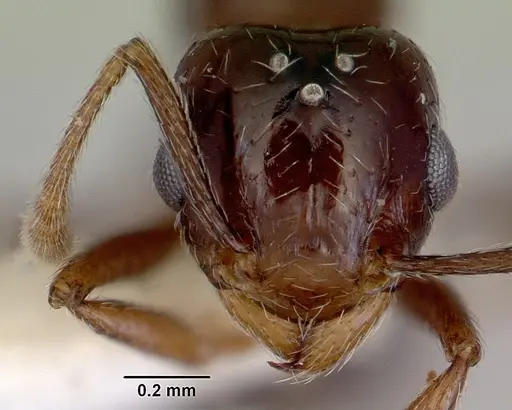
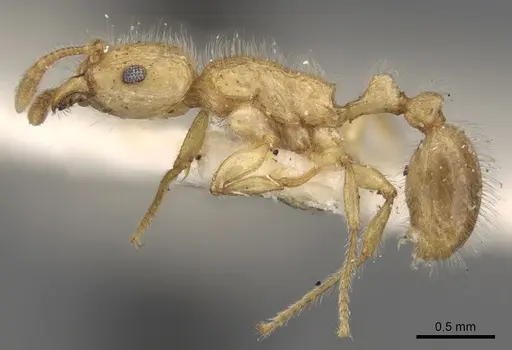
CASENT0172460
View on AntWeb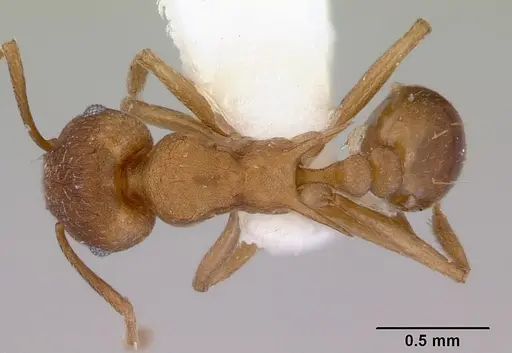
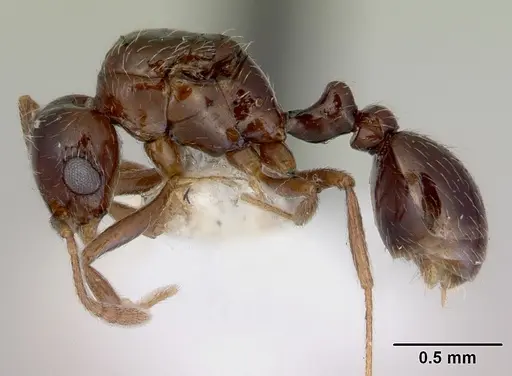
CASENT0172461
View on AntWeb
CASENT0280922
View on AntWeb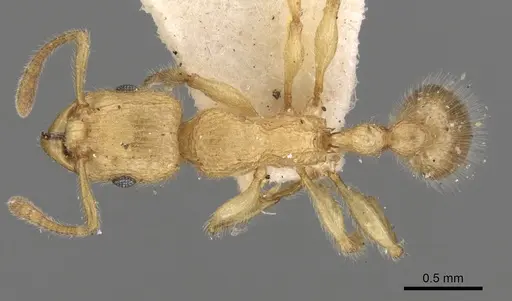
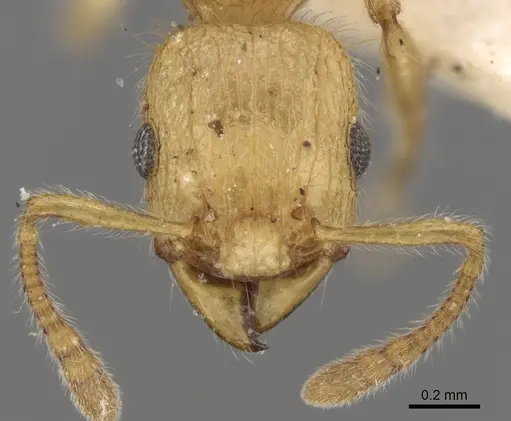
CASENT0901032
View on AntWeb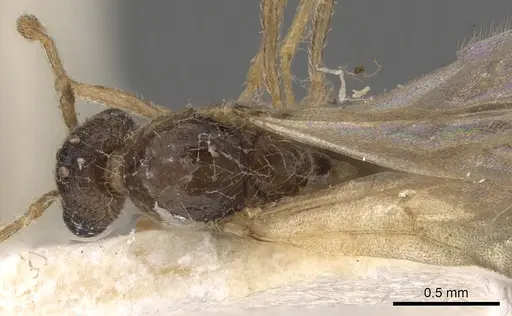
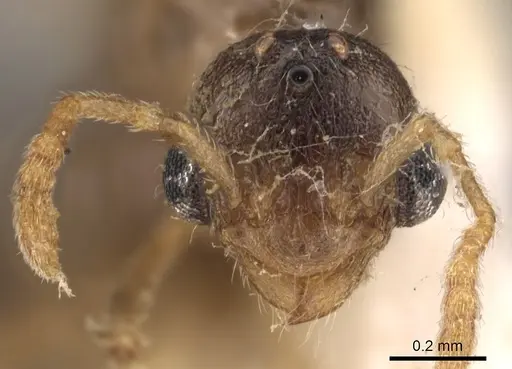
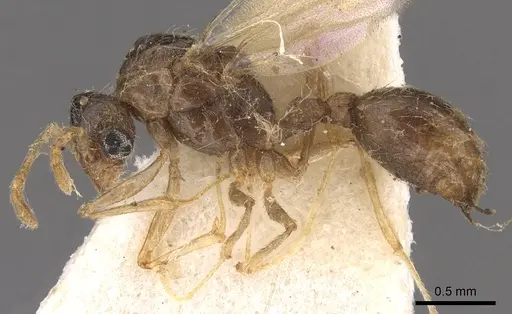
CASENT0909140
View on AntWeb
Literature
Loading distribution map...Loading products...