
Tetramorium mahafaly
- Sci. Name
- Tetramorium mahafaly
- Tribe
- Crematogastrini
- Subfamily
- Myrmicinae
- Author
- Hita Garcia & Fisher, 2011
- Distribution
- Found in 1 countries
Introduction
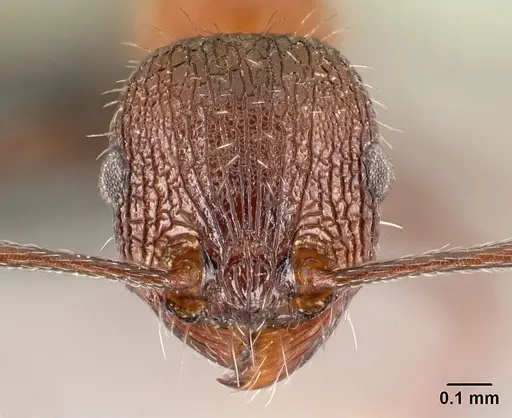
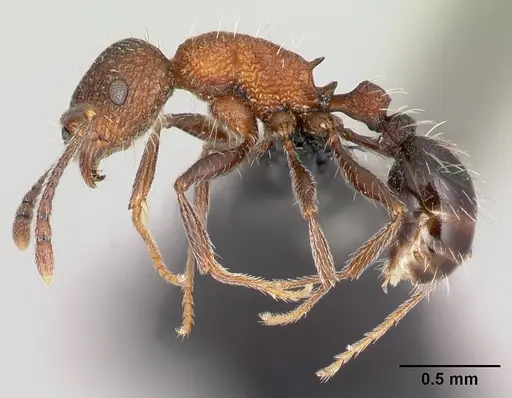
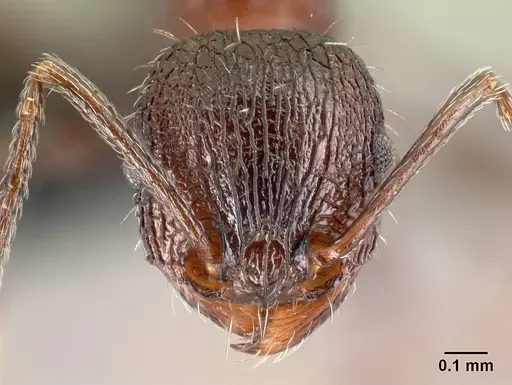
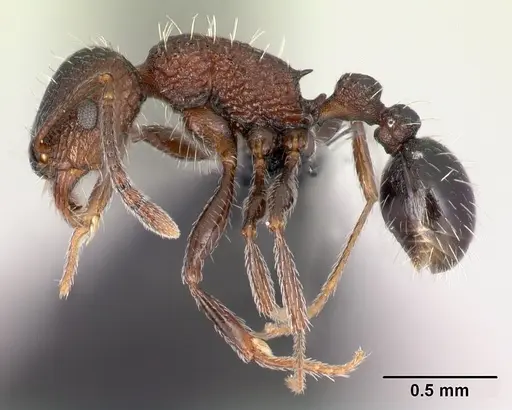
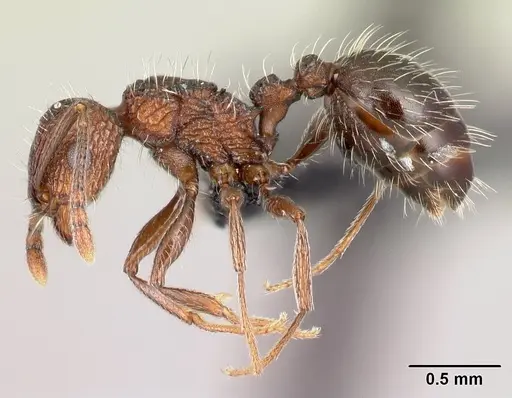
Tetramorium mahafaly is a small, hairy ant species endemic to the Mahafaly Plateau region in southwestern Madagascar . Workers have a head length of 0.61-0.68 mm, but total body length is not documented. They have a distinctive reddish-brown head, mesosoma, and legs that contrast sharply with a dark brown to black gaster. The species is densely hairy, with standing hairs on the propodeum and other body surfaces, and relatively long antennal scapes that extend past the posterior head margin . Its petiolar node is square-shaped, which helps separate it from similar species. This ant inhabits relatively arid spiny forest and thicket habitats, making it one of the more drought-tolerant members of the genus .
Quick Summary
- Difficulty: Medium
- Origin & Habitat: Endemic to the Mahafaly Plateau and Tsimanampetsotsa region in southwestern Madagascar. Found in relatively arid spiny forest and thicket habitats at low elevations around 80 m [1][2].
- Colony Type: Colony structure is unconfirmed. Based on typical Tetramorium patterns, they are likely monogyne (single queen), but this requires field confirmation.
- Size & Growth:
- Queen: Undescribed, queen measurements are not available in the scientific literature [1].
- Worker: Worker head length 0.610-0.680 mm, head width 0.545-0.610 mm, total body length is not provided in the literature [1].
- Colony: Maximum colony size is unknown. Only known from limited specimens. Based on related Tetramorium species, colonies may reach several hundred workers, but this is unconfirmed.
- Growth: Growth rate is unconfirmed. Related Tetramorium species typically have moderate growth rates.
- Development: Unconfirmed for this species. Based on related Tetramorium, it may take 6-10 weeks at optimal temperatures, but this is an inference. (Direct data for Tetramorium mahafaly does not exist, timing is estimated from genus-level patterns.)
- Antkeeping:
- Temperature: Provide a warm environment similar to their native arid spiny forest [1]. Aim for a temperature gradient with a warm zone around 24-28°C and a cooler area. Avoid prolonged temperatures below 20°C. Use a heating cable on one side if needed.
- Humidity: Low humidity is preferred. Keep the nest substrate mostly dry, with a small moist section (e.g., a water tube) to allow the ants to regulate. Overwatering can be fatal. Their arid habitat [1] indicates they require dry conditions.
- Diapause: Diapause requirements are unconfirmed. Given their tropical origin (Madagascar), they likely do not require true hibernation. A slight seasonal cool-down (3-5°C) may be provided but is optional.
- Nesting: Y-tong (AAC) or plaster nests work well due to their small size. A dry nest environment is critical. Test tube setups are fine for founding colonies. Avoid acrylic nests. Provide a small outworld for foraging.
- Behavior: Temperament is generally peaceful, but they will defend the colony if threatened. Their defense mechanism involves smearing venom using a modified, flattened stinger (typical of the Crematogastrini tribe). Workers are active foragers. Escape risk is moderate due to their small size, use Fluon barriers on the outworld rim. They can bite if handled but are not considered aggressive toward keepers.
- Common Issues: limited availability in the hobby due to restricted endemic range, humidity management is critical, overwatering can be fatal given their arid habitat preference, colony growth may be slow, expect gradual development rather than rapid expansion, wild-caught colonies may carry parasites, quarantine and observe new colonies carefully, temperature sensitivity, sudden drops below 20°C can stress colonies
Housing and Nest Setup
Due to their small worker size (head length 0.61-0.68 mm) [1], Tetramorium mahafaly does well in nests with narrow chambers. Y-tong (AAC) nests are ideal as they allow you to keep the nest dry, matching the species' arid habitat preference. Plaster nests can also work, but monitor moisture carefully, these ants come from arid spiny forest [1] and will not tolerate constantly damp conditions. Test tube setups are fine for founding colonies and can be used long-term with a proper outworld for feeding. Avoid setups that trap high humidity, as this can lead to mold and colony decline. Use a small outworld, these ants do not need large foraging areas. Apply Fluon or similar barriers to prevent escapes, given their small size.
Feeding and Diet
No specific dietary data exists for Tetramorium mahafaly. In captivity, offer a variety of small live prey such as fruit flies, pinhead crickets, and small mealworms. They will also accept sugar sources like diluted honey water or sugar water, but protein should form the bulk of the diet. Feed small amounts every 2-3 days, removing uneaten prey after 24 hours to prevent mold. Prey items should be appropriately sized, anything larger than their head is difficult to handle. Provide a constant water source in the outworld. These ants are active foragers, so ensure food is accessible.
Temperature and Seasonal Care
Tetramorium mahafaly inhabits arid spiny forest [1], so they prefer warm, dry conditions. Provide a temperature gradient: a warm zone around 24-28°C and a cooler area. Use a heating cable on one side of the nest if your room temperature is lower. Avoid prolonged temperatures below 20°C. Diapause is unconfirmed, given their tropical origin, they likely do not need true hibernation. A slight seasonal cool-down (3-5°C) may be offered but is optional. Monitor colony activity, if they remain active all winter, no special treatment is needed.
Behavior and Colony Dynamics
Tetramorium mahafaly workers are active, persistent foragers. They search methodically in their environment and will establish foraging trails once the colony is established. Their defense mechanism is a modified, flattened stinger used to smear venom onto threats (characteristic of the Crematogastrini tribe). This can cause mild irritation but is not dangerous to humans. They are generally not aggressive toward keepers but may bite if handled. The queens are not described in the literature, so founding behavior and colony establishment are based on inference from related Tetramorium species: colonies likely start with a single claustral queen and grow gradually over months.
Frequently Asked Questions
How long does it take for Tetramorium mahafaly to raise first workers?
The exact timeline is unconfirmed for this species. Based on related Tetramorium species, it may take 6-10 weeks from egg to first worker at optimal temperatures (24-28°C). This is an estimate, not direct data.
Can I keep Tetramorium mahafaly in a test tube?
Yes, test tubes work well for founding colonies. These small ants do well in simple test tube setups with a water reservoir. Just provide an outworld for feeding and maintain appropriate temperature. You can keep them in test tubes long-term or transition to a formicarium once the colony reaches 50+ workers.
Do Tetramorium mahafaly ants sting?
They have a functional stinger, but their defense mechanism is to smear venom rather than inject it. This can cause mild irritation but is not dangerous to humans. They may bite if handled. Their stinger is modified and flattened, typical of the Crematogastrini tribe.
What temperature do Tetramorium mahafaly need?
These ants come from arid spiny forest in southwestern Madagascar [1]. Provide a warm environment with a gradient: aim for a warm zone around 24-28°C and a cooler area. Avoid temperatures below 20°C for long periods.
How big do Tetramorium mahafaly colonies get?
Maximum colony size is unknown for this rarely-kept species. Based on related Tetramorium, colonies may reach several hundred workers over time. Growth is typically moderate rather than rapid.
Are Tetramorium mahafaly good for beginners?
This species is rated Medium difficulty. While not the most challenging ant, they have specific humidity requirements (preferring dry conditions) and limited availability in the hobby. Beginners should research their arid habitat needs carefully before acquiring this species.
What do Tetramorium mahafaly eat?
They accept small live prey like fruit flies and small insects, and will likely take sugar sources like honey water. Feed small prey items every 2-3 days, removing uneaten food promptly. Adjust feeding frequency based on colony size and appetite.
Do Tetramorium mahafaly need hibernation?
Diapause is unconfirmed for this species. Given their tropical origin (Madagascar), they likely do not require true hibernation. A slight seasonal temperature reduction (3-5°C) may be provided in winter, but this appears optional.
Why is my Tetramorium mahafaly colony declining?
Common causes include excessive humidity (they prefer arid conditions), temperatures below 20°C, poor nutrition, or parasites from wild-caught colonies. Review your humidity levels first, overwatering is a common mistake with this arid-adapted species. Ensure proper ventilation and remove mold promptly.
Can I keep multiple Tetramorium mahafaly queens together?
Colony structure is unconfirmed for this species. Combining unrelated queens is not recommended, as it has not been documented and could result in aggression. If you obtain a colony, assume single-queen structure unless you observe multiple egg-laying queens coexisting peacefully.
Report an Issue
The current care sheet is based fully on literature. See inconsistencies, or something that's incorrect? Please , it will be resolved after review from an admin. Contributing to the blogs tab also helps providing information, to make us be able to further improve the caresheets. Thank you for your support!
References

This caresheet is licensed under CC BY-SA 4.0 .
Community Blogs
CASENT0448984
View on AntWeb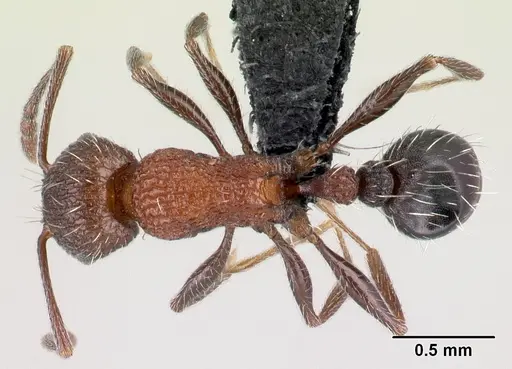
CASENT0449159
View on AntWeb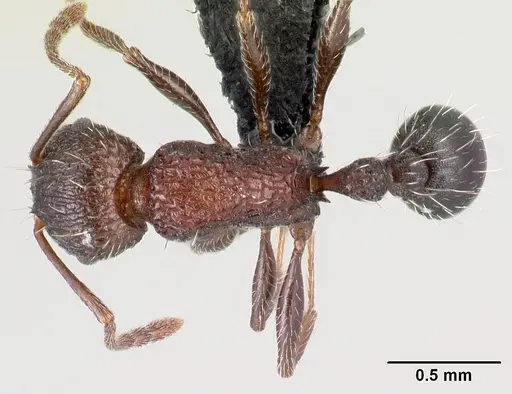
CASENT0455198
View on AntWeb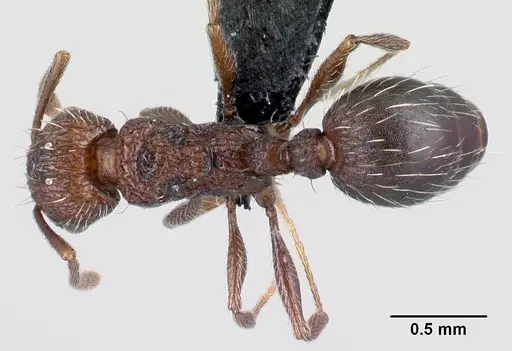
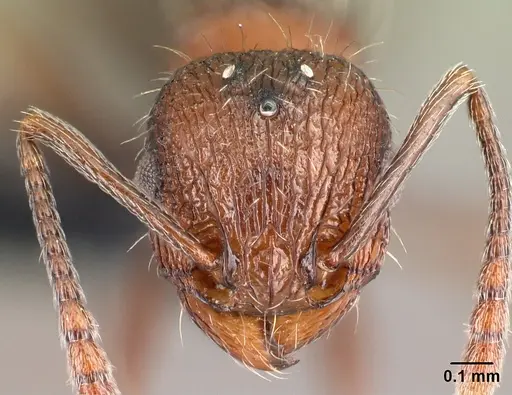
CASENT0455549
View on AntWeb
Literature
Loading distribution map...Loading products...