
Tetramorium lucidulum
- Sci. Name
- Tetramorium lucidulum
- Tribe
- Crematogastrini
- Subfamily
- Myrmicinae
- Author
- Menozzi, 1933
- Distribution
- Found in 2 countries
Introduction
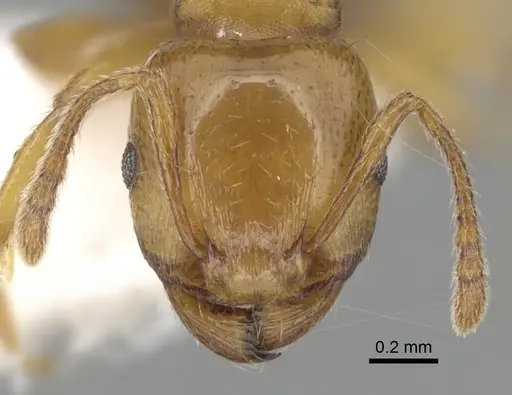
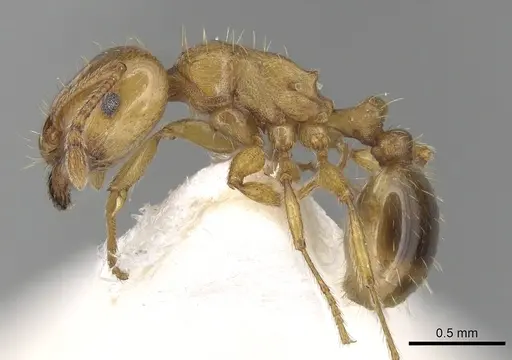
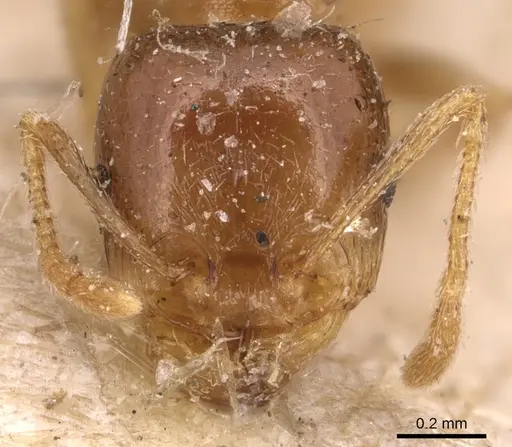
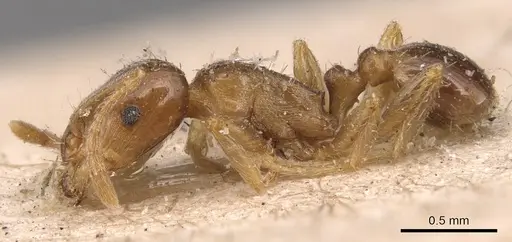
Tetramorium lucidulum is a small ant from the eastern Mediterranean, found in Israel, Turkey, Greece, Lebanon, and the Balkans . Workers are about 2-4 mm (estimated from genus patterns) with a smooth, shiny front part of the head - a feature that helps distinguish them from similar species . They nest under stones and in soil, often in hill‑mountain habitats . The species is part of a large, confusing complex in the eastern Mediterranean and Middle East, and identification can be tricky; some older records may mix multiple species . Their natural habitat is warm and mostly dry .
Quick Summary
- Difficulty: Easy
- Origin & Habitat: Eastern Mediterranean: Israel, Turkey, Greece, Lebanon, Syria, Jordan, Serbia, Montenegro [1][2][6]. Found in hill‑mountain areas, batha (shrubland), forest slopes, and alluvial soils, nests under stones and in soil [4][5].
- Colony Type: Likely monogyne (single queen) based on common Tetramorium patterns, but unconfirmed for this species.
- Size & Growth:
- Queen: ~5-7 mm, inferred from general Tetramorium size patterns
- Worker: ~2-4 mm, inferred from general Tetramorium size patterns
- Colony: No published data, likely several hundred workers at maturity (estimated from related species).
- Growth: Moderate
- Development: No published data for this species, related Tetramorium take about 6-8 weeks under warm conditions. (Timeline is an estimate, actual development may vary.)
- Antkeeping:
- Temperature: Keep warm, around 22-26 °C as a starting range. They come from a Mediterranean climate and slow down below 20 °C. A gentle gradient helps them choose their comfort zone [7].
- Humidity: Keep the nest substrate lightly moist but allow it to partially dry between waterings. These ants naturally inhabit dry to moderately damp soils. Avoid keeping the nest constantly wet [5].
- Diapause: Likely needed, a 2-3 month winter period at 10-15 °C matches their temperate home range. Reduce temperature gradually in autumn.
- Nesting: Y‑tong (AAC), plaster, or naturalistic soil‑under‑stone setups work well. Provide compact chambers and narrow passages. Avoid over‑humid setups, these ants prefer drier conditions.
- Behavior: Workers are active ground‑foragers. They are not aggressive to humans but will defend the nest. Because of their small size (2-4 mm), escape risk is high, use fluon or other barrier. They accept a range of protein and sugar foods. Their defense is a smear pattern: they wipe venom onto enemies rather than piercing with the stinger (typical of their tribe, Crematogastrini).
- Common Issues: small size means high escape risk, barriers are essential, overwatering can cause mold, they prefer drier conditions than many ants, slow founding growth, be patient, especially during first year, wild‑caught colonies may carry parasites that can kill the colony, identification uncertainty: syntypes may contain multiple species, so your colony might not match literature data exactly [3][6], temperatures below 20 °C for long periods will stall development
Housing and Nest Setup
Tetramorium lucidulum does well in Y‑tong (AAC) or plaster nests that provide dry to moderate humidity. A naturalistic setup with flat stones over soil mimics their wild nesting habits [4]. Chambers should be scaled for their small worker size, narrow passages prevent them from feeling lost. Avoid permanently wet substrates. An outworld with a lid and escape‑proof barriers (fluon, PTFE) is a must because workers are tiny and can slip through very small gaps. A test tube setup works fine until the colony reaches 30-50 workers.
Feeding and Diet
Like most Tetramorium, T. lucidulum is omnivorous. Offer small protein insects (fruit flies, pinhead crickets, small mealworms) and sugar water or honey water. They also collect seeds if available. Feed protein 2-3 times per week, keep sugar water always accessible. Remove leftovers after 24 h to avoid mold. During founding, give very small pieces so the queen can manage them. No specific dietary studies exist for this species, so variety is key.
Temperature and Seasonal Care
Maintain temperatures around 22-26 °C for active growth. They are from a warm Mediterranean area and activity drops below 20 °C [7]. In winter, provide a 2-3 month diapause at 10-15 °C to match natural seasonality. Cool them down gradually. Avoid sudden temperature swings. A heating mat on one side of the nest creates a useful gradient.
Humidity and Water
These ants prefer dry to moderately moist conditions. Keep the nest substrate lightly damp but let it dry a little between waterings. Avoid waterlogged conditions that encourage mold [5]. A water tube in the outworld gives them another drinking source. In a Y‑tong nest, you can moisten one corner while leaving the rest drier.
Colony Development
No published data exists on founding or early colony growth for T. lucidulum. Related Tetramorium species are claustral, the queen seals herself in and raises the first workers from stored fat, but this is unconfirmed here. Expect nanitics (first workers) to be smaller than later workers. Colony growth is moderate, a mature colony may hold a few hundred workers (estimated from genus patterns). Be patient during the first months, avoid disturbing a founding queen.
Behavior and Temperament
Workers actively forage on the ground in trails. They are not aggressive toward humans but will defend the nest if provoked. Their defense is a smear of venom rather than a sting (typical of the tribe Crematogastrini). Because workers are only 2-4 mm, they can easily escape if barriers are not secure. They adapt well to captivity once established. No specific behavioral studies exist for this species, so observations from related Tetramorium apply.
Frequently Asked Questions
How long does it take for Tetramorium lucidulum to produce first workers?
No published data. Related Tetramorium take about 6-8 weeks at 22-26 °C. Use that as a rough guide.
What temperature do Tetramorium lucidulum ants need?
Aim for 22-26 °C. They come from a warm Mediterranean region and slow down below 20 °C [7].
Do Tetramorium lucidulum ants need hibernation?
Yes, a winter diapause of 2-3 months at 10-15 °C is recommended to match their natural seasonal cycle.
Are Tetramorium lucidulum good for beginners?
They are rated Easy, they accept a wide range of foods and are not delicate. However, their small size requires good escape prevention, and the first few months can be slow.
How big do Tetramorium lucidulum colonies get?
No exact data. Based on other Tetramorium, expect a few hundred workers at most.
Can I keep multiple Tetramorium lucidulum queens together?
Not known for this species. Generally, unrelated Tetramorium queens fight, so start with one queen.
What do Tetramorium lucidulum ants eat?
Omnivorous, offer small insects and sugar water. Seeds are also accepted. Keep honey water available.
Do Tetramorium lucidulum ants sting?
They belong to a tribe (Crematogastrini) that uses a smearing defense rather than a piercing sting. The sting is modified to wipe venom. It is mild to humans.
What humidity level is best for Tetramorium lucidulum?
Keep the nest substrate lightly moist but not wet. They come from dry Mediterranean habitats, so avoid constant humidity [5].
When should I move my Tetramorium lucidulum colony to a formicarium?
Wait until the colony has at least 30-50 workers. Before that, a test tube is ideal. Early moves can stress the colony.
Where is Tetramorium lucidulum found in the wild?
Eastern Mediterranean: Turkey, Greece, Israel, Lebanon, Syria, Jordan, Serbia, Montenegro. They nest under stones and in soil in hill‑mountain areas [1][2][4].
Why is my Tetramorium lucidulum colony not growing?
Check temperature first, they need warmth (22-26 °C). Also avoid over‑watering. Slow growth is normal in the first year. Parasites from wild‑caught queens are another possible cause.
Report an Issue
The current care sheet is based fully on literature. See inconsistencies, or something that's incorrect? Please , it will be resolved after review from an admin. Contributing to the blogs tab also helps providing information, to make us be able to further improve the caresheets. Thank you for your support!
References

This caresheet is licensed under CC BY-SA 4.0 .
Community Blogs
CASENT0249424
View on AntWeb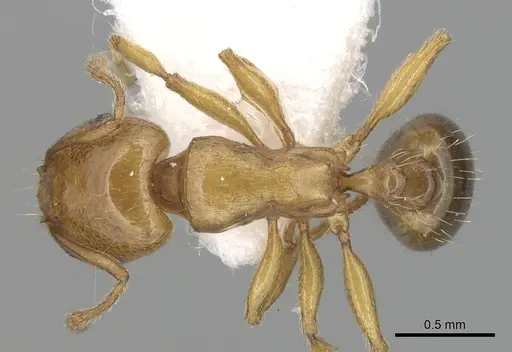
CASENT0904824
View on AntWeb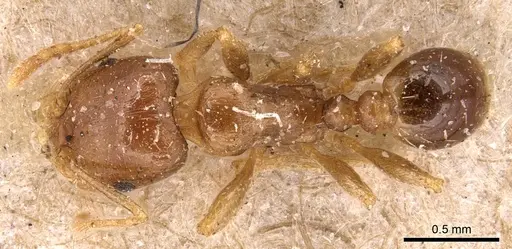
Literature
Loading distribution map...Loading products...