
Tetramorium lucayanum
- Sci. Name
- Tetramorium lucayanum
- Tribe
- Crematogastrini
- Subfamily
- Myrmicinae
- Author
- Wheeler, 1905
- Distribution
- Found in 7 countries
Introduction
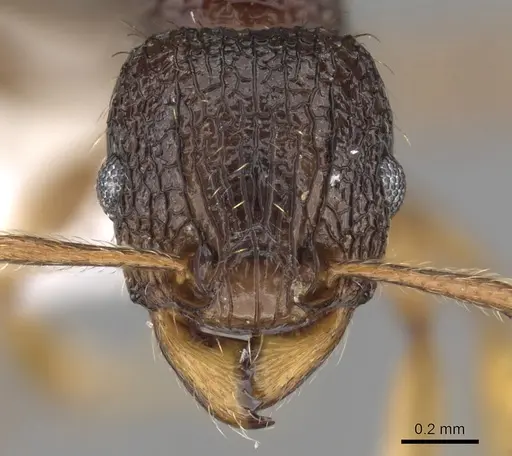
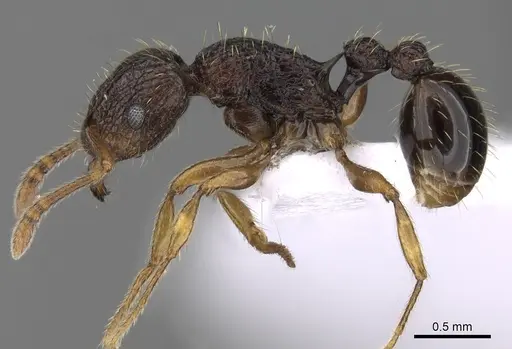
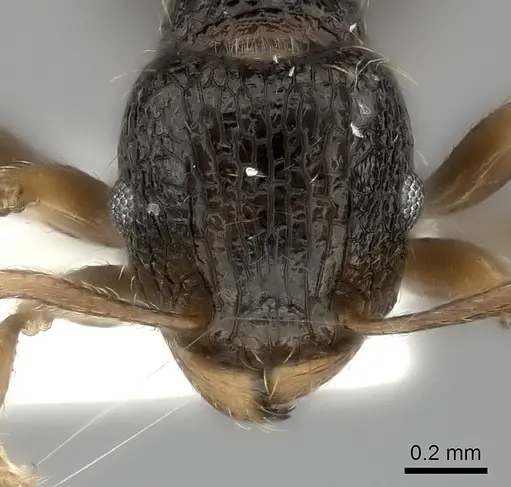
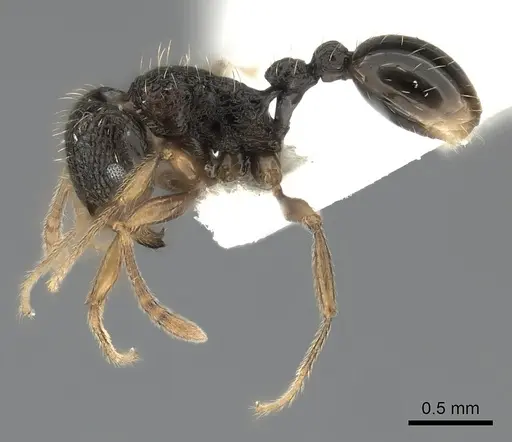
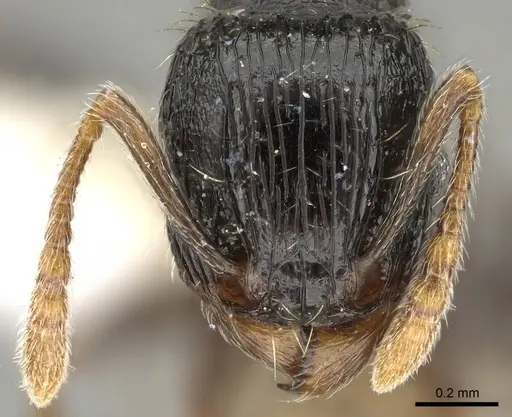
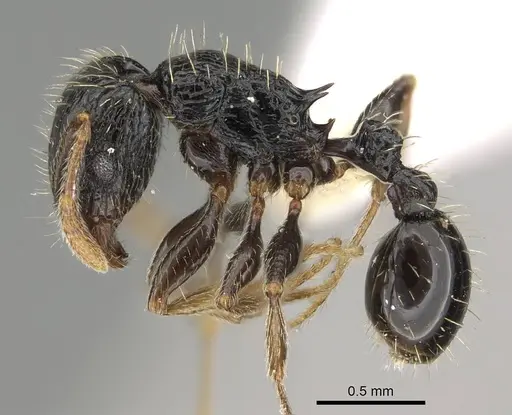
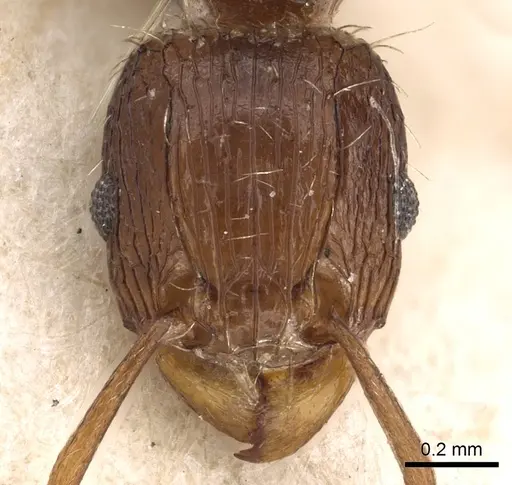
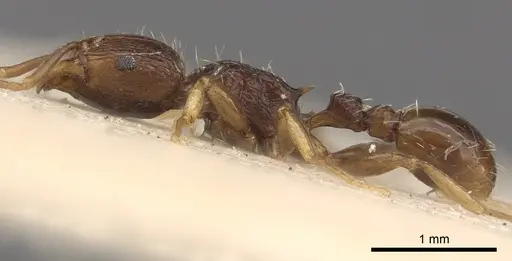
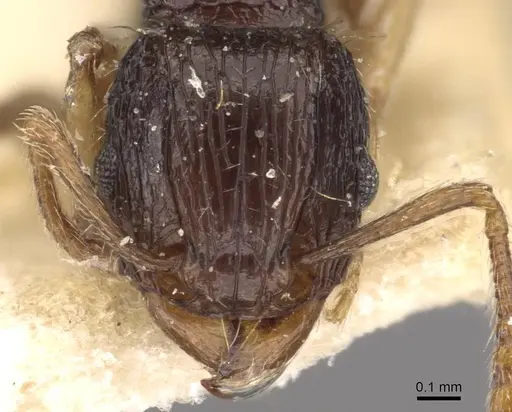
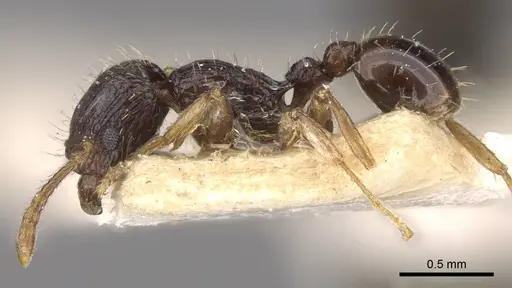
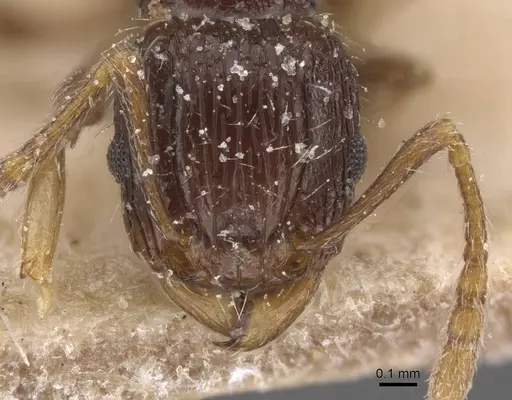
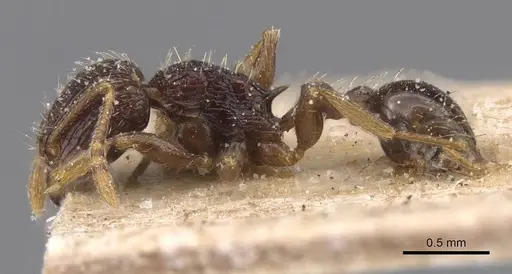
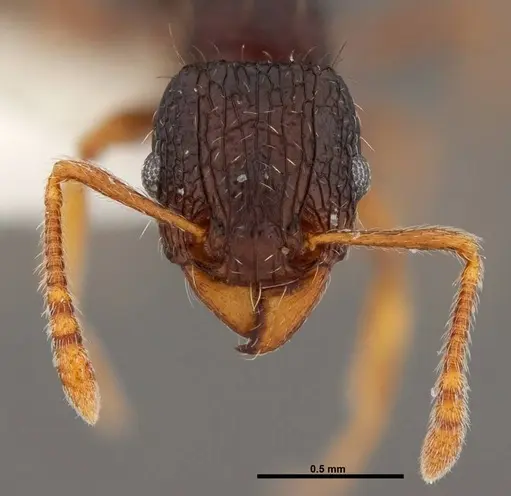
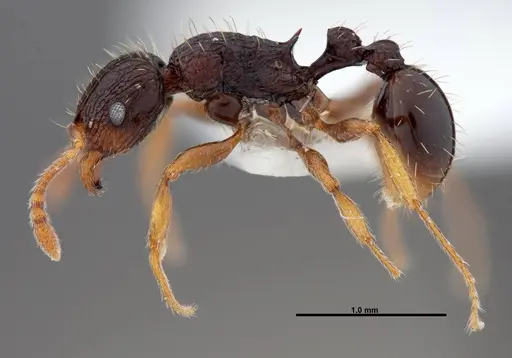
Tetramorium lucayanum is a small, shiny ant with a dark brown to black body and lighter brown legs and antennae. Workers measure 2.8-3.3 mm . Originally described from the Bahamas in 1905,this species is actually native to tropical Africa, where it occurs across 12 countries from Sierra Leone to Kenya . It has spread worldwide through human commerce, becoming established in the Caribbean, Brazil, the Galapagos Islands, and even in greenhouses in Ireland and Italy . This tramp species thrives in diverse habitats including forests, beaches, agricultural areas, and urban centers . Workers have propodeal spines typical of the genus and a distinctive shining appearance. They are members of the Tetramorium camerunense species group .
Quick Summary
- Difficulty: Easy
- Origin & Habitat: Native to tropical Africa (Sierra Leone to Kenya). Introduced to the Bahamas, Caribbean islands, Brazil, Galapagos, and southern Europe. Found in forests, beaches, agricultural areas, botanical gardens, and urban centers [1][3].
- Colony Type: Likely single-queen colonies (monogyne) based on field observations. Colonies are small, found under stones, beneath tree bark, or in dead wood [1][3].
- Size & Growth:
- Queen: Size data unavailable (queen described but measurements not published) [2]
- Worker: 2.8-3.3 mm [1][2]
- Colony: Small colonies, exact maximum unknown. Typically under stones with small worker numbers [1].
- Growth: Moderate (estimated based on similar tropical Tetramorium)
- Development: 6-8 weeks (estimated for similar tropical Tetramorium at 25-28°C, no direct data for this species) (Development time is inferred from related species. Direct measurements for T. lucayanum are unavailable.)
- Antkeeping:
- Temperature: Tropical species that needs warm conditions. Keep at 24-28°C, avoid drops below 20°C [1].
- Humidity: Moderate to high. In the wild they nest in leaf litter, dead wood, and near termite nests, suggesting damp but not waterlogged conditions [1][3].
- Diapause: No. This tropical species does not require hibernation. Maintain stable warmth year-round [1].
- Nesting: Accepts test tubes for founding, then Y-tong, plaster, or soil nests. Provide small, tight chambers. Avoid acrylic nests. In nature they use dead wood, bark crevices, and under stones [1][3].
- Behavior: Workers are active foragers that search for food on the ground. They are opportunistic, eating flesh and tending aphids for honeydew [1]. Not particularly aggressive but will defend their nest. Their defense is to smear venom rather than sting (typical of their tribe, Crematogastrini). At under 4 mm, they are tiny, use fine mesh to prevent escapes. They are not strong climbers, but proper barriers are needed [1].
- Common Issues: small colony size makes founding colonies fragile, avoid disturbance during founding, tropical species cannot tolerate cold, keep above 24°C, prefers protein-rich food, sugar alone is not enough, tiny size requires fine mesh barriers to prevent escapes, introduced species, never release colonies into the wild outside their native African range
Housing and Nest Preferences
Tetramorium lucayanum is not picky about nesting. In the wild, they nest under stones, beneath bark of tree stumps, in dead wood on the ground, in crevices of living trees (including cocoa), and even inside termite nests [1][3]. For captivity, start with a test tube setup for the founding queen. Once the colony has 20+ workers, move them to a Y-tong, plaster, or soil nest with small chambers. Avoid acrylic nests, they prefer tight spots. Provide a moisture reservoir (e.g., a test tube with water) to keep the nest damp but not flooded. Because the ants are small, make sure connections to the outworld are no more than a few mm wide. They are not strong climbers, so a lid with fine mesh or fluon barrier works [1].
Feeding and Diet
These ants are opportunistic feeders with a preference for protein. In the wild, they eat mainly flesh and also tend aphids for honeydew [1]. Offer a varied diet: small live insects (fruit flies, pinhead crickets, mealworms), dead insects, and protein-based commercial foods. Provide sugar water or honey as a carbohydrate source. Feed protein 2-3 times per week and keep sugar water available. Remove any uneaten prey after 24 hours to avoid mold. Because colonies are small, offer small portions [1].
Temperature and Seasonal Care
As a tropical species native to Africa and now widespread in the Caribbean and South America, Tetramorium lucayanum needs warmth. Keep the nest area at 24-28°C for healthy development. They have been recorded outdoors up to 25.1°N (Nassau, Bahamas), so they can handle subtropical conditions, but they thrive with consistent heat [1]. Use a heating cable on one side of the nest to create a gradient. No diapause needed, keep temperatures stable year-round. Avoid anything below 20°C for long periods [1].
Behavior and Colony Dynamics
Tetramorium lucayanum forms small colonies. In Cuba they live under stones, in Puerto Rico beneath tree bark or in concrete cracks [1][5]. Workers are active foragers, searching on the ground and along walls [6]. They are not aggressive but will defend their nest. Their main defense is to smear a venom from a modified stinger (a trait of their tribe Crematogastrini). This species is a tramp ant spread by human commerce, but in the Caribbean it is rare and has no known ecological impact [1]. Colony growth is moderate. Workers are about 3 mm, make sure any openings in the setup are small enough to prevent escapes. They may share space with termites in nature, but in captivity keep them alone [1].
Field Identification Tips
Workers are 2.8-3.3 mm, shiny dark brown to black, with lighter brown appendages [1]. They have propodeal spines and are part of the Tetramorium camerunense species group. The dorsal surfaces of the petiole and postpetiole have distinct rugulose sculpture (wrinkles) [2]. They look similar to other tramp Tetramorium (like T. bicarinatum) but are darker and have different sculpture on the petiole. If you find this ant outside its native African range or its introduced areas (Caribbean, Brazil, Europe), it is likely an introduced population [1].
Frequently Asked Questions
Is Tetramorium lucayanum a good beginner ant?
Yes, this species is beginner-friendly. They are small but hardy, tolerate a range of conditions, and are not aggressive. No hibernation needed and they accept various nest types. Main needs: warm temperature (24-28°C) and protein-rich food. Their small colony size means they are less spectacular than larger ants, but still rewarding [1].
How long does it take for the first workers to emerge?
No direct data for this species. Based on similar tropical Tetramorium, expect about 6-8 weeks from egg to first worker at around 26°C. The queen (presumably claustral) raises the first brood on stored reserves. Be patient and avoid disturbing the founding chamber [1].
Do Tetramorium lucayanum ants sting?
They have a stinger, but it is modified to smear venom rather than inject it. Stings are very mild given their small size. They are not aggressive and will only defend if the nest is threatened. For practical purposes, they are harmless to humans [2].
Can I keep multiple queens together?
This species is thought to be monogyne (single queen). Combining foundresses is not recommended as they will likely fight. In the wild, colonies have one queen. If you catch a queen, house her alone in a test tube until the first workers appear [1].
What do Tetramorium lucayanum eat?
They are opportunistic but prefer protein. Offer small live insects (fruit flies, small crickets, mealworms), dead insects, or protein-based ant food. They also take sugar water or honey. Feed protein 2-3 times a week and keep sugar water available. Remove leftover food after 24 hours [1].
How big do Tetramorium lucayanum colonies get?
Colonies remain small, no reliable population estimates exist. In the wild they are described as 'small colonies under stones' [1]. They probably stay under a few hundred workers. This makes them suitable for keepers who want a manageable colony that won't outgrow its nest quickly [1].
Do they need hibernation or diapause?
No. As a tropical species, they are active year-round. Keep temperatures at 24-28°C. A slight winter reduction is fine, but avoid temperatures below 20°C [1].
Why are my ants dying?
Common causes: too cold (below 20°C), overfeeding leading to mold, disturbance during founding, or starvation (need protein). Keep temperature stable, offer protein regularly, and leave the queen alone during founding. Small colonies are fragile, patience is key [1].
What is the best nest type for Tetramorium lucayanum?
Start with a test tube for founding. Once established (20+ workers), Y-tong, plaster, or soil nests with small chambers work well. They prefer tight spaces. Avoid acrylic nests. Provide a moisture tube, they like damp but not wet conditions. Because they are tiny, seal all connections properly [1][3].
Report an Issue
The current care sheet is based fully on literature. See inconsistencies, or something that's incorrect? Please , it will be resolved after review from an admin. Contributing to the blogs tab also helps providing information, to make us be able to further improve the caresheets. Thank you for your support!
References

This caresheet is licensed under CC BY-SA 4.0 .
Community Blogs
CASENT0217212
View on AntWeb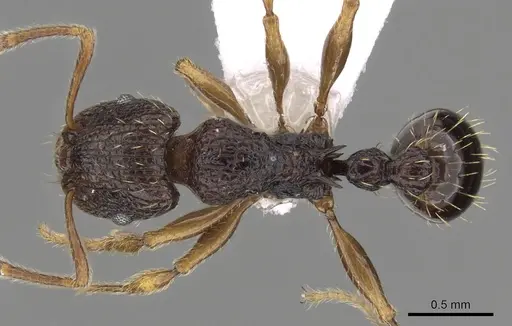
CASENT0217971
View on AntWeb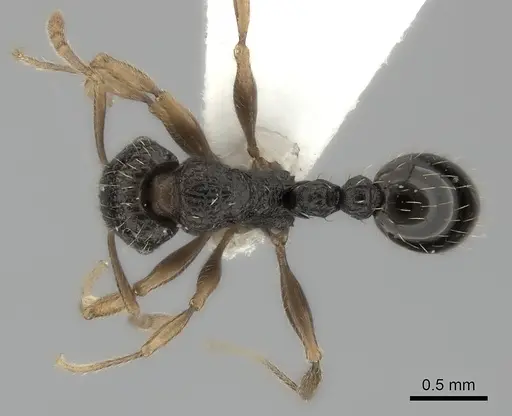
CASENT0371454
View on AntWeb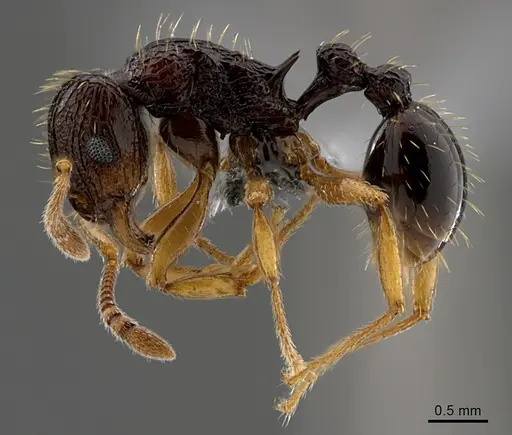
CASENT0625424
View on AntWeb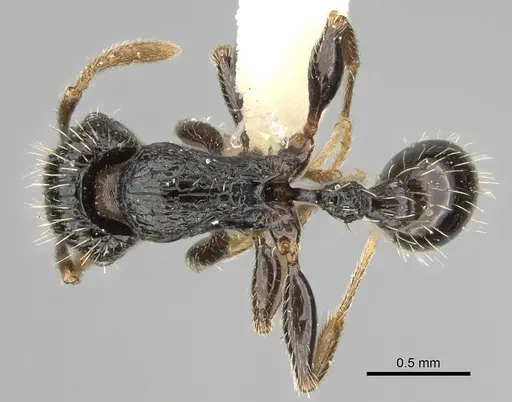
CASENT0901206
View on AntWeb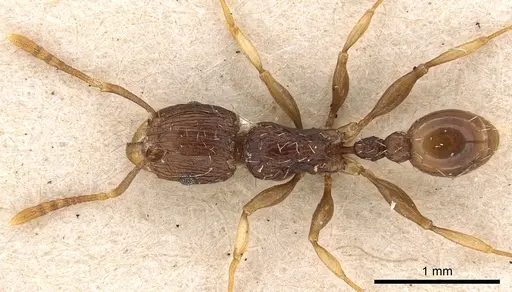
CASENT0909174
View on AntWeb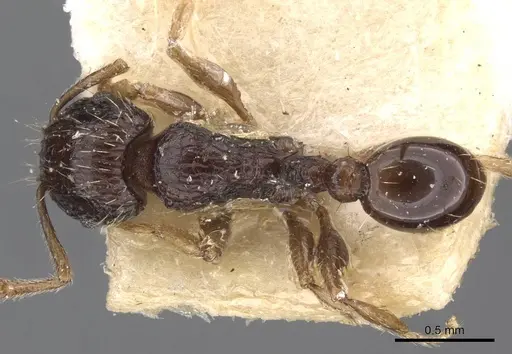
CASENT0915025
View on AntWeb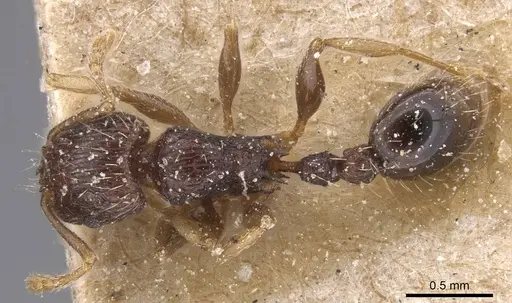
FMNHINS0000047312
View on AntWeb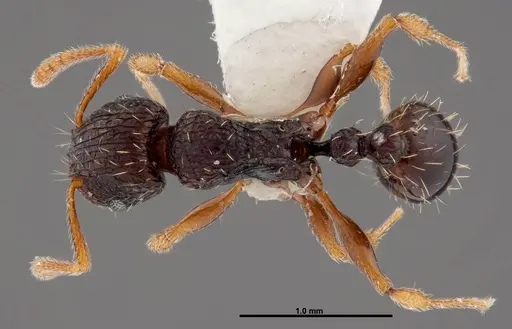
Literature
Loading distribution map...Loading products...