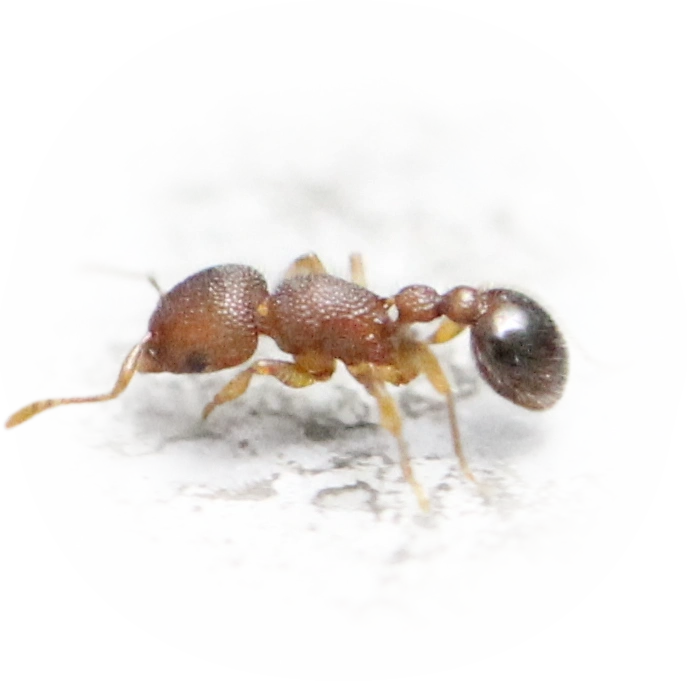
Downy Pennant Ant
Tetramorium lanuginosum
- Sci. Name
- Tetramorium lanuginosum
- Tribe
- Crematogastrini
- Subfamily
- Myrmicinae
- Author
- Mayr, 1870
- Common Name
- Downy Pennant Ant
- Distribution
- Found in 17 countries
Introduction
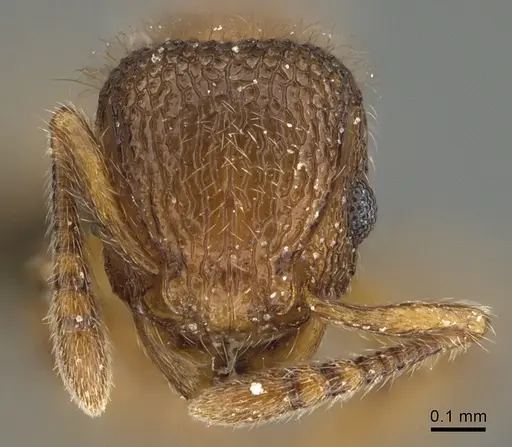
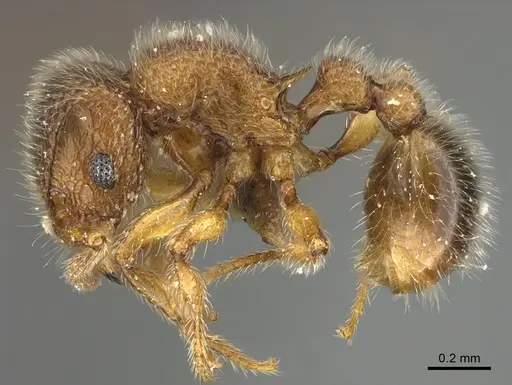
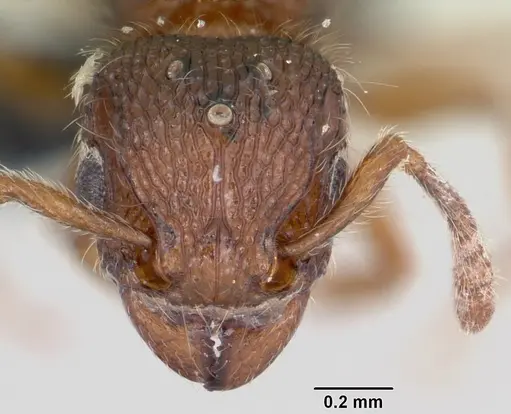
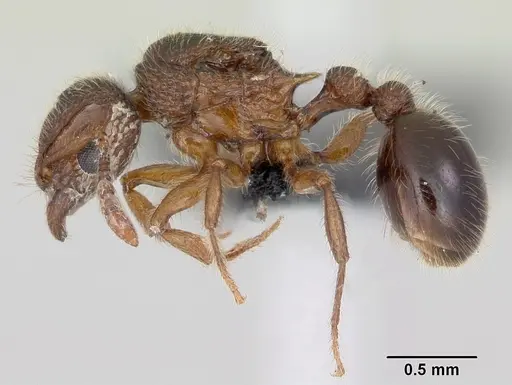
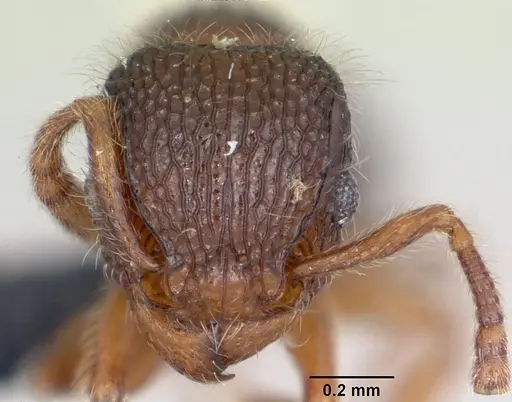
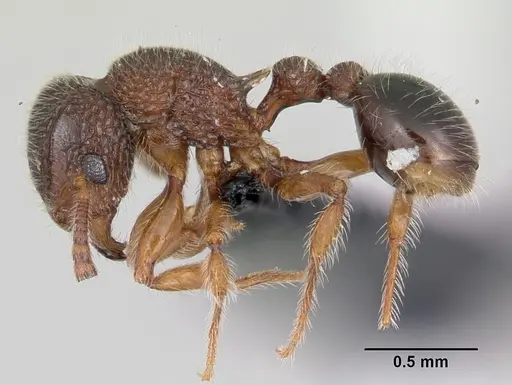
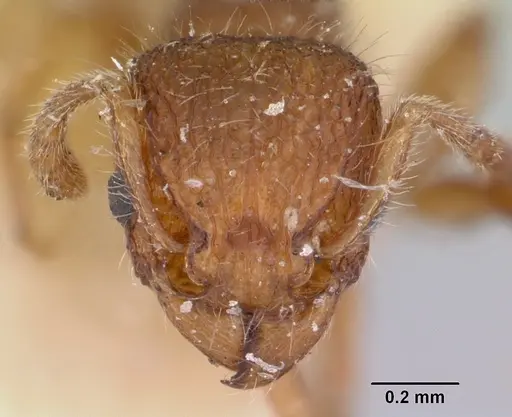
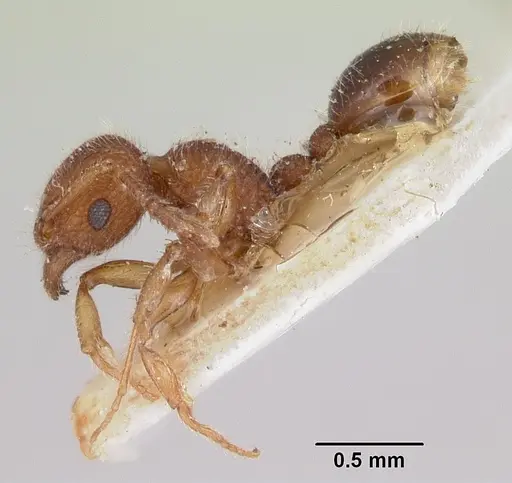
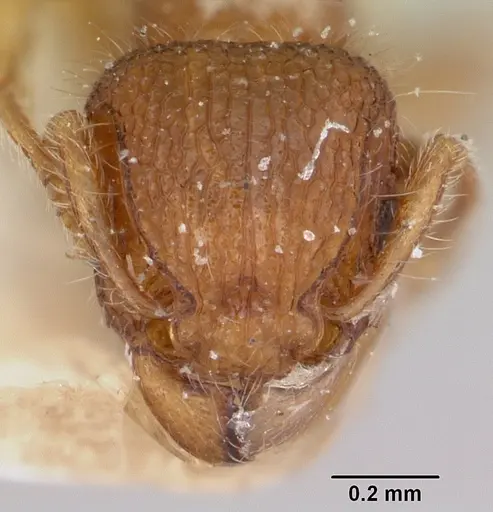
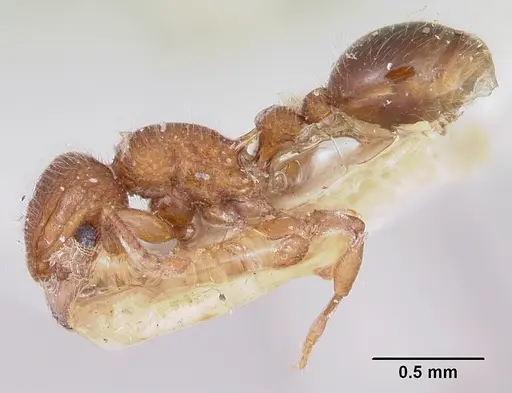
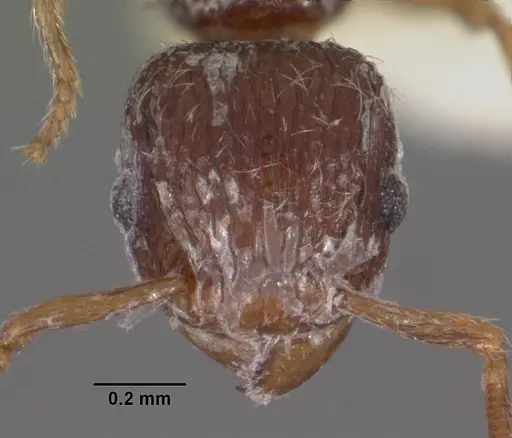
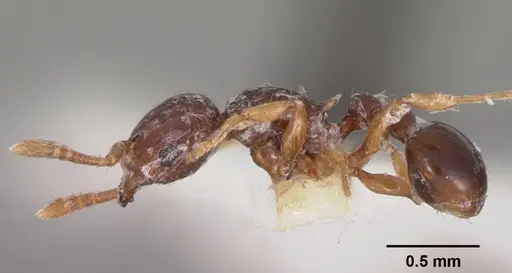
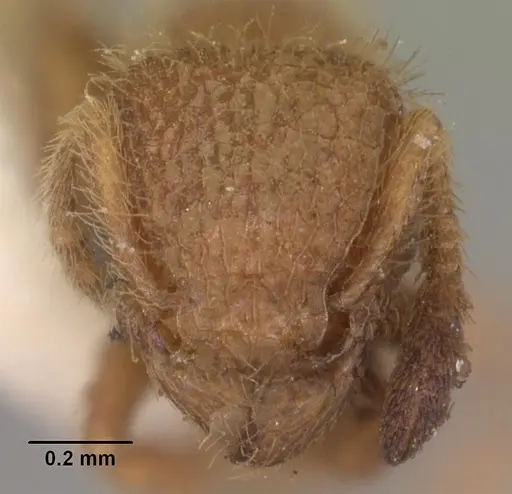
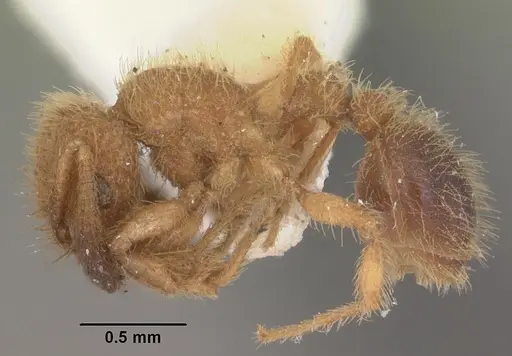
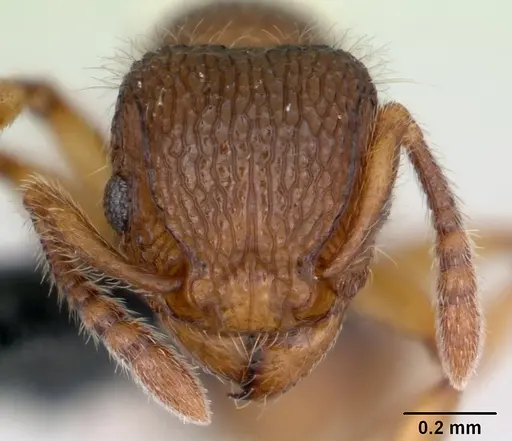
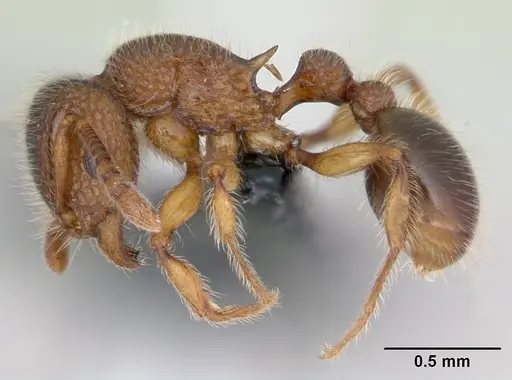
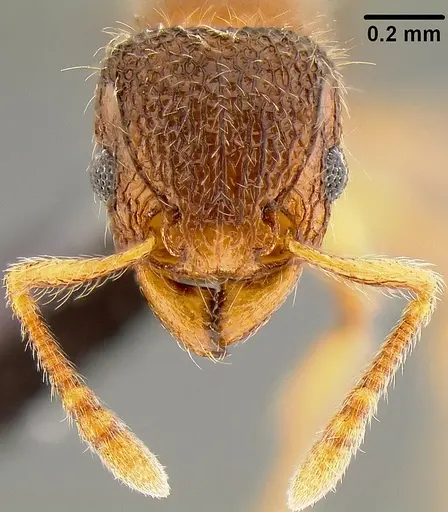
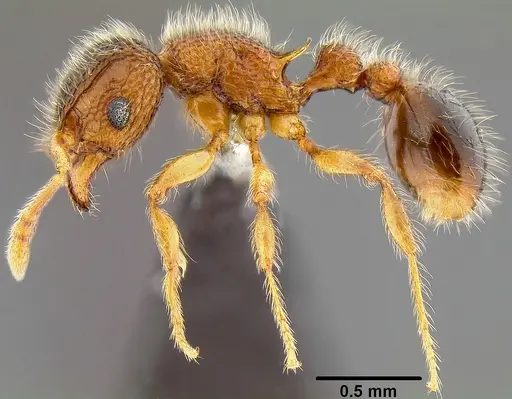
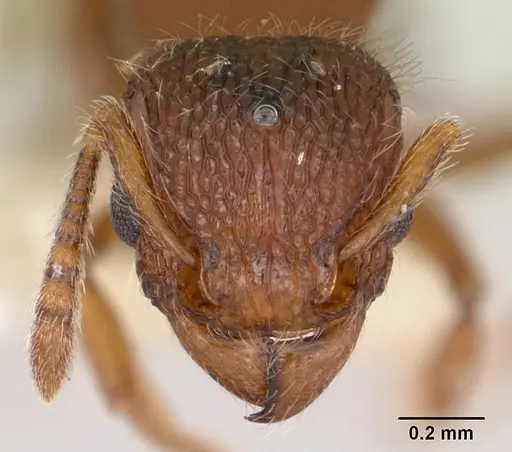
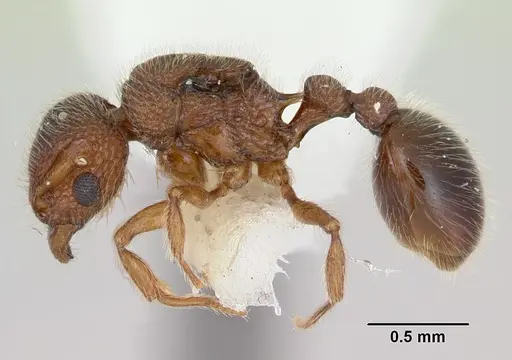
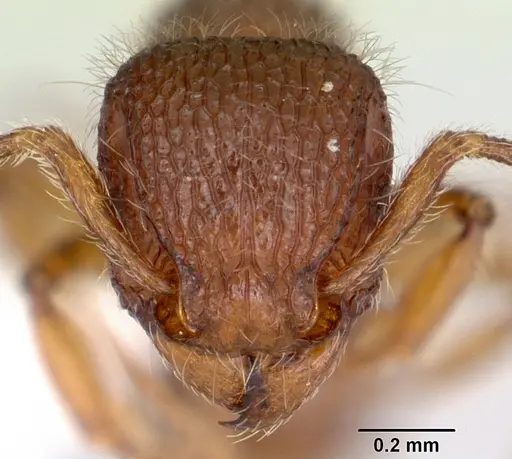
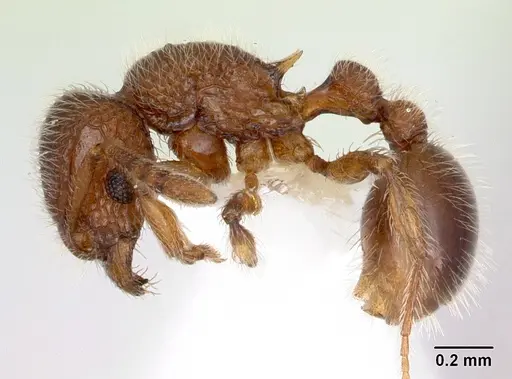
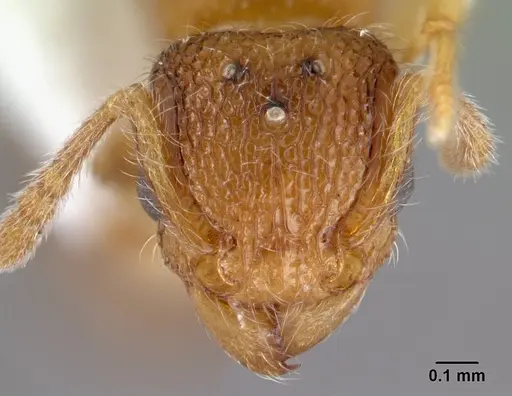
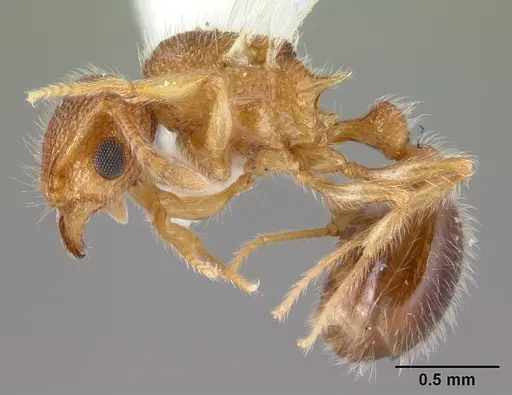
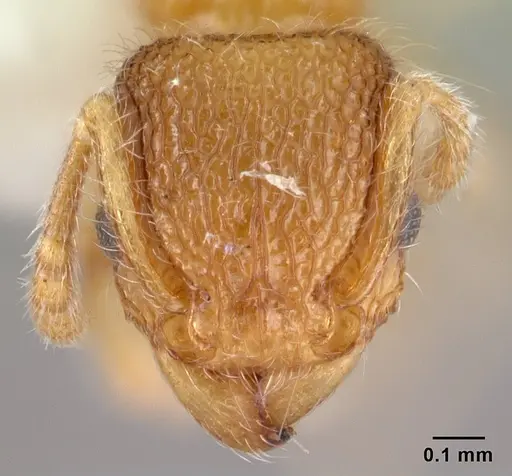
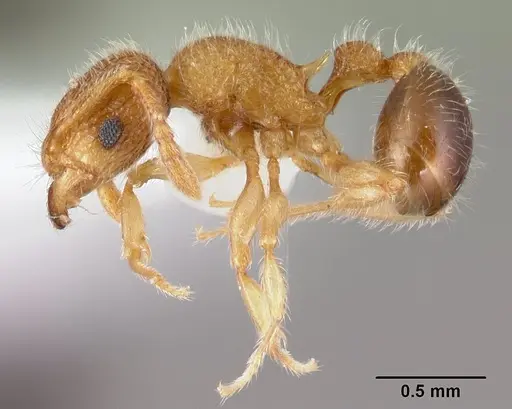
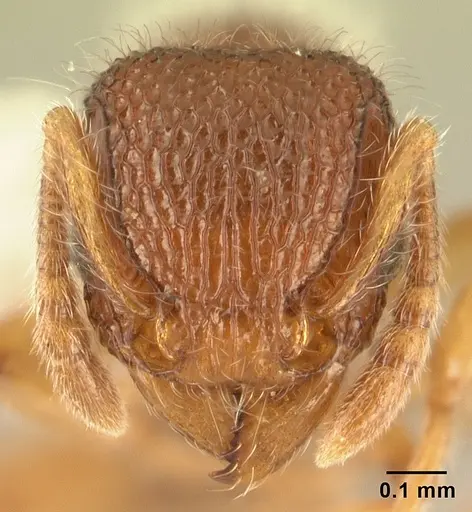
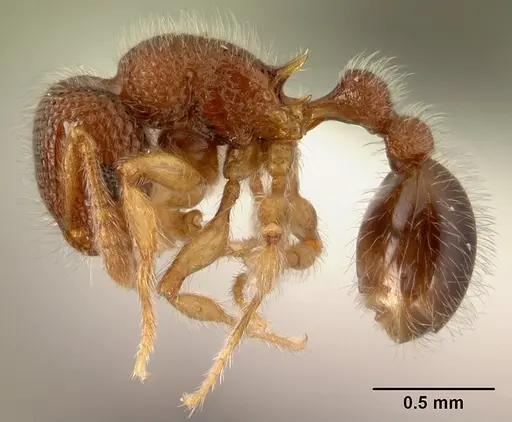
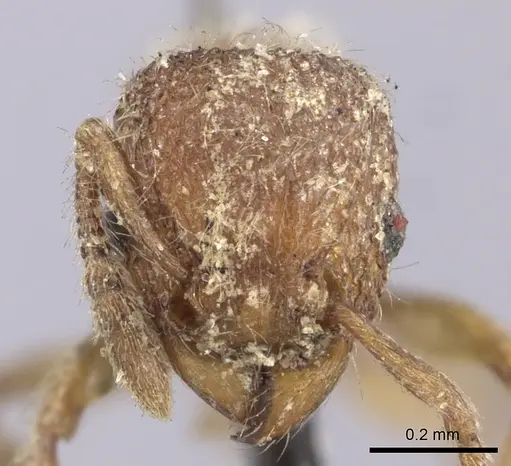
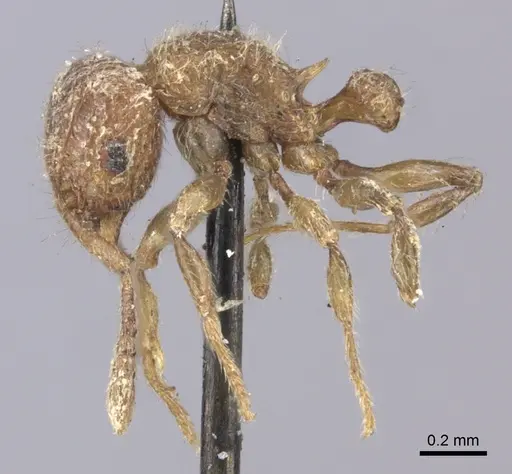
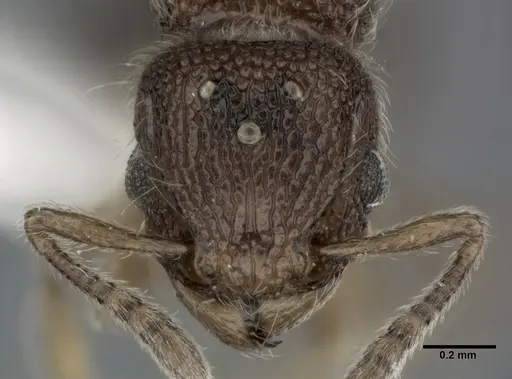
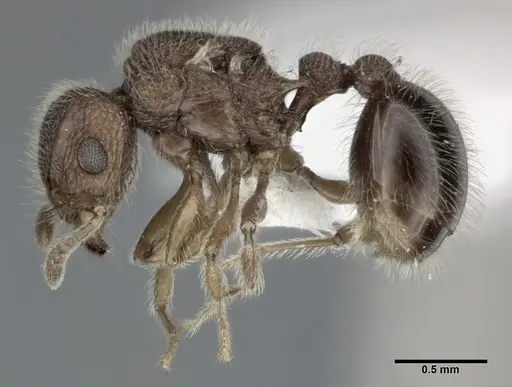
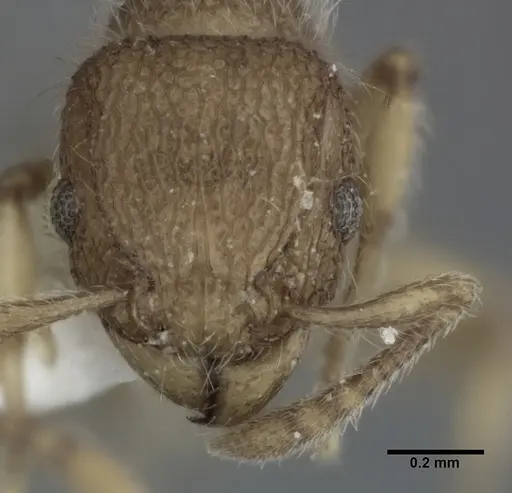
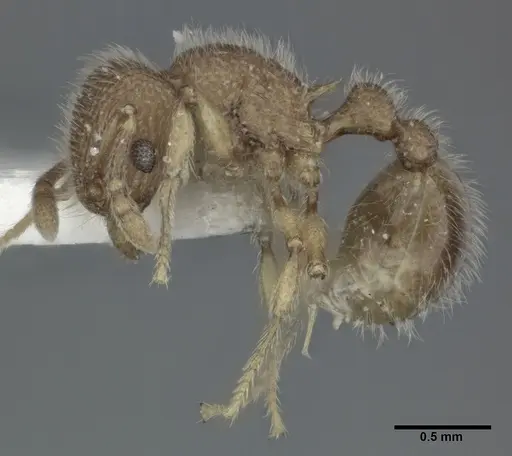
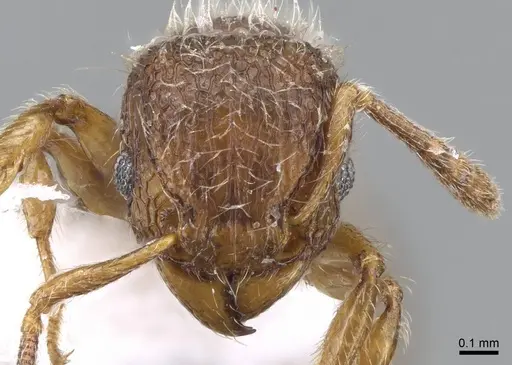
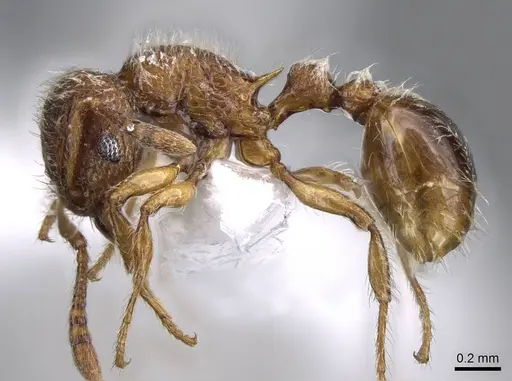
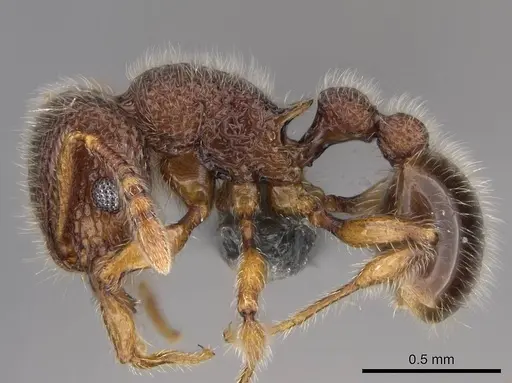
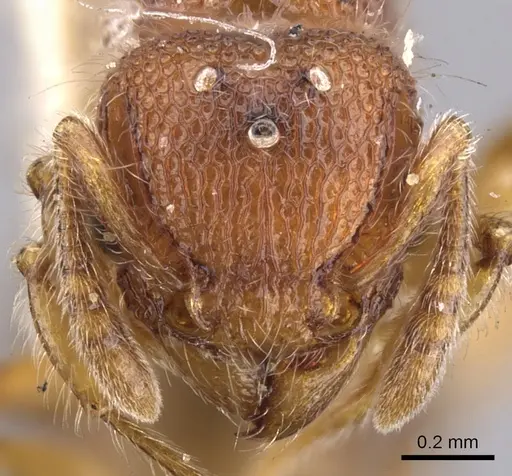
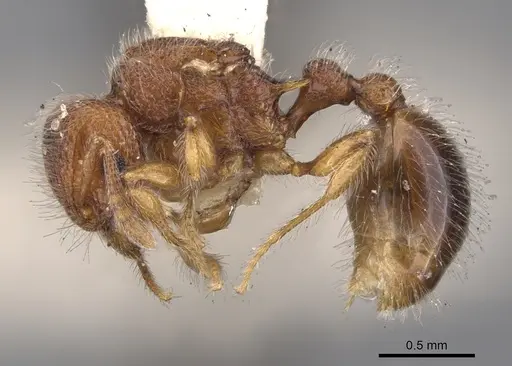
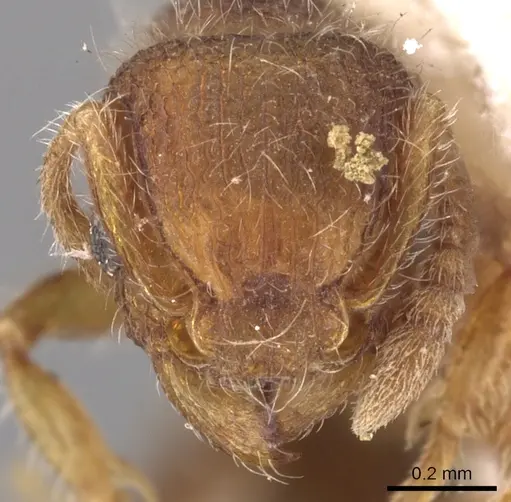
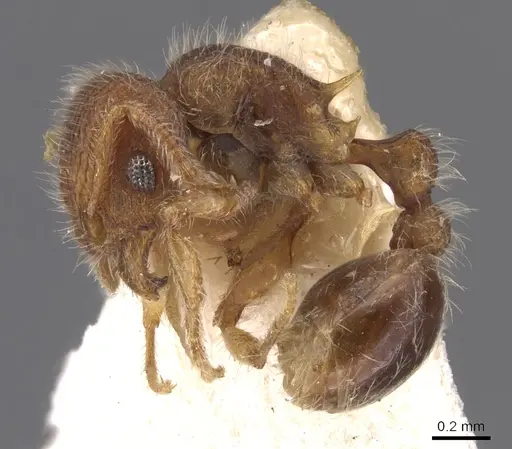
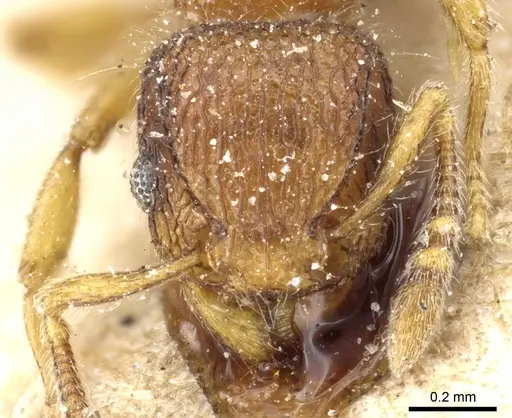
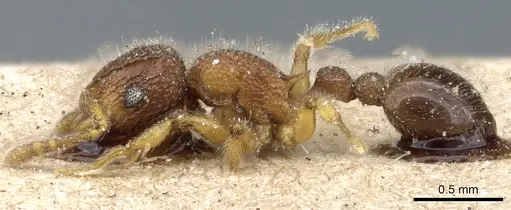
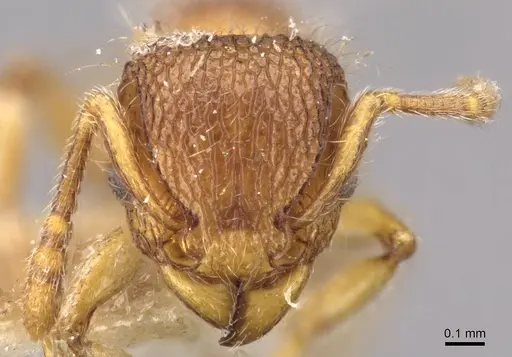
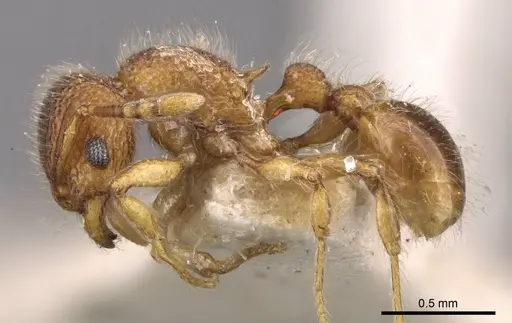
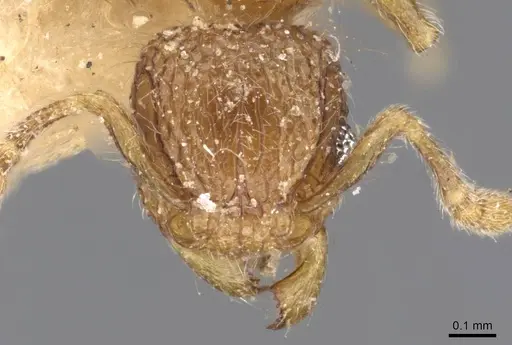
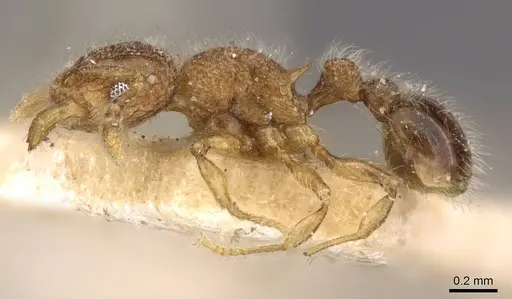
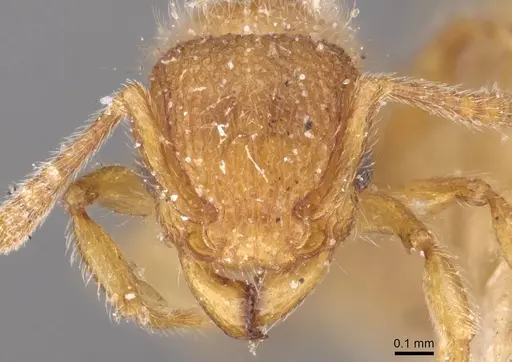
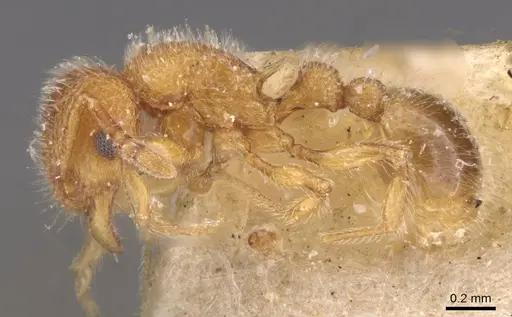
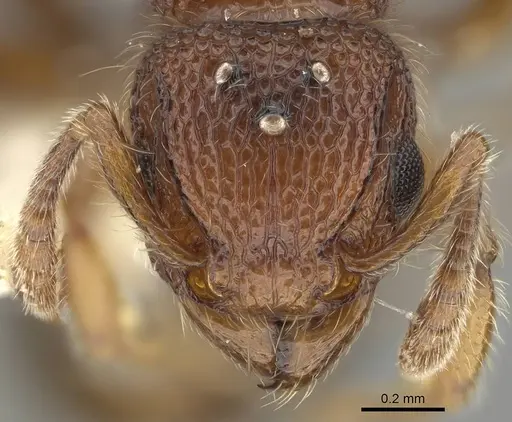
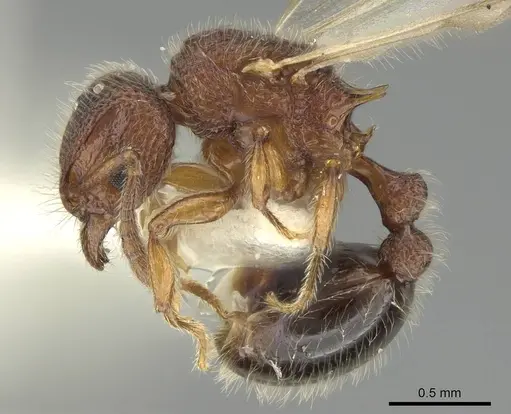
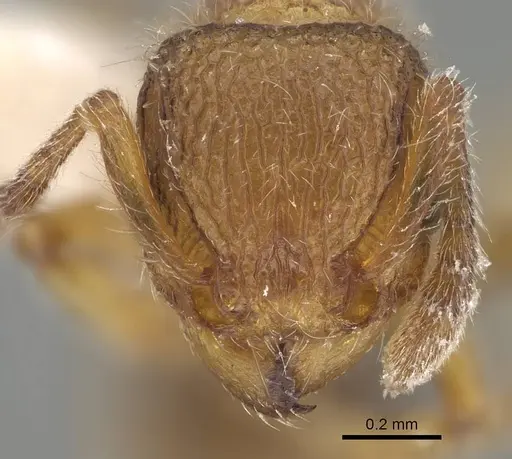
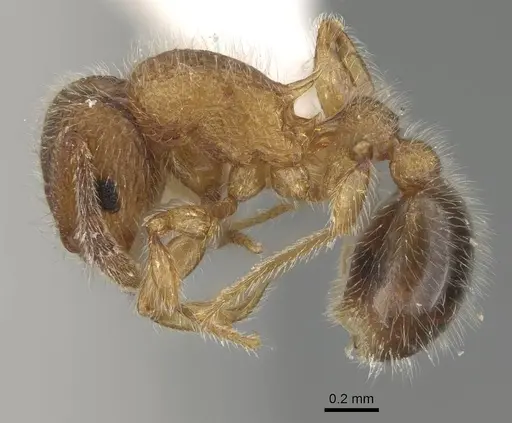
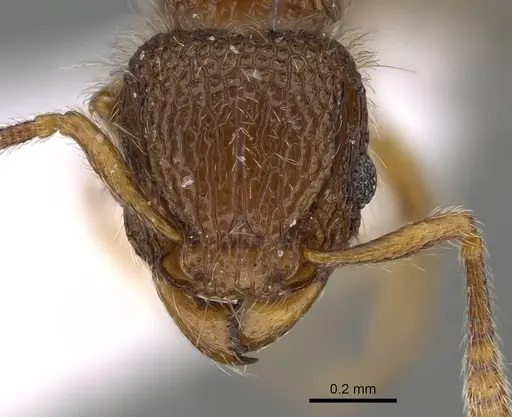
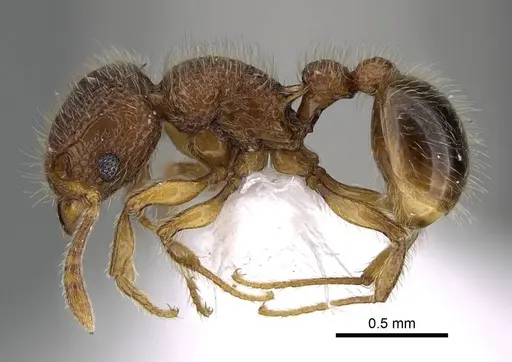
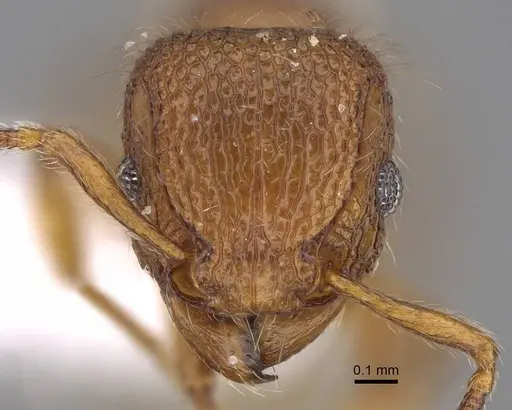
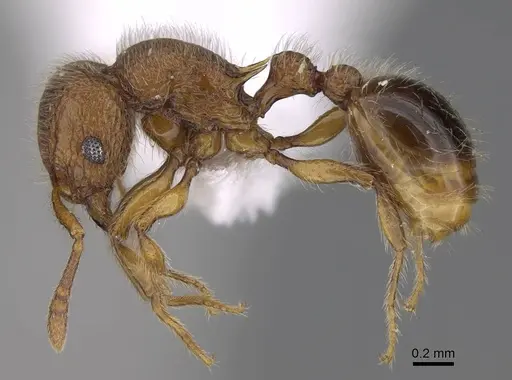
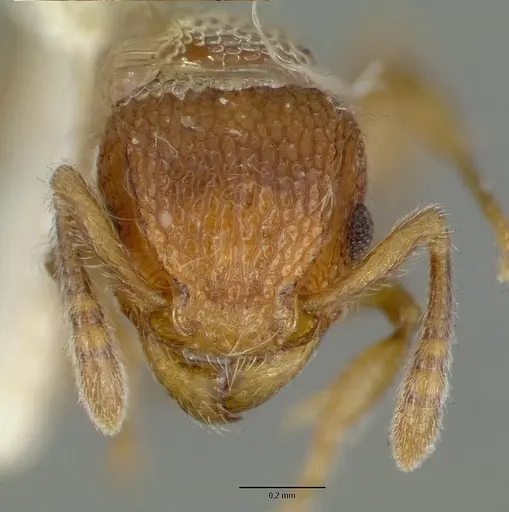
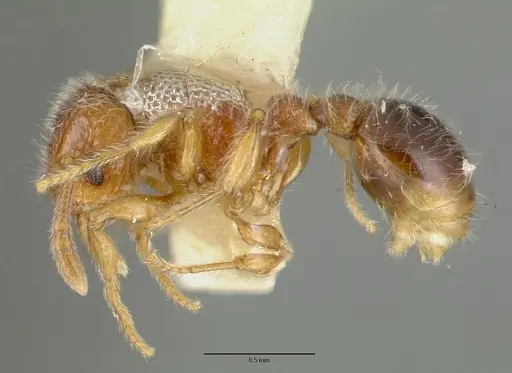
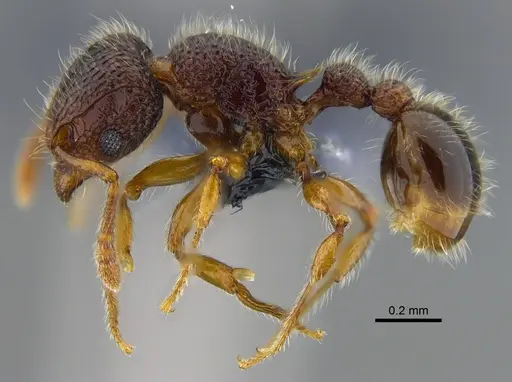
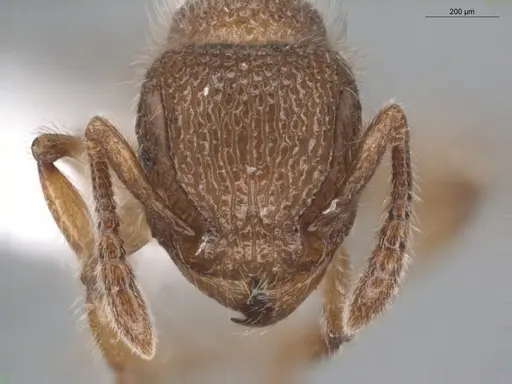
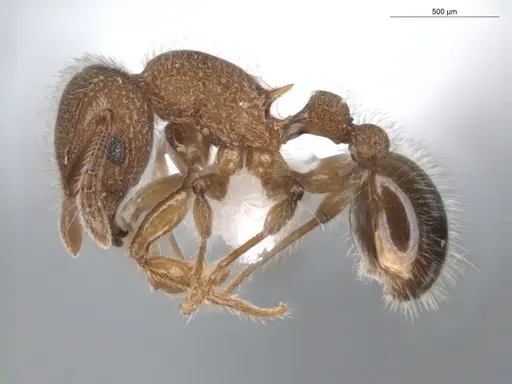
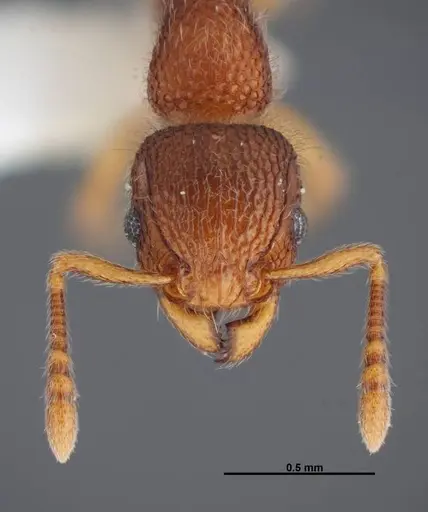
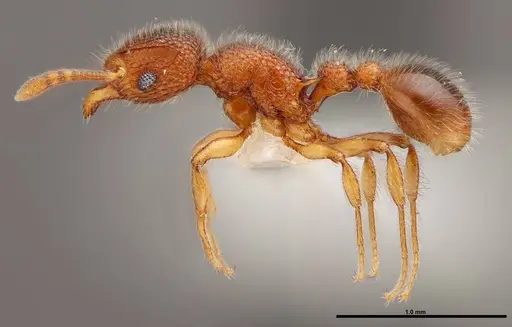
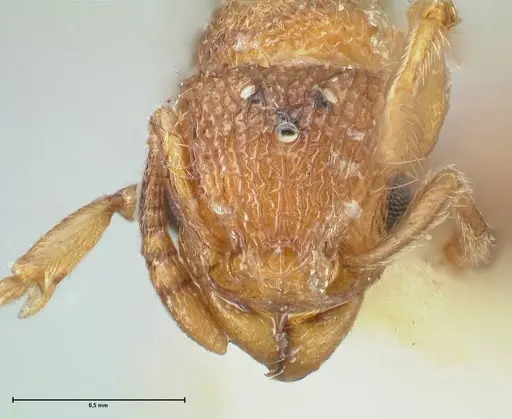
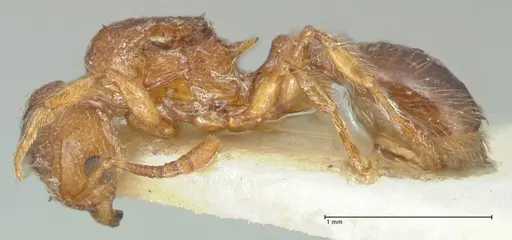
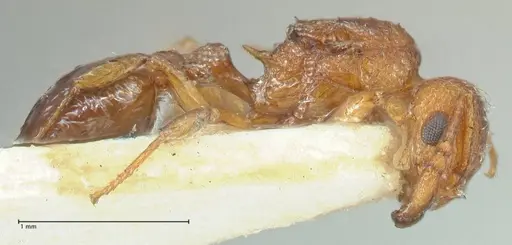
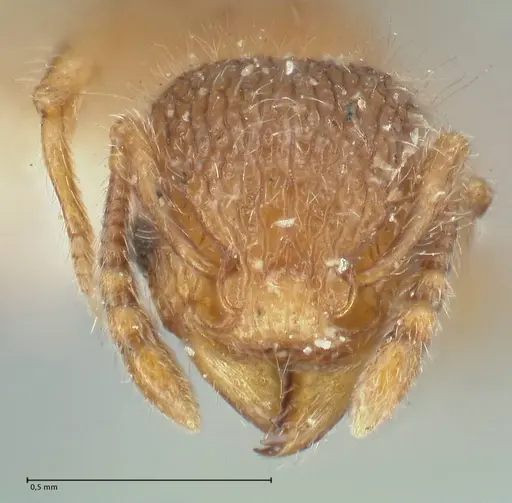
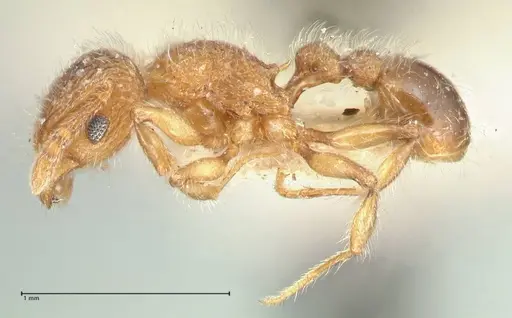
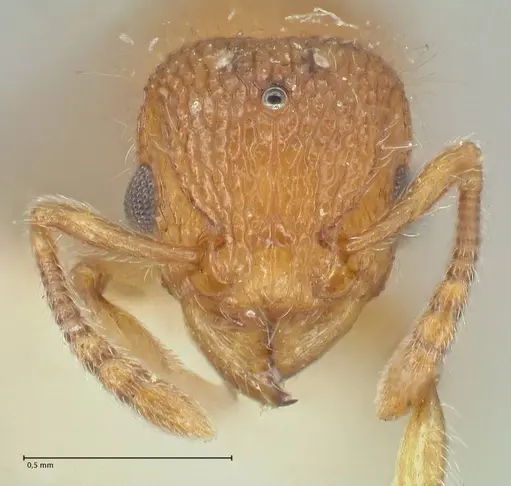
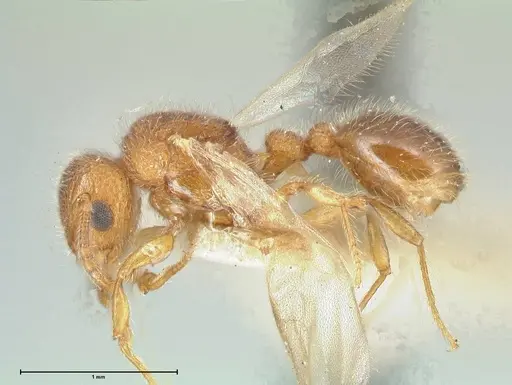
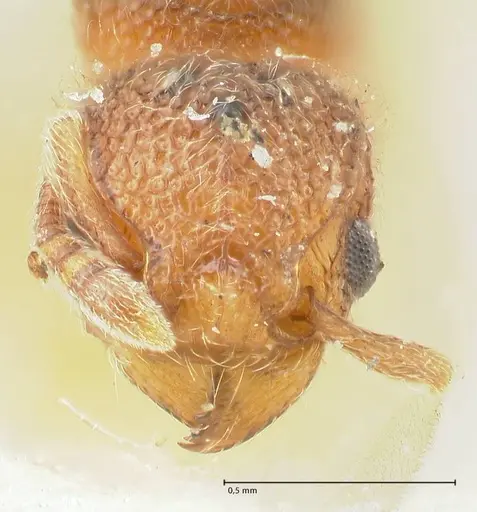
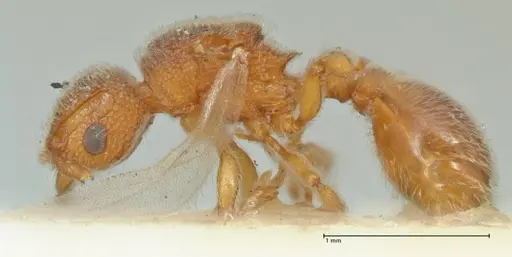
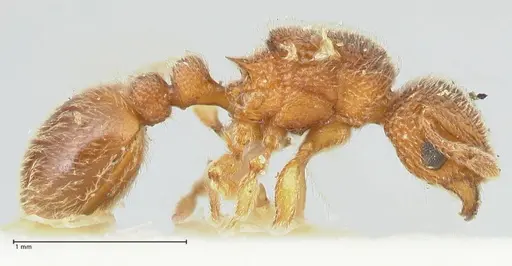
Tetramorium lanuginosum is a small, robust ant known for its fuzzy appearance caused by a dense coat of soft, erect hairs, many of which are bifid (forked) or trifid (three-branched) . Workers are about 2.5 mm long, with colors ranging from light brown to dark brown, the gaster (abdomen) is usually darker than the rest of the body . Originally described from Java, Indonesia , its native range spans tropical and subtropical East Asia through northern Australia and western Oceania . Thanks to human commerce, it’s now a pantropical tramp species found on many islands and in scattered mainland locations, from Madagascar to the Galapagos and the Caribbean . It’s most common on small islands where competition from dominant ants is low .
Quick Summary
- Difficulty: Expert
- Origin & Habitat: Native to tropical and subtropical East Asia, possibly also northern Australia and western Oceania. Now pantropical, recorded across Asia, Australia, Oceania, Madagascar, Galapagos, Caribbean, tropical Africa, Mediterranean, and occasionally in temperate zones (e.g., greenhouses in Northern Europe, southeast USA) [1][6][7]. In its native range it occupies both disturbed habitats and natural areas like rainforest patches and riparian zones [1]. In Oman and Yemen, nests have been found in moist soil under stones, in leaf litter, and under dead palm trunks [8][9].
- Colony Type: Colony structure is not well documented. Most Tetramorium species are monogyne, but this has not been confirmed for T. lanuginosum. Based on limited field observations, colonies appear modest in size compared to other tramp ants [10].
- Size & Growth:
- Queen: 2.5–3.0 mm [11]
- Worker: 2.1–2.6 mm [11] (other sources give ~2.5 mm [1])
- Colony: Colony size is not precisely documented, in South Korea only two workers were found, likely due to small colony size [10]. Mature colonies probably stay in the low hundreds, not a large colony builder.
- Growth: Moderate, typical for small Myrmicinae ants.
- Development: Estimated 6–8 weeks at optimal tropical temperatures, based on typical Tetramorium development patterns. (No specific development data is published for this species. The timeline may vary with temperature and humidity.)
- Antkeeping:
- Temperature: 24–28 °C (75–82 °F), tropical species that needs consistent warmth. In temperate regions it survives in greenhouses and heated buildings [10]. Avoid prolonged temperatures below 20 °C.
- Humidity: Moderate to high. In the wild, nests are in moist soil, under stones, in leaf litter, and near water sources [8][9]. Keep nest substrate consistently damp but not waterlogged. Provide a water test tube.
- Diapause: Not required, tropical species. Activity may slow in cooler months but no true hibernation.
- Nesting: Ground‑nesting. In captivity, a test tube setup works well for founding colonies. For established colonies, use a small formicarium with moist soil, gypsum, or plaster. They prefer tight, enclosed spaces. Provide a humidity gradient so ants can choose their preferred moisture level.
- Behavior: Workers move with a slow, steady gait, unlike many frantic tramp ants [1]. They are not particularly aggressive, they tend to flee rather than attack. They can sting but the sting is mild, not dangerous to humans. Escape prevention is important because they are very small (under 3 mm) and can squeeze through tiny gaps. Defense mechanism: like other Crematogastrini, they possess a modified, flattened stinger used to smear venom onto enemies rather than piercing, this is a smear defense (general subfamily/tribe knowledge).
- Common Issues: invasive species risk, do not release, extreme precautions needed to prevent escape, especially in countries where it is not native, small colony size means slower growth, don't expect rapid expansion, moisture management is critical, too wet causes mold, too dry kills brood, temperate keepers must provide year‑round heat, cold will stop colony development, wild‑caught colonies may carry parasites that can devastate the colony, not aggressive but can be outcompeted by more dominant ants in mixed setups
Housing and Setup
Set up a test tube with a water reservoir for founding, the queen will seal herself in and raise the first brood in isolation. For established colonies, a small formicarium with moist substrate (gypsum, plaster, or soil) works well. These ants prefer tight, enclosed spaces. Since colonies stay modest, a nest area of a few square inches is enough. The outworld should have a secure lid because workers are tiny (under 3 mm) and can slip through very small gaps. Always provide a water test tube. [1][8][9]
Feeding and Diet
Omnivorous like most Tetramorium. Offer small protein sources (fruit flies, pinhead crickets, pre‑killed mealworms) two to three times a week. Provide a constant sugar source: sugar water, honey, or maple syrup. In the wild they also tend aphids for honeydew. They scavenge on dead insects and organic matter. Remove uneaten food after 24–48 hours to prevent mold. [1][2]
Temperature and Seasonal Care
This tropical species needs year‑round warmth (24–28 °C). In temperate climates, keep them in a heated room or use a heating mat on one side of the nest (outside, to avoid drying the substrate). No diapause required. Activity may drop during cooler months, but they will resume if kept warm. Avoid sudden temperature swings. [1][10]
Humidity and Water
In the wild, colonies are found in moist soil under stones, in leaf litter, and near streams [8][9]. Keep the nest substrate damp but not waterlogged. Condensation on test tube walls is a good sign, but standing water should be avoided. Provide a water test tube. In dry climates, occasional misting of the outworld helps, but avoid misting the nest directly to prevent mold.
Colony Development
A newly mated queen seals herself in a chamber and raises her first brood without foraging (claustral founding, inferred from genus). Based on typical Tetramorium patterns, the first nanitic workers appear after about 6–8 weeks at 24–28 °C. Colonies grow slowly, at maturity they might reach a few hundred workers. Avoid disturbing the founding chamber during the first few months. Once workers emerge, they take over foraging and nest maintenance. [11][1]
Invasive Species Warning
Tetramorium lanuginosum is a highly successful tramp species that has spread to many tropical and subtropical islands worldwide [1]. It is considered invasive in parts of the Caribbean, Galapagos, Madagascar, and other island groups [1][5][12]. In many countries (e.g., New Caledonia, Colombia, Malta, Turkey) it is listed as an exotic or invasive species [13][14][15][7]. Never release this species into the wild. If you can no longer keep them, humanely freeze the colony and dispose of it. Take extreme precautions to prevent escapes, even a single queen can start a new population. For keepers outside its native range, this species should only be kept if you have secure containment and understand the risks.
Frequently Asked Questions
Is Tetramorium lanuginosum good for beginners?
Normally yes, they are docile, small, and have straightforward care. However, because this is an invasive tramp species, it is not recommended for beginners unless you are experienced with escape‑proof setups and understand the environmental risks. Difficulty is set to Expert for that reason.
How long does it take for the first workers to appear?
Based on typical Tetramorium development, expect the first nanitics about 6–8 weeks after the queen lays eggs, provided temperatures stay around 24–28 °C. Cooler temperatures will slow development. No precise published data exists for this species.
Do they sting?
Yes, they can sting, but the sting is very mild and not dangerous to humans. Their primary defense is a smear of venom applied with a flattened stinger, typical of the tribe Crematogastrini.
Can I keep multiple queens together?
Probably not. Most Tetramorium are monogyne, and there is no evidence that T. lanuginosum is polygyne. Starting with a single queen is safest.
What do they eat?
Omnivorous, offer small insects (fruit flies, pinhead crickets, pre‑killed mealworms) and sugar water or honey. They also scavenge dead insects and will tend aphids for honeydew if available.
How big do colonies get?
Colonies appear to stay modest, probably a few hundred workers at most. This makes them manageable for small setups but means you won't see huge populations.
Do they need hibernation?
No. This is a tropical species that does not require diapause. Keep them warm year‑round for continuous development.
Why are my ants dying?
Common causes: low temperature (below 20 °C), improper humidity (too dry or too wet), mold from overfeeding, disturbance during founding, or parasites from wild‑caught colonies. Ensure stable warmth and correct moisture levels, and minimize disturbance.
When should I move them to a formicarium?
You can keep them in a test tube until the colony outgrows it (50+ workers) or the water needs frequent refilling. Then transfer to a small formicarium with moist substrate. Oversized nests can stress them.
Report an Issue
The current care sheet is based fully on literature. See inconsistencies, or something that's incorrect? Please , it will be resolved after review from an admin. Contributing to the blogs tab also helps providing information, to make us be able to further improve the caresheets. Thank you for your support!
References

This caresheet is licensed under CC BY-SA 4.0 .
Community Blogs
ANTWEB1041901
View on AntWeb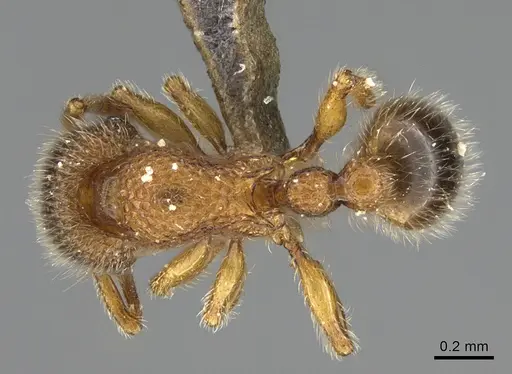
CASENT0060445
View on AntWeb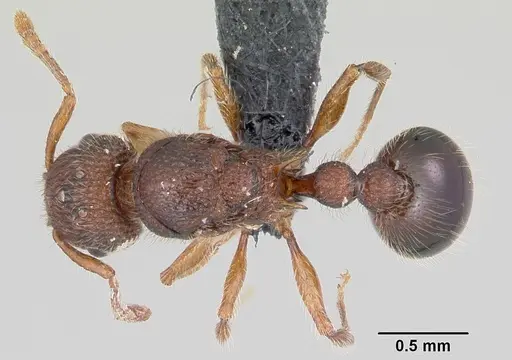
CASENT0060515
View on AntWeb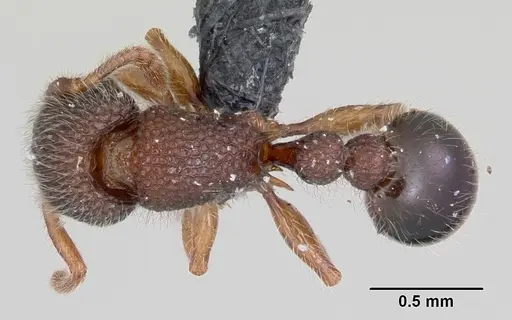
CASENT0101228
View on AntWeb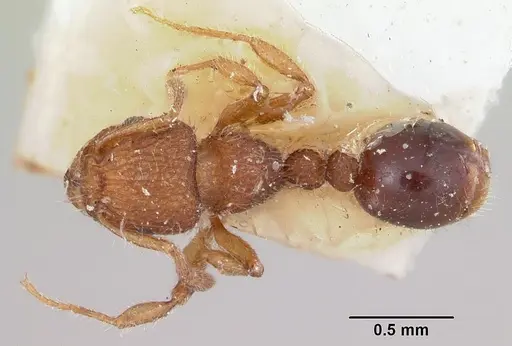
CASENT0101229
View on AntWeb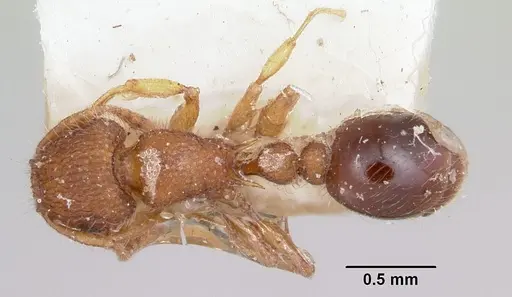
CASENT0102356
View on AntWeb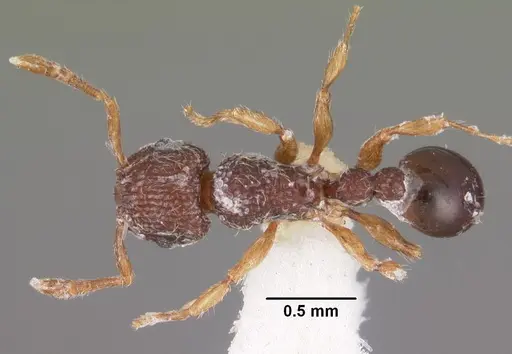
CASENT0102357
View on AntWeb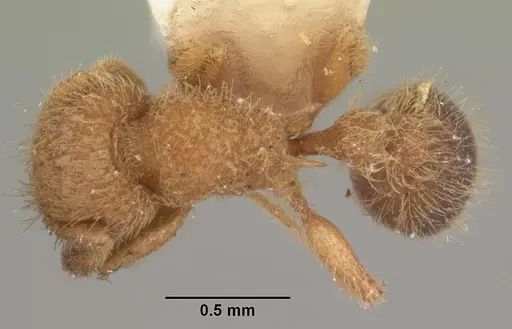
CASENT0102740
View on AntWeb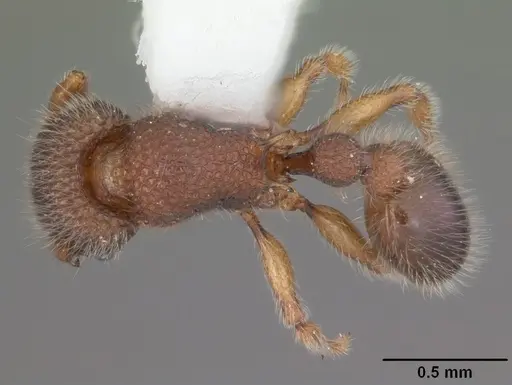
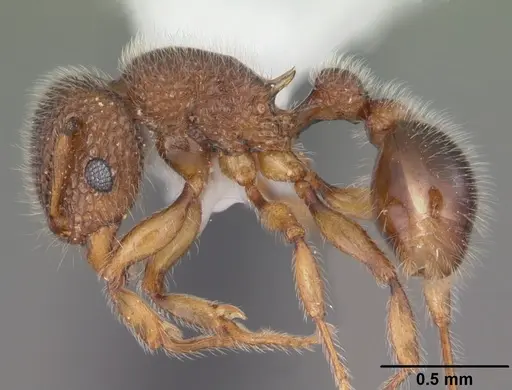
CASENT0103303
View on AntWeb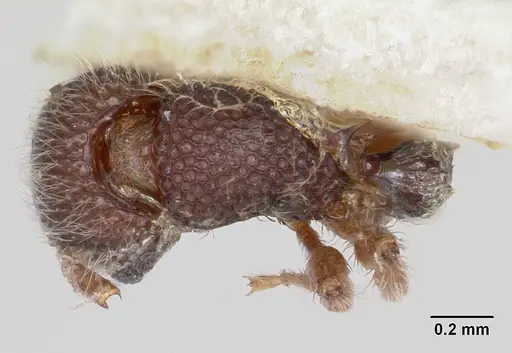
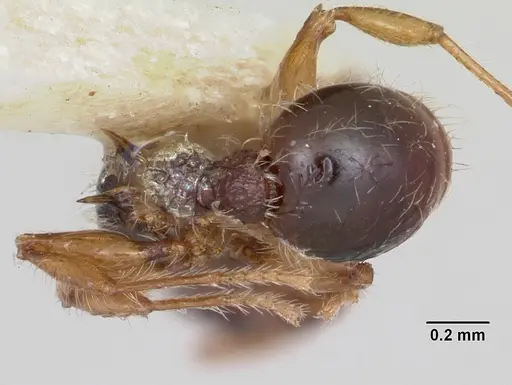
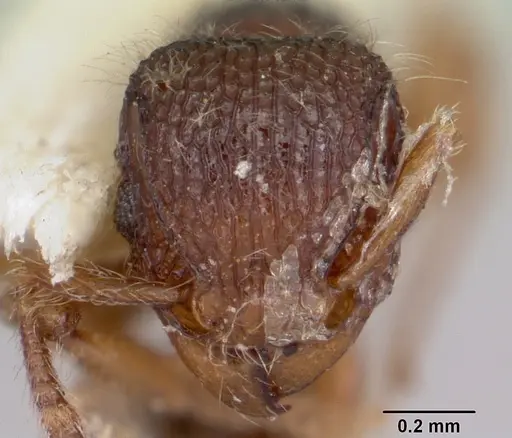
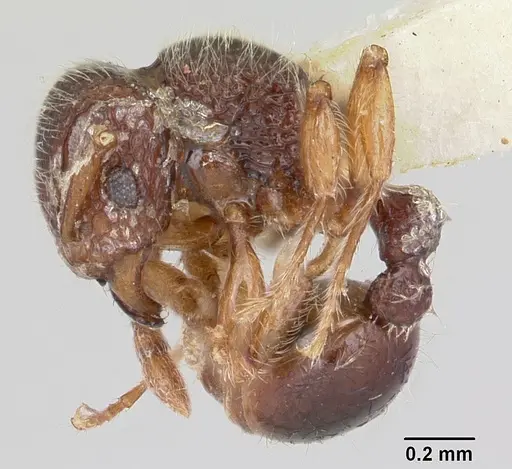
CASENT0103336
View on AntWeb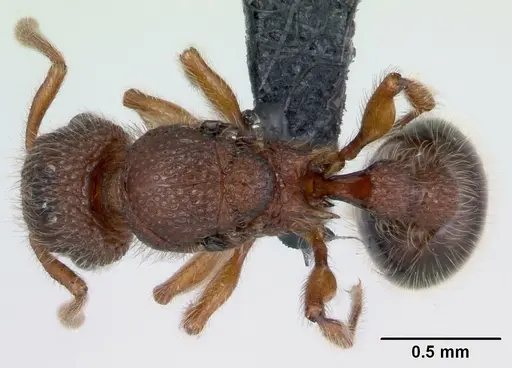
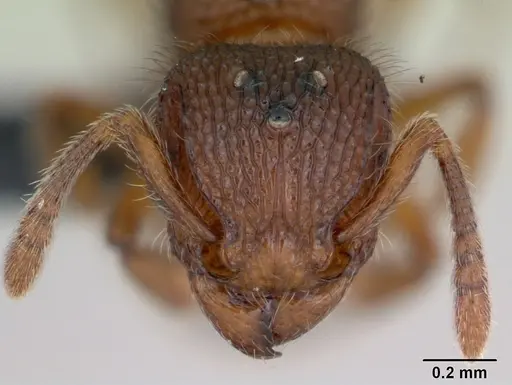
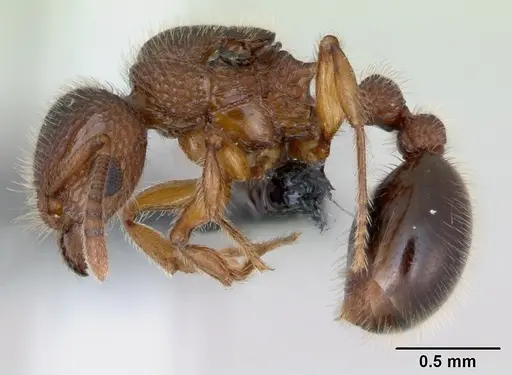
CASENT0125328
View on AntWeb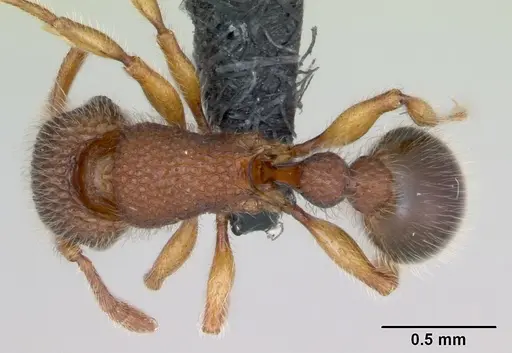
CASENT0171128
View on AntWeb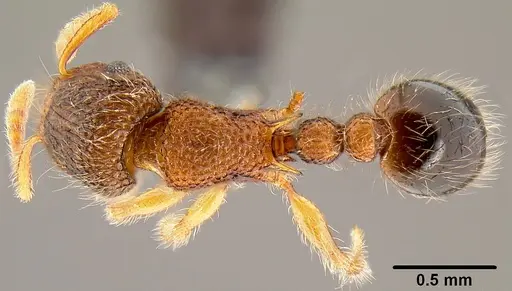
CASENT0173288
View on AntWeb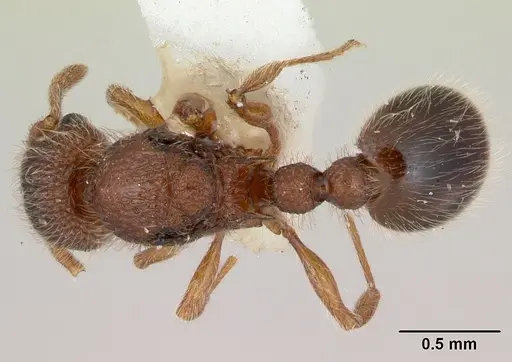
CASENT0173289
View on AntWeb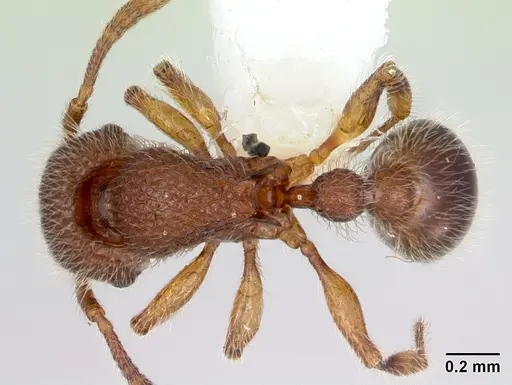
CASENT0178437
View on AntWeb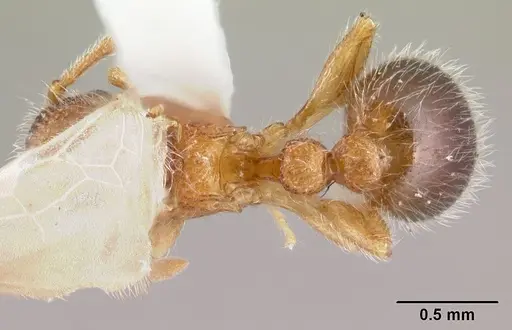
CASENT0178438
View on AntWeb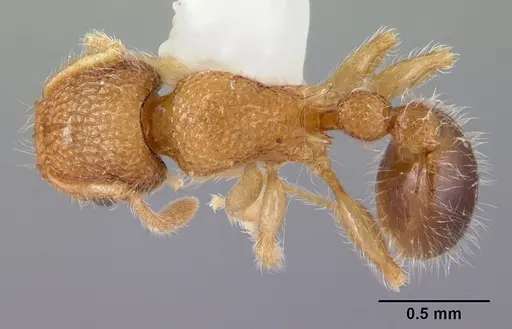
CASENT0178439
View on AntWeb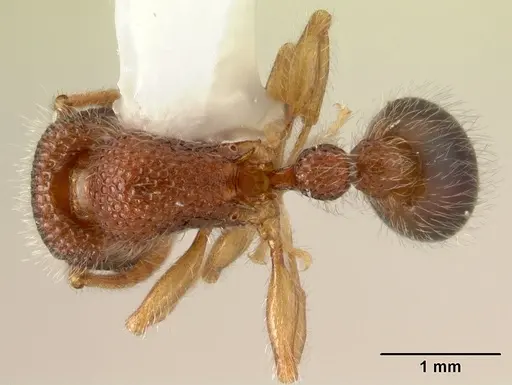
CASENT0235202
View on AntWeb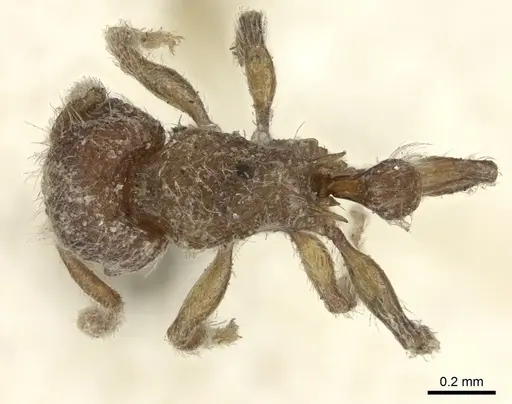
CASENT0246147
View on AntWeb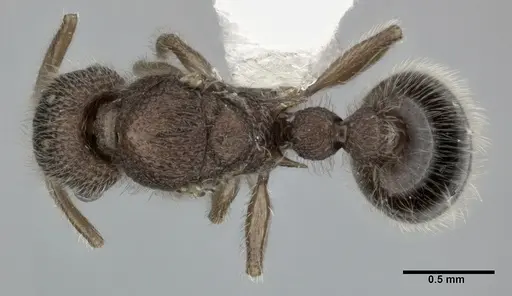
CASENT0246148
View on AntWeb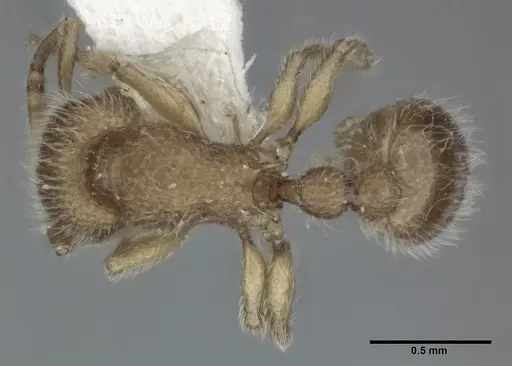
CASENT0248785
View on AntWeb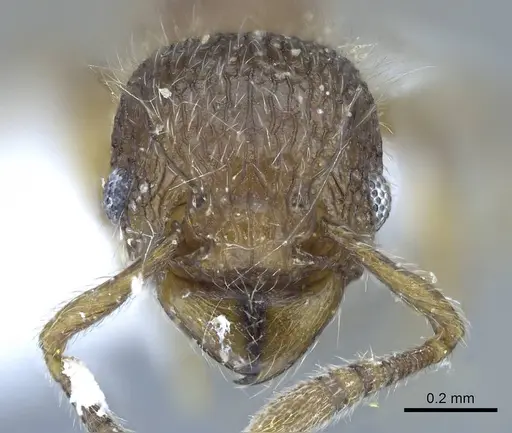
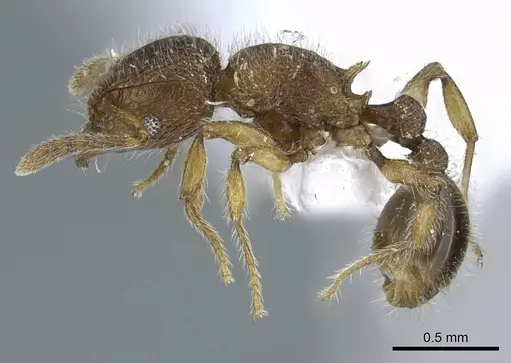
CASENT0263782
View on AntWeb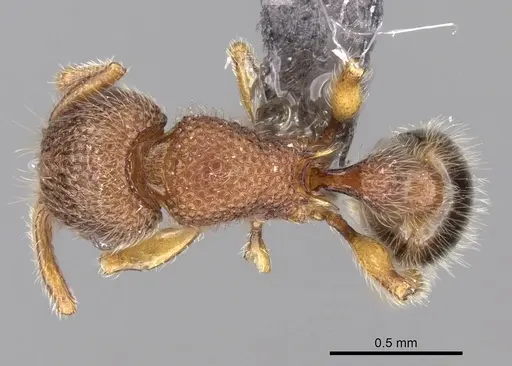
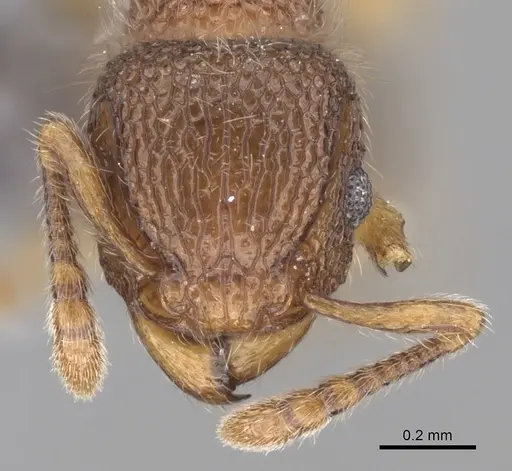
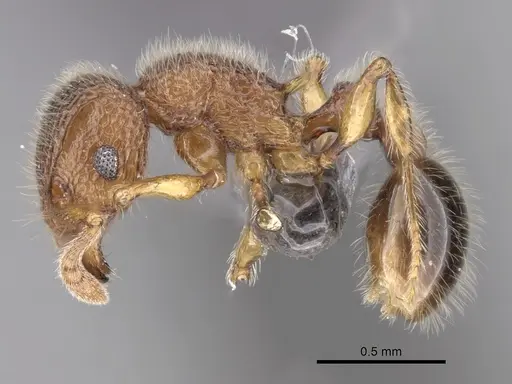
CASENT0746619
View on AntWeb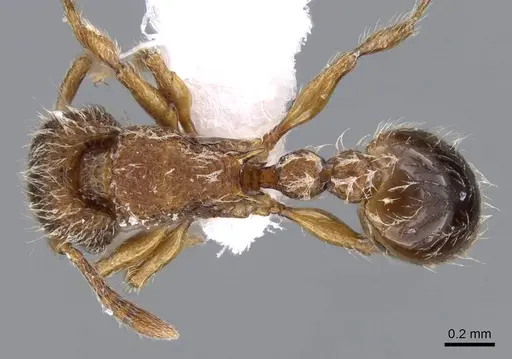
CASENT0766232
View on AntWeb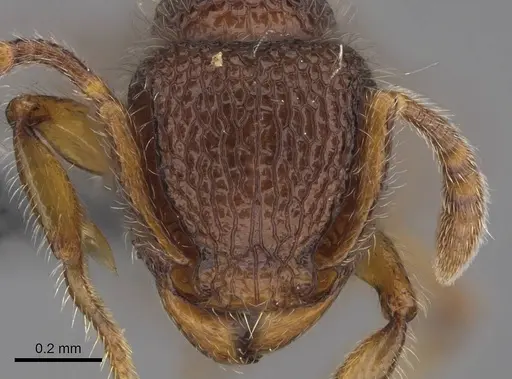
CASENT0901051
View on AntWeb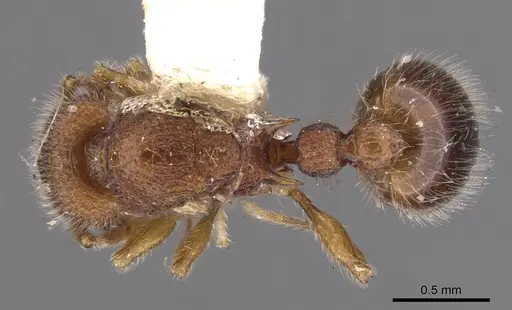
CASENT0901052
View on AntWeb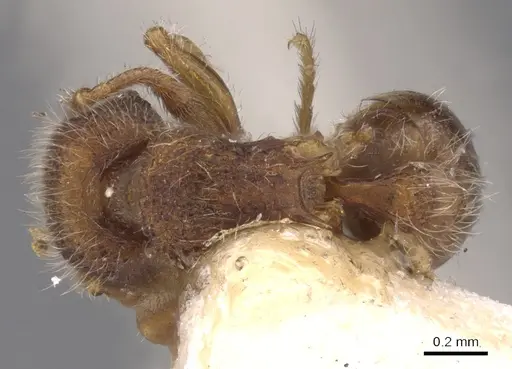
CASENT0904798
View on AntWeb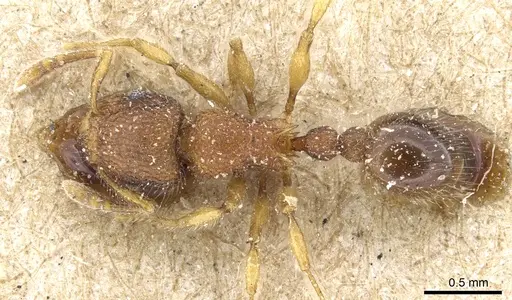
CASENT0909094
View on AntWeb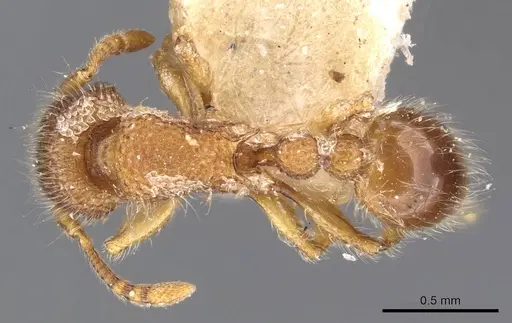
CASENT0909095
View on AntWeb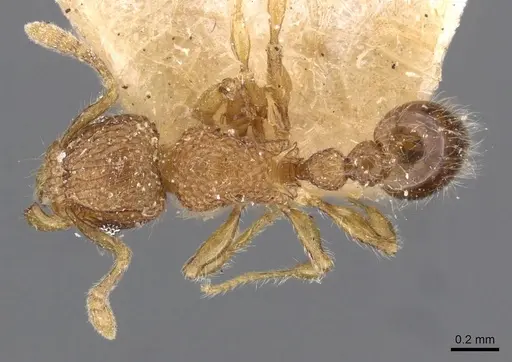
CASENT0909096
View on AntWeb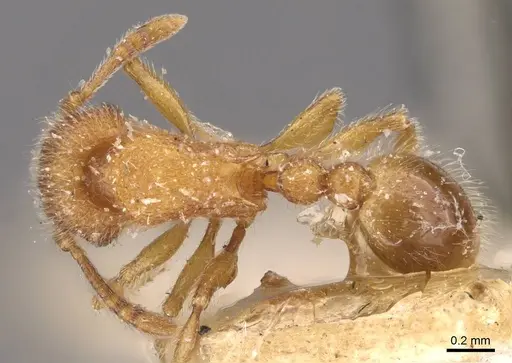
CASENT0919924
View on AntWeb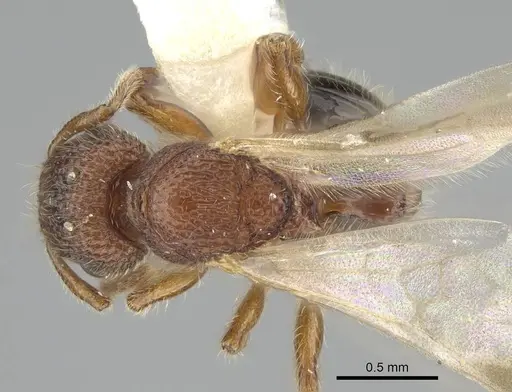
CASENT0919925
View on AntWeb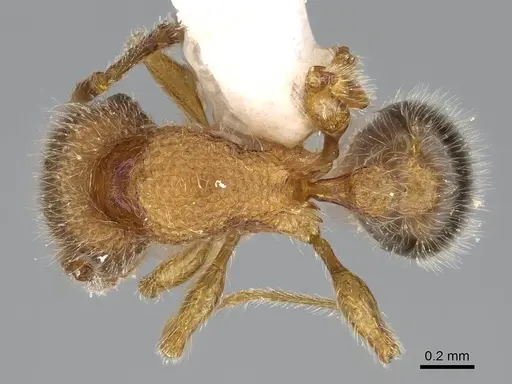
CASENT0922287
View on AntWeb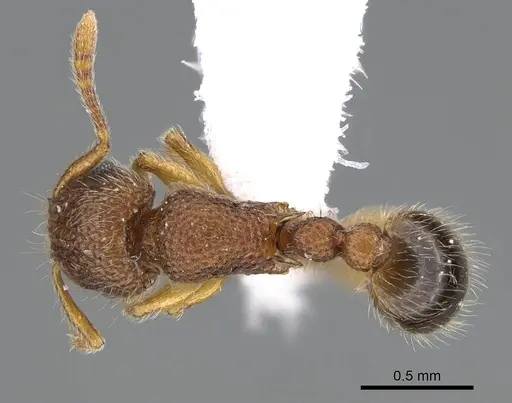
CASENT0922857
View on AntWeb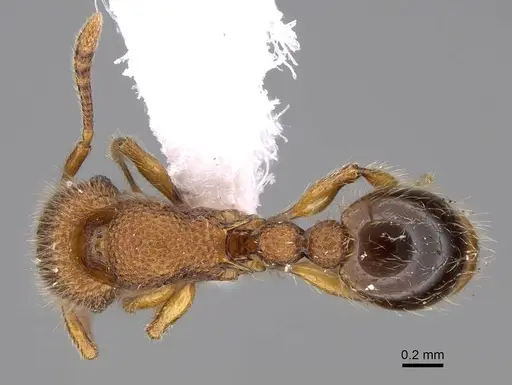
CASTYPE06959-01
View on AntWeb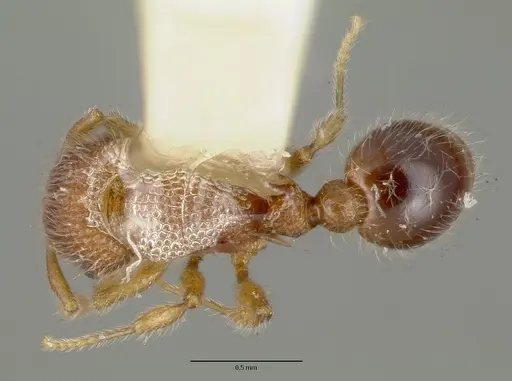
CASTYPE06959-02
View on AntWeb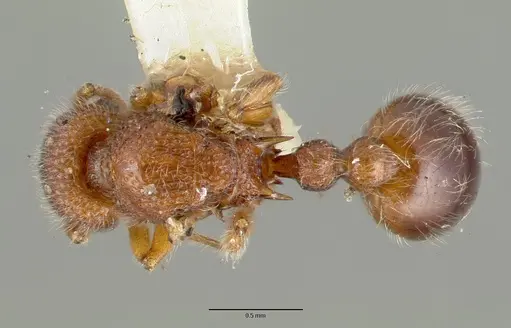
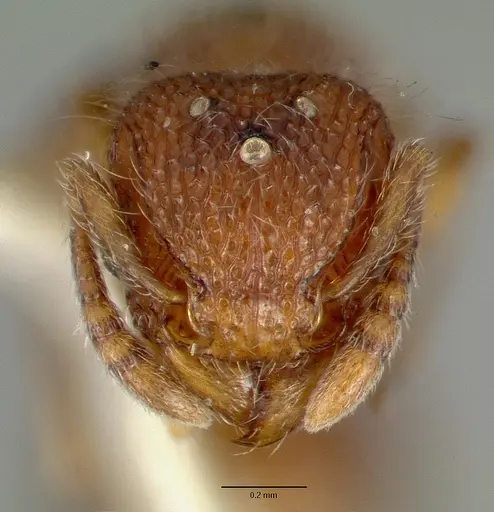
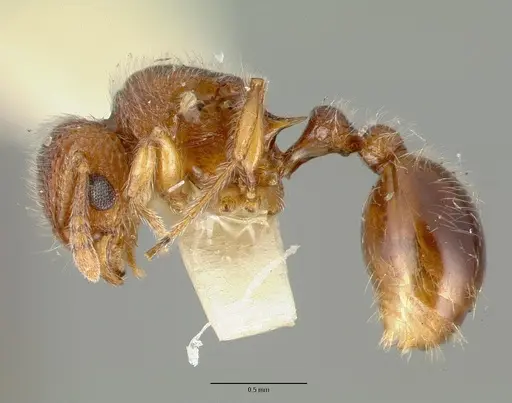
CBUMAGENT41967
View on AntWeb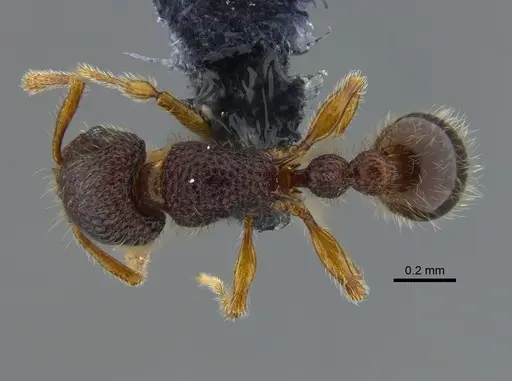
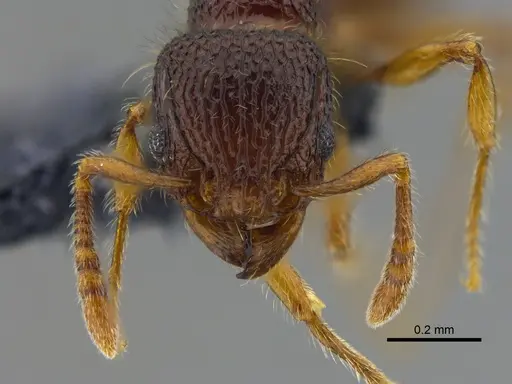
ECOFOG-BUG-0397-05
View on AntWeb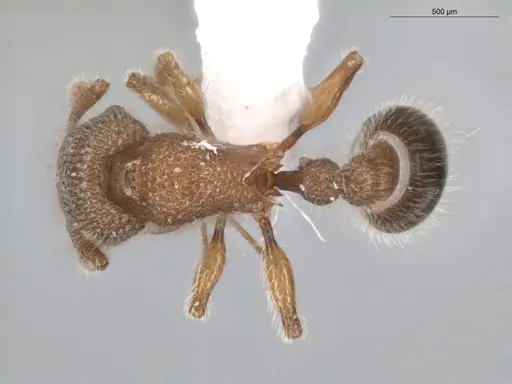
FMNHINS0000088655
View on AntWeb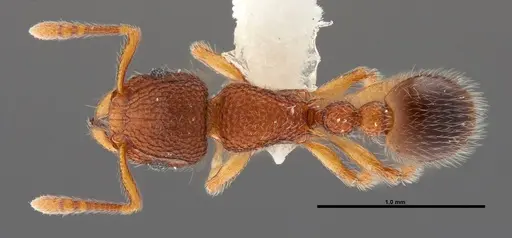
FOCOL2058
View on AntWeb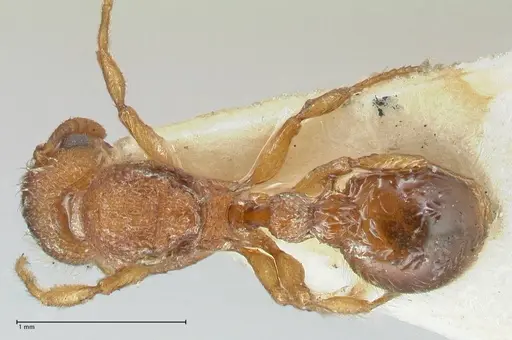
FOCOL2059
View on AntWeb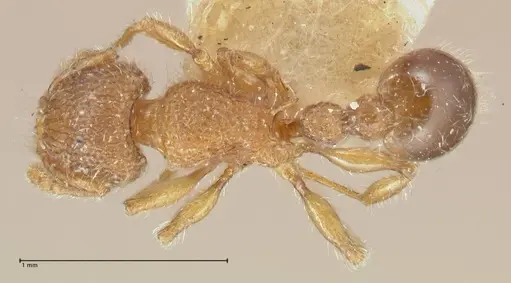
FOCOL2060
View on AntWeb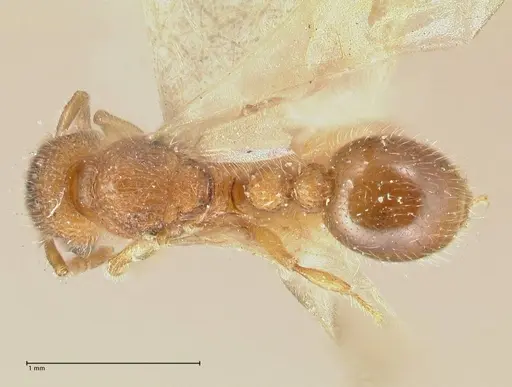
FOCOL2063
View on AntWeb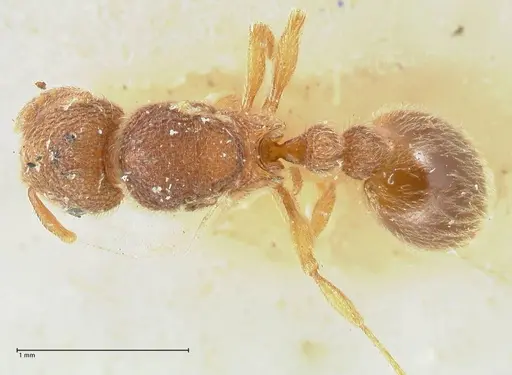
Literature
Loading distribution map...Loading products...