
Tetramorium kraepelini
- Sci. Name
- Tetramorium kraepelini
- Tribe
- Crematogastrini
- Subfamily
- Myrmicinae
- Author
- Forel, 1905
- Distribution
- Found in 3 countries
Introduction
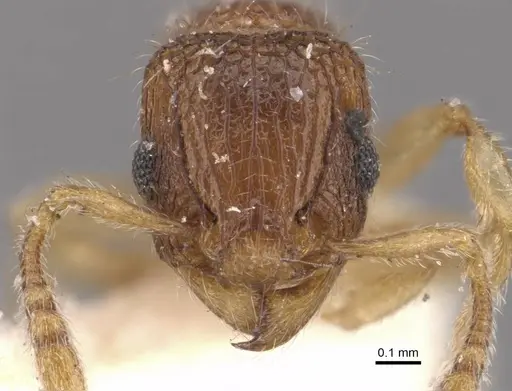
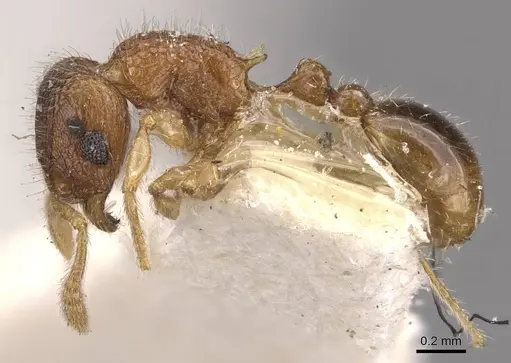
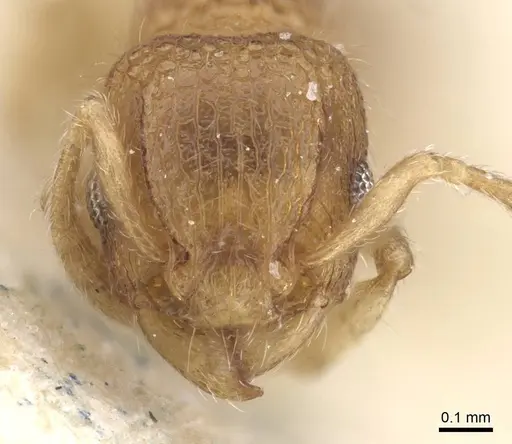
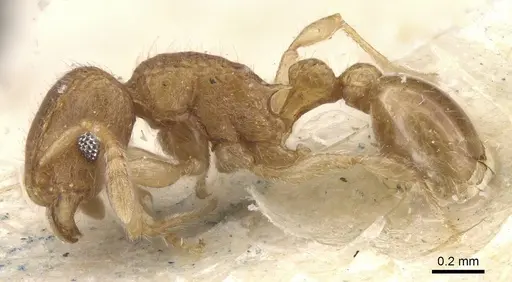
Tetramorium kraepelini is a small, ground-dwelling ant native to East and Southeast Asia. Workers measure 2.1-2.3mm in total length . Their bodies are yellow-brown to light mid-brown, with the gaster often darker than the head and thorax . They have 12-segmented antennae, propodeal spines that curve slightly upward, and fine standing hairs covering the body . This species belongs to the Tetramorium scabrosum species group . Tetramorium kraepelini is a tramp species - it adapts well to disturbed habitats like rubber plantations, urban areas, grassland, and woodland margins . It nests under stones and in soil , and forages on the ground surface or under litter . Found from Japan through China to the Philippines and Indonesia , it is considered exotic in some parts of its range .
Quick Summary
- Difficulty: Easy
- Origin & Habitat: Found across southern China (Sichuan, Hunan, Hubei, Anhui, Jiangxi, Fujian, Tibet, Hainan), Japan, Taiwan, Vietnam, Philippines, Indonesia, Brunei [8][2][11][9]. Inhabits grassland, woodland margins, conifer-broadleaf forest, lowland dipterocarp forest, and rubber plantations [3][7][9]. Nests under stones and in soil [3][7].
- Colony Type: Likely monogyne (single queen) based on typical Tetramorium patterns, though colony structure is not well-documented for this species. As a tramp species, it may show flexibility.
- Size & Growth:
- Queen: Not specifically documented in available literature
- Worker: 2.1-2.3mm [1][2]
- Colony: Estimated up to several hundred workers at maturity, based on similar tramp Tetramorium species
- Growth: Moderate
- Development: Estimated 6-8 weeks at warm temperatures (based on genus-level data for Tetramorium) (Direct development timeline not studied for this species, estimate based on related Tetramorium)
- Antkeeping:
- Temperature: Keep at room temperature, roughly 20-26°C. They are found from subtropical Japan to tropical Southeast Asia, so they tolerate a wide range [3]. Provide a gentle gradient, one side slightly warmer, so the colony can choose.
- Humidity: Moderate. Keep the nest substrate consistently moist but not waterlogged. Since they nest under stones in soil, a moisture gradient with a drier area and a damp area works well [3][7].
- Diapause: Likely required for colonies from northern populations (Japan, northern China). Give a winter rest at 10-15°C for 2-3 months. Tropical populations (Philippines, Indonesia) may not need formal diapause but will slow down in cooler conditions.
- Nesting: Nests naturally under stones and in soil [3][7]. In captivity, use test tubes for founding, then Y-tong (AAC), plaster, or naturalistic setups with a soil layer. Add a flat stone or cover on the nest to mimic their natural environment.
- Behavior: Generally calm and non-aggressive. Workers are active surface foragers that recruit to food sources. They have a modified stinger used for smearing venom (like other Crematogastrini), not piercing, they may bite if threatened but the sting is not felt. Escape risk: HIGH, workers are only 2mm and can fit through tiny gaps, use tight seals and oil/fluon barriers.
- Common Issues: workers can escape through very small gaps, seal your setup tightly and use barriers (fluon, oil) because they are just 2mm long., colony growth may stall if temperatures drop below 18°C for extended periods, keep warm., founding is slow, be patient and avoid disturbing the queen during the first few months., tramp species, do not release unwanted ants into the wild, they can establish as exotics in new areas [10]., diapause requirements are uncertain for northern populations, if your colony is from a temperate region, provide a cool rest period to avoid problems.
Housing and Nest Setup
Start with a test tube setup for the founding colony, fill one third with water, plug with cotton, and keep the tube in darkness. Once the colony has 30-50 workers, you can move them to a Y-tong (AAC), plaster, or naturalistic nest. Since they naturally nest under stones in soil [3][7], providing a dark, enclosed chamber with a flat stone or cover encourages them to settle. Use a small outworld for foraging. Because workers are only 2mm, seal all joints with fluon or PTFE tape to prevent escapes.
Feeding and Diet
Tetramorium kraepelini is a generalist forager. Offer sugar water or honey constantly for energy. For protein, give small insects like fruit flies, small mealworms, or cricket pieces every 2-3 days. Remove uneaten prey after 24 hours to prevent mold. They scavenge and hunt small invertebrates on the ground surface [7].
Temperature and Seasonal Care
These ants occur from temperate Japan to tropical Southeast Asia, so they tolerate a wide range [8][2]. Aim for 22-26°C for best activity. They can handle 15-30°C for short periods. For colonies from Japan or northern China, provide a winter diapause at 10-15°C for 2-3 months. Tropical-origin colonies (Philippines, Indonesia) may not need formal diapause but will slow down when cool. Watch their activity, if workers become sluggish, increase warmth.
Behavior and Observation
Workers are active, diurnal foragers that recruit others to food. They are not aggressive and usually flee when disturbed. They have a modified stinger that smears venom (a trait of the Crematogastrini tribe) rather than piercing, you won't feel it if they try to sting. They may bite, but their small size makes it harmless. Foraging trails are typical as they search for small prey and sugary sources. Their tiny size (2mm) makes them interesting to watch as they navigate their environment.
Growth and Development
The exact development time is not studied, but based on typical Tetramorium, expect first workers after 6-8 weeks at 24-26°C. The queen lays eggs claustrally and feeds the first batch with her reserves. Nanitics (first workers) are smaller than mature workers. Colony growth is moderate, don't expect rapid expansion. Once the colony has 20-30 workers, growth usually accelerates. Provide steady warmth and regular protein to support growth.
Frequently Asked Questions
How long does it take for Tetramorium kraepelini to produce first workers?
Expect first workers in about 6-8 weeks after the queen lays eggs, assuming temperatures around 24-26°C. This is an estimate based on typical Tetramorium development since specific data for this species isn't available.
Can I keep Tetramorium kraepelini in a test tube?
Yes, test tubes work great for founding. Use a standard setup with a water plug and keep the tube dark. Once the colony has 30-50 workers, you can move them to a formicarium, but they can stay in the tube for many months.
Do Tetramorium kraepelini ants sting?
They have a modified stinger that smears venom (typical of Crematogastrini) rather than piercing, so you won't feel a sting. They may bite if threatened, but their small size makes it barely noticeable.
What temperature do Tetramorium kraepelini need?
Room temperature,22-26°C, is ideal. They are found from Japan to tropical Southeast Asia [3], so they tolerate a wide range. Avoid prolonged temperatures below 15°C or above 30°C. A slight gradient lets the colony choose.
Are Tetramorium kraepelini good for beginners?
Yes, they are an easy, resilient species. They adapt to various conditions, are not aggressive, and accept common ant foods. However, their tiny size (2mm) means escapes are a real risk, beginners must seal the setup well. They are also a tramp species, so do not release any ants into the wild [5][6].
How big do Tetramorium kraepelini colonies get?
Colony size is not well-documented, but based on similar tramp Tetramorium, expect up to several hundred workers at maturity. Growth is moderate, steady but not explosive.
Do Tetramorium kraepelini need hibernation?
It depends on origin. Colonies from Japan and northern China likely need a winter rest at 10-15°C for 2-3 months. Tropical-origin colonies (Philippines, Indonesia) probably don't require formal diapause but will slow in cool conditions. Observe your colony's behavior to decide.
What do Tetramorium kraepelini eat?
They are generalist feeders. Provide sugar water or honey constantly for energy, and small insects (fruit flies, small mealworms, cricket pieces) every 2-3 days for protein. They scavenge and hunt on the ground surface [7].
When should I move my Tetramorium kraepelini to a formicarium?
You can keep them in a test tube for the first several months. Move them when the colony reaches 30-50 workers and the tube gets crowded. Y-tong nests work well because they can excavate and have dark chambers.
Why is my Tetramorium kraepelini colony not growing?
Common causes: temperatures too low (below 20°C slows development), insufficient protein, or too much disturbance during founding. Keep them warm (22-26°C), feed regularly, and place the setup in a quiet, dark spot. Patience is key, founding can be slow.
Report an Issue
The current care sheet is based fully on literature. See inconsistencies, or something that's incorrect? Please , it will be resolved after review from an admin. Contributing to the blogs tab also helps providing information, to make us be able to further improve the caresheets. Thank you for your support!
References

This caresheet is licensed under CC BY-SA 4.0 .
Community Blogs
CASENT0269127
View on AntWeb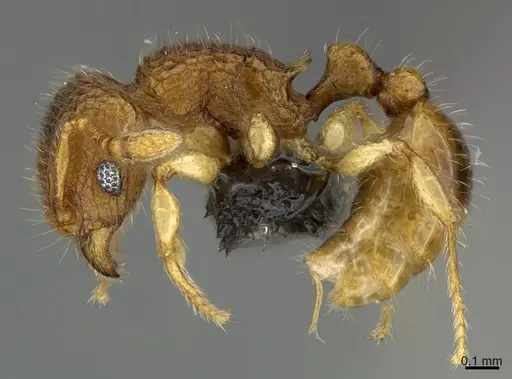
CASENT0280891
View on AntWeb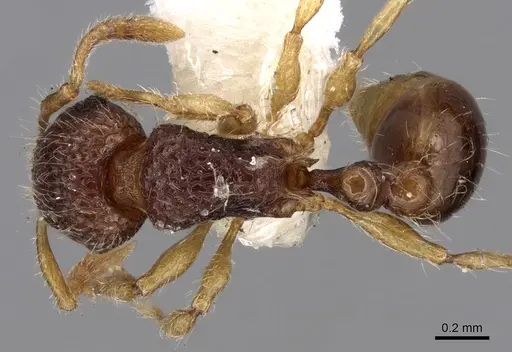
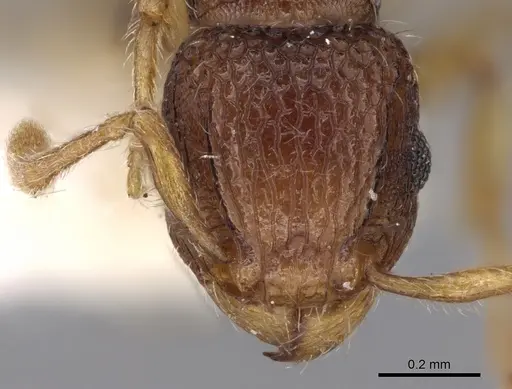
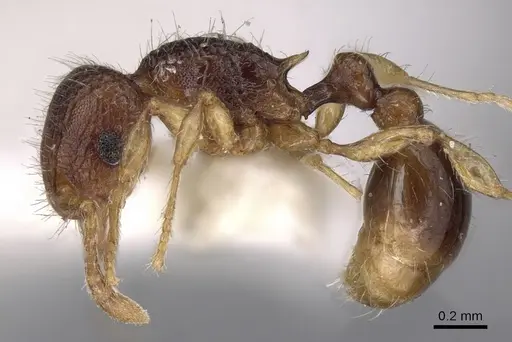
CASENT0901095
View on AntWeb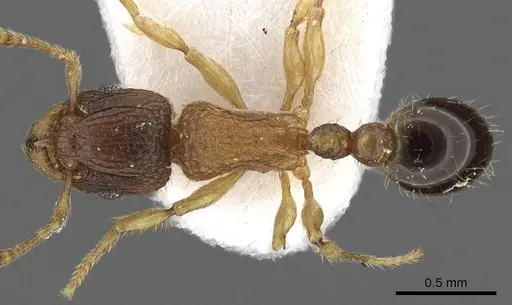
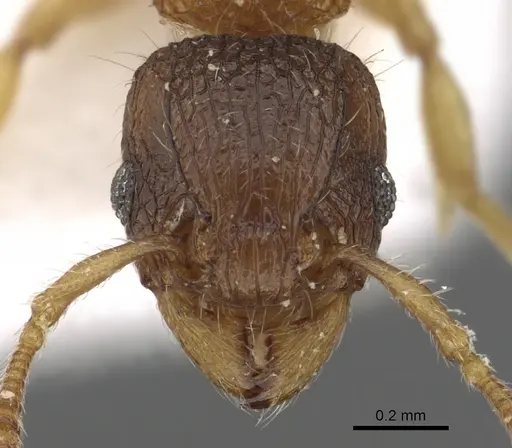
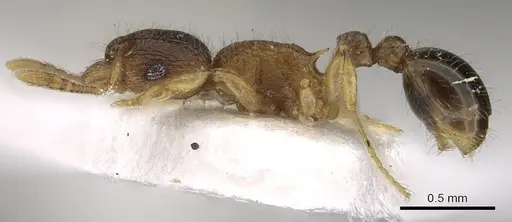
CASENT0909170
View on AntWeb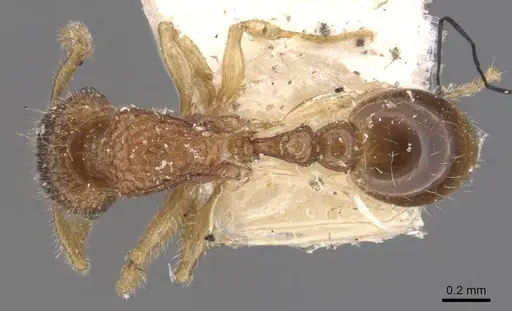
CASENT0915023
View on AntWeb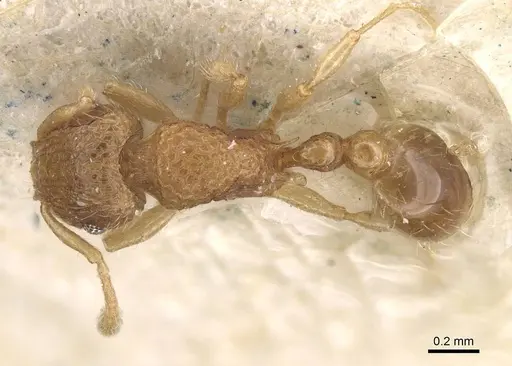
Literature
Loading distribution map...Loading products...