
Tetramorium kelleri
- Sci. Name
- Tetramorium kelleri
- Tribe
- Crematogastrini
- Subfamily
- Myrmicinae
- Author
- Forel, 1887
- Distribution
- Found in 3 countries
Introduction
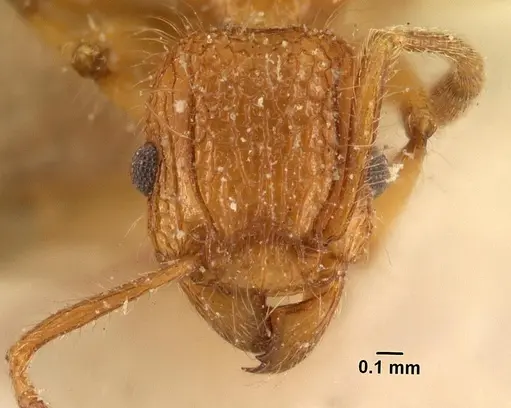
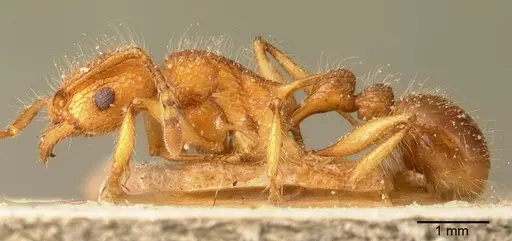
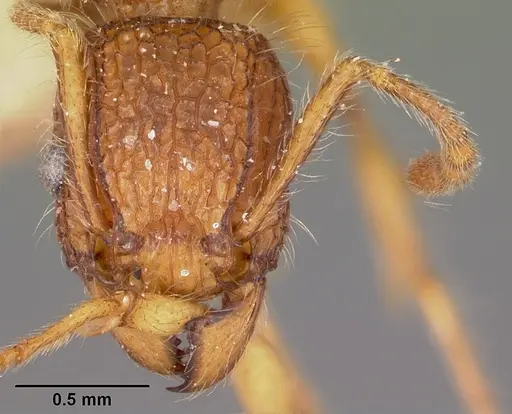
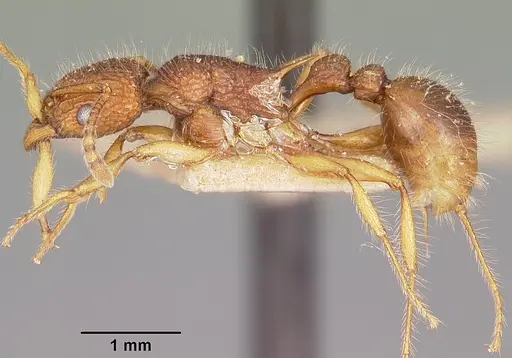
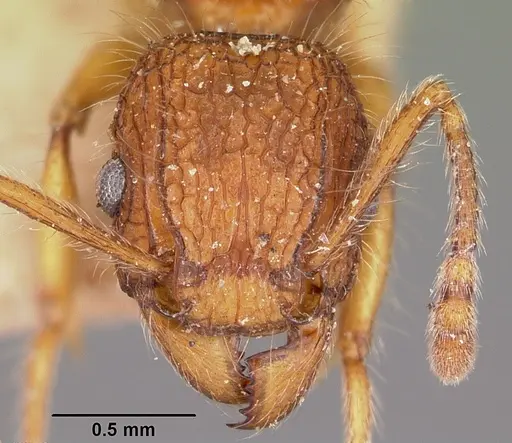
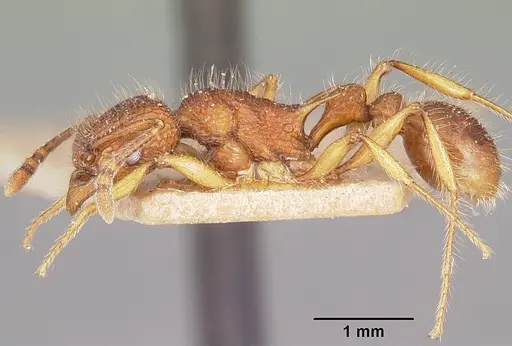
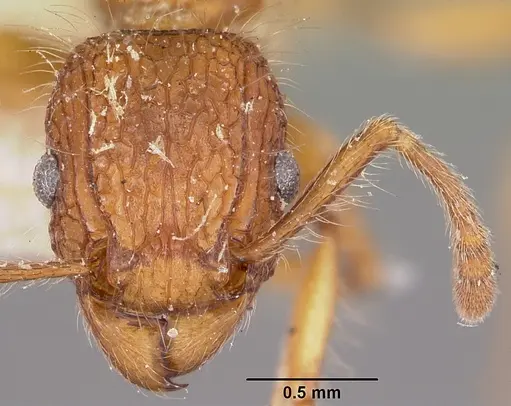
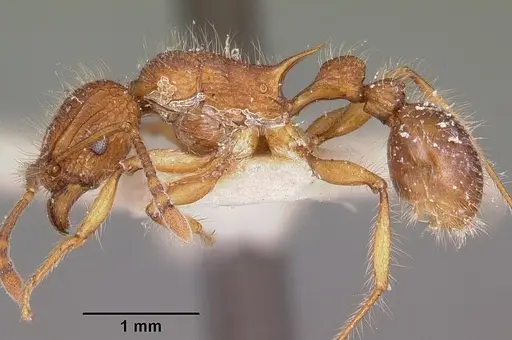
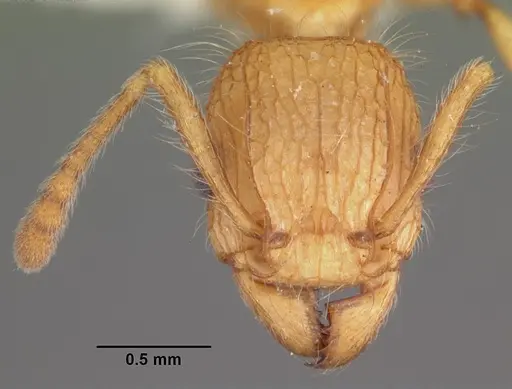
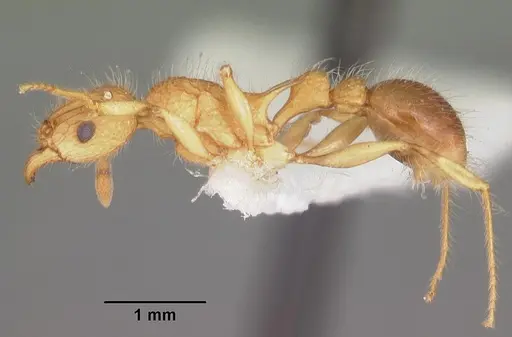
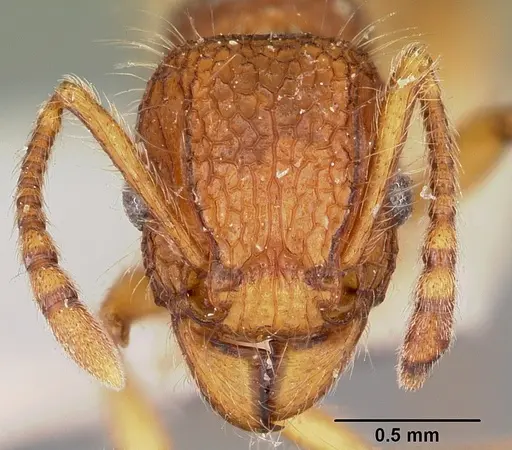
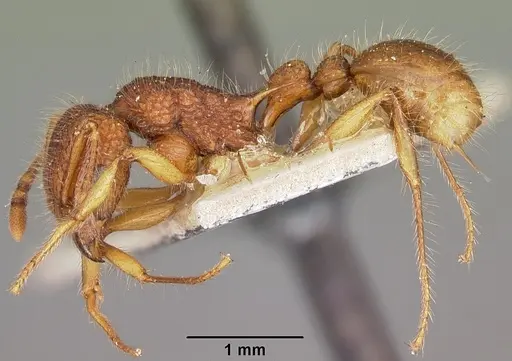
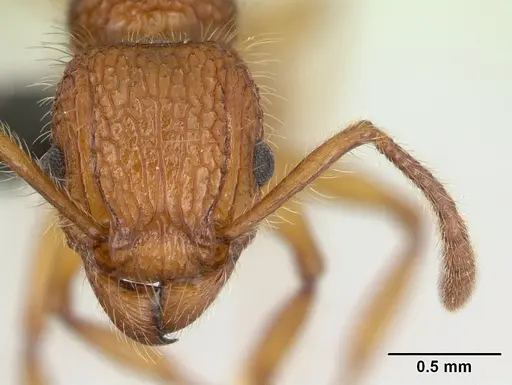
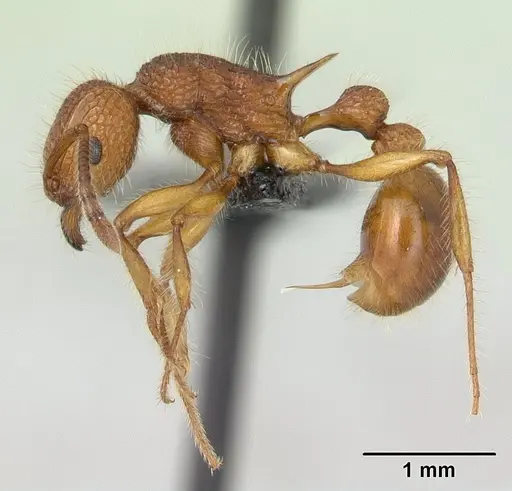
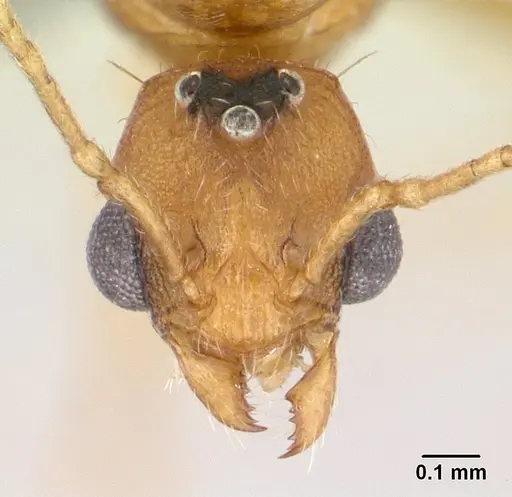
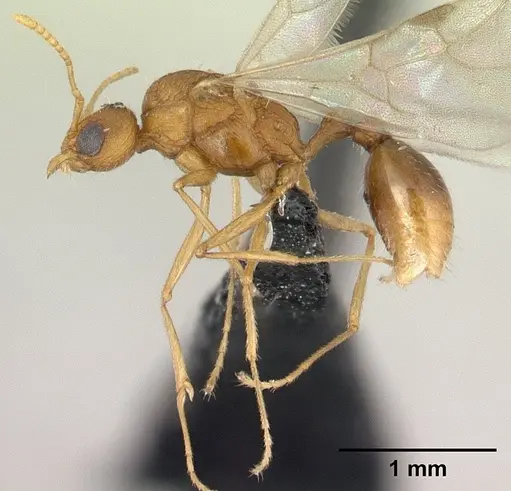
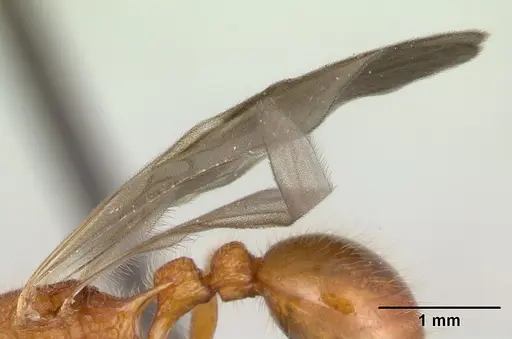
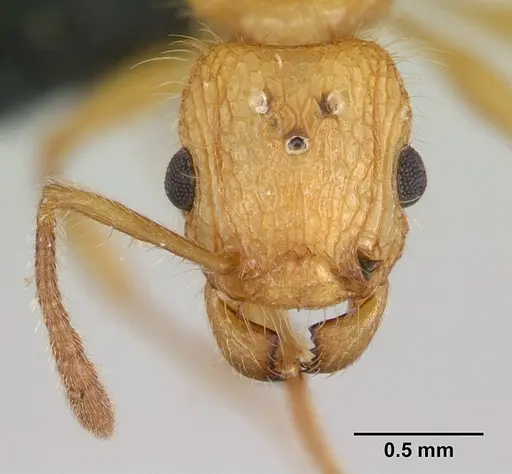
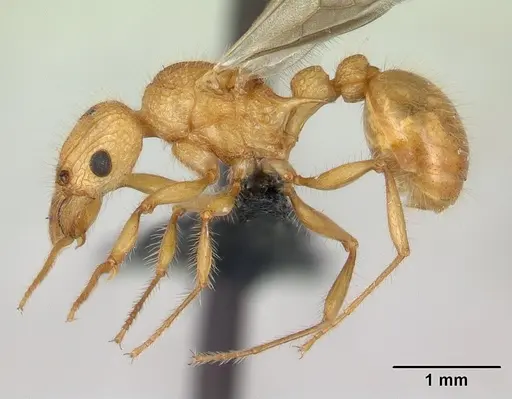
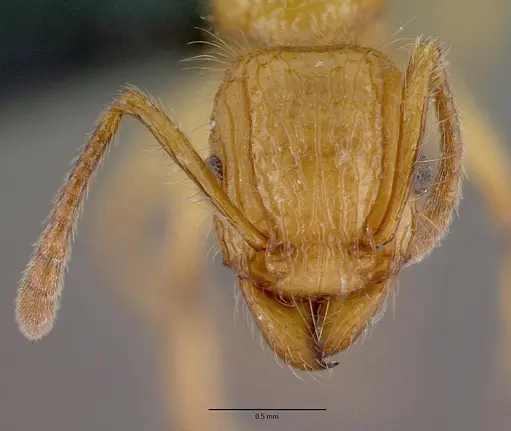
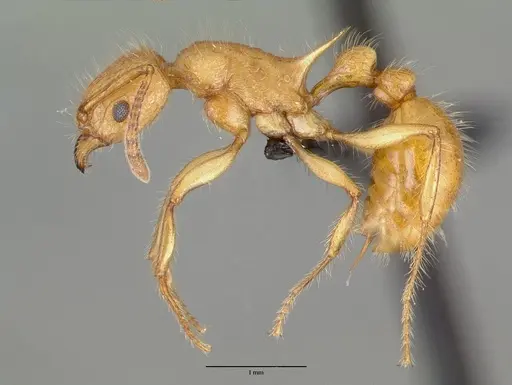
Tetramorium kelleri is an ant native to Madagascar and nearby islands, where it is very common. Workers are yellowish to orange-brown (sometimes whitish or darker) and have extremely long propodeal spines and large eyes . This species shows little variation across its range, despite being found on multiple islands . This ant thrives in a variety of forests - rainforest, littoral rainforest, tropical dry forest, and secondary forest - mainly below 780 m elevation and almost always within 50 km of the coast . It is known from northern and western Madagascar, Nosy Be, Nosy Mangabe, Nosy Ngontsy, and Mayotte .
Quick Summary
- Difficulty: Easy
- Origin & Habitat: Northern and western Madagascar, Nosy Be, Nosy Mangabe, Nosy Ngontsy, and Mayotte. Found in rainforest, littoral rainforest, tropical dry forest, and secondary forest at elevations 5-780 m [1].
- Colony Type: Unconfirmed, social structure has not been studied. Most Tetramorium species are monogyne (single queen), but this has not been confirmed for T. kelleri.
- Size & Growth:
- Queen: unknown, size data unavailable
- Worker: ~3-4 mm (estimated based on related Tetramorium species, total length not reported in research) [1]
- Colony: unknown, estimated up to several hundred workers based on typical Tetramorium sizes, but no data for this species
- Growth: Moderate, guessed from tropical Tetramorium patterns (no species‑specific data)
- Development: estimated 4-8 weeks at optimal tropical temperatures (inferred from closely related species, not confirmed) (Development timeline is unconfirmed. The queen remains sealed in her founding chamber until the first workers appear.)
- Antkeeping:
- Temperature: Estimated 24-28 °C. Being from tropical Madagascar, they need warm conditions. Avoid prolonged temperatures below 20 °C. A heating cable on one side of the nest helps create a gradient [1].
- Humidity: Moderate to high, keep nest substrate damp but not waterlogged. The species occurs in rainforest and littoral rainforest, so it tolerates higher humidity [1].
- Diapause: No, as a tropical species from Madagascar, they do not require hibernation. Maintain warm temperatures year‑round.
- Nesting: Y‑tong (AAC) or plaster nests are suitable. These materials hold humidity well, which this species seems to appreciate. Provide tight chambers that match their small size.
- Behavior: Behavior in captivity is not well‑documented. Based on subfamily traits (Myrmicinae, tribe Crematogastrini), this ant uses a 'smear' defense, a modified stinger that wipes venom onto enemies rather than piercing. Workers are likely active foragers in search of food. Their small size means escape prevention is critical, use fine mesh and tight seals. They are not considered aggressive and pose no danger to keepers.
- Common Issues: escape prevention is critical, tiny workers can slip through standard gaps, colonies may decline if kept too cold, maintain tropical temperatures (24-28 °C), overfeeding can lead to mold in the nest, remove uneaten food promptly, wild‑caught colonies may carry parasites, quarantine and observe before adding to a permanent setup, founding phase may be slow, patience is required as queens can take weeks to produce first workers
Housing and Nest Setup
Tetramorium kelleri does well in Y‑tong (AAC) or plaster formicariums that hold humidity. Because the ants are small (workers ~3-4 mm estimated), choose a nest with tight chambers. Y‑tong nests allow easy observation and good moisture retention. Plaster nests are also suitable. Provide a small outworld for foraging. Ensure all connections are sealed, these tiny ants can squeeze through gaps that look negligible. A test tube with a water reservoir works for founding colonies. Once the colony has ~20-30 workers, move them to a larger nest to allow expansion. [1]
Feeding and Diet
Like most Tetramorium species, T. kelleri is a generalist omnivore. Offer protein sources such as small insects (fruit flies, small mealworms, crickets) and provide sugar in the form of honey water or sugar water. They will also accept small seeds. Feed every 2-3 days, adjusting based on colony size and consumption. Remove uneaten food promptly to prevent mold. For founding colonies, offer tiny food items the queen can handle, small insect pieces work better than live prey that might escape.
Temperature and Humidity
Being native to tropical Madagascar, these ants need warm conditions, estimated 24-28 °C [1]. This range supports normal activity and brood development. Use a heating cable on one side of the nest to create a gradient, allowing ants to choose their preferred spot. Avoid temperatures below 20 °C for extended periods. For humidity, aim for moderate to high, keep the nest substrate damp but not waterlogged. The species has been collected from rainforest and littoral rainforest, so it tolerates higher humidity [1]. A water reservoir in a test tube or a plaster nest helps maintain moisture.
Colony Development
Colony founding is thought to be claustral, the queen seals herself in a chamber and survives on stored fat reserves until her first workers emerge. This timeline is not confirmed, based on related Tetramorium, it may take 4-8 weeks at optimal temperatures. The first workers (nanitics) will be smaller than mature workers and will start foraging immediately. Growth rate is estimated as moderate, with colonies potentially reaching several hundred workers. The extremely long propodeal spines and large eyes are distinctive traits of this species [1].
Behavior and Temperament
Workers are likely active foragers. Their defense mechanism is 'smear', a flattened, spatulate stinger that wipes venom onto enemies rather than piercing (common in tribe Crematogastrini). They are not considered aggressive and pose no threat to keepers, they may bite if handled but are too small to cause discomfort. The species is known for being common and conspicuous in its native range [1]. Workers use chemical trails to communicate, so consistent feeding locations help them find food efficiently. The long propodeal spines may have a defensive role, making them appear larger to predators.
Frequently Asked Questions
How long does it take for Tetramorium kelleri to produce first workers?
Estimated 4-8 weeks from egg to first worker at optimal temperatures (24-28 °C). This timeline is based on typical Tetramorium development patterns, specific data for T. kelleri is not available. The queen remains sealed in her founding chamber until nanitics emerge.
What do Tetramorium kelleri ants eat?
They are generalist omnivores. Offer small insects (fruit flies, small mealworms) as protein, and provide honey water or sugar water as a sugar source. They will also accept small seeds. Feed every 2-3 days once the colony is established.
Do Tetramorium kelleri ants sting?
No, they are not dangerous to keepers. Like many Myrmicinae, they have a stinger but it is used mainly for defense against other insects (smearing venom). They are too small to cause any meaningful sting or bite to humans.
Can I keep Tetramorium kelleri in a test tube?
Yes, test tubes work well for founding colonies. Use a test tube with a water reservoir separated by a cotton plug. Once the colony reaches 20-30 workers, consider moving to a Y‑tong or plaster nest to allow for expansion.
Do Tetramorium kelleri need hibernation?
No, they do not require hibernation. Being a tropical species from Madagascar, they prefer warm temperatures year‑round. Maintain temperatures between 24-28 °C consistently.
How big do Tetramorium kelleri colonies get?
Unknown, based on typical Tetramorium sizes, colonies likely reach several hundred workers, but there is no confirmed data for this species. Established colonies can be quite populous.
Are Tetramorium kelleri good for beginners?
Yes, they are considered easy to keep. They are tolerant of minor care mistakes, not aggressive, and do not require hibernation. Their main needs are warm temperatures and moderate humidity, which are straightforward to provide. However, some details (like exact founding conditions) are unstudied.
Why are my Tetramorium kelleri dying?
Common causes include temperatures below 20 °C, excessive dryness, mold from overfeeding, or escape due to inadequate barriers. Check that your setup maintains proper warmth (24-28 °C), adequate humidity (60-80%), and that escape prevention is secure. Wild‑caught colonies may also carry parasites.
When should I move my colony to a formicarium?
Move to a larger nest when the test tube becomes crowded or the colony reaches 20-30 workers. A Y‑tong or plaster nest provides more space and better humidity control for growing colonies.
What makes Tetramorium kelleri different from other Tetramorium?
They have extremely long propodeal spines (among the longest in their species group) and large eyes, making them distinctive [1]. They are also one of the most common ant species in Madagascar's northern and western regions. Their color varies from whitish‑yellowish to brown.
Report an Issue
The current care sheet is based fully on literature. See inconsistencies, or something that's incorrect? Please , it will be resolved after review from an admin. Contributing to the blogs tab also helps providing information, to make us be able to further improve the caresheets. Thank you for your support!
References

This caresheet is licensed under CC BY-SA 4.0 .
Community Blogs
CASENT0101138
View on AntWeb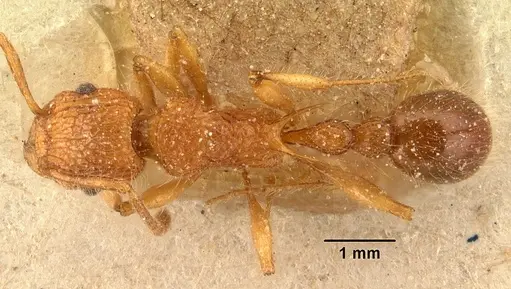
CASENT0101293
View on AntWeb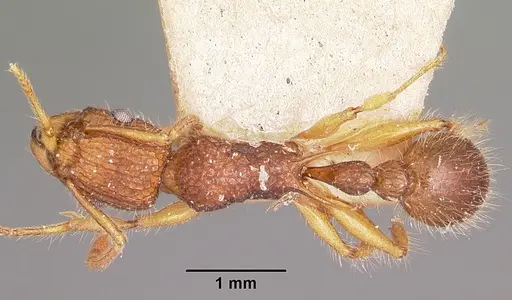
CASENT0101294
View on AntWeb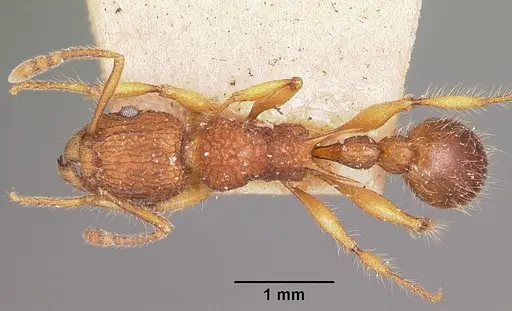
CASENT0101938
View on AntWeb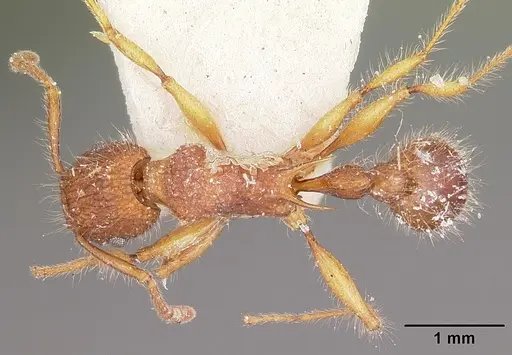
CASENT0102339
View on AntWeb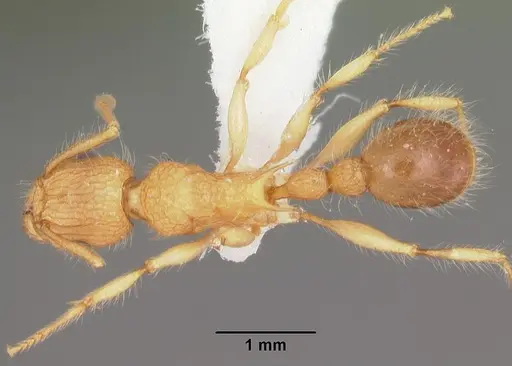
CASENT0104607
View on AntWeb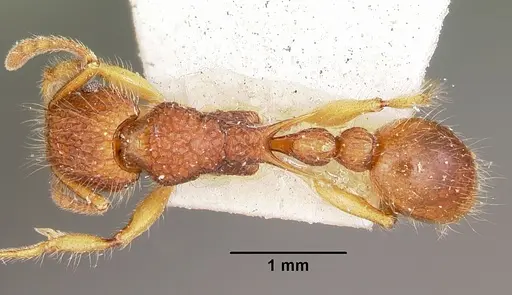
CASENT0132658
View on AntWeb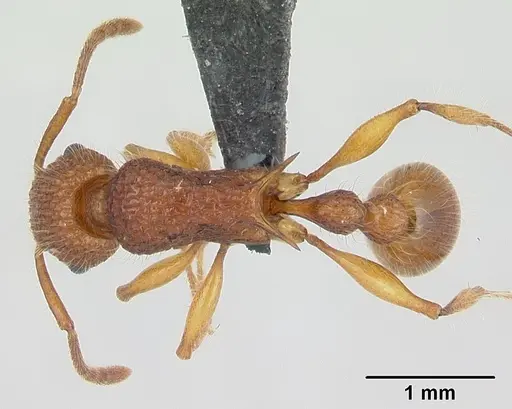
CASENT0133425
View on AntWeb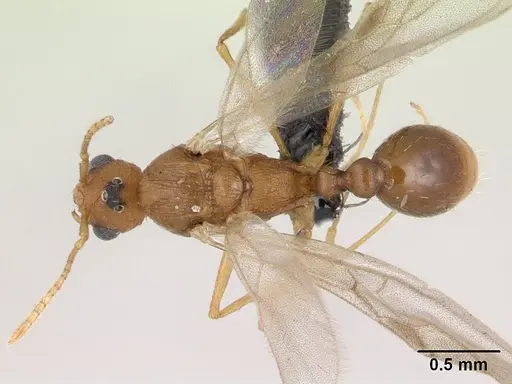
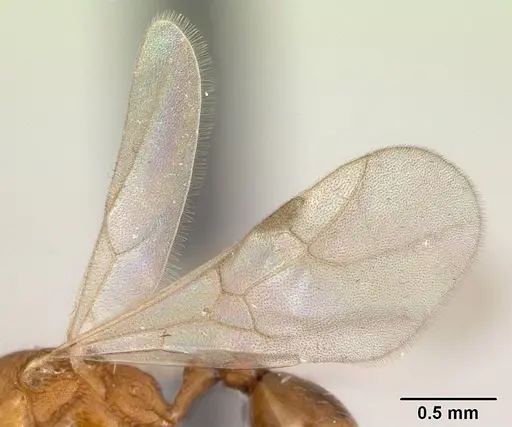
CASENT0134890
View on AntWeb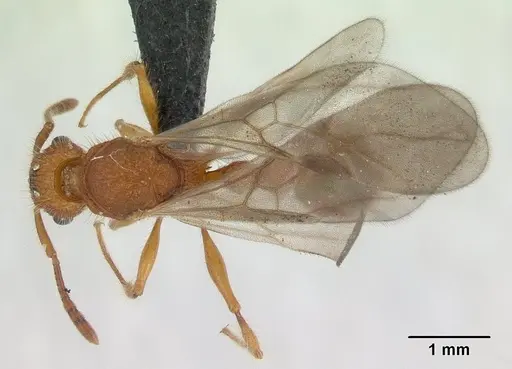
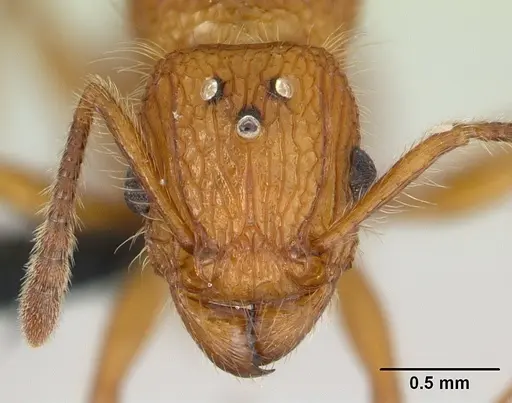
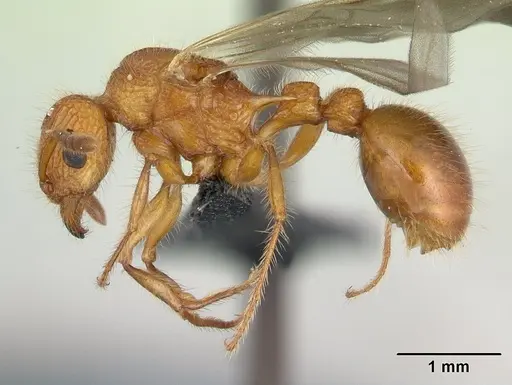
CASENT0134996
View on AntWeb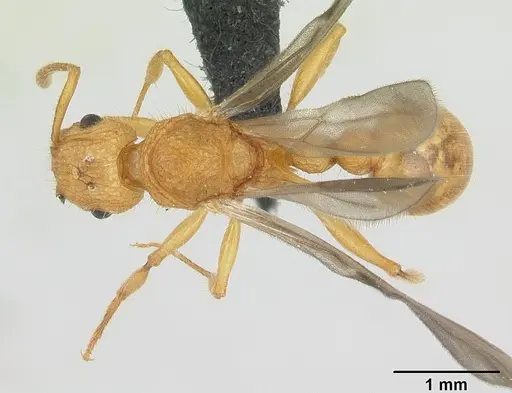
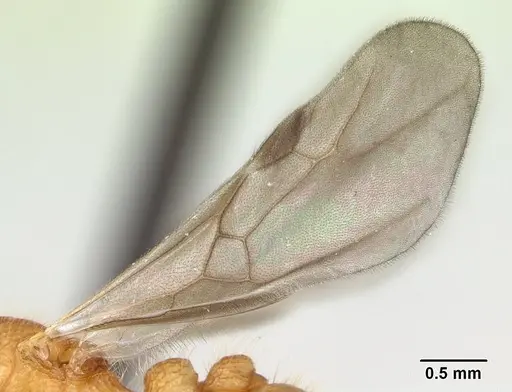
CASENT0467063
View on AntWeb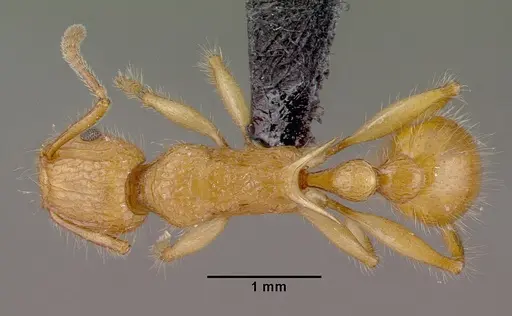
Literature
Loading distribution map...Loading products...