
Tetramorium jugatum
- Sci. Name
- Tetramorium jugatum
- Tribe
- Crematogastrini
- Subfamily
- Myrmicinae
- Author
- Bolton, 1980
- Distribution
- Found in 2 countries
Introduction
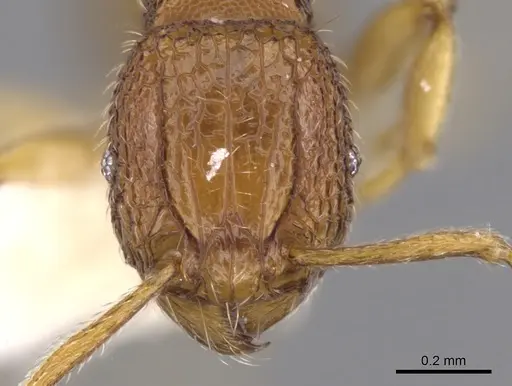
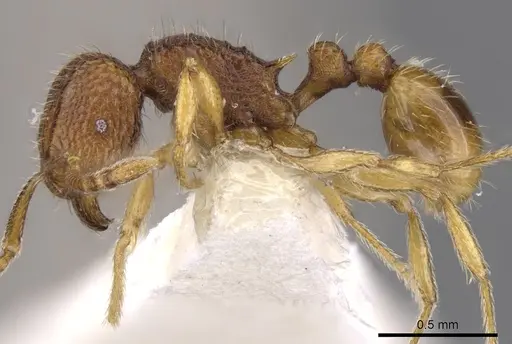
Tetramorium jugatum is a small ant species native to West and Central Africa, found in Ivory Coast, Ghana, Nigeria, Cameroon, Democratic Republic of Congo, Angola, and recently recorded in Rwanda . Workers measure 2.2-2.6 mm, with a yellow-brown color, small eyes (3-5 ommatidia), and long, stout propodeal spines. The head and mesosoma have distinct longitudinal wrinkles, while the gaster is smooth and shiny . They naturally nest in rotting wood and ground nests in forests . Tetramorium jugatum is closely related to Tetramorium intonsum, Tetramorium shilohense, and Tetramorium termitobium, differing in details of sculpture and head shape . It also shares similar size and proportions with Tetramorium amalae . The species was first described by Bolton in 1980 from Ivory Coast, and has a wide distribution across West and Central Africa .
Quick Summary
- Difficulty: Medium
- Origin & Habitat: West and Central Africa, found in Ivory Coast, Ghana, Nigeria, Cameroon, Democratic Republic of Congo, Angola, and Rwanda. Inhabits rotting wood and ground nests in forests [1][2].
- Colony Type: Colony structure is unconfirmed. Based on Tetramorium genus patterns, likely single-queen colonies (monogyne). Colony size inferred from related species may reach several hundred workers.
- Size & Growth:
- Queen: Not documented, based on genus patterns, estimated 5-7 mm.
- Worker: 2.2-2.6 mm [1]
- Colony: Likely up to several hundred workers, estimated from similar Tetramorium species.
- Growth: Moderate (inferred from genus)
- Development: Estimated 6-10 weeks at optimal temperature based on small Myrmicinae patterns. (No direct data for this species. Development time will vary with temperature.)
- Antkeeping:
- Temperature: Aim for 22-26°C based on tropical habitat. Provide a gradient so workers can choose warmer or cooler areas.
- Humidity: Keep the nest substrate consistently moist but not waterlogged, with a moisture gradient. Their natural forest habitat suggests high humidity levels.
- Diapause: No, as a tropical species, they do not require hibernation and remain active year-round with proper heating.
- Nesting: Prefers nesting in damp rotting wood or soil [1]. In captivity, use Y-tong (AAC) or plaster nests with moisture reservoirs. Avoid completely dry setups.
- Behavior: Workers are small and active. As a member of the Crematogastrini tribe, they possess a modified stinger used to smear venom onto enemies rather than piercing. They are not particularly aggressive but will defend the colony. Escape prevention is critical due to their tiny size (2.2-2.6 mm). Foraging style is typical of ground-nesting Tetramorium: they recruit nestmates to larger food discoveries.
- Common Issues: escape prevention is critical due to their tiny size (2.2-2.6 mm), use fine mesh barriers and tight-fitting lids., colonies may struggle in dry conditions, ensure humidity remains consistent., founding behavior is unconfirmed, if queens are claustral, they need complete darkness and minimal disturbance until workers appear., wild-caught colonies may carry parasites or diseases that can cause colony failure in captivity.
Nest Preferences and Housing
In the wild, Tetramorium jugatum nests in rotting wood and underground in forests [1]. For captive care, provide a nest that maintains consistent humidity while allowing some airflow to prevent mold. Y-tong (AAC) nests work well because they hold humidity while providing proper ventilation. Plaster nests with water reservoirs are another good option, allowing you to create a moisture gradient within the nest chamber. The nest chambers should be appropriately sized for their small workers (2.2-2.6 mm), tight-fitting chambers help them feel secure. The outworld should be simple with easy access to food and water. Because they are small, ensure all connections between nest and outworld are smooth with no gaps.
Feeding and Diet
Tetramorium jugatum is likely a generalist forager like other Tetramorium species, feeding on small insects, honeydew, and sugary liquids. In captivity, offer a varied diet: sugar water or honey as a constant energy source, and protein sources like small crickets, mealworms, or fruit flies. Since workers are tiny (only 2.2-2.6 mm [1]), prey items should be appropriately sized, flightless fruit flies, pinhead crickets, or small mealworm pieces work well. Feed protein 2-3 times per week, and keep sugar sources available at all times. Remove uneaten prey after 24-48 hours to prevent mold issues in the outworld.
Temperature and Seasonal Care
As a species from tropical West and Central Africa, Tetramorium jugatum prefers warm conditions. Keep the nest area at 22-26°C, with a slight gradient allowing workers to move between warmer and cooler areas. A heating cable or mat on one side of the nest can create this gradient, place it on top of the nest, not underneath, to avoid evaporating moisture too quickly. Unlike temperate species, they do not require hibernation or diapause. Room temperature in most homes (20-24°C) is generally acceptable, but providing a warm spot around 24-26°C will support more active foraging and brood development. Monitor colony behavior, if workers seem sluggish, slightly increase the temperature.
Colony Founding and Early Development
Founding behavior for Tetramorium jugatum is unconfirmed. For most Tetramorium species, queens are claustral (they seal themselves in a chamber and raise the first workers without leaving to forage). If this species follows that pattern, the queen will remain sealed in, feeding only on her stored fat reserves until the first nanitic workers emerge. This founding phase may take 6-10 weeks or longer depending on temperature. During this time, the queen needs complete darkness and minimal disturbance. Once the first workers (nanitics) emerge, they will begin foraging for food to feed the developing brood. Do not offer food until workers are visible, as a sealed queen cannot access it. After workers appear, you can begin offering tiny food items in the outworld.
Behavior and Temperament
Tetramorium jugatum workers are small (2.2-2.6 mm [1]) but active and alert. As a member of the Crematogastrini tribe, they possess a modified stinger used to smear venom onto enemies rather than piercing. They are not among the most aggressive ants, but they will defend the colony if disturbed. Workers forage individually and in small groups, recruiting nestmates to larger food discoveries through chemical signals. Their small size makes them excellent climbers, so escape prevention is essential, use fine mesh on ventilation holes and fluon on rim edges. They are likely diurnal and show peak activity during daylight hours when kept at proper temperatures.
Frequently Asked Questions
How long does it take for Tetramorium jugatum queens to raise their first workers?
The exact timeline is unknown, but based on similar small Tetramorium species, expect 6-10 weeks from egg to worker at optimal temperature (around 24-26°C). Founding behavior is unconfirmed, if the queen is claustral, she will seal herself in and raise the first brood entirely on stored reserves.
What do Tetramorium jugatum ants eat?
They are generalist feeders. Offer sugar water or honey as a constant energy source, and small protein items like fruit flies, tiny crickets, or mealworm pieces. Since workers are only 2.2-2.6 mm [1], prey should be appropriately sized. Remove uneaten food after 24-48 hours to prevent mold.
Do Tetramorium jugatum ants need hibernation?
No. As a tropical African species, they do not require a true diapause or hibernation period. They remain active year-round with proper heating. However, they may show reduced activity if temperatures drop significantly below their preferred range.
How big do Tetramorium jugatum colonies get?
Based on similar Tetramorium species, colonies likely reach up to several hundred workers over time. They are not among the largest Tetramorium species, but a mature colony can contain several hundred individuals. Growth is moderate, expect several months to a year to reach 50+ workers.
Are Tetramorium jugatum ants good for beginners?
They are rated as Medium difficulty. While not the most challenging species, their small size makes escape prevention tricky, and their need for consistent humidity may be tough for complete beginners. They are better suited for keepers who already have experience with small Myrmicinae species.
What temperature is best for Tetramorium jugatum?
Keep them at 22-26°C, with 24-26°C being ideal for active foraging and brood development. A temperature gradient is beneficial, allow workers to move between warmer and cooler areas of the nest.
Can I keep multiple Tetramorium jugatum queens together?
Not recommended. Colony structure is unconfirmed, but most Tetramorium species are monogyne (single queen). Combining unrelated queens typically results in fighting. Polygynous colonies have not been documented for this species.
How do I prevent Tetramorium jugatum from escaping?
Escape prevention is critical due to their tiny 2.2-2.6 mm size [1]. Use fine mesh on any ventilation holes, apply fluon to rim edges, and ensure all connections between nest and outworld are secure and gap-free. Check that cotton stoppers in test tubes are packed tightly. Even small gaps that would not concern larger ants can allow these tiny workers to escape.
What type of nest is best for Tetramorium jugatum?
Y-tong (AAC) nests or plaster nests with moisture reservoirs work well. The key is maintaining consistent humidity while allowing some airflow. Avoid completely dry setups or those that cannot hold moisture. Nest chambers should be appropriately sized for their small worker size.
Do Tetramorium jugatum ants sting?
As Myrmicinae ants, they have a functional stinger, but it is modified for smearing venom rather than piercing. Due to their very small size (2.2-2.6 mm [1]), any sting would be mild and unlikely to cause more than minor irritation. They are not considered dangerous to humans.
Report an Issue
The current care sheet is based fully on literature. See inconsistencies, or something that's incorrect? Please , it will be resolved after review from an admin. Contributing to the blogs tab also helps providing information, to make us be able to further improve the caresheets. Thank you for your support!
References

This caresheet is licensed under CC BY-SA 4.0 .
Community Blogs
CASENT0901169
View on AntWeb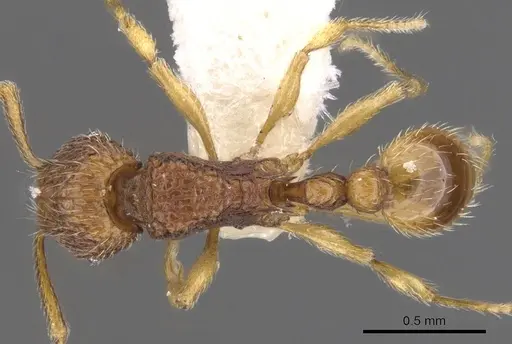
Literature
Loading distribution map...Loading products...