
Tetramorium jedi
- Sci. Name
- Tetramorium jedi
- Tribe
- Crematogastrini
- Subfamily
- Myrmicinae
- Author
- Hita Garcia & Fisher, 2012
- Distribution
- Found in 2 countries
Introduction
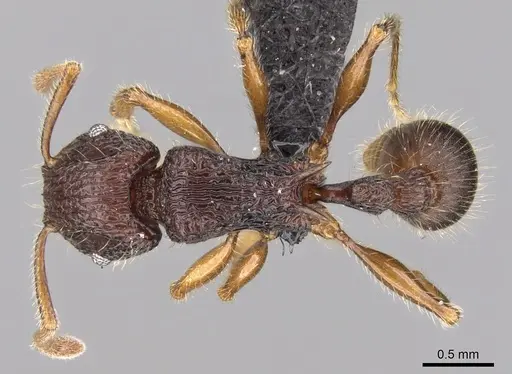
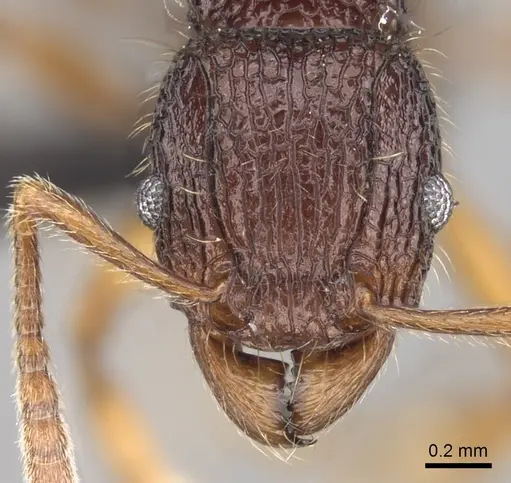
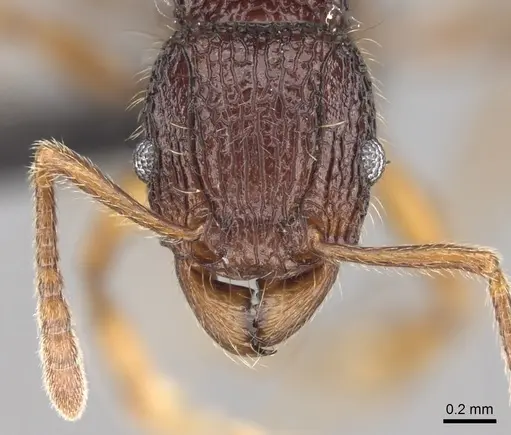
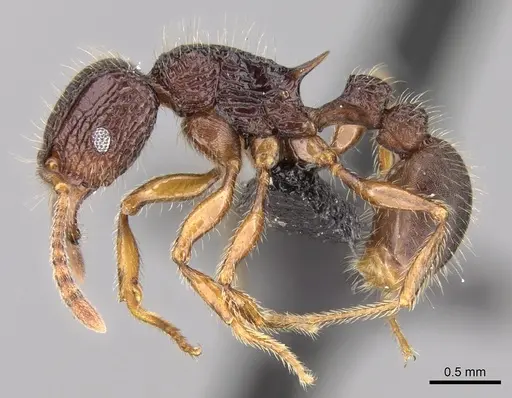
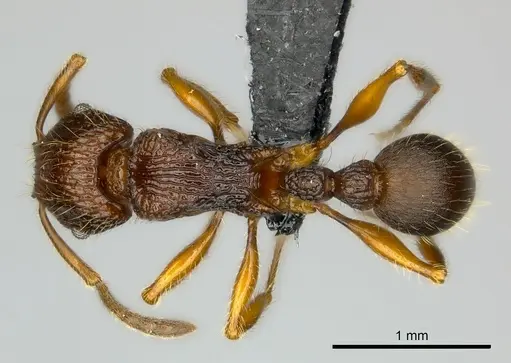
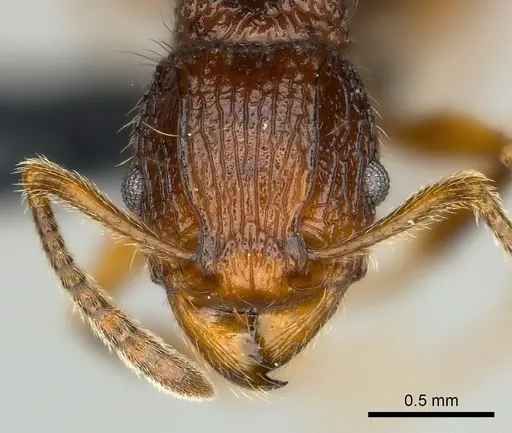
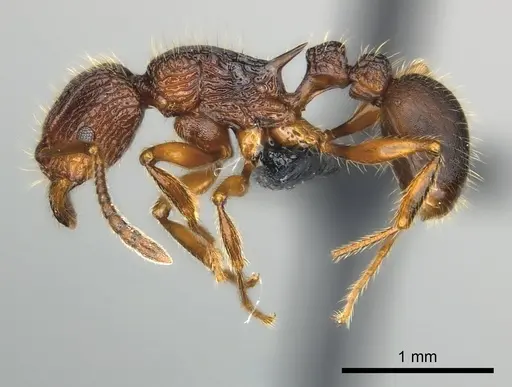
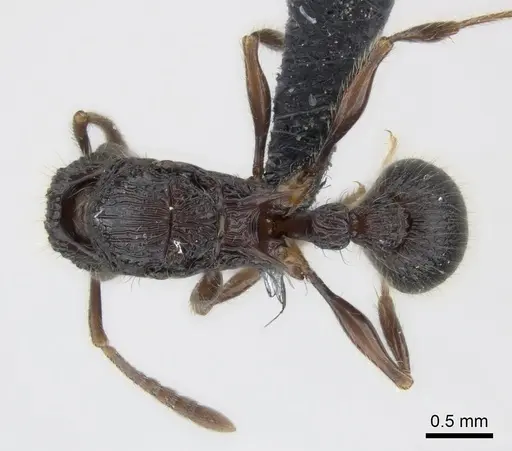
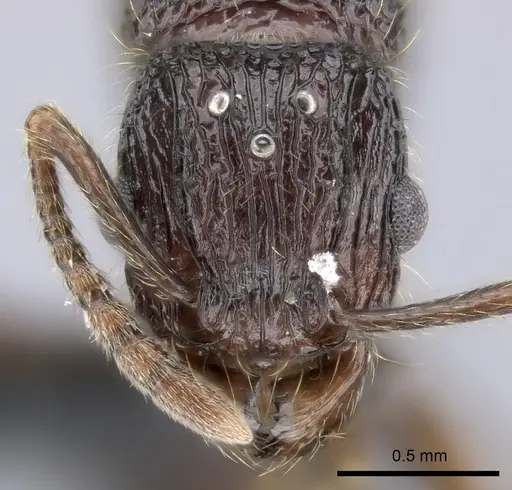
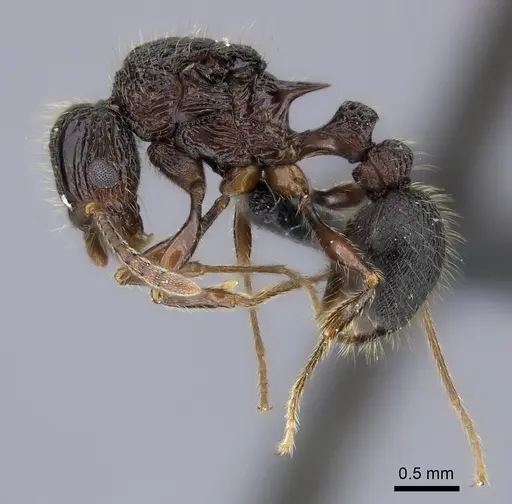
Tetramorium jedi is a small, ground-active ant species native to the rainforests of northeastern Madagascar. Workers have a distinctive dark brown to brown coloration and a uniquely sculptured gaster that appears matt due to conspicuous punctate markings - this is one of the key features that help identify them . The species belongs to the Tetramorium tortuosum species group and was only described in 2012,making it a recent discovery. Their petiolar node is distinctly longer than wide, which sets them apart from many other Tetramorium species . These ants are found at elevations between 240-800m in lowland rainforest habitats, where they forage on the forest floor . What makes T. jedi particularly interesting is its limited known distribution - it appears to be restricted to a relatively small area in northeastern Madagascar, with the surprising exception of one isolated population further south at Ambalagoavy . This patchy distribution, combined with the fact that queens have never been described in the scientific literature, means that much about their behavior and colony dynamics remains a mystery.
Quick Summary
- Difficulty: Medium
- Origin & Habitat: Northeastern Madagascar, from Anjanaharibe north to Binara, with an isolated population at Ambalagoavy further south. They inhabit lowland rainforests at elevations between 240-800m and are ground-active foragers [1][2].
- Colony Type: Unconfirmed, no data available on queen number or social structure.
- Size & Growth:
- Queen: Unknown, queens have not been described in scientific literature
- Worker: Unknown, total length not recorded in literature, only head and mesosoma measurements are available [1]
- Colony: Unknown, no estimates available
- Growth: Unknown, not documented
- Development: Unknown, not documented (No data available for this species. Expect timing to resemble other tropical Tetramorium if inferred.)
- Antkeeping:
- Temperature: Warm,24-28°C, inferred from tropical lowland rainforest habitat. A slight temperature gradient allows workers to choose their preferred zone.
- Humidity: High, maintain consistently moist substrate, as in a rainforest floor. Balance moisture with ventilation to prevent mold.
- Diapause: No, as a tropical species from Madagascar, they do not require hibernation. Keep warm year-round.
- Nesting: Soil or rotting wood, ground-active. In captivity, a Y-tong (AAC) or plaster nest works well with high humidity. Naturalistic setups with moist substrate also suit them.
- Behavior: Ground-active foragers. Likely docile and non-aggressive. Defense mechanism: they use a modified stinger to smear venom onto enemies (subfamily Myrmicinae tribe Crematogastrini habit). Workers are small and can escape through tiny gaps, excellent escape prevention is essential.
- Common Issues: high humidity requirements can lead to mold if ventilation is inadequate, balance moisture and airflow, small worker size means escape prevention must be absolute, they slip through tiny gaps, tropical species do not tolerate cool temperatures, keep warm year-round (below 20°C may be lethal), limited captive husbandry knowledge, be prepared to experiment and adjust care based on colony response
Housing and Nest Setup
Because Tetramorium jedi is a ground-active rainforest species, you should aim to replicate a moist, warm environment. A Y-tong (AAC) or plaster formicarium works well because these materials hold humidity while allowing some ventilation. The chambers should be sized for their small workers, large, open spaces may feel insecure. A naturalistic setup with moist soil and rotting wood can also work. Whatever nest you choose, keep the substrate consistently damp but never waterlogged. Escape prevention is critical: workers are tiny and will exploit any gap. Use fine mesh or tight seals on outworld connections.
Feeding and Diet
Tetramorium jedi is likely omnivorous, as are most Tetramorium. In captivity, provide both protein and carbohydrates. Offer small insects like fruit flies, pinhead crickets, or tiny mealworms. They will also accept sugar water, honey, or diluted honey for energy. Remove uneaten food after 24-48 hours to prevent mold. Always have fresh water available. In nature, ground-active ants often collect honeydew from aphids and scavenge small arthropods, mimicking this variety in captivity supports healthy growth.
Temperature and Seasonal Care
As a tropical species from Madagascar, Tetramorium jedi requires warm temperatures year-round. Keep the nest area at 24-28°C, ideally with a slight gradient so workers can choose cooler or warmer spots. This range mirrors their lowland rainforest habitat. Unlike temperate ants, they do not need hibernation, maintain consistent warmth. Avoid temperatures below 20°C for long periods, as that can slow brood development or harm the colony. A small heating cable on one side of the nest can help, but be careful not to dry out the substrate.
Humidity Management
High humidity is essential for Tetramorium jedi. In their native rainforest floor, moisture levels are consistently high. Aim to keep the nest substrate damp, when you squeeze it, a little moisture should be visible without water pooling. Mist the nest regularly, or use a water reservoir integrated into the formicarium. However, too much humidity without ventilation leads to mold, so ensure some airflow. Watch your colony: if workers crowd into one moist corner, they may need more moisture, if they avoid wet areas, reduce humidity.
Behavior and Observation
Tetramorium jedi workers are likely active foragers that explore the outworld in search of food. They are ground-active, so they’ll form foraging trails on the floor. Their dark brown color and distinctive matt gaster (visible under magnification) make them interesting to watch. Workers are probably not aggressive and rarely sting, their primary defense is to smear venom using a modified stinger (a common trait in Crematogastrini tribe ants). Because so little is known about this species, every colony provides an opportunity to learn. Observe their interactions and adjust care as needed.
Frequently Asked Questions
How long does it take for Tetramorium jedi to raise their first workers?
This is not documented. Based on other tropical Tetramorium, it may take several weeks at warm temperatures, but actual timing is unknown. Be patient and avoid disturbing the founding queen if you have one.
Do Tetramorium jedi ants need hibernation?
No, they do not. As a tropical species from Madagascar, they need warm conditions year-round. Keep temperatures at 24-28°C consistently.
What do Tetramorium jedi ants eat?
They are likely omnivorous. Offer small insects (fruit flies, pinhead crickets) and sugar water or honey. Provide a varied diet and remove leftovers to prevent mold.
Are Tetramorium jedi good for beginners?
They are rated medium difficulty. The main challenges are the need for high humidity and warm temperatures. Keepers with some experience in tropical species will find them manageable, but complete beginners may struggle with maintaining stable conditions.
How big do Tetramorium jedi colonies get?
Unknown. No information is available on colony size in the wild or in captivity.
Can I keep Tetramorium jedi in a test tube setup?
A test tube can work for founding, but you’ll need to provide warmth and high humidity. Eventually, move them to a more spacious formicarium as the colony grows. Y-tong or plaster nests are suitable for established colonies.
Do Tetramorium jedi ants sting?
They belong to Myrmicinae, which have a stinger, but they are not known for aggression. Their defense is smearing venom rather than piercing. Stings are unlikely unless the ant is handled roughly.
What makes Tetramorium jedi different from other Tetramorium species?
Their petiolar node is distinctly longer than wide (DPeI 79-85), and the first gastral tergite is completely covered with conspicuous punctate sculpture, giving a matt finish. These features help identify them [1].
Why are my Tetramorium jedi workers dying?
Common causes include temperatures below 20°C, humidity that is too low, mold from excess moisture, or escape. Check all parameters. Small colonies naturally have higher worker turnover.
When should I move Tetramorium jedi to a formicarium?
Move them when the nest becomes crowded or the water source runs low. Connect the new setup to the old one and let workers relocate at their own pace, do not force them.
Report an Issue
The current care sheet is based fully on literature. See inconsistencies, or something that's incorrect? Please , it will be resolved after review from an admin. Contributing to the blogs tab also helps providing information, to make us be able to further improve the caresheets. Thank you for your support!
References

This caresheet is licensed under CC BY-SA 4.0 .
Community Blogs
Literature
Loading distribution map...Loading products...