
Tetramorium intonsum
- Sci. Name
- Tetramorium intonsum
- Tribe
- Crematogastrini
- Subfamily
- Myrmicinae
- Author
- Bolton, 1980
- Distribution
- Found in 2 countries
Introduction
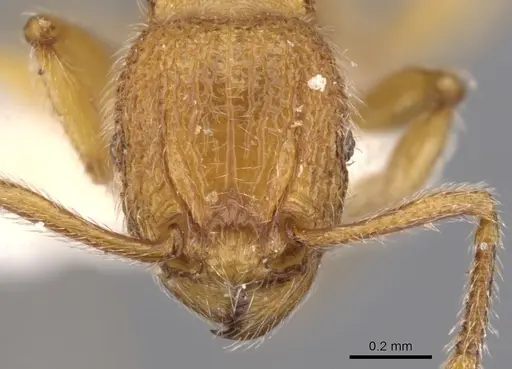
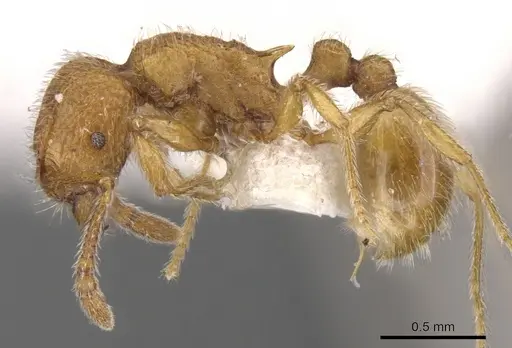
Tetramorium intonsum is a tiny yellow ant native to West Africa. Workers measure 2.8-3.1mm in total length and are uniformly yellow, with small eyes containing only 4-5 ommatidia . They have unusually long, dense hairs on their hind legs that make them stand out even under a microscope . This species belongs to a small group of four similar yellow Tetramorium from the same region, all with coarse body sculpture and relatively long antennae . These ants live in rotting wood and leaf litter across Ghana, Ivory Coast, Nigeria, and Tanzania. They've been collected from dry dead branches as well as wet-rotten stumps, so they can handle a range of moisture conditions . Their tiny size and need for high humidity make them a challenge for even experienced keepers, but their unique appearance and natural history make them worth the effort.
Quick Summary
- Difficulty: Hard
- Origin & Habitat: West Africa (Ghana, Ivory Coast, Nigeria, Tanzania) in tropical forest zones. Nests in rotting wood and leaf litter, they're flexible, using everything from dry dead wood to wet-rotten stumps [1]. Also found in urban green spaces in Ivory Coast [2].
- Colony Type: Colony structure is unknown. No specific data is available yet.
- Size & Growth:
- Queen: Unknown, no queen has been measured or described in the literature.
- Worker: 2.8-3.1mm [1]
- Colony: Likely under 500 workers (estimated based on similar litter-dwelling Tetramorium species)
- Growth: Moderate (estimated from genus patterns)
- Development: 6-10 weeks (estimated based on typical Tetramorium development at tropical temperatures) (No direct data for this species, timeline is an estimate.)
- Antkeeping:
- Temperature: Keep at 24-28°C. These are tropical ants from West Africa. If your home stays warm you may not need extra heat, otherwise use a heating cable on one side of the nest to create a gradient.
- Humidity: High humidity is essential. These ants naturally live in rotting wood inside humid forests. Keep the nest substrate consistently moist but not waterlogged. A water tube connected to the nest helps, and occasional misting of the outworld can be useful.
- Diapause: No, as a tropical species from constant-warm areas, they don't need hibernation. Keep conditions stable all year.
- Nesting: Y-tong (AAC) or plaster nests work well. They mimic the rotting wood habitat these ants prefer. Avoid acrylic nests because they don't hold humidity well.
- Behavior: Workers are tiny and active, spending most of their time foraging through leaf litter and soil. They are not aggressive, when disturbed they flee rather than fight. Their main defense is a modified stinger that smears venom onto enemies instead of piercing. They have small eyes and rely on other senses. Escape prevention is critical: at only ~3mm they can slip through almost any gap. Use fluon on nest rims and seal all connections.
- Common Issues: escape prevention is critical, they are tiny and will squeeze through the smallest gaps, humidity control is tricky, too dry kills them, too wet causes mold, slow growth can frustrate impatient keepers, be patient through founding, wild-caught colonies may arrive stressed or carry parasites, small colony size means less room for error, losses are harder to recover from
Housing and Nest Setup
Because these ants are so tiny (just 3mm), you need to design their home carefully. A Y-tong (AAC) nest holds humidity well and provides tight chambers that mimic natural rotting wood. Plaster nests are another good option, they allow moisture to wick through the entire nest. Avoid acrylic nests entirely, they dry out too fast. A standard test tube setup works fine during the founding stage, but once the colony grows beyond 30-50 workers you'll want to connect a proper formicarium. Make sure all connections are sealed tight, a gap of 0.5mm is enough for an escape. Use a water tube or humidifier to keep the nest moist, but not waterlogged. [1]
Feeding and Diet
Like most Tetramorium, these ants are omnivorous. In captivity, offer small protein sources like fruit flies, pinhead crickets, or springtails. They will also take sugar water or diluted honey. Because the workers are so small, even tiny prey items are a big meal. Feed small amounts every 2-3 days and remove any leftovers before they spoil. Protein should make up the bulk of the diet, especially during brood rearing. Observation will tell you what they prefer, some colonies may show more interest in one prey type over another.
Temperature and Humidity
Tetramorium intonsum comes from tropical West Africa, so it needs warmth and consistent moisture. Aim for 24-28°C. A heating cable on one side of the nest creates a gradient so workers can choose their preferred spot. Humidity is the bigger challenge: keep the nest substrate moist to the touch. These ants naturally live in rotting wood that holds water, so dry conditions will quickly kill the colony. Connect a water tube to the nest or use a damp substrate like coco peat. Avoid placing the nest near air conditioning or heating vents that cause rapid drying. [1]
Colony Development
We don't have species-specific development data, but based on related Tetramorium, expect 6-10 weeks from egg to first worker at optimal temperatures. The queen will seal herself in a small chamber (claustral founding is assumed, though unconfirmed) and use her body reserves to raise the first batch. These first workers (nanitics) will be smaller than normal. Once they arrive, growth is steady but slow, don't expect a rapid explosion in numbers. Disturb the queen as little as possible during founding. Once the colony has 30+ workers, you can start regular maintenance and feeding.
Handling and Temperament
These ants are timid and non-aggressive. When you open the nest they'll likely hide rather than attack. Their main defense is a stinger adapted for smearing venom, not piercing, so they can't deliver a typical sting. The real danger is them escaping: at 3mm, they can walk through most gaps. Always use a barrier like fluon on the edges of your outworld and nest. Work in a well-lit area so you can spot any escapees. They are best watched and photographed rather than handled directly. [1]
Frequently Asked Questions
How long does it take for Tetramorium intonsum to raise first workers?
Based on typical Tetramorium, expect 6-10 weeks from egg to first worker at 24-28°C. No direct data for this species, so be patient.
What do Tetramorium intonsum ants eat?
They accept small live prey like fruit flies, springtails, and tiny crickets, plus sugar water. Feed protein 2-3 times per week and keep sugar water available.
Do Tetramorium intonsum ants sting?
They have a modified stinger that smears venom rather than piercing, so they don't sting in the usual sense. They will flee from threats.
Can I keep Tetramorium intonsum in a test tube?
Test tubes are good for founding colonies, but once the colony has 30-50 workers you should move them to a Y-tong or plaster nest that holds humidity better.
Do Tetramorium intonsum need hibernation?
No, they are tropical and do not require hibernation. Keep them warm (24-28°C) year-round.
How big do Tetramorium intonsum colonies get?
Colony size is unconfirmed but likely modest, probably under 500 workers, typical for small litter-dwelling Tetramorium.
Why are my Tetramorium intonsum dying?
The most common causes are low humidity (they need moist substrate), temperature too low (keep at 24-28°C), or escape (they are tiny). Check humidity first.
Are Tetramorium intonsum good for beginners?
No, they are rated Hard. Their tiny size, high humidity needs, and unknown founding behavior make them better suited to experienced keepers.
When should I move my colony to a formicarium?
Wait until the colony has 30-50 workers and is actively foraging before moving from a test tube to a proper nest.
Can I keep multiple Tetramorium intonsum queens together?
There's no documentation on polygyny in this species. Based on typical Tetramorium patterns, single-queen colonies are most likely. Do not combine unrelated queens.
Report an Issue
The current care sheet is based fully on literature. See inconsistencies, or something that's incorrect? Please , it will be resolved after review from an admin. Contributing to the blogs tab also helps providing information, to make us be able to further improve the caresheets. Thank you for your support!
References

This caresheet is licensed under CC BY-SA 4.0 .
Community Blogs
CASENT0250282
View on AntWeb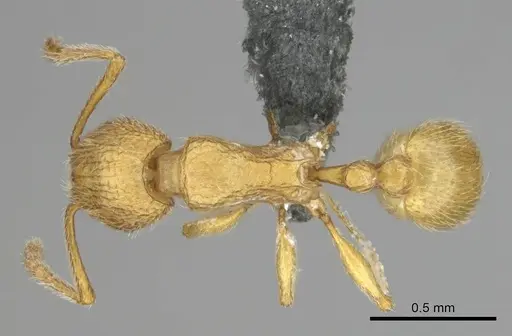
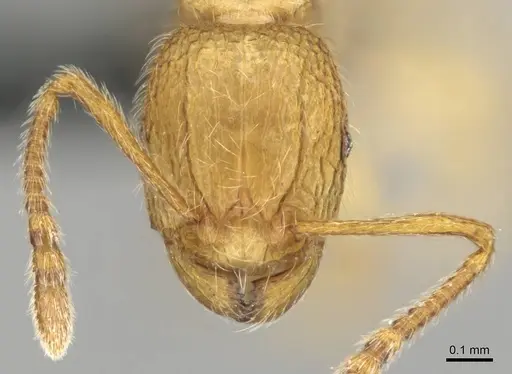
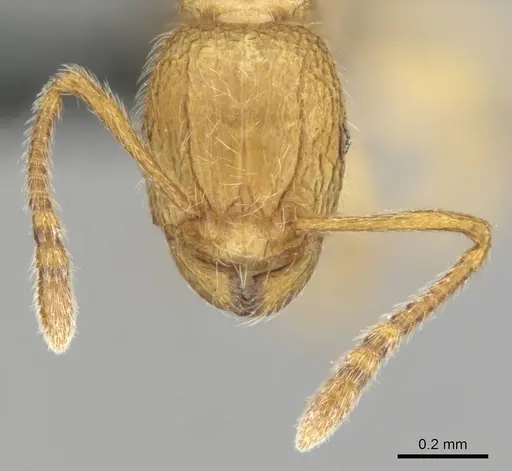
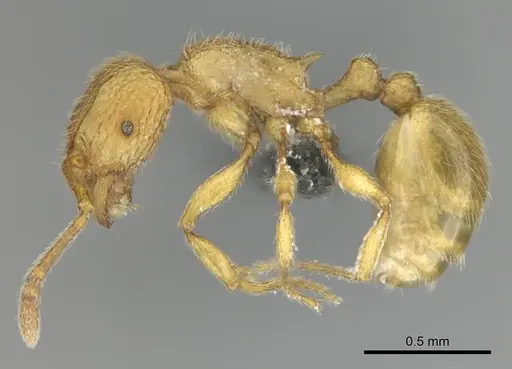
CASENT0901168
View on AntWeb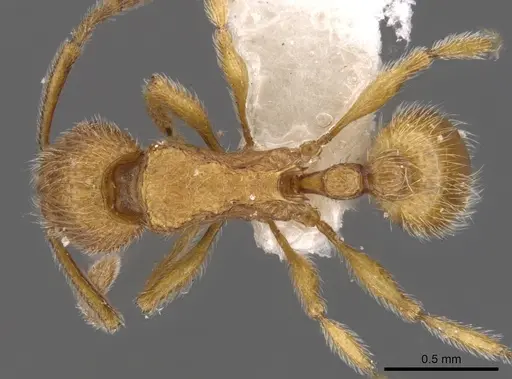
Literature
Loading distribution map...Loading products...