
Tetramorium insolens
- Sci. Name
- Tetramorium insolens
- Tribe
- Crematogastrini
- Subfamily
- Myrmicinae
- Author
- Smith, 1861
- Distribution
- Found in 16 countries
Introduction
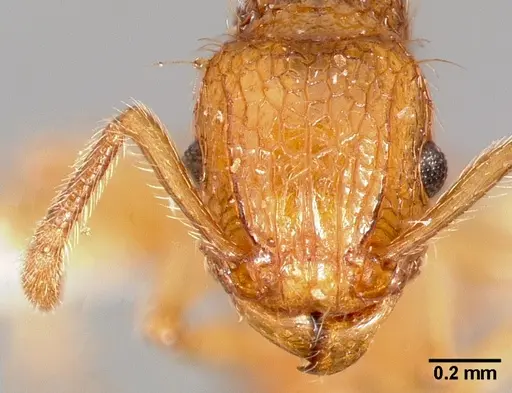
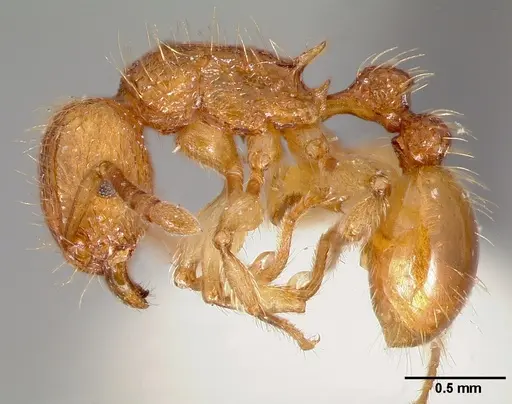
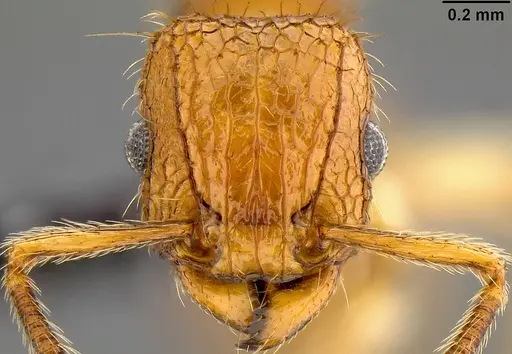
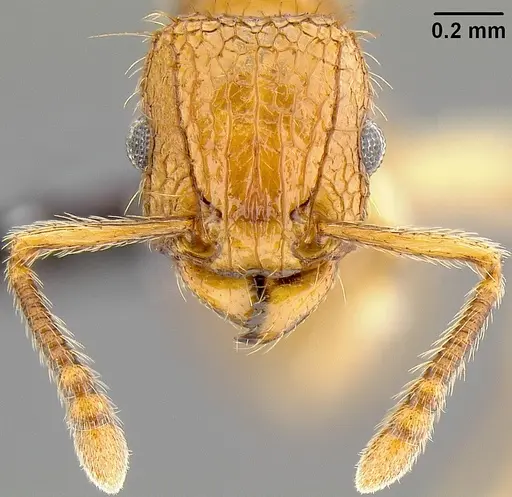
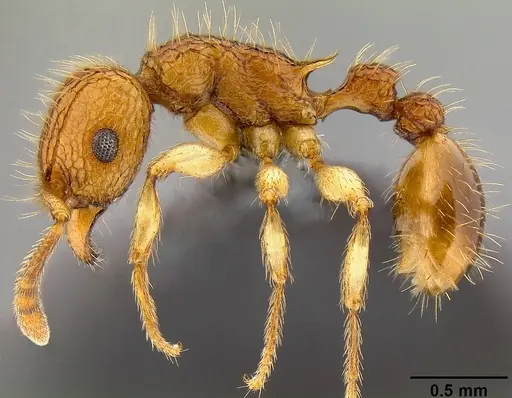
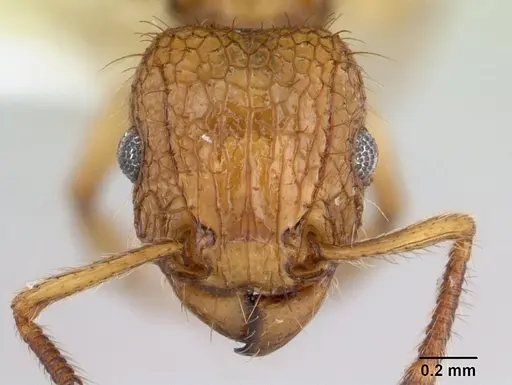
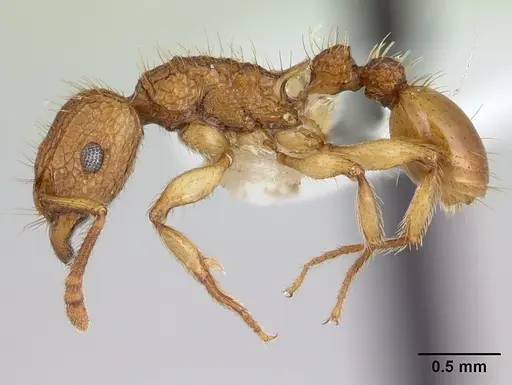
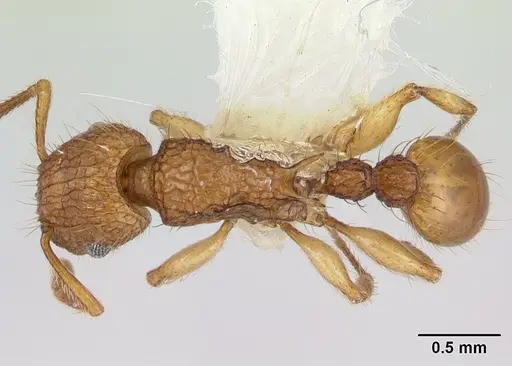
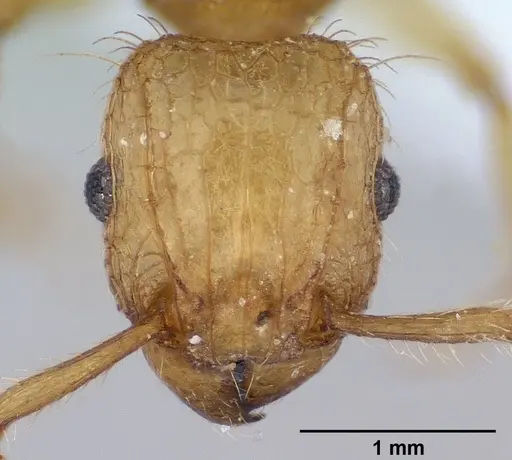
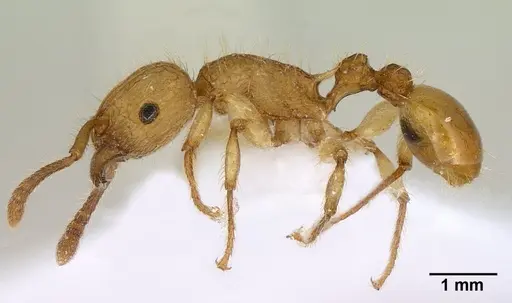
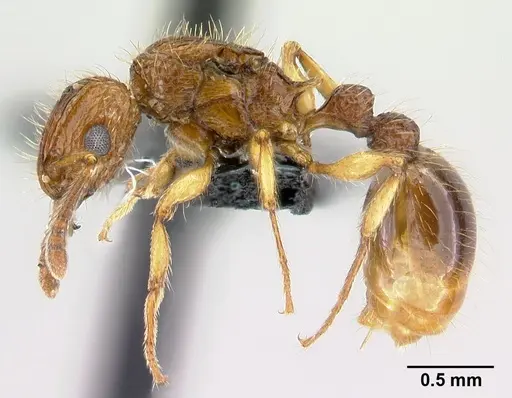
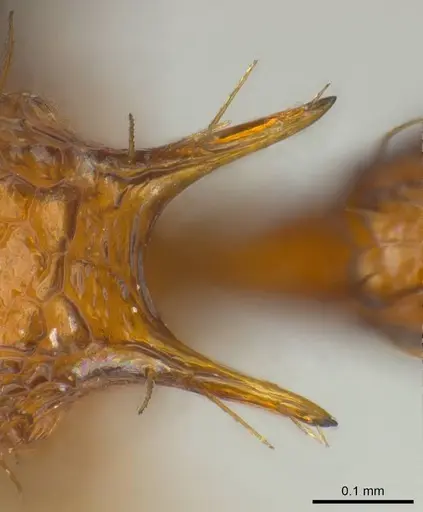
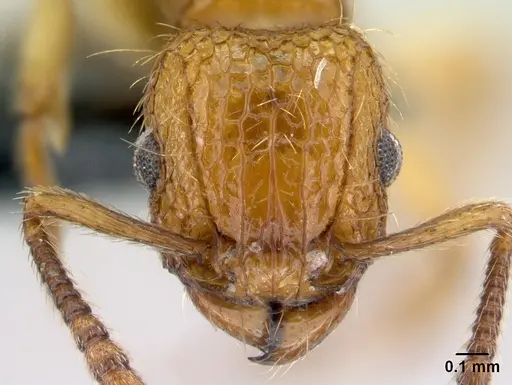
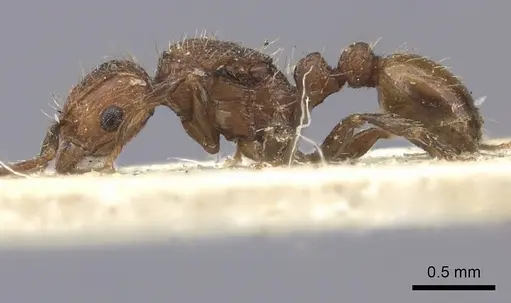
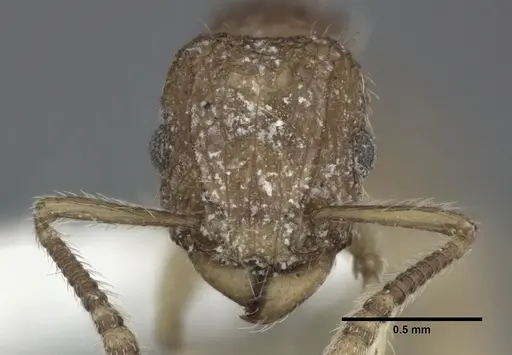
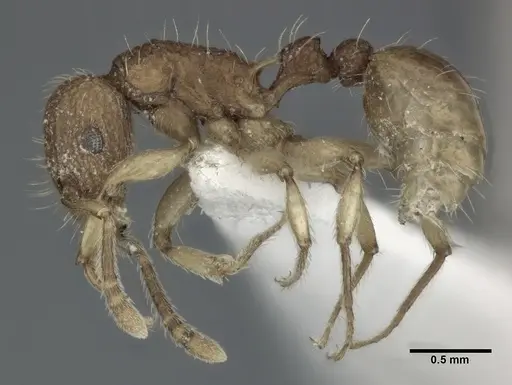
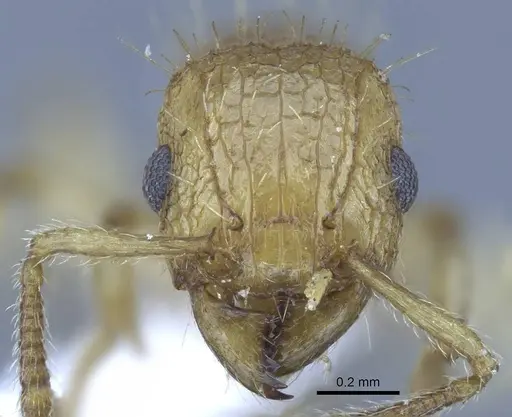
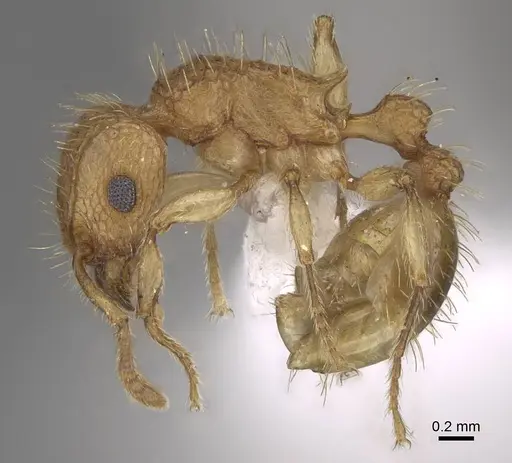
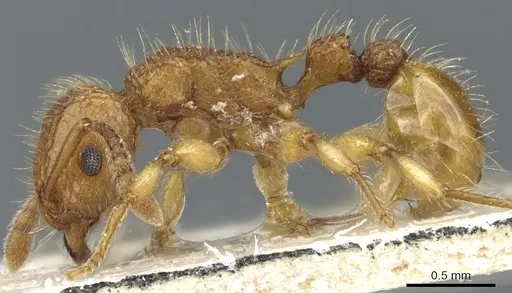
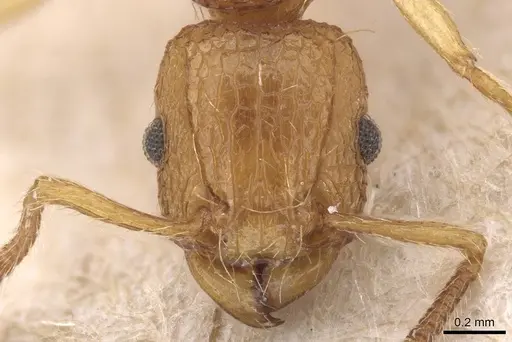
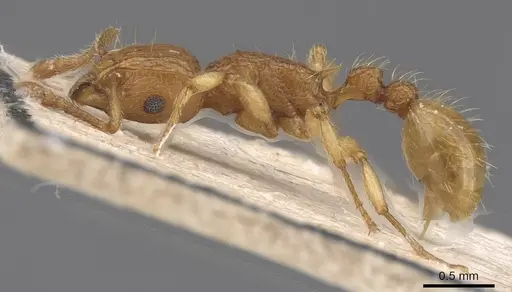
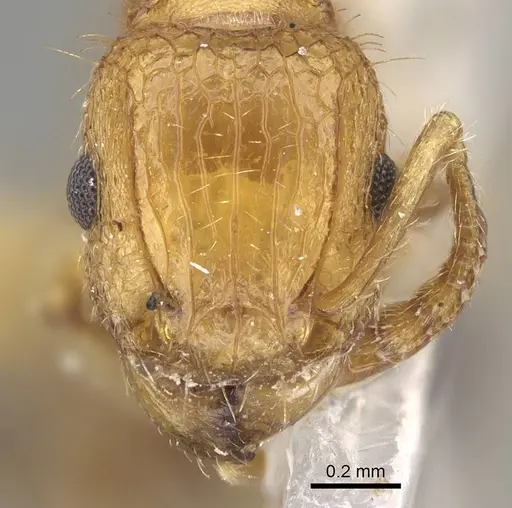
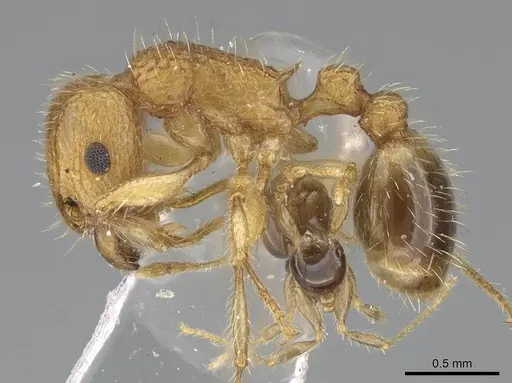
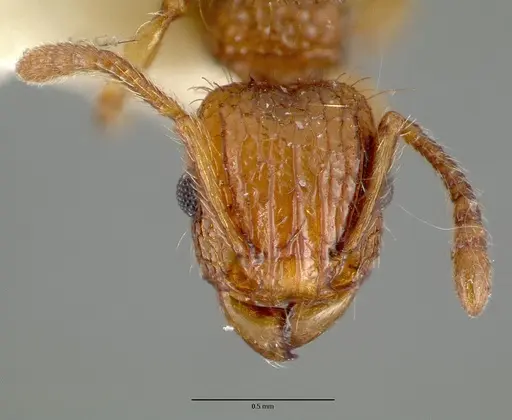
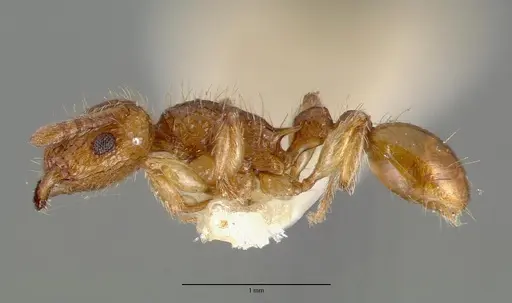
Tetramorium insolens is a small, pale yellow to orange-brown ant measuring 3.3-4.0mm . Workers have smooth, shiny mandibles and a distinctive rectangular petiolar node with the rear corner higher and sharper than the front corner . The gaster is the same color or lighter than the rest of the body, which helps tell it apart from the similar Tetramorium bicarinatum . This species belongs to the Tetramorium bicarinatum group and has 12-segmented antennae with strongly developed frontal carinae . It belongs to the subfamily Myrmicinae and tribe Crematogastrini, and like other members of this tribe, it uses a smear defense mechanism: workers have a modified, flattened stinger that wipes venom onto enemies rather than stinging them. This ant is a pan-global tramp species native to the Indo-Pacific region, first described from Sulawesi, Indonesia . It has spread worldwide through human trade and is now considered invasive. In temperate climates, it only survives in heated indoor spaces like botanical gardens and greenhouses . It was often mistaken for Tetramorium bicarinatum in the past, which explains its scattered global records . Because of its invasive potential, this species is NOT recommended for antkeeping, especially in areas where it is not native.
Quick Summary
- Difficulty: Expert
- Origin & Habitat: Native to the Indo-Pacific region (Sulawesi, Indonesia) and now found across the Pacific islands, Southeast Asia, and introduced to heated buildings in Europe and North America [3][4]. In its native range it inhabits tropical forests, often in leaf litter and soil [5]. In temperate zones it lives only in heated premises like botanical gardens [4].
- Colony Type: Likely monogyne (single queen), though specific data is unavailable. This is typical for many Tetramorium tramp species.
- Size & Growth:
- Queen: Over 5mm [6]
- Worker: 3.3-4.0mm [1]
- Colony: Likely several hundred workers at maturity (estimated from tramp species behavior)
- Growth: Moderate
- Development: An estimated 6-10 weeks, based on related Tetramorium species since no specific study exists for Tetramorium insolens (Timing depends on temperature – keep at 24-28°C for best results.)
- Antkeeping:
- Temperature: Maintain at 24-28°C. This is a tropical species that needs warmth. In heated greenhouses they thrive at these temperatures. Avoid letting it drop below 20°C for long periods.
- Humidity: Moderate to high. Keep the nest substrate moist but not waterlogged. In nature they nest in leaf litter and soil in humid forests [5]. Provide a moisture gradient with one damp area and a drier area.
- Diapause: No true diapause required. As a tropical species, it stays active year-round when kept warm. Activity may slow in cooler conditions but don't force hibernation.
- Nesting: Ground-nesters that prefer moist substrate. A Y-tong or plaster nest with small chambers works well, as does a naturalistic soil setup. They naturally inhabit leaf litter and soil [5]. Make sure chambers are scaled to their tiny size.
- Behavior: Workers are aggressive and defend the colony vigorously. In behavioral tests they bit intruders within 1-2 seconds of antenna contact [7]. They use a smear defense mechanism (flattened stinger wipes venom). Forage actively on the ground and can climb, but are mainly ground-dwelling. Their tiny size (3-4mm) means they can escape through very small gaps, so use fine mesh (0.5mm or smaller) on all openings. WARNING: This species is invasive and must not be released, extreme escape prevention is essential.
- Common Issues: invasive species – must not be released, extreme containment required, tiny size (3-4mm) makes escapes likely without fine mesh barriers, requires constant warmth – may die if room temperature drops below 20°C for extended periods, aggressive toward other ants – can't be housed near other species, in temperate climates, outdoor winter conditions are fatal, must be kept in heated space, wild-caught colonies may carry parasites, quarantine new colonies
Housing and Nest Setup
Tetramorium insolens is a small ground-nesting ant. A Y-tong (AAC) nest or plaster nest works well because these materials hold moisture, which the species prefers. Chambers must be scaled to their tiny 3-4mm size – narrow passages and small chambers help them feel secure. A naturalistic setup with a soil-filled container also works, mimicking their natural habitat under leaf litter and in soil [5]. Since they are tropical, keep them away from cold drafts. Use a test tube setup for founding, but since founding behavior is unconfirmed, you may need to adapt if the queen doesn't seal herself in. Move to a larger formicarium when the colony reaches about 20 workers. Use fine mesh on all ventilation holes and around the outworld edge to prevent escapes.
Feeding and Diet
Omnivorous. Offer protein sources 2-3 times per week – small insects like fruit flies, pinhead crickets, or mealworms. Keep a constant sugar source (honey water or sugar water). In nature they likely also tend aphids for honeydew. Their small size means prey should be appropriately sized. Remove uneaten food after 24-48 hours to prevent mold. They may also accept small pieces of fruit or cat food (check for spoilage).
Temperature and Seasonal Care
As a tropical species, Tetramorium insolens needs warmth year-round. Keep the nest at 24-28°C for optimal development. In temperate climates use a heating cable or mat on one side to maintain warmth. They do not need diapause – in fact, cooling them in winter may slow or stop growth. The species has adapted to life in heated greenhouses in Europe [8], showing it tolerates warm, humid conditions. If you cannot provide constant warmth, this species is not for you.
Behavior and Colony Dynamics
Colonies likely have a single queen, though this is not well documented. Workers are notably aggressive. In behavioral assays they attacked Strumigenys emmae workers within 1-2 seconds, biting and holding for several seconds [7]. Their primary defense is a smear mechanism – a modified flattened stinger wipes venom onto enemies instead of piercing. Forage actively both on the ground and can climb, but are mainly ground-dwelling. The colony establishes multiple chambers for brood, food storage, and waste. As the colony grows to several hundred workers, foraging activity increases. WARNING: This is an invasive species, never release it. Keep all exits sealed.
Escape Prevention and Safety
Because workers are only 3-4mm, they can fit through tiny gaps. Use fluon or PTFE on barrier rims, and ensure all connections between outworld and nest are tight. Mesh openings should be 0.5mm or smaller. The workers' aggressive biting is not dangerous to humans but can be startling. When maintaining the colony, move slowly and avoid direct disturbance. To transfer, coax them into a test tube rather than picking them up. In shared ant rooms, keep this species isolated from others – they will fight and may displace slower-growing species. [7]
Frequently Asked Questions
Can I keep Tetramorium insolens in a test tube?
Yes, a test tube setup works for a founding colony. Use a standard test tube with a water reservoir and cotton plug. Since founding behavior is unconfirmed, watch to see if the queen seals herself in – if she doesn't, you may need to provide a small entrance. Keep the tube warm and dark during founding. Move to a small formicarium when the colony reaches about 20 workers.
How long does it take for Tetramorium insolens to produce first workers?
Based on related Tetramorium species, expect first workers (nanitics) around 6-10 weeks after the queen lays eggs, assuming 24-28°C. No exact data exists for this species. Nanitics are smaller than regular workers.
Do Tetramorium insolens ants sting?
Tetramorium ants have a stinger, but it is modified into a smear organ – they wipe venom onto enemies rather than injecting it. The venom is not medically significant to humans. Their main defense is biting, which can be briefly painful but harmless.
Are Tetramorium insolens good for beginners?
No, despite being resilient, they are an invasive species that requires expert-level containment. Escape could lead to ecological damage. Beginners should choose a non-invasive species. If you still want to keep them, be aware of the high escape risk and the need for constant warmth.
What do Tetramorium insolens eat?
Omnivorous diet: small live or dead insects (fruit flies, pinhead crickets, mealworms) 2-3 times per week, plus constant access to honey water or sugar water. They also accept small pieces of fruit, cat food, or commercial ant jelly. Remove leftovers after 24-48 hours.
Can I keep multiple Tetramorium insolens queens together?
Probably not. The species is believed to be monogyne (single queen), so keeping multiple unrelated queens together would likely lead to fighting. No data confirms polygyny. If you catch a queen, house her alone until workers appear.
How big do Tetramorium insolens colonies get?
Estimated up to several hundred workers at maturity, based on similar tramp Tetramorium species. Exact maximum is not documented. Growth is steady but not explosive.
Do Tetramorium insolens need hibernation?
No. As a tropical species from the Indo-Pacific, they do not need diapause. Keep them warm year-round. If they experience cooler temperatures, they may slow down but this is not required. In fact, prolonged cold can kill them.
Why are my Tetramorium insolens dying?
Common causes: temperature too low (must be 24-28°C), nest too dry, escape (they may be gone, not dead), starvation (feed small insects regularly), or mold (remove uneaten food). If newly caught, they may carry pathogens. Ensure barriers are intact.
Report an Issue
The current care sheet is based fully on literature. See inconsistencies, or something that's incorrect? Please , it will be resolved after review from an admin. Contributing to the blogs tab also helps providing information, to make us be able to further improve the caresheets. Thank you for your support!
References

This caresheet is licensed under CC BY-SA 4.0 .
Community Blogs
CASENT0005828
View on AntWeb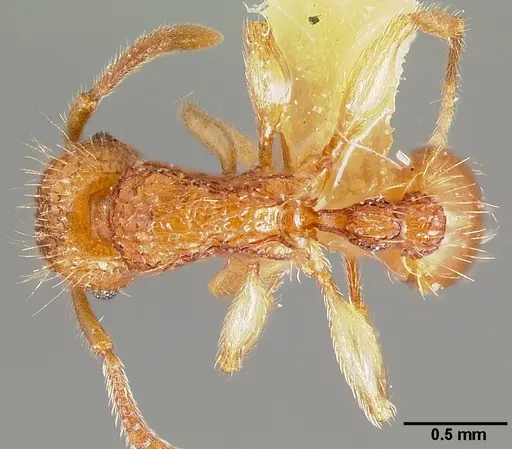
CASENT0171138
View on AntWeb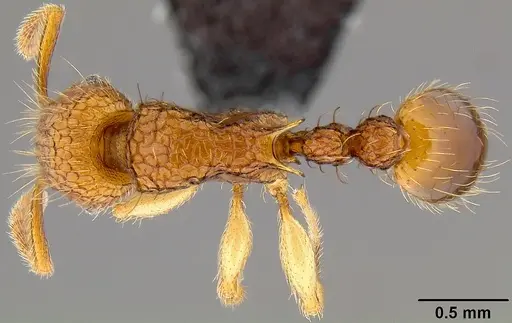
CASENT0173562
View on AntWeb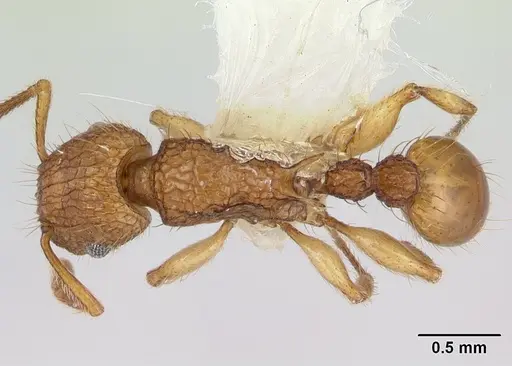
CASENT0179062
View on AntWeb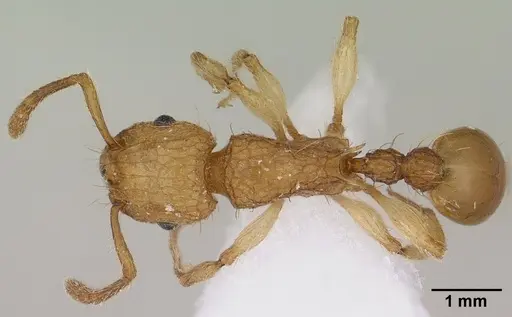
CASENT0217343
View on AntWeb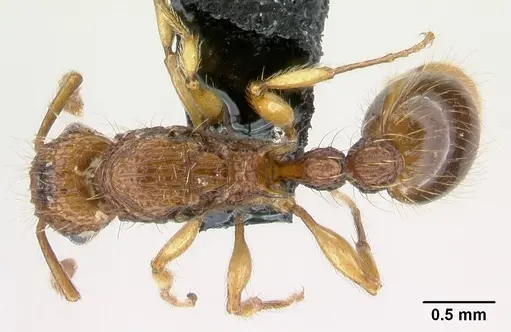
CASENT0226471
View on AntWeb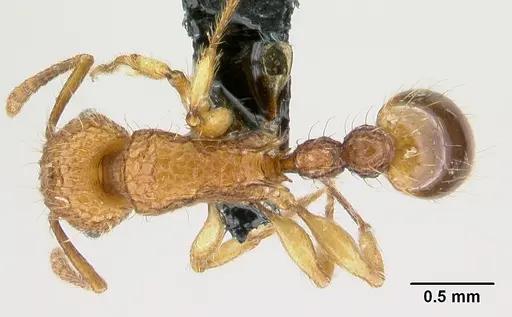
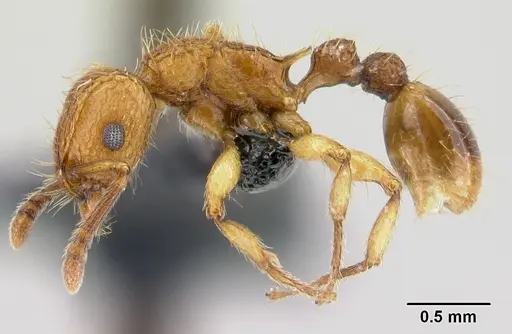
CASENT0235208
View on AntWeb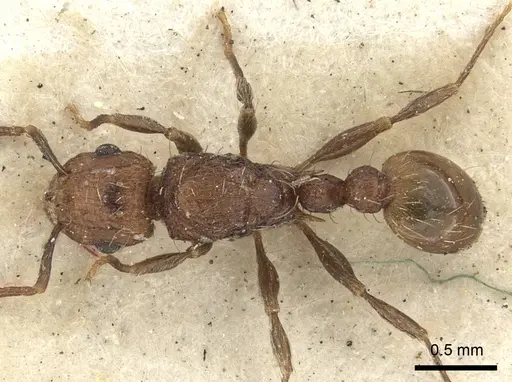
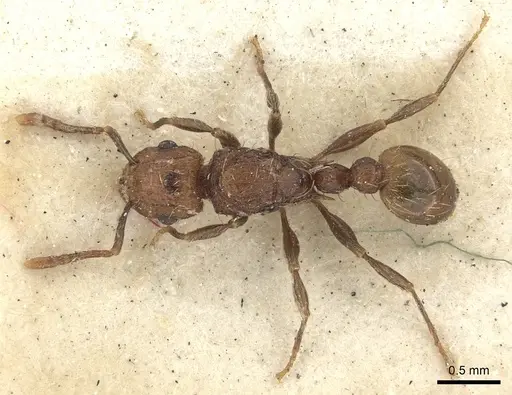
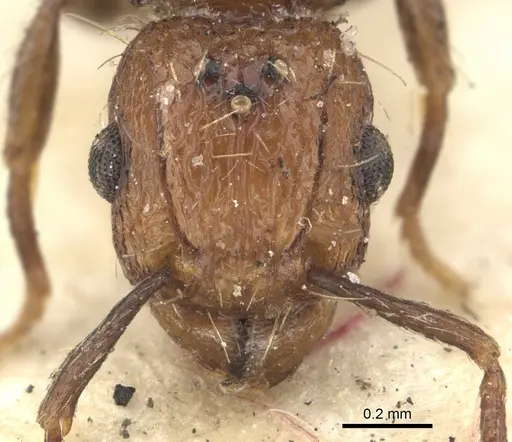
CASENT0246150
View on AntWeb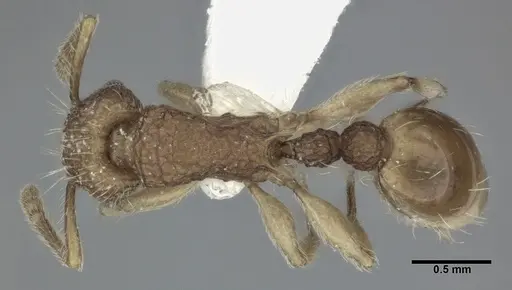
CASENT0248840
View on AntWeb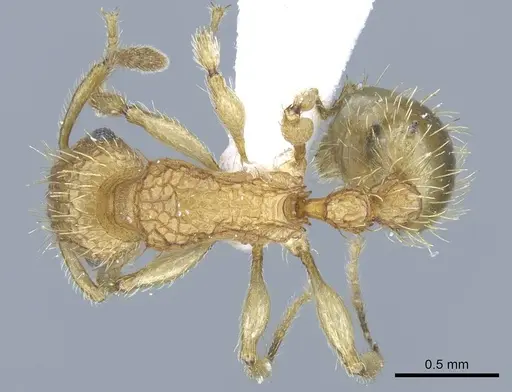
CASENT0904838
View on AntWeb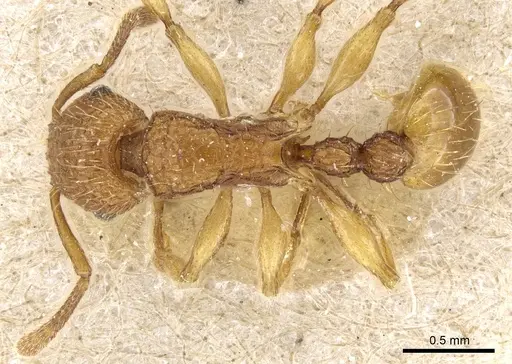
CASENT0915020
View on AntWeb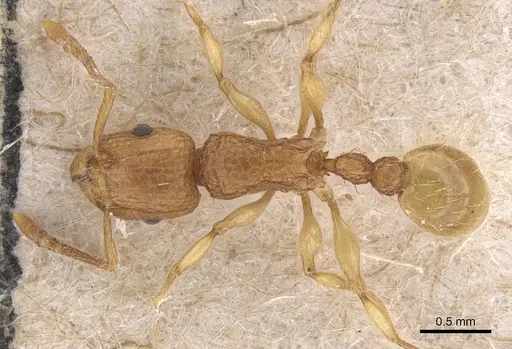
CASENT0919923
View on AntWeb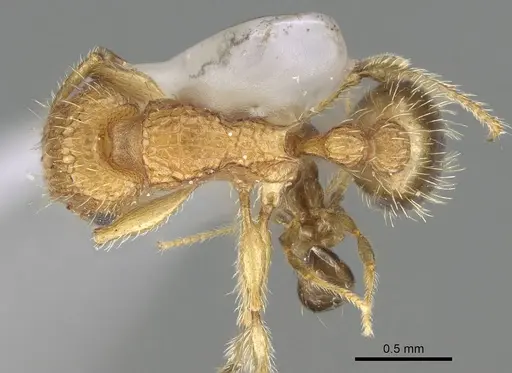
CASTYPE05027
View on AntWeb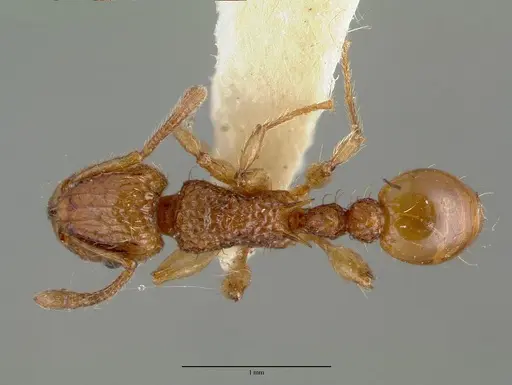
Literature
Loading distribution map...Loading products...