
Tetramorium inerme
- Sci. Name
- Tetramorium inerme
- Tribe
- Crematogastrini
- Subfamily
- Myrmicinae
- Author
- Mayr, 1877
- Distribution
- Found in 2 countries
Introduction
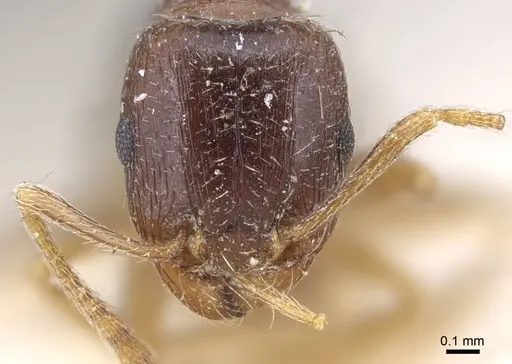
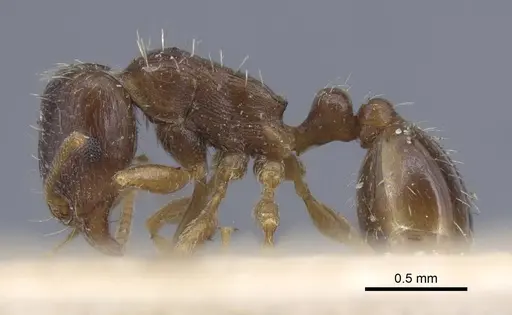
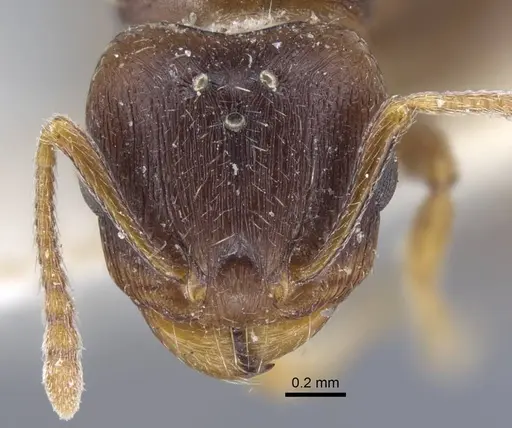
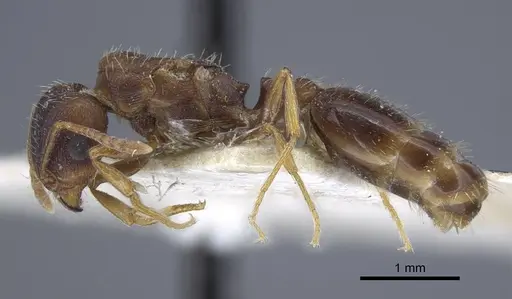
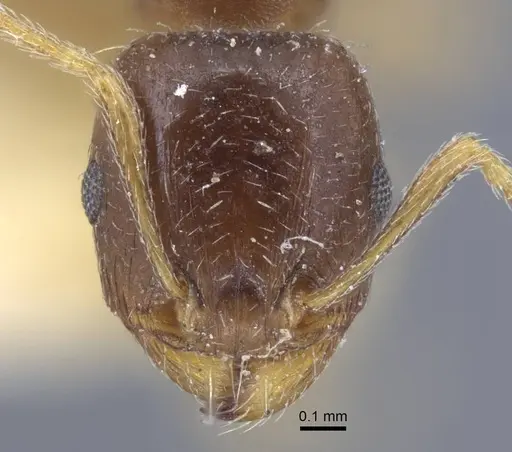
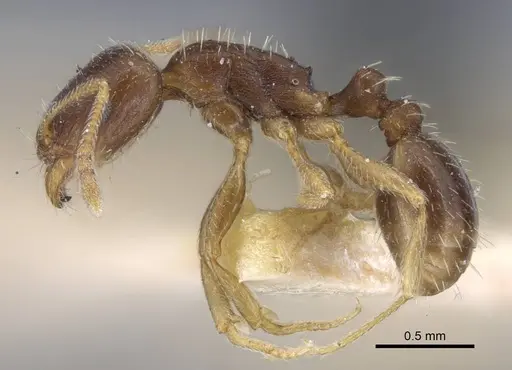
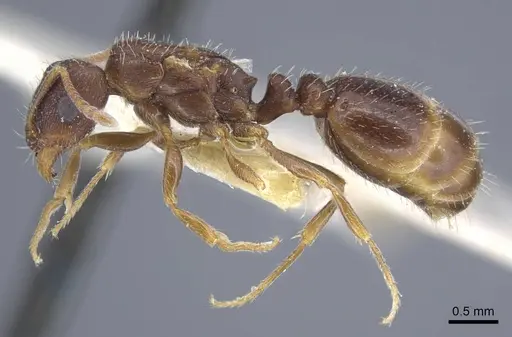
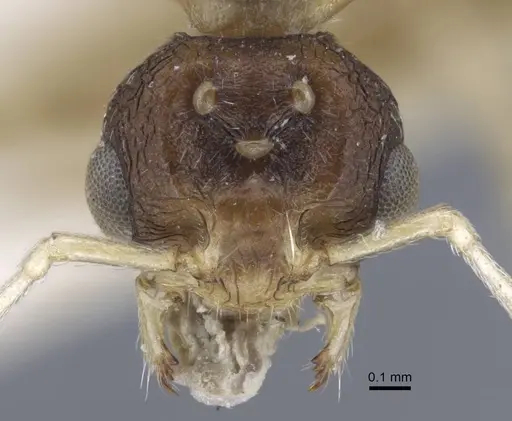
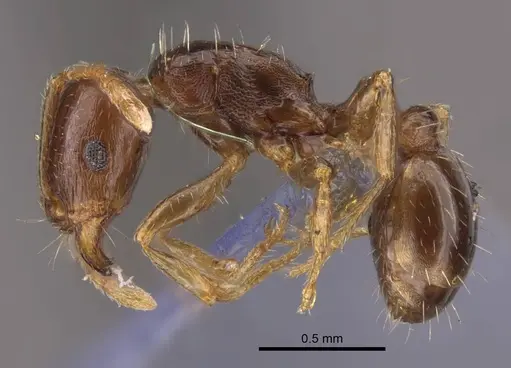
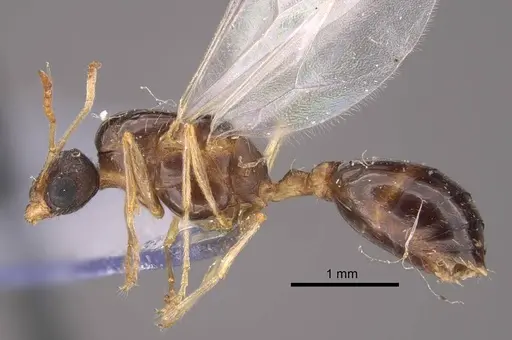
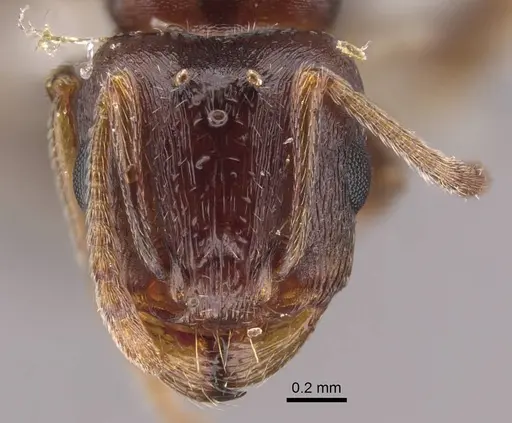
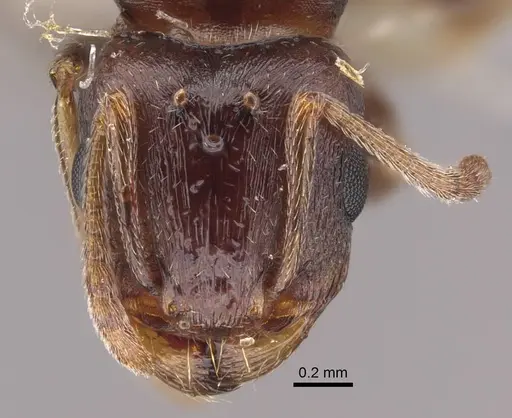
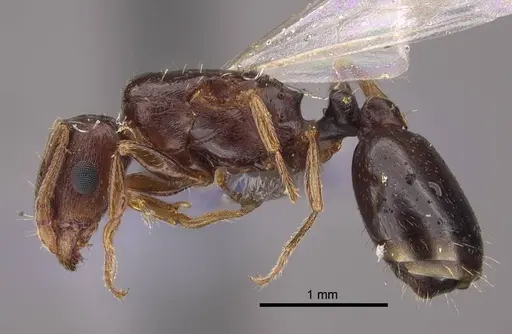
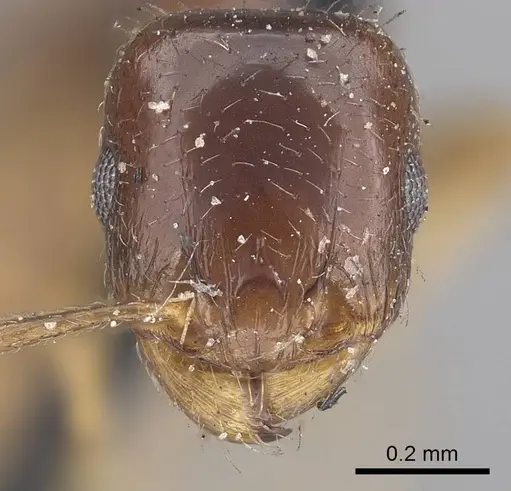
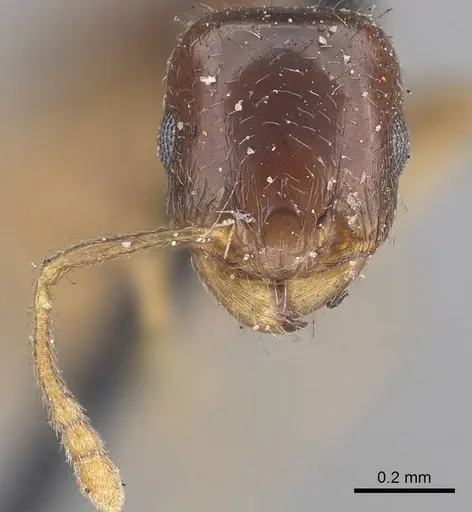
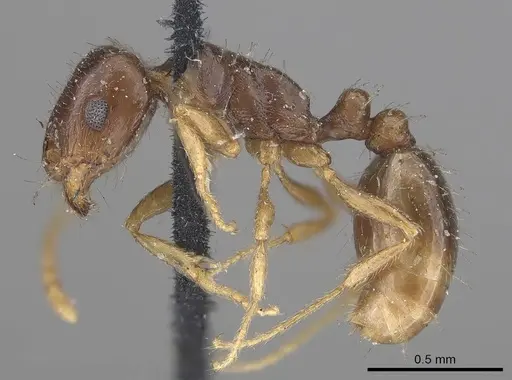
Tetramorium inerme is a small Myrmicinae ant found across the Palaearctic region, from Turkey and the Caucasus through Central Asia to northern China and Mongolia . Workers are about 3-5 mm (inferred from Tetramorium genus patterns), with the characteristic two-segmented waist (petiole and postpetiole) and notably reduced propodeal spines that appear as tiny denticles rather than full spines . The species was originally described as a variety of Tetramorium caespitum but was raised to full species status in 1927 . This ant thrives in arid to semi-arid landscapes, particularly in desert and steppe zones at elevations of 600-1600 meters . It is classified as a stenothermic Turan species, adapted to the hot summers and cold winters of Central Asian deserts . In Turkmenistan, colonies build elaborate nests with surface galleries extending 380 cm in total length and chambers reaching 41 cm depth . They are opportunist foragers, commonly hand‑sampled in desert environments .
Quick Summary
- Difficulty: Easy
- Origin & Habitat: Palaearctic region spanning Turkey, Armenia, Azerbaijan, Iran, Kazakhstan, Kyrgyzstan, Mongolia, Russia (Caucasus and southern regions), and northern China [1][7]. Found in desert and steppe zones at 600-1600 m elevation, particularly in intrazonal landscapes in the desert zone [3][8].
- Colony Type: Believed to be monogyne (single queen) based on typical Tetramorium patterns, but no direct confirmation.
- Size & Growth:
- Queen: Size unknown, inferred from Tetramorium genus (~6-8 mm).
- Worker: Size unknown, inferred from Tetramorium genus (~3-5 mm).
- Colony: Up to several hundred (estimated based on genus patterns).
- Growth: Moderate (estimated based on genus patterns)
- Development: 6-8 weeks at optimal temperature (inferred from Tetramorium genus patterns) (Development time is inferred since specific data for this species is unavailable.)
- Antkeeping:
- Temperature: Keep at 22-26°C. The species originates from desert regions so it tolerates warmer conditions, but avoid extreme heat above 30°C. A gentle gradient allowing workers to choose their preferred temperature is ideal.
- Humidity: Low to moderate. These ants come from arid regions, so keep the nest substrate on the drier side, slightly moist but not wet. Allow areas to dry out between waterings.
- Diapause: Yes, as a species from temperate Central Asia, colonies require a winter rest period around 5-10°C for 2-3 months, typically from late autumn through early spring.
- Nesting: They prefer to dig their own tunnels in soil or sand. A naturalistic setup with compactable substrate works well. Y-tong or plaster nests are also suitable if given appropriate humidity levels. They build elaborate tunnel systems in the wild, so provide depth for tunneling.
- Behavior: Workers are active foragers that search for food on the ground surface. They are not particularly aggressive and are considered peaceful colony members. They use a smear defense mechanism, flattening their stinger to wipe venom onto attackers. They are opportunistic feeders. Escape risk is moderate, their small size means they can squeeze through small gaps, so ensure enclosure barriers are secure.
- Common Issues: colonies may fail if kept too humid, these are desert-adapted ants that prefer drier conditions., escape prevention is important due to their small worker size., overheating can be fatal, avoid temperatures above 30°C despite their desert origin., colonies may struggle if not given winter diapause period.
Housing and Nest Setup
Tetramorium inerme does well in naturalistic setups with compactable substrate they can tunnel through. In the wild, they build elaborate nests with surface galleries extending over 3 meters in total length and chambers reaching 41 cm depth [5]. For captivity, use a mix of sand and soil or a ready-made formicarium substrate. Y-tong nests also work well if you keep the substrate slightly dry rather than wet. A test tube setup works for founding colonies, but transfer to a larger digging setup once the colony reaches 20-30 workers. Ensure any setup has secure barriers as these small ants can escape through tiny gaps.
Feeding and Diet
Like most Tetramorium species, T. inerme is an opportunistic feeder that accepts both protein and sugar sources. Offer sugar water, honey, or diluted honey water as a constant energy source. For protein, provide small insects like fruit flies, small crickets, or mealworms. Feed every 2-3 days, adjusting based on how quickly the colony consumes food. Remove uneaten prey after 24 hours to prevent mold.
Temperature and Seasonal Care
Keep colonies at 22-26°C, avoiding temperatures above 30°C or below 15°C. As a desert-adapted species from Central Asia, they can tolerate warmer conditions than many temperate ants but still need moderate temperatures for proper brood development [4]. During winter (roughly November to March in the Northern Hemisphere), move the colony to a cool location around 5-10°C for diapause. This winter rest is essential for colony health and typically lasts 2-3 months. Do not feed during diapause but ensure the nest does not dry out completely.
Humidity and Water
These ants prefer drier conditions compared to many common pet ants. Keep the nest substrate slightly moist but allow portions to dry out between waterings. The substrate should feel damp to the touch but not form a mud ball. Overwatering is a common mistake with this species, too much moisture leads to mold and colony decline. Provide a water source like a cotton ball in a test tube or small water dish, but do not saturate the nesting area. The arid origin of this species means they are adapted to conserve water.
Colony Development
A newly mated queen will seal herself in a claustral chamber and raise her first brood using stored fat reserves (presumed based on Tetramorium genus patterns). First workers (nanitics) are typically smaller than mature workers. Once the first workers emerge, the colony expands as the queen continues laying eggs. Growth rate is moderate, expect the colony to reach 50 workers within the first year under good conditions (estimated). Maximum colony size is likely several hundred workers. The development time from egg to worker is estimated at 6-8 weeks at optimal temperature.
Frequently Asked Questions
Is Tetramorium inerme good for beginners?
Yes, this species is beginner-friendly. It is hardy, tolerates a range of conditions, and does not require specialized equipment. The main requirements are keeping humidity low and providing a winter diapause period. Their small size and peaceful temperament make them easy to manage.
How long does it take for the first workers to appear?
Expect first workers (nanitics) to emerge 6-8 weeks after the queen lays eggs, assuming temperatures around 24°C. This estimate is based on typical Tetramorium development patterns since specific timing for T. inerme has not been documented.
Do Tetramorium inerme ants sting?
Tetramorium species have a functional stinger but their sting is mild. These ants are not aggressive and rarely sting unless directly threatened. The sting sensation is minor compared to larger ants or those with more potent venom.
What temperature range is best for Tetramorium inerme?
Keep them at 22-26°C. They can tolerate warmer conditions up to about 30°C due to their desert origin, but the ideal range is room temperature. Avoid temperatures below 15°C except during winter diapause.
Do I need to hibernate my Tetramorium inerme colony?
Yes, a winter diapause is recommended. These ants come from Central Asian regions with harsh winters, so they need a 2-3 month rest period at 5-10°C during winter. Skip diapause only if your colony is very small or weak, but expect reduced activity the following season.
How big do Tetramorium inerme colonies get?
Based on typical Tetramorium species, colonies likely reach several hundred workers at maturity. The exact maximum is not documented, but expect moderate colony size rather than the massive supercolonies some ant species form.
Can I keep multiple Tetramorium inerme queens together?
This species is believed to be monogyne (single queen per colony). Multiple unrelated queens will likely fight. Only keep one queen per colony. If you find a colony in the wild, it will typically have just one reproductive queen.
What do Tetramorium inerme ants eat?
They are opportunistic feeders that accept sugar sources (honey water, sugar water) and protein (small insects like fruit flies, crickets, mealworms). Offer sugar constantly and protein 2-3 times per week. Remove uneaten food promptly.
Why is my Tetramorium inerme colony dying?
The most common causes are too much humidity (they prefer dry conditions), temperatures too high above 30°C or too low, lack of winter diapause, or stress from frequent disturbances. Check that the nest is not overly wet and that temperatures stay within the 22-26°C range.
When should I move my colony to a formicarium?
Keep founding colonies in a test tube until you have 20-30 workers. Once the colony outgrows the test tube or you see workers clustering at the water reservoir, transfer to a larger digging setup or Y-tong nest. They enjoy tunneling, so provide substrate depth.
Where is Tetramorium inerme found in the wild?
This species lives across the Palaearctic region from Turkey and the Caucasus through Iran, Kazakhstan, Kyrgyzstan, Mongolia, to northern China. It prefers desert and steppe habitats at elevations of 600-1600 meters, particularly in intrazonal landscapes [3][8].
Are Tetramorium inerme ants escape artists?
They have moderate escape risk due to their small size (about 3-5 mm). Use secure barriers and check that any lid gaps are very small. They are not strong climbers, but their tiny size allows them to squeeze through surprisingly small openings.
Report an Issue
The current care sheet is based fully on literature. See inconsistencies, or something that's incorrect? Please , it will be resolved after review from an admin. Contributing to the blogs tab also helps providing information, to make us be able to further improve the caresheets. Thank you for your support!
References

This caresheet is licensed under CC BY-SA 4.0 .
Community Blogs
CASENT0917067
View on AntWeb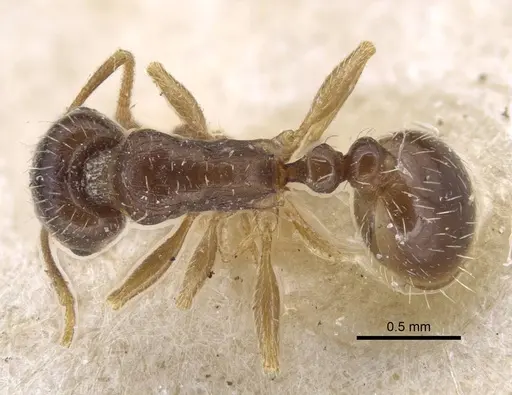
CASENT0917068
View on AntWeb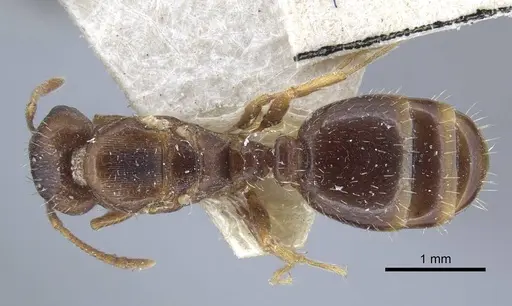
CASENT0917071
View on AntWeb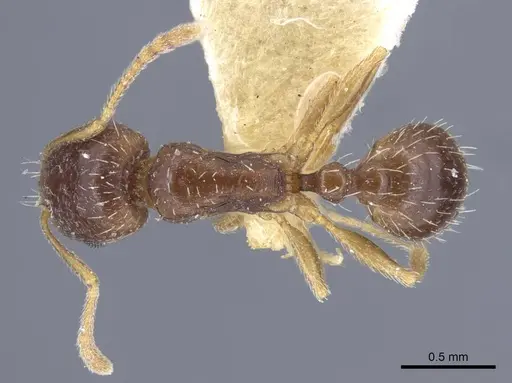
CASENT0917072
View on AntWeb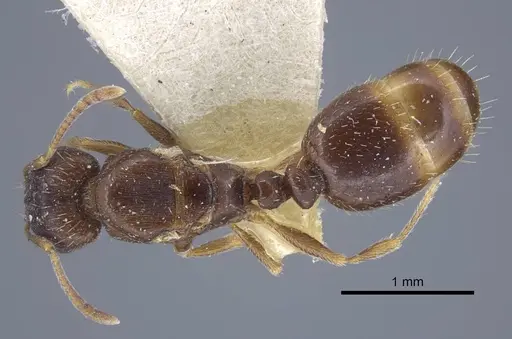
CASENT0917073
View on AntWeb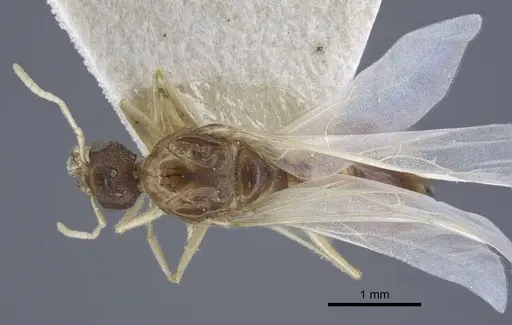
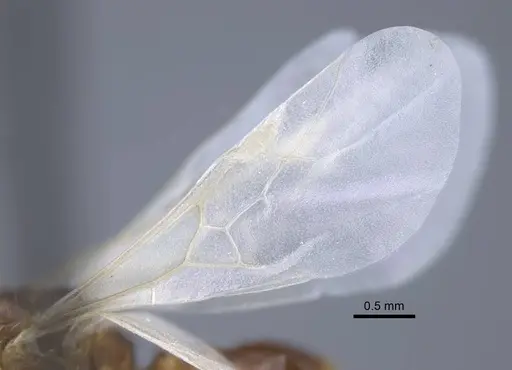
CASENT0917412
View on AntWeb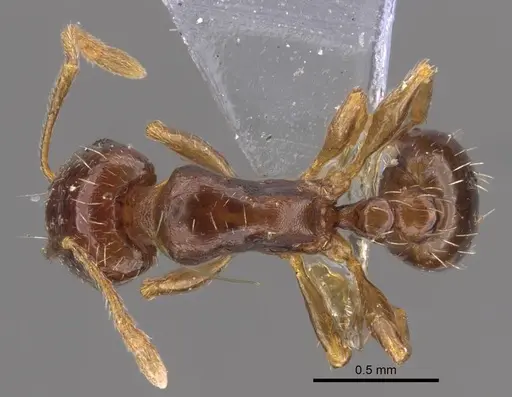
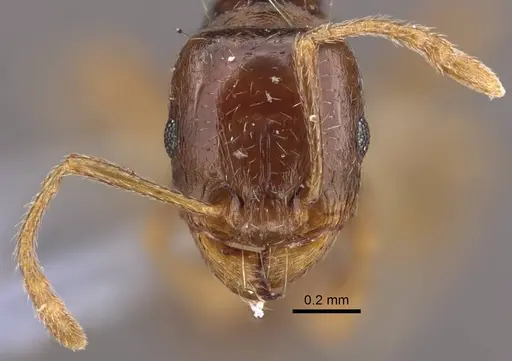
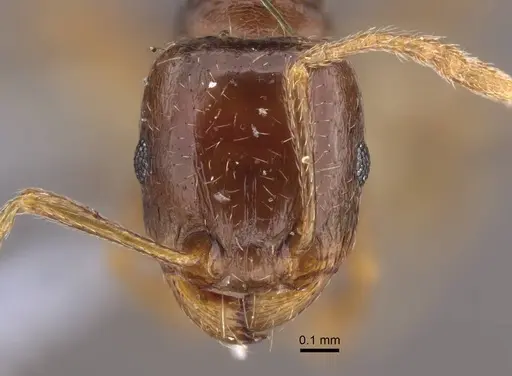
CASENT0917413
View on AntWeb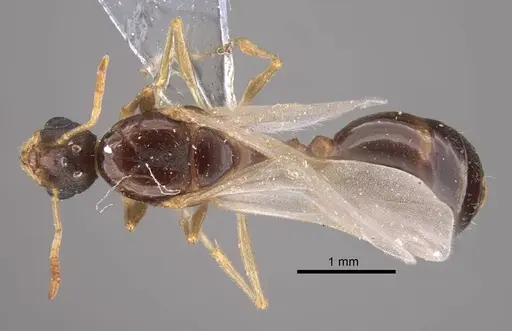
CASENT0917414
View on AntWeb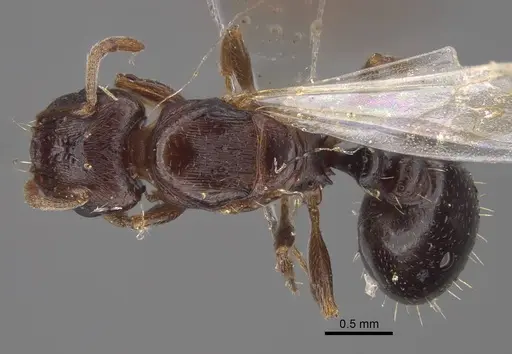
CASENT0919636
View on AntWeb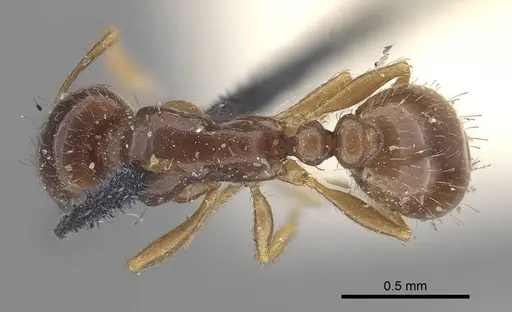
Literature
Loading distribution map...Loading products...